On Carrer de Petritxol, one of the Gothic Quarter's most atmospheric pedestrian lanes, El Pintxo De Petritxol occupies a spot where Basque-influenced pintxo culture meets Barcelona's neighbourhood bar tradition. The address places it deep in Ciutat Vella, where the drinking and eating happen in the same unhurried register. A practical stop for those moving between the Barri Gòtic's tighter streets and the Ramblas corridor.
Pearl is the En Primeur Club membership app — saves, bookings, and concierge access live there. Same editors, same standards.
- Address
- Carrer de Petritxol, 9, Ciutat Vella, 08002 Barcelona, Spain
- Phone
- +34919175453
- Website
- elpintxodepetritxol.es
- Directions
- Get directions
 Saves & bookings on Pearl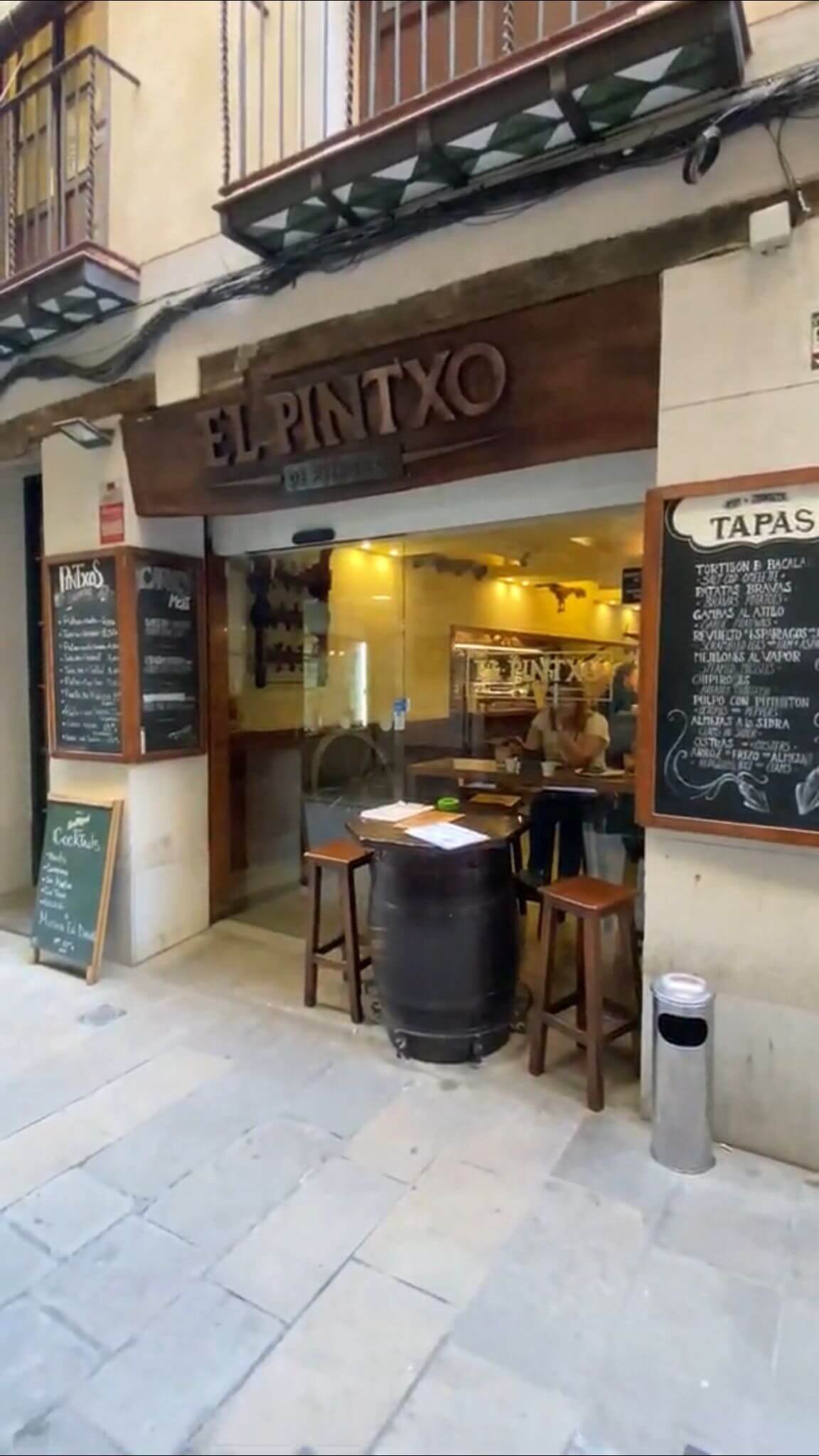
Carrer de Petritxol and the Pintxo Tradition in Barcelona
Carrer de Petritxol is one of the few streets in Barcelona's Gothic Quarter where the medieval proportions of the lane actively shape how people eat and drink. The street is narrow enough that tables from facing establishments nearly meet in the middle on busy afternoons, and the foot traffic is a mix of locals cutting through from Plaça del Pi and visitors who have wandered off the Ramblas. It is in this compression of old-city geography that El Pintxo De Petritxol sits, operating in a format that is more Basque in origin than Catalan, yet thoroughly embedded in the neighbourhood's rhythm.
The pintxo format itself represents one of Spanish bar culture's more democratic food traditions. Originating in San Sebastián's Parte Vieja, pintxos migrated south and west as Barcelona's bar scene absorbed influences from across Spain during the late twentieth century. What arrived was a counter-service model built around small bread-based compositions, typically anchored by cured fish, cured meat, or some combination of both, consumed standing at the bar with a glass of txakoli or house wine. Barcelona absorbed the format without entirely transforming it, and the city's pintxo bars now occupy a middle position between the high-concept Basque pintxo bars of San Sebastián's new generation and the simpler tapa counters of Catalonia's older neighbourhood tradition.
The Gothic Quarter's Drinking and Eating Register
Ciutat Vella, the administrative district that contains the Gothic Quarter, operates on a different temporal logic from Barcelona's Eixample. The neighbourhood's bar and restaurant culture is layered: tourists move through it at pace, but the streets around Carrer de Petritxol retain a local function that Barceloneta or the more visited sections of the Barri Gòtic have partially lost. The street itself is known for its xocolateries and granja-style café culture, a tradition that predates the city's contemporary dining scene by several generations. El Pintxo De Petritxol occupies that same pedestrian lane, placing it in a food corridor where the ambient expectation is casual, affordable, and neighbourhood-scaled rather than destination-driven.
For context on how Barcelona's broader restaurant hierarchy is structured, the city's top tier now includes multi-Michelin-starred operations such as Disfrutar (Progressive, Creative), ABaC (Creative), Lasarte (Progressive Spanish, Creative), Enigma (Creative), and Cocina Hermanos Torres (Creative). These are tasting-menu destinations operating at price points that require advance planning and booking windows of weeks or months. The pintxo bar format functions in an entirely different register: immediate access, no reservations in most cases, and a price per bite rather than a fixed menu. The two tiers coexist in Barcelona without direct competition because they serve different reader decisions entirely. Our full Barcelona restaurants guide maps both tiers and the neighbourhoods where each is concentrated.
Wine and Drink at the Pintxo Counter
The editorial angle that most distinguishes a well-run pintxo bar from a mediocre one is what happens in the glass. In the Basque Country's strongest bars, the drink selection has become as considered as the food, with txakoli from Getaria poured to order, short Rioja and Ribera del Duero lists chosen for pour-by-the-glass suitability, and vermouth programs that reflect the bar's regional positioning. Barcelona's better pintxo counters have followed a similar logic, partly because Catalan wine culture gives them access to a wider regional palette: Penedès whites, Priorat reds, and the increasingly respected Empordà coast all sit within the city's natural sourcing orbit.
Spain's wine-producing geography, which underpins the drink selection at bars across the country, has a depth that is easy to underestimate at counter level. Properties such as El Celler de Can Roca in Girona and Atrio in Cáceres have built reputations partly on cellar depth that places Spanish wine in a longer historical frame. At the pintxo counter, that depth shows up differently: a well-chosen vermouth on tap, a txakoli that arrives cold enough to stay cold through the first glass, or a Cava poured without ceremony as the default aperitif. These are not sommelier decisions in the formal sense, but they reflect the same underlying commitment to what the glass contributes to the experience of eating at the bar.
For comparison with Spanish fine dining where the wine program is a primary editorial subject, Arzak in San Sebastián, Mugaritz in Errenteria, and Martin Berasategui in Lasarte-Oria represent the northern tier of Spanish cooking where Basque culinary tradition and serious wine programming overlap. Quique Dacosta in Dénia, Ricard Camarena in València, and Aponiente in El Puerto de Santa María extend that ambition into the Mediterranean and Atlantic south. DiverXO in Madrid and Azurmendi in Larrabetzu round out a national picture in which the pintxo bar sits at the populist foundation rather than the apex, but the same wine-producing geography feeds both ends of the spectrum.
Planning Your Visit: Logistics and Peer Comparison
The table below positions El Pintxo De Petritxol against the practical realities of Barcelona's broader eating options, to assist with trip planning across different formats and price expectations.
| Venue | Format | Price Tier | Booking Required | Location |
|---|---|---|---|---|
| The restaurant | Pintxo bar | Low (per-bite pricing) | No (walk-in) | Gothic Quarter, Ciutat Vella |
| Disfrutar | Tasting menu | €€€€ | Yes (weeks ahead) | Eixample |
| Lasarte | Tasting menu / à la carte | €€€€ | Yes | Eixample |
| ABaC | Tasting menu | €€€€ | Yes | Sarrià-Sant Gervasi |
| Le Bernardin (NYC) | Tasting / à la carte | €€€€ | Yes (weeks ahead) | Midtown Manhattan |
| Lazy Bear (San Francisco) | Fixed communal menu | €€€€ | Yes (ticket purchase) | Mission District |
Carrer de Petritxol is accessible on foot from the Liceu metro station (L3), a walk of under five minutes through Plaça de la Boqueria. The Gothic Quarter's pedestrian network means the street itself is car-free, which shapes the pace of any visit: there is no pressure to move quickly, and the narrow lane rewards stopping rather than passing through.
Nearby-ish Comparables
Comparable venues nearby, for context on price, style, and recognition.
| Venue | Cuisine | Price | Notes |
|---|---|---|---|
| El Pintxo De PetritxolThis venue — the venue you are viewing | Authentic Basque Pintxos & Spanish Tapas | $$ | Not listed |
| Can Culleretes | Traditional Catalan | $$ | Barri Gotic |
| THE CHIPIRON | Traditional Spanish Seafood Tapas | $$ | Port Vell |
| Restaurant Pasa Tapas | Traditional Spanish Tapas & Paella | $$ | Sant Pere, Santa Caterina i la Ribera |
| Mesa Lobo | French-Nordic Market Bistro with Catalan Influences | $$ | l'Antiga Esquerra de l'Eixample |
| Bardot @bardotbarcelona | Sophisticated Catalan Tapas | $$ | l'Antiga Esquerra de l'Eixample |
Continue exploring
More in Barcelona
Restaurants in Barcelona
Browse all →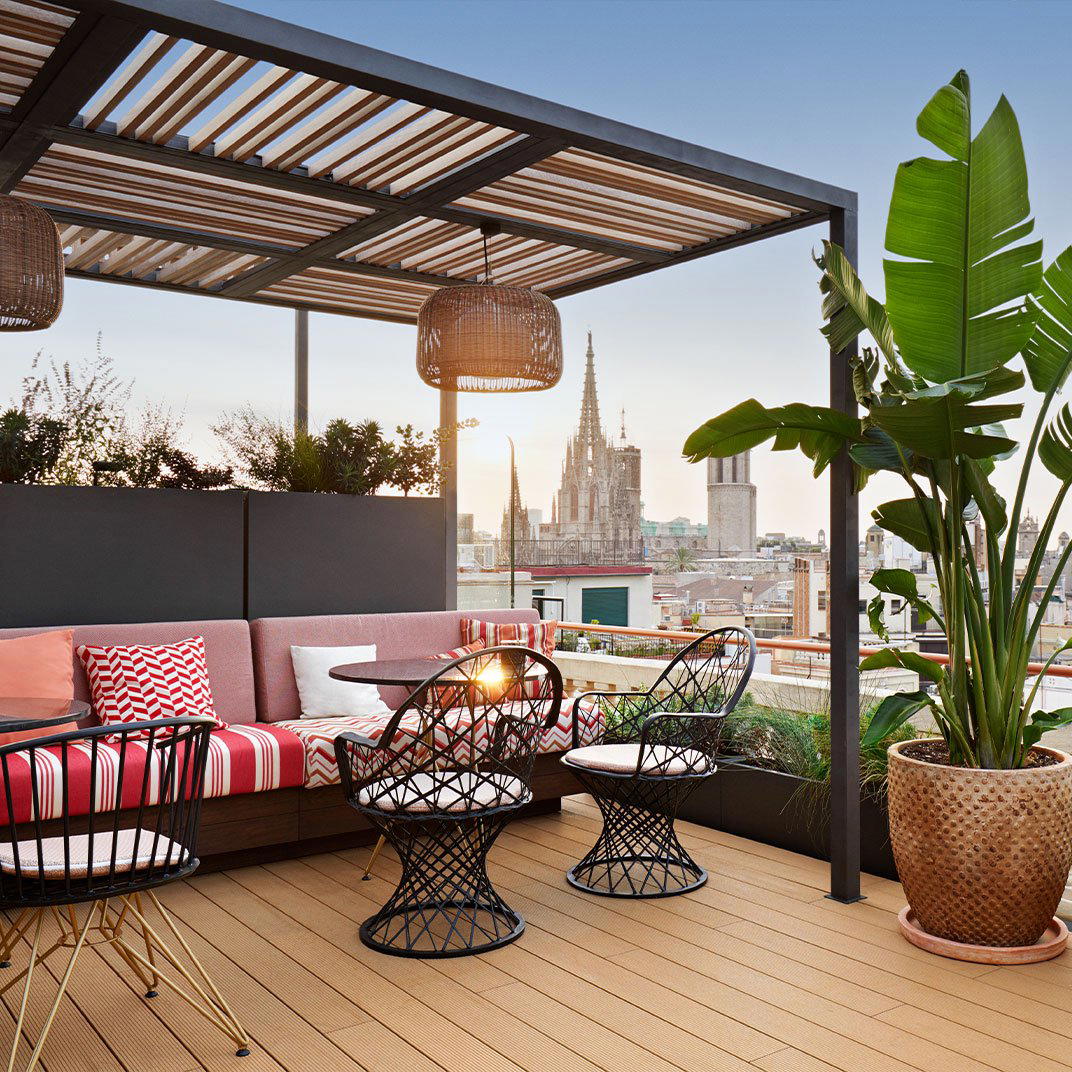
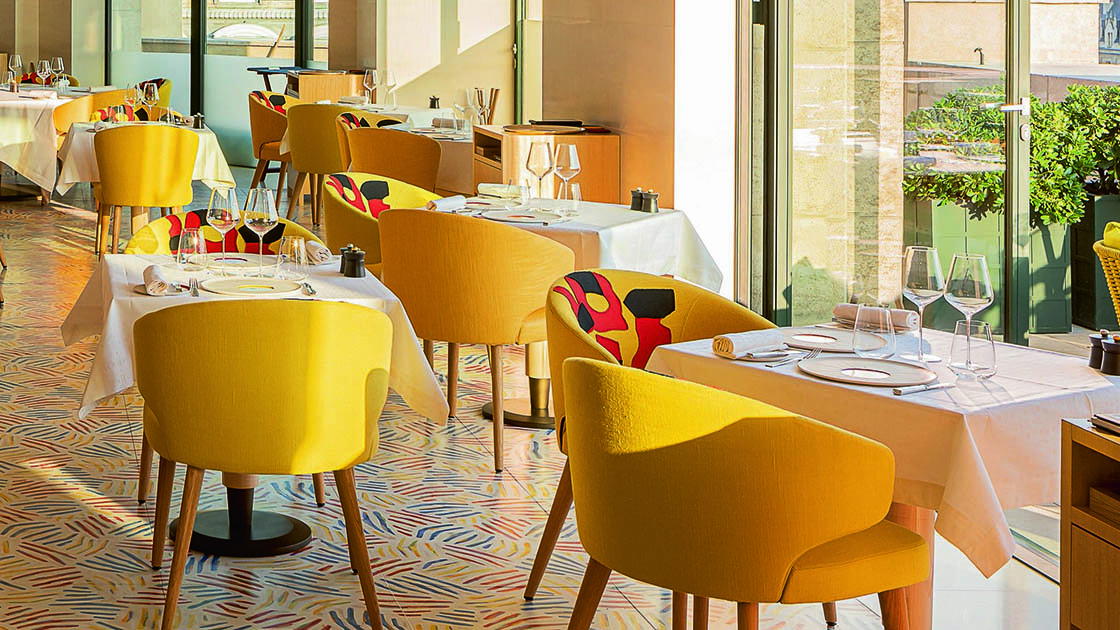
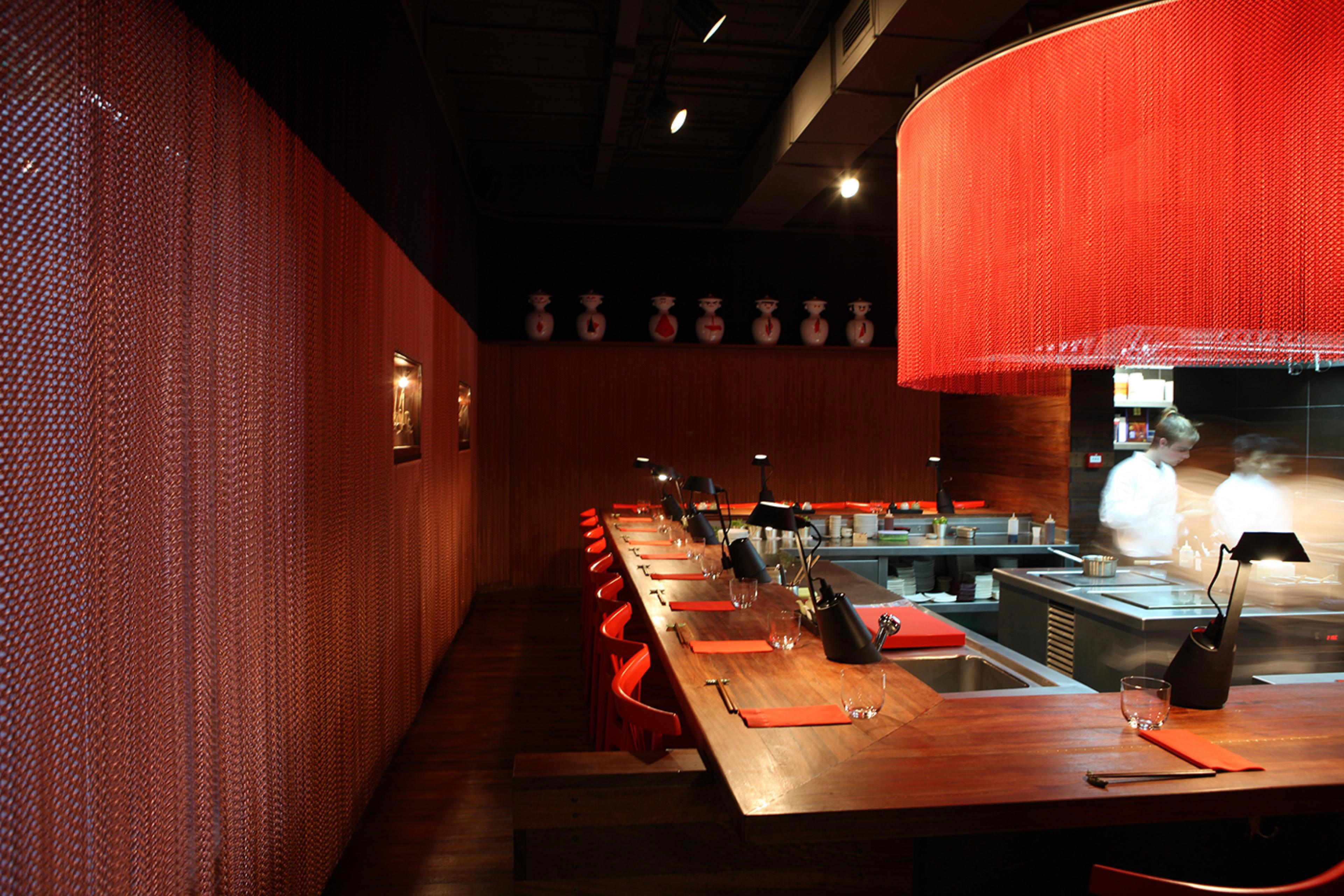
Bars in Barcelona
Browse all →
Hotels in Barcelona
Browse all →
At a Glance
- Lively
- Rustic
- Classic
- Well Known
- Casual Hangout
- Group Dining
- After Work
- Late Night
- Open Kitchen
- Beer Program
- Local Sourcing
Current opening hours
- Monday
- 11 AM–12 AM
- Tuesday
- 11 AM–12 AM
- Wednesday
- 11 AM–12 AM
- Thursday
- 11 AM–12 AM
- Friday
- 11 AM–1 AM
- Saturday
- 11 AM–1 AM
- Sunday
- 11 AM–12 AM
Hours can change for holidays and private events. Last verified .
Lively and welcoming atmosphere with warm service, creating an energetic dining experience that captures the essence of Spanish culinary heritage.