Our verdict
In Hakata Ward, La Maison de la Nature Goh represents a strand of French-inflected dining that has taken root in Fukuoka through close attention to Kyushu's agricultural and coastal larder. The restaurant operates within a city whose food identity is built on proximity to exceptional raw materials, from Genkai Sea seafood to the vegetable farms of the surrounding prefectures. It occupies a quieter, more considered register than Fukuoka's ramen-and-izakaya mainstream.
The menu
What to order
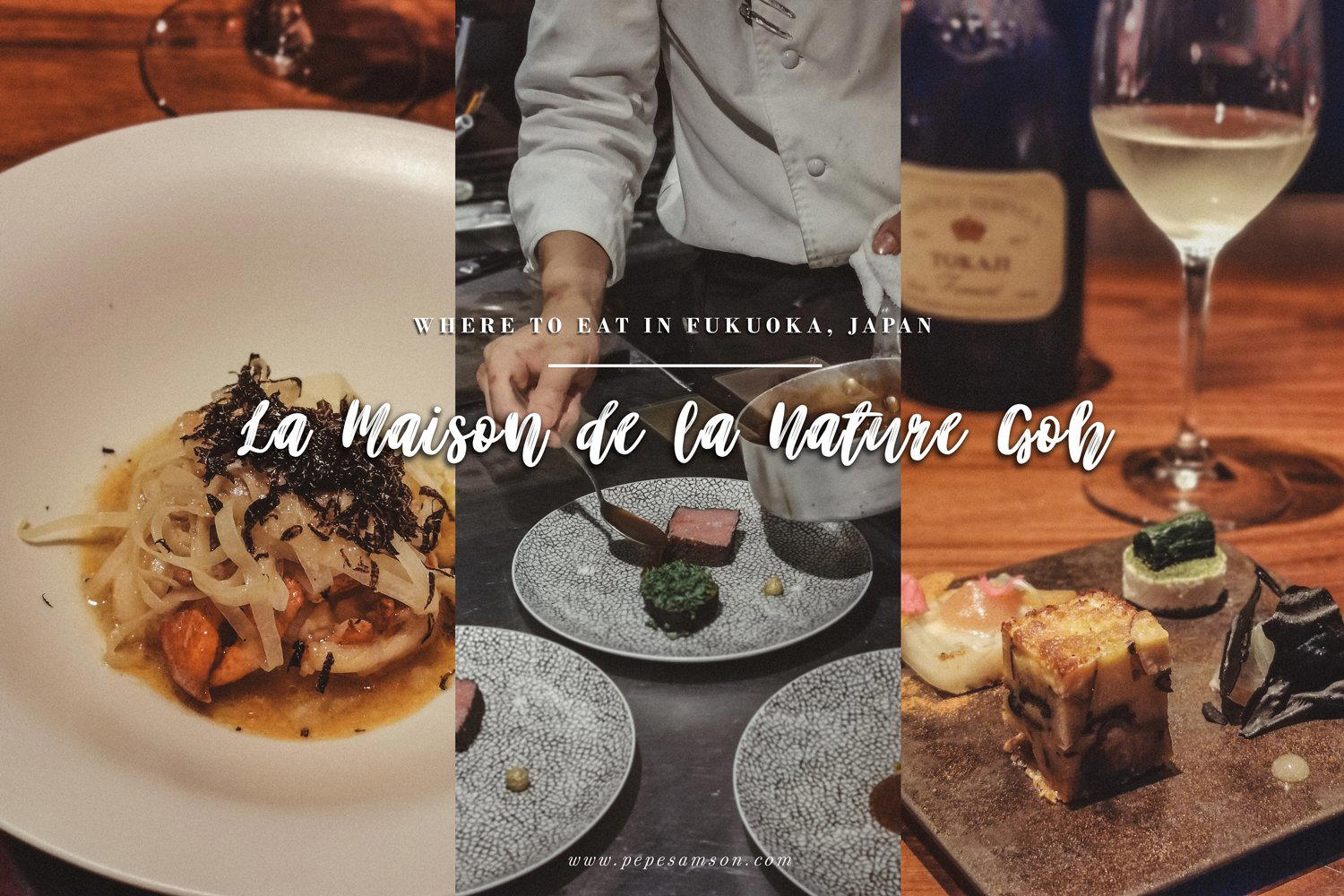
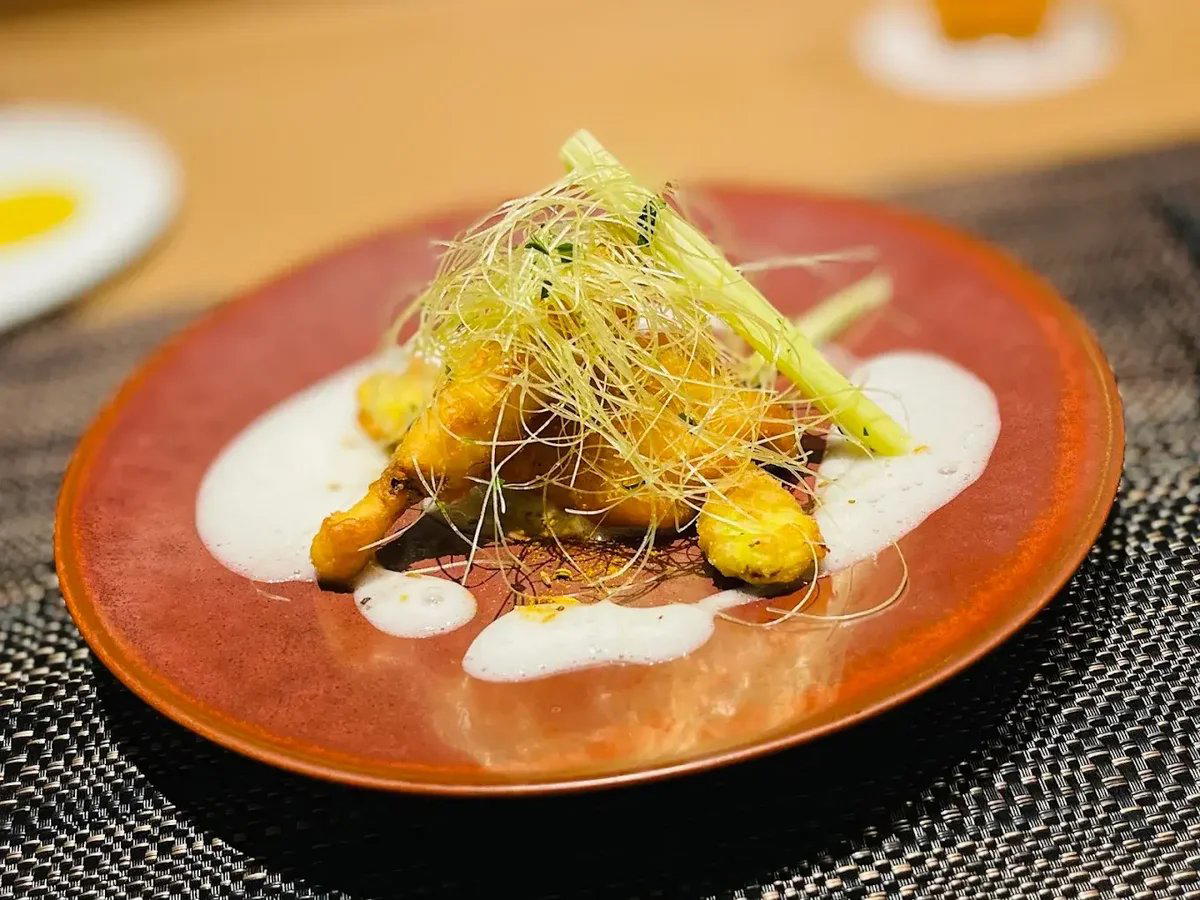
- Prawn and Spinach Risotto
- Wagyu Beef with Kyushu Vegetables
- Rice Crab Bouillabaisse
- Foie Gras with Seasonal Japanese Vegetables
Where Fukuoka's Produce Culture Meets the French Table
Fukuoka has always eaten well because of where it sits. The city faces the Genkai Sea to the north, draws on Kyushu's agricultural interior to the south and east, and sits close enough to Saga and Nagasaki prefectures that their produce flows into Hakata kitchens as a matter of course. That geographic advantage has historically shaped the city's food identity around freshness and locality rather than import or technique for its own sake. La Maison de la Nature Goh, on a residential stretch of Sumiyoshi in Hakata Ward, belongs to the strand of Fukuoka dining that formalises this advantage into a structured, French-inflected meal.
The name is worth pausing on. "La Maison de la Nature", the house of nature, signals an orientation toward sourcing before anything else. In a city already defined by market-driven cooking, restaurants that make ingredient provenance the explicit organising principle occupy a distinct position. They are not simply French restaurants operating in Japan; they are Japanese restaurants using French technique as a lens through which local materials are examined and presented. This is a different project from, say, the innovation-first approach of HAJIME in Osaka, where French structure becomes a vehicle for conceptual statement, or the classical rigour of Harutaka in Tokyo, where tradition is the point. At Goh, the subject is the material itself.
Hakata Ward and the Logic of the Address
Sumiyoshi sits between Hakata Station and the waterfront, a neighbourhood of narrow streets and low buildings that does not announce itself as a dining destination. That is part of its character. Some of Fukuoka's most considered cooking happens away from the neon-lit channels of Nakasu or the tourist-facing stalls of the yatai. The address places La Maison de la Nature Goh within a local dining culture that rewards the visitor who has done the research rather than the one following the main street. For a broader orientation to where this fits within the city's dining options, our full Fukuoka Shi restaurants guide maps the major registers and neighbourhoods.
Fukuoka as a city punches above its population weight in terms of restaurant density and quality. It has historically attracted chefs who found Tokyo's costs and competition forbidding, and it has benefited from a local population that spends seriously on food. The result is a restaurant ecosystem with meaningful depth at the upper-middle and premium tiers, producing venues that deserve comparison with counterparts in Kyoto or Osaka rather than being treated as provincial alternatives. Gion Sasaki in Kyoto and akordu in Nara offer points of comparison for the kind of restrained, produce-led formality that defines this tier across western Japan.
The Sourcing Logic Behind Nature-Named Restaurants
Across Japan, French restaurants that centre ingredient sourcing tend to operate within a particular discipline. The menu structure is typically seasonal to the point of being month-specific, with a fixed course format that allows the kitchen to commit fully to whatever the farms and fisheries are producing at that moment. This is the opposite of the à la carte model, which demands year-round consistency and therefore either compromises on seasonality or inflates ingredient costs through off-season sourcing. The fixed-course approach, familiar from kaiseki tradition, maps naturally onto French tasting menu structure, and Japanese French restaurants have long used it to present an argument about place and time rather than simply about technique.
Kyushu's larder makes this argument easier to sustain than almost anywhere else in Japan. The region produces Amaou strawberries, Hakata negi, Saga beef alongside Kobe and Matsusaka in premium wagyu conversations, and a coastal catch that includes squid from Yobuko and fish from the Genkai and Ariake seas. Restaurants that source directly from these supply chains are working with materials that do not require elaborate preparation to make an impression. The kitchen's job becomes one of selection, timing, and restraint as much as transformation. This is the philosophy that names like "La Maison de la Nature" signal to a knowing diner.
For comparison, consider how similar sourcing philosophies operate at different scale across Japan's French-inflected tier: Abon in Ashiya, affetto akita in Akita, and Amaki in Aichi each reflect regional variations on the same underlying discipline. Internationally, the ingredient-first argument is made most forcefully at venues like Le Bernardin in New York City, where sourcing is the explicit foundation of menu identity, and at Lazy Bear in San Francisco, where provenance documentation is built into the guest experience itself.
Fukuoka's French Tier in Context
La Maison de la Nature Goh is one address within a broader pattern of Fukuoka restaurants operating at the intersection of French technique and Japanese sourcing discipline. The city also contains Goh in Fukuoka, which operates in an adjacent register, and a wider cluster of restaurants at various price points drawing on similar supply chains. Across Kyushu more broadly, venues like Aji Arai in Oita, Amegen in Saga, and Akakichi in Imabari reflect how deeply regional sourcing culture has shaped the premium dining tier across the island. Further north, aki nagao in Sapporo and Ajidocoro in Yubari District show that this pattern extends across Japan's regions rather than being confined to its major urban centres.
What distinguishes Fukuoka within this national picture is the combination of supply chain quality and price competitiveness. Premium French tasting menus in Tokyo or Kyoto carry costs that reflect those cities' real estate and labour markets. Fukuoka's overhead structure has historically allowed restaurants to price at a lower point while sourcing at equivalent or higher quality, which is why the city's upper-middle dining tier often surprises visitors expecting a provincial discount on a Tokyo experience. They find instead a different proposition: tighter connection to local supply, lower room overhead, and kitchens whose attention is undivided by the pressure of a high-volume city dining market.
Planning Your Visit
Hakata Ward is accessible from Fukuoka Airport in under fifteen minutes by subway, making it among the most convenient major food cities in Japan for an incoming traveller. The Sumiyoshi address is walkable from Hakata Station, though the surrounding streets are quiet enough that navigating by map application is advisable. Reservations for restaurants at this tier in Fukuoka are advisable several weeks in advance, particularly for weekend sittings and peak travel periods in spring and autumn. For additional context on venues across similar price points and sourcing philosophies in the Kyushu region, anchoa in Kanagawa and Arakawa in Hyogo offer useful reference points for what this tier delivers across western Japan.
Frequently asked questions
Is La Maison de la Nature Goh good for families?
The address in Sumiyoshi, Hakata Ward signals a considered dining room rather than a casual family venue. French restaurants operating at this register in Fukuoka typically run structured tasting menus with a pace and setting that suits adults planning a focused meal. Families with young children would likely find the format less accommodating than Fukuoka's broader neighbourhood dining options.
Is La Maison de la Nature Goh better for a quiet night or a lively one?
Given its location on a narrow residential street in Sumiyoshi and the nature-named positioning that aligns with the ingredient-led French school in Japan, the dining experience here reads as deliberate and composed rather than high-energy. Expect a room calibrated for conversation over spectacle. Hakata Ward has livelier options for those wanting an animated evening.
How does La Maison de la Nature Goh fit into Fukuoka's French dining scene?
Fukuoka has developed a distinct tier of French restaurants that treat Kyushu produce and Genkai Sea ingredients as primary rather than supplementary, a different model from French dining in Tokyo, where imports and prestige sourcing dominate. La Maison de la Nature Goh, based in Sumiyoshi within Hakata Ward, is part of that city-specific approach, where French cuisine is filtered through the logic of what Kyushu actually grows and catches. It is one of several Fukuoka addresses making the city worth considering as a French dining destination in its own right.
What's the signature dish at La Maison de la Nature Goh?
What the name signals, 'La Maison de la Nature', is a kitchen philosophy centred on seasonal produce and natural sourcing, a structure common to French restaurants in Kyushu that draw on the region's agricultural interior and Genkai Sea catch. Seasonal menus at venues like this shift frequently enough that any single dish would be a moving target.
How do I find La Maison de la Nature Goh?
La Maison de la Nature Goh is located at 1 Chome-4-17 Sumiyoshi, Hakata Ward, Fukuoka, 812-0018, Japan, Fukuoka Shi.
Should I book La Maison de la Nature Goh in advance?
French restaurants at this level in Fukuoka's Hakata Ward operate small dining rooms and attract both local regulars and visitors connecting through Fukuoka Airport, which sits under fifteen minutes away by subway. Advance reservation is advisable; walk-in availability at venues of this type in Japan is rarely reliable, particularly on weekends.
What makes La Maison de la Nature Goh worth seeking out?
Fukuoka occupies a specific position in Japan's food geography: direct access to Genkai Sea seafood, Kyushu's agricultural interior, and a dining culture that has historically supported serious cooking without the price inflation of Tokyo or Osaka. La Maison de la Nature Goh sits within a pattern of Fukuoka addresses applying rigorous French technique to that local sourcing network. For anyone travelling through Hakata, it represents the kind of address that makes Fukuoka a credible stop on a food-focused itinerary.
How It Stacks Up
| Venue | Cuisine | Price | Awards | Notes |
|---|---|---|---|---|
| La Maison de la Nature GohThis venue (the venue you are viewing) | French-Japanese Omakase | Not listed | Not listed | Not listed |
| HAJIME | Avant-Garde Japanese Fine Dining | $300–500 | 3 Michelin Stars · World's 50 Best #83 | French, Innovative |
| Harutaka | Edo-Style Omakase Sushi | $200–300 | 3 Michelin Stars · World's 50 Best #76 | Sushi |
| L'Effervescence | Modern French with Japanese Influences | $200–300 | 3 Michelin Stars · World's 50 Best #69 | French |
| RyuGin | Modern Kaiseki | $500+ | 3 Michelin Stars · World's 50 Best #41 | Kaiseki, Japanese |
| Crony | Modern French with Japanese Influences | $150–200 | 2 Michelin Stars · World's 50 Best #34 | Innovative, French |
Continue exploring
More in Fukuoka
Restaurants in Fukuoka
All restaurants in Fukuoka →
Details
- Quiet
- Elegant
- Intimate
- Sophisticated
- Date Night
- Special Occasion
- Chefs Counter
- Open Kitchen
- Sake Program
- Local Sourcing
- Omakase
- Tasting Menu
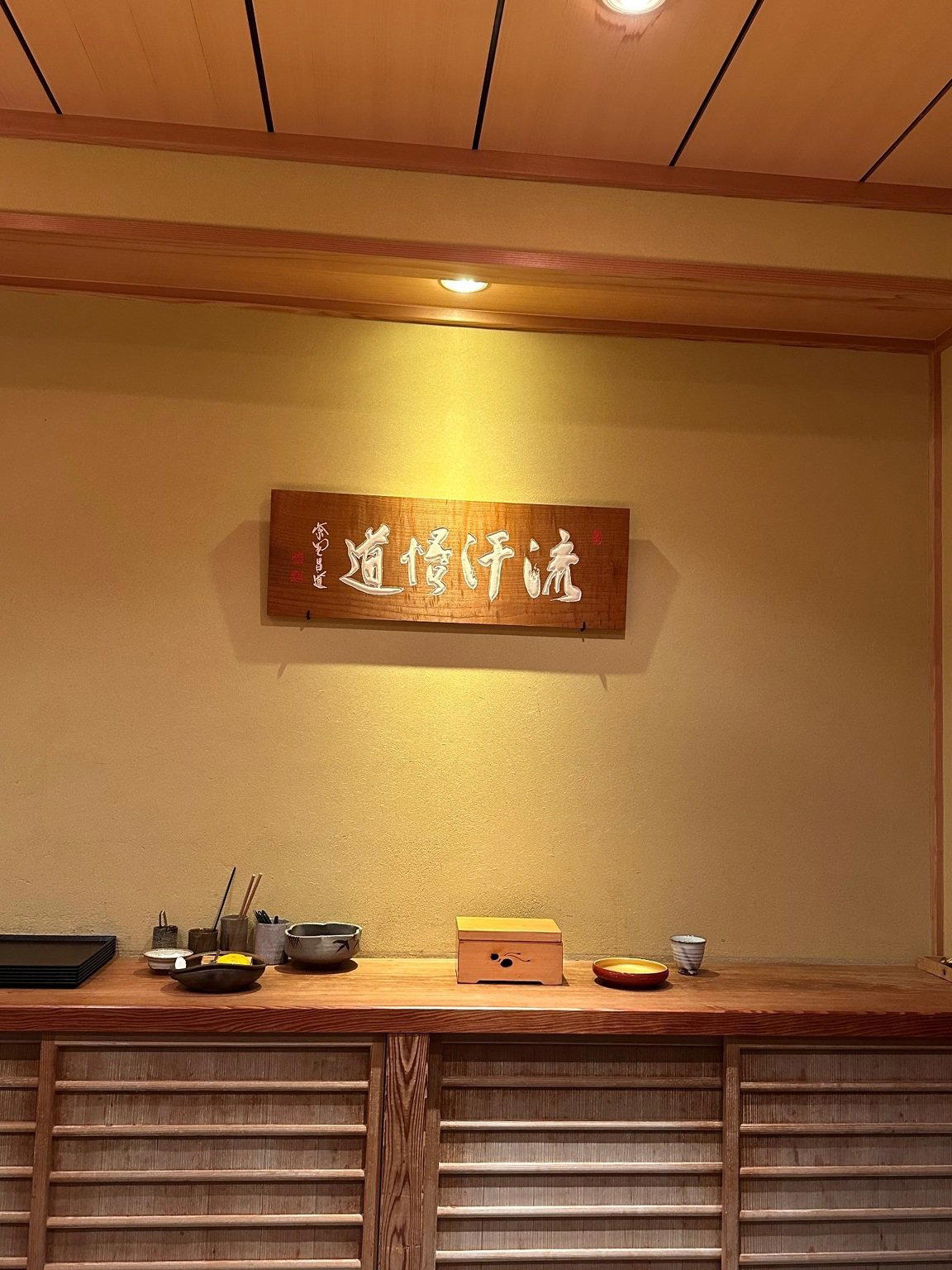
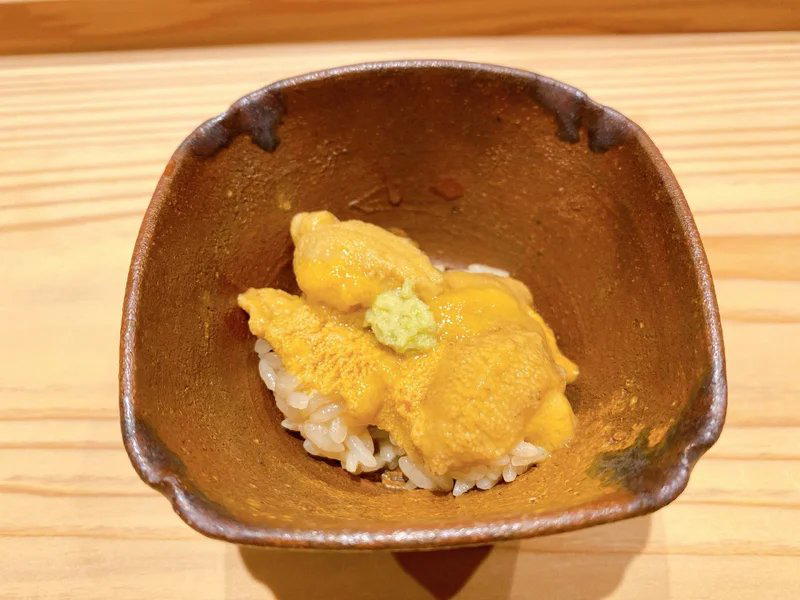
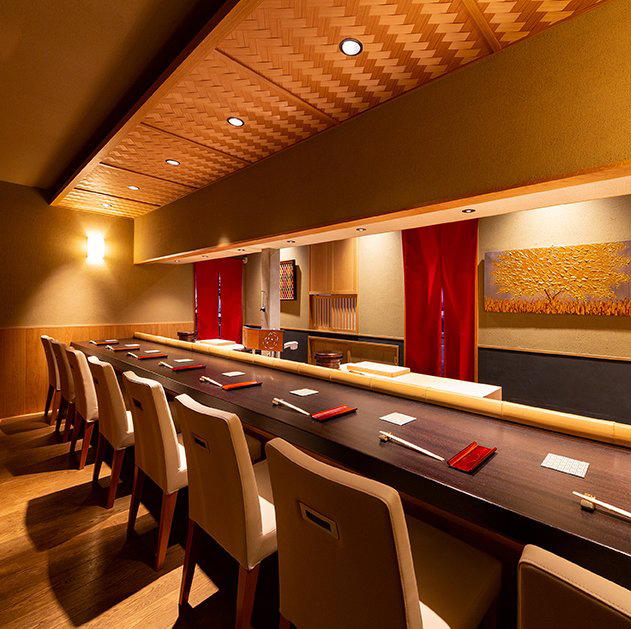
Quiet and stylish with an intimate counter atmosphere emphasizing chef-diner interaction through elegant, nature-inspired presentations.