ALIMENTO sits on Via Agostino Gallo in central Brescia, operating within a city whose dining culture has long prioritised regional produce over imported trends. The address places it squarely in a neighbourhood where ingredient sourcing and local supply chains carry real weight. For visitors weighing Brescia's mid-to-upper restaurant tier, it belongs on the shortlist alongside the city's most considered tables.
Pearl is the En Primeur Club membership app — saves, bookings, and concierge access live there. Same editors, same standards.
- Address
- Via Agostino Gallo, 6, 25121 Brescia BS, Italy
- Phone
- +393479770352
- Website
- alimentofood.com
- Directions
- Get directions
 Saves & bookings on Pearl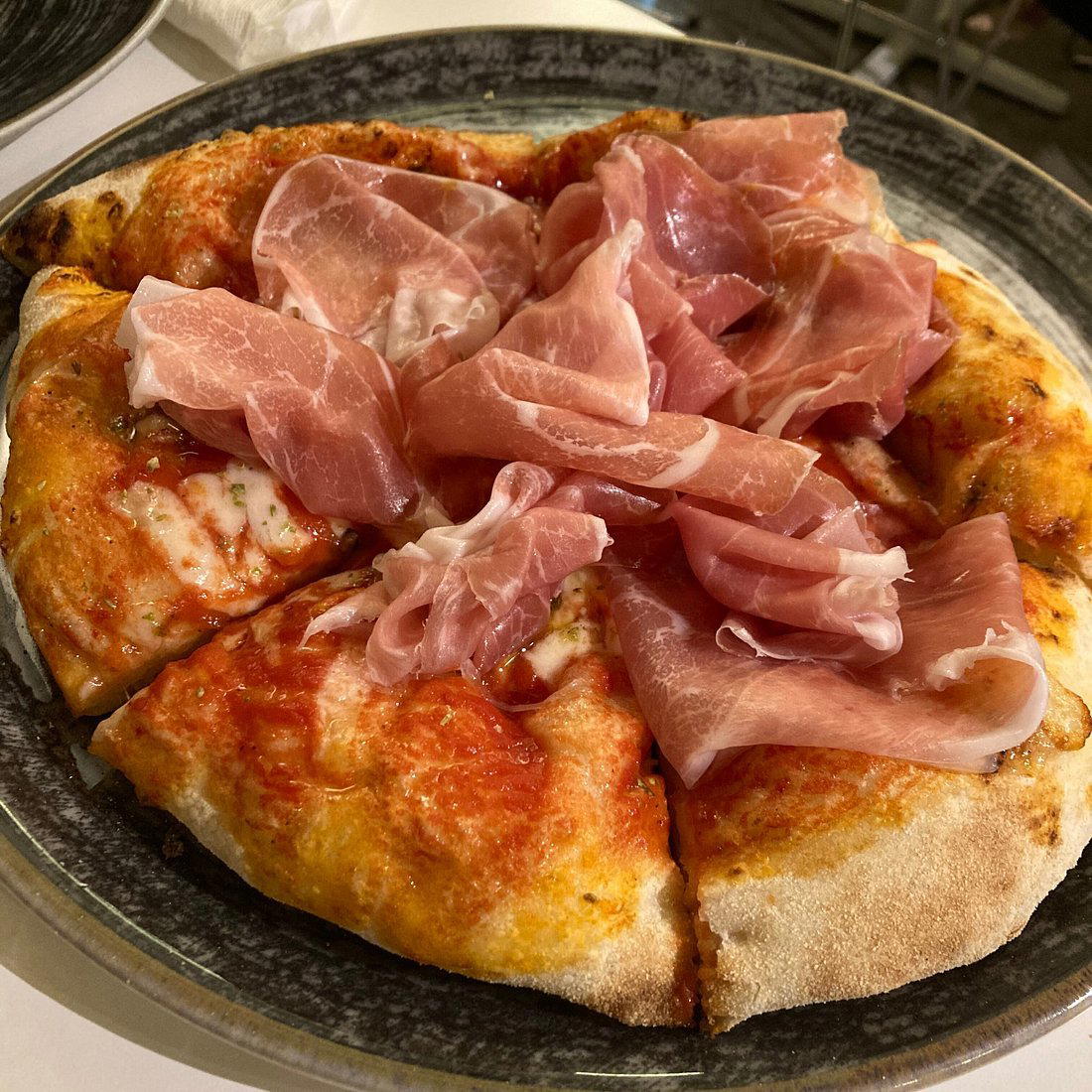
Where Brescia Eats When It Means It
There is a version of northern Italian dining that has nothing to do with Milan's expense-account restaurants or the tourist-facing trattorias of Lago di Garda. It operates in cities like Brescia, where the local population takes food seriously enough to sustain restaurants that source carefully, cook with precision, and rely on repeat custom rather than passing trade. ALIMENTO, on Via Agostino Gallo in the heart of the city, belongs to that category of table: the kind that Bresciani return to because the kitchen has done the harder work of building supplier relationships rather than menu theatrics.
Brescia itself is frequently overlooked in the Italian dining conversation, which is disproportionate to the quality of what the city produces and what sits on its better tables. The province sits between two of Italy's most agriculturally productive zones: the plains east of the Po and the lake districts of Garda and Iseo, both of which generate ingredients with a specificity of terroir that coastal and metropolitan kitchens tend to import at considerable markup. Freshwater fish from Iseo, Chianina-adjacent cattle from the Brescia hinterland, seasonal game, and the region's own Franciacorta wine strip all feed into a local supply chain that the city's serious restaurants draw from directly.
The Sourcing Argument at the Centre of Brescia's Kitchen Culture
Italian fine and fine-casual dining has bifurcated in the last decade. One branch follows the internationalised model: tasting menus with Peruvian leche de tigre, Japanese umami technique applied to local ingredients, and wine lists that treat Italian producers as just one option among global peers. The other branch, increasingly, has reasserted the argument that sourcing is the discipline, and that the skill lies in choosing well before the kitchen even fires up. Restaurants in northern Italy's secondary cities have leaned into this second model with more conviction than their metropolitan counterparts, partly because their cost base allows it and partly because the supply infrastructure is genuinely there.
Within Brescia, this plays out across a spectrum of price points and formats. At the upper end, Castello Malvezzi and Forme Restaurant operate in the creative tier at €€€, where sourcing claims are paired with technical ambition. Mid-market, Il Labirinto and Carne & Spirito anchor the €€ bracket, the latter with a direct-sourcing ethos applied to protein. ALIMENTO sits in this context as a restaurant whose address and neighbourhood positioning suggest alignment with the more considered end of the city's dining offer, where produce provenance is a given rather than a selling point.
The Regional Frame: Northern Italy's Ingredient Depth
Understanding what ALIMENTO's address implies requires understanding Lombardy's ingredient geography. The province of Brescia is among the more culinarily complete in northern Italy: it produces DOP-protected cheeses including Bagoss and Silter, has access to Garda olive oil among the northernmost commercially viable olive-producing zones in Europe, and sits within reach of Val Camonica's heritage cattle breeds and game. Franciacorta, the DOCG sparkling wine zone immediately south of the city, provides a local wine narrative that rivals better-known Champagne-method Italian producers.
This is the raw material context within which any serious Brescia restaurant operates. The strongest tables in the Italian northeast, from Dal Pescatore in Runate to Le Calandre in Rubano, built their reputations partly on proximity to notable ingredients and the discipline to source them consistently over decades. The same logic applies at a city level: Brescia's better restaurants benefit from the province's agricultural depth in ways that Milan's kitchens, dependent on distribution chains, cannot fully replicate.
Brescia as a Dining Destination: The Competitive Set
For travellers building an Italian itinerary around food rather than monuments, Brescia represents a more practical base than most guides suggest. The city's rail connections put it within an hour of Milan and Verona, and its own dining offer, once you move past the tourist-facing Piazza della Loggia cafés, is substantive enough to anchor two or three evenings without repetition. The upper tier of Brescia's restaurants prices below equivalent quality in Milan by a meaningful margin, which matters when a dinner at Enrico Bartolini in Milan or a comparable address runs to double the cost for comparable kitchen ambition.
Within the city's Italian contemporary and produce-led segment, Il Rivale in Città operates in the same conceptual neighbourhood as ALIMENTO, with both representing the kind of address where the room is secondary to what arrives on the plate. Brescia diners who take wine seriously will note that the city's proximity to Franciacorta makes the local wine pairing argument unusually strong: the DOCG's Blanc de Blancs and vintage Satèn styles pair with northern Italian cooking in ways that French alternatives rarely match for value.
The broader Italian fine-dining conversation is carried by restaurants with longer institutional histories and award trails: Osteria Francescana in Modena, Piazza Duomo in Alba, Enoteca Pinchiorri in Florence.
Planning a Visit
ALIMENTO is located at Via Agostino Gallo 6 in central Brescia, within walking distance of the historic centre and the city's main rail connections. Brescia Centrale station places visitors less than twenty minutes from Milan by high-speed rail, making the city viable as either a day trip or a base for exploring Franciacorta and Lago d'Iseo. Booking ahead is advisable for any serious Brescia table, particularly at weekends when local demand is highest.
Side-by-Side Snapshot
Comparable venues nearby, for context on price, style, and recognition.
| Venue | Cuisine | Price | Awards | Notes |
|---|---|---|---|---|
| ALIMENTOThis venue — the venue you are viewing | Modern Italian Pizza and Focaccia | $$ | Not listed | Not listed |
| Pota la Pizza | Brescian Pizza | $$ | Not listed | Caionvico |
| Inedito | Modern Italian Pizza | $$$ | Not listed | city center |
| La Sosta | Traditional Italian in Historic Brescia Palazzo | $$$ | Michelin Plate | city center |
| Trattoria Porteri | Traditional Brescian Regional Trattoria | $$ | Bib Gourmand | Borgo Trento |
| Il Rivale in Città | Contemporary Italian Fine Dining | $$$ | Michelin Plate | City Center |
Continue exploring
More in Brescia
Restaurants in Brescia
Browse all →
Bars in Brescia
Browse all →
Hotels in Brescia
Browse all →

At a Glance
- Intimate
- Trendy
- Casual Hangout
- After Work
- Open Kitchen
- Street Scene
Current opening hours
- Monday
- Closed
- Tuesday
- Closed
- Wednesday
- 6 PM–12 AM
- Thursday
- 6 PM–12 AM
- Friday
- 6 PM–12 AM
- Saturday
- 6 PM–12 AM
- Sunday
- Closed
Hours can change for holidays and private events. Last verified .
Intimate atmosphere well-suited for specialty aperitifs and refined focaccia and pizza experiences.