La Closerie sits in Illzach, a quietly residential commune on the southern edge of Mulhouse in Alsace. The restaurant occupies a setting shaped by the region's deeply rooted French-German culinary tradition, where ingredient provenance and seasonal discipline carry more weight than spectacle. For visitors already exploring the Alsace dining circuit, it represents a local address worth considering alongside the region's better-documented destinations.
Pearl is the En Primeur Club membership app — saves, bookings, and concierge access live there. Same editors, same standards.
- Address
- 6 Rue Henri de Crousaz, 68110 Illzach, France
- Phone
- +33389618800
- Website
- closerie.fr
- Directions
- Get directions
 Saves & bookings on Pearl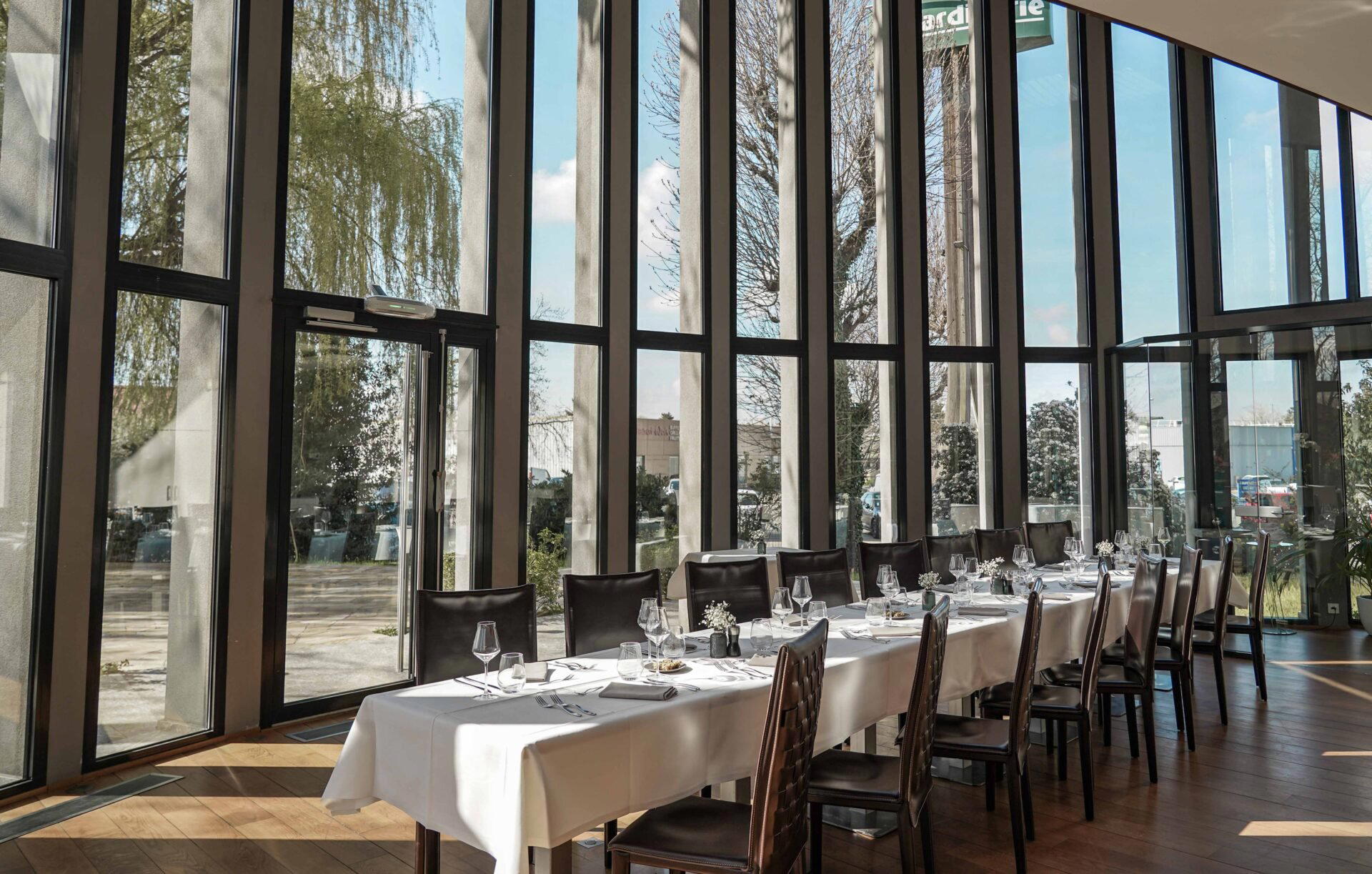
Alsace at the Table: What the Region Brings to the Plate
The Alsace region has long operated as one of France's most ingredient-driven dining territories. Proximity to the Rhine, the Vosges foothills, and some of the country's most productive market gardens means that kitchens here have historically built menus around what arrives each morning rather than what a fixed concept demands. That sourcing logic runs through the region's restaurant culture at every price point, from the humblest winstub to the white-tablecloth addresses that draw visitors from across the border. La Closerie, a French Seasonal Gastronomic restaurant in Illzach at 6 Rue Henri de Crousaz, is priced around $50 per person and sits within that tradition. Illzach itself is a southern suburb of Mulhouse, a city whose industrial past and cross-cultural Franco-German character give it a different register than the more tourist-visible Alsatian towns further north.
The broader Alsace dining scene has produced some of France's most enduring fine-dining institutions. Auberge de l'Ill in Illhaeusern, held by the Haeberlin family for generations, remains the region's most formally celebrated address, with Michelin recognition stretching back decades. That kind of generational continuity is partly what gives Alsatian restaurants their character: the relationship between kitchen and supplier tends to be long-standing, built on repeated seasonal cycles rather than trend-driven sourcing shifts. For a neighbourhood restaurant in the Mulhouse orbit, that same regional ingredient logic applies even where the format is less ceremonial.
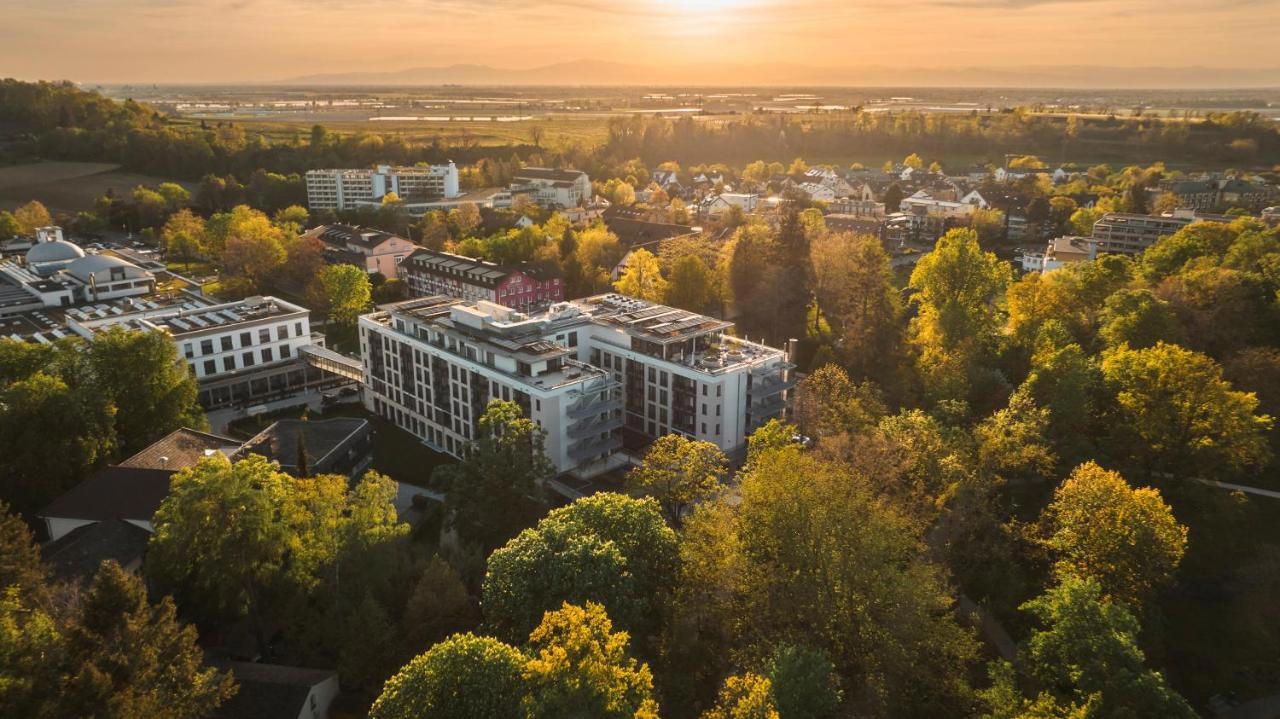
The Setting: Illzach's Residential Register
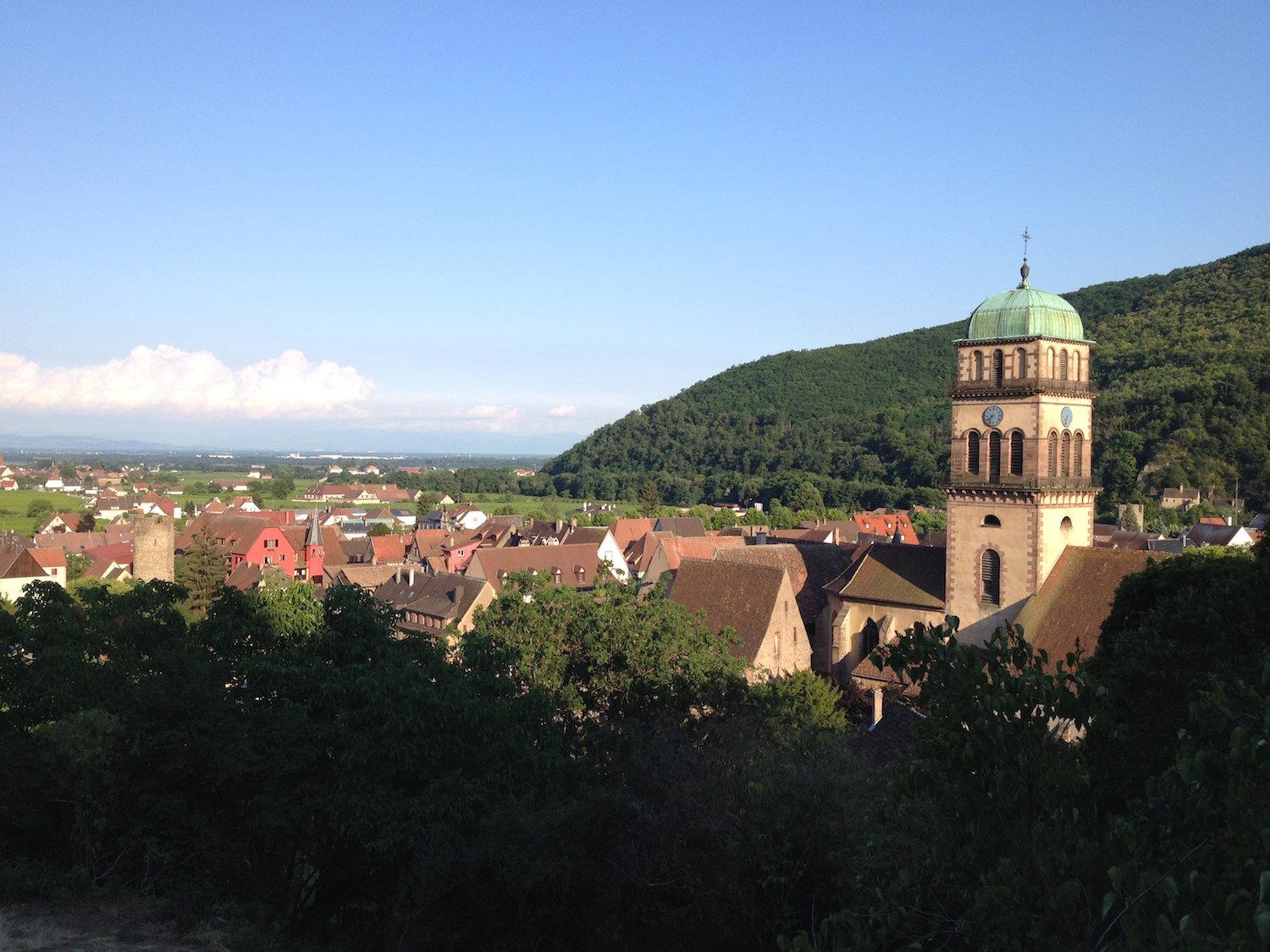
Approaching La Closerie, the neighbourhood context matters. Illzach is not a destination in the way that Colmar or Riquewihr signal immediate tourism value. It is a commune that serves its residents, which often means restaurants here carry a local loyalty that visitor-facing venues in more photographed towns do not. The address on Rue Henri de Crousaz places it in a residential fabric, and that setting typically produces a particular dining atmosphere: less performative, more oriented toward the table itself. In Alsace, this kind of neighbourhood dining often delivers one direct expression of regional cooking, because the kitchen is accountable to regulars who know what the season should taste like.
For visitors to Mulhouse, Illzach is effectively continuous with the city, sitting close enough to the urban centre that it functions as an extension of the local dining circuit rather than a separate excursion. Mulhouse's own restaurant culture has never competed directly with Strasbourg's for critical attention, but it operates with its own coherent logic, shaped by a manufacturing and commercial history that values directness over decoration.
Ingredient Sourcing and Regional Identity
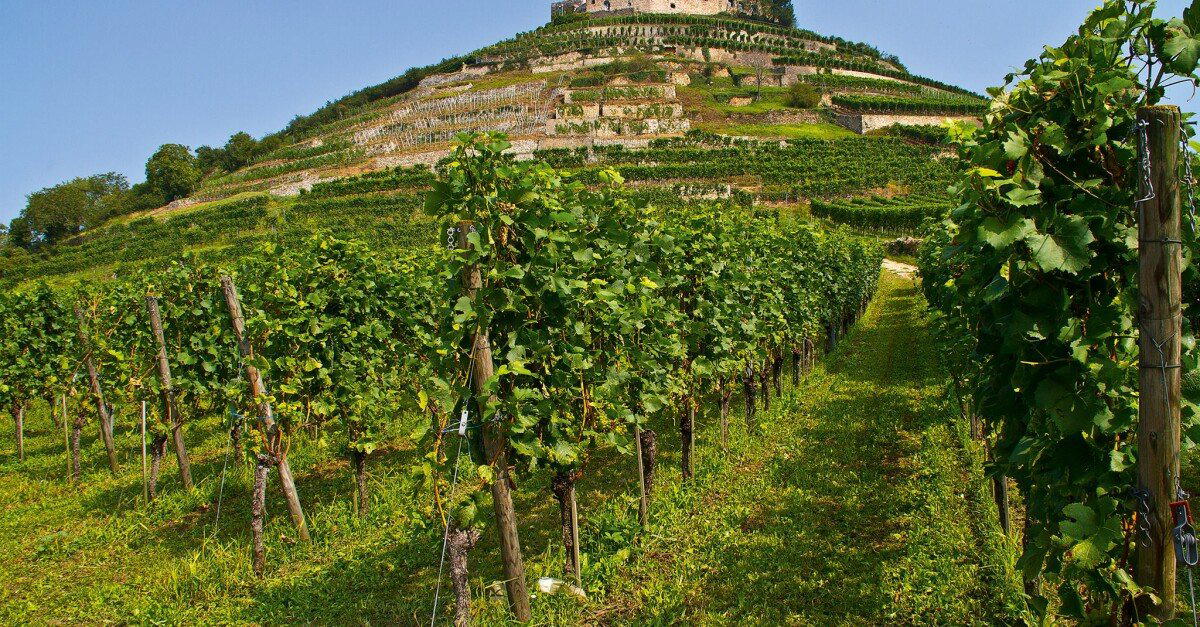
The Alsace kitchen's defining sourcing characteristic is its access to two distinct agricultural traditions simultaneously. To the west, the Vosges range delivers game, mushrooms, and dairy from cooler, forested terrain. To the east, the Rhine plain produces some of France's most productive vegetable and soft-fruit land, with Alsatian producers supplying markets that reach well beyond the region. German Baden, immediately across the Rhine, adds further variety. This geographic compression means that an Alsatian kitchen operating with genuine seasonal discipline has access to an unusually broad ingredient palette without the supply distances that increasingly affect metropolitan French restaurants.
France's nationally recognised sourcing-focused restaurants demonstrate how far this logic can extend. Mirazur in Menton built its international reputation on garden-to-table proximity. Bras in Laguiole pioneered what became known as cuisine du terroir at a level that influenced an entire generation of French chefs. In Alsace, the same principle has a longer, less theorised history: sourcing locally was practical before it became philosophical. Neighbourhood restaurants in the Mulhouse area continue in that tradition, which is what gives addresses like La Closerie their regional coherence even when operating well below the visibility of the region's decorated institutions.
For those mapping the full spectrum of French dining, the contrast between a locally rooted Alsatian address and the more formally constructed tasting experiences of Paris addresses such as Alléno Paris au Pavillon Ledoyen or Assiette Champenoise in Reims illustrates how differently France's restaurant culture distributes itself across geography and price tier. The Alsace neighbourhood table and the multi-course Parisian counter are not competing for the same audience, but they draw on the same national sourcing culture.
Planning a Visit
Illzach is accessible directly from Mulhouse's city centre, with the two effectively forming a single urban area. Visitors arriving by TGV at Mulhouse-Ville will find the commune within a short distance by taxi or local transport. The restaurant's regular hours are Monday 12:00 to 1:30 PM, Tuesday through Friday 12:00 to 1:30 PM and 7:00 to 9:00 PM, Saturday 7:00 to 9:00 PM, and Sunday closed. Reservations are recommended, especially for weekend service. The address at 6 Rue Henri de Crousaz provides a precise location reference for planning.
The Alsace region's dining circuit rewards multi-day stays. Pairing a visit to the Mulhouse-Illzach area with the more formally recognised addresses further north, including Au Crocodile in Strasbourg, provides a useful range of formats and price points. For those extending beyond the region, Flocons de Sel in Megève and Troisgros - Le Bois sans Feuilles in Ouches represent the kind of destination French restaurants that anchor a broader itinerary. France's dining geography beyond Alsace also includes addresses worth the detour: L'Oustau de Baumanière in Les Baux, Georges Blanc in Vonnas, Auberge du Vieux Puits in Fontjoncouse, AM par Alexandre Mazzia in Marseille, Christopher Coutanceau in La Rochelle, La Marine in Noirmoutier-en-l'île, and Paul Bocuse in Collonges-au-Mont-d'Or. For those with transatlantic comparison points in mind, Le Bernardin in New York City and Atomix in New York City offer useful contrast in how French culinary influence translates across contexts.
Quick Comparison
Comparable venues nearby, for context on price, style, and recognition.
| Venue | Cuisine | Price | Notes |
|---|---|---|---|
| La CloserieThis venue — the venue you are viewing | French Seasonal Gastronomic | $$$ | Not listed |
| L'illwald | Traditional Alsatian Bistro | $$$ | Mussig |
| Le Clos des Sens | Traditional and Bistronomic French | $$$ | Schlierbach |
| Le Signal 2108 | Bistronomic French with Regional Specialties | $$ | Signal Mountain |
| Le 1617 | Classic French Bistronomic | $$$ | Rodern |
| Perles de Saveurs | Modern French Bistro | $$$ | Centre |

At a Glance
- Elegant
- Classic
- Cozy
- Sophisticated
- Date Night
- Business Dinner
- Special Occasion
- Private Dining
- Historic Building
- Extensive Wine List
- Local Sourcing
Current opening hours
- Monday
- 12–1:30 PM
- Tuesday
- 12–1:30 PM, 7–9 PM
- Wednesday
- 12–1:30 PM, 7–9 PM
- Thursday
- 12–1:30 PM, 7–9 PM
- Friday
- 12–1:30 PM, 7–9 PM
- Saturday
- 7–9 PM
- Sunday
- Closed
Hours can change for holidays and private events. Last verified .
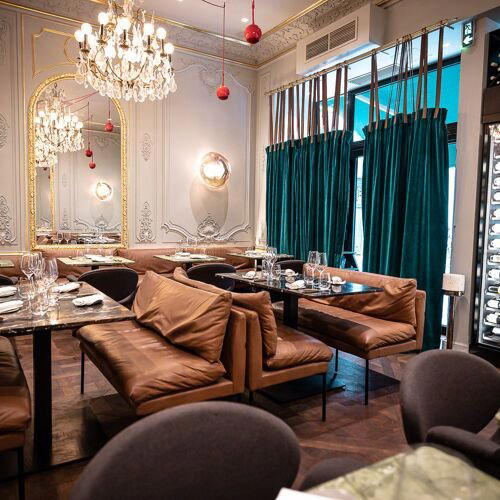
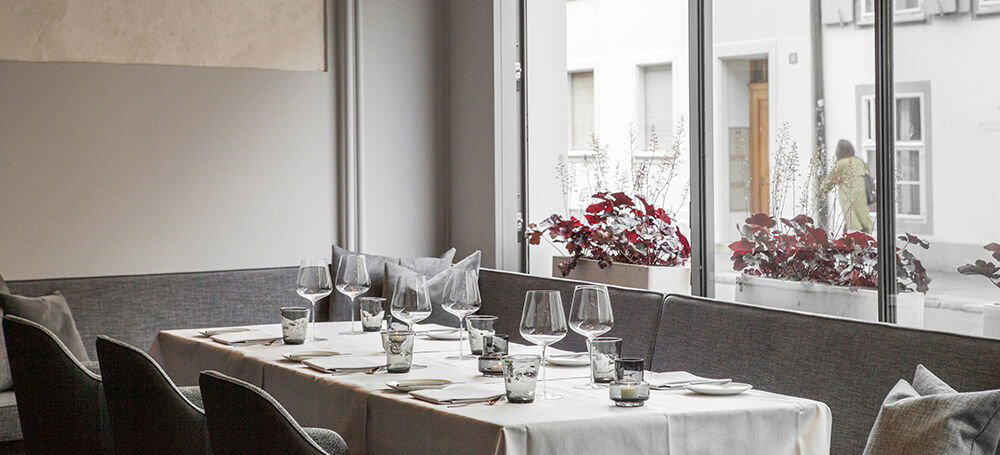
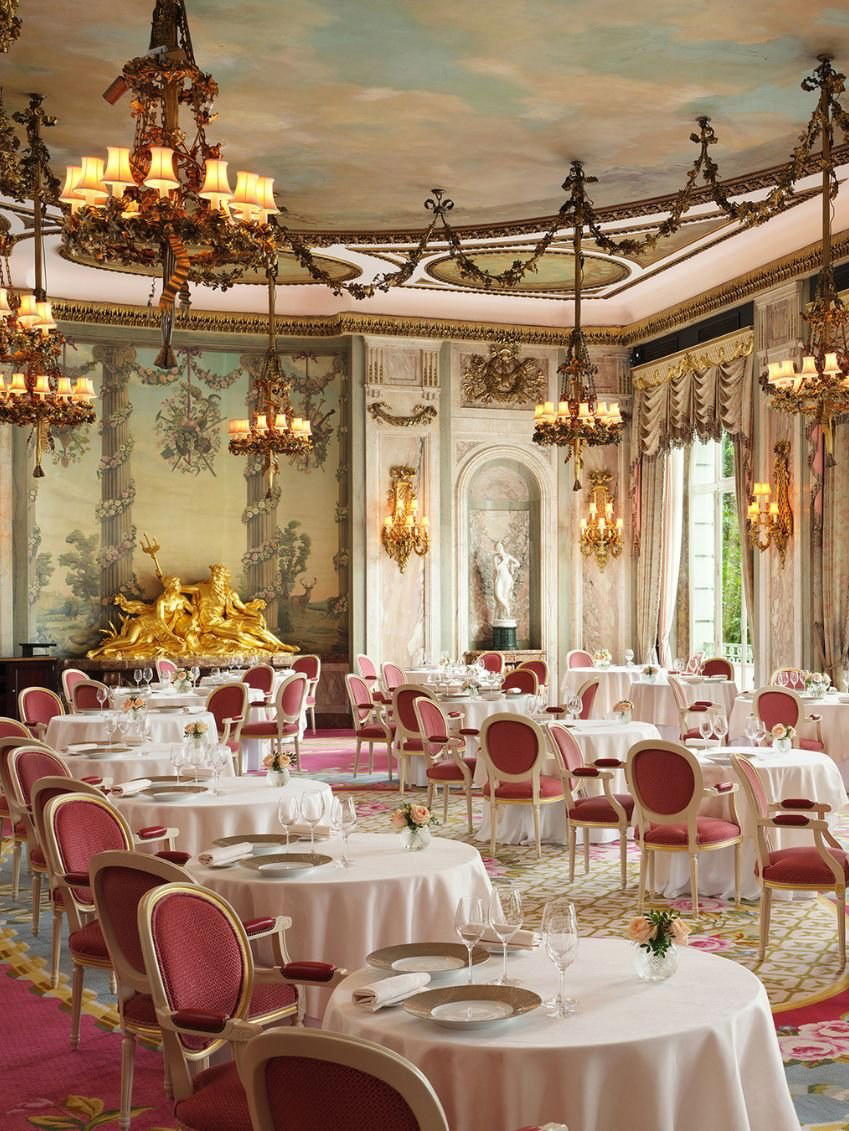
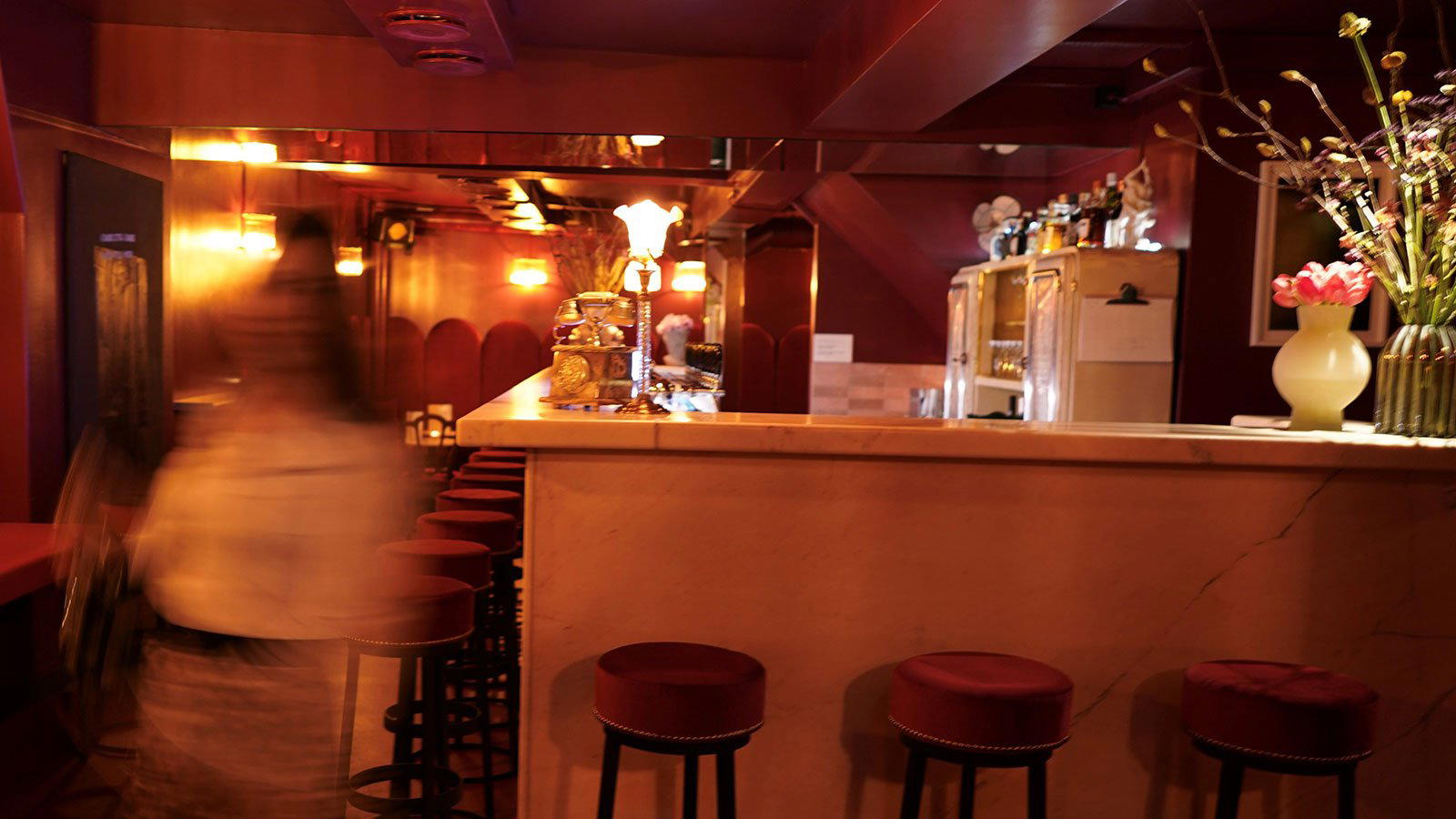
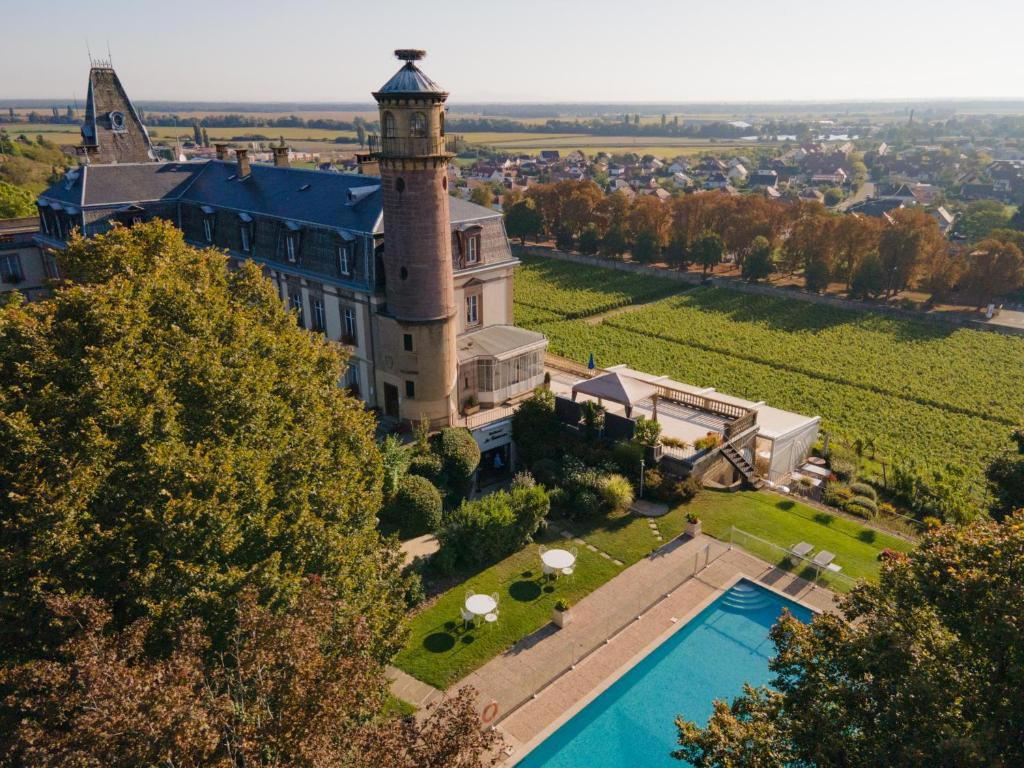
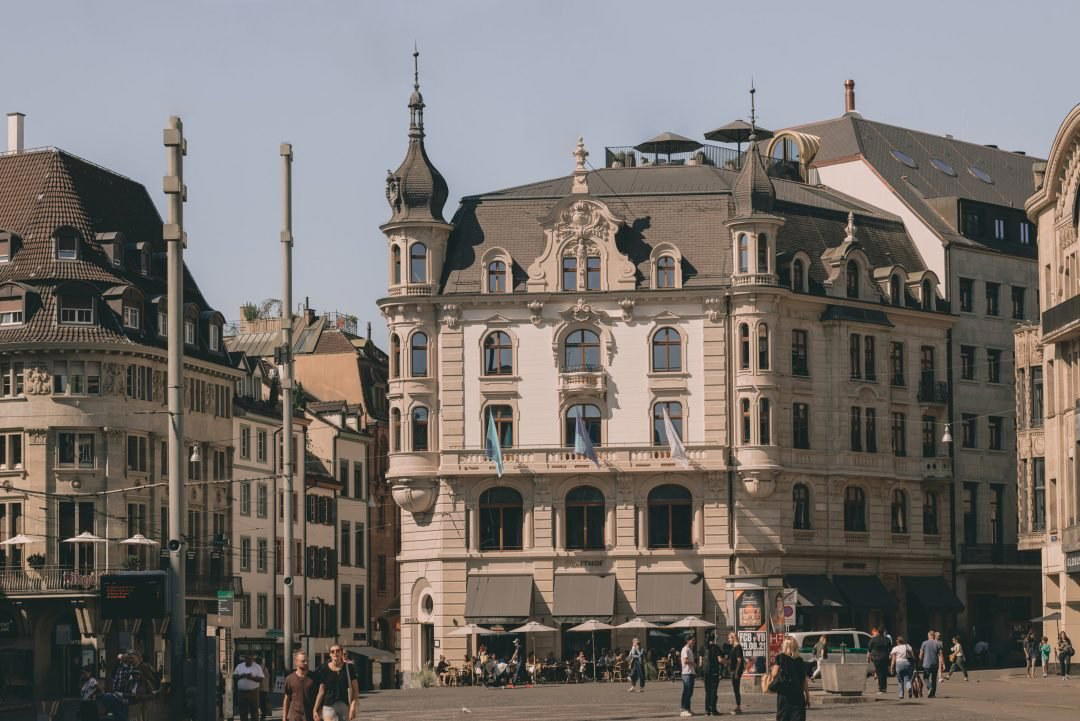
Charming bourgeois setting in a 19th-century house with warm, professional service and attentive atmosphere.