roots




2 Michelin Stars · La Liste Top Restaurants · Falstaff Restaurant - 95 Falstaff Points
Our verdict
Roots holds two Michelin stars and an 82-point La Liste ranking at its Bachlettenstrasse address in Basel, operating Tuesday through Saturday from 6:30pm. Chef Pascal Steffen builds menus around vegetables as the central ingredient, with meat and fish in supporting roles. The We're Smart Green Guide has recognised this approach with three Radishes, placing roots inside a small peer group of kitchens taking plant-forward fine dining seriously.

Pearl is the En Primeur Club membership app, where members save venues, book tables and use the concierge.
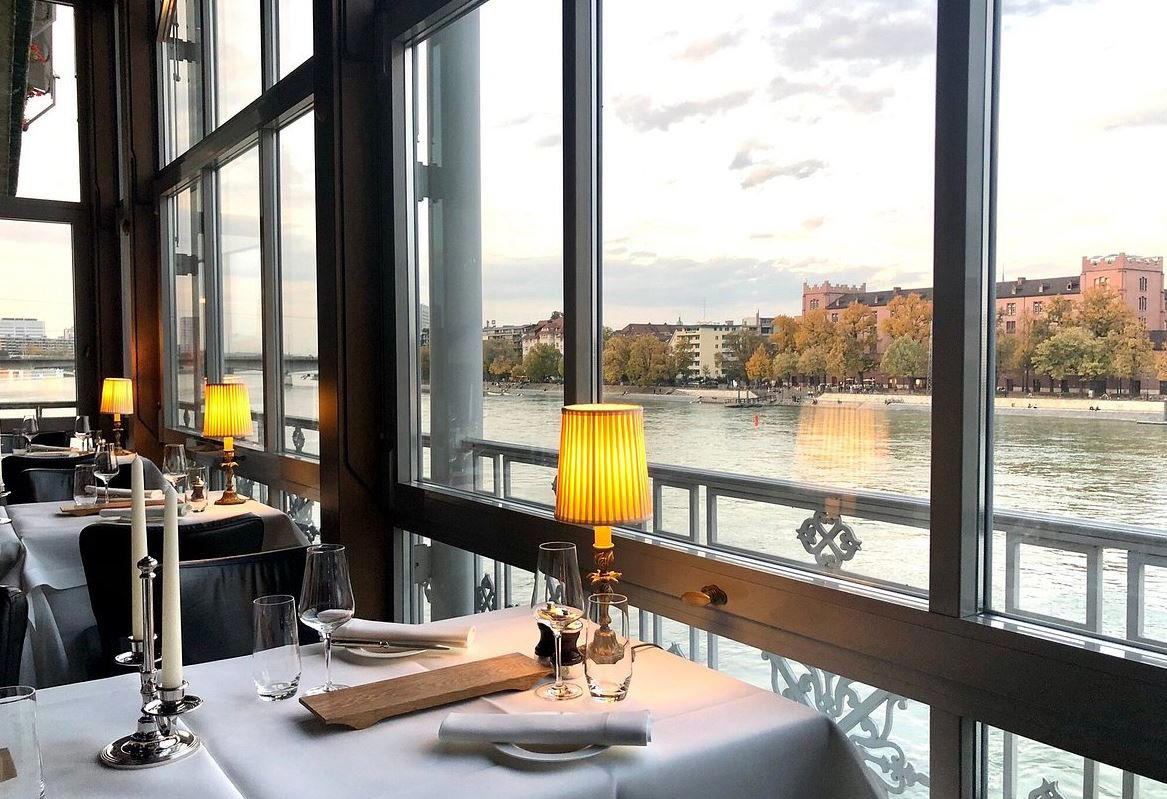
Where the Plate Starts with the Garden
Basel's fine dining scene has long been anchored by classical French technique, with rooms like Cheval Blanc by Peter Knogl and Stucki - Tanja Grandits setting the tone for what a four-price-bracket evening in the city looks like. Against that backdrop, Roots on Bachlettenstrasse 1 arrives at a different premise: the vegetable is not a garnish or a concession, it is the subject of the plate. That structural inversion is rarer than it sounds at two-Michelin-star level, and it gives Roots a distinct position inside a compact but serious dining city.
Approaching the address in the Gundeldingen quarter, the neighbourhood gives little away. This part of Basel sits southwest of the old town, quieter and more residential than the gallery-dense streets closer to the Rhine. The room itself does not perform grandeur. What matters here is the sequence of dishes, and the kitchen's declared philosophy, vegetables as protagonist, protein as supporting evidence, shapes every decision that follows from the first course onward.
Two Stars and a Green Credential
Michelin awarded Roots two stars in both 2024 and 2025, placing it in the upper tier of Swiss fine dining. For context, Switzerland runs one of the densest concentrations of Michelin-starred tables per capita in Europe, and two-star recognition in a city like Basel carries competitive weight. Across the country, peers at this level include Schloss Schauenstein in Fürstenau and Memories in Bad Ragaz, each operating inside their own distinct frameworks. What separates Roots from much of that cohort is the We're Smart Green Guide recognition, three Radishes, which tracks vegetable-forward cooking as a specific discipline rather than a stylistic footnote.
La Liste, which aggregates critical opinion and award data across sources, scored Roots at 83 points in 2025 and 82 points in 2026. That slight softening in aggregate score is worth noting without over-reading: the kitchen retains its Michelin standing, and the La Liste methodology incorporates service, setting, and consistency alongside food quality.
The Vegan-Vegetarian Line in a Two-Star Kitchen
The We're Smart Green Guide citation is precise on this point: meat and fish appear on the plate, but vegetables hold the structural role. This is not a vegetarian restaurant in the conventional sense, nor a vegan one. It is a kitchen that has decided the hierarchy of ingredients should run from plant to protein rather than the reverse.
That distinction matters for how you read the menu. At a conventional fine dining table, a vegetable element might be the most technically accomplished component of a dish while still being framed as accompaniment to a protein anchor. At Roots, that framing is inverted: the vegetable determines the dish's identity, and whatever meat or fish appears is there to extend or contrast the plant-led idea. The We're Smart Green Guide's three-Radish rating, with an explicit note that the kitchen is still progressing, suggests this is a live, evolving position rather than a fixed menu doctrine.
For diners who keep strict vegan or vegetarian practices, the presence of meat and fish means Roots does not sit cleanly in either category. For diners who eat across the spectrum but want the kitchen's attention directed at vegetables rather than animal protein, Roots offers something that most two-star tables in Switzerland do not. Internationally, kitchens like Atomix in New York City have demonstrated that non-traditional ingredient hierarchies can operate at the highest award levels, though the specific philosophical frameworks differ. Within Switzerland, this kind of structural commitment to plant-forward cooking at two-star level is uncommon enough to make Roots a reference point rather than a data point.
Chef Pascal Steffen and the Flemish Strand
The cuisine listing combines Flemish, vegetarian, and modern cuisine, an unusual combination that signals something about the kitchen's lineage. Flemish cooking at fine dining level tends toward technical precision and a respect for primary ingredients that aligns naturally with a vegetable-led approach. The Flemish strand in the cuisine description likely reflects training or influence rather than a purely regional menu, and in the context of Basel's broader dining scene it reads as a marker of European cross-pollination that has become common among serious kitchens operating outside their home regions.
For comparison, Hotel de Ville Crissier in Crissier and 7132 Silver in Vals each carry their own distinct lineages within Swiss fine dining, but neither operates with the same explicit vegetable-forward framework. The Flemish influence at Roots positions the kitchen inside a northern European tradition of cooking that tends to treat vegetables with the same seriousness applied to aged meat or prime fish elsewhere.
Basel's Fine Dining Context
Basel punches above its size in European dining terms. The city's proximity to Germany and France, combined with the concentration of wealth from the pharmaceutical and art fair industries, sustains a restaurant scene that runs from accessible neighbourhood tables to rooms competing at international award level. Ackermannshof covers Mediterranean territory at the same price tier, while au violon and Bel Etage address different formats and price points. Colonnade in Lucerne and Da Vittorio in St. Moritz illustrate the range of the Swiss fine dining field more broadly.
What Roots adds to Basel specifically is a two-star address that does not replicate the classical French architecture that dominates the upper end of the city's dining options. That is not a criticism of the French tradition, rooms like Cheval Blanc by Peter Knogl operate at a level that requires no defence. It is an observation about variety: a city's fine dining scene is stronger when its leading tables approach cooking from genuinely different premises, and Roots contributes a premise that the rest of the Basel field does not cover.
Internationally, the comparison that illuminates Roots' position most clearly may be Le Bernardin in New York City, not because the cuisine types align, but because both kitchens have constructed a clear philosophy about which ingredient category takes structural priority, and both operate at sustained multi-star level within that constraint. The discipline required to hold that position year over year, rather than retreating to more conventional ingredient hierarchies when awards are at stake, is where the real editorial interest lies.
Planning Your Visit
Roots operates Tuesday through Saturday, with service beginning at 6:30pm and the kitchen running until midnight. The restaurant is closed Sunday and Monday. At the €€€€ price point, the top tier in the local market, booking ahead is advisable; two-star tables in Basel at this price level do not absorb walk-in traffic. The Bachlettenstrasse 1 address in Gundeldingen is reachable by tram from the city centre, a direct connection from Basel SBB station. No booking method, dress code, or seat count is listed in available data, so confirming reservation details directly with the restaurant before travel is the practical step.
For a fuller picture of what Basel offers across dining, accommodation, and evening programming, our full Basel restaurants guide covers the city's range at each price tier. Our Basel hotels guide, bars guide, wineries guide, and experiences guide map the city's other offerings for visitors building a longer stay around a serious dinner.
Frequently asked questions
What does dinner at roots typically cost?
Pricing at roots is listed as €€€€.
Where is roots located?
roots is located at Bachlettenstrasse 1, 4054 Basel, Switzerland, Basel.
Cost Snapshot
A quick peer list to put this venue’s basics in context.
| Venue | Cuisine | Price | Awards | Notes |
|---|---|---|---|---|
| rootsThis venue (the venue you are viewing) | Modern Vegetable-Centric European | $200–300 | 2 Michelin Stars · La Liste Top Restaurants | Not listed |
| Stucki - Tanja Grandits | Modern European Aroma Cuisine | $150–200 | 2 Michelin Stars · La Liste Top Restaurants | Contemporary French, Creative |
| Brasserie Les Trois Rois | Swiss-French Brasserie | $100–150 | Michelin Plate | French, Classic French |
| Cheval Blanc by Peter Knogl | French Haute Cuisine with Mediterranean and Asian Influences | $200–300 | 3 Michelin Stars · La Liste Top Restaurants | Classic French |
| au violon | Classic French Brasserie | Not listed | Michelin Bib Gourmand | Classic French |
| Ackermannshof | Modern Mediterranean | Not listed | 1 Michelin Star | Mediterranean Cuisine |
Recognition history
Dated appearances from independent guides and award organizations, with the underlying list record or original source where available.
Michelin 2 Stars
Michelin
La Liste Top Restaurants
La Liste
Falstaff Restaurant - 95 Falstaff Points
Falstaff
We're Smart World 3 Radishes
We're Smart World
Full recognition history (6 entries)
La Liste Top Restaurants
La Liste
Michelin 2 Stars
Michelin
roots
Featured Guides
Continue exploring
More in Basel
Restaurants in Basel
All restaurants in Basel →
Bars in Basel
All bars in Basel →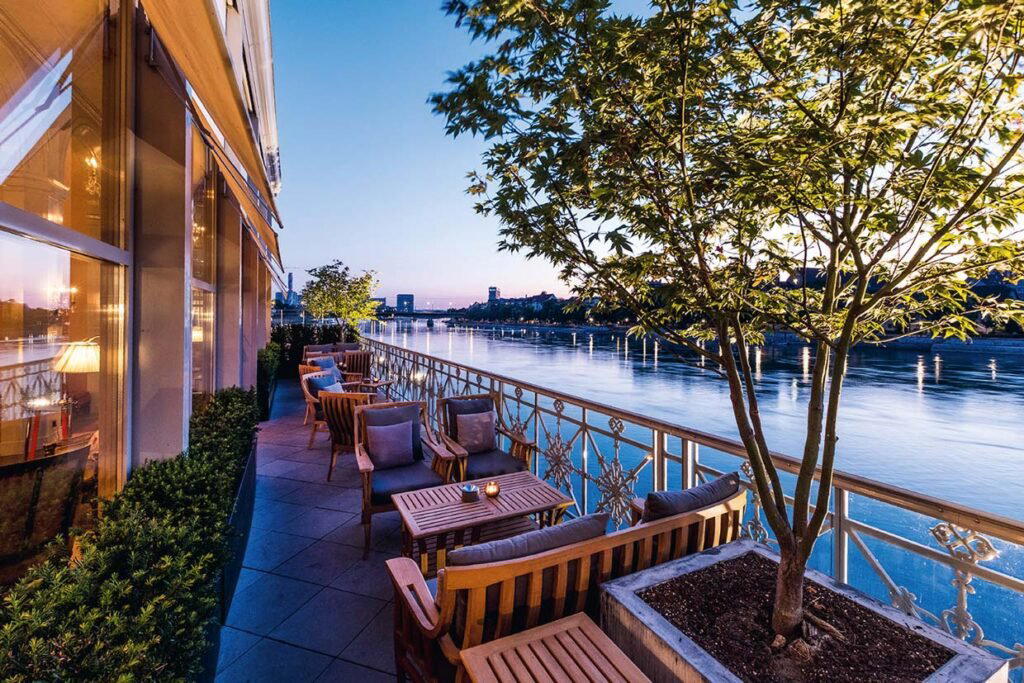
Hotels in Basel
All hotels in Basel →

Details
- Elegant
- Modern
- Sophisticated
- Intimate
- Date Night
- Special Occasion
- Celebration
- Terrace
- Open Kitchen
- Extensive Wine List
- Local Sourcing
- Street Scene
- Tasting Menu
- Wine Pairings
- Vegetarian Friendly
- Vegan Options
- Gluten Free Options
Current opening hours
- Monday
- Closed
- Tuesday
- 6:30 PM–12 AM
- Wednesday
- 6:30 PM–12 AM
- Thursday
- 12–2:30 PM, 6:30 PM–12 AM
- Friday
- 6:30 PM–12 AM
- Saturday
- 6:30 PM–12 AM
- Sunday
- Closed
Hours can change for holidays and private events. Hours as of .
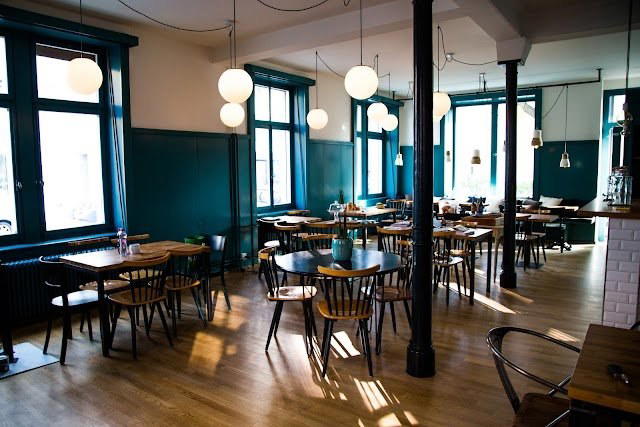
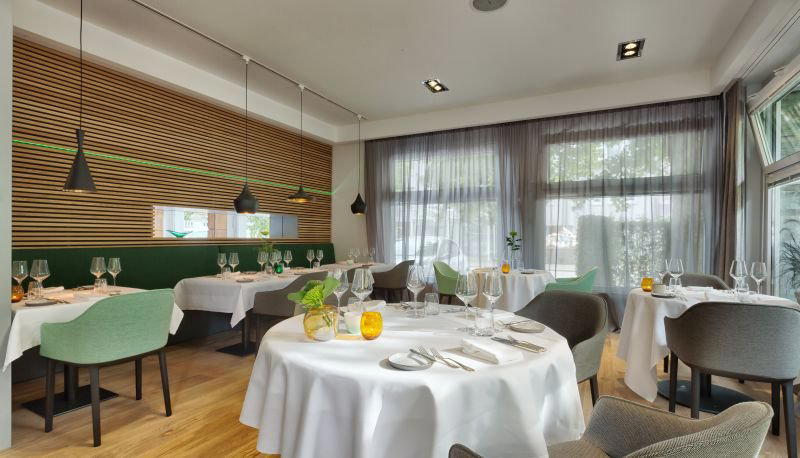
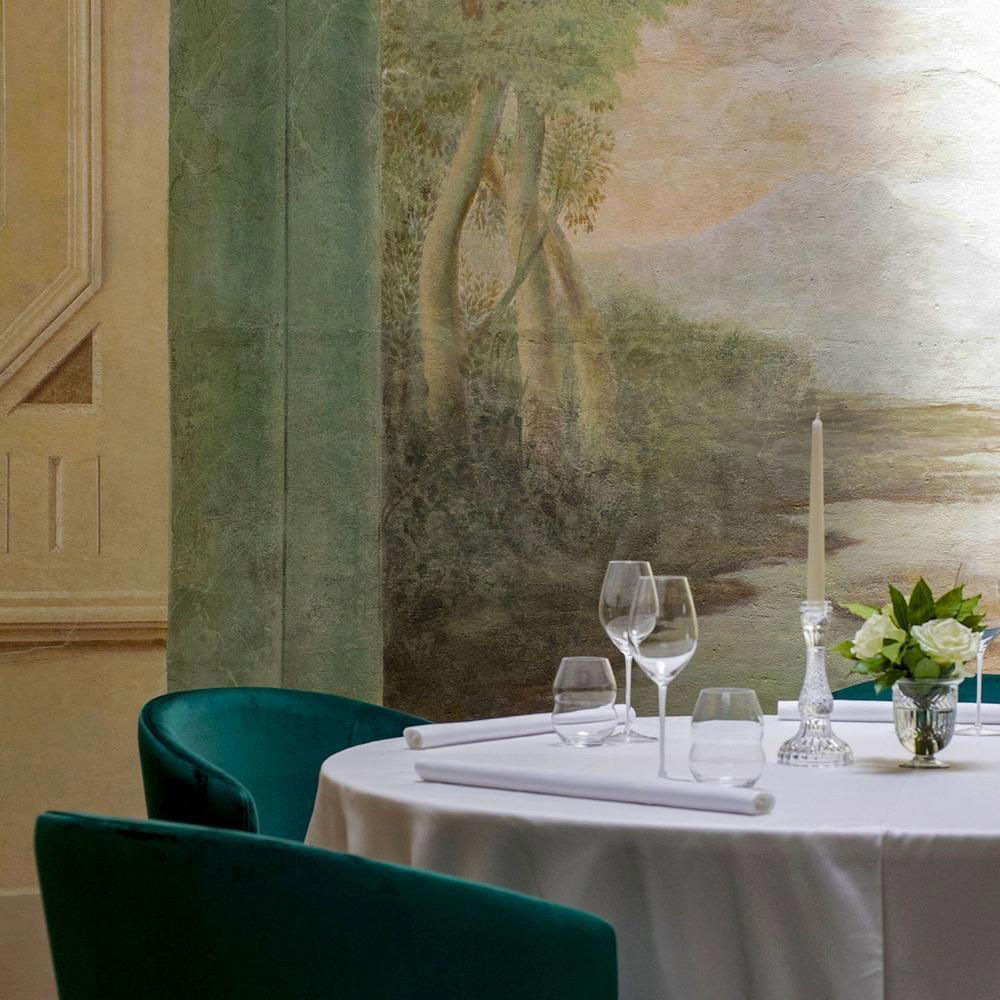
Modern glamorous interior with dark green decor spacious well-spaced tables good acoustics and Rhine river views from terrace.