Le Clos des Sens

Le Clos des Sens sits on the Route Nationale in Schlierbach, in the wine-rich Alsace corridor between Colmar and the Vosges foothills. Recognised by Star Wine List with a White Star designation in December 2021, the restaurant represents the quieter, terroir-focused end of Alsatian fine dining, where the region's produce does the argumentative work rather than the address.
Pearl is the En Primeur Club membership app — saves, bookings, and concierge access live there. Same editors, same standards.
- Address
- 10 Rte nationale, 68440 Schlierbach, France
- Phone
- +33 3 89 83 40 11
- Website
- leclosdessens68.com
- Directions
- Get directions
 Saves & bookings on Pearl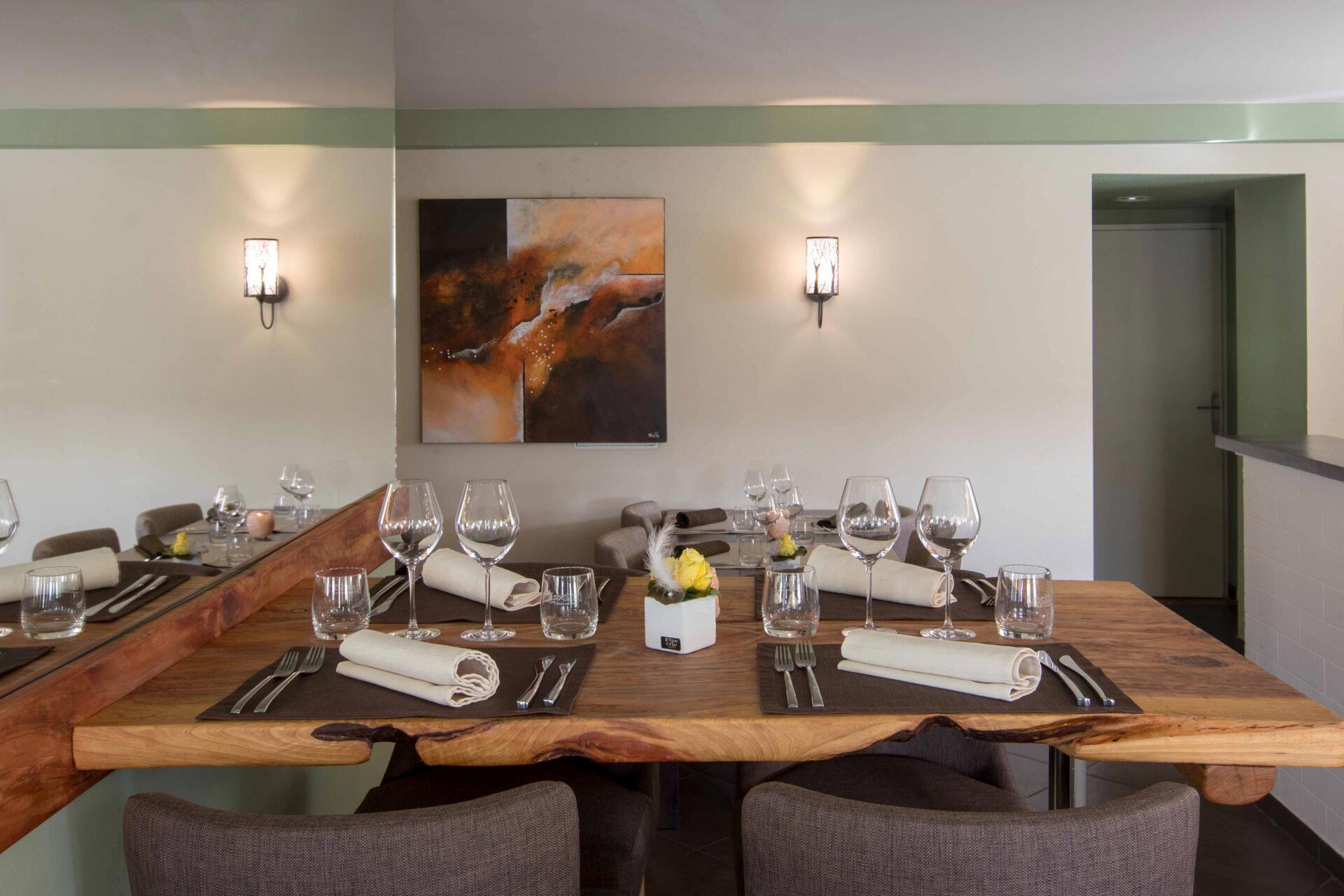
Where Alsace Sets the Table
The Route Nationale through Schlierbach is not the road that tourists follow by instinct. The Alsace wine route pulls most visitors south through Ribeauvillé and Kaysersberg, and the obvious fine-dining anchors in the region cluster around Illhaeusern, home to the multigenerational Auberge de l'Ill, or the more animated dining scene in Strasbourg, where Au Crocodile carries its own considerable history. Le Clos des Sens occupies a quieter position in this geography.
Alsace itself is an argument in geography: a narrow strip of territory between the Rhine plain and the Vosges mountains, historically contested and culinarily distinctive for exactly that reason. Its cooking draws on the produce of both elevations, from the river-valley plains where market gardens and poultry farms have operated for centuries, to the forested slopes where game, fungi, and wild herbs define the autumn and winter pantry. Any kitchen taking this region seriously starts with those materials before it starts with technique.
The Case for Sourcing in This Corner of France
Across French fine dining, the editorial conversation has shifted meaningfully over the past decade toward ingredient provenance. The argument used to centre on technique: what a kitchen could do to a product. The more durable question, increasingly, is what product a kitchen starts with. Operations like Bras in Laguiole built an entire philosophy around the Aubrac plateau's raw materials, and Flocons de Sel in Megève has long used altitude and Alpine seasonality as editorial structure for its menus. In each case, the kitchen's identity is inseparable from its supply lines.
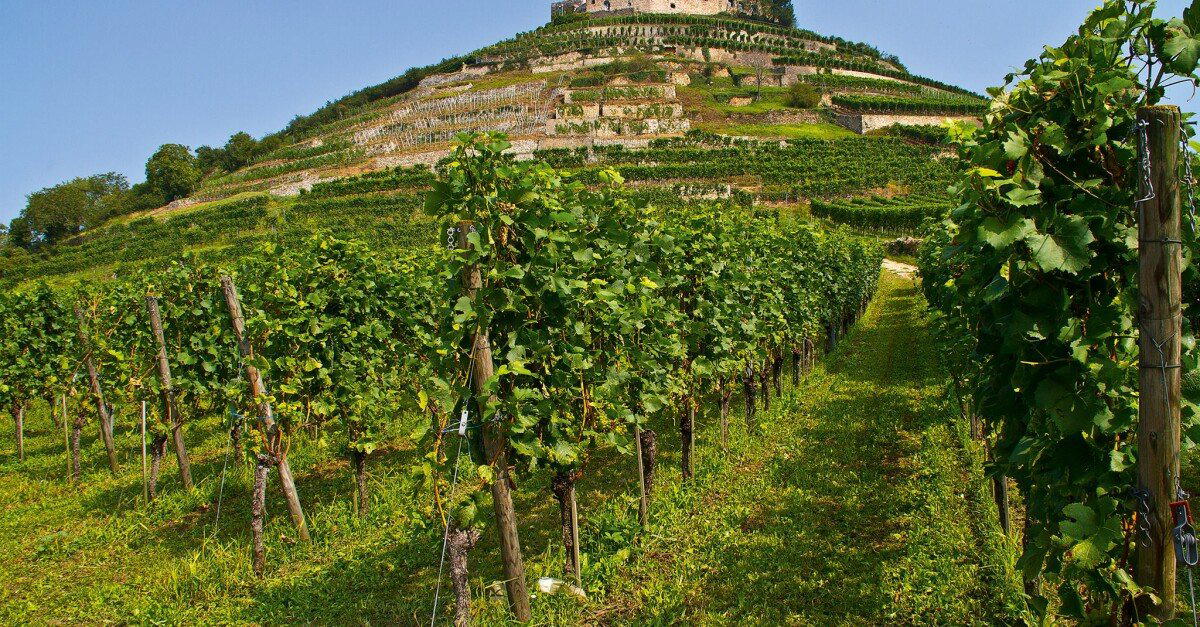
Schlierbach's position gives Le Clos des Sens access to one of the more compelling regional larders in eastern France. The Vosges foothills produce distinctive mushrooms, trout from cold-water streams, and game through the autumn season. The Rhine plain below contributes the dense vegetable and fruit cultivation that has historically made Alsace a self-sufficient food region. Wines from the nearby grand cru vineyards, particularly the limestone-rich parcels around Guebwiller and Pfaffenheim, offer pairing material of genuine local specificity, the kind that never quite translates when you try to replicate it with equivalent bottles from elsewhere.
This is the broader pattern that gives terroir-anchored restaurants in rural Alsace their particular value. The distance from a major city is not a weakness of the proposition but a structural condition of the sourcing. Proximity to producers, direct relationships with local farmers and foragers, and the seasonal rhythms of a contained territory all become organisational advantages rather than compromises. For comparison, the urban concentration of kitchens like Alléno Paris au Pavillon Ledoyen or AM par Alexandre Mazzia in Marseille demands sophisticated logistics to approximate what a well-connected rural kitchen can source within an hour's drive.
Recognition and Its Implications
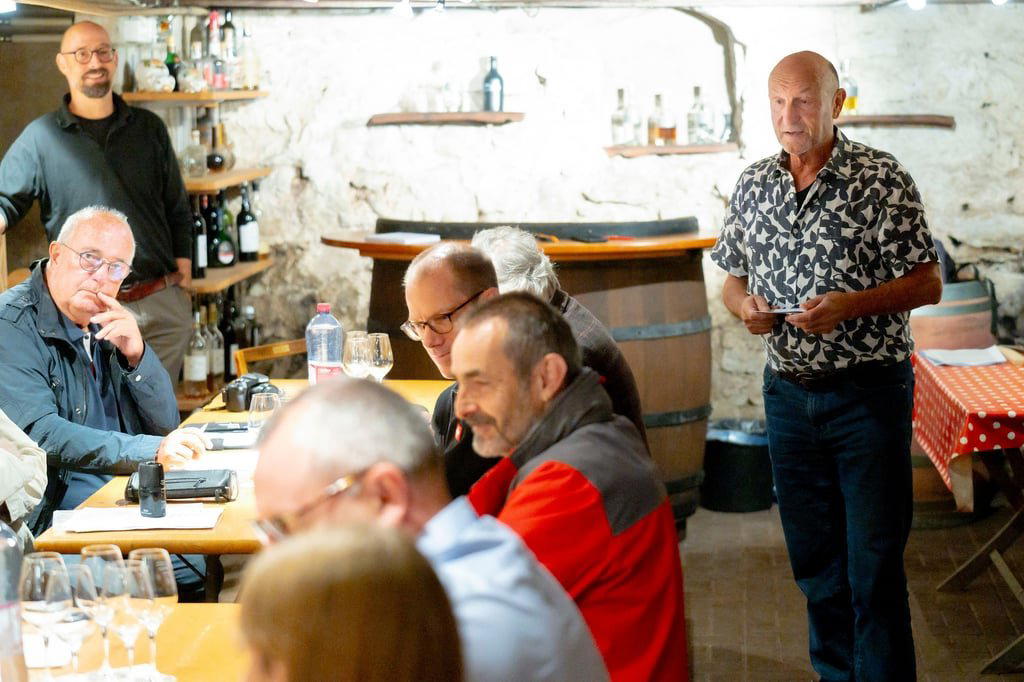
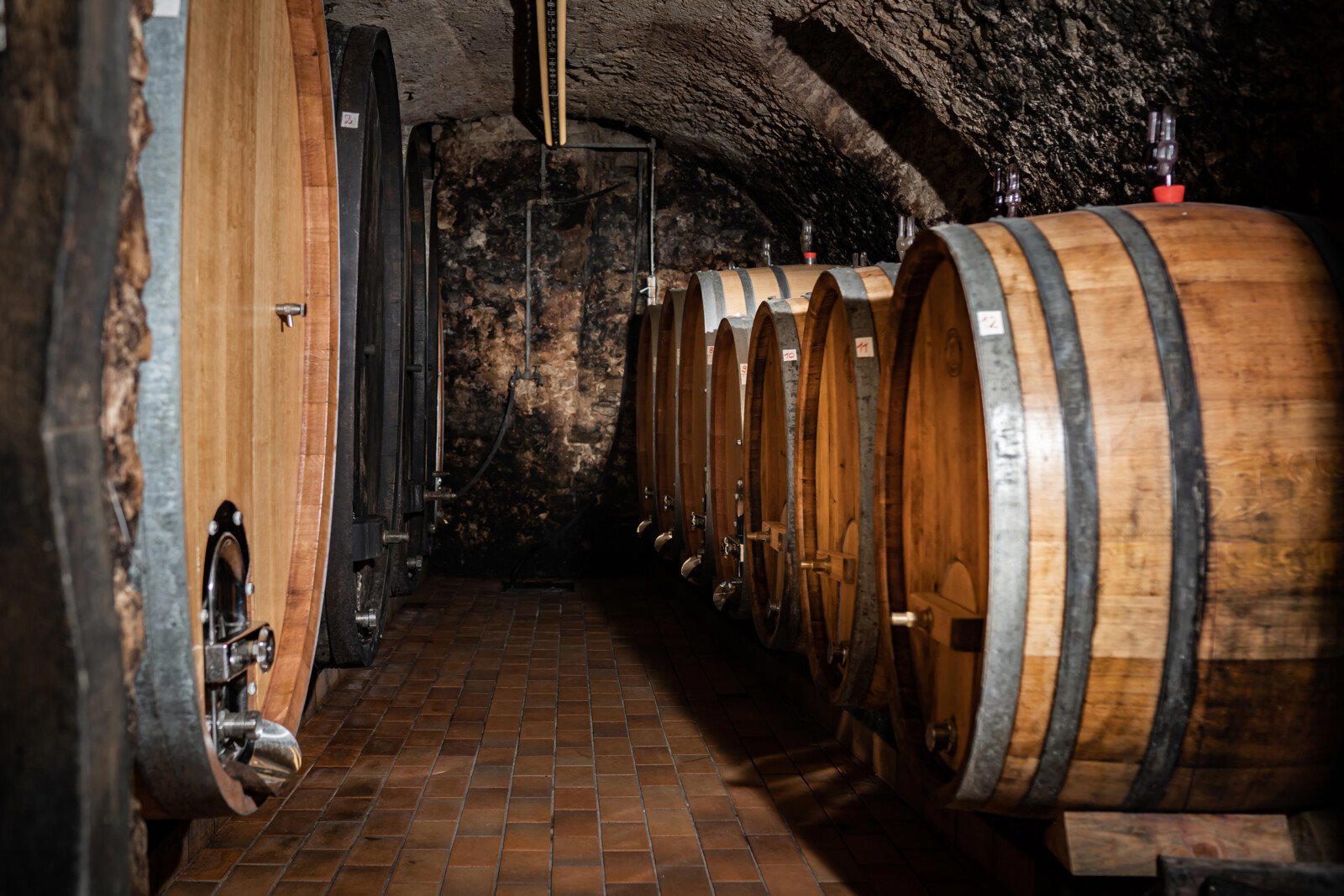
Le Clos des Sens was published on Star Wine List in December 2021 and holds a White Star designation from that platform, a recognition that signals a serious and curated wine programme. Star Wine List's White Star tier is awarded to restaurants whose lists demonstrate meaningful depth, producer diversity, and genuine engagement with wine rather than a perfunctory supporting role. In Alsace, where the local varietals, Riesling, Gewurztraminer, Pinot Gris, Pinot Blanc, Crémant d'Alsace, carry the kind of specificity that rewards a thoughtful list, a wine designation of this kind speaks to how the kitchen and cellar relate to each other. Wine in this region is not decorative; it is structural to how the food is understood.
For context within the broader French fine-dining map, the restaurants that hold the deepest wine credentials alongside serious cooking in rural settings tend to become reference points for a particular kind of travel: driven by table rather than destination, requiring planning and commitment, and delivering the kind of experience that urban restaurants with equivalent recognition rarely replicate. Auberge du Vieux Puits in Fontjoncouse in the Languedoc and Troisgros in Ouches represent that same pattern: the address is remote, the commitment of the kitchen to its territory is total, and the journey becomes part of the value proposition.
Planning a Visit
Schlierbach sits in the Haut-Rhin department, south of Colmar. Given the restaurant's position along the Route Nationale, arriving by car allows the kind of flexibility the surrounding wine country warrants: the grand cru vineyards of the Alsace Wine Route are within easy reach for an afternoon before dinner.
The Star Wine List recognition places the restaurant on the radar of wine-focused travellers, which adds pressure to the reservation calendar beyond what the address alone might suggest.
How It Stacks Up
Comparable venues nearby, for context on price, style, and recognition.
| Venue | Cuisine | Price | Notes |
|---|---|---|---|
| Le Clos des SensThis venue — the venue you are viewing | Traditional and Bistronomic French | $$$ | Not listed |
| Bienheureux | Modern French seasonal tasting menu | $$$ | Wasquehal |
| La Maison des Têtes | Alsatian Brasserie | $$$ | Old Town |
| La Table du 12 | Seasonal Alsatian-French Bistro | $$$ | Turckheim |
| La Closerie | French Seasonal Gastronomic | $$$ | Illzach |
| Restaurant de La Gare | Modern French Brasserie | $$$ | Guewenheim |
Recognition history
Dated appearances from independent guides and award organizations, with the underlying list record or original source where available.
Star Wine List
Star Wine List
Continue exploring
More in Schlierbach
Restaurants in Schlierbach
Browse all →
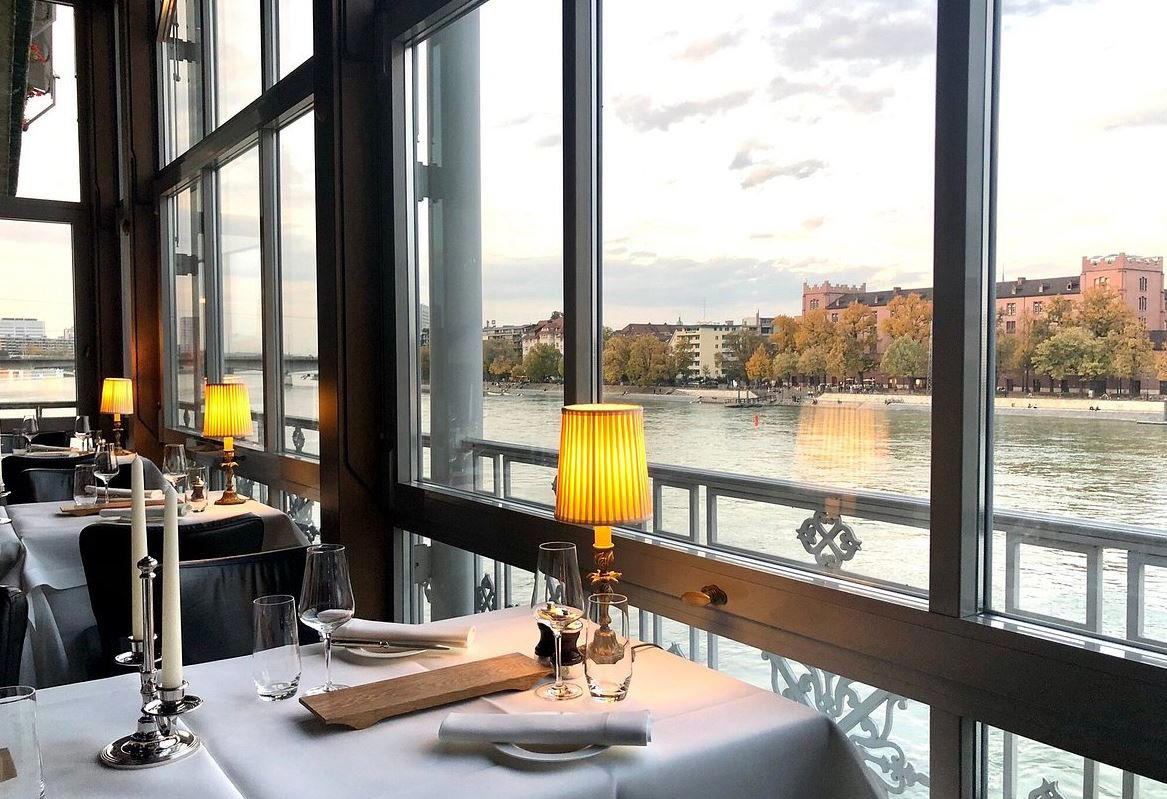
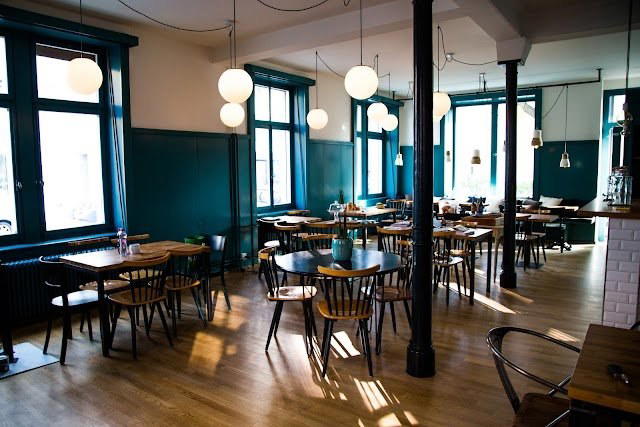
Bars in Schlierbach
Browse all →
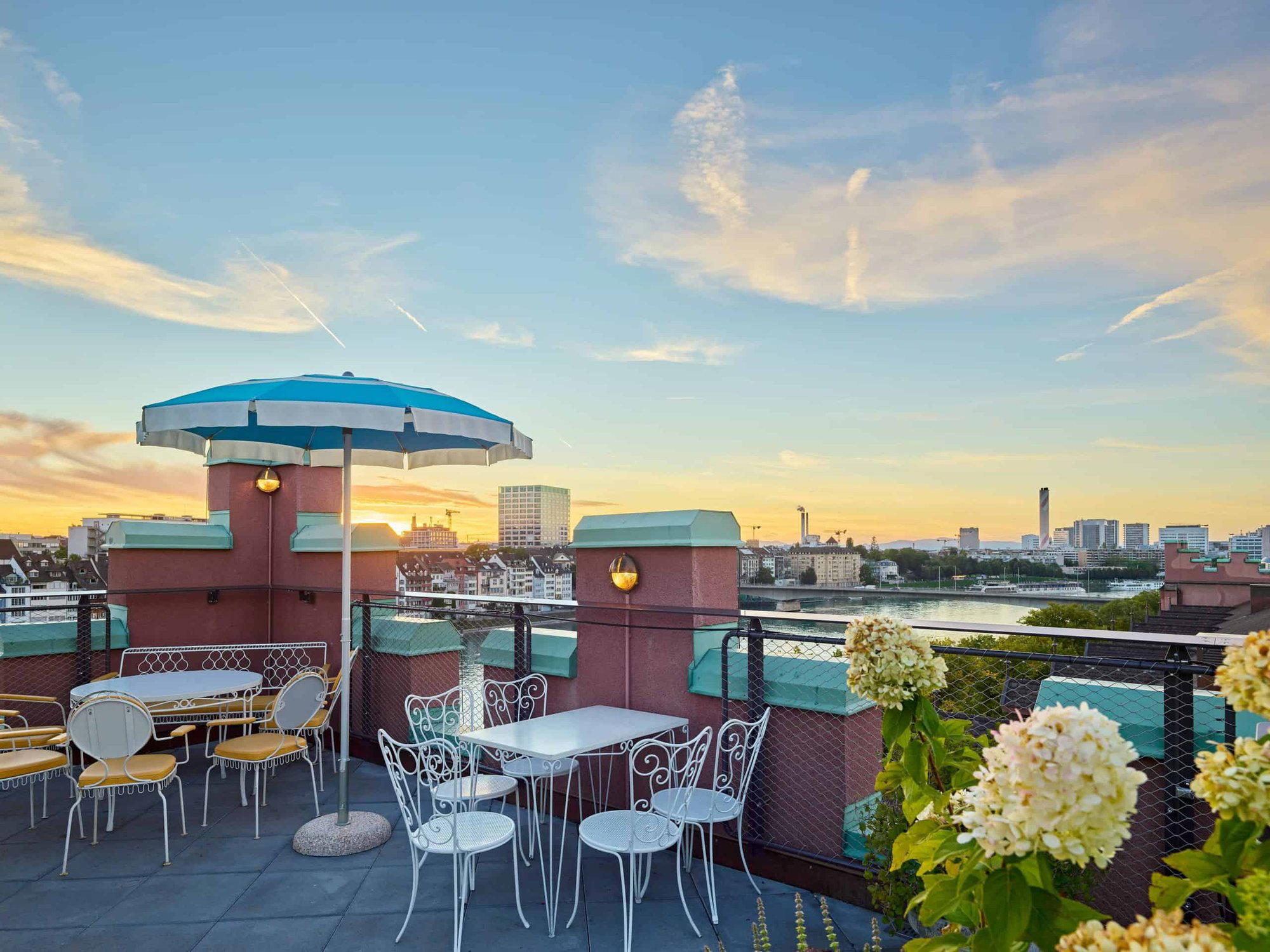
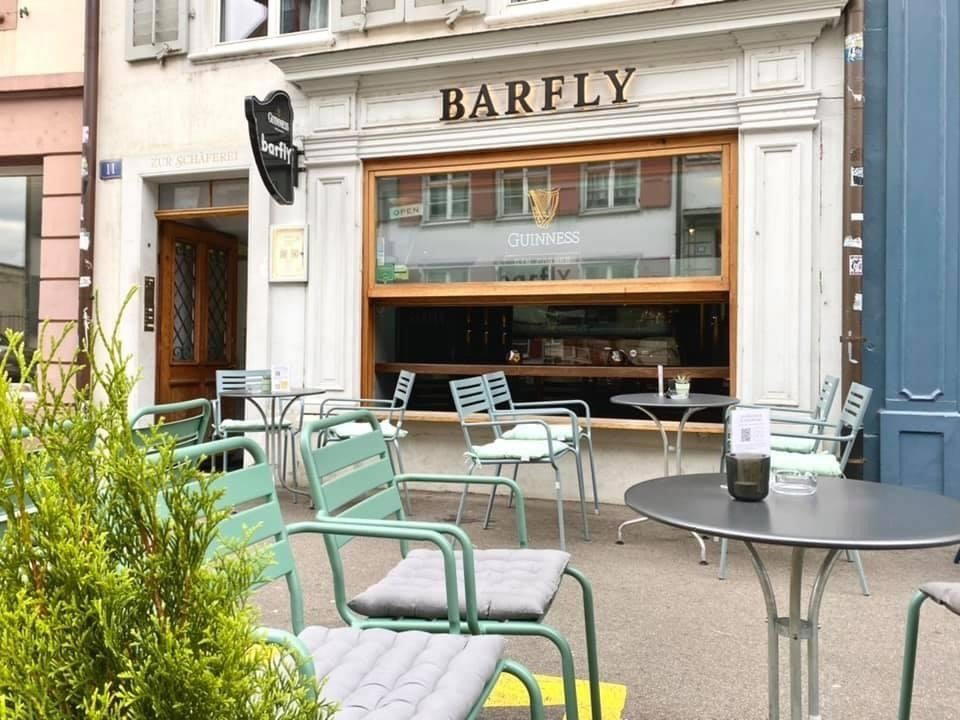
Hotels in Schlierbach
Browse all →
At a Glance
- Elegant
- Cozy
- Intimate
- Sophisticated
- Date Night
- Family
- Special Occasion
- Terrace
- Extensive Wine List
- Local Sourcing
Current opening hours
- Monday
- Closed
- Tuesday
- Closed
- Wednesday
- 12–1:30 PM
- Thursday
- 12–1:30 PM
- Friday
- 12–1:30 PM, 7–8:30 PM
- Saturday
- 12–1:30 PM, 7–8:30 PM
- Sunday
- 12–1:30 PM
Hours can change for holidays and private events. Last verified .
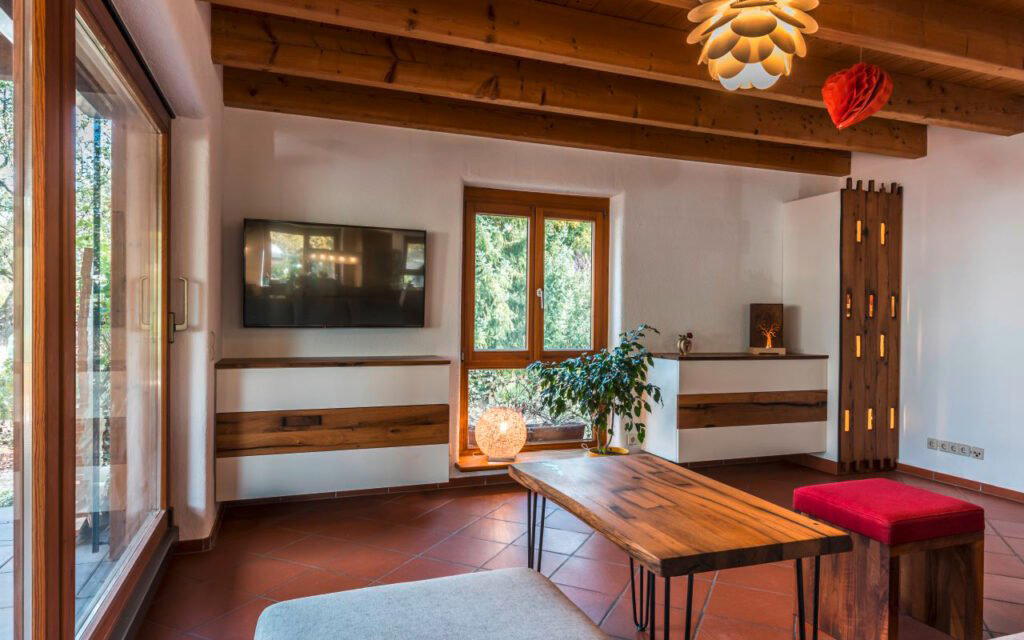
Convivial, warm, and familial ambiance with refined decor and a welcoming terrace.