Set amid the forests and farmland of Alsace's Ried plain near Sélestat, L'illwald occupies a position that the region's longer dining tradition has always rewarded: close to the source. The area's produce-led cooking heritage, shared with neighbours like Auberge de l'Ill, gives any serious kitchen here a well-stocked larder and a clear set of expectations to meet.
Pearl is the En Primeur Club membership app — saves, bookings, and concierge access live there. Same editors, same standards.
- Address
- Lieu-dit, Schnellenbuhl, 67600 Sélestat, France
- Phone
- +33390561140
- Website
- illwald.fr
- Directions
- Get directions
 Saves & bookings on Pearl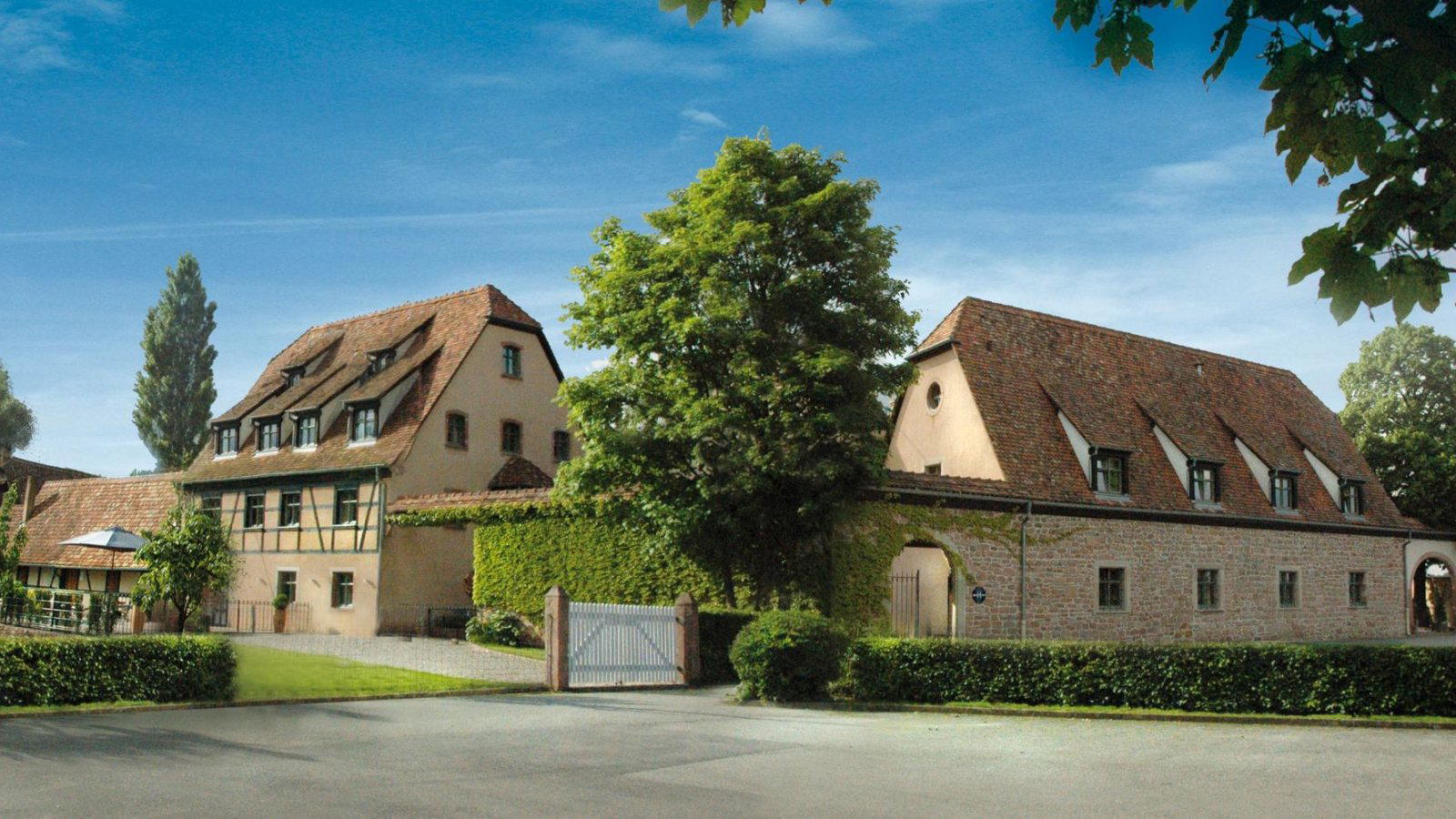
Where the Forest Meets the Table: Alsace's Ried Plain and the Logic of Place
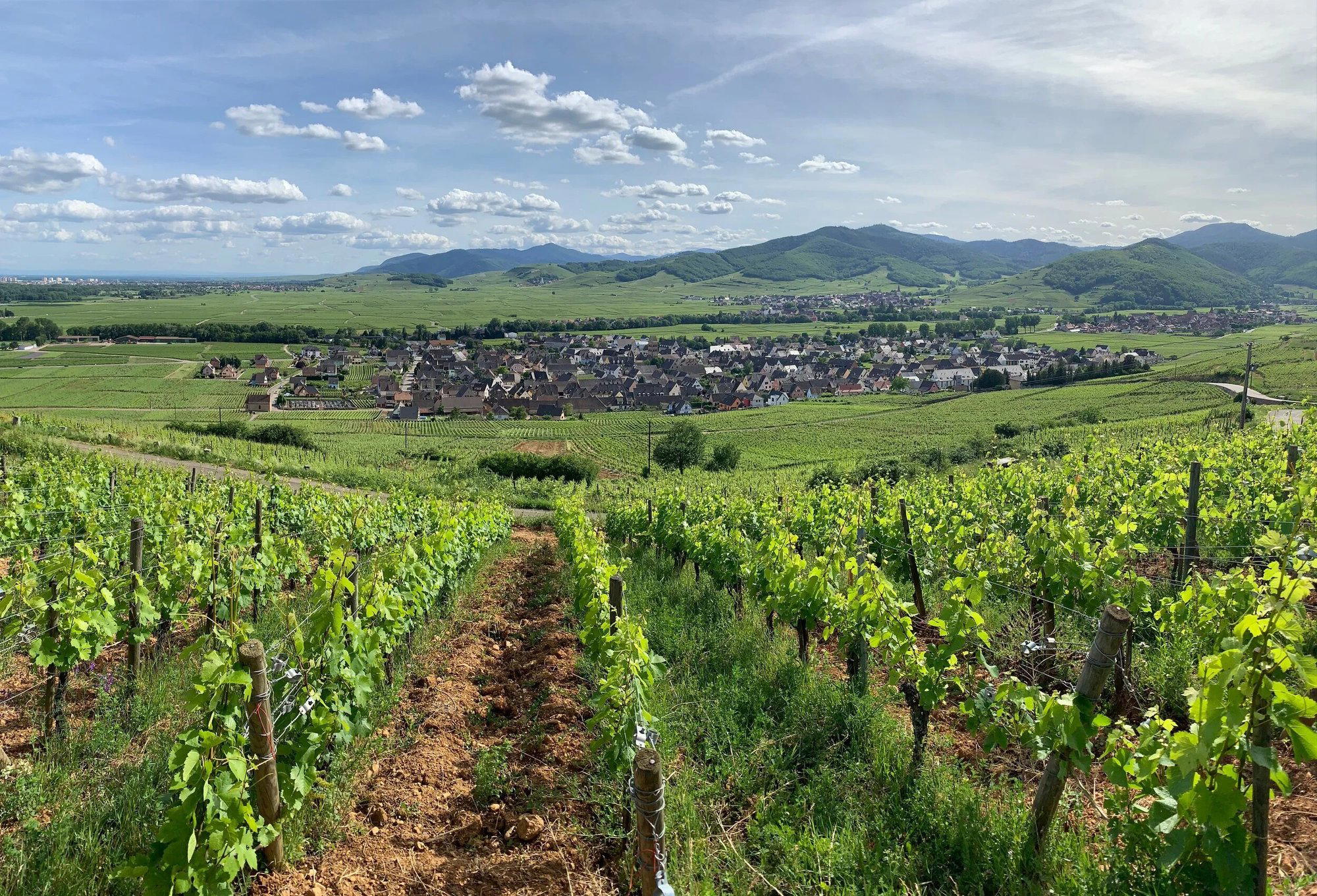
There is a particular kind of French restaurant that earns its reputation through proximity. Proximity to a river, to a forest edge, to farmland that changes what is possible in a kitchen. L'illwald is a Traditional Alsatian Bistro in Lieu-dit, Schnellenbuhl, 67600 Sélestat, France, near Mussig and Sélestat. The Ried plain of central Alsace, a low-lying corridor of wetland, forest, and alluvial farmland running between the Vosges foothills and the Rhine, has shaped the cooking logic of this corner of France for generations. Approaching from Sélestat, the road flattens and the tree canopy thickens before opening onto the kind of clearing that reminds you why Alsatian chefs have historically looked outward from their kitchens, not inward toward urban supply chains.
The broader Alsace dining scene includes a range of serious regional tables that owe their character to the land immediately around them. Auberge de l'Ill in Illhaeusern has long anchored the upper end of that spectrum, its position on the riverbank making it inseparable from the Ill's trout, crayfish, and pike traditions. L'illwald sits within the same regional ecosystem, shaped by the Ill's floodplain and the forests of the Forêt de Sélestat that hem in this stretch of road. L'illwald merits its own treatment precisely because of what the Ried plain makes possible at table.
The Sourcing Logic of the Alsatian Forest Table
In regions where ingredient sourcing drives culinary identity, the address of a restaurant is often its first statement of intent. The Schnellenbuhl lieu-dit places the restaurant within direct reach of some of Alsace's more productive natural larder: game from the forests (venison, wild boar, pheasant cycle through Alsatian menus in autumn and winter in ways that restaurants reliant on wholesale markets cannot replicate with the same immediacy), freshwater fish from the Ill and its tributaries, and the agricultural produce of a plain that benefits from the rain shadow of the Vosges and some of the warmest average temperatures of any region in France outside the Mediterranean south.
That climatic advantage matters more than it might initially seem. Alsace receives less annual rainfall than almost any other French region, which concentrates flavour in produce and extends the growing season for herbs, vegetables, and stone fruit. The Ried's wetlands add a further dimension: foragers working this corridor supply kitchens across the region with watercress, wild garlic, and seasonal mushrooms that do not appear in any catalogue. Restaurants positioned to access these networks directly operate with an ingredient range that urban counterparts in Strasbourg can approximate but rarely match in freshness or specificity. This can be compared with sourcing decisions at destinations like Bras in Laguiole, where the Aubrac plateau's herbal grasslands define the kitchen's vocabulary, or Mirazur in Menton, where the kitchen's terraced garden sits directly above the dining room. In each case, the argument is the same: the source of ingredients and the site of cooking are best understood as a single, continuous system.
Alsace in the Wider French Fine Dining Map
French fine dining spreads across a wide geographic range, from Paris rooms like Alléno Paris au Pavillon Ledoyen operating at the highest tier of international recognition, to regionally anchored tables that compete on terroir specificity rather than global profile. Alsace sits in an interesting position on this map: its German-French culinary synthesis, its Riesling and Pinot Gris traditions, and its choucroute and baeckeoffe heritage give it a distinct identity that resists easy assimilation into generic French fine dining categories. Au Crocodile in Strasbourg has historically represented the region's formal high-end tradition; the countryside around Sélestat represents something more grounded and less codified.
The comparison set for a property like L'illwald is less the major-city palaces and more the category of serious French regional tables that have built reputations on setting and source rather than on metropolitan visibility. Georges Blanc in Vonnas in the Bresse corridor, Auberge du Vieux Puits in Fontjoncouse in the Corbières, or L'Oustau de Baumanière in Les Baux each demonstrate how deeply a kitchen anchored in a specific landscape can distinguish itself from technically accomplished urban competition. The logic is the same in the Ried: what the forest and floodplain supply on a given week shapes what a kitchen committed to this place can produce.
Compared with major urban programmes, from New York at Le Bernardin or Atomix, or at destination restaurants like Flocons de Sel in Megève or Troisgros in Ouches, the Mussig area offers something structurally different: a landscape-first proposition where the surrounding environment frames the meal before any dish arrives. That framing distinguishes the experience from restaurants that source well but operate without the same physical connection to their ingredients' origin. Properties like Christopher Coutanceau in La Rochelle, La Marine in Noirmoutier, and AM par Alexandre Mazzia in Marseille each demonstrate in their own way how French regional dining at its most specific is inseparable from geography.
Planning a Visit: Practical Orientation
Mussig sits roughly six kilometres south of Sélestat, which is one practical base for visitors arriving by train on the Strasbourg-Mulhouse TGV corridor. Sélestat itself is a 45-minute drive from Strasbourg-Entzheim airport and under an hour from Basel-Mulhouse-Freiburg. The Lieu-dit Schnellenbuhl address places the restaurant at the forest edge outside the village, which means arriving by car is one direct approach; the road is unlit at night, so midday or early-evening visits avoid navigational uncertainty. Seasonal timing shapes the visit considerably: autumn brings game to the fore across Alsatian menus, while spring and early summer represent the foraging season's peak, when the Ried's wetland plants reach the kitchen at their freshest. As with most serious rural French tables, confirming opening hours and reservation availability before planning a visit is advisable, particularly outside the summer season. The Assiette Champenoise in Reims and Paul Bocuse in Collonges-au-Mont-d'Or are useful benchmarks for how France's great rural destination restaurants operate on their own scheduling logic, and the restaurant's forest-edge position suggests similar self-determination about when and how it operates.
Fast Comparison
Comparable venues nearby, for context on price, style, and recognition.
| Venue | Cuisine | Price | Notes |
|---|---|---|---|
| L'illwaldThis venue — the venue you are viewing | Traditional Alsatian Bistro | $$$ | Not listed |
| La Table du 12 | Seasonal Alsatian-French Bistro | $$$ | Turckheim |
| La Closerie | French Seasonal Gastronomic | $$$ | Illzach |
| La Fontaine des Saveurs | Classic French Gastronomy | $$$ | Old Town (Vieille Ville) |
| Momento | Modern French-Mexican Fusion | $$$ | Bué |
| Saturne | Modern French with Nordic Influences | $$$ | 2nd Arrondissement |
Continue exploring
More in Mussig
Restaurants in Mussig
Browse all →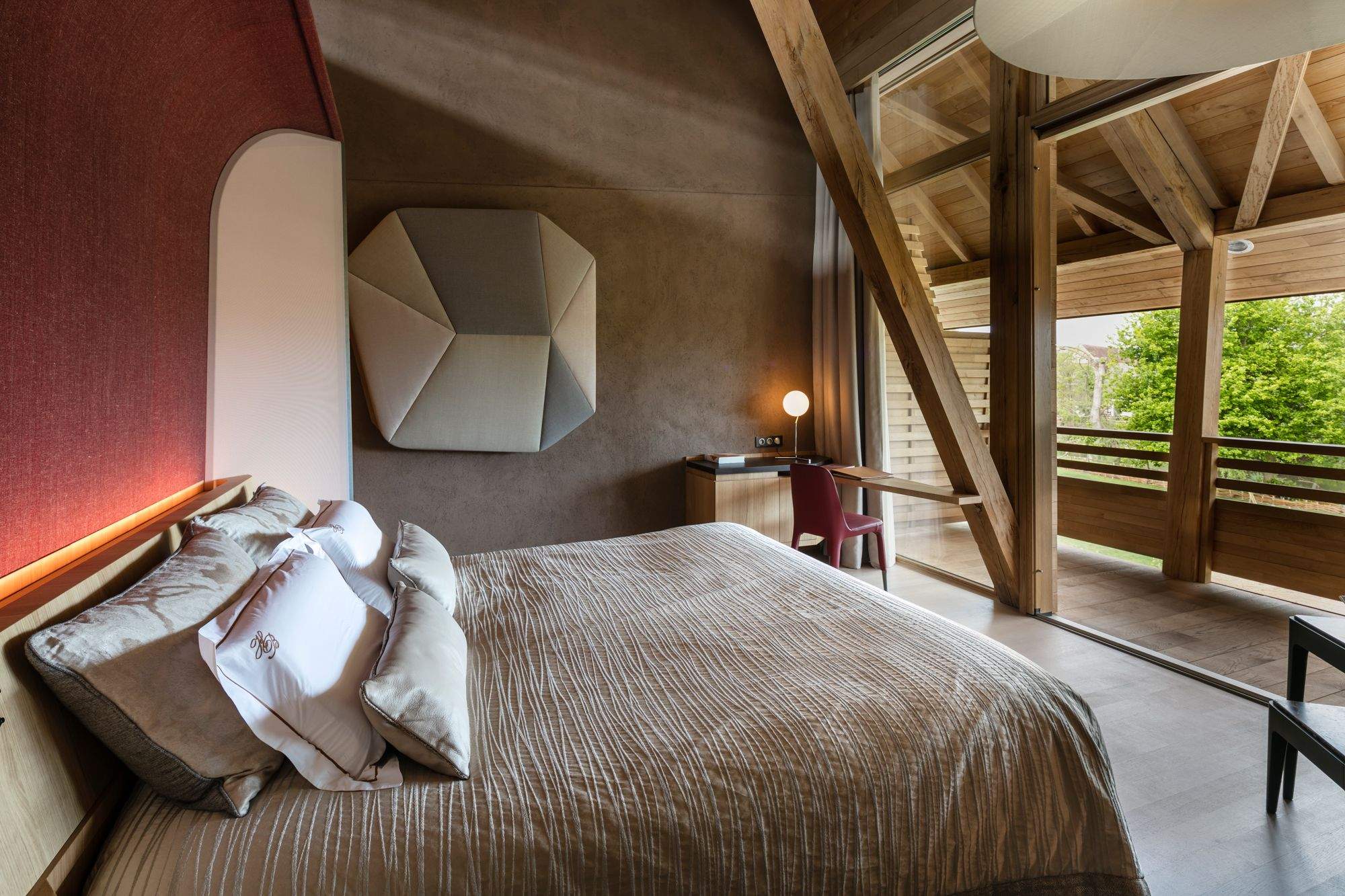
Bars in Mussig
Browse all →



Hotels in Mussig
Browse all →
At a Glance
- Rustic
- Cozy
- Elegant
- Family
- Business Dinner
- Date Night
- Terrace
- Courtyard
- Extensive Wine List
- Local Sourcing
- Organic
- Garden
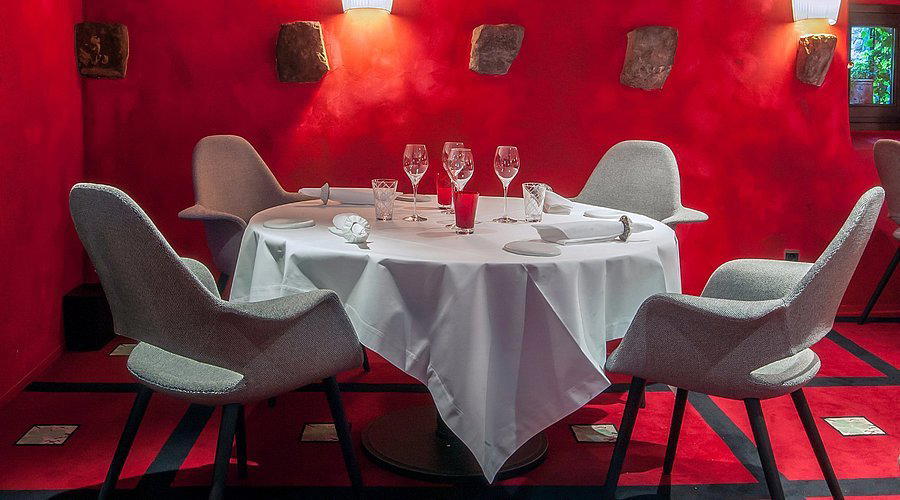
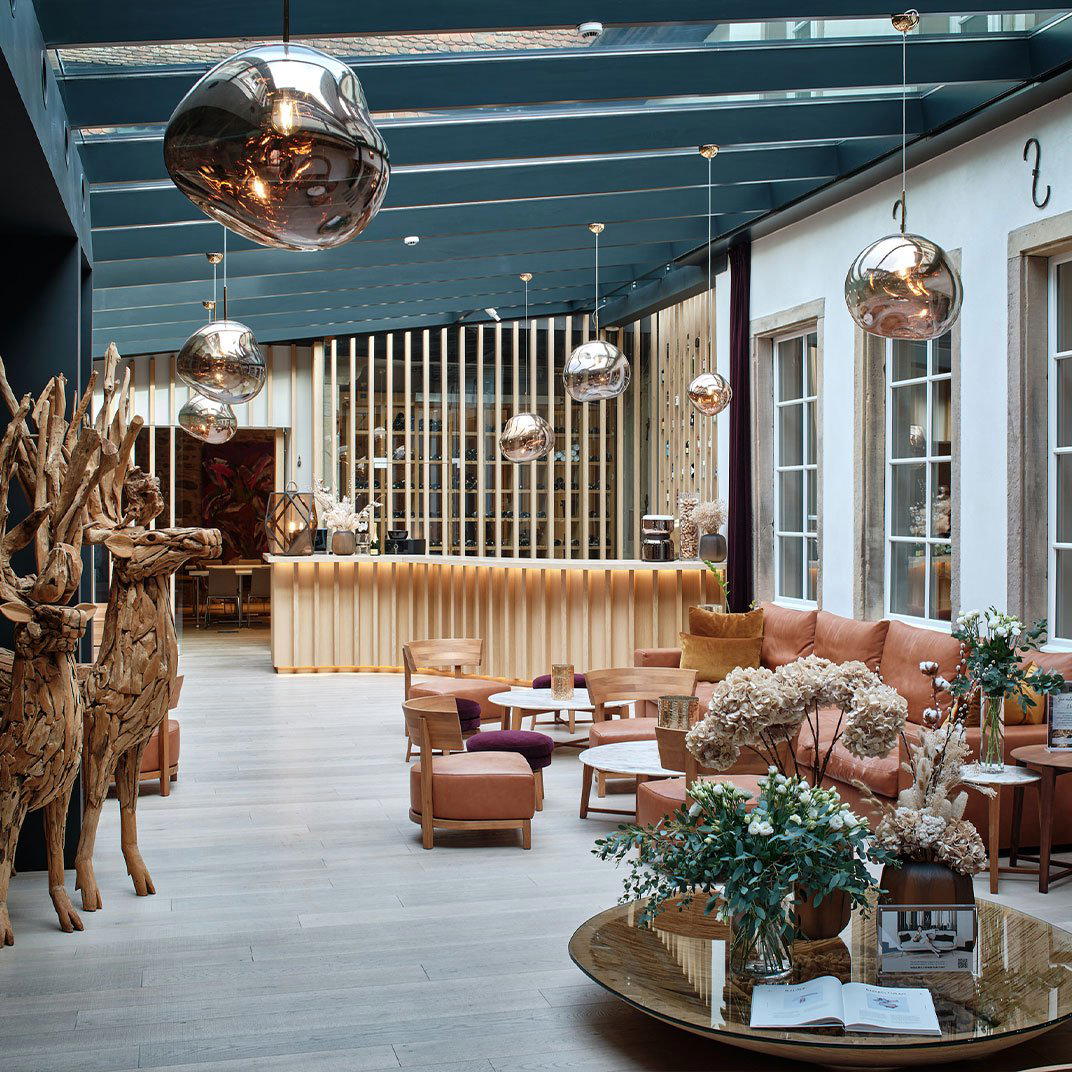
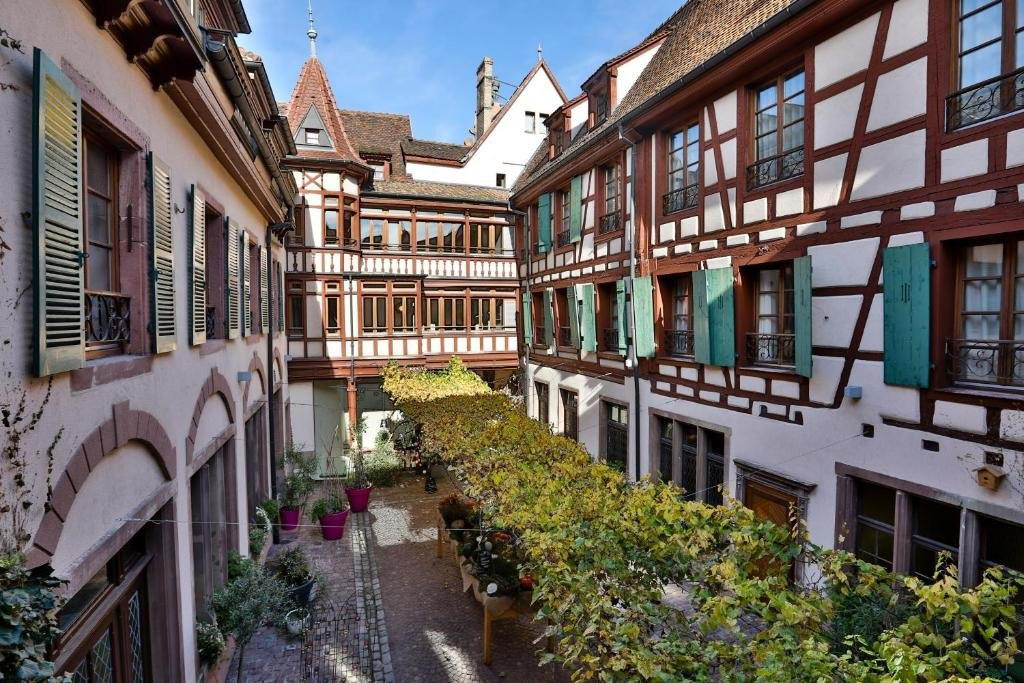
Warm and inviting with traditional wood paneling, painted frescoes, and large bay windows overlooking a green courtyard.