Ackermannshof

1 Michelin Star
Our verdict
Set inside a centuries-old converted printing house in Basel's St. Johann quarter, Ackermannshof serves modern Mediterranean cuisine at the €€€€ tier, with a structured set menu format and cross-regional influences that distinguish it from the city's French-dominant fine dining scene. The Fauna menu runs four, six, or eight courses, with a vegetarian Flora alternative available by prior arrangement.

Pearl is the En Primeur Club membership app, where members save venues, book tables and use the concierge.
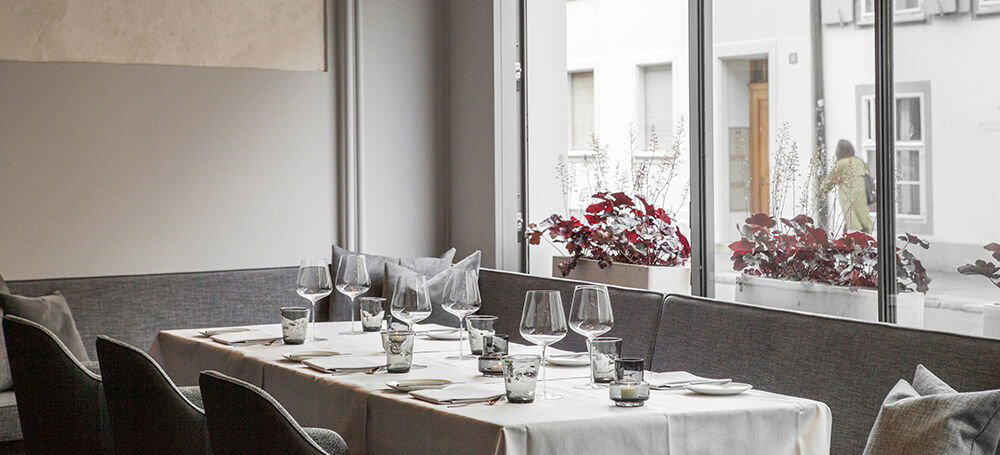
A Printing House Turned Dining Room in St. Johann
Basel's fine dining scene is anchored, somewhat predictably, by the French tradition. Cheval Blanc by Peter Knogl holds three Michelin stars and occupies the leading bracket of classic French ambition. Stucki – Tanja Grandits and roots each carry two stars, the former in contemporary French-creative, the latter in a Flemish-vegetarian register. Against this backdrop, Ackermannshof occupies a distinct position: a €€€€-tier Mediterranean table that draws its references from the olive-oil-producing coastlines of southern Europe, then pulls freely from further east.
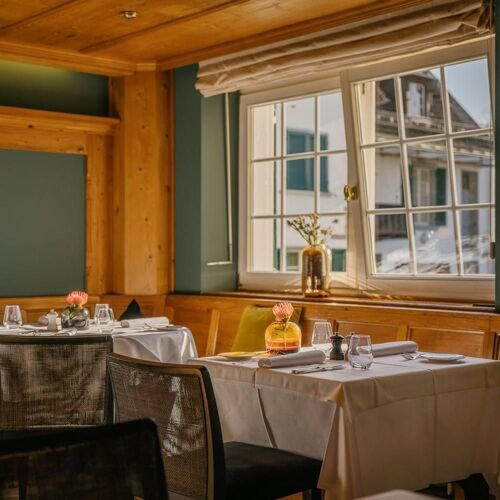
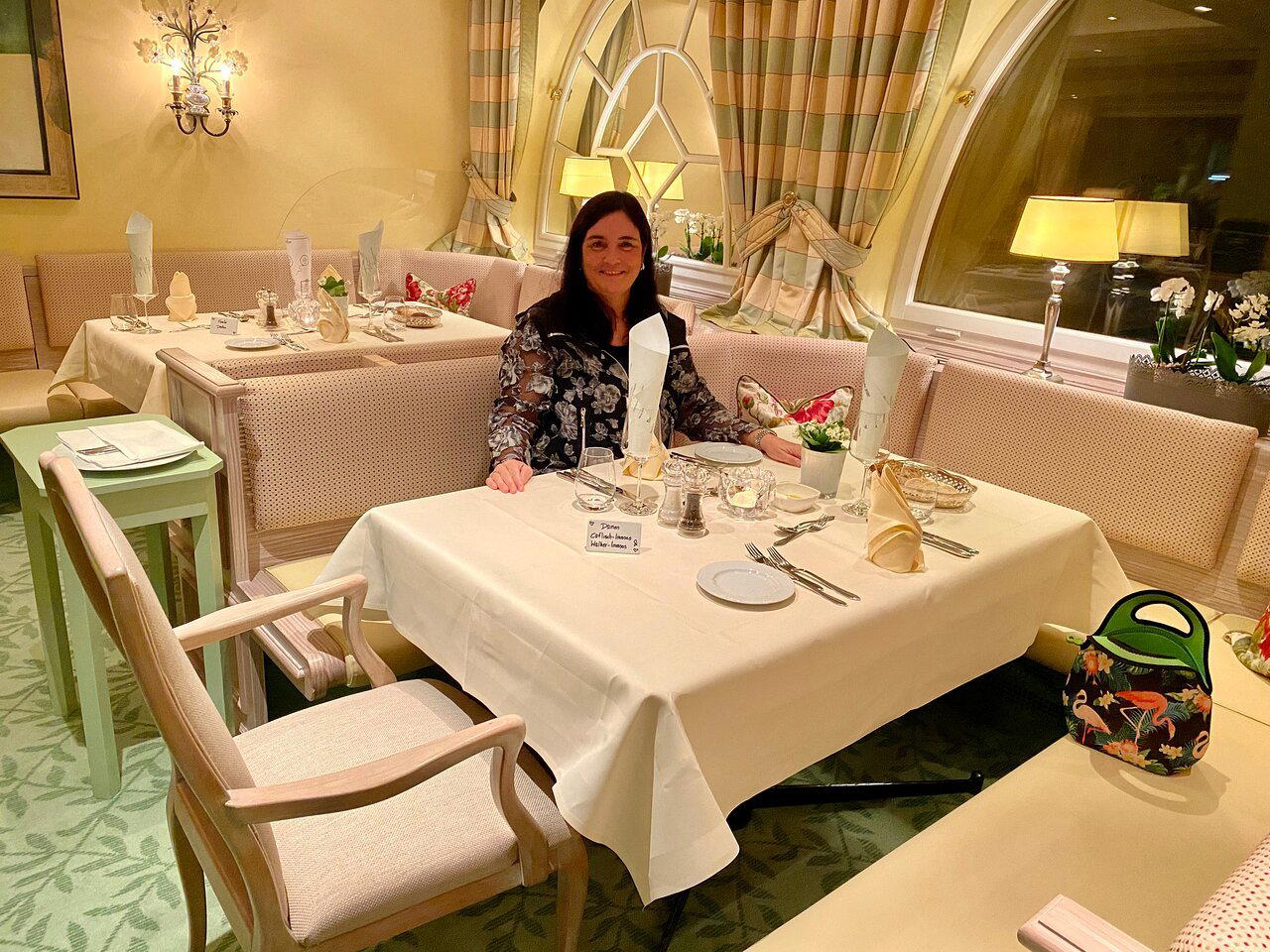
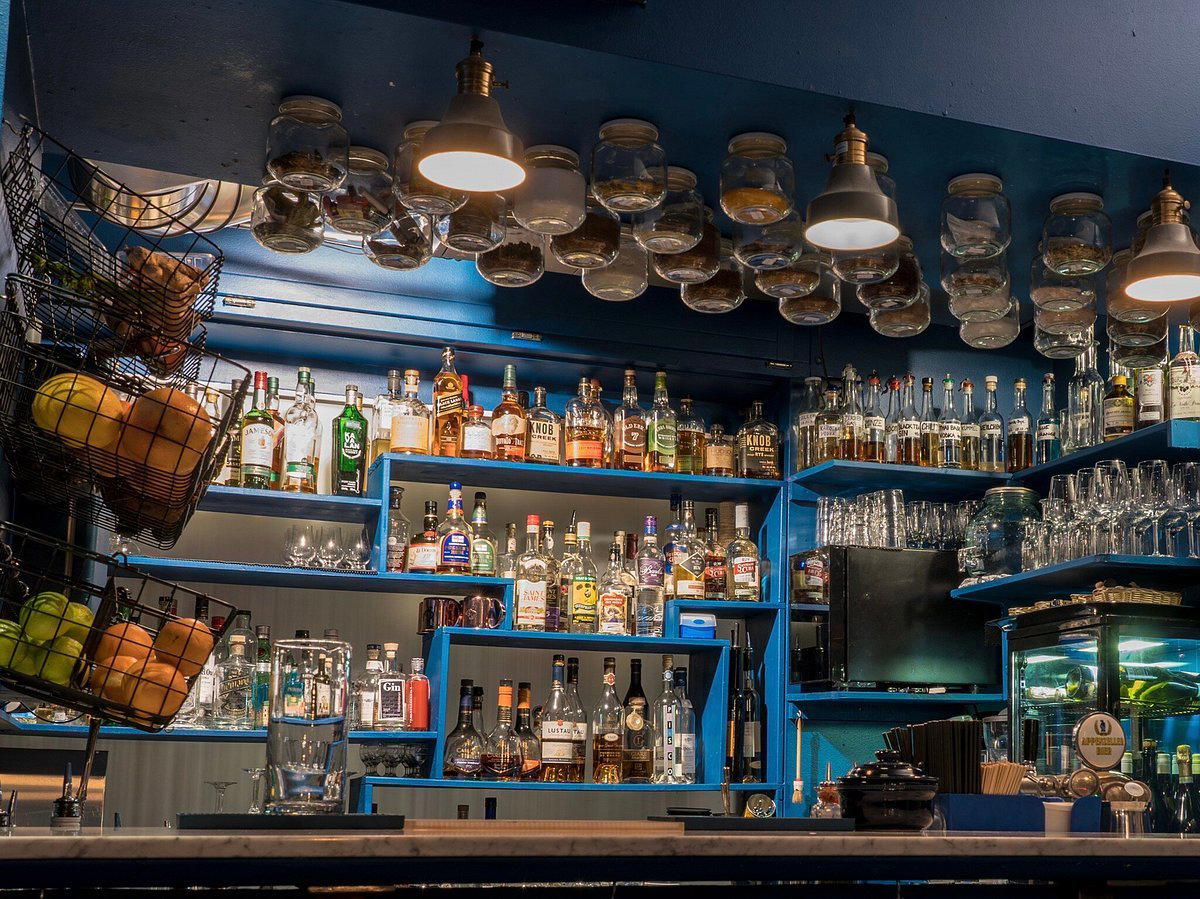
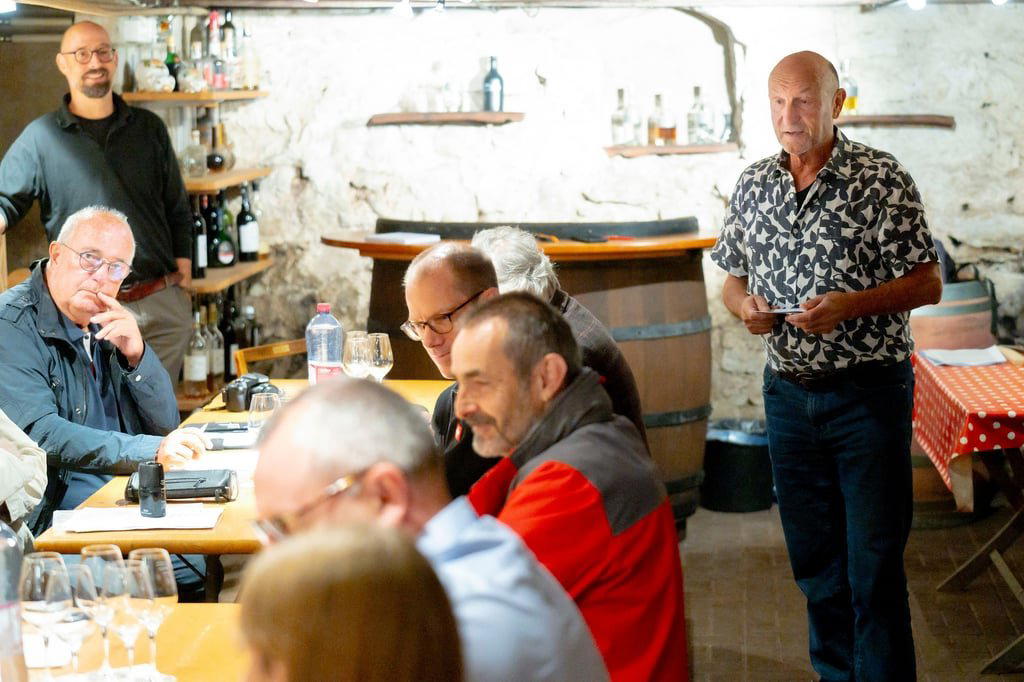
The building itself sets a tone before the food arrives. The restaurant occupies a restored printing house on St. Johanns-Vorstadt 19/21 in the St. Johann neighbourhood, one of Basel's most characterful quarters, and the conversion has kept enough of the structure's industrial bones to make the space feel consequential rather than merely pretty. Exposed surfaces, considered lighting, and a courtyard terrace work together to produce an atmosphere that reads as chic without forcing it. The stylish bar area, available for a drink before or after the meal, gives the venue a natural rhythm: arrive early, stay late.
The Mediterranean Table: Olive Oil as Structural Logic
Mediterranean cuisine, at its most serious, is built around fat as flavour rather than fat as richness. Olive oil is not a finishing flourish here; in the southern Italian, Provençal, and Levantine traditions that inform this register, it is the base from which everything else is constructed. The leading kitchens working in this vein treat the oil's origin, pressing method, and character the way a French kitchen treats its stocks: as an invisible but structural presence.
At Ackermannshof, head chef Flavio Fermi works this tradition while pushing it across borders. The Tuscan fish soup on the menu is a useful illustration of how the kitchen thinks: a dish rooted in the coastal Italian idiom of brodetto or cacciucco, built on a base that relies on olive oil and aromatics for its depth, then modified with shiitake mushrooms that shift the umami register eastward. It is a confident move, and it reads as a considered integration rather than a gimmick. The Mediterranean foundation remains legible; the Asian inflection sharpens it.
This cross-regional intelligence places Ackermannshof in an interesting peer group within Switzerland. La Brezza in Ascona and Da Vittorio in St. Moritz both work the Mediterranean register in Swiss resort contexts. Outside Switzerland, the ambition finds a more ambitious analogue in Arnaud Donckele & Maxime Frédéric at Louis Vuitton in Saint-Tropez, where Mediterranean ingredients are treated with comparable technical seriousness. Ackermannshof is not competing at that tier by price or critical recognition, but the conceptual DNA is recognisably related.
The Menu Architecture: Fauna, Flora, and the Logic of Course Counts
The set menu format at Ackermannshof runs under the name Fauna, with four, six, or eight course configurations. The structure is familiar across the Swiss fine dining circuit, where multi-course progression at the €€€€ tier is standard practice, but the choice of course count gives diners meaningful agency over the pace and depth of the meal. A four-course format keeps the evening contained; eight courses commits to the full arc.
The vegetarian alternative, Flora, is available by prior arrangement. This kind of advance-coordination requirement is common at this price point when a kitchen is built around a meat and seafood-forward Mediterranean tradition, and it signals that the Flora menu is a considered alternative rather than an afterthought, but one that requires lead time for the kitchen to execute properly. Diners who want the vegetarian path should communicate this when booking.
Wine programme matches the ambition of the food. The list covers an extensive range with a strong champagne selection, and wine pairings are available for guests who prefer a guided route through the menu. At the €€€€ tier in Basel, this level of wine infrastructure is expected; the champagne depth in particular is worth noting for guests who want to open or close with something from that category.
Where Ackermannshof Sits in Basel's Dining Hierarchy
Basel's restaurant scene is small by major European standards but concentrated in quality at the leading end. The city's Michelin presence is strong relative to its size, with starred tables at Cheval Blanc, Stucki, and roots forming a credentialled upper tier. Ackermannshof sits at the same price point (€€€€) as those three without carrying a star, which means it is pricing as a peer on occasion cost while differentiating on cuisine type rather than award recognition. For diners who have already worked through the city's Michelin tier, or who want a Mediterranean rather than French-focused meal, this is where the venue's value proposition becomes clear.
At a sample size of 116, a 4.8 is not accidental; it reflects consistent execution over repeated visits from a range of guests. Compare this to au violon, which works the classic French register at the €€ tier, or Bel Etage in the international category. Ackermannshof is clearly operating in different territory from both in terms of cuisine ambition and price.
For context on the wider Swiss fine dining scene, Schloss Schauenstein in Fürstenau, Memories in Bad Ragaz, Hotel de Ville Crissier in Crissier, 7132 Silver in Vals, and Colonnade in Lucerne represent the national range of serious cooking at the top tier. Ackermannshof is operating within that conversation, with a cuisine type that gives it a distinct identity within it.
Planning Your Visit
Ackermannshof is at St. Johanns-Vorstadt 19/21 in Basel's St. Johann quarter, a neighbourhood accessible by tram and on foot from the city centre. The restaurant is set back enough from the main commercial drag to feel residential and calm; the courtyard terrace is the preferred seating option in good weather, when Basel's spring and summer evenings make outdoor dining genuinely rewarding. Booking ahead is advisable at the €€€€ tier in a city with this level of restaurant concentration; guests requesting the Flora vegetarian menu should flag this at the time of reservation. The bar area is open for pre- and post-dinner drinks regardless of the dining format. For broader Basel planning, the full Basel restaurants guide, hotels guide, bars guide, wineries guide, and experiences guide cover the full range of options across the city.
Frequently asked questions
Can I bring kids to Ackermannshof?
Ackermannshof sits at the €€€€ price tier and operates on a structured multi-course set menu format, four, six, or eight courses under the Fauna menu, which runs at a measured pace. That format is designed around adult dining rhythms rather than flexible ordering. Families with older children who are comfortable at a formal table and in a quiet, design-focused room will find it manageable; young children would find the format a poor fit.
What is the atmosphere like at Ackermannshof?
The dining room occupies a centuries-old printing house on St. Johanns-Vorstadt, and the conversion is considered rather than theatrical, the building's history is present without being forced into the décor. Head chef Flavio Fermi and maître d' Roland Tischhauser run a well-coordinated floor, and the courtyard terrace adds a second register to the evening. A stylish bar area handles aperitifs and nightcaps outside the main dining sequence.
What distinctions does Ackermannshof have?
Ackermannshof has received recognition including: Housed in a lovingly restored and converted printing house that dates back centuries, this restaurant is run by a well-coordinated team including head chef Flavio Fermi and maître d' Roland Tischhauser. In a remarkably chic and tastefully d….
What should I order at Ackermannshof?
The eight-course Fauna menu gives the fullest reading of chef Flavio Fermi's kitchen, which works modern Mediterranean with deliberate international pivots, the Tuscan fish soup with giant prawns picks up shiitake mushrooms as an Asian counterpoint. Vegetarians should arrange the Flora alternative in advance, as it is not an on-the-night option. The house wine pairings are curated to the menu, though the list also carries a notable champagne selection for those who prefer to build their own pairing.
At-a-Glance Comparison
| Venue | Cuisine | Price | Awards | Notes |
|---|---|---|---|---|
| AckermannshofThis venue (the venue you are viewing) | Modern Mediterranean | Not listed | 1 Michelin Star | Not listed |
| roots | Modern Vegetable-Centric European | $200–300 | 2 Michelin Stars · La Liste Top Restaurants | Flemish, Vegetarian, Modern Cuisine |
| Stucki - Tanja Grandits | Modern European Aroma Cuisine | $150–200 | 2 Michelin Stars · La Liste Top Restaurants | Contemporary French, Creative |
| Brasserie Les Trois Rois | Swiss-French Brasserie | $100–150 | Michelin Plate | Not listed |
| Cheval Blanc by Peter Knogl | French Haute Cuisine with Mediterranean and Asian Influences | $200–300 | 3 Michelin Stars · La Liste Top Restaurants | Classic French |
| au violon | Classic French Brasserie | Not listed | Michelin Bib Gourmand | Not listed |
Recognition history
Dated appearances from independent guides and award organizations, with the underlying list record or original source where available.
Michelin 1 Star
Michelin
Full recognition history (2 entries)
Michelin 1 Star
Michelin
Continue exploring
More in Basel
Restaurants in Basel
All restaurants in Basel →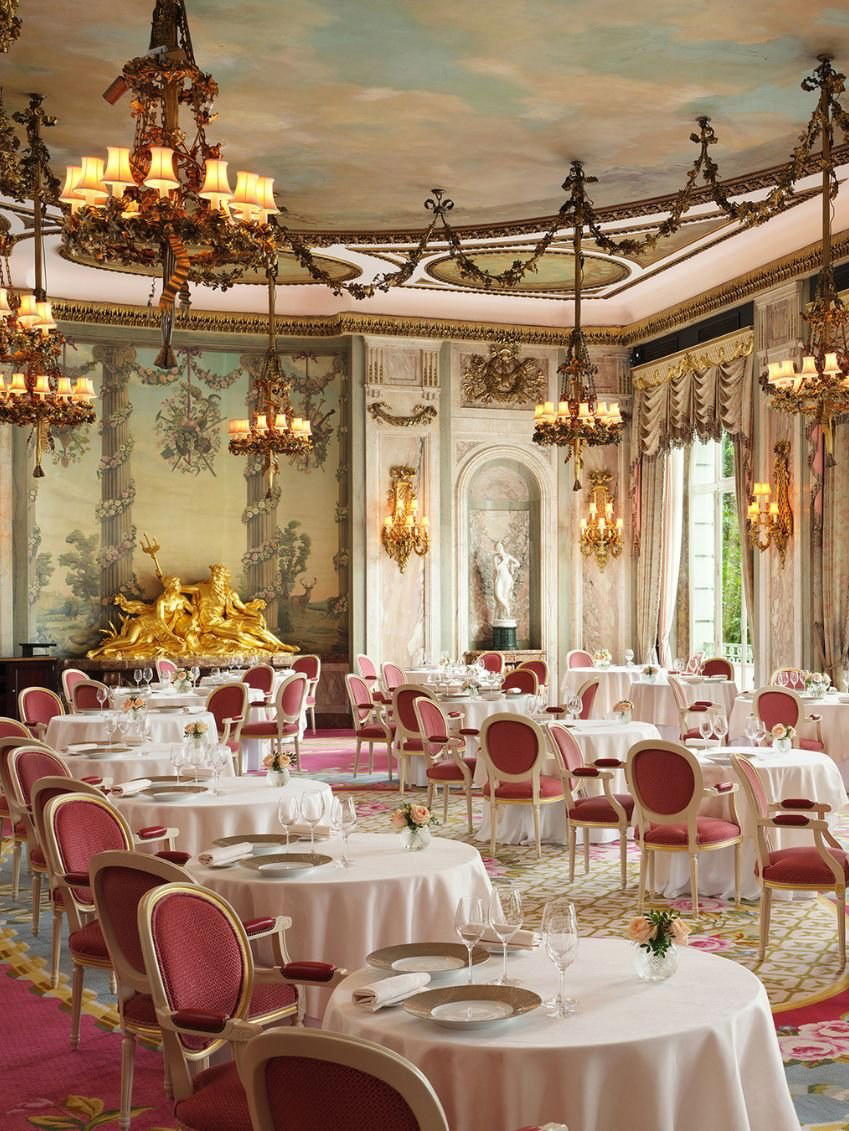
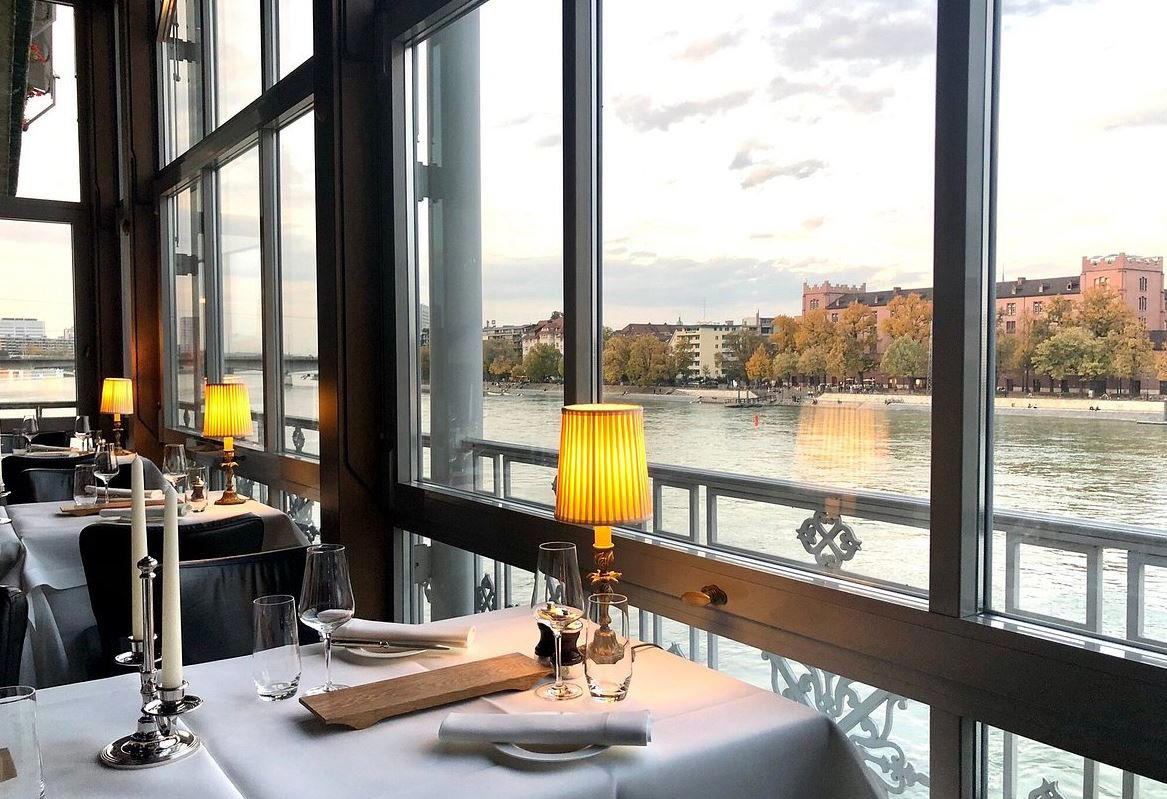
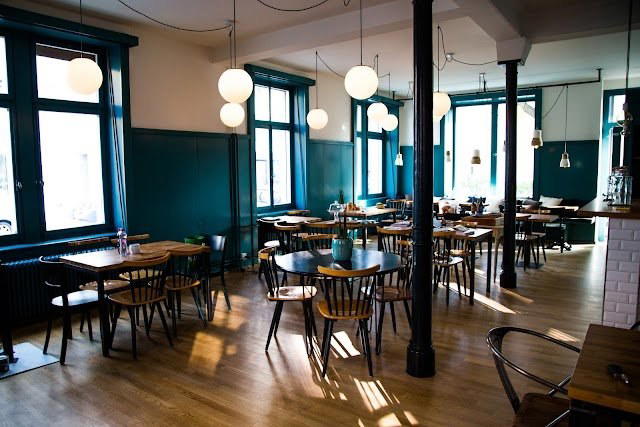
Bars in Basel
All bars in Basel →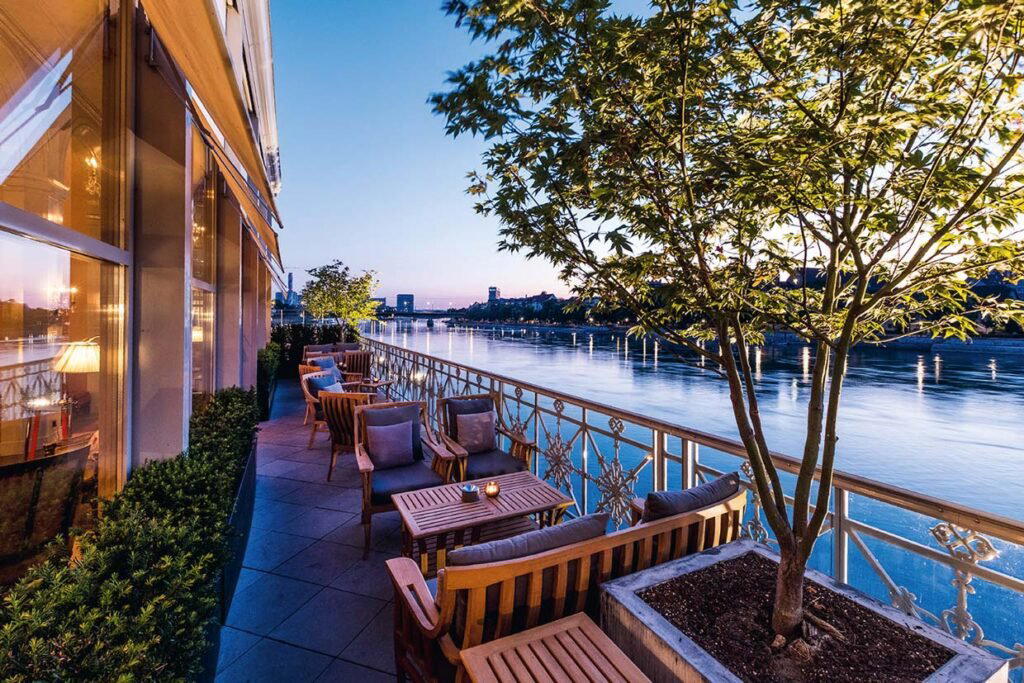
Hotels in Basel
All hotels in Basel →

Ackermannshof
The wine
- Wine program
- Deep wine list
- Extensive wine list
- Sommelier-led
Details
- Elegant
- Sophisticated
- Cozy
- Intimate
- Classic
- Date Night
- Special Occasion
- Business Dinner
- Historic Building
- Terrace
- Open Kitchen
- Extensive Wine List
- Sommelier Led
- Set Menu
- Tasting Menu
- Vegetarian Friendly
Current opening hours
- Monday
- Closed
- Tuesday
- 4–11:30 PM
- Wednesday
- 4–11:30 PM
- Thursday
- 4–11:30 PM
- Friday
- 4–11:30 PM
- Saturday
- 4–11:30 PM
- Sunday
- Closed
Hours can change for holidays and private events. Hours as of .
Chic, tastefully designed interior in historic building with pleasant, cozy lighting and elegant atmosphere.