Le 1617 sits at 7 Rue des Seigneurs in Rodern, a small village in Alsace's northern wine corridor, where the agricultural density of the Bas-Rhin meets centuries of Franco-German cooking tradition. The address alone signals a certain kind of seriousness: Rodern is not a dining destination by accident, and restaurants that operate here do so against a backdrop of deeply rooted local produce and wine culture. Booking ahead is advisable for anyone planning a visit from Strasbourg or Colmar.
Pearl is the En Primeur Club membership app — saves, bookings, and concierge access live there. Same editors, same standards.
- Address
- 7 Rue des Seigneurs, 68590 Rodern, France
- Phone
- +33978804804
- Website
- le1617.fr
- Directions
- Get directions
 Saves & bookings on Pearl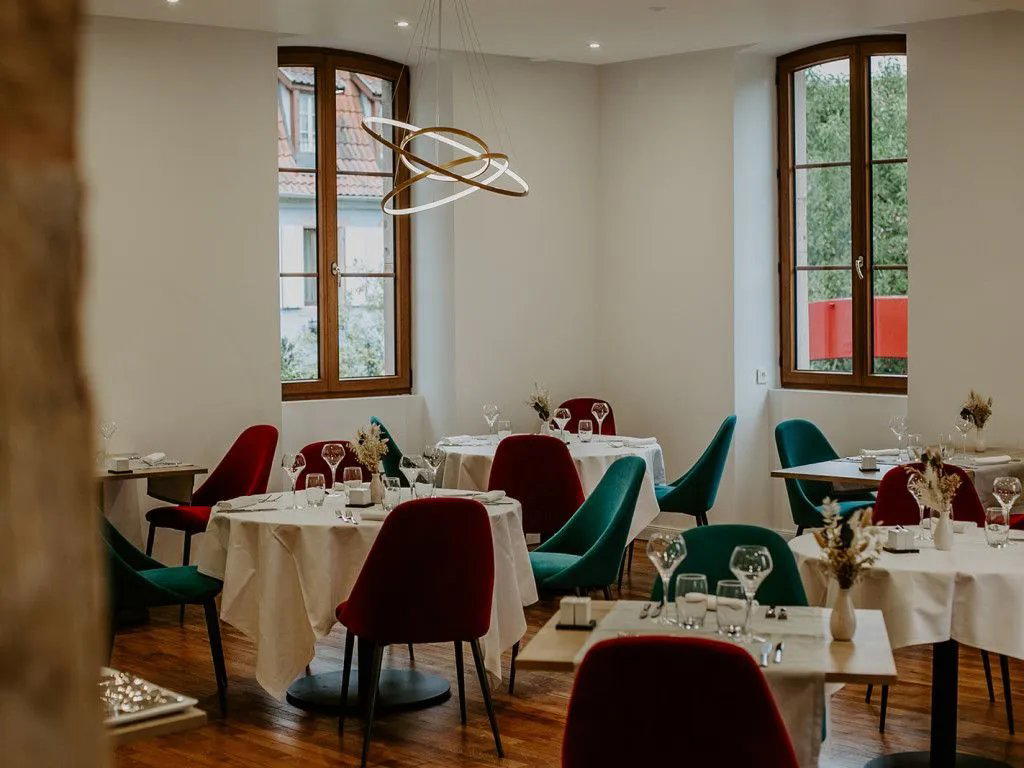
Where Alsace's Agricultural Identity Meets the Table
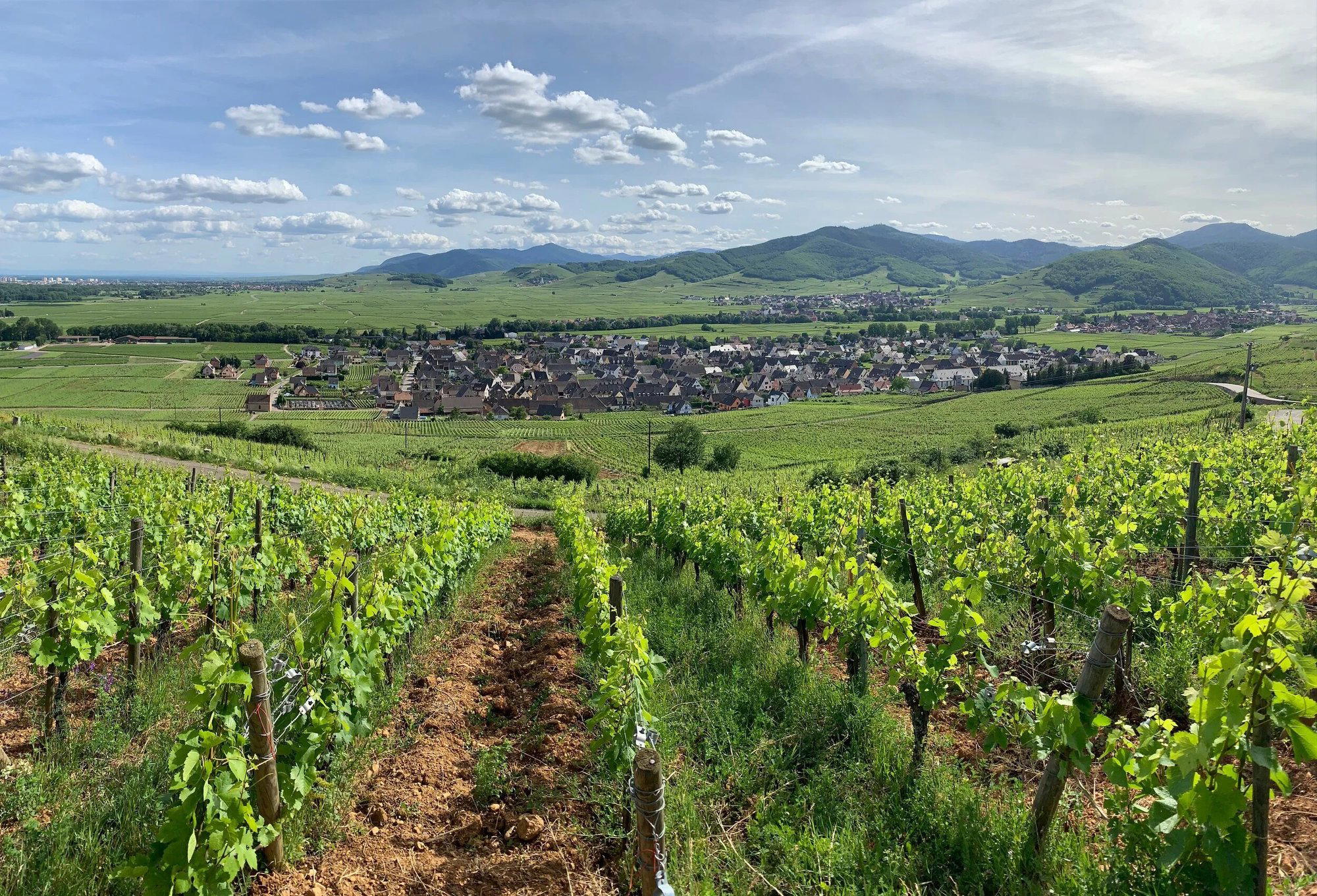
Rodern sits in the northern stretch of the Route des Vins d'Alsace, a corridor where the density of Grand Cru vineyards, market gardens, and family-run farms creates one of France's most self-sufficient food geographies. Villages here have long operated on a short supply chain by necessity: the Vosges foothills to the west push cold air across the plain, the Rhine valley below provides alluvial soil suited to root vegetables, and the Alsatian tradition of fermenting, curing, and preserving means that seasonal produce rarely travels far before it reaches a kitchen. Le 1617, at 7 Rue des Seigneurs in Rodern, serves Classic French Bistronomic in a village setting. The name references the address number, but it also functions as a kind of positioning statement: this is a place rooted in its immediate geography.
That rootedness matters more in Alsace than in most French regions, because Alsatian cooking has always been defined by its borderland character. The cuisine sits at the intersection of French technique and German ingredient culture, charcuterie, sauerkraut, dense terrines, Riesling-braised preparations, and the leading restaurants in the region use that duality as a structural advantage rather than a constraint. For context on Alsatian fine dining, Auberge de l'Ill in Illhaeusern remains a regional benchmark. Le 1617 operates in a quieter register, in a village rather than a destination town, which shapes expectations around both format and sourcing philosophy.
The Approach to Ingredients in This Part of Alsace
The broader Bas-Rhin and Haut-Rhin corridor produces an unusual range of raw materials within a compact geographic footprint. Munster cheese from the Vosges, white asparagus from the Rhine plain in spring, foie gras from operations along the Alsace-Lorraine border, Alsatian mirabelle plums and quetsches in summer, game from the Vosges forests in autumn, the seasonal calendar here is specific and relatively predictable, which gives kitchens working with local suppliers a structural rhythm that pan-European sourcing cannot replicate. This matters when assessing a restaurant in Rodern: the village's proximity to working agricultural land is not incidental to what appears on the plate.
France's most ingredient-driven fine dining addresses have long used geographic specificity as editorial intent. Bras in Laguiole defined that approach for the Aubrac plateau; Mirazur in Menton has built its three-star identity around a kitchen garden that feeds directly into the menu. In Alsace, the sourcing logic is less theatrical but equally embedded: it comes from centuries of necessity rather than a contemporary foraging aesthetic. A restaurant operating in a village like Rodern inherits that framework whether or not it makes it explicit.
Arriving and Reading the Room
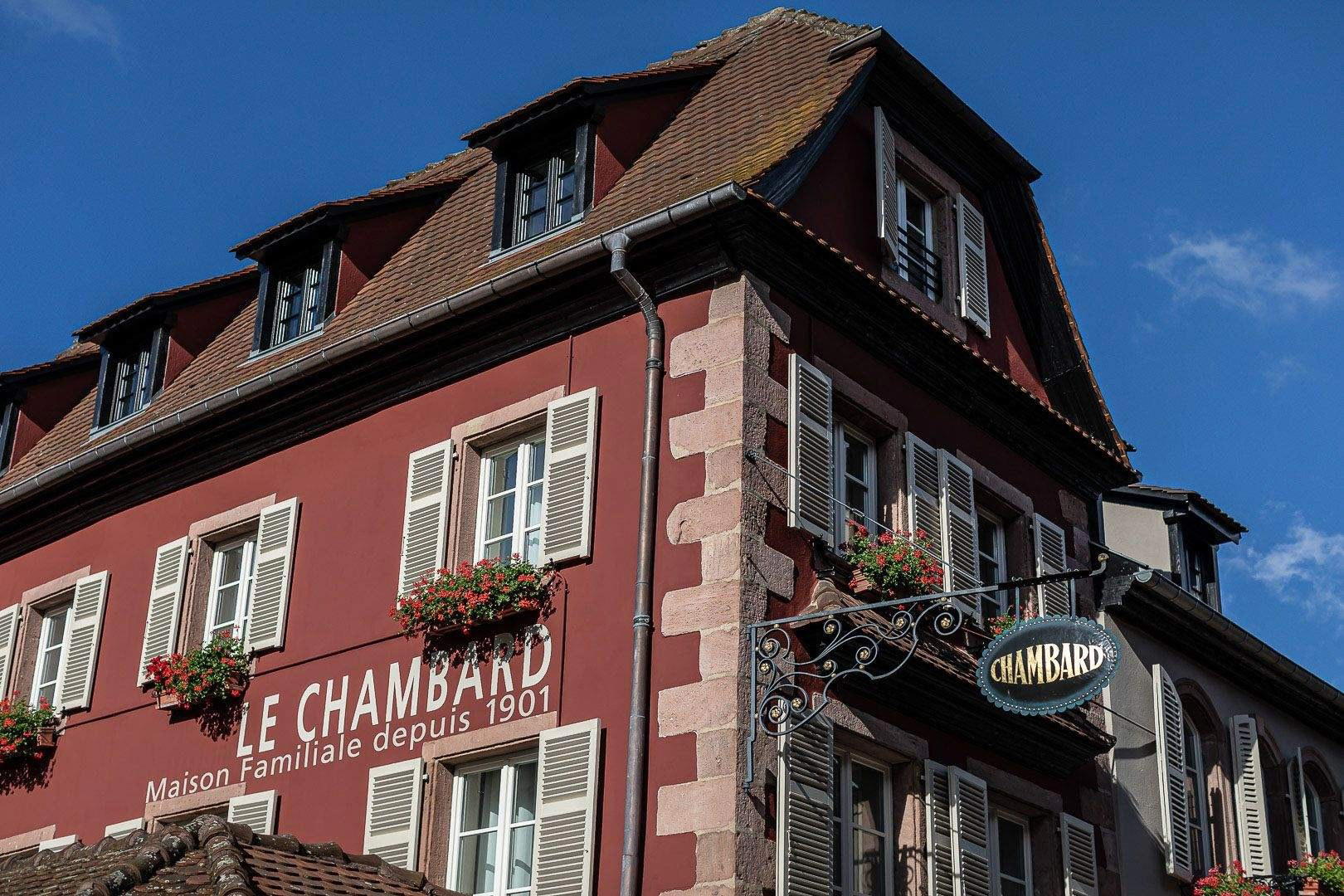
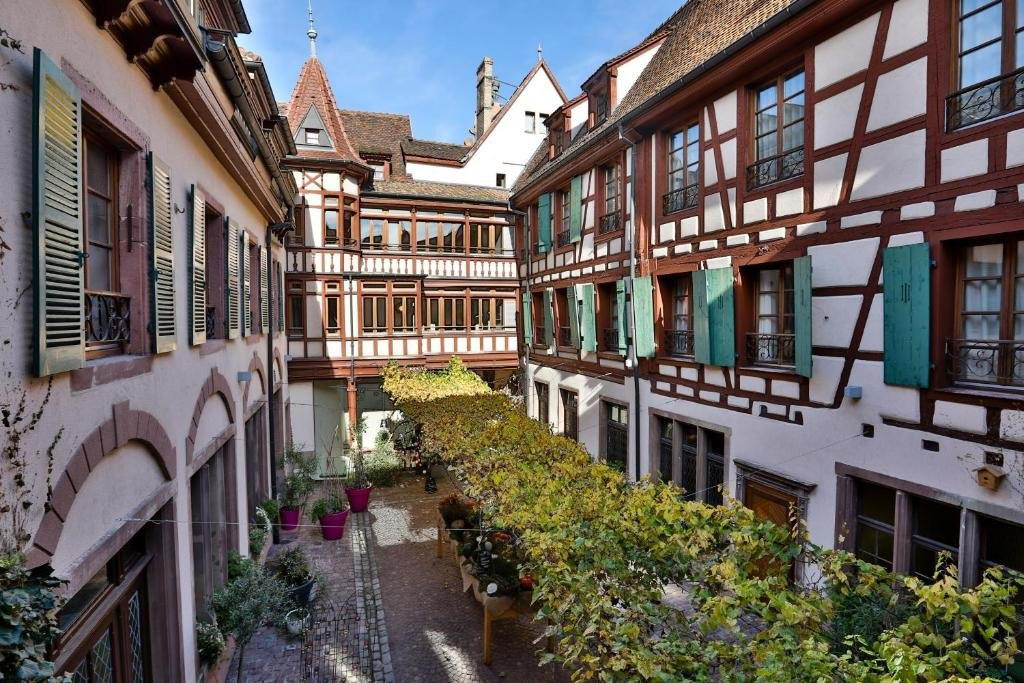
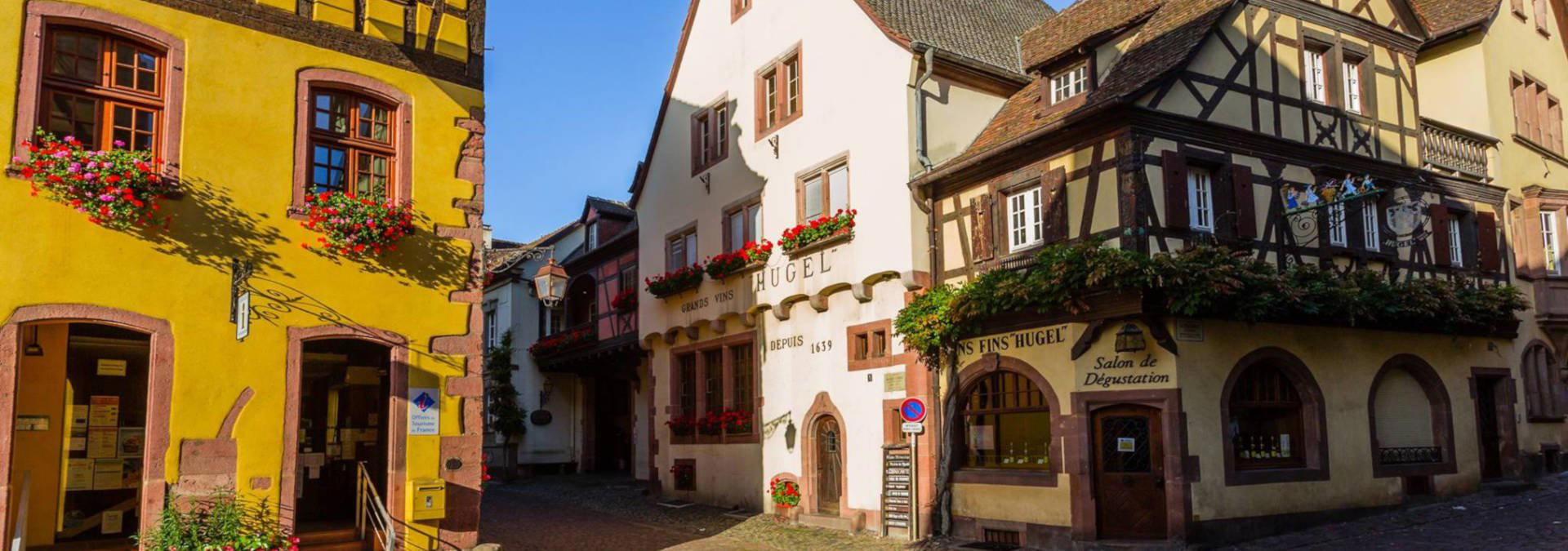
Approaching Rodern from the D35 wine road, the village reads as a tight cluster of half-timbered houses and vineyard-edged lanes, the kind of settlement that Alsace produces at regular intervals along this corridor. The address, 7 Rue des Seigneurs, is on a residential street, which sets an immediate tonal expectation. This is not a restaurant that announces itself with signage scaled for passing trade. The physical environment suggests that visits are planned, not spontaneous, and that the audience it draws comes with some prior knowledge of where it is and why.
That format, a quietly addressed table in a wine-producing village, has a strong precedent in French regional dining. Some of France's most serious kitchens are in places that require deliberate navigation: Auberge du Vieux Puits in Fontjoncouse operates in a village of fewer than two hundred inhabitants. Georges Blanc in Vonnas has drawn visitors to a similarly small Bressane commune for generations. Distance from a major city does not correlate with ambition in French regional cooking; it often correlates with a tighter relationship to local supply.
The Alsace Wine Dimension
Dining in a village on the Route des Vins d'Alsace calls for the wine context. Alsace produces some of France's most food-compatible whites: dry Riesling with the acidity to cut through charcuterie and cream-based preparations, Pinot Gris with the weight to match game and duck confit, Gewurztraminer whose aromatic intensity works alongside Munster and blue-veined cheeses. The wine program at any serious Alsatian address draws first from the surrounding appellation, and Rodern's proximity to classified vineyards makes local-first selection more viable here than in most cities.
For comparison at the broader French fine dining level, wine integration at addresses like Assiette Champenoise in Reims or Alléno Paris au Pavillon Ledoyen reflects a similar logic: the wine region surrounding the restaurant provides the structural spine of the list, with broader French and international selections layered on leading. In Alsace, that spine is unusually coherent, because the appellation produces multiple varieties at high quality across a narrow geographic corridor. Strasbourg, roughly forty kilometres north, is also home to Au Crocodile, which represents the more urban expression of Alsatian fine dining and offers useful contrast for anyone building a multi-stop itinerary through the region.
Planning a Visit
Rodern is accessible by car from Strasbourg in under an hour, and from Colmar in approximately twenty minutes, making it a viable day trip from either city. There is no rail connection to the village itself; visitors relying on public transport should plan for a combination of regional train to Sélestat or Obernai and onward road connection. For those combining the visit with the broader wine route, the northern Alsace Grand Cru circuit, covering Rangen, Schlossberg, and the cluster of classified sites between Rodern and Bergheim, adds useful context to a meal grounded in local agricultural supply. Booking in advance is advisable given the village scale; walk-in availability at a residential-street address in this format is unlikely to be reliable.
At-a-Glance Comparison
Comparable venues nearby, for context on price, style, and recognition.
| Venue | Cuisine | Price | Notes |
|---|---|---|---|
| Le 1617This venue — the venue you are viewing | Classic French Bistronomic | $$$ | Not listed |
| Caveau d'Eguisheim | Traditional Alsatian Brasserie | $$$ | Eguisheim |
| Au Relais des Bois | Traditional Alsatian Regional Cuisine | $$$ | Sturzelbronn |
| Le Petit Canard | Traditional French Duck Bistro | $$$ | 9th arrondissement |
| Chez Kelly | Classic French Bistro | $$$ | Ottmarsheim |
| L'illwald | Traditional Alsatian Bistro | $$$ | Mussig |
Continue exploring
More in Rodern
Restaurants in Rodern
Browse all →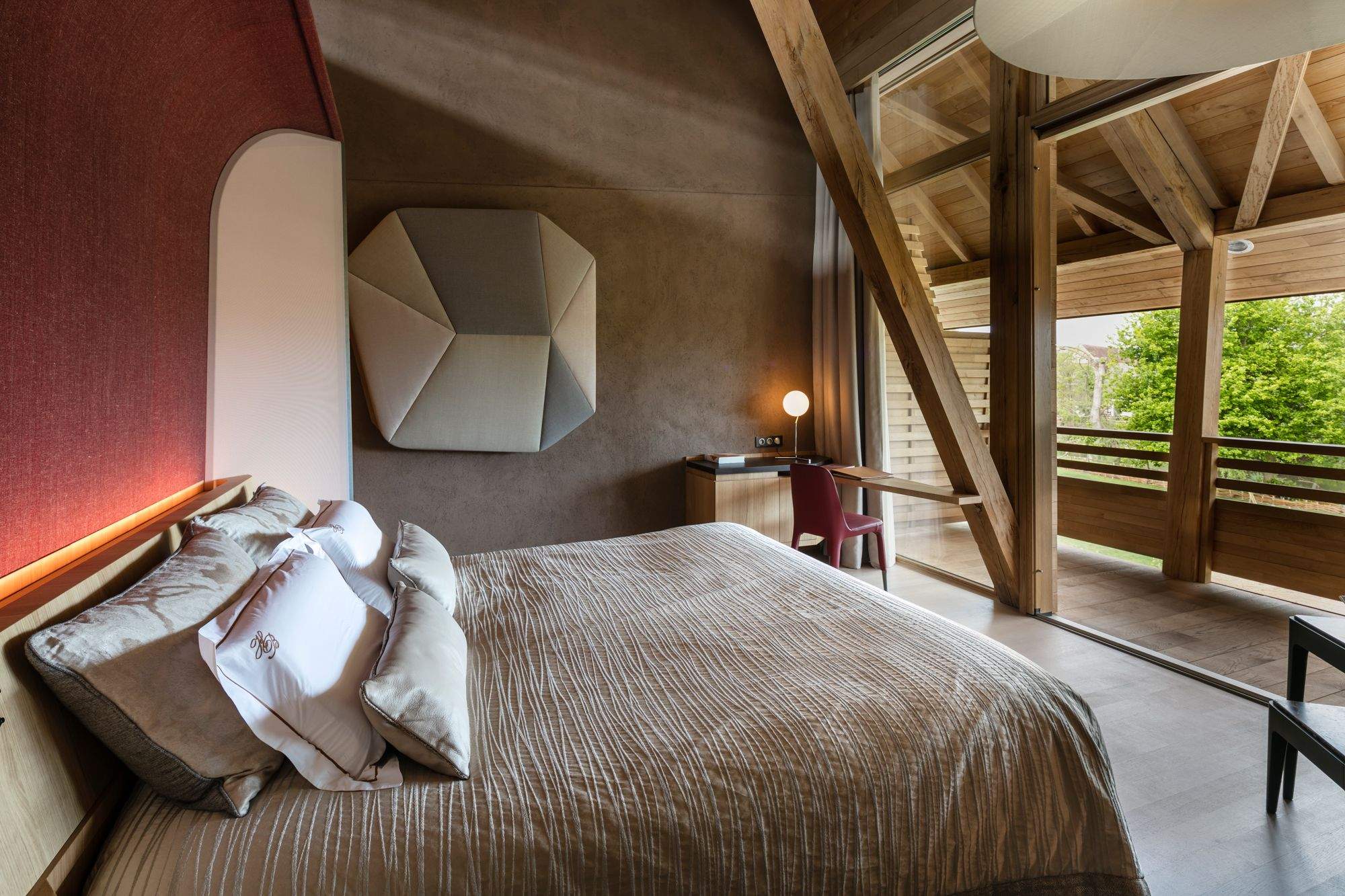
Bars in Rodern
Browse all →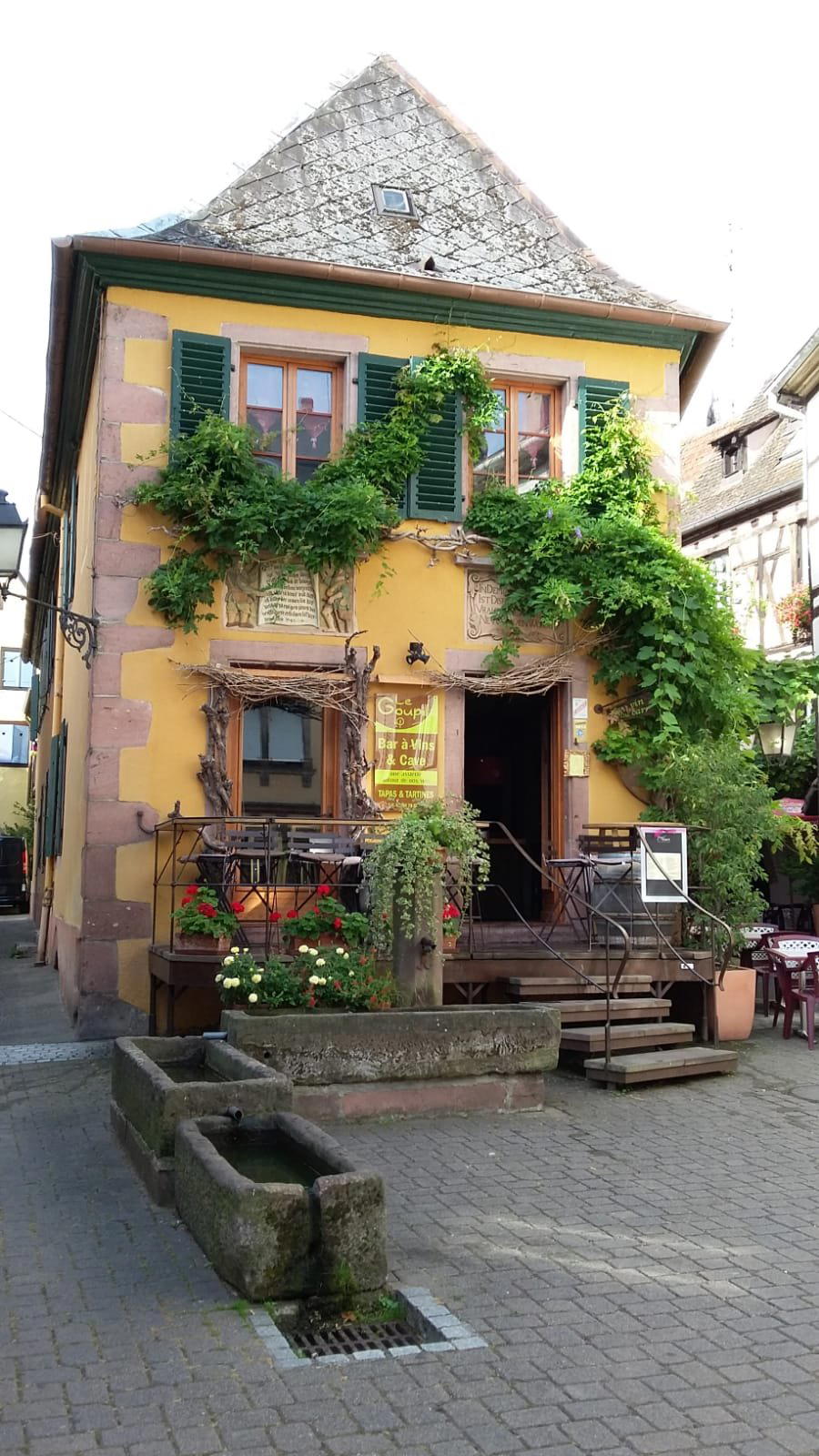
Hotels in Rodern
Browse all →
At a Glance
- Cozy
- Elegant
- Intimate
- Rustic
- Date Night
- Special Occasion
- Family
- Terrace
- Private Dining
- Extensive Wine List
- Local Sourcing
- Garden
Current opening hours
- Monday
- 12–2 PM, 7–9 PM
- Tuesday
- Closed
- Wednesday
- Closed
- Thursday
- 12–2 PM, 7–9 PM
- Friday
- 12–2 PM, 7–9 PM
- Saturday
- 12–2 PM, 7–9 PM
- Sunday
- 12–2 PM, 7–9 PM
Hours can change for holidays and private events. Last verified .
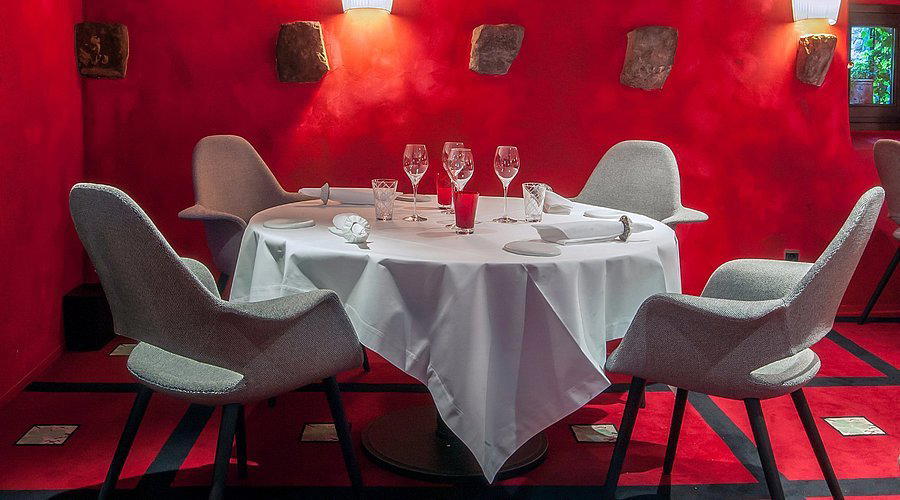
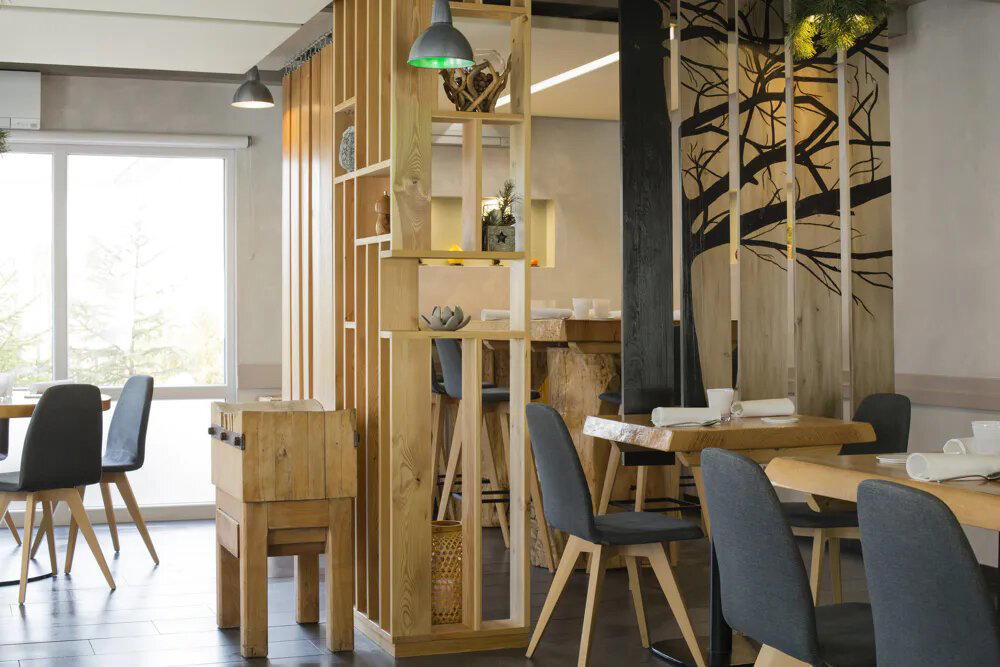
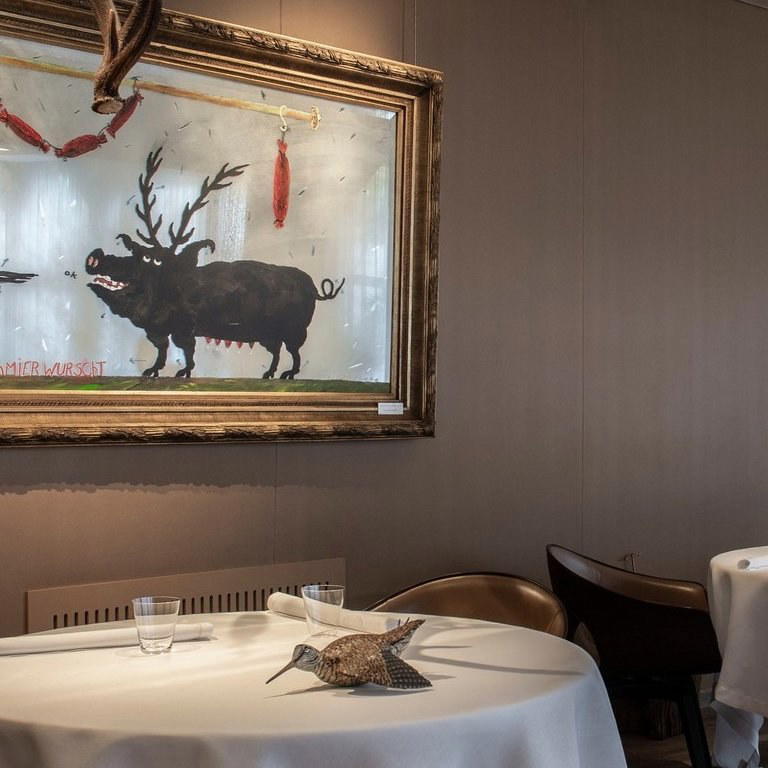
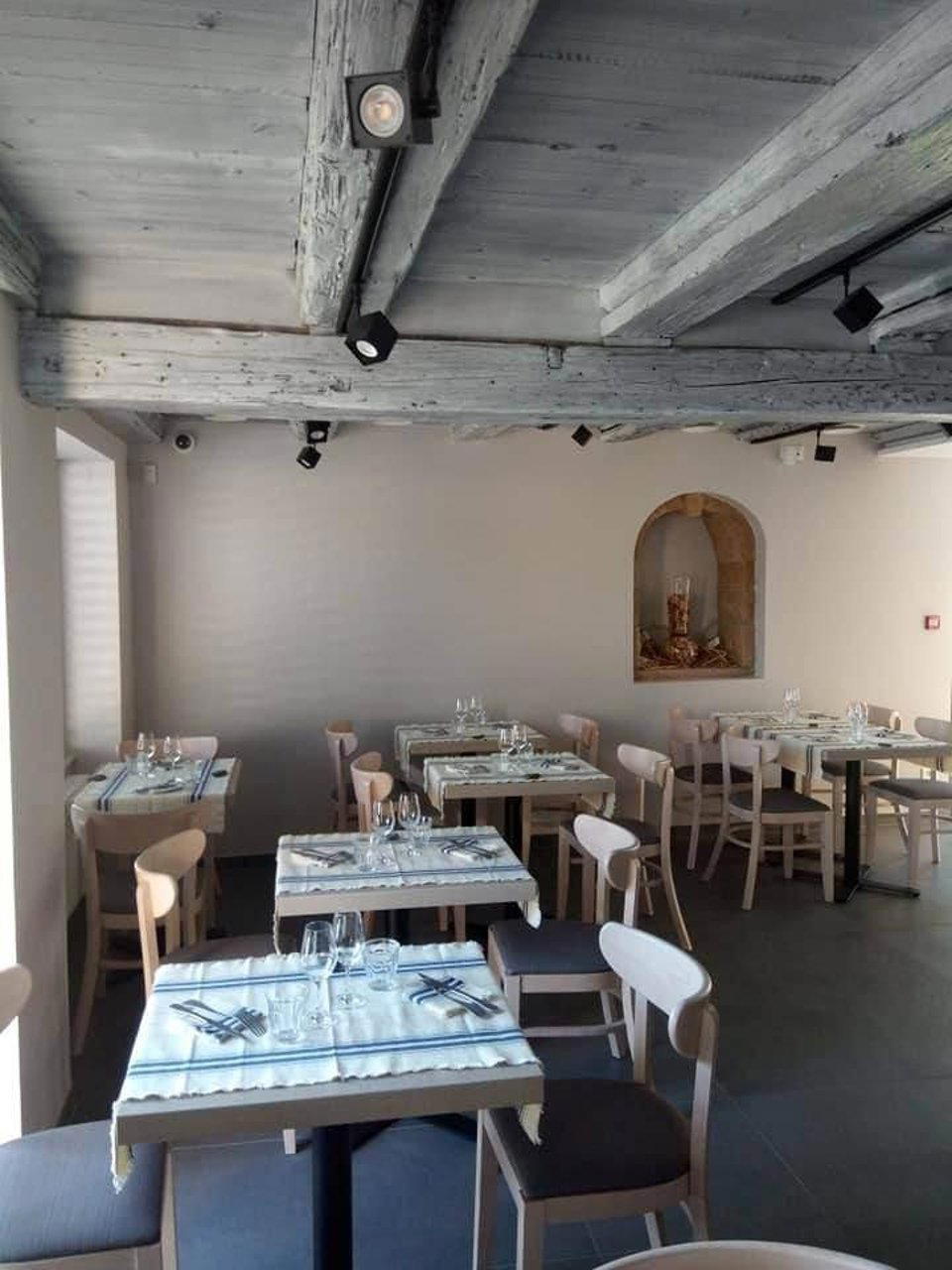
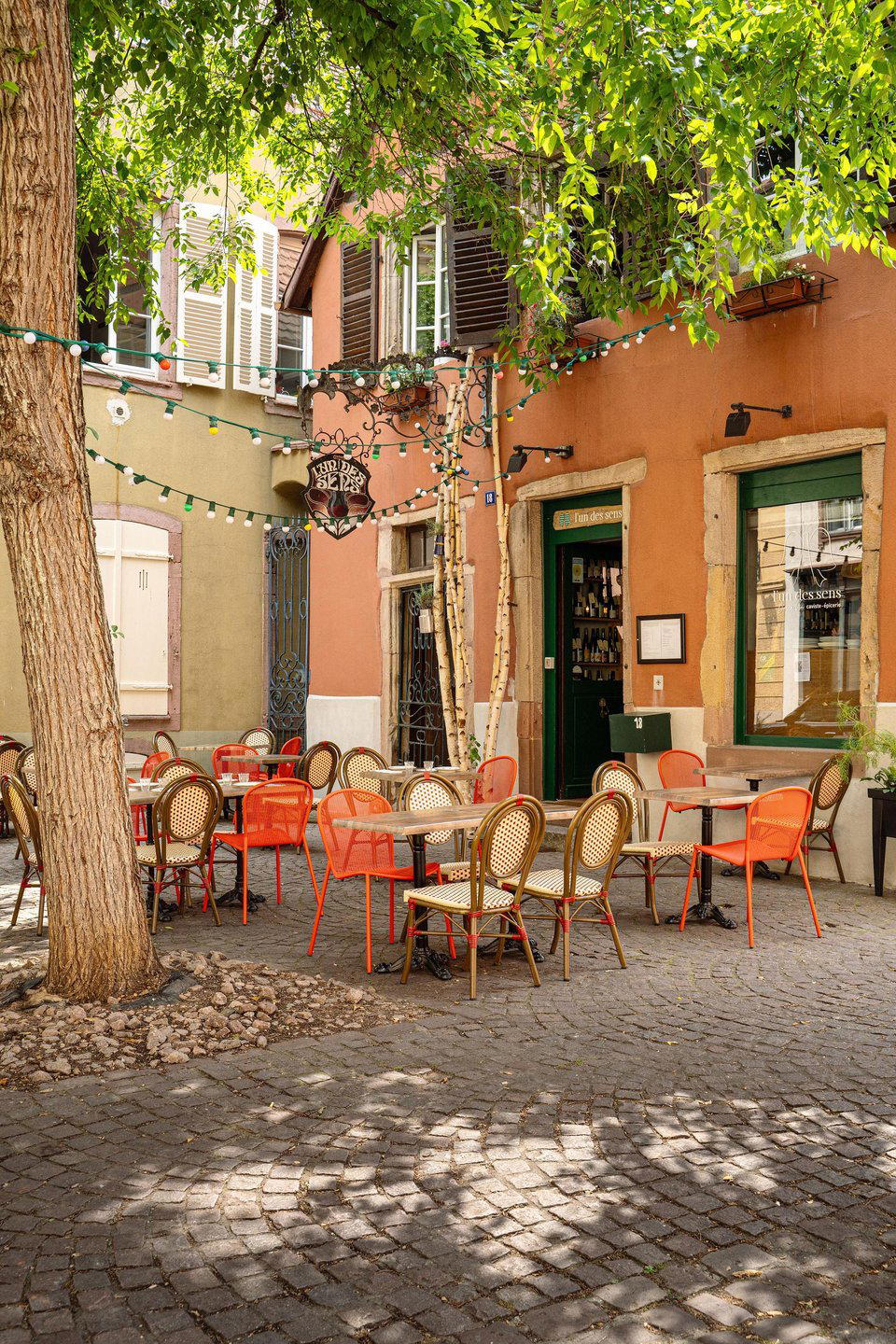
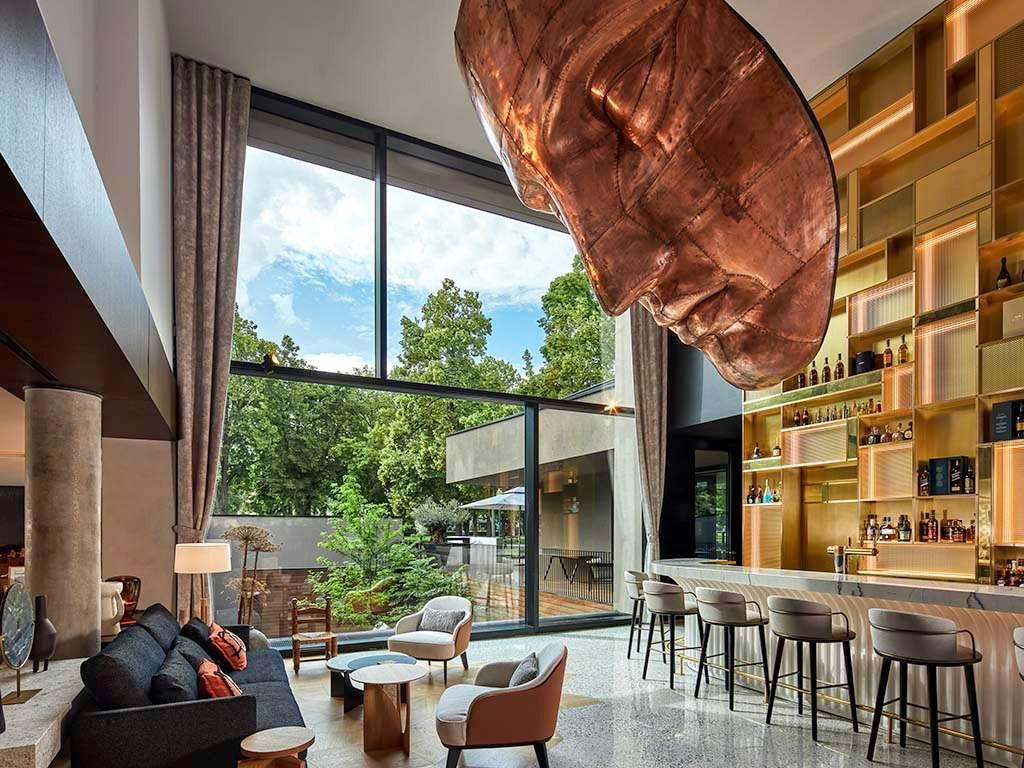
Warm, cozy, and welcoming atmosphere in a green setting with shaded terrace and cool vaulted cellar ambiance.