La Cholita occupies a corner of Nou Barris, Barcelona's northernmost working district, at a remove from the tourist circuits that concentrate dining attention on Eixample and El Born. The address alone signals a different register: this is neighbourhood eating rather than destination spectacle, where the rhythms of a local room shape what arrives at the table and how it is served.
Pearl is the En Primeur Club membership app — saves, bookings, and concierge access live there. Same editors, same standards.
- Address
- Carrer de Felip II, 244, Nou Barris, 08016 Barcelona, Spain
- Phone
- +34932809493
- Website
- barlacholita.com
- Directions
- Get directions
 Saves & bookings on Pearl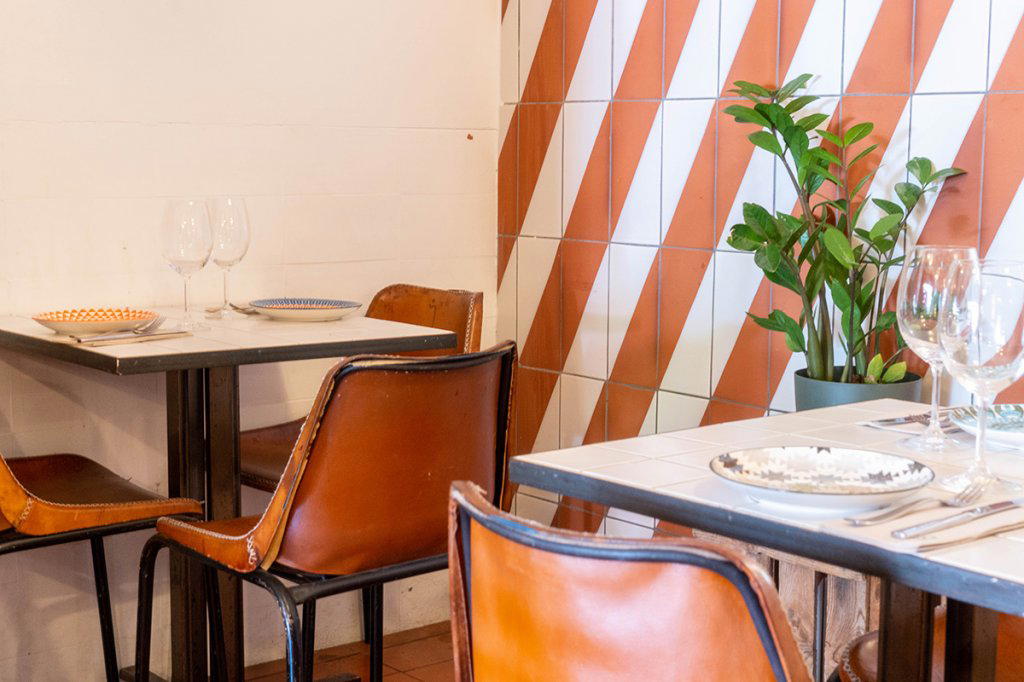
Nou Barris and the Geography of Barcelona's Dining Scene
Barcelona's restaurant conversation defaults to a familiar cluster of postcodes. The Michelin-decorated rooms that define the city's international reputation, Disfrutar, ABaC, Lasarte, Cocina Hermanos Torres, sit in the city's wealthier southern and central districts, where real estate, footfall, and foreign spending align. Nou Barris, the northernmost of Barcelona's ten districts, operates outside that circuit. It is predominantly residential, historically working-class, and not a neighbourhood where international food critics tend to land. Which is precisely what makes La Cholita, on Carrer de Felip II in the 08016 postcode, worth understanding in its own terms.
Restaurants here answer to regulars rather than to reservation platforms or algorithm-driven discovery lists. That social contract produces a different kind of room: one where the front-of-house knows most of the guests by order history if not by name, where the pace of service follows the rhythms of the neighbourhood rather than a tasting-menu timeline, and where the implicit measure of success is whether people come back the following week.
The Dynamics of a Neighbourhood Room
The country's Michelin-starred tier is geographically scattered in ways that few European nations match: El Celler de Can Roca in Girona, Arzak in San Sebastián, Azurmendi in Larrabetzu, Mugaritz in Errenteria, Martin Berasategui in Lasarte-Oria, Quique Dacosta in Dénia, DiverXO in Madrid, Aponiente in El Puerto de Santa María, Ricard Camarena in València, Atrio in Cáceres. The density of celebrated cooking distributed across the peninsula has historically meant that neighbourhood-level restaurants in Spain carry genuine culinary weight, even when they operate well outside the decorated tier. The local restaurant in a Spanish city is not merely a fallback option; it is often one culturally accurate read of what a place actually eats.
Within Barcelona specifically, the neighbourhood restaurant occupies a social function that the destination table cannot replicate. Rooms like La Cholita in Nou Barris serve a community that will eat there multiple times a month, which demands a different team dynamic than a kitchen producing set tasting menus for first-time visitors. The relationship between kitchen output, floor communication, and the regulars who anchor the room becomes the real operating structure of the restaurant. That dynamic, when it works, produces a coherence that is harder to manufacture than any plated technique.
Service, Kitchen, and Floor: How the Team Shapes the Experience
Coverage tends to focus on a single named figure, usually the chef, as the author of everything. In neighbourhood restaurants operating without public-facing star credentials, that framing collapses immediately, because no single person is carrying the room's reputation. The front-of-house team in a local Barcelona restaurant handles relationships that span years, navigates a clientele with specific preferences and histories, and communicates between the kitchen's daily output and a room full of people who know exactly what they want. That is a form of expertise that rarely gets described with the same specificity as knife technique.
At La Cholita, on Carrer de Felip II, the address in the outer north of the city places it firmly in the category of restaurants where team coherence matters more than individual celebrity. The collaboration between whoever is cooking, whoever is running the floor, and whoever is managing the rhythm of the room on any given evening is the product the guest is actually purchasing. This is true of particularly decorated Spanish tables, the three-Michelin-star rooms that have built reputations on seamless integration of kitchen and service, and it scales down, in different register, to restaurants operating in residential postcodes far from the Eixample grid. The principles are the same; the context is different.
Seasonal Rhythms in a Working District
Nou Barris shifts seasonally in ways that shape how restaurants in the district operate. Summer months bring a different pattern of foot traffic as residents who can afford to leave the city do so, thinning the weeknight crowd that sustains neighbourhood rooms through the colder months. Autumn and winter are when a restaurant like La Cholita is most likely operating at the cadence it was built for: regulars returning after summer, the room filling with people who live within walking distance, a kitchen responding to what the market is offering rather than what a fixed menu requires. For anyone considering a visit, the October-to-March window tends to reflect one settled version of what neighbourhood restaurants in this district actually do.
The address on Carrer de Felip II is accessible via the L4 metro line, with Llucmajor and Via Júlia among the nearest stations in the Nou Barris network. The area is not served by Barcelona's densest bus routes, which makes public transport planning marginally more deliberate than it would be in the city centre, but not prohibitively so. Visitors coming from the tourist districts in the south of the city should allow additional travel time relative to central restaurant runs.
Where La Cholita Fits in the Barcelona Conversation
The productive comparison is not between the restaurant and the city's technically ambitious rooms. Enigma and the broader creative tier of Barcelona dining are a different category of expenditure and expectation. The useful frame is what a neighbourhood restaurant in an outer district can offer that the decorated tier structurally cannot: frequency, familiarity, and a room that is primarily oriented toward the people who live nearby rather than toward the international guest who has flown in for the weekend.
Spain's dining culture has long understood this distinction better than most European countries. The neighbourhood bar-restaurant with a daily menú del día, a loyal local clientele, and a kitchen producing competent, seasonal food without theatrical ambition is not a lesser version of fine dining. It is a different institution with different social architecture. Internationally, the analogues are the neighbourhood trattoria in Rome or the local bistro in Lyon, rooms that earn their reputation across decades of consistent service to a community rather than through a single season of critical attention. For a broader sense of how Barcelona's full dining spectrum fits together, the EP Club Barcelona restaurants guide maps the city's categories from decorated destination tables to neighbourhood rooms across all districts.
Visitors to Barcelona looking for comparative reference points across hemispheres might draw lines to neighbourhood-rooted rooms at different price points globally: the community-facing commitment of a room like Atomix in New York, or the precision-meets-accessibility ethos of Le Bernardin in New York, remind us that the social contract between a restaurant and its most loyal guests is the durable thing, regardless of format or star count.
Planning a Visit
The restaurant sits at Carrer de Felip II, 244 in the Nou Barris district, postcode 08016. The restaurant's recommended reservation policy makes advance booking one reliable approach. Hours: Mon: 8–11:30 PM; Tue: 8–11:30 PM; Wed: 8–11 PM; Thu: 1:30–3:30 PM, 8–11 PM; Fri: 1:30–3:30 PM, 8–11:30 PM; Sat: 11:30 AM–4 PM, 8–11:30 PM; Sun: 11:30 AM–4 PM, 8–11:30 PM.
City Peers
Comparable venues nearby, for context on price, style, and recognition.
| Venue | Cuisine | Price | Notes |
|---|---|---|---|
| La CholitaThis venue — the venue you are viewing | Modern Mediterranean Tapas | $$ | Not listed |
| Port Vela Barcelona | Mediterranean Seafood & Paella | $$ | Port Vell |
| Sésamo | Modern Vegetarian Mediterranean | $$ | el Raval |
| Minyam | Modern Mediterranean Rice & Seafood | $$ | el Poblenou |
| Restaurante Seventeen | Mediterranean and Catalan Fusion | $$ | la Dreta de l'Eixample |
| Momo Avinyó | Mediterranean Tapas & Paella | $$ | Barri Gotic |
Continue exploring
More in Barcelona
Restaurants in Barcelona
Browse all →
Bars in Barcelona
Browse all →
Hotels in Barcelona
Browse all →
At a Glance
- Cozy
- Trendy
- Date Night
- Casual Hangout
- Local Sourcing
Current opening hours
- Monday
- 8–11:30 PM
- Tuesday
- 8–11:30 PM
- Wednesday
- 8–11 PM
- Thursday
- 1:30–3:30 PM, 8–11 PM
- Friday
- 1:30–3:30 PM, 8–11:30 PM
- Saturday
- 11:30 AM–4 PM, 8–11:30 PM
- Sunday
- 11:30 AM–4 PM, 8–11:30 PM
Hours can change for holidays and private events. Last verified .
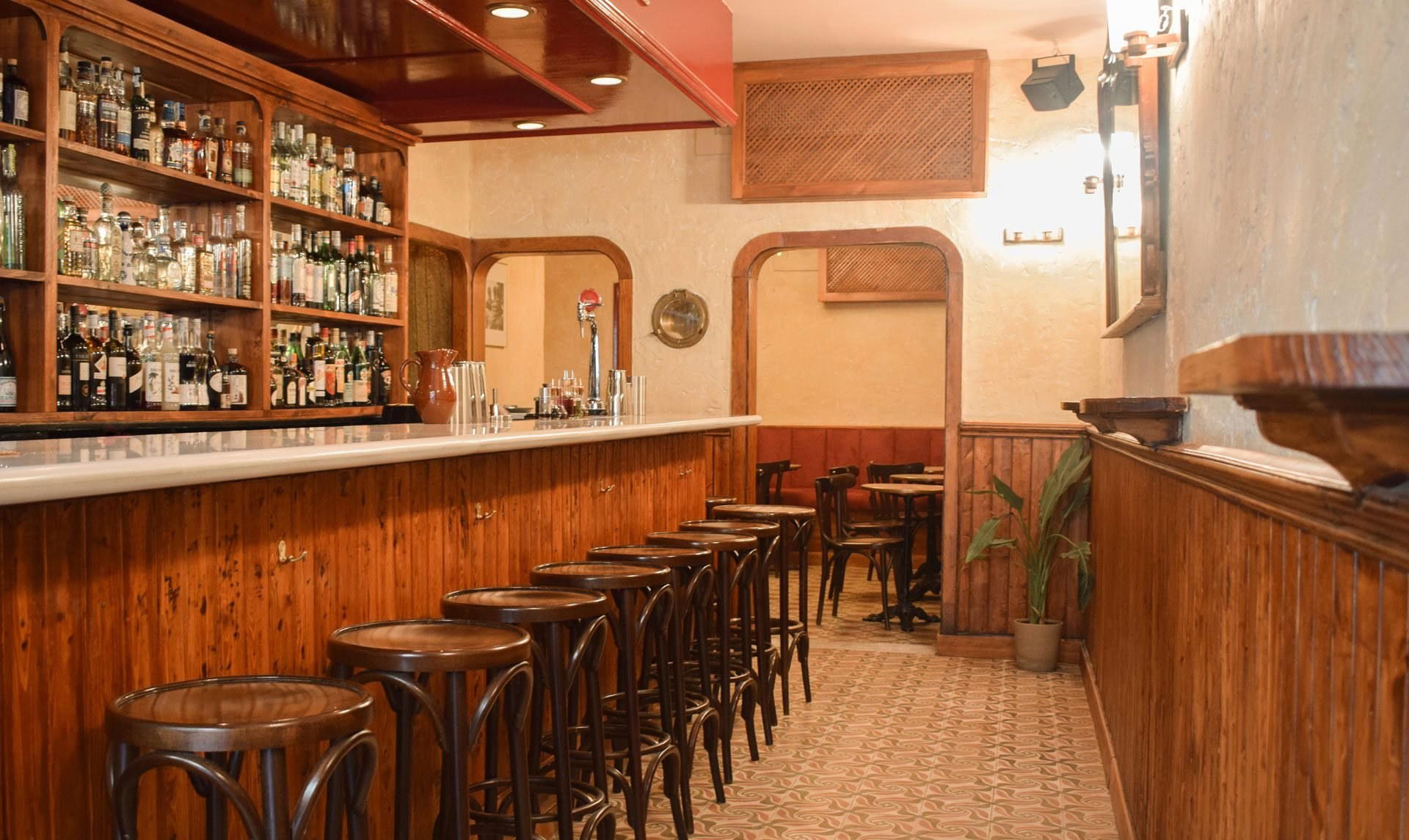
Relaxed and intimate with Scandinavian and vintage decor, cozy atmosphere praised for its welcoming feel.