On Carrer d'Avinyó in Barcelona's Barri Gòtic, Momo Avinyó sits within a neighbourhood that has long threaded between tourist-facing commerce and genuine local eating. The address places it close to the dense bar and restaurant corridor running from Las Ramblas toward the Born, a stretch where kitchen ambition varies sharply by block. Visitors looking for context on where Momo Avinyó fits within Barcelona's broader dining scene will find the street itself tells part of the story.
Pearl is the En Primeur Club membership app — saves, bookings, and concierge access live there. Same editors, same standards.
- Address
- Carrer d'Avinyó, 39, Ciutat Vella, 08002 Barcelona, Spain
- Phone
- +34934619309
- Website
- momoavinyo.com
- Directions
- Get directions
 Saves & bookings on Pearl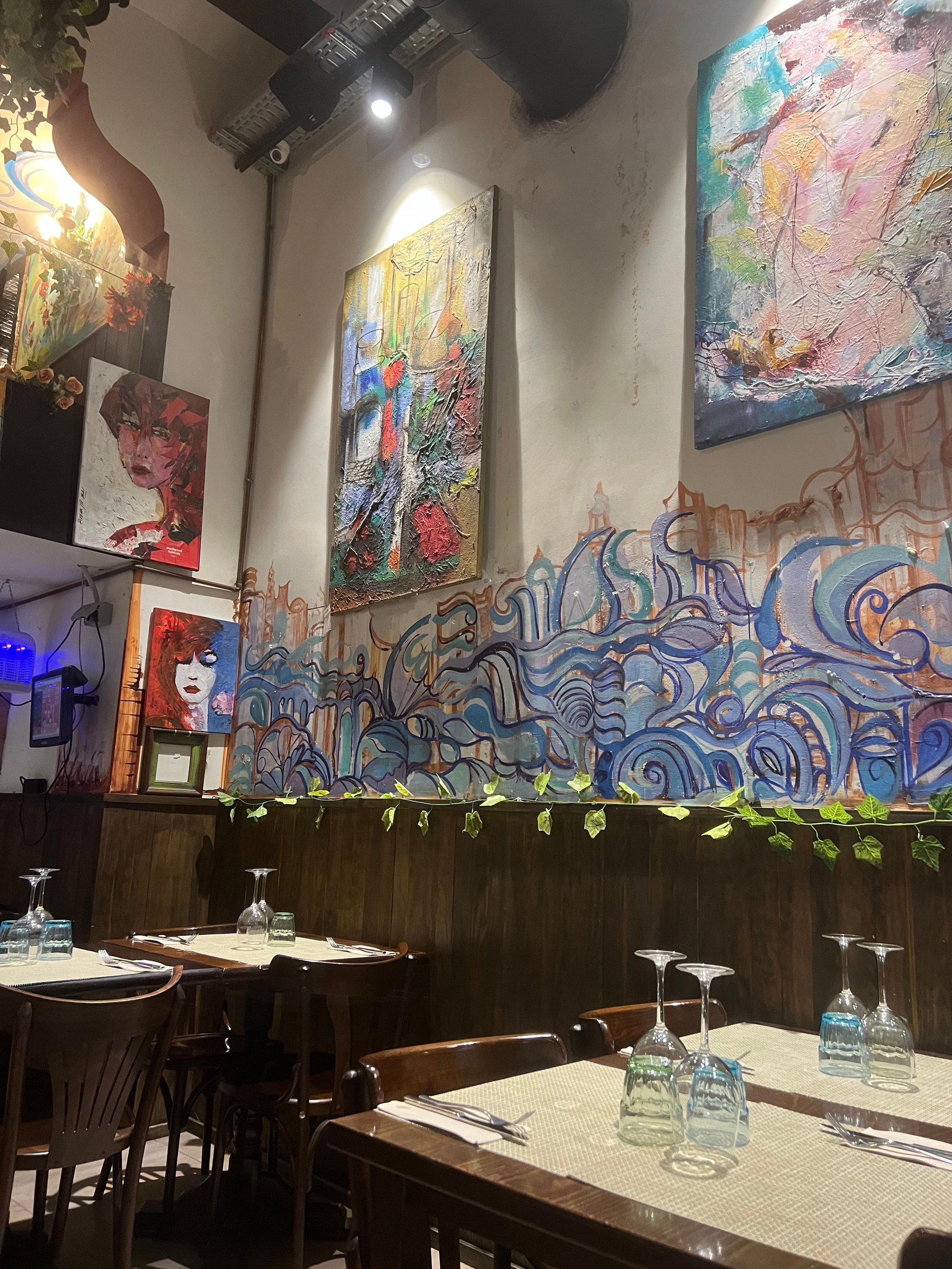
Carrer d'Avinyó and the Barri Gòtic Eating Scene
Barcelona's Barri Gòtic divides more sharply than its unified label suggests. The blocks closest to Las Ramblas operate on tourist volume and short turnovers. Move south and east toward Carrer d'Avinyó, and the character shifts: narrower streets, older stonework, and a restaurant mix that has absorbed successive waves of local repositioning. This is the corridor where several operators have quietly built serious kitchens behind unremarkable façades, banking on the neighbourhood's foot traffic while aiming at a clientele that knows where it is going rather than wandering in.
Momo Avinyó sits at number 39 on that street, inside the Ciutat Vella district. The address is instructive. Avinyó runs between Carrer de Ferran and Carrer de la Mercè, a route that connects two of the Gothic Quarter's main commercial axes without itself being a destination thoroughfare. Restaurants that choose this location tend to be building toward a regular base rather than relying on first-time walk-in traffic, which shapes both the format and the pacing of the room.
Local Ingredients, Imported Methods: The Dominant Mode in Barcelona's Creative Tier
Barcelona has spent the better part of two decades developing a creative cooking identity that sits apart from the Basque-led technical tradition to the north and the rice-and-seafood vernacular of the Mediterranean coast. The city's most discussed kitchens now work a specific tension: Catalan market produce, Mediterranean seafood, and Iberian charcuterie treated through techniques that arrived from French haute cuisine, Japanese precision cooking, and the avant-garde laboratories associated with elBulli's long shadow.
That intersection of indigenous product and imported method defines the upper tier of Barcelona dining today. At Disfrutar (Progressive, Creative), three Michelin stars sit above a kitchen that applies hyper-technical procedures to Spanish raw materials, consistently placing it among Europe's most discussed restaurants. Cocina Hermanos Torres (Creative), also carrying two Michelin stars, works within a converted industrial greenhouse, using Catalan produce inside a format that owes as much to French brigade discipline as to local market logic. Lasarte (Progressive Spanish, Creative) operates at three stars under Basque influence transplanted into a Barcelona hotel context, while ABaC (Creative) and Enigma (Creative) occupy further positions across the creative and progressive spectrum. The pattern across these rooms is consistent: Catalan or Spanish sourcing as the foundation, international technique as the tool.
This approach is not exclusive to Barcelona. Across Spain, a similar logic has produced some of the country's most recognised kitchens. El Celler de Can Roca in Girona applies Catalan roots through decades of technical refinement. Arzak in San Sebastián and Azurmendi in Larrabetzu work Basque ingredients through similarly internationally informed methods. Aponiente in El Puerto de Santa María pushes Andalusian marine produce through research-led frameworks. Quique Dacosta in Dénia draws on Valencian coastal ingredients treated with a formally complex vocabulary, while Mugaritz in Errenteria interrogates the category entirely. Martin Berasategui in Lasarte-Oria, Ricard Camarena in València, DiverXO in Madrid, and Atrio in Cáceres each represent a version of the same underlying structure applied to different regional raw materials.
The question for any restaurant on Carrer d'Avinyó working within this tradition is where it positions itself relative to the starred tier above and the casual neighbourhood tier below. Barcelona's mid-market restaurants occupy a genuinely competitive space: the city has enough culinary infrastructure that a kitchen can run a serious, technique-informed menu without requiring Michelin validation.
What the Neighbourhood Context Signals About Format
Venues on this stretch of the Gothic Quarter tend toward compact rooms with focused menus. The building stock is old, which limits kitchen size and often pushes operators toward tight, curated formats rather than broad à la carte ranges. In comparable addresses across Ciutat Vella, particularly consistent operations have settled on a short daily menu built around market availability, a small rotating selection of more composed dishes, and a wine list weighted toward Spanish and Catalan producers with selective European additions.
This is the structural logic that makes sense for the address. Larger tasting menus with elaborate service choreography belong to the purpose-built rooms of the Eixample or the outer barrios, where floor space allows for extended pacing. In the Gothic Quarter, the better kitchens tend to work with economy: fewer dishes executed with more attention, smaller margins on ingredient cost offset by higher kitchen precision. The comparison is less with the starred rooms of the Eixample and more with the kind of technically informed neighbourhood restaurant that major European cities have developed in their older, denser quarters, kitchens in Paris's Marais, London's Borough Market area, or New York's West Village that operate below formal fine dining price points while maintaining genuine craft discipline. Internationally, this format also draws comparison with rooms like Le Bernardin in New York City, which demonstrates how serious technique can be sustained across different price tiers, or Atomix in New York City, where a culturally specific ingredient logic meets high technical ambition in a compact format.
Reading a Barri Gòtic Menu Through the Catalan Larder
The raw material logic of Catalan cooking is distinct from generic Mediterranean cuisine. The Boqueria and the smaller Mercat de Santa Caterina, both reachable from Avinyó, supply wild mushrooms, local seafood, and vegetables that shift by week rather than season. The Catalan larder also includes specific preserved and fermented products, salt cod prepared in multiple ways, pickled anchovies from the Costa Brava, Garrotxa cheese, and a range of cured meats with defined geographic appellations, that any kitchen in this district can draw on with relatively low sourcing friction.
The technique overlay that Barcelona's better kitchens apply to these materials ranges from Japanese-influenced cutting and temperature control to French reduction and sauce work to the emulsification and gelling techniques associated with Ferran Adrià's influence. The result, in practice, is a cuisine that reads as Spanish by ingredient and international by method, which is precisely the format that has made Barcelona's creative dining scene among the more discussed in Europe over the past decade.
Know Before You Go
Price and Recognition
Comparable venues nearby, for context on price, style, and recognition.
| Venue | Price | Notes |
|---|---|---|
| Momo AvinyóThis venue — the venue you are viewing | $$ | Not listed |
| Cuines Santa Caterina | $$ | Sant Pere, Santa Caterina i la Ribera, Modern Market Cuisine with Catalan, Mediterranean, Asian & Vegetarian |
| Nonna Delia | $$ | la Sagrada Familia, Mediterranean Vermuteria with Italian-Spanish Fusion |
| Colibri Brunch & Tapa Paellas | $$ | la Barceloneta, Mediterranean Brunch & Tapa Paellas |
| Funky Eatery | $$ | la Dreta de l'Eixample, Mediterranean-Turkish Fusion Bistro |
| Ocaña | $$ | Barri Gotic, Mediterranean Tapas with Bohemian Flair |
Continue exploring
More in Barcelona
Restaurants in Barcelona
Browse all →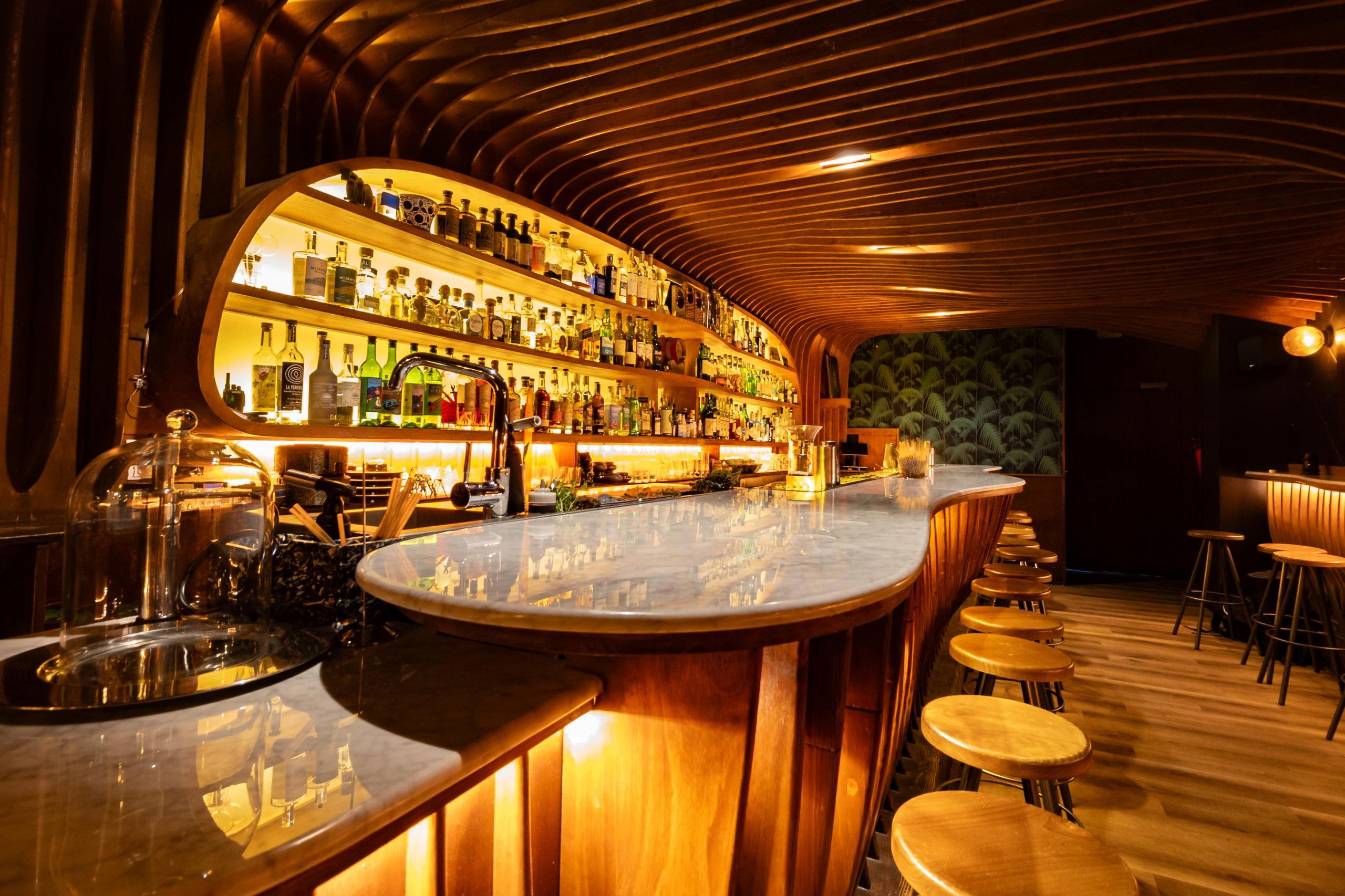
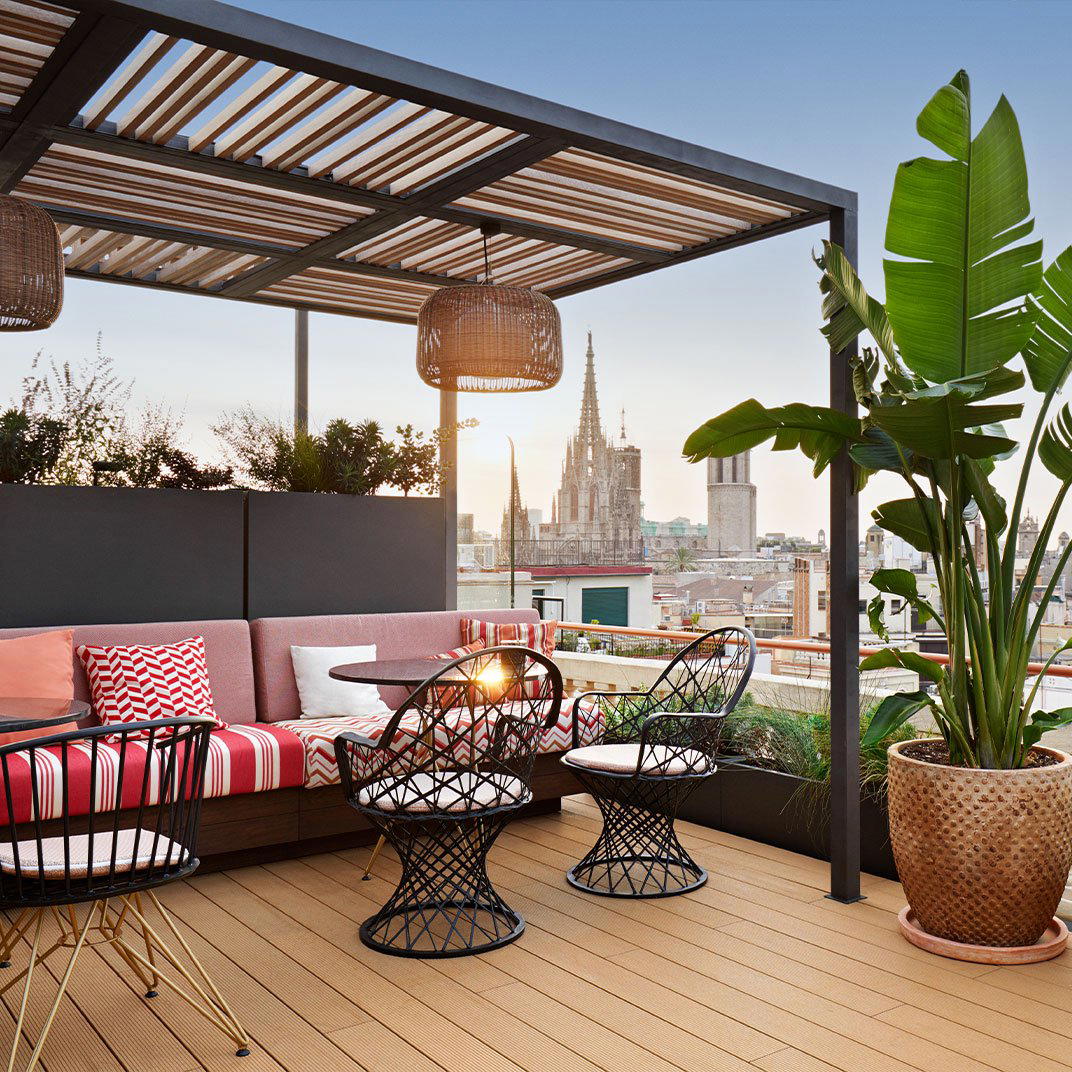
Bars in Barcelona
Browse all →
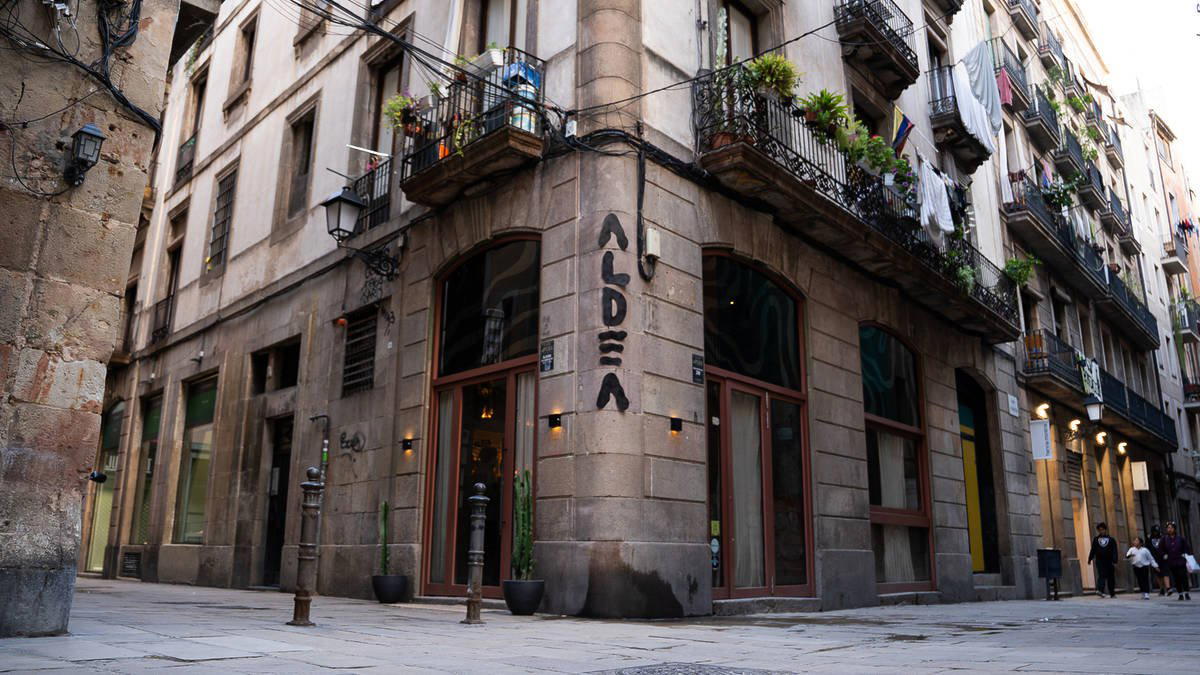
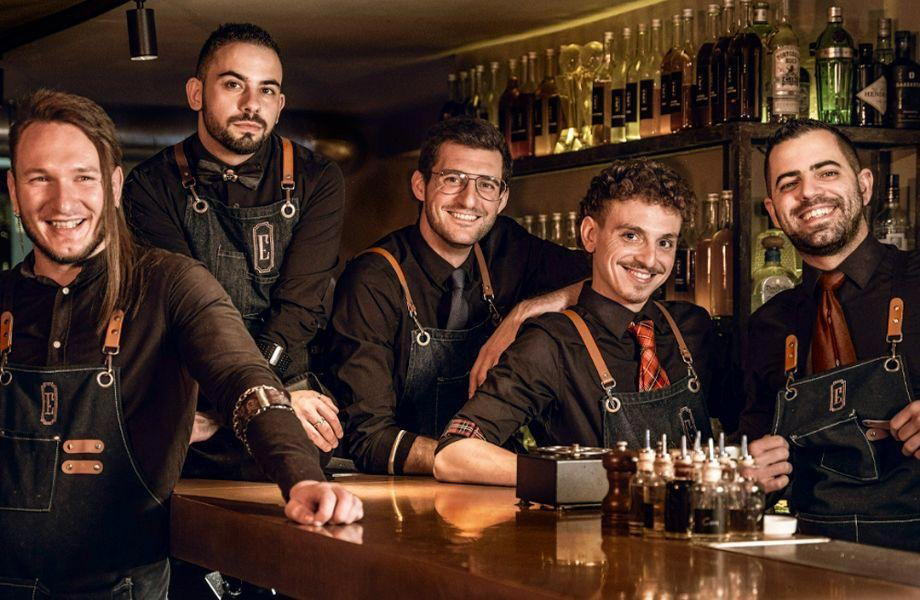
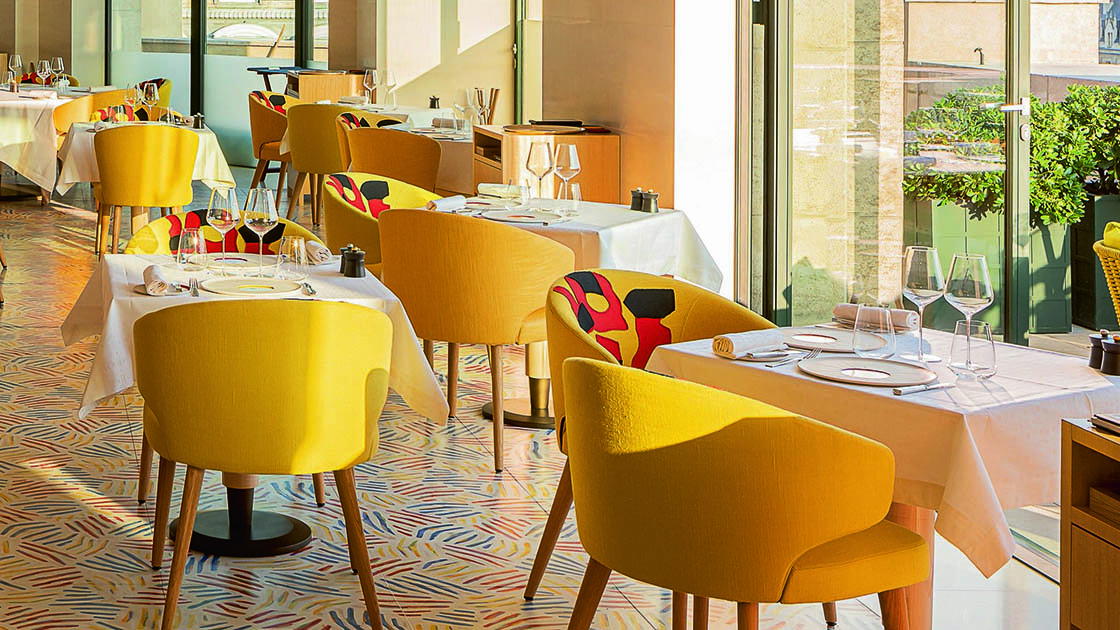
Hotels in Barcelona
Browse all →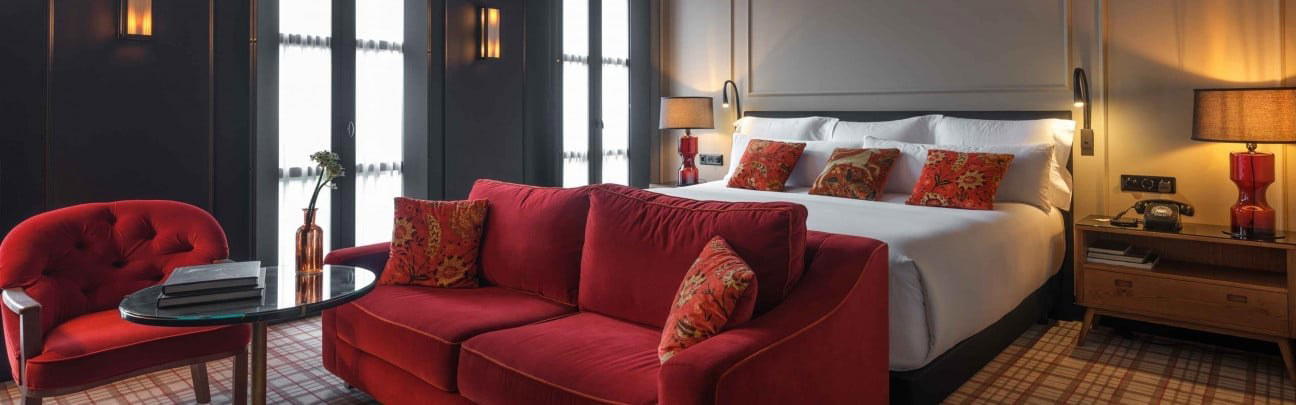
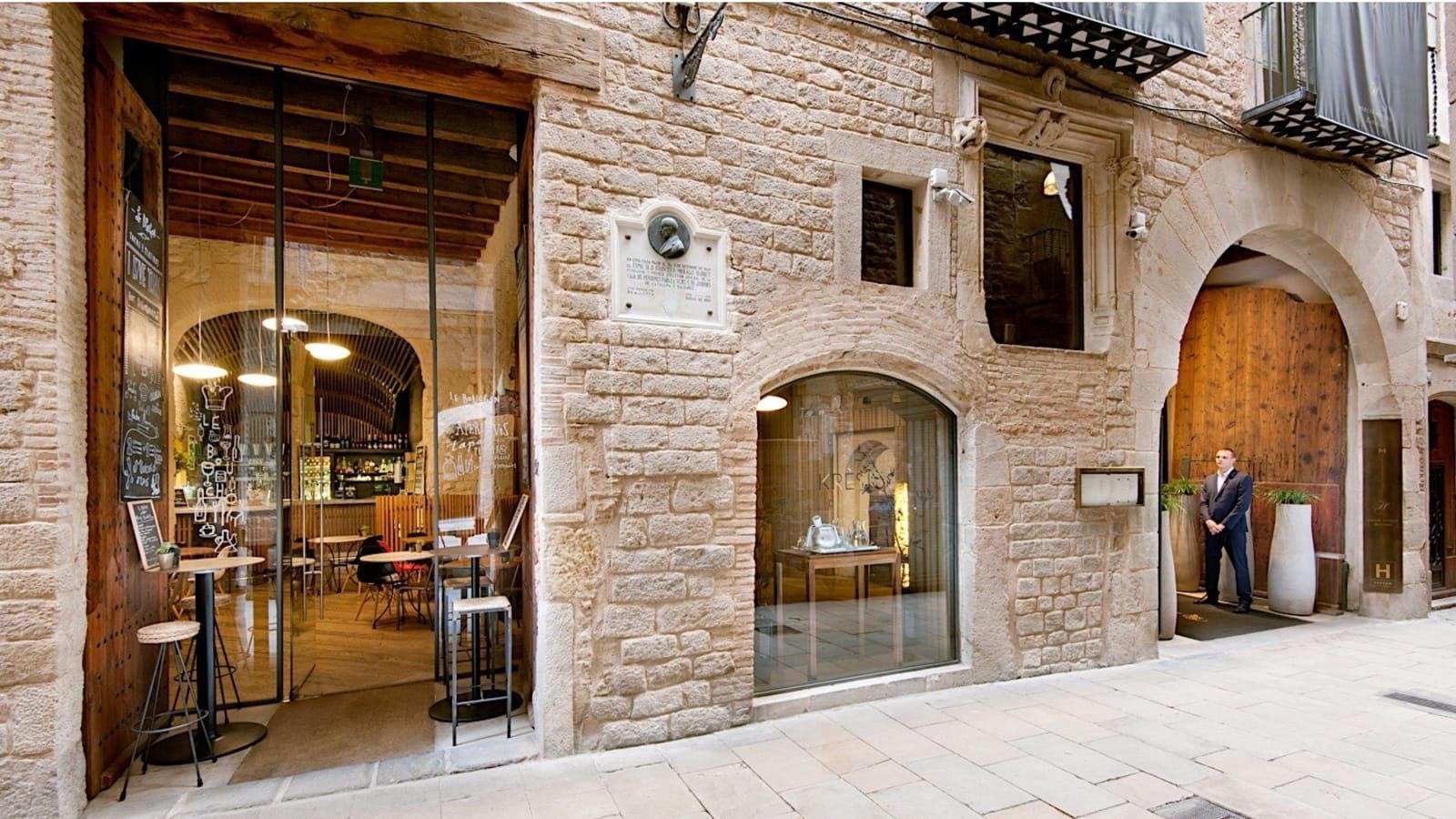
At a Glance
- Lively
- Trendy
- Casual Hangout
- Group Dining
- Open Kitchen
- Local Sourcing
Current opening hours
- Monday
- 12 PM–12 AM
- Tuesday
- 12 PM–12 AM
- Wednesday
- 12 PM–12 AM
- Thursday
- 12 PM–12 AM
- Friday
- 12 PM–12 AM
- Saturday
- 12 PM–12 AM
- Sunday
- 12 PM–12 AM
Hours can change for holidays and private events. Last verified .