



Michelin Plate · Star Wine List · Tabelog 100 #12
Our verdict
A Michelin Plate-recognised French restaurant in Nihonbashi's Coredo Mitsui complex, La Bonne Table positions itself in the accessible mid-tier of Tokyo's Franco-Japanese dining scene. Chef Kazunari Nakamura's farm-to-table sourcing philosophy, with direct relationships with producers across Japan, informs a menu where vegetables and seafood arrive with clear provenance. Lunch draws neighbourhood professionals; dinner shifts toward a more composed, multi-course format.

Pearl is the En Primeur Club membership app, where members save venues, book tables and use the concierge.
The menu
What to order
- Farm to Table amuse-bouche
- Roast shiitake
- Assorted vegetables
Where Franco-Japanese Dining Meets Urban Farm Logic
Tokyo's French restaurant tier has long divided along a clear fault line: the multi-star omakase-format houses charging ¥30,000 and above per head, and a smaller middle layer where French technique meets Japanese ingredient sourcing at a more accessible price point. L'Effervescence and Sézanne occupy the upper tier, both three-star operations with international profiles and price structures to match. La Bonne Table sits in the middle band, where the competitive set is defined less by prestige signalling and more by the quality of sourcing and the discipline of execution inside a genuinely casual format.
That positioning is not accidental. The farm-to-table model, often deployed as marketing shorthand in Western cities, carries different weight in a Japanese kitchen context. Here it implies documented producer relationships, seasonal menu rotation tied to actual harvest cycles, and a philosophy of restraint that treats the ingredient as the point of arrival rather than the starting material for transformation. La Bonne Table holds a Michelin Plate rating (2025 and 2024) and a listing in Opinionated About Dining's leading restaurants in Japan, ranking 565th in 2025 after a recommended citation in 2023. That trajectory, modest but consistent, places it in the tier of restaurants worth tracking rather than destinations requiring months of advance planning.
Nihonbashi as a Dining Address
The restaurant sits on the ground floor of Coredo Mitsui 2, one of the retail and dining complexes that have repositioned Nihonbashi over the past decade from a banking and commerce district into one of central Tokyo's more considered places to eat. The neighbourhood now holds a concentration of mid-to-upper restaurants across Japanese and European formats, including La Bombance, which explores the intersection of Japanese aesthetics and contemporary cuisine in a different register. Nihonbashi's advantage as a dining address is practical: it is accessible from multiple subway lines, draws a lunch crowd from the surrounding offices, and carries less of the self-conscious density that defines eating in Ginza or Roppongi. The 40-seat count at La Bonne Table suits the room's scale and keeps service ratios manageable across both services.
For visitors oriented around Tokyo's broader premium dining map, the full Tokyo restaurants guide provides a structured view of how Nihonbashi fits against neighbourhoods like Azabu-Juban, Ginza, and Minami-Aoyama. The Tokyo hotels guide, bars guide, and experiences guide round out the planning picture for those spending multiple days in the city.
The Lunch and Dinner Divide
La Bonne Table runs two distinct services from Tuesday through Sunday: lunch from 11:30am to 3pm, dinner from 6pm to 11pm. Monday is closed. The split matters more here than at a typical casual bistro, because the lunch and dinner formats occupy genuinely different moods and likely different value positions within the ¥¥¥ price band.
Tokyo's mid-range French lunch market is competitive and price-sensitive. Office workers, buyers from the surrounding Coredo complex, and tourists moving between the city's commercial districts all factor into the lunchtime dynamic. A French restaurant at this price tier, in this location, is expected to deliver a set lunch that represents clear value against the dinner equivalent, and the 40-seat room fills accordingly. The atmosphere at midday is lighter, faster, and more businesslike, which suits the neighbourhood character. Dishes built around the farm-to-table sourcing concept, including the vegetable-led amuse-bouche described in Michelin's notes, translate well into a lunch context where freshness and clarity read immediately without the extended arc of an evening menu.
Dinner shifts the register. An 11pm close gives the kitchen a long evening window, and the expectation shifts toward a multi-course structure where the sourcing story has more space to develop. The same direct producer relationships that supply lunch inform dinner, but the format allows for more intricate vegetable preparations and more deliberate pacing. Roasting techniques that avoid waste, including the preparation of shiitake mushrooms where the stem is treated with the same care as the cap, belong more naturally to a dinner context, where the kitchen has time and the guest has inclination to notice the detail. The 6 to 11pm window also positions La Bonne Table against evening-only competitors in a different way than its lunch service does: at dinner it is measured against the broader Tokyo Franco-Japanese tier, not just the neighbourhood lunch set.
This lunch-dinner distinction is not unusual in Tokyo's French mid-tier, but La Bonne Table's location in a commercial complex makes the contrast more pronounced. Visitors planning a first visit might find dinner offers more of the kitchen's full range, while regulars returning for the sourcing programme are likely to alternate between services depending on the occasion.
Farm-to-Table as Practice, Not Positioning
The farm-to-table model works differently in Japan than in most Western markets, where the term has been diluted by overuse. Japanese cuisine, including its French-influenced variants, has long operated on direct producer relationships, seasonal specificity, and an expectation of ingredient transparency. Chef Kazunari Nakamura's approach at La Bonne Table extends that tradition into a French structural framework: producer relationships that involve direct shipping from farms, vegetables prepared in ways that foreground their individual character, and a kitchen philosophy oriented around minimising waste.
The Michelin entry specifically notes the shiitake preparation as an example of this logic: the stem, routinely discarded in less careful kitchens, is incorporated rather than removed. This kind of detail is a useful indicator of kitchen discipline and aligns with the broader sensibility visible in Japanese tasting menus at restaurants like RyuGin, where ingredient treatment is understood as a form of respect rather than constraint. The comparison is instructive: RyuGin operates at the ¥¥¥¥ tier with three Michelin stars and a kaiseki framework, while La Bonne Table applies a related philosophy at a lower price tier and in a French rather than Japanese structural context.
For those tracking how farm-sourcing philosophy travels across format and price tier in Japan, the comparisons extend beyond Tokyo. HAJIME in Osaka, Gion Sasaki in Kyoto, akordu in Nara, and Goh in Fukuoka each represent regional takes on the intersection of European structure and Japanese ingredient sourcing. The Tokyo wineries guide adds context on how Japanese wine production is beginning to inform restaurant wine programmes across this category.
At ¥¥¥ with a Michelin Plate rating, La Bonne Table occupies a tier below the city's major Franco-Japanese destination restaurants but above casual European dining. The Opinionated About Dining ranking at 565 in Japan (2025) places it in a recognised but not rarified position, suited to regular visits rather than once-a-year occasion dining.
For comparison, Harutaka operates at ¥¥¥¥ with three Michelin stars in sushi, and La Bombance applies Japanese aesthetics in a different key. Internationally, the farm-sourcing-meets-European-structure model has parallels in venues like Le Bernardin in New York City and Atomix in New York City, though both operate at significantly higher price tiers. Within Japan's regional scene, 1000 in Yokohama and 6 in Okinawa show how the same sourcing-forward philosophy adapts to different regional ingredient contexts.
Planning a Visit
La Bonne Table is located at 2-3-1 Nihonbashimuromachi, Chuo City, on the ground floor of Coredo Mitsui 2, and is closed on Mondays. Lunch runs 11:30am to 3pm; dinner runs 6pm to 11pm, Tuesday through Sunday. The 40-seat room and Michelin recognition suggest that advance booking is advisable, particularly for weekend dinner. The ¥¥¥ price band positions this as a mid-range spend by Tokyo's premium dining standards.
Quick reference: Coredo Mitsui 2, Nihonbashi, Tokyo. Closed Monday. Lunch Tue–Sun 11:30am–3pm; dinner 6–11pm. 40 seats. Michelin Plate 2024 and 2025. OAD ranked #565 in Japan (2025).
What Regulars Order at LA BONNE TABLE
Michelin's notes anchor the kitchen's identity in two recurring elements: the farm-to-table amuse-bouche, described as a colourful vegetable assortment prepared across multiple techniques, and the whole-mushroom roasting approach that uses the shiitake stem rather than discarding it. These are the dishes that appear in documented critical commentary and are likely to reflect what the kitchen returns to as signatures. Beyond these, the sourcing model means the menu shifts with producer harvests, so regulars visiting across seasons encounter different vegetable treatments while the underlying kitchen logic stays constant. The French structural framework, applied to Japanese-sourced ingredients, means the value at lunch often shows most clearly in the set menu format, while dinner allows the sourcing narrative to develop across more courses.
A Lean Comparison
A quick snapshot of similar venues for side-by-side context.
| Venue | Cuisine | Price | Awards | Notes |
|---|---|---|---|---|
| LA BONNE TABLEThis venue (the venue you are viewing) | Modern Farm-to-Table French Bistro | $150–200 | Michelin Plate · Star Wine List | Not listed |
| Harutaka | Edo-Style Omakase Sushi | $200–300 | 3 Michelin Stars · World's 50 Best #76 | Sushi |
| RyuGin | Modern Kaiseki | $500+ | 3 Michelin Stars · World's 50 Best #41 | Kaiseki, Japanese |
| L'Effervescence | Modern French with Japanese Influences | $200–300 | 3 Michelin Stars · World's 50 Best #69 | French |
| HOMMAGE | Modern French with Japanese Influences | $150–200 | 2 Michelin Stars · World's 50 Best #78 | Innovtive French, French |
| MAZ | Innovative Peruvian-Japanese Fusion | $150–200 | 2 Michelin Stars · World's 50 Best #28 | Innovative |
Recognition history
Dated appearances from independent guides and award organizations, with the underlying list record or original source where available.
Michelin Plate
Michelin
Star Wine List
Star Wine List
Opinionated About Dining Top Restaurants in Japan Recommended
Opinionated About Dining
Tabelog 100 #12 · No. 12
Tabelog · Tabelog 100 - French - TOKYO - 2025
Full recognition history (8 entries)
Michelin Plate
Michelin
Opinionated About Dining Top Restaurants in Japan Ranked #565
Opinionated About Dining
Michelin Plate
Michelin
Opinionated About Dining Top Restaurants in Japan Recommended
Opinionated About Dining
Continue exploring
More in Tokyo
Restaurants in Tokyo
All restaurants in Tokyo →




LA BONNE TABLE
The wine
- Wine program
- Deep wine list
- Extensive wine list
- Sommelier-led
- Sake program
Details
- Elegant
- Cozy
- Modern
- Sophisticated
- Date Night
- Business Dinner
- Special Occasion
- Open Kitchen
- Extensive Wine List
- Sake Program
- Sommelier Led
- Farm To Table
- Local Sourcing
- Street Scene
- Tasting Menu
- A La Carte
- Wine
- Sake
- Vegetarian Friendly
Current opening hours
- Monday
- Closed
- Tuesday
- 11:30 AM–3 PM, 6–11 PM
- Wednesday
- 11:30 AM–3 PM, 6–11 PM
- Thursday
- 11:30 AM–3 PM, 6–11 PM
- Friday
- 11:30 AM–3 PM, 6–11 PM
- Saturday
- 11:30 AM–3 PM, 6–11 PM
- Sunday
- 11:30 AM–3 PM, 6–11 PM
Hours can change for holidays and private events. Last verified .
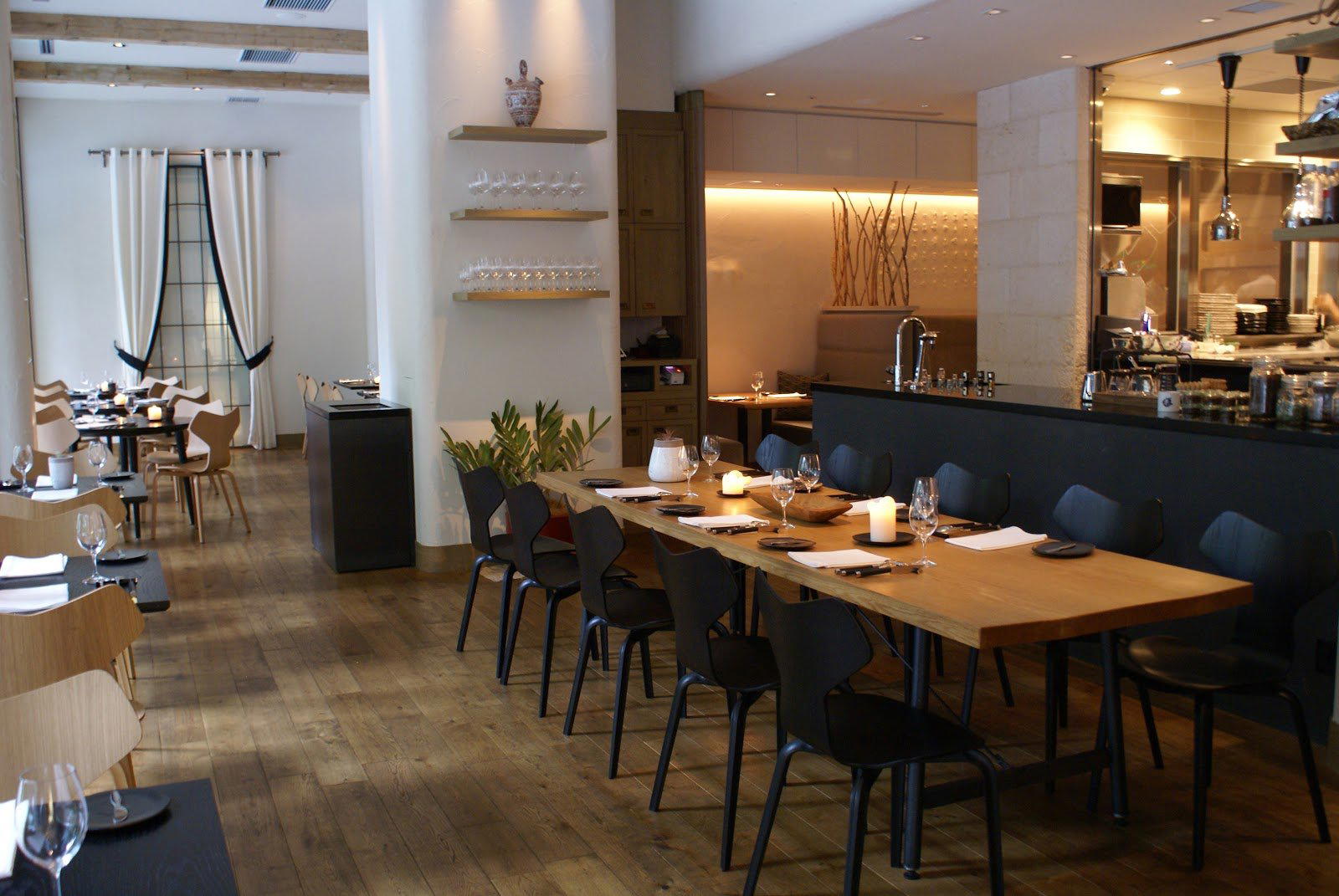
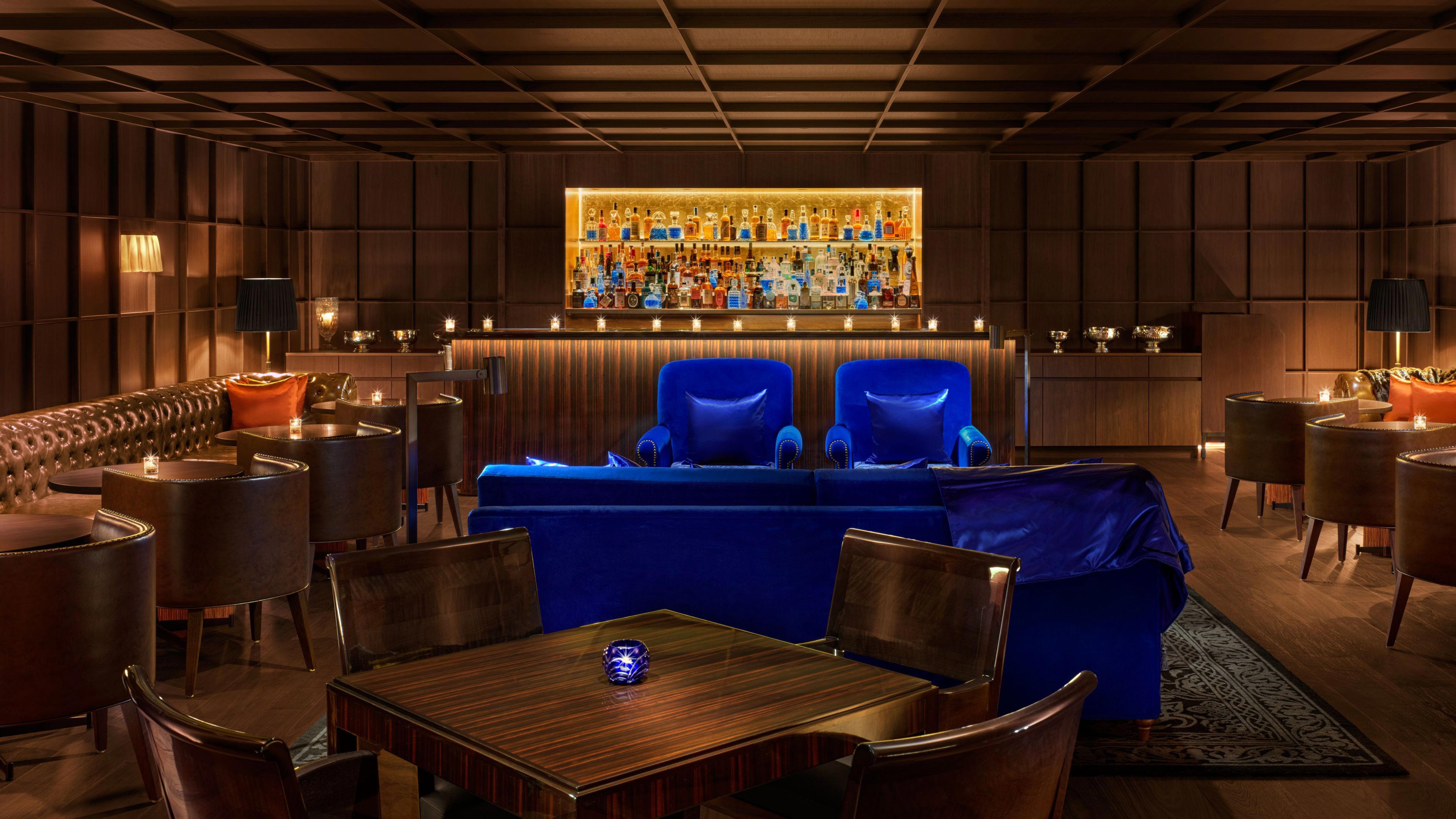
Bright interior with white walls, high ceilings, and large glass windows offering street views, creating a relaxing and elegant atmosphere.