On Olgastraße in Stuttgart's Süd district, Fruchttick occupies a corner of the city's neighbourhood dining scene that sits apart from the formal fine-dining corridor.
Pearl is the En Primeur Club membership app — saves, bookings, and concierge access live there. Same editors, same standards.
- Address
- Olgastraße 79, 70182 Stuttgart, Germany
- Phone
- +491729757592
- Website
- fruchttick.de
- Directions
- Get directions
 Saves & bookings on Pearl
Olgastraße and the Neighbourhood That Feeds Itself
Fruchttick is a casual restaurant in Stuttgart, Germany, serving Healthy Salads & Bowls at around $15 per person. Speisemeisterei and Délice, the modern cuisine formats represented by Hegel Eins and 5. That tier draws the critical attention and sets the city's external identity. But the Süd district, where Olgastraße runs through a residential grid of Gründerzeit buildings and independent shopfronts, operates on a different register entirely. Here, the measure of a place is not its guide listing but its consistency across ordinary Tuesday evenings and weekend lunchtimes.
Fruchttick sits on this street at number 79. The address is in the middle of a neighbourhood that has densified its independent hospitality offer over the past decade, as Stuttgart's inner-city population has grown younger and more interested in drinking and eating close to home rather than making an occasion of a trip downtown. That shift, visible across many mid-sized German cities in the 2010s, produced a generation of addresses that are harder to write about in conventional critical terms precisely because they are not trying to be written about. They are trying to feed people well and keep them coming back.
The Evolution of the Everyday Address
The broader arc in German city dining over the past fifteen years has moved in two simultaneous directions. At the leading, the concentration of serious culinary ambition has intensified: Germany now hosts a depth of three-star dining that rivals France in some regions, with names like Schwarzwaldstube in Baiersbronn, Aqua in Wolfsburg, Vendôme in Bergisch Gladbach, and Victor's Fine Dining by Christian Bau in Perl defining what German haute cuisine can look like at its most technically demanding. At the other end, the neighbourhood address has been quietly reinventing itself. The heavy German-cuisine-as-tradition model, built around Maultaschen and Swabian roasts delivered with minimal variation, has ceded ground to something more fluid: smaller rooms, shorter menus, more willingness to absorb influences from across the Mediterranean and beyond.
What this means in practice is that a name like Fruchttick, on a residential street in Stuttgart-Süd, represents a type that has multiplied and evolved considerably. These are not Beisl-style institutions with fifty-year menus and three-generation ownership. They are more likely to have pivoted at least once in format, price point, or emphasis, tracking the tastes of a neighbourhood that is itself changing. The name itself, with its fruit-inflected German compound, suggests a lighter, more produce-forward sensibility than the traditional Swabian register.
The evolution of this category of venue across Stuttgart mirrors patterns visible in other German cities where neighbourhood dining has professionalized without necessarily formalizing. Berlin's approach, most visible in concepts like CODA Dessert Dining, represents one extreme of that trajectory. Stuttgart's version tends to be quieter, less driven by concept-as-identity, more interested in keeping a local clientele satisfied across multiple visits rather than generating destination traffic from other postcodes.
Where Fruchttick Sits in Stuttgart's Competitive Map
Stuttgart's mid-range and neighbourhood dining tier is less mapped than its formal one. Der Zauberlehrling draws coverage for its creative approach at a lower price point than the city's starred rooms, and places like Waldhotel Sonnora in Dreis or Schanz in Piesport attract the kind of long-form critical attention that Olgastraße addresses rarely receive.
What can be established is geography and category. Olgastraße 79 is in a part of Stuttgart that rewards walking: the street connects toward the Österreichischer Platz area and the broader Süd neighbourhood, which has accumulated a density of independent food and drink addresses over the past decade. For visitors oriented around the city's formal dining circuit, this part of Stuttgart offers a different tempo. For locals, it is the texture of daily life rather than a destination occasion. Addresses in this bracket compete not with JAN in Munich or Restaurant Haerlin in Hamburg but with each other, measured by repeat custom and neighbourhood loyalty rather than by guide recognition.
Germany's neighbourhood dining tier has also absorbed considerable influence from formats that originated elsewhere. The produce-focused, shorter-menu model that became standard in Californian neighbourhood restaurants, visible at the other end of the spectrum in places like Lazy Bear in San Francisco, or the refined but unpretentious approach associated with addresses like Le Bernardin in New York City at the formal end, has trickled through to inform how even modest German neighbourhood addresses approach their menus. The result is a category that is harder to pigeonhole than it was fifteen years ago.
Visitors planning time in Stuttgart's Süd district will find Fruchttick at a walking distance from the neighbourhood's other independent addresses. Arriving without a reservation at quieter times of the week is a reasonable approach, while weekend evenings in a residential neighbourhood like Süd typically generate enough local demand to fill smaller rooms. The full Stuttgart restaurants guide covers the broader range of options across price tiers and neighbourhoods for those planning a longer visit. For the wider context of what Germany's formal dining tier looks like at its most ambitious, ES:SENZ in Grassau represents the kind of destination dining that draws visitors into the country's regions specifically for the table.
What to Know Before You Go
Olgastraße 79 is accessible from Stuttgart's city centre by foot or short public transit ride into the Süd district. Fruchttick is recommended for reservations and is open Monday through Friday from 11 AM to 3 PM. This is not unusual for the type: many of Stuttgart's mid-tier independent addresses maintain a low online profile relative to the formal dining rooms that dominate the city's digital presence.
A Tight Comparison
Comparable venues nearby, for context on price, style, and recognition.
| Venue | Cuisine | Price | Notes |
|---|---|---|---|
| FruchttickThis venue — the venue you are viewing | Gablenberg, Healthy Salads & Bowls | $$ | Not listed |
| Claus | Gablenberg, Healthy Deli & Ice Cream | $$ | Not listed |
| Yuícery | Gablenberg, Vegan Bowls & Juices | $$ | Not listed |
| La Bamboo | Heslach, Authentic Sri Lankan | $$ | Not listed |
| Mauritius | Not listed | $$ | Gablenberg, Mediterranean Beach Food with Caribbean Influences |
| 4 Brothers Burger | Gaisburg, Smash Burgers | $$ | Not listed |
Continue exploring
More in Stuttgart
Restaurants in Stuttgart
Browse all →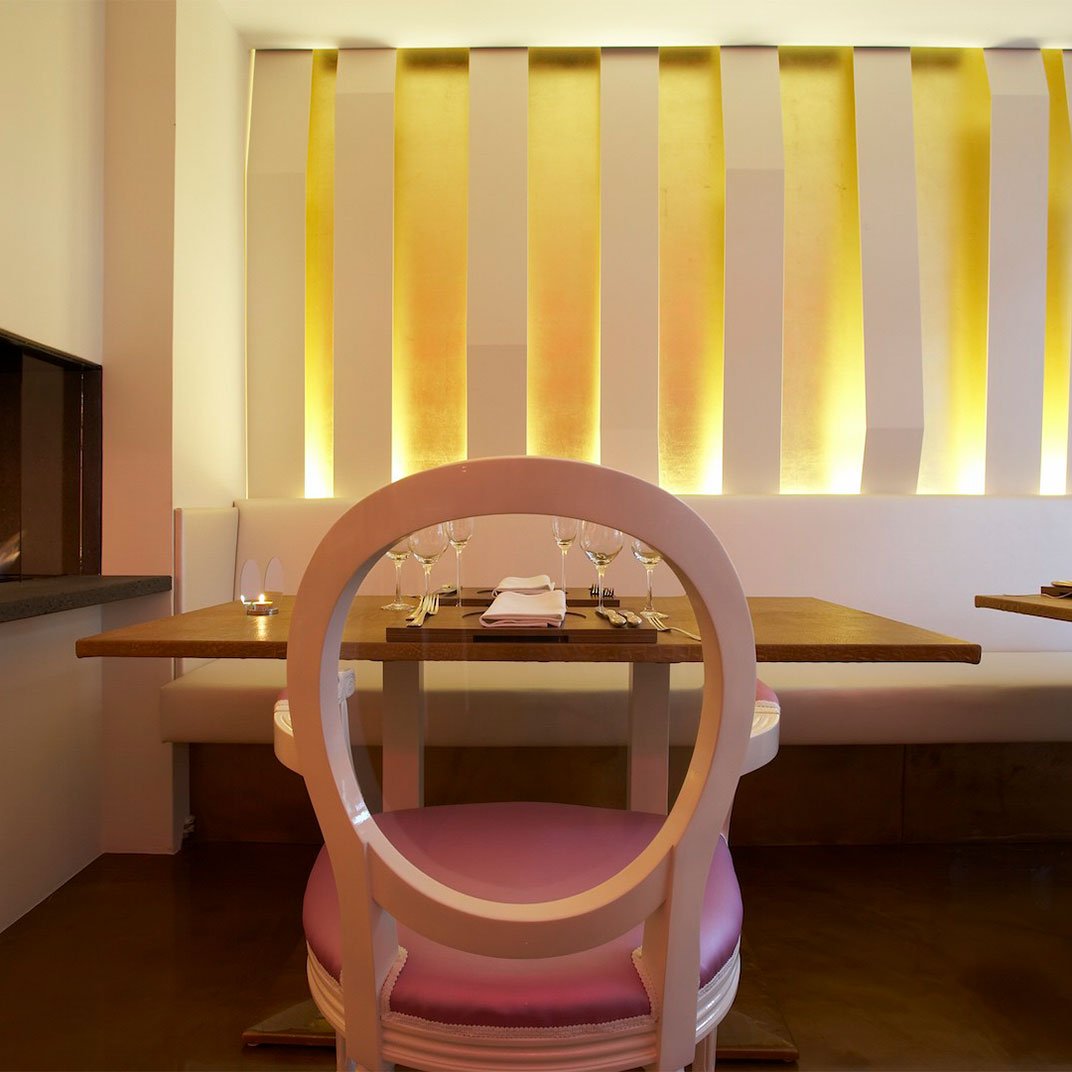
Bars in Stuttgart
Browse all →

Hotels in Stuttgart
Browse all →


At a Glance
- Cozy
- Modern
- Trendy
- Casual Hangout
- Open Kitchen
- Local Sourcing
- Organic
Current opening hours
- Monday
- 11 AM–3 PM
- Tuesday
- 11 AM–3 PM
- Wednesday
- 11 AM–3 PM
- Thursday
- 11 AM–3 PM
- Friday
- 11 AM–3 PM
- Saturday
- Closed
- Sunday
- Closed
Hours can change for holidays and private events. Last verified .
Bright and cozy deli atmosphere with indoor and outdoor seating in a quiet setting.