Lê Madeline

James Beard Award Semi Finalist
Our verdict
Lê Madeline occupies a distinct position on Hancock Street in Quincy, Massachusetts, where the city's evolving dining scene has begun drawing more deliberate attention to ingredient provenance and culinary craft. The address sits within a neighbourhood that rewards exploration, offering a counterpoint to the broader South Shore dining circuit for those willing to look beyond the obvious stops.

Pearl is the En Primeur Club membership app, where members save venues, book tables and use the concierge.
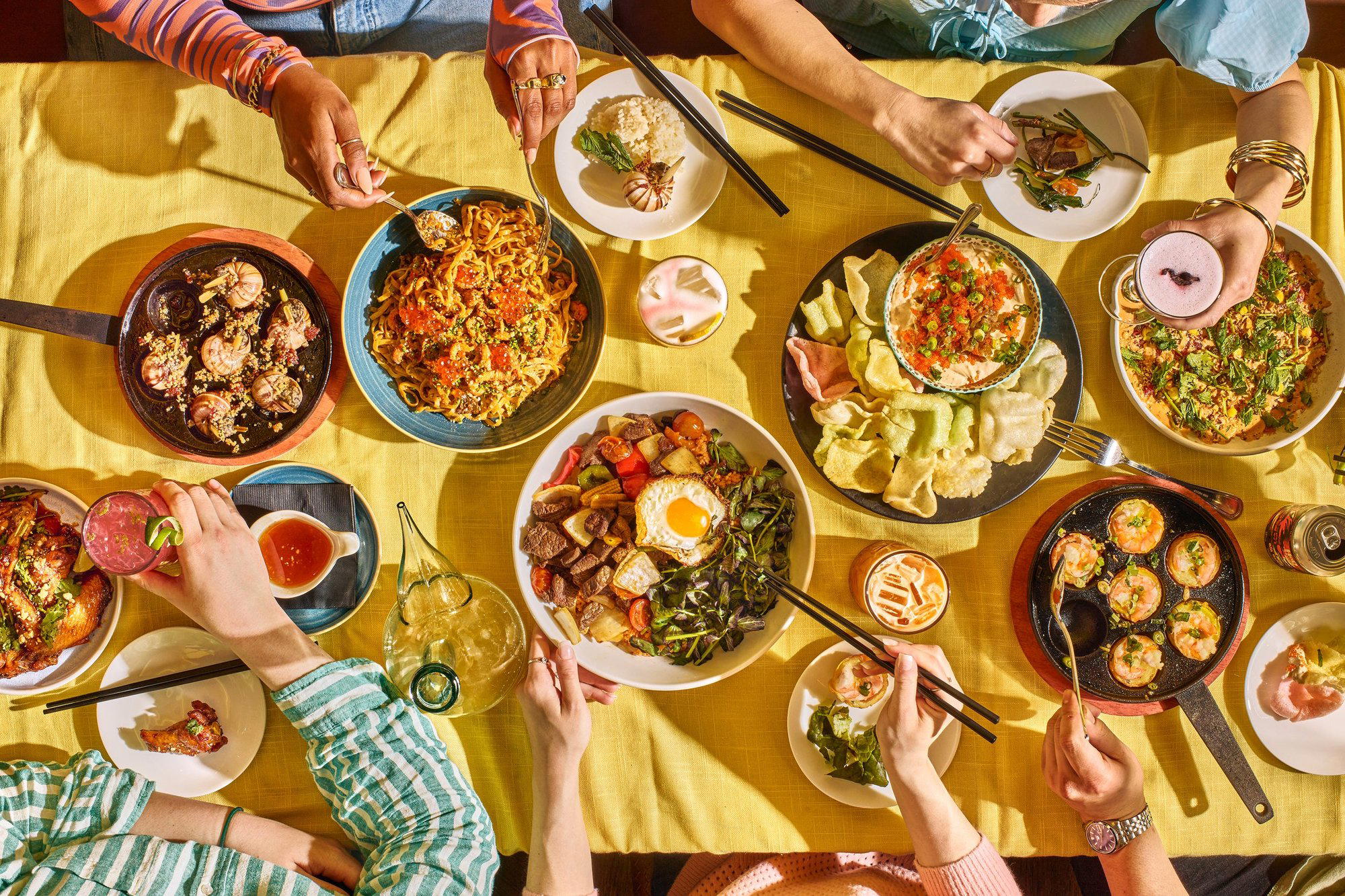
The menu
What to order
- Viet-Cajun Crawfish Noodles
- Banh Khot
- Garlicky Wings
- Caramelized Pork Belly
Hancock Street and the Quincy Dining Shift
Quincy's restaurant scene has spent the better part of the last decade navigating between two gravitational pulls: the suburban-casual model that dominates much of the South Shore, and a smaller, more considered tier of operators who are treating the city's dining room as something worth taking seriously. That second group has grown, and 409 Hancock Street is an address that belongs to that conversation. Lê Madeline occupies a stretch of Quincy that is increasingly defined by operators who are making choices about sourcing, format, and identity rather than simply filling covers.
The broader context matters here. Quincy sits close enough to Boston to absorb the influence of that city's supply chain and culinary culture, while remaining distinct enough that its restaurant operators are not simply replicating what works in the South End or Cambridge. The question of ingredient sourcing, in particular, has become a defining variable in separating the more deliberate kitchens from the formulaic ones. Across the city, the places worth tracking are those treating provenance as a decision, not an afterthought. For context on what else is happening across the city's restaurants, the full Quincy restaurants guide maps the broader pattern.
Sourcing as Editorial Position
In American dining, the conversation around ingredient provenance has moved well beyond trend status. From Blue Hill at Stone Barns in Tarrytown, where the farm and kitchen operate as a single system, to Single Thread Farm in Healdsburg, where agricultural decisions drive the menu rather than follow it, the highest-regarded American kitchens have reframed sourcing as the primary creative act. That standard does not apply uniformly across price points and markets, but it sets the terms by which any kitchen making claims about quality is now measured.
In New England, the conditions for that kind of sourcing conversation are particularly well-established. The region's fishing heritage, its dairy tradition, and its proximity to small-scale producers across Massachusetts and Vermont give kitchens real options when it comes to building supply relationships that go beyond commodity channels. The restaurants in Quincy that are worth attention tend to be those using that geography deliberately, rather than sourcing from the same broadline distributors as their less considered competitors.
Places like Pearl & Lime and Rubato represent different expressions of that local conversation, while Fuji at WoC approaches the question of ingredient quality from a different angle entirely. What connects the more deliberate operators in this part of the city is an awareness that what arrives in the kitchen determines what's possible on the plate, before technique enters the equation.
The Neighbourhood and Its Register
Hancock Street functions as one of Quincy's more commercially active corridors, and the stretch around the 400 block has absorbed a mix of long-standing local businesses and newer arrivals that reflect the city's demographic depth. Quincy's population includes one of the largest Asian-American communities in Massachusetts, a fact that has shaped its restaurant offer in ways that distinguish it from comparable South Shore cities. The Vietnamese, Chinese, and Korean operators here are not performing for novelty; they are feeding communities with expectations, which produces a different quality discipline than the novelty-driven model.
That community infrastructure creates a useful context for any kitchen operating in the area. Access to ingredients associated with Southeast Asian and East Asian cooking traditions, from fresh herbs to specialty produce, is more reliable in Quincy than in most comparable Massachusetts cities. A kitchen with a name like Lê Madeline, suggesting a French-Vietnamese register or at minimum a cross-cultural sensibility, would have particular reason to value that proximity. The French-Vietnamese combination has a documented culinary logic rooted in Vietnam's colonial history, and the kitchens that handle it well tend to treat both traditions with equal seriousness rather than using one as window dressing for the other.
For a different expression of the neighbourhood's range, MOTW Coffee & Pastries, with its halal savory empanadas and flavored lattes, represents how Quincy's food offer has absorbed influences well beyond the expected New England defaults. And Sunset Pier anchors a different end of the local spectrum entirely.
The Wider American Fine Dining Reference Frame
Positioning a restaurant in a city like Quincy against the national fine dining conversation might seem like a stretch, but the reference points are worth establishing because they define what ambition looks like at different scales. Le Bernardin in New York City has spent decades demonstrating what disciplined sourcing of a single protein category, seafood, produces at the highest level of refinement. Providence in Los Angeles operates in a similar register on the West Coast. The French Laundry in Napa and Alinea in Chicago represent different poles of what American kitchens have done with European technique adapted to local supply.
Further down the formality register, Lazy Bear in San Francisco and Emeril's in New Orleans show how regional identity and sourcing intelligence can anchor a dining program without requiring maximum formality. Atomix in New York City and Addison in San Diego demonstrate that serious culinary ambition now operates well outside the traditional capitals. The Inn at Little Washington and 8½ Otto e Mezzo Bombana in Hong Kong add the international dimension to that reference frame. The point is not that every neighborhood restaurant aspires to these coordinates, but that the standards they represent filter down into what knowledgeable diners expect, even at the local level.
Planning a Visit
Lê Madeline is located at 409 Hancock St, Quincy, MA 02171, accessible from central Quincy by foot, by the Red Line to Quincy Center, or by car with street parking typically available on the surrounding blocks. Given the limited publicly available information about hours and booking format, contacting the venue directly before visiting is the practical recommendation, particularly for weekend evenings when the more deliberate Quincy kitchens tend to fill. The Hancock Street location sits within walking distance of several other operators worth pairing into a longer Quincy evening, which makes the neighbourhood a reasonable destination in its own right rather than a single-stop proposition.
Frequently asked questions
Where exactly is Lê Madeline?
Lê Madeline is located at 409 Hancock St, Quincy, MA 02171, Quincy.
Is Lê Madeline worth the trip from Boston for French-Vietnamese food?
Quincy Center is one Red Line stop past the Braintree branch on the MBTA, putting 409 Hancock St roughly twenty minutes from downtown Boston without the parking costs of the city. French-Vietnamese cooking as a format has a strong track record in American fine dining, drawing on a culinary tradition with roots in Vietnam's colonial era, and finding it operating outside a major urban core makes Lê Madeline worth the detour for diners tracking that specific cuisine. The Quincy price environment also tends to run below comparable Boston addresses.
What do people recommend at Lê Madeline?
The name itself signals the kitchen's orientation: Lê is a Vietnamese family name and Madeline references the French pastry tradition, pointing toward a French-Vietnamese culinary framework. That cross-cultural positioning is relatively rare on Hancock Street, and regulars tend to return for dishes that sit at that intersection rather than leaning toward either tradition exclusively. Without a published menu on record, the safest approach is to ask staff about current preparations on arrival at 409 Hancock St.
Should I book Lê Madeline in advance?
In Quincy's current dining environment, restaurants with a distinct culinary identity and a focused format tend to fill faster than the suburban-casual operations that dominate the area. Booking ahead is the prudent move, particularly for weekend evenings.
What's the standout thing about Lê Madeline?
The clearest distinguishing factor is the culinary framing: French technique applied through a Vietnamese sensibility is a combination with serious precedent in cities like San Francisco and New York, but it is not a format Quincy's Hancock Street corridor has seen with regularity. That positioning alone separates Lê Madeline from the broader South Shore dining offer. For Boston diners, it also justifies the short Red Line commute to Quincy Center.
Comparable Venues
Comparable venues nearby, for context on price, style, and recognition.
| Venue | Cuisine | Price | Awards | Notes |
|---|---|---|---|---|
| Lê MadelineThis venue (the venue you are viewing) | Modern Vietnamese Gastropub | $20–30 | James Beard Award Semi Finalist | Not listed |
| Sunset Pier | West Coast Mexican Small Plates | $30–50 | Not listed | Marina Bay |
| Rubato | Modern Hong Kong Café | $10–20 | Not listed | North Quincy |
| Pearl & Lime | Modern Mexican Taqueria | $30–50 | Not listed | Quincy Center |
| Fuji at WoC | Modern Japanese Sushi & Omakase | $30–50 | Not listed | Quincy |
Recognition history
Dated appearances from independent guides and award organizations, with the underlying list record or original source where available.
James Beard Award Semi Finalist
James Beard Award
Continue exploring
More in Quincy
Restaurants in Quincy
All restaurants in Quincy →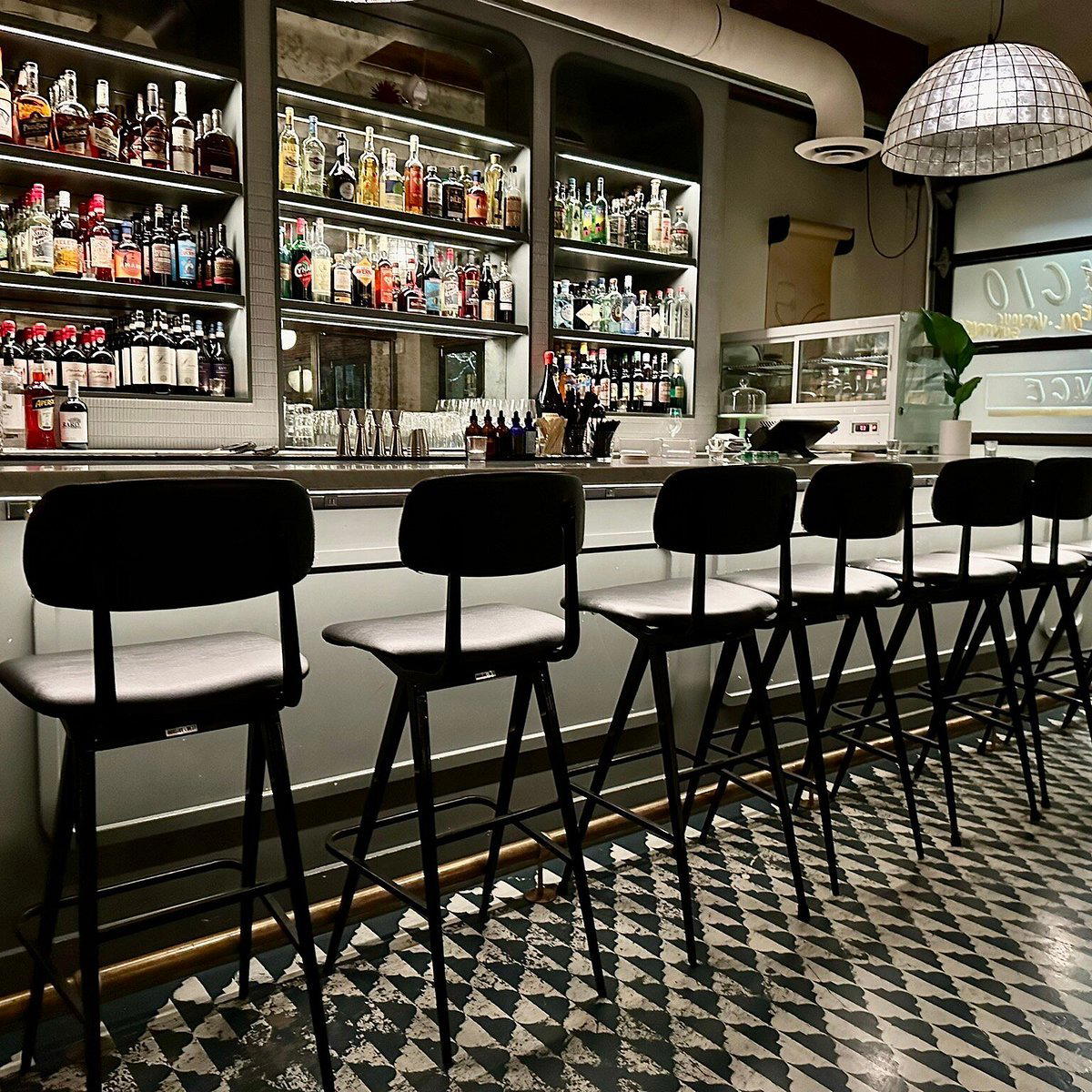
Bars in Quincy
All bars in Quincy →
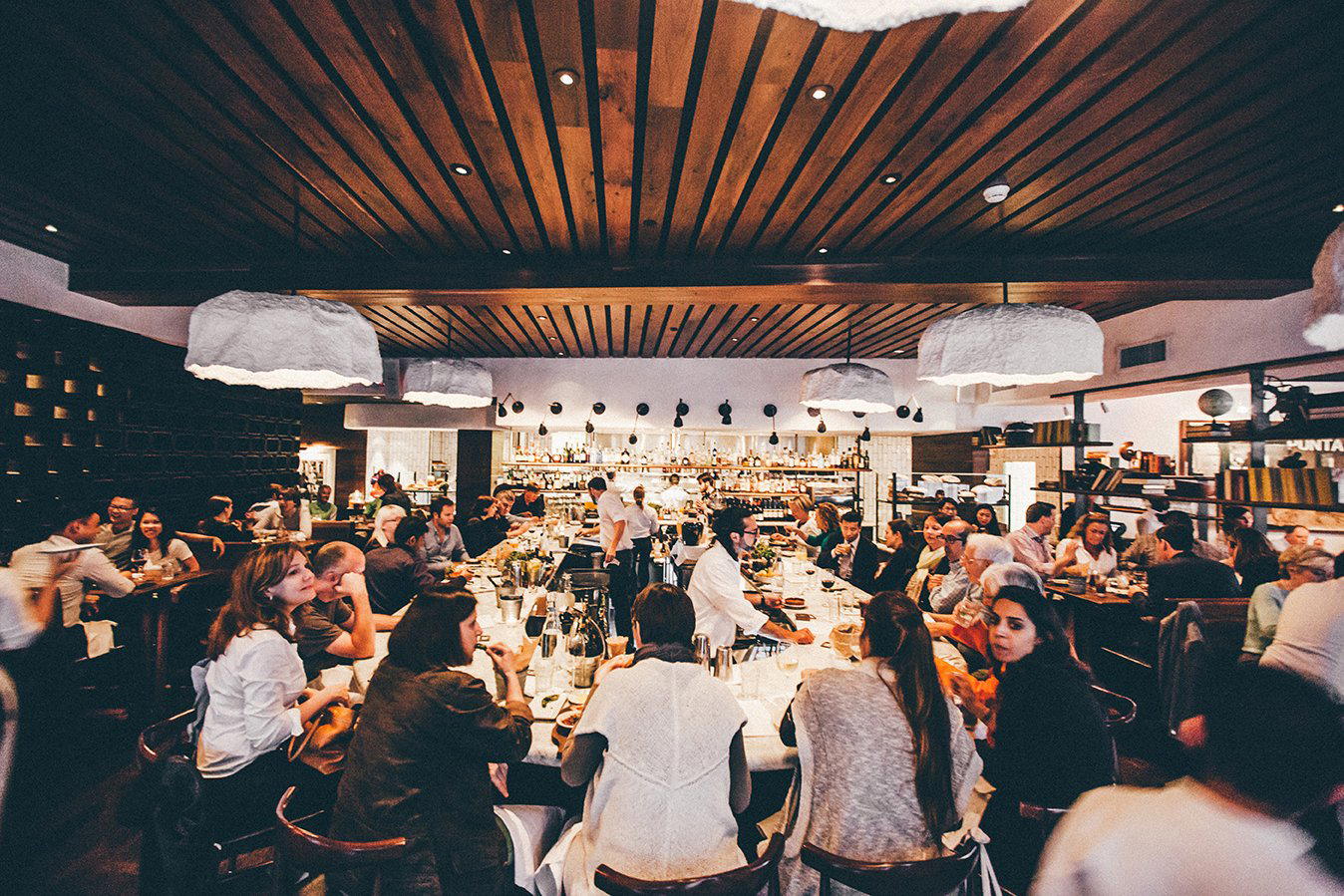
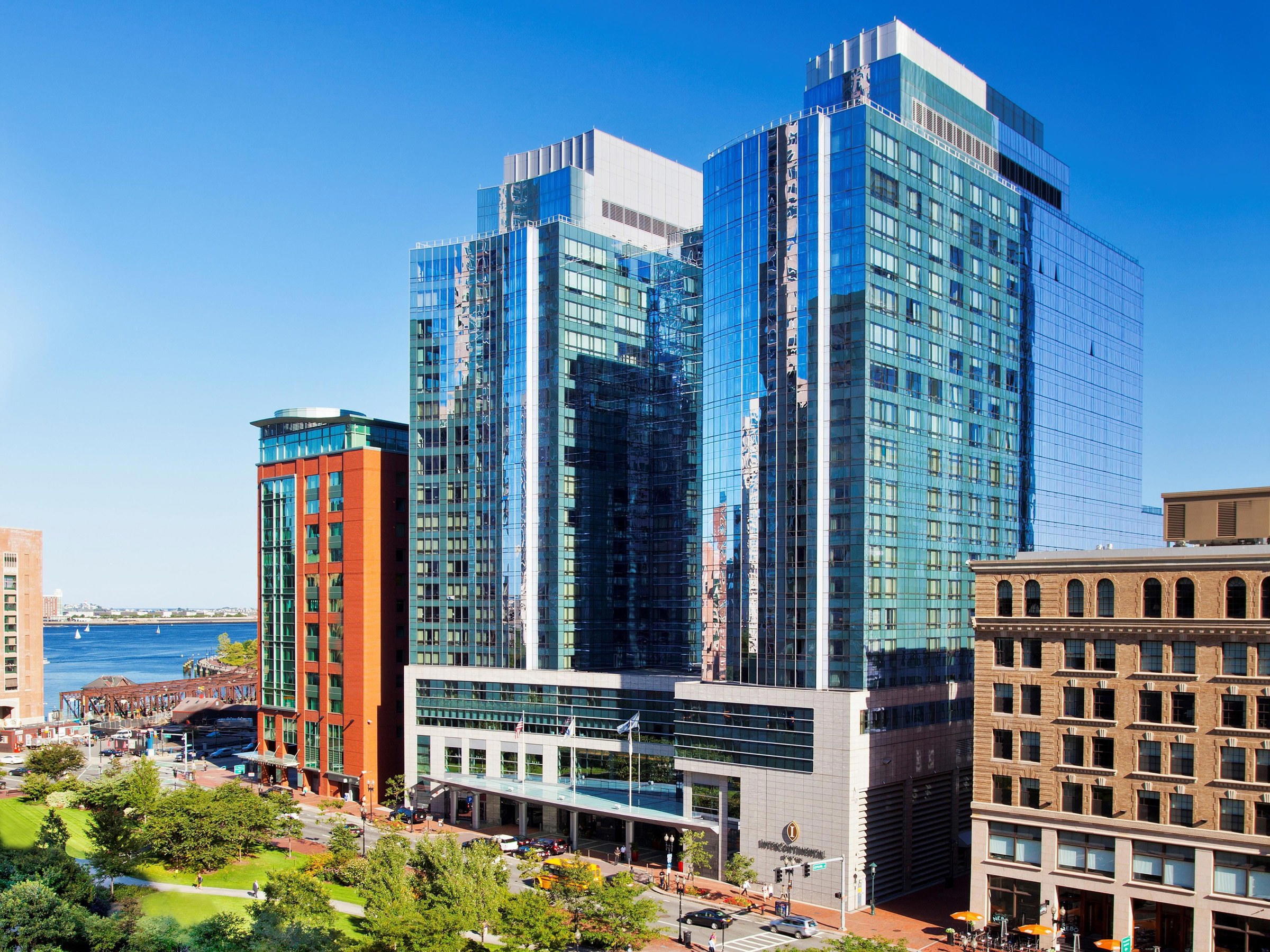
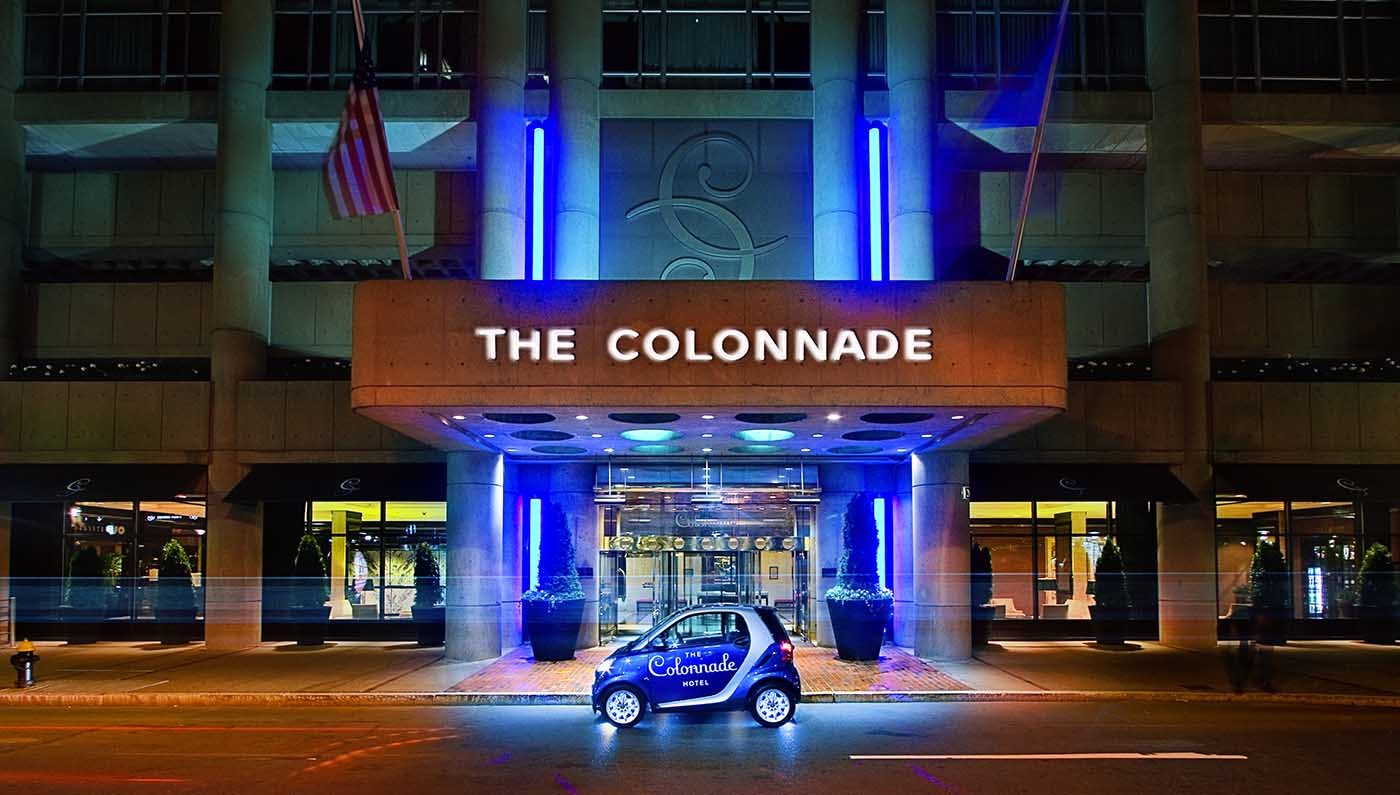
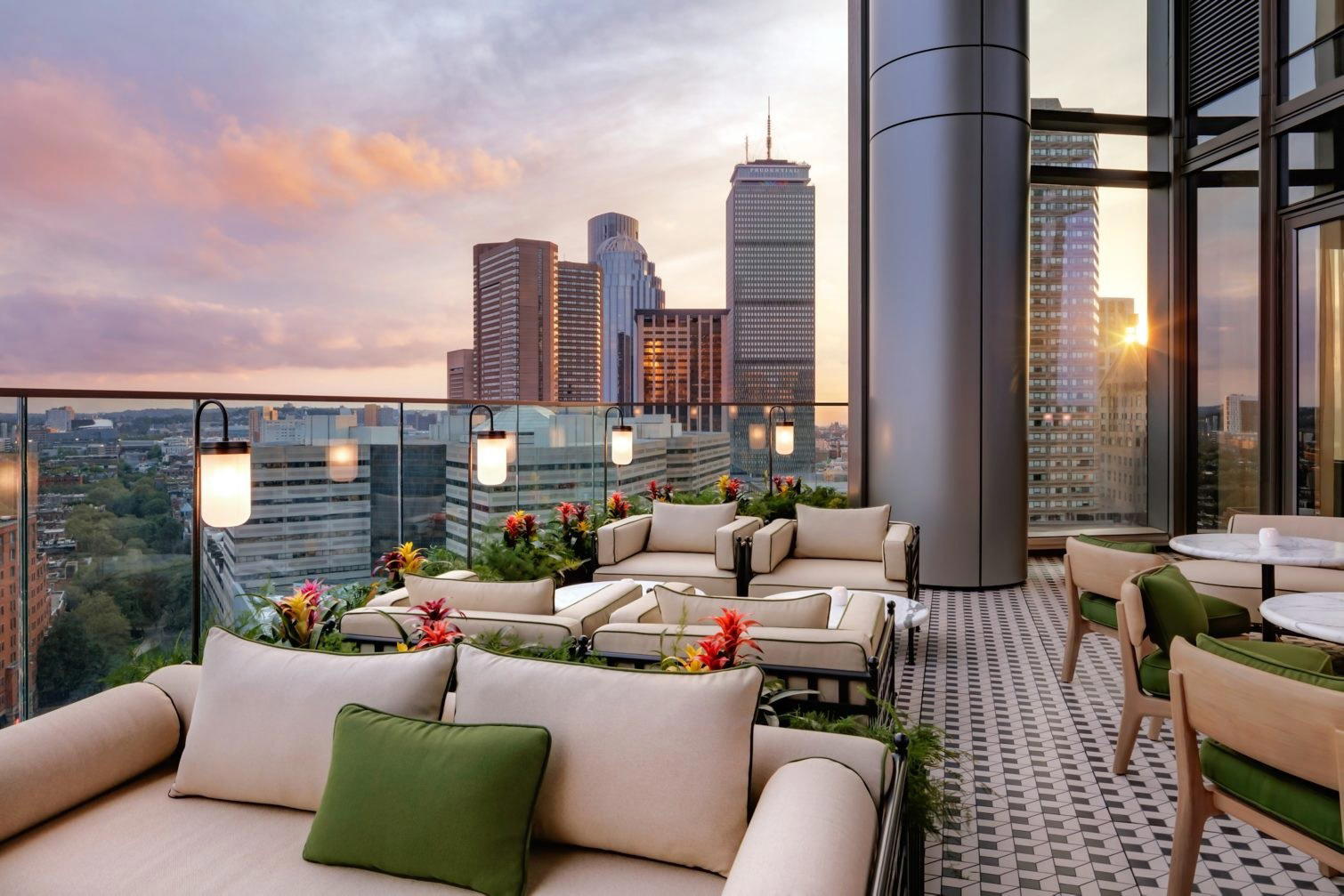
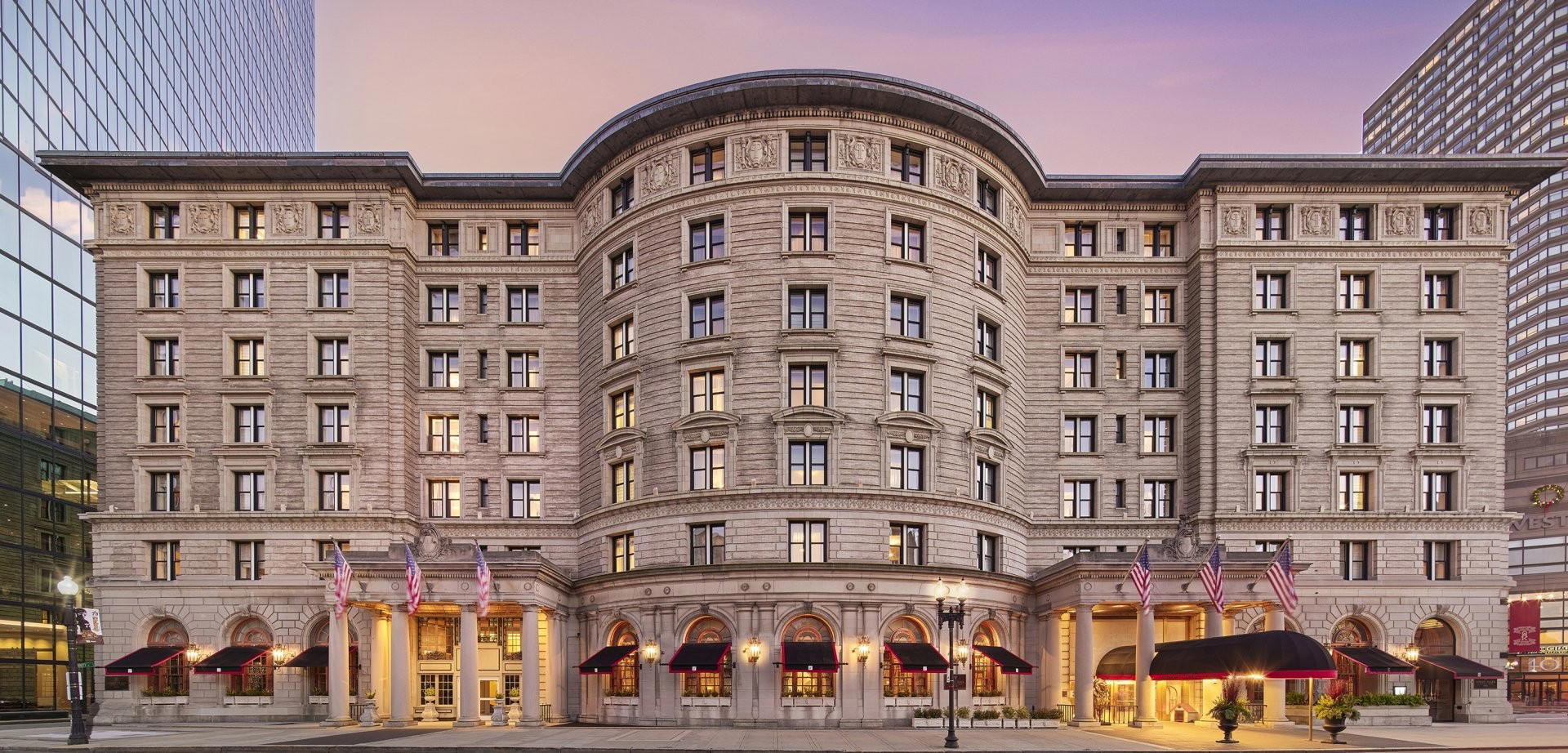
Hotels in Quincy
Browse all →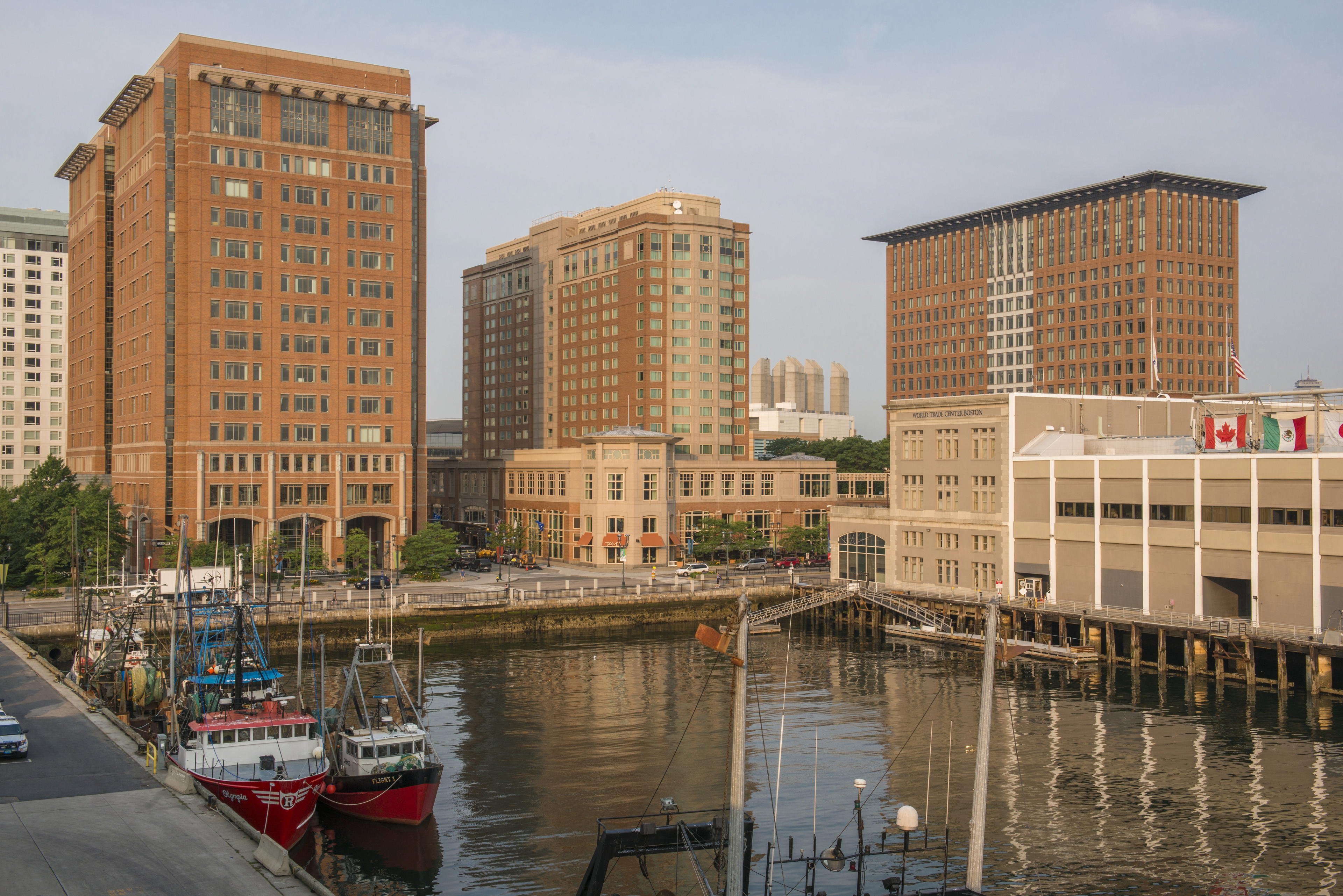
Wineries in Quincy
Browse all →
Details
- Modern
- Cozy
- Trendy
- Date Night
- Casual Hangout
- Special Occasion
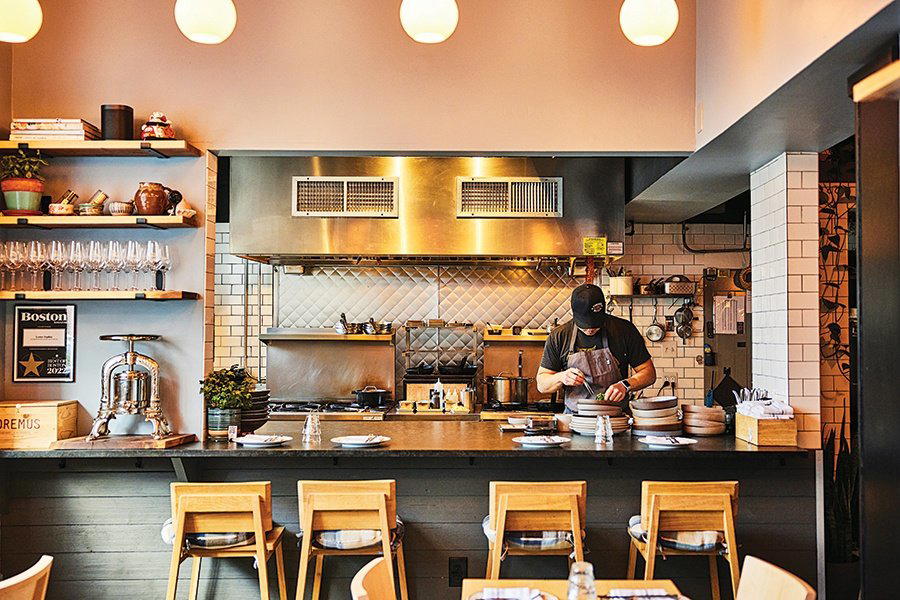
- Open Kitchen
- Craft Cocktails
- Local Sourcing
- Street Scene
- A La Carte
- Craft Cocktails
Current opening hours
- Monday
- 11 AM–9 PM
- Tuesday
- Closed
- Wednesday
- 11 AM–9 PM
- Thursday
- 11 AM–9 PM
- Friday
- 11 AM–10 PM
- Saturday
- 11 AM–10 PM
- Sunday
- 11 AM–9 PM
Hours can change for holidays and private events. Hours as of .
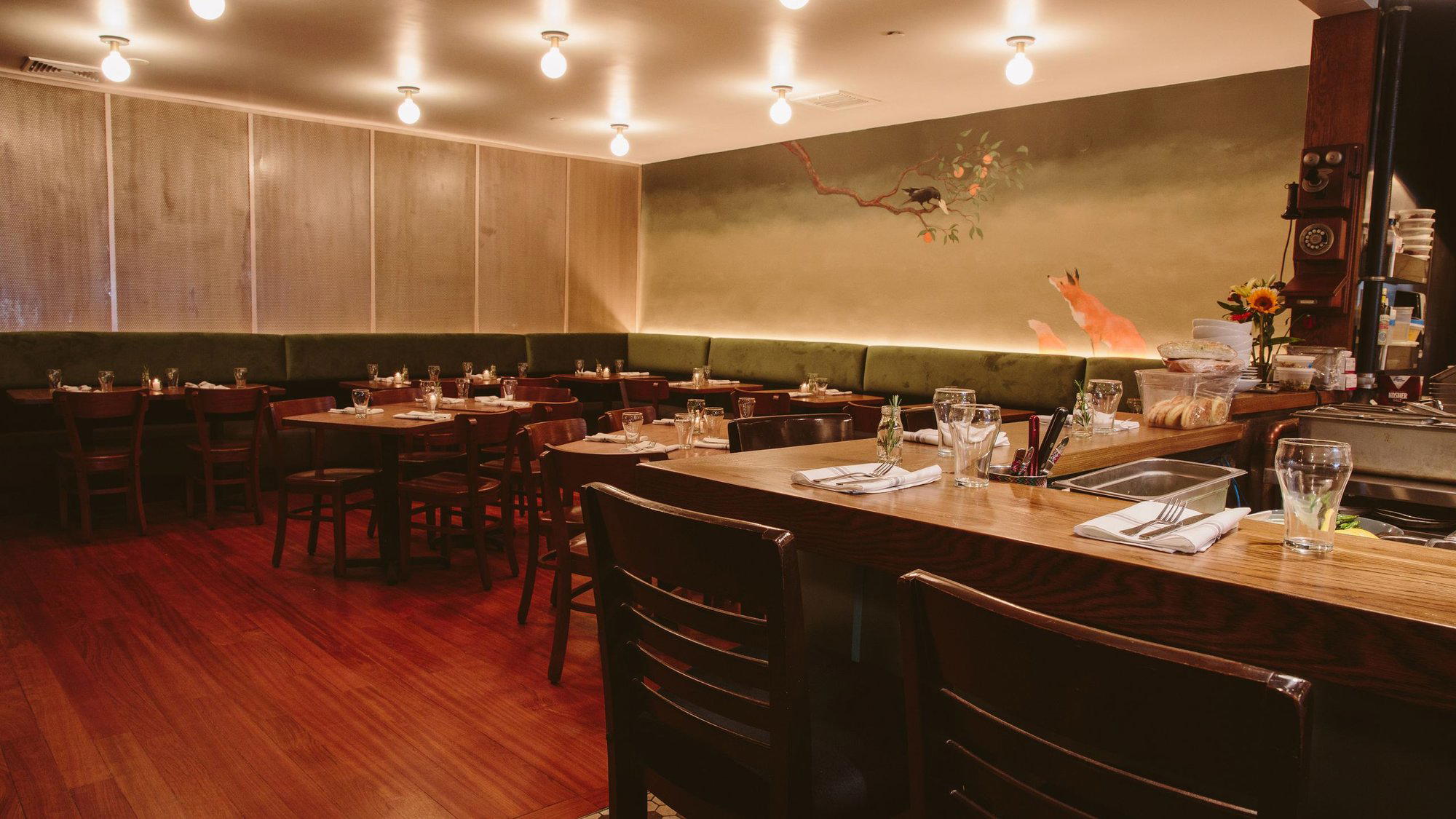
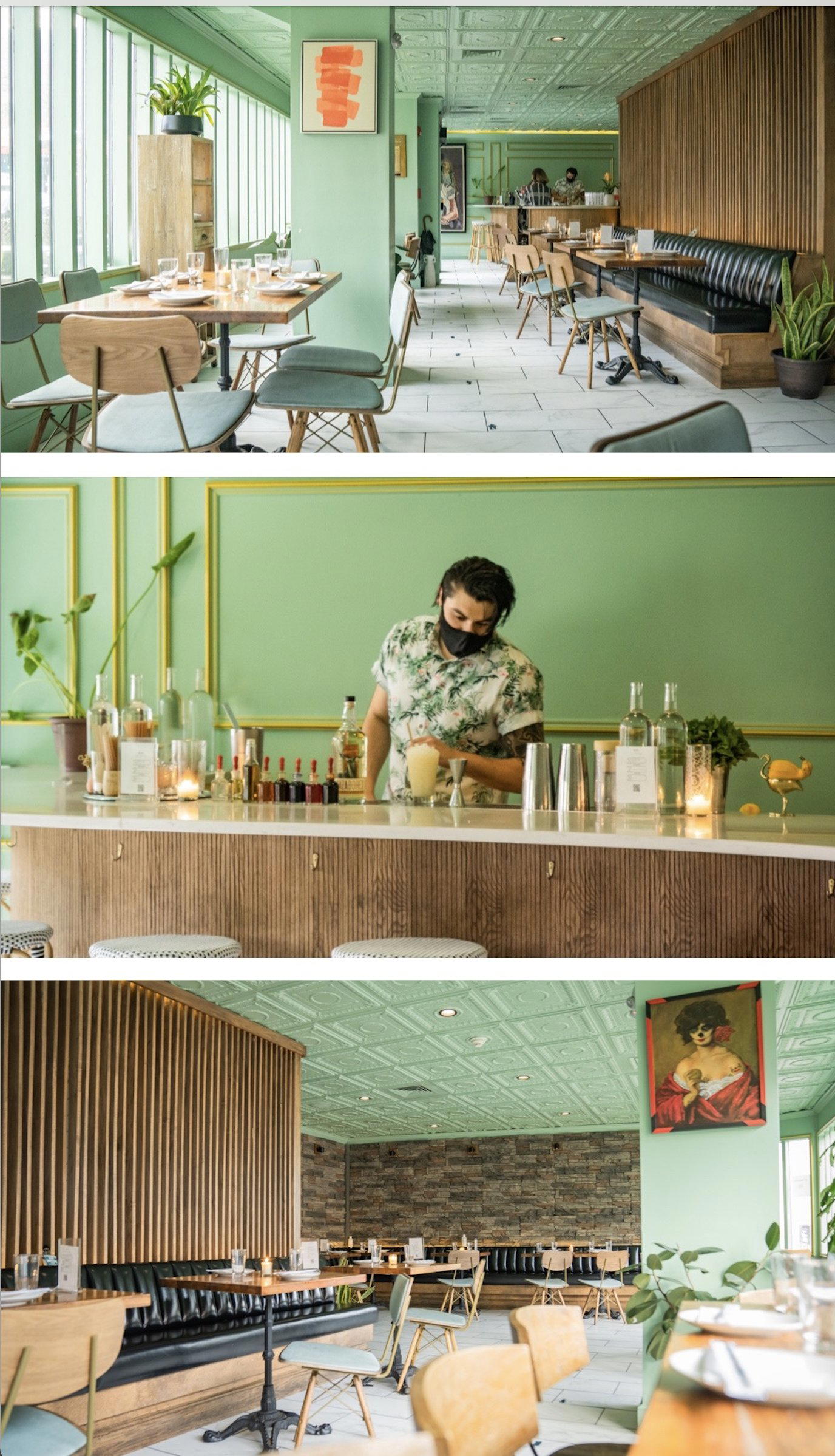
Warm and inviting with Vietnam-inspired decor featuring artwork, conical hat light fixtures, and lush greenery.