Rubato
Our verdict
On Hancock Street in Quincy, Rubato occupies a slice of the city's growing dining corridor where independent operators are quietly building something worth paying attention to. The name — a musical term for fluid, expressive timing — hints at a rhythm that resists the rigid. Whether the kitchen delivers on that promise depends on when you visit and what you order.

Pearl is the En Primeur Club membership app — saves, bookings, and concierge access live there. Same editors, same standards.
- Address
- 412 Hancock St, Quincy, MA 02171
- Phone
- (617) 481-2049
- Hours
- Mon–Tue ClosedWed–Fri 8 AM–4 PMSat–Sun 9 AM–4 PM
- Website
- rubato-food.com
- Directions
- Get directions
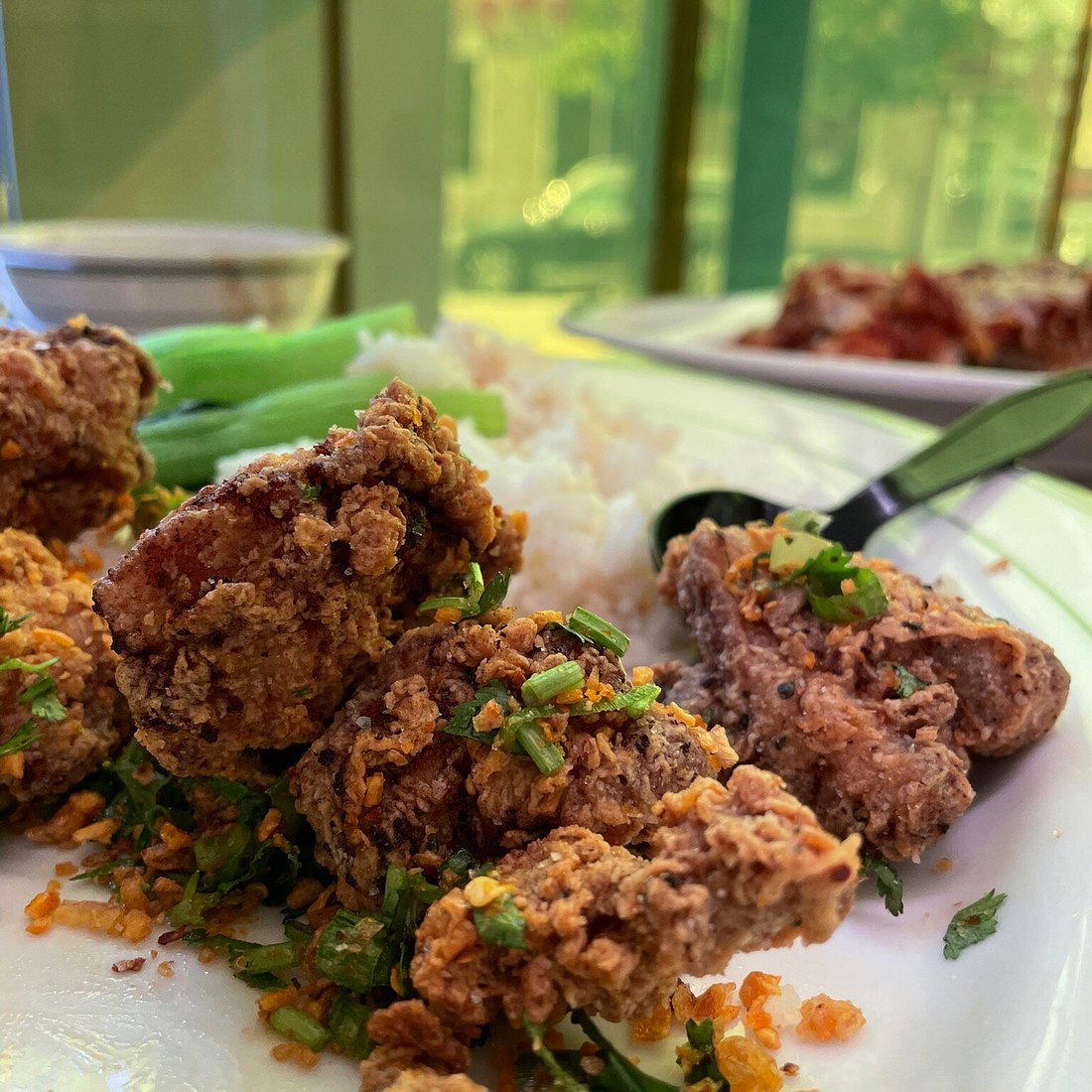
The Rhythm of the Room
Hancock Street in Quincy runs through a part of the city that has been remaking its dining identity in increments. For years, the strip was defined by the kind of neighborhood staples that serve a purpose without making an argument. That has been shifting. Independent restaurants have opened in the gaps, each one testing whether Quincy's dining public will support something with a more considered point of view. Rubato, at number 412, is part of that cohort — a name borrowed from a musical term meaning time taken freely, played with expressive flexibility rather than strict metronomic measure. It is an unusual choice for a restaurant address, and an instructive one.
The name signals intent. In music, rubato asks performer and listener to agree on a shared rhythm that neither is fully controlling. In a dining room, that same negotiation happens between kitchen pace and guest expectation. A meal is not simply a sequence of courses delivered at fixed intervals — it is a tempo that shifts based on what arrives, how long you linger, and whether the room earns your attention between bites. That framing matters more in a city like Quincy, where diners often have strong opinions about value and pace, and where a meal that misreads the room can lose the thread quickly.
Where Rubato Sits in the Quincy Scene
Quincy's dining options span a wider range than the city sometimes gets credit for. Fuji at WoC draws from Japanese culinary tradition. Pearl & Lime works a different register. MOTW Coffee & Pastries, with its flavored lattes and halal savory empanadas, represents the kind of casual anchor that keeps a neighborhood corridor alive between dinner rushes. Lê Madeline and Sunset Pier fill other niches. Together, these places sketch a city that is building its dining identity from independent operators rather than from a template imposed by franchise or hotel group development.
Rubato sits within that independent tier. Without published awards, a Michelin distinction, or a nationally recognized chef name attached to the address, it cannot be placed in the same conversation as, say, Lazy Bear in San Francisco or Alinea in Chicago, where the dining ritual is an elaborately choreographed event with years of critical documentation behind it. What Rubato represents is something different: a neighborhood-scale proposition in a city that is still determining which of its restaurants will earn the kind of sustained loyalty that translates into lasting presence. See our full Quincy restaurants guide for the broader picture.
The Dining Ritual at This Scale
In American dining, the ritual of a meal changes considerably depending on price tier, room size, and the formality of the kitchen's approach. At the upper end of the spectrum, the ritual is codified: at The French Laundry in Napa, at Le Bernardin in New York City, or at Atomix in New York City, the guest surrenders to a fixed sequence and the kitchen controls every variable of pace and presentation. At Blue Hill at Stone Barns in Tarrytown or Single Thread Farm in Healdsburg, the ritual extends into sourcing philosophy and becomes part of the conversation at the table.
Neighborhood restaurants like Rubato operate with a different set of constraints and freedoms. The dining ritual here is less formally structured, guests arrive with fewer prior briefings, tables turn at a rate that reflects a working-neighborhood dinner service rather than an event-dining format, and the kitchen's communication with the room happens through the food itself rather than through tableside narration or printed provenance cards. That is not a deficiency. It is a different mode. Some of the most honest meals in American cities happen at exactly this register, where the kitchen does not have the resources or the inclination to perform, and the guest is left with the food as the primary text.
What makes the ritual at this tier worth examining is the question of attention: does the restaurant ask you to slow down, or does it process you efficiently through a dining experience that begins and ends without interruption? The answer varies by visit, by table, and by whether the kitchen is running at capacity or has room to breathe. Rubato's name suggests it aspires to the former. Whether the room consistently delivers that kind of unhurried, responsive pacing is a judgment that requires time at the table rather than inference from the address alone.
How to Approach a Visit
Rubato is at 412 Hancock St in Quincy, MA 02171. Quincy Center station on the Red Line places the corridor within reach of Boston without requiring a car, which makes the neighborhood accessible for an evening without the friction of South Shore parking. For diners comparing options in the same corridor, the range of cuisines across Quincy's independent operators means a street-level walk can inform the decision as much as advance research.
This is true of any independent restaurant operating without a consistently updated web presence, the information gap is a feature of a certain kind of neighborhood operator, not a signal of unreliability. Restaurants at this scale in secondary cities often allocate their energy to the room rather than to digital infrastructure.
For context on what high-commitment dining looks like at greater investment levels, Providence in Los Angeles, Addison in San Diego, Emeril's in New Orleans, and The Inn at Little Washington in Washington represent the far end of the American dining ritual spectrum. 8½ Otto e Mezzo Bombana in Hong Kong shows how that ritual translates across contexts. Rubato asks for none of that commitment in advance, which is part of what makes it a different kind of proposition.
Frequently asked questions
Does Rubato work for a family meal?
Rubato is on Hancock Street in Quincy, a corridor that has been drawing a broader dining crowd as the area's restaurant scene develops.
What's the vibe at Rubato?
Rubato sits on Hancock Street in Quincy, a strip that has been shifting away from its older, more utilitarian dining identity toward something with more culinary intention. The name itself — a musical term for rhythmic flexibility — signals a room that probably prioritizes atmosphere over rigid formality. Specific details on decor and service style aren't on record, so arriving without firm expectations is reasonable.
Is Rubato a good option for dining near Quincy Center station?
Rubato's address at 412 Hancock St in Quincy, MA 02171 puts it in proximity to the Quincy Center corridor served by the Red Line, making it accessible from Boston without a car. For travelers coming in from the city, it sits within the cluster of restaurants that have been quietly raising the area's dining profile over recent years.
What do people recommend at Rubato?
Rubato is located at 412 Hancock St in Quincy, MA, in a neighborhood where the dining conversation has been gaining momentum.
Where It Fits
Comparable venues nearby, for context on price, style, and recognition.
| Venue | Cuisine | Price | Awards | Notes |
|---|---|---|---|---|
| RubatoThis venue — the venue you are viewing | Modern Hong Kong Café | $10–20 | Not listed | Not listed |
| Fuji at WoC | Modern Japanese Sushi & Omakase | $30–50 | Not listed | Quincy |
| Sunset Pier | West Coast Mexican Small Plates | $30–50 | Not listed | Marina Bay |
| Lê Madeline | Modern Vietnamese Gastropub | $20–30 | James Beard Award Semi Finalist | North Quincy |
| Pearl & Lime | Modern Mexican Taqueria | $30–50 | Not listed | Quincy Center |
Continue exploring
More in Quincy
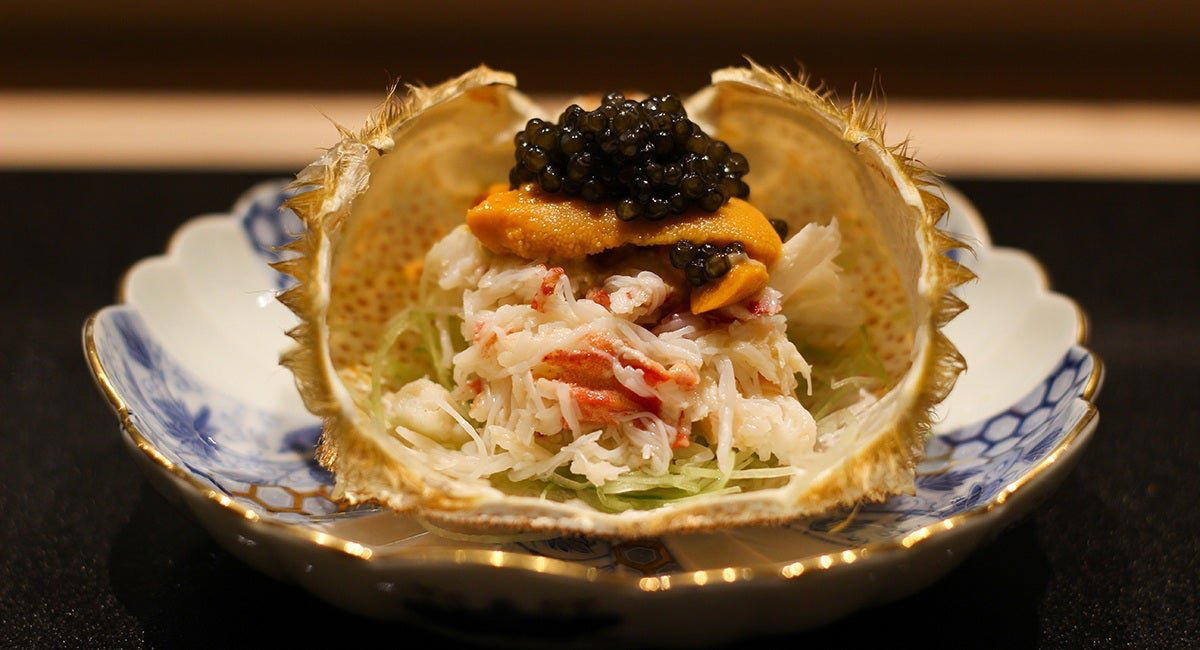
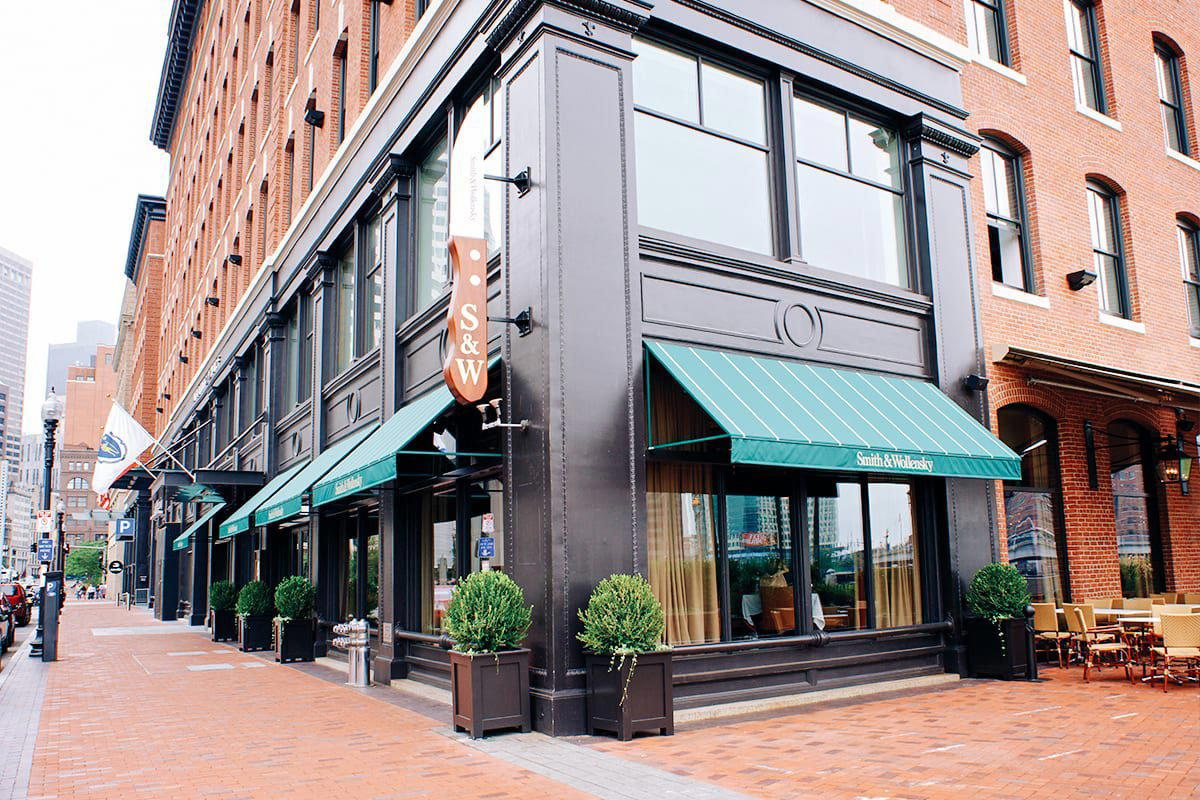
Restaurants in Quincy
Browse all →
Bars in Quincy
Browse all →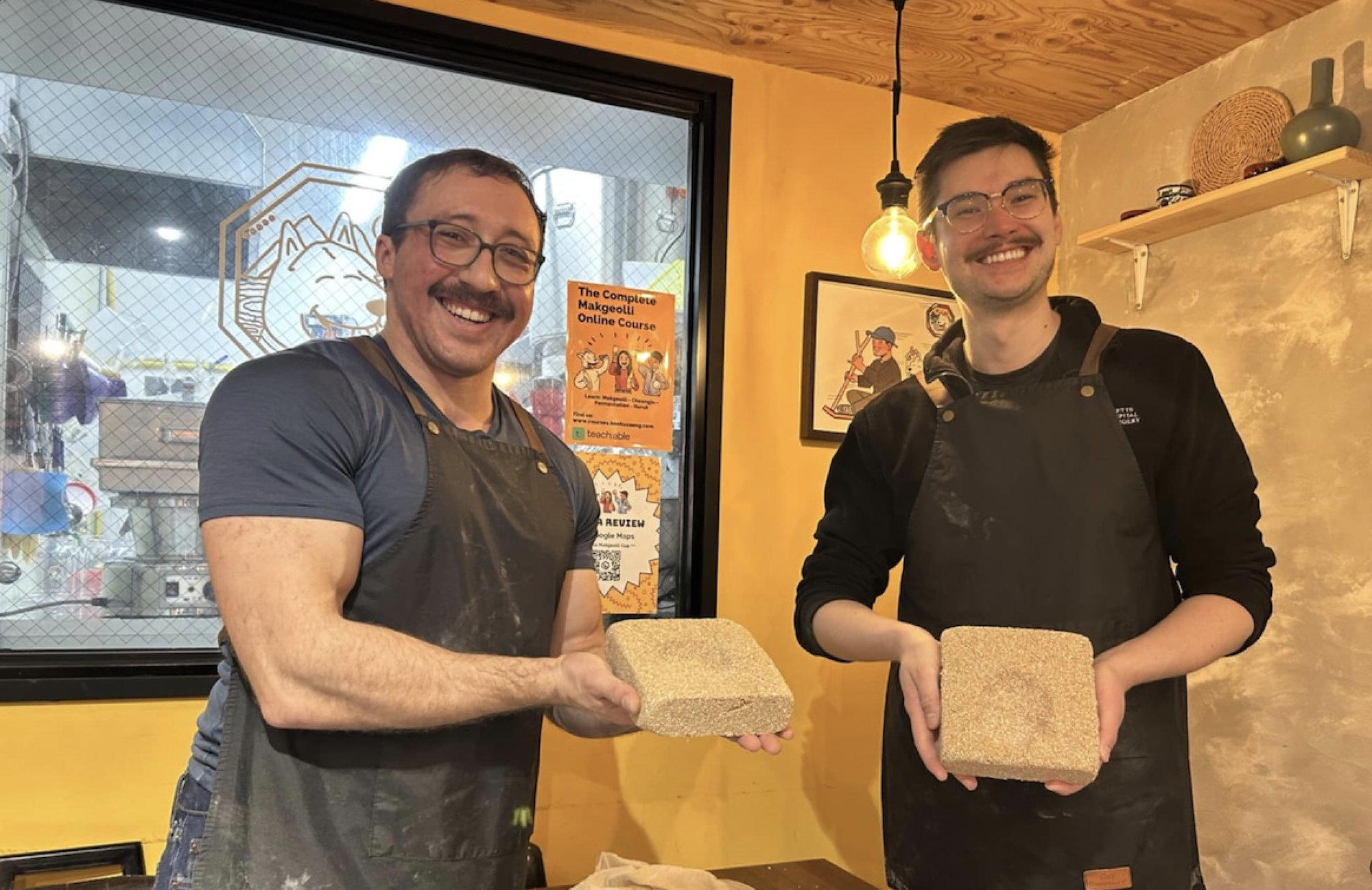
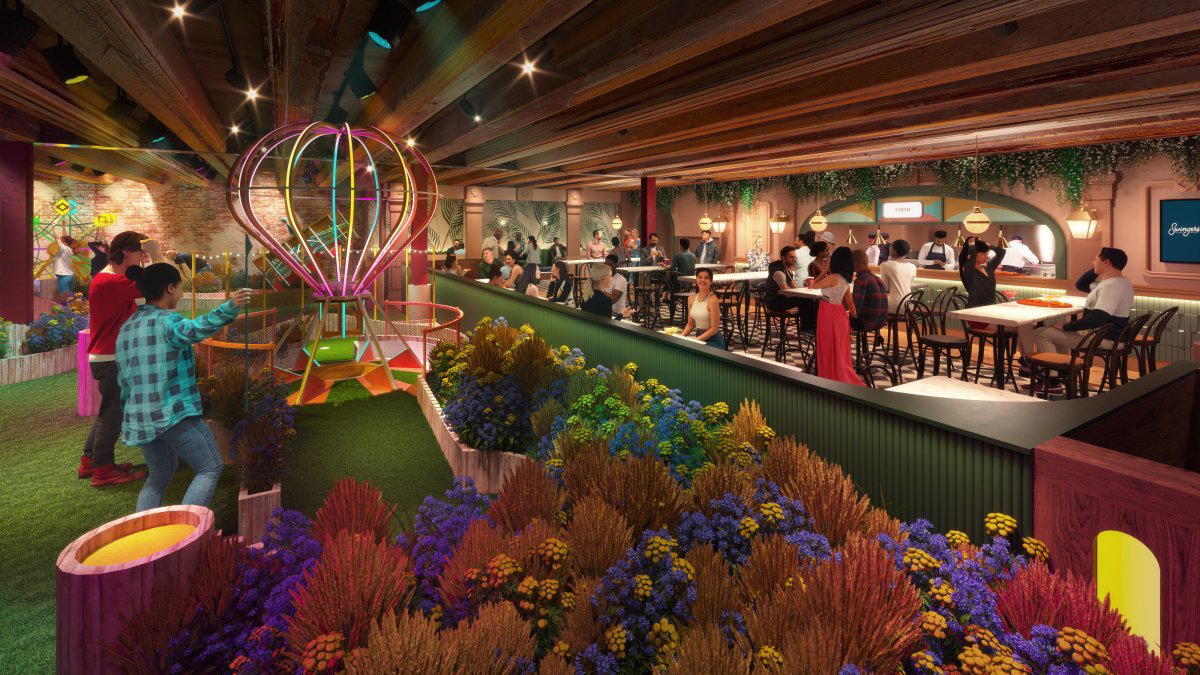
Hotels in Quincy
Browse all →
Wineries in Quincy
Browse all →
Details
- Modern
- Cozy
- Trendy
- Casual Hangout
- Brunch
- A La Carte
Current opening hours
- Monday
- Closed
- Tuesday
- Closed
- Wednesday
- 8 AM–4 PM
- Thursday
- 8 AM–4 PM
- Friday
- 8 AM–4 PM
- Saturday
- 9 AM–4 PM
- Sunday
- 9 AM–4 PM
Hours can change for holidays and private events. Last verified .
Casual counter-service spot with a welcoming, modern atmosphere evoking traditional Cantonese comfort.