Fuji at WoC
Our verdict
Fuji at WoC occupies a spot on Hancock Street in Quincy, MA, where Japanese culinary tradition meets a South Shore dining scene that has grown steadily more ambitious. The address places it within reach of a neighbourhood working through a real restaurant moment, with nearby options from Lê Madeline to Pearl & Lime filling out a increasingly varied local table.

Pearl is the En Primeur Club membership app — saves, bookings, and concierge access live there. Same editors, same standards.
- Address
- 1420 Hancock St, Quincy, MA 02169
- Phone
- (617) 770-1546
- Hours
- Mon–Thu 11 AM–10 PMFri–Sat 11 AM–11 PMSun 11 AM–10 PM
- Website
- fujiatwoc.com
- Directions
- Get directions
- Booking
- Book on OpenTable
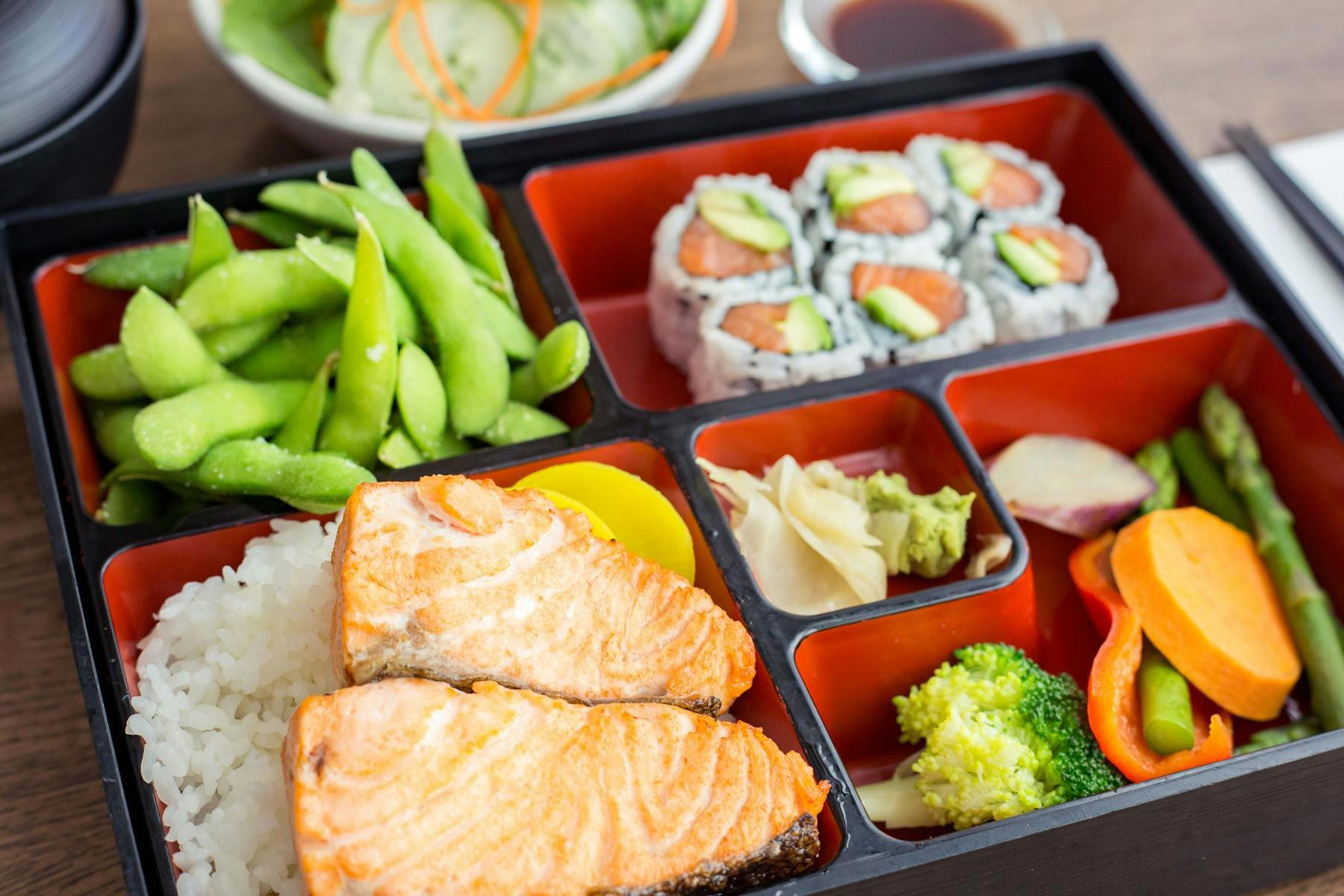
The menu
What to order
- 24 karat roll
- Scallop Roll with Gold
- Spicy Tuna
Hancock Street and the Quincy Dining Shift
Quincy's restaurant corridor along Hancock Street has changed shape over the past several years. What was once a stretch defined almost entirely by fast-casual Korean and Chinese options serving the city's established Asian-American communities has opened up, with newer operators bringing formats that sit somewhere between neighbourhood staple and destination dining. Fuji at WoC, at 1420 Hancock St, lands inside that transition. The address alone situates it within a block that now draws diners from across the South Shore rather than just from the surrounding ZIP code.
The broader pattern here mirrors what has happened in other mid-sized American cities within commuting distance of a major culinary hub: Boston's dining density has pushed outward, and operators who might once have opened in Cambridge or Somerville are now finding that Quincy offers lower overhead and a local audience with rising expectations. For context on how that pattern plays out across the city's full table, our full Quincy restaurants guide maps the scene in detail.
Where the Ingredients Start
In Japanese restaurant culture, the sourcing of raw material is not a marketing decision — it is the structural foundation of quality. Whether the format is kaiseki, izakaya, or something looser, the credibility of a Japanese kitchen in America depends on how seriously it engages with the provenance of its fish, rice, and produce. At the tier of Japanese dining that has attracted the most sustained critical attention — restaurants like Atomix in New York City, which bridges Korean and Japanese traditions, or the hyper-seasonal sourcing logic at Single Thread Farm in Healdsburg, ingredient origin is the story behind every plate.
That standard does not require Michelin stars to apply. In cities like Quincy, the question for any Japanese operation is whether the kitchen is engaging seriously with what is available locally and what requires import, and whether those decisions are legible in what arrives at the table. New England's seafood supply chain is, objectively, one of the strongest in the country. A Japanese kitchen on the South Shore has access to shellfish, groundfish, and cold-water species that would require significant logistics to source in landlocked markets. The degree to which a Quincy-based Japanese restaurant takes advantage of that proximity is a meaningful signal of its ambitions.
Comparable sourcing commitments, when applied rigorously, produce the kind of seasonal specificity that defines the approach at places like Blue Hill at Stone Barns in Tarrytown or Smyth in Chicago, where the menu is effectively a document of what the supply chain delivered that week. Those are extreme examples from a different price tier, but the underlying logic, that the kitchen's sourcing choices communicate its values, applies at every level of the market.
Fuji at WoC does not operate in isolation. The Hancock Street corridor includes a range of operators that together define what Quincy currently offers to a visitor building a day around eating well. MOTW Coffee & Pastries, with its flavored lattes, pastries, and halal savory empanadas, anchors the daytime end of that range. Rubato and Sunset Pier extend the evening options in different directions. Together, these addresses suggest a city that is assembling a genuine dining identity rather than simply filling commercial space.
In that context, a Japanese restaurant at Fuji at WoC's address carries some positioning weight. Japanese cuisine in the American mid-market has split into two broad camps: high-volume sushi operations running on commodity fish and fixed menus, and more considered formats that use Japanese technique as a lens for local and seasonal produce. The latter approach, represented at its far end by the ingredient-first philosophy of Providence in Los Angeles or the precision sourcing at Le Bernardin in New York City, has filtered down into neighborhood-scale restaurants across the country over the past decade. What that means in practice for Fuji at WoC requires a visit to verify.
Getting There and Planning Your Visit
1420 Hancock Street is accessible by the MBTA Red Line, with Quincy Center station approximately a short walk from the address, a logistics point worth noting for visitors arriving from Boston without a car. The South Shore Regional Rail connection also puts the street within reach of a broader commuter radius. For those driving, Quincy's parking structure near Hancock Street provides a practical option that central Boston cannot match.
Given that several of the restaurants in this corridor have limited seating and variable hours, confirming details directly with Fuji at WoC before arrival is advisable. The Quincy dining scene rewards a half-day approach: breakfast or coffee at MOTW Coffee & Pastries, a midday stop at Pearl & Lime, and an evening meal at Fuji at WoC represents a reasonable arc through what the area currently offers.
For reference, the sourcing-forward dining formats that Quincy's better restaurants are beginning to approximate are well-documented at the national level. The French Laundry in Napa, Addison in San Diego, Emeril's in New Orleans, Lazy Bear in San Francisco, The Inn at Little Washington in Washington, and Atelier Moessmer Norbert Niederkofler in Brunico each represent a version of that discipline applied at a high level of investment and recognition. The gap between those addresses and a neighbourhood Japanese restaurant in Quincy is obviously significant, but the standards they represent, seasonal sourcing, regional provenance, technique in service of ingredient rather than spectacle, are the same ones that determine quality at every tier.
Frequently asked questions
Can I bring kids to Fuji at WoC?
Nothing in the available record for Fuji at WoC at 1420 Hancock St indicates an adults-only policy. That said, Japanese counter-style dining rooms often run quieter than casual family restaurants, so the format matters more than any explicit rule. Calling ahead is the practical move for groups with young children.
What's the vibe at Fuji at WoC?
Fuji at WoC sits on the Hancock Street corridor in Quincy, a stretch that has shifted away from fast-casual toward more considered dining over recent years. The address at 1420 Hancock St places it within a walkable cluster of operators that together set the tone for what Quincy currently offers at the table. Expect a room pitched at regulars and intentional diners rather than drop-in crowds.
Is Fuji at WoC a good option for Japanese food near Quincy Center station?
Fuji at WoC at 1420 Hancock St is one of the closer Japanese dining options to Quincy Center station on the MBTA Red Line, making it a practical stop for commuters or visitors arriving from Boston without a car. The Hancock Street address puts it within the corridor that has defined Quincy's restaurant evolution over the past several years. For anyone researching Japanese cuisine in Quincy specifically, this is the address worth cross-referencing against current reviews.
What do people recommend at Fuji at WoC?
In Japanese restaurant culture broadly, the kitchen's sourcing decisions shape the menu more than any fixed signature item — what arrives depends heavily on what the kitchen has committed to that week. Checking recent diner reviews or contacting the restaurant directly at 1420 Hancock St, Quincy will give the most current picture.
Where do I go for Fuji at WoC?
Fuji at WoC is located at 1420 Hancock St, Quincy, MA 02169, Quincy.
Can I walk in to Fuji at WoC?
The Hancock Street corridor in Quincy has grown more competitive as the dining scene has developed, and smaller Japanese operations in the area tend to fill on evenings without much buffer. Arriving early or confirming ahead is the more reliable approach.
Fast Comparison
Comparable venues nearby, for context on price, style, and recognition.
| Venue | Cuisine | Price | Awards | Notes |
|---|---|---|---|---|
| Fuji at WoCThis venue — the venue you are viewing | Modern Japanese Sushi & Omakase | $30–50 | Not listed | Not listed |
| Sunset Pier | West Coast Mexican Small Plates | $30–50 | Not listed | Marina Bay |
| Pearl & Lime | Modern Mexican Taqueria | $30–50 | Not listed | Quincy Center |
| Rubato | Modern Hong Kong Café | $10–20 | Not listed | North Quincy |
| Lê Madeline | Modern Vietnamese Gastropub | $20–30 | James Beard Award Semi Finalist | North Quincy |
Continue exploring
More in Quincy
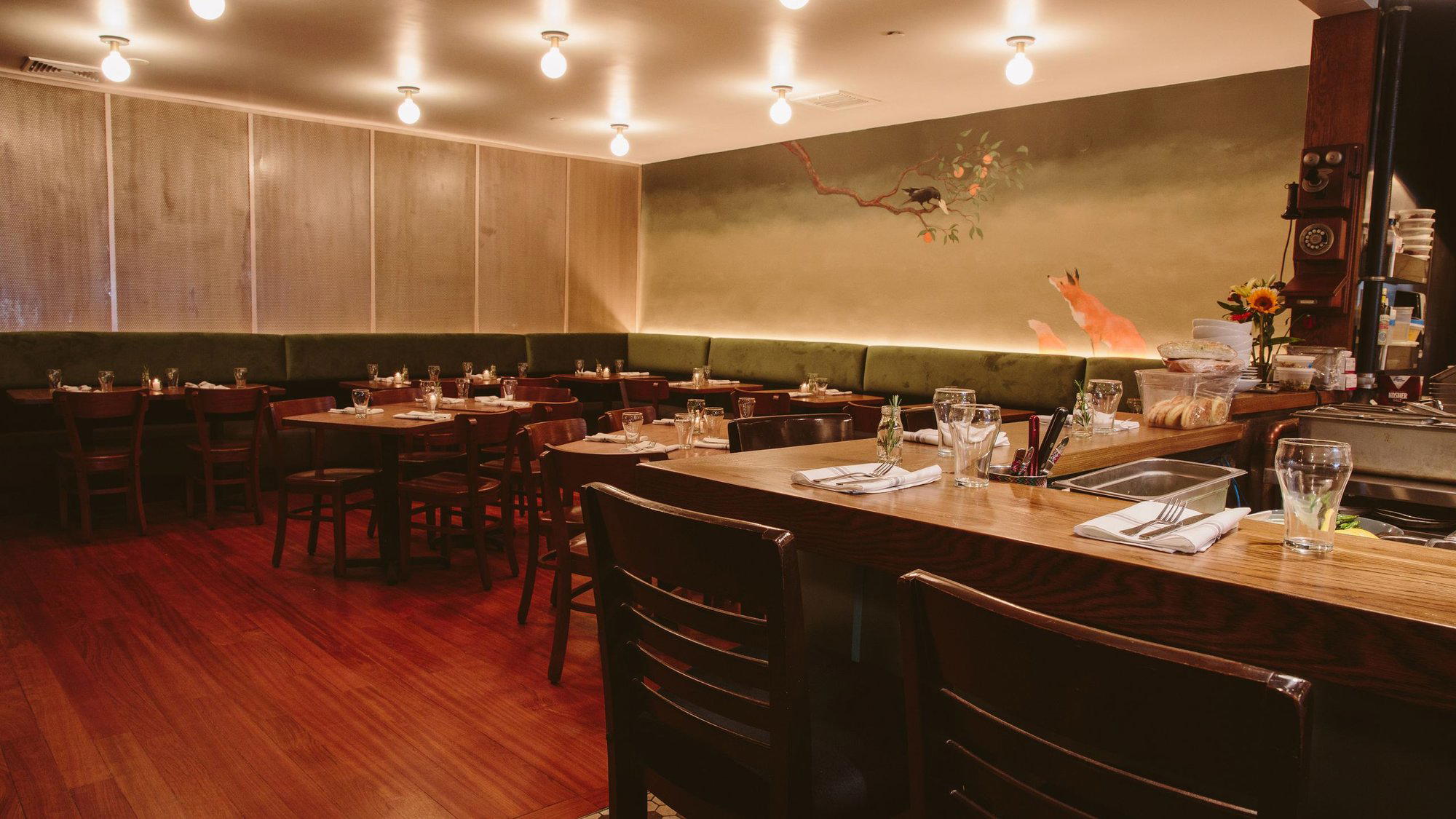
Restaurants in Quincy
Browse all →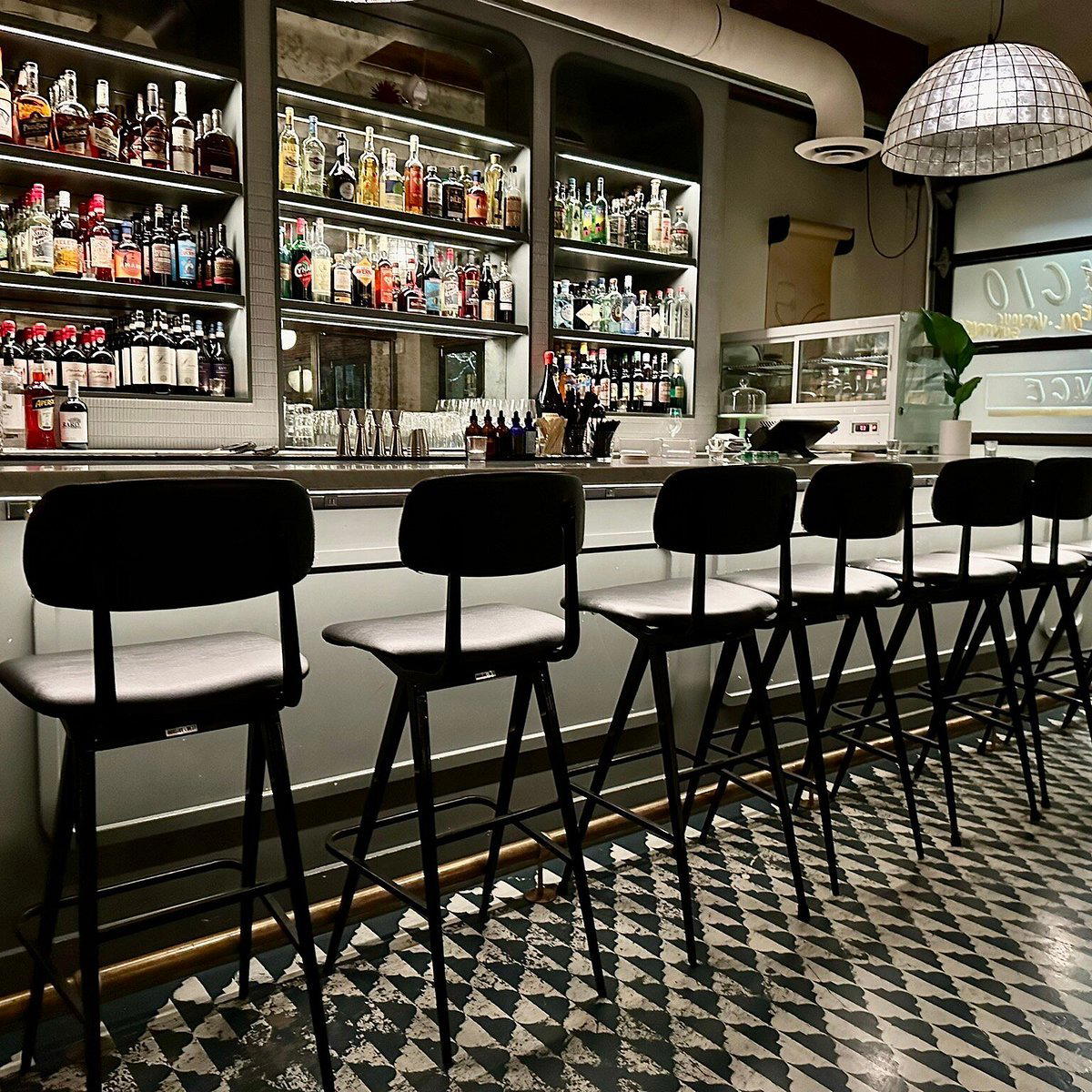
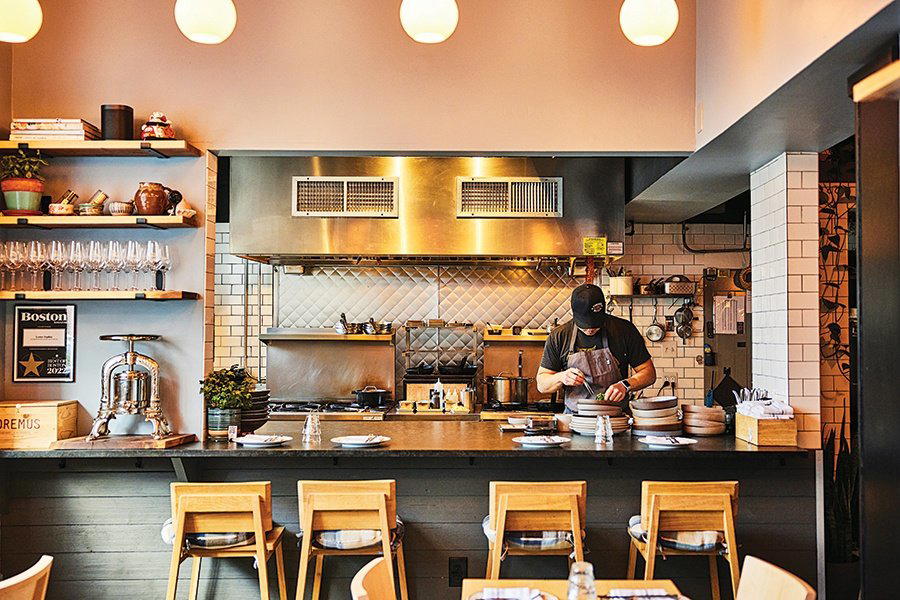
Bars in Quincy
Browse all →
Hotels in Quincy
Browse all →

Wineries in Quincy
Browse all →

Details
- Modern
- Trendy
- Casual Hangout
- Group Dining
- Date Night
- Special Occasion
- Chefs Counter
- Open Kitchen
- Private Dining
- Craft Cocktails
- Sake Program
- A La Carte
- Omakase
- Counter Dining
- Craft Cocktails
- Japanese Whisky
- Vegetarian Friendly
Current opening hours
- Monday
- 11 AM–10 PM
- Tuesday
- 11 AM–10 PM
- Wednesday
- 11 AM–10 PM
- Thursday
- 11 AM–10 PM
- Friday
- 11 AM–11 PM
- Saturday
- 11 AM–11 PM
- Sunday
- 11 AM–10 PM
Hours can change for holidays and private events. Last verified .
Chic, modern setting with clean, contemporary design; bar-side seating offers interactive views of sushi preparation with clear food prep guards.