Four Seasons Hotel One Dalton Street, Boston



.png?width=120&quality=80)


1 Michelin Key · Michelin Guide New Hotels New Hotel · La Liste Top Hotels
Four Seasons Hotel One Dalton Street, Boston occupies a 61-story Henry Cobb skyscraper in Back Bay, making it the tallest hotel in New England. Awarded Michelin 2 Keys (2024) and ranked 95.5 points on La Liste's Top Hotels 2026 list, the property's 215 rooms start from $800 per night. It is Boston's second Four Seasons, and the more contemporary of the two.

Pearl is the En Primeur Club membership app, where members save venues, book tables and use the concierge.
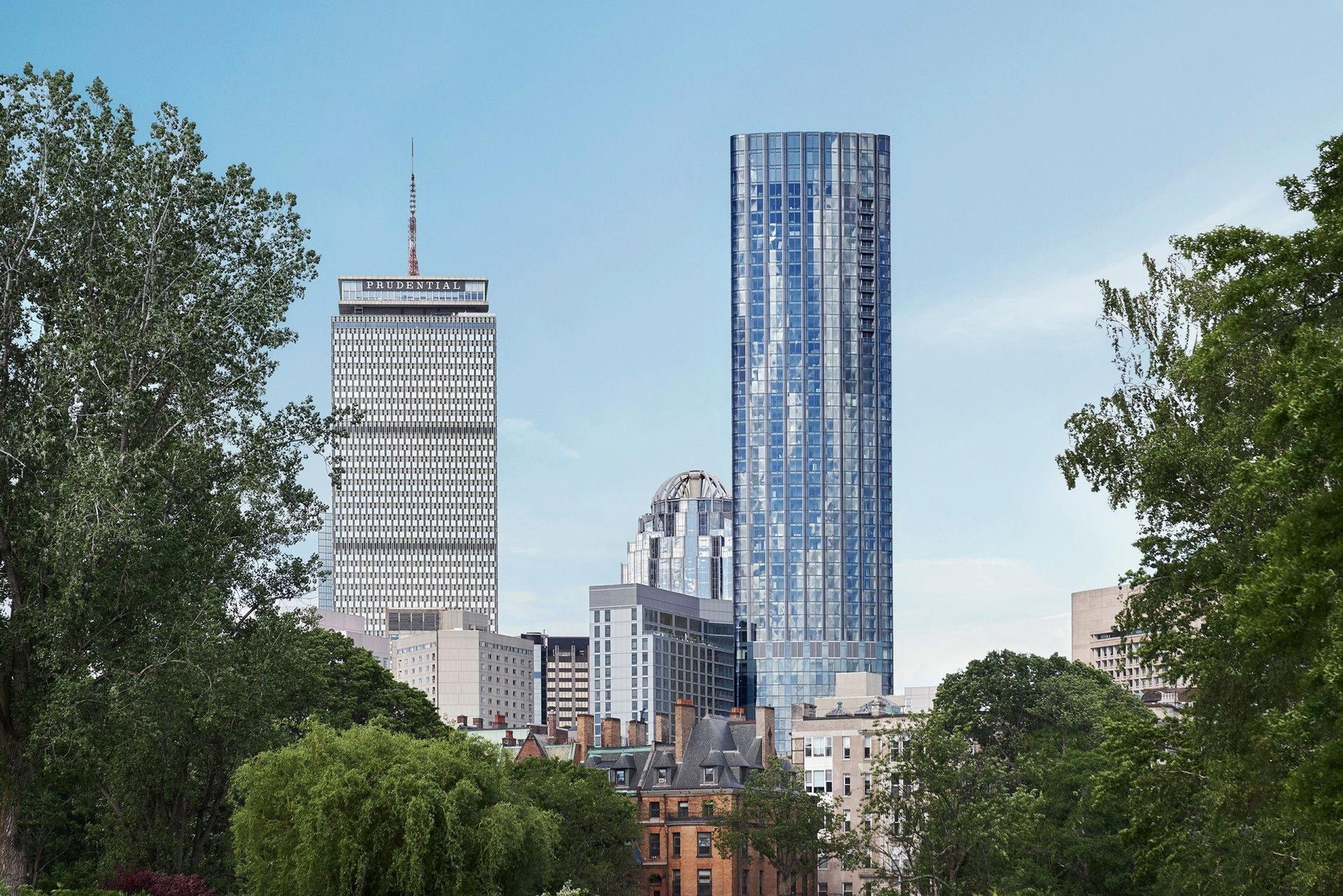
A Different Kind of Height in a Low-Rise City
Boston is, by American urban standards, a low-rise city. Its preserved colonial streetscapes and height restrictions have kept the skyline modest for decades, which makes the 61-story tower at 1 Dalton Street all the more arresting. Designed by Henry Cobb of Pei Cobb Freed & Partners, the firm behind the John Hancock Tower, and completed in 2019 in collaboration with Gary Johnson of CambridgeSeven Associates, the building's rounded triangular profile is one of the more considered pieces of contemporary architecture in the city. Arriving here feels architecturally deliberate in a way that many luxury hotel towers do not.
The Four Seasons brand now operates two properties in Boston, a distinction shared by very few American cities. Where the original Four Seasons Hotel Boston anchors the Public Garden with classical gravitas, One Dalton is contemporary to its core, a structural and aesthetic counterpoint that gives the brand a different foothold in the city's luxury hotel market. Boston's premium accommodation tier also includes Raffles Boston, The Langham Boston, and Mandarin Oriental Boston, but One Dalton occupies a specific position: it is the only property in the market housed in a purpose-built residential supertall, with private residences on floors 26 through 61 sharing the structure with the hotel below.
Art as Architecture, Not Decoration
In many luxury hotels, art programming functions as wallpaper, curated to fill space without demanding attention. At One Dalton, the approach is more considered. Works were selected by art consultants Kate Chertavian and Lucy Rosenburgh, and the results carry genuine specificity. The most discussed piece is a mosaic by Boston artist Duke Riley above the reception desk, titled They Say on a Really Hot Day, a reference to the city's 1919 Great Molasses Flood, an event in which a storage tank collapsed in the North End, sending a wave of molasses through the streets at an estimated 35 miles per hour. Anchoring the arrival experience in a local historical incident rather than in generic luxury abstraction is an editorial decision that says something about the property's intent.
Properties that treat local cultural identity as more than a lobby accent tend to sit differently in their cities over time. Compare this approach to the more internationally generic design programs at comparable hotels, and the distinction becomes clear. For readers interested in design-led properties that connect to place, Troutbeck in Amenia and Post Ranch Inn in Big Sur represent the same instinct at different scales and price points.
The Wellness Floor and What It Signals
Luxury hotels have, over the past decade, moved wellness from a secondary amenity to a primary selling point. The Wellness Floor at One Dalton, occupying the entire seventh level, is a deliberate statement in that direction. The 64-foot curved indoor pool is the headline feature, and its architecture alone separates it from the standard lap pool that most urban luxury hotels drop into a basement. A 2,100-square-foot fitness center with floor-to-ceiling windows reinforces the same logic: the building's height is converted directly into amenity value. Spa treatments are also available on the floor, though specific treatment menus are not published here.
For comparison, properties that have made wellness infrastructure central to their identity at a resort scale include Canyon Ranch Tucson and Amangiri in Canyon Point. Within the urban luxury hotel tier, One Dalton's dedicated wellness floor is a differentiating feature rather than a standard offering.
Zuma and the F&B Calculus
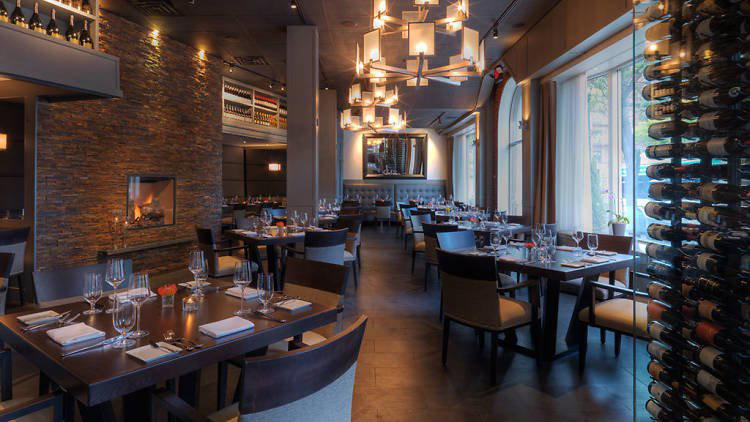
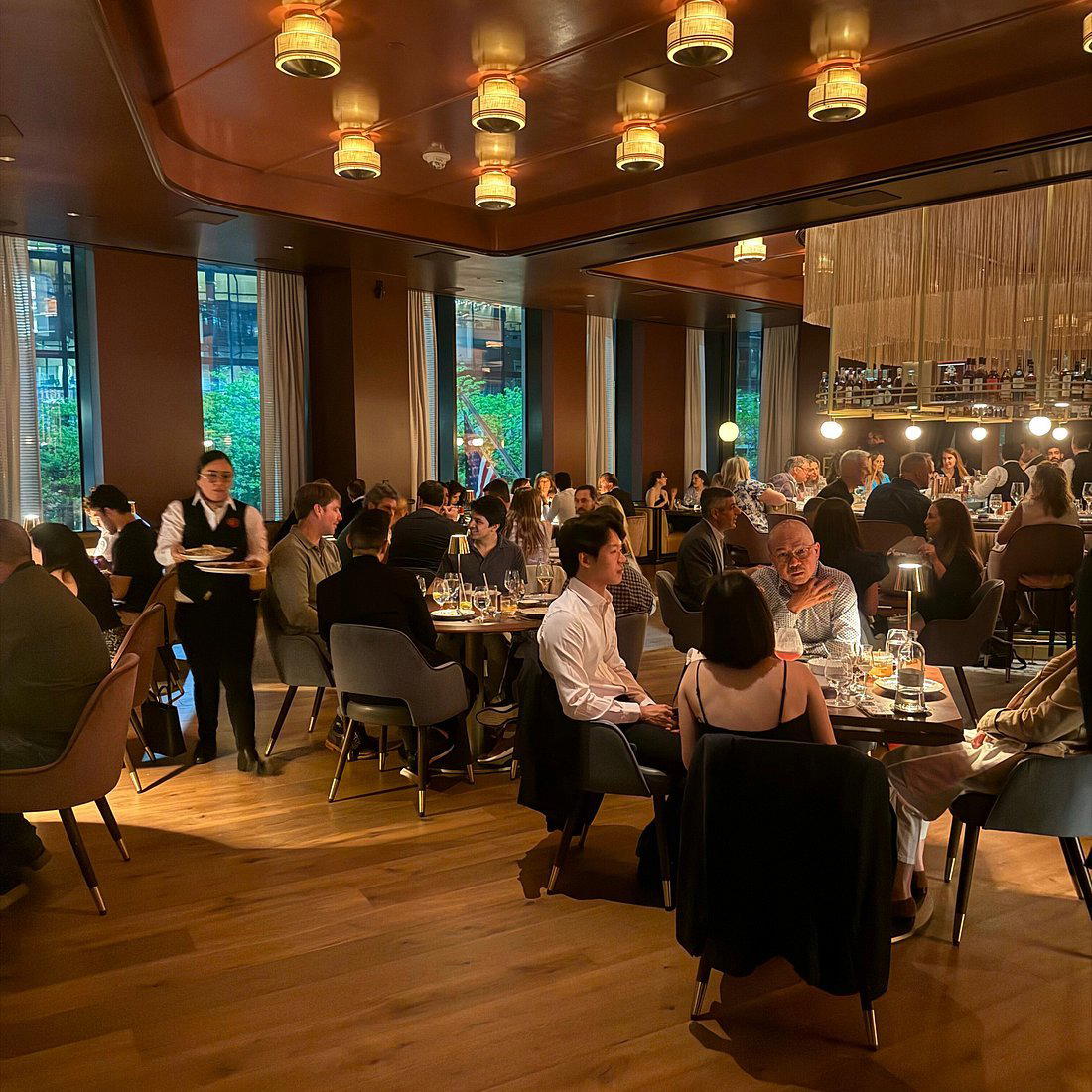
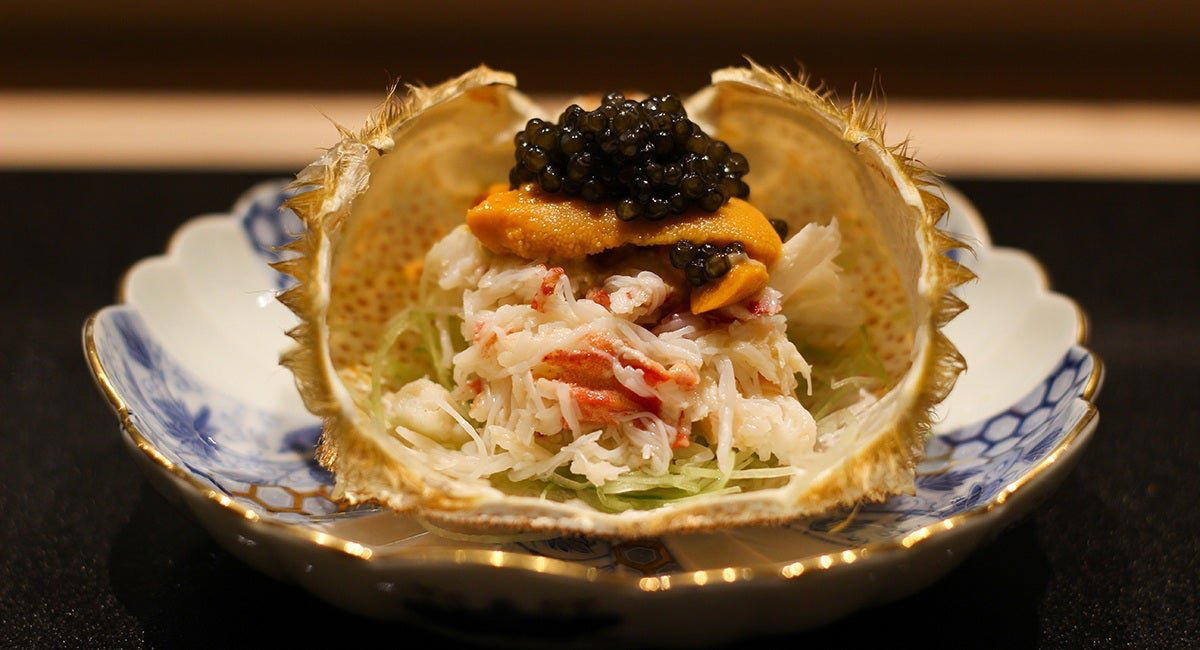
Hotel restaurant programming in the luxury tier tends toward one of two models: an in-house concept developed around a named chef, or the importation of an established brand. One Dalton chose the latter, securing Zuma, the izakaya-inspired Japanese restaurant with locations in London, Dubai, Miami, and other major markets, as its anchor food and beverage tenant. The Boston location was Zuma's first Massachusetts outpost. The calculus here is direct: a globally recognized restaurant brand brings its own audience and reduces the hotel's dependence on in-house guests for F&B revenue. For guests, it means access to a proven program without the uncertainty of a new concept. For the hotel's positioning, it signals alignment with an international luxury clientele rather than a locally-oriented one.
Boston's restaurant scene has enough depth that a well-traveled guest has plenty of options beyond the hotel. Our full Boston restaurants guide maps the broader dining picture across neighborhoods.
Location as Competitive Advantage
Back Bay is Boston's most commercially and culturally dense neighborhood, and 1 Dalton Street sits at its center. Copley Square, home to Trinity Church and the Boston Public Library, is walkable. The Museum of Fine Arts and the Isabella Stewart Gardner Museum are within reasonable distance. Newbury and Boylston Streets, Boston's primary luxury retail corridors, are essentially adjacent. Fenway Park is accessible without a car. For a city where neighborhoods are distinct and distances are short, this address compresses a significant amount of the city's cultural and commercial geography into a single walkable radius.
Comparable urban-center positioning in other American cities belongs to properties like The Fifth Avenue Hotel in New York City and Hotel Bel-Air in Los Angeles, though Boston's compact geography makes the case for central positioning more strongly than either of those markets. Guests at One Dalton are also well-placed for day trips: Cape Cod, the Berkshires, and the Rhode Island coast are all within two hours by car.
Within Boston's hotel market, properties further from this core, such as Battery Wharf Hotel Boston Waterfront, trade neighborhood centrality for waterfront character. Beacon Hill-adjacent options like Beacon Hill Hotel and The Whitney Hotel Boston offer a quieter residential feel. The Newbury Boston sits directly on the eponymous street. Each has a different relationship to the city's geography; One Dalton's relationship to Back Bay is the most logistically comprehensive.
Credentials and Critical Position
One Dalton holds Michelin 2 Keys (2024), a designation from Michelin's hotel selection program that signals quality of stay rather than dining. La Liste's Leading Hotels ranking for 2026 places the property at 95.5 points, a score that positions it in the upper tier of North American urban luxury hotels. These are the two most internationally legible signals of quality in the current hotel awards ecosystem. The property opened in May 2019, meaning its award trajectory reflects roughly five years of operation and consistent performance rather than an opening honeymoon effect.
Within the Four Seasons portfolio, comparisons naturally arise with properties like Four Seasons at The Surf Club in Surfside, another brand property housed in an architecturally significant building. Across the broader luxury spectrum, design-driven urban properties like Aman New York and landmark international comparators like Badrutt's Palace Hotel in St. Moritz or Aman Venice occupy a similar conversation about what a contemporary luxury hotel should be in a historically rich city. SingleThread Farm Inn in Healdsburg and 1 Hotel San Francisco represent contrasting approaches to luxury hospitality philosophy that may appeal to readers cross-shopping.
Planning Your Stay
The 215 rooms and suites occupy floors eight through 21, all with floor-to-ceiling windows and marble bathrooms. Room rates begin at $800 per night, placing the property firmly in the upper bracket of Boston's luxury hotel market. The building's residential floors, 26 through 61, are private Four Seasons residences with their own dedicated elevator, so the hotel floors represent a contained, quieter portion of the tower. Soundproofing between floors is a deliberate design feature, and bedside tablets handle room service and reservations. The pool and fitness center are accessible to all hotel guests, and families with children can use the pool during family hours with provided pool toys. Given the property's award profile and the tightness of Back Bay's premium hotel supply at peak periods (particularly during fall foliage season and major university events in September), reservations well in advance of travel are advisable. Kona Village, A Rosewood Resort and Little Palm Island Resort & Spa represent resort alternatives for travelers whose priorities extend beyond the urban context that One Dalton serves. Sage Lodge in Pray and Auberge du Soleil in Napa occupy entirely different environmental contexts but draw from the same premium traveler pool.
Frequently Asked Questions
- What's the leading room type at Four Seasons Hotel One Dalton Street, Boston? The Back Bay Corner Suite at 900 square feet offers two full walls of windows, a standalone soaking tub, and views across the Back Bay neighborhood. Given the property's Michelin 2 Keys (2024) recognition and rates from $800, the Corner Suite represents the clearest expression of what the building's height and architecture can deliver. Standard rooms on the upper hotel floors (floors 15–21) will also capture meaningful skyline views.
- What's the defining thing about Four Seasons Hotel One Dalton Street, Boston? The building itself. As Boston's tallest hotel, in a city that rarely builds tall, One Dalton converts architectural scale into a usable amenity: floor-to-ceiling windows in every room, a curved indoor pool with city views, and a fitness center that would be unremarkable at ground level but becomes something else entirely at height. The La Liste 95.5-point score (2026) and Michelin 2 Keys (2024) confirm sustained quality, but the building is the primary differentiator.
- How hard is it to get in to Four Seasons Hotel One Dalton Street, Boston? Boston's luxury hotel supply is constrained relative to demand during peak periods: fall foliage (mid-October), university move-in weeks (early September), graduation season (May–June), and major convention dates at the BCEC. If travel dates fall in these windows and the rate from $800 is within budget, booking well ahead is the practical approach. Outside peak periods, Back Bay's hotel supply loosens and last-minute availability at premium properties is more common. Direct booking through the Four Seasons website is the standard channel for rate and room-type accuracy.
Price and Recognition
Comparable venues nearby, for context on price, style, and recognition.
| Venue | Cuisine | Price | Awards | Notes |
|---|---|---|---|---|
| Four Seasons Hotel One Dalton Street, BostonThis venue (the venue you are viewing) | Back Bay, Hotel | $750–1,000 | 1 Michelin Key · Michelin Guide New Hotels New Hotel | Not listed |
| Boston Harbor Hotel | Not listed | Not listed | Michelin Selected · La Liste Top Hotels | Waterfront, Luxurious waterfront urban resort |
| The Whitney Hotel Boston | Not listed | Not listed | 1 Michelin Key · Mr & Mrs Smith Seal of Approval | Beacon Hill, Sophisticated boutique blending modern comfort with Boston heritage |
| Mandarin Oriental Boston | Not listed | Not listed | 1 Michelin Key · La Liste Top Hotels | Prudential, Luxury urban boutique blending New England elegance with Asian-inspired luxury |
| Four Seasons Hotel Boston | Not listed | Not listed | 1 Michelin Key · La Liste Top Hotels | Theatre District, Classic luxury urban hotel |
| Raffles Boston | Not listed | Not listed | 2 Michelin Keys · La Liste Top Hotels | Back Bay, Luxury skyscraper hotel with residential row house-inspired guestrooms and expansive public spaces. |
Recognition history
Dated appearances from independent guides and award organizations, with the underlying list record or original source where available.
Michelin 1 Key
Michelin
Michelin Guide New Hotels New Hotel
Michelin Guide New Hotels
La Liste Top Hotels
La Liste
Forbes 5-Star
Forbes
Virtuoso Luxury Hotel Partner
Virtuoso
Full recognition history (9 entries)
AAA 5 Diamond
AAA
Forbes 5-Star
Forbes
Michelin 1 Key
Michelin
Michelin 2 Keys
Michelin
Continue exploring
More in Boston
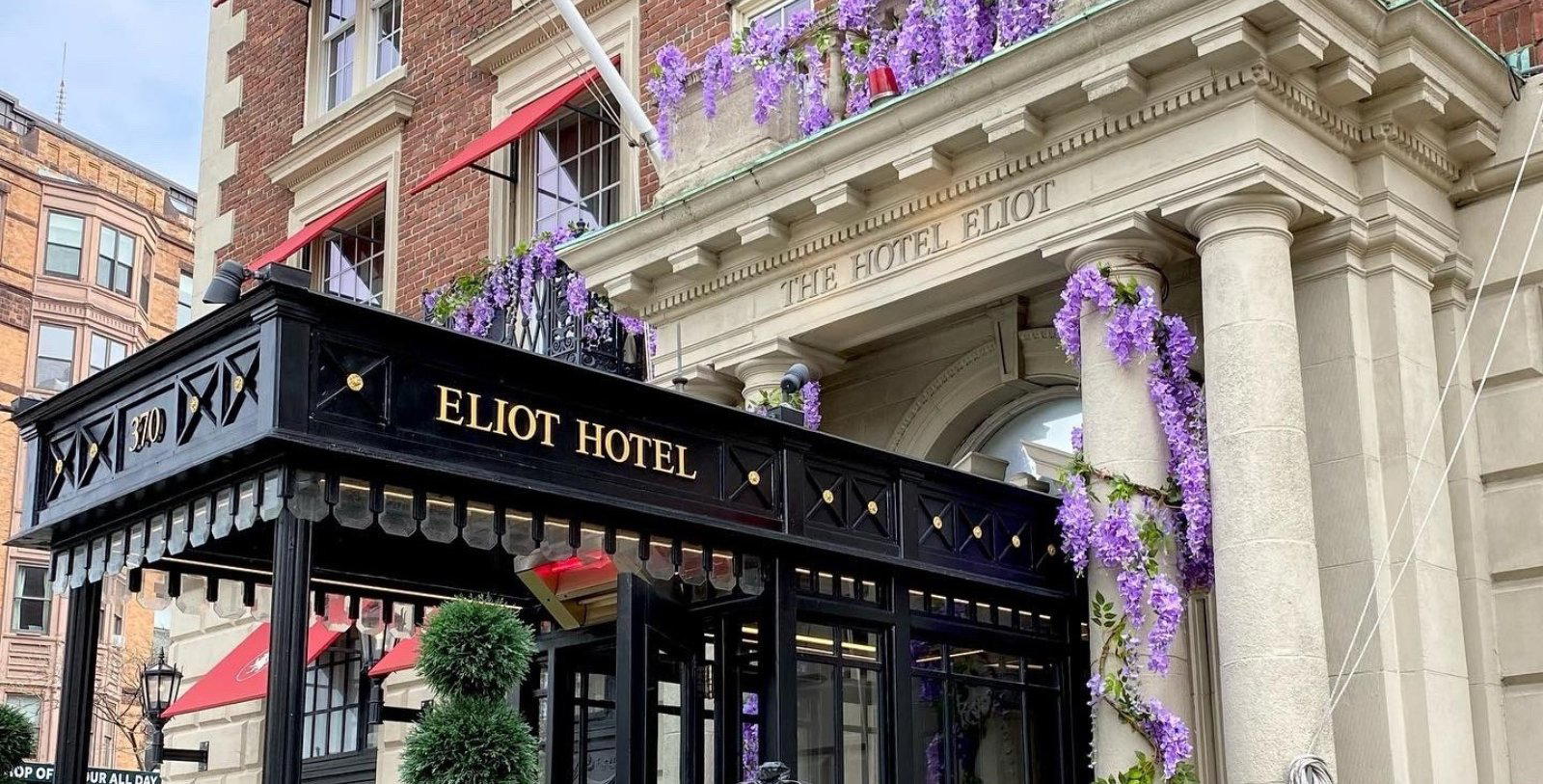
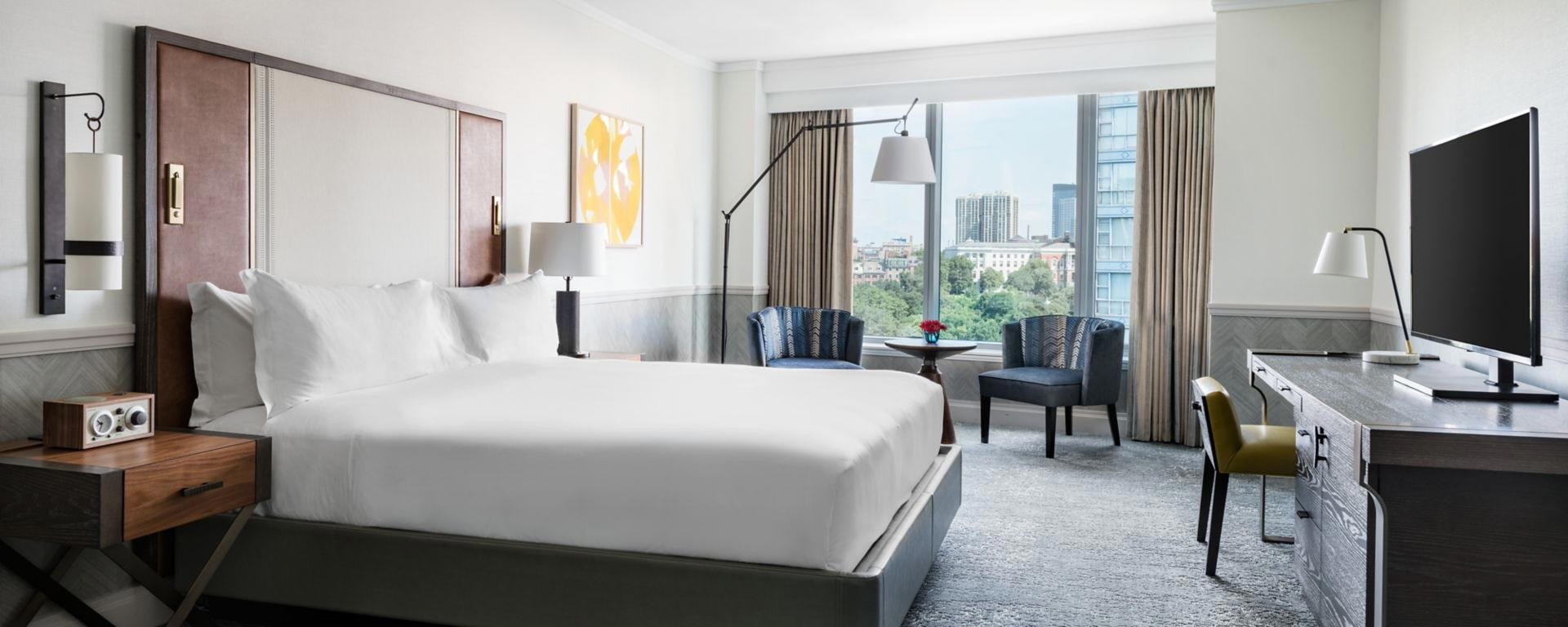
Hotels in Boston
All hotels in Boston →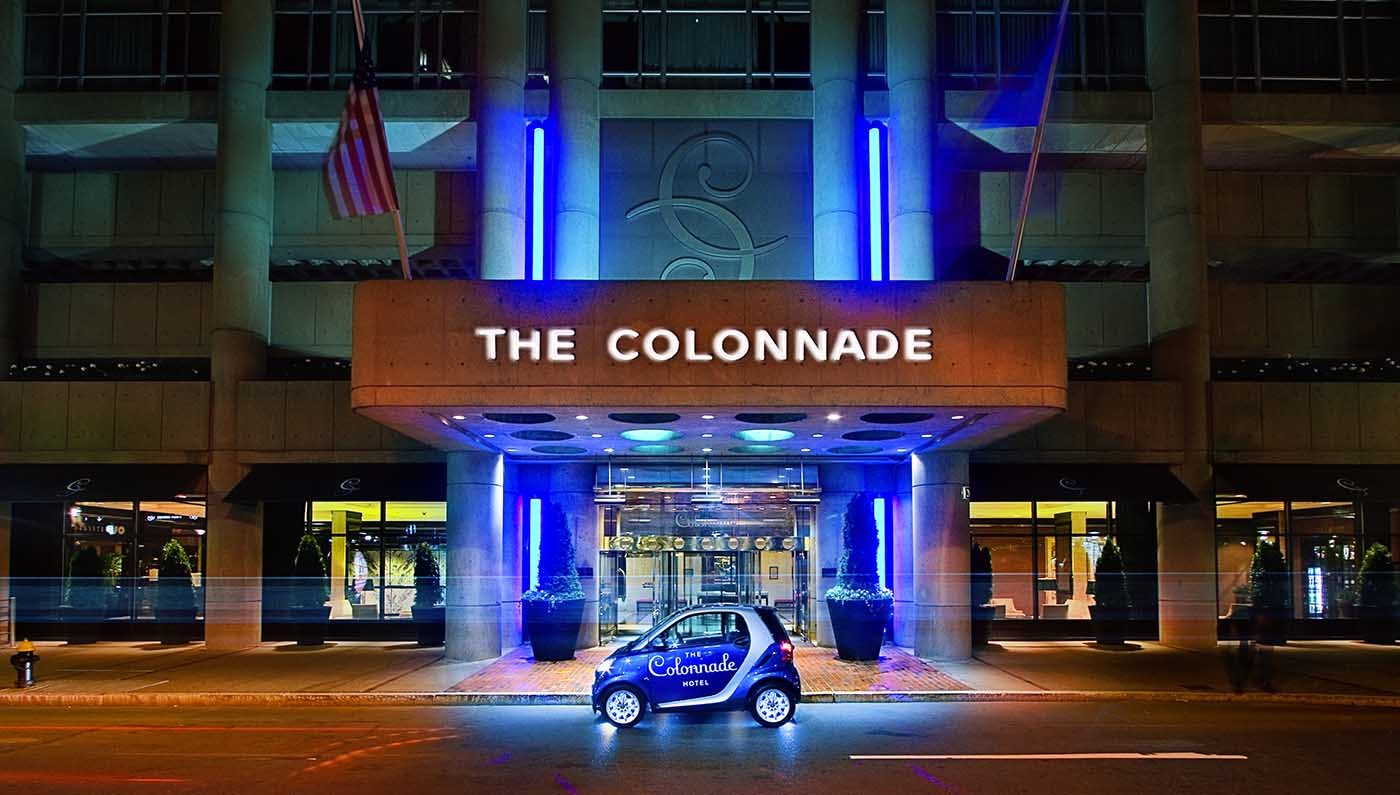
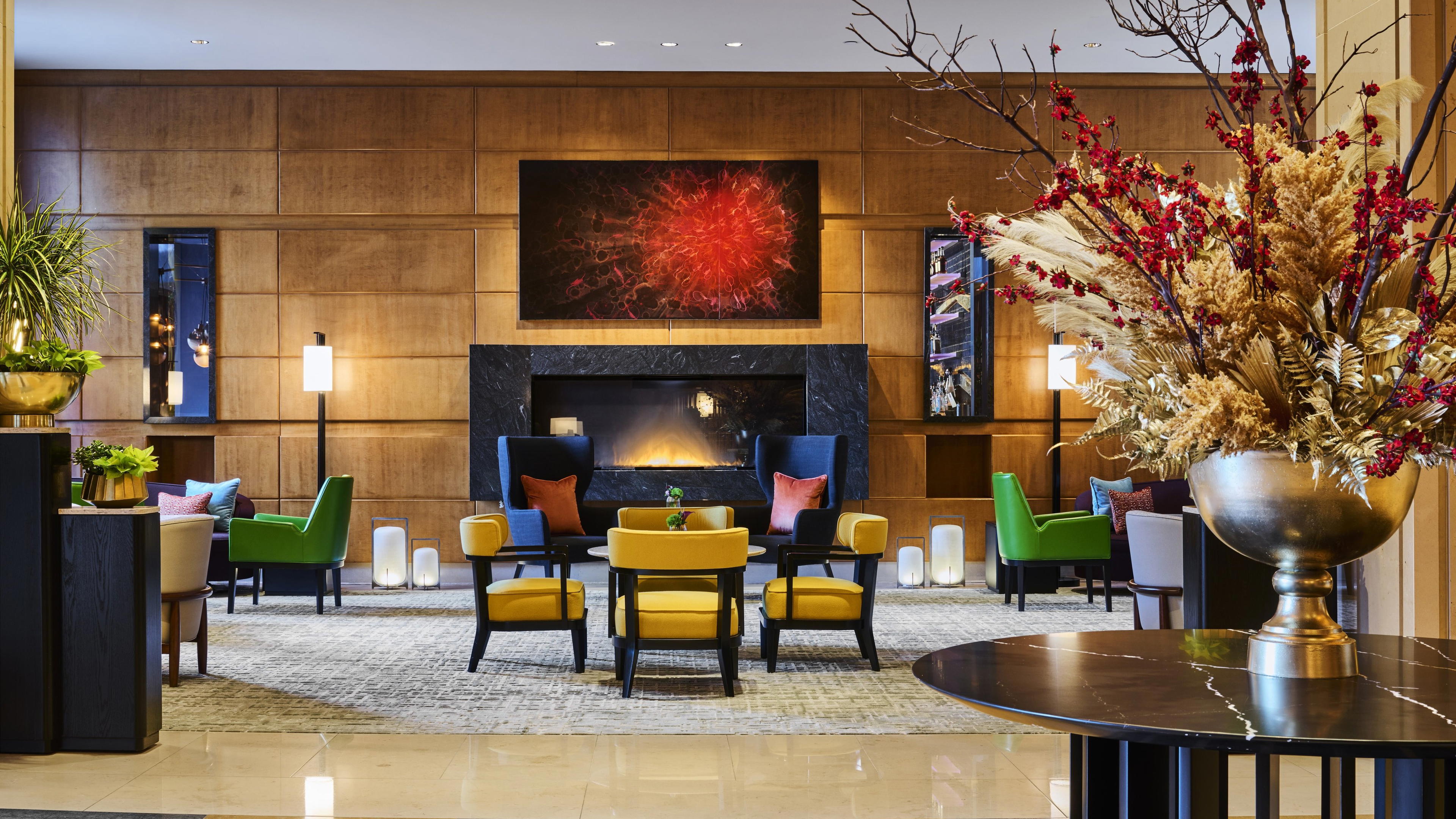
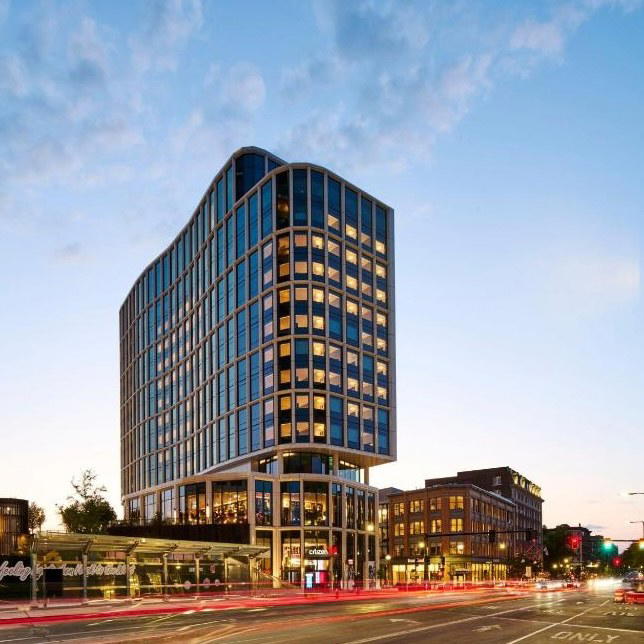
Bars in Boston
All bars in Boston →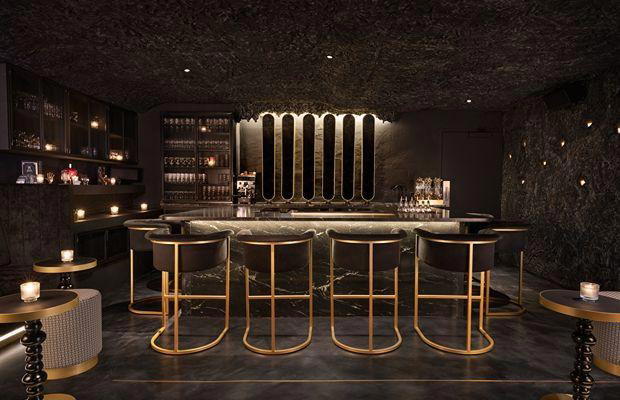
Restaurants in Boston
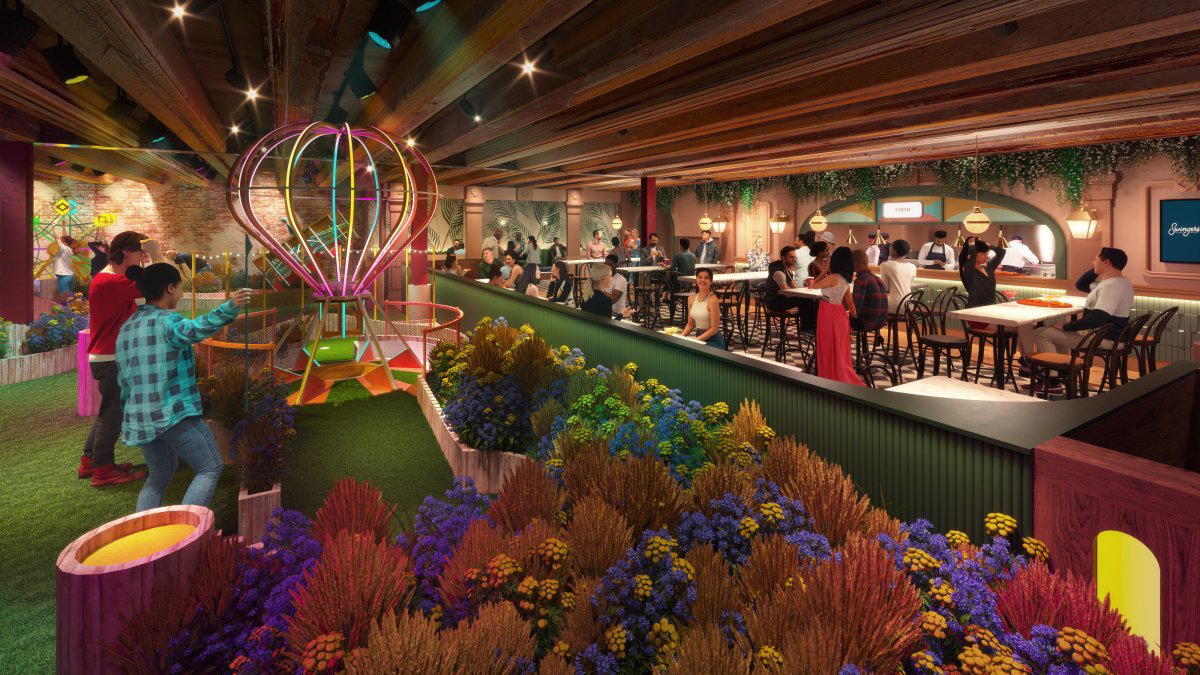
All restaurants in Boston →

Details
- Modern
- Elegant
- Sophisticated
- Well Known
- Business Trip
- Romantic Getaway
- Weekend Escape
- Celebration
- Family Vacation
- Panoramic View
- Design Destination
- Wi Fi
- Pool
- Spa
- Fitness Center
- Room Service
- Concierge
- Valet Parking
- Skyline
Modern, sleek, and upscale with a warm neutral palette; the atmosphere is described as contemporary, stylish, and intimate, with city-view drama from the tower setting.