
A small address on the Chaussée de Beaumont in Quévy, L'Atelier des Alchemistes takes the vegetable garden as its starting point rather than its garnish. The kitchen works with local produce and presents it without artifice, sitting at the opposite end of the spectrum from Belgium's high-concept tasting-menu circuit. For a neighbourhood that rarely attracts destination dining attention, it makes a quiet but clear argument for why it should.
Pearl is the En Primeur Club membership app — saves, bookings, and concierge access live there. Same editors, same standards.
- Address
- Chau. de Beaumont 56, 7041 Mons, Belgium
- Phone
- +32 472 42 07 83
- Website
- atelierdesalchimistes.be
- Directions
- Get directions
 Saves & bookings on Pearl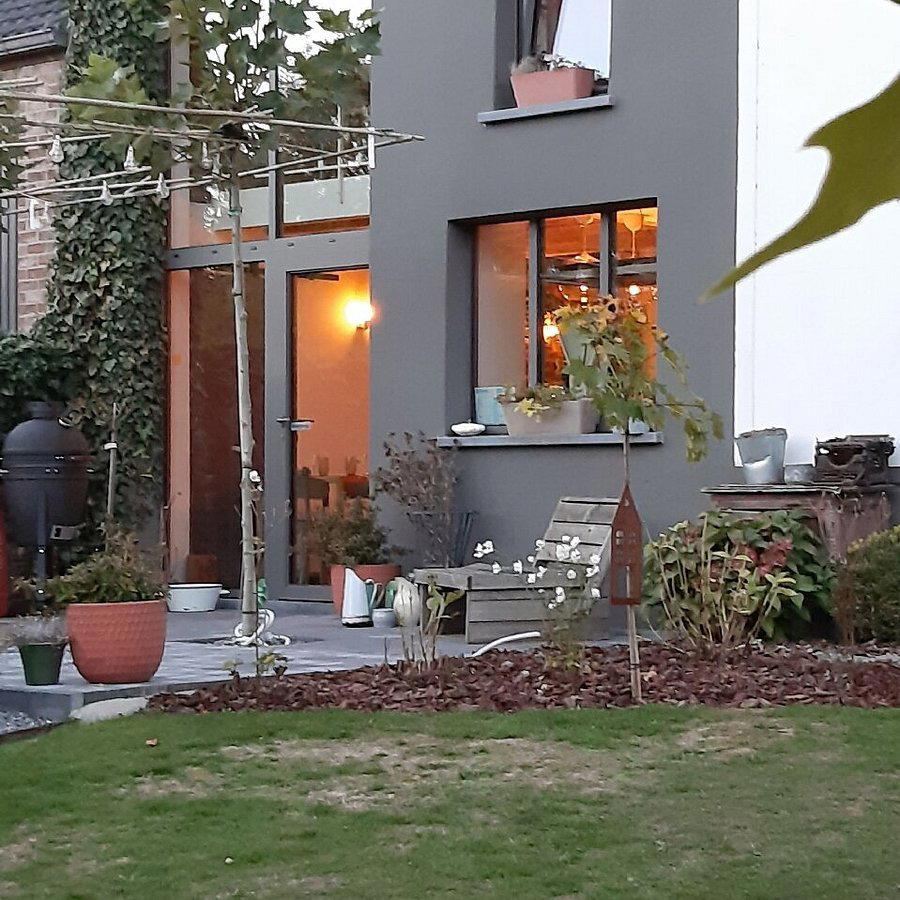
Where the Ingredient Is the Argument
The Hainaut province sits in the quieter register of Belgium's dining conversation. While the country's restaurant reputation runs through Ghent's vegetable-forward movement, Antwerp's harbour-facing ambition at places like Zilte, and the Flemish countryside addresses such as Hof van Cleve - Floris Van Der Veken in Kruishoutem, the area around Mons tends to occupy the margins of that map. L'Atelier des Alchemistes, at Chaussée de Beaumont 56 in Mons, does not try to correct that imbalance through ambition or spectacle. It does something more considered: it places what grows locally at the centre of the plate and steps back.
That posture, product first, technique in service rather than in charge, belongs to a recognisable European tradition. It is what drives small producers' tables across northern France and the quieter corners of the Low Countries: the conviction that a well-sourced carrot, a just-picked herb, or a properly raised piece of protein requires less intervention than more. In the context of a country where multi-course tasting menus at the Boury level in Roeselare or the creative rigour of De Jonkman in Sint-Kruis can make understatement feel like a political act, L'Atelier des Alchemistes reads as a deliberate counter-position.
The Garden as Kitchen Logic
The venue's own framing is clear: the vegetable garden is the starting point. What reaches the kitchen determines what appears on the plate, not the reverse. The sourcing precedes the menu design.
Menus built on garden and local supply shift with what is available, which means the control a diner might feel at a fixed tasting-menu address does not apply here in the same way. The seasonality is real rather than curated. What you find in late spring will bear little resemblance to what arrives in autumn, and that variability is a feature of the format rather than a limitation. For diners accustomed to restaurants like Castor in Beveren, where Modern European frameworks operate at a higher price point with more controlled consistency, this represents a different contract.
The approach also extends to guests who eat no meat. The menu is plant-forward but not exclusively so, meaning the kitchen accommodates rather than mandates a specific dietary framework. That flexibility, in a small address serving a local public, reflects a practical intelligence about what neighbourhood dining actually requires.
The Scale of the Place
Small addresses in provincial Belgium occupy a specific niche. The country has a long tradition of family-run dining rooms that serve a loyal local clientele rather than destination visitors, and L'Atelier des Alchemistes fits that template. The language around it, "this small place," "local produce to the local public", signals a neighbourhood bistro rather than a destination restaurant. Comparing it to the four-figure price tiers of Cuchara in Lommel or the institutional weight of Bozar Restaurant in Brussels would misread the register entirely.
That is actually the more interesting editorial point. The restaurant scene Belgium exports represents a fraction of how Belgians actually eat. The majority of dining in Hainaut, as in most of provincial Europe, happens in places where the producer-to-plate distance is short, the room is modest, and the value proposition is honest. L'Atelier des Alchemistes appears to operate in that register and to do so with a clear sense of what it is. The rhetorical question in its own framing, "Who wouldn't want such a restaurant in their neighbourhood?", is an accurate statement of what this format, done well, provides.
For those travelling through the region, addresses like d'Eugénie à Emilie in nearby Baudour and L'Eau Vive in Arbre represent the wider provincial dining map in this part of Wallonia. L'Atelier des Alchemistes sits within that network rather than above it, and reads well in that company.
Why Ingredient-Led Cooking Is Hard to Do Honestly
The phrase "product in all its glory" sounds direct until you consider what it demands from a kitchen. Stripped-back cooking leaves no technical scaffolding to compensate for a mediocre ingredient. A sous-vide program, a reduction, a complex sauce, these are tools that sophisticated kitchens use in part because they extend the range of what an ingredient can become. A kitchen that commits to presenting produce simply is, in effect, raising the sourcing stakes rather than lowering them. The produce has to be good enough to carry the plate on its own.
That is why addresses that genuinely operate from a vegetable garden or a close producer network tend to produce more variable results than those working within a tightly controlled creative framework. Some visits will exceed what the format suggests; others will feel limited by what the season has delivered. Accepting that variability is part of engaging honestly with ingredient-led cooking at this scale, and it is a different experience from the controlled consistency that drives destination restaurants like Willem Hiele in Oudenburg or Bartholomeus in Heist at the upper end of the Belgian register.
Planning Your Visit
L'Atelier des Alchemistes is located at Chaussée de Beaumont 56, 7041 Mons, in the commune of Quévy. The address falls within the broader Mons area, and visitors based in the city will find it accessible from the centre without significant effort. Given the small scale of the operation, booking ahead is advisable rather than optional. For context on the broader area, see our full Quévy restaurants guide, as well as our Quévy hotels guide, bars guide, wineries guide, and experiences guide for the full picture of what the area offers.
At-a-Glance Comparison
Comparable venues nearby, for context on price, style, and recognition.
| Venue | Cuisine | Price | Notes |
|---|---|---|---|
| L’ Atelier des AlchemistesThis venue — the venue you are viewing | Modern Vegetarian Fine Dining | $$$ | Not listed |
| La brasserie d'éole | French-Belgian Seasonal Brasserie | $$$ | Quévy |
| L'Impératif d'Eole | French Contemporary Fine Dining | $$$$ | Quévy-le-Grand |
| Petits Éléments | Plant-Based Fine Dining | $$$ | Loupoigne |
| Verdo | Plant-Based Belgian Brasserie | $$$ | Ixelles |
| Como en Casa | Seasonal Vegetarian Fusion | $$$ | City Center |
Recognition history
Dated appearances from independent guides and award organizations, with the underlying list record or original source where available.
We're Smart World 2 Radishes
We're Smart World
At a Glance
- Cozy
- Intimate
- Elegant
- Date Night
- Special Occasion
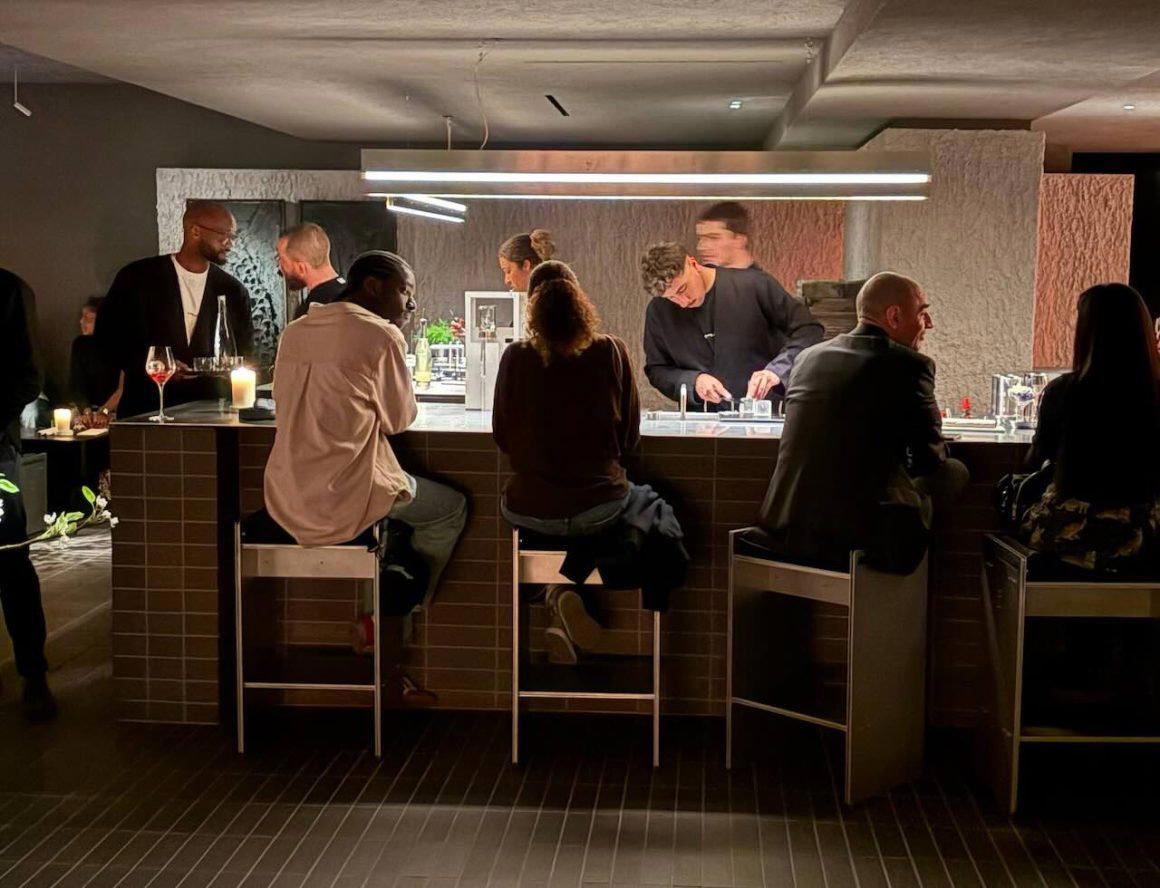
- Open Kitchen
- Local Sourcing
Current opening hours
- Monday
- Closed
- Tuesday
- Closed
- Wednesday
- 6:30–9:30 PM
- Thursday
- 6:30–9:30 PM
- Friday
- 6:30–9:30 PM
- Saturday
- 12:30–1:30 PM, 6:30–9:30 PM
- Sunday
- Closed
Hours can change for holidays and private events. Last verified .
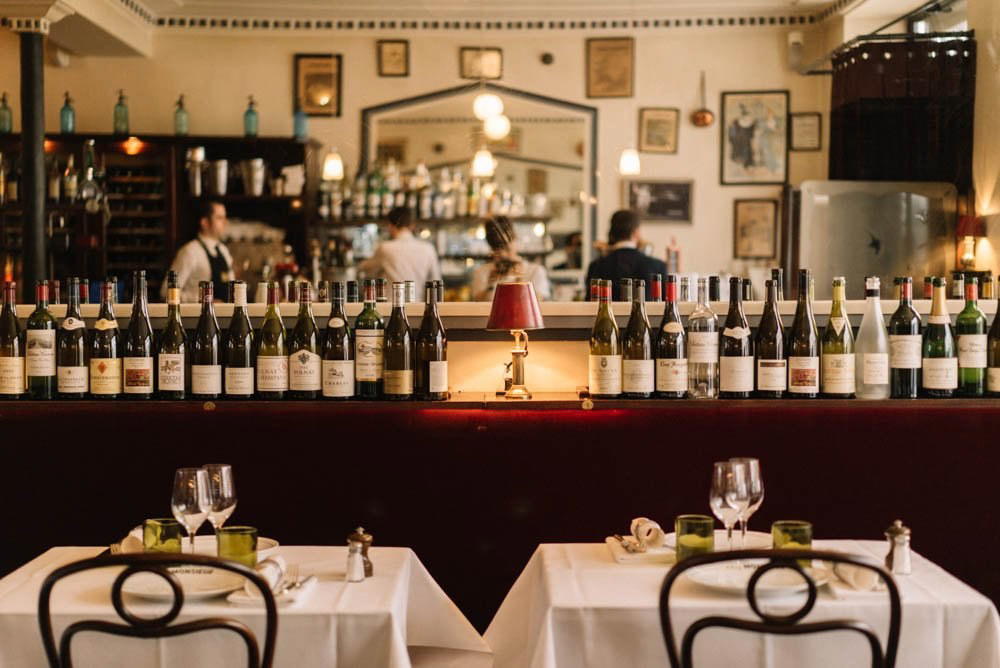
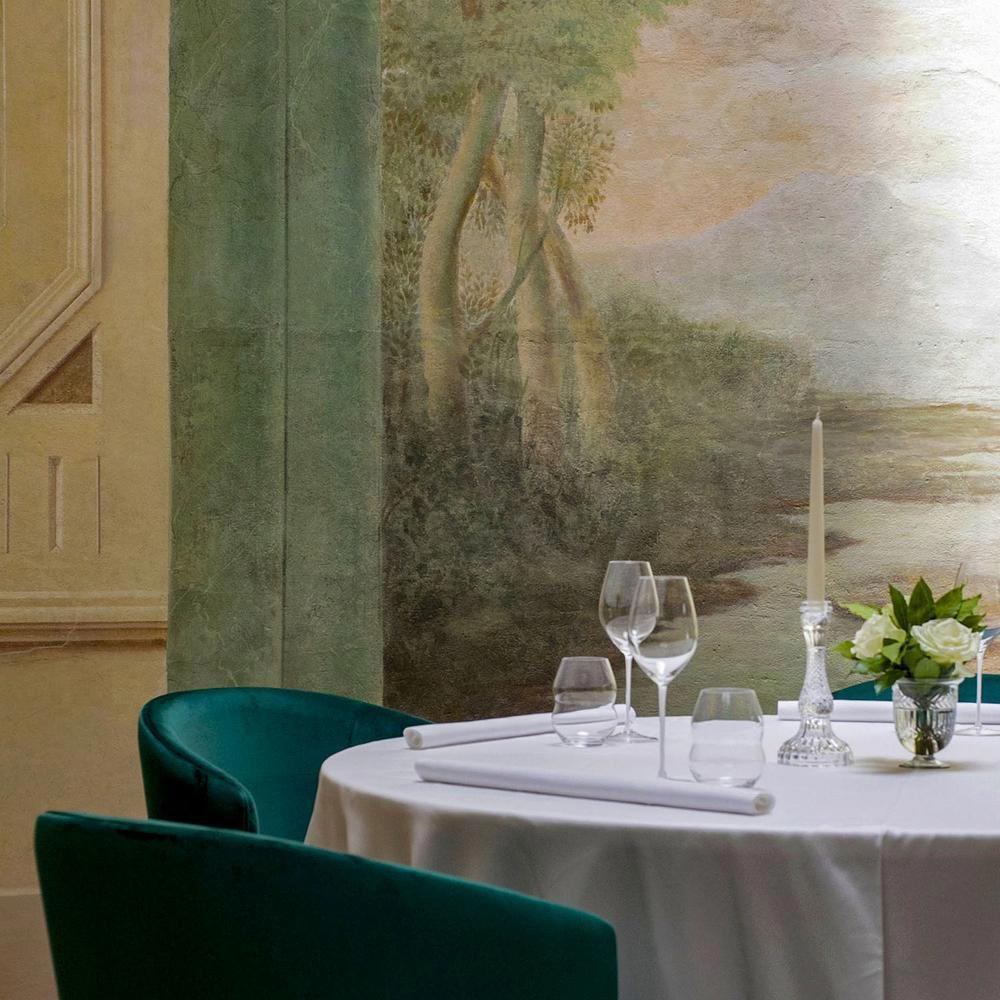
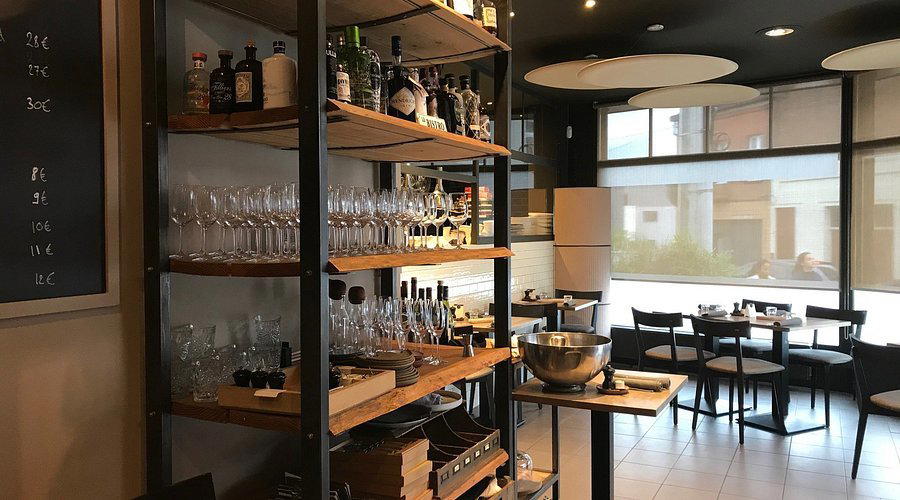
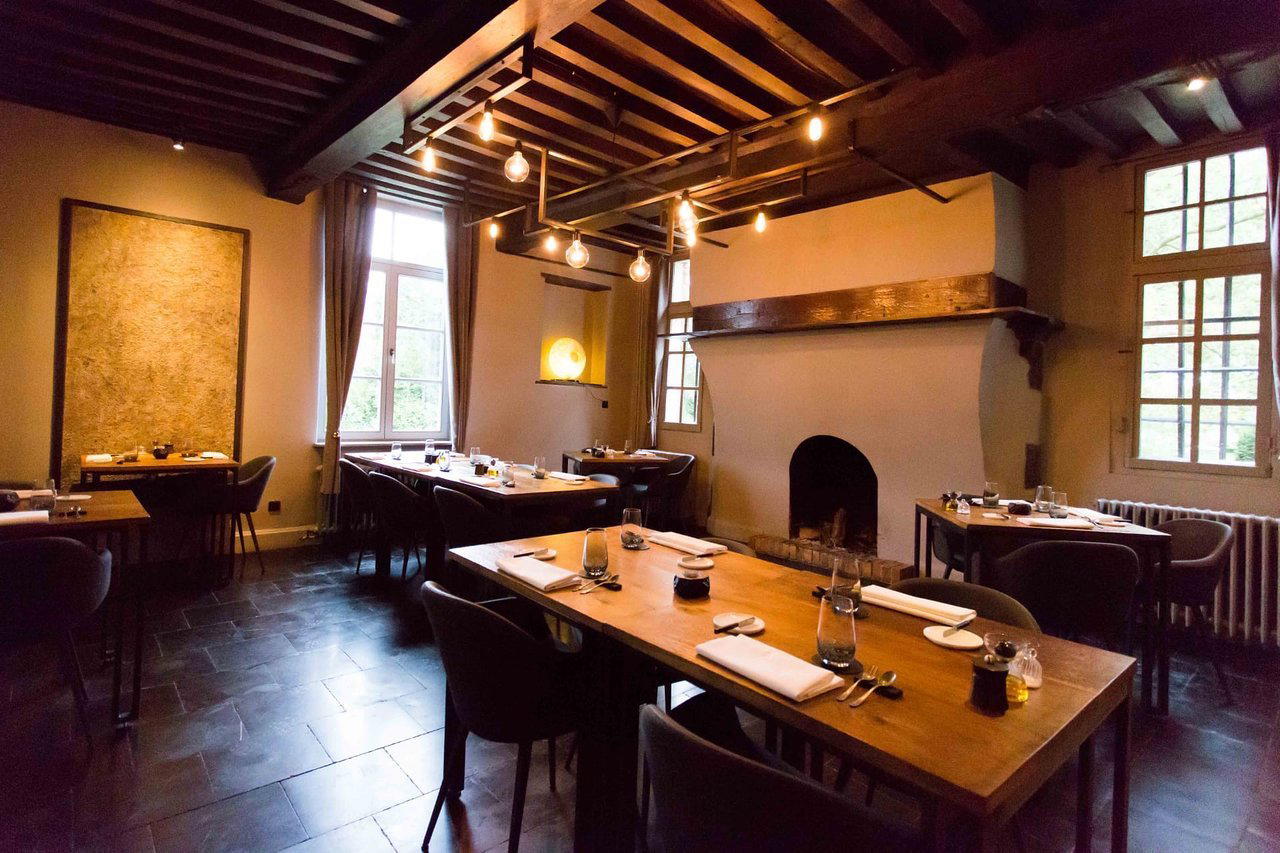
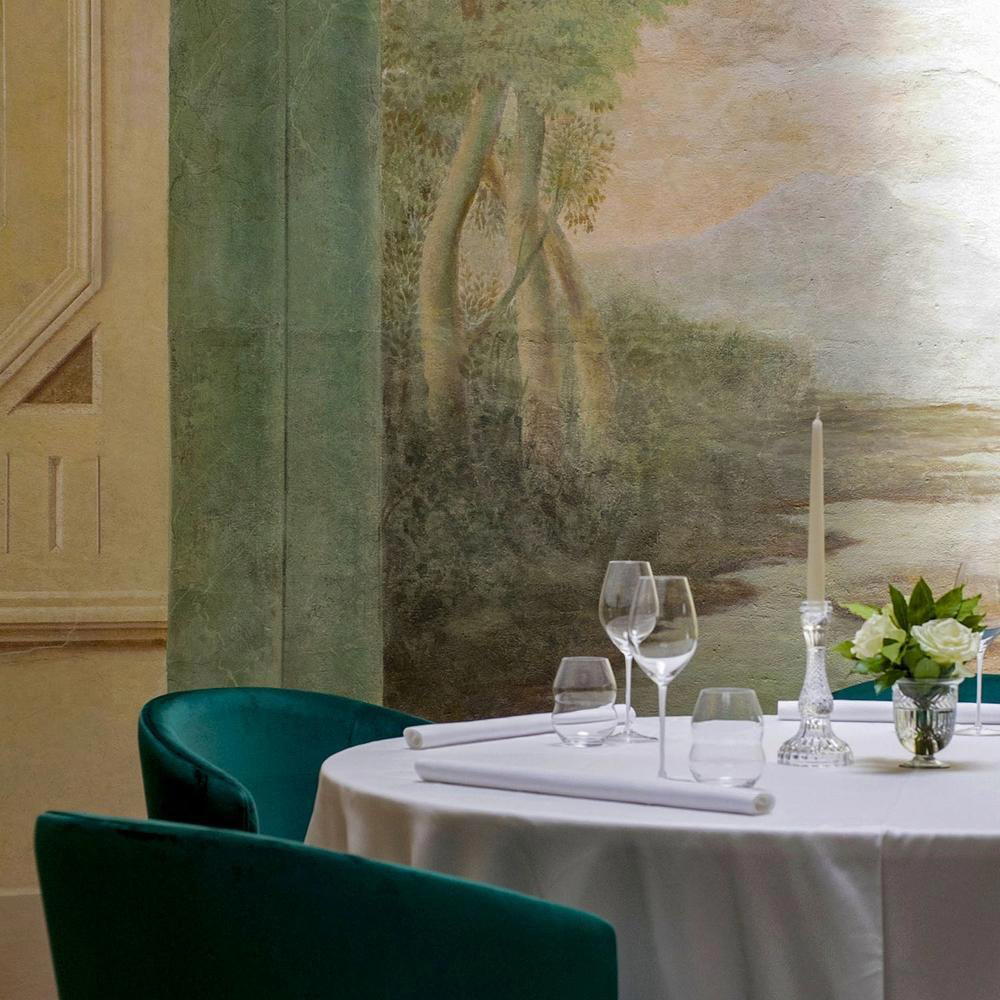
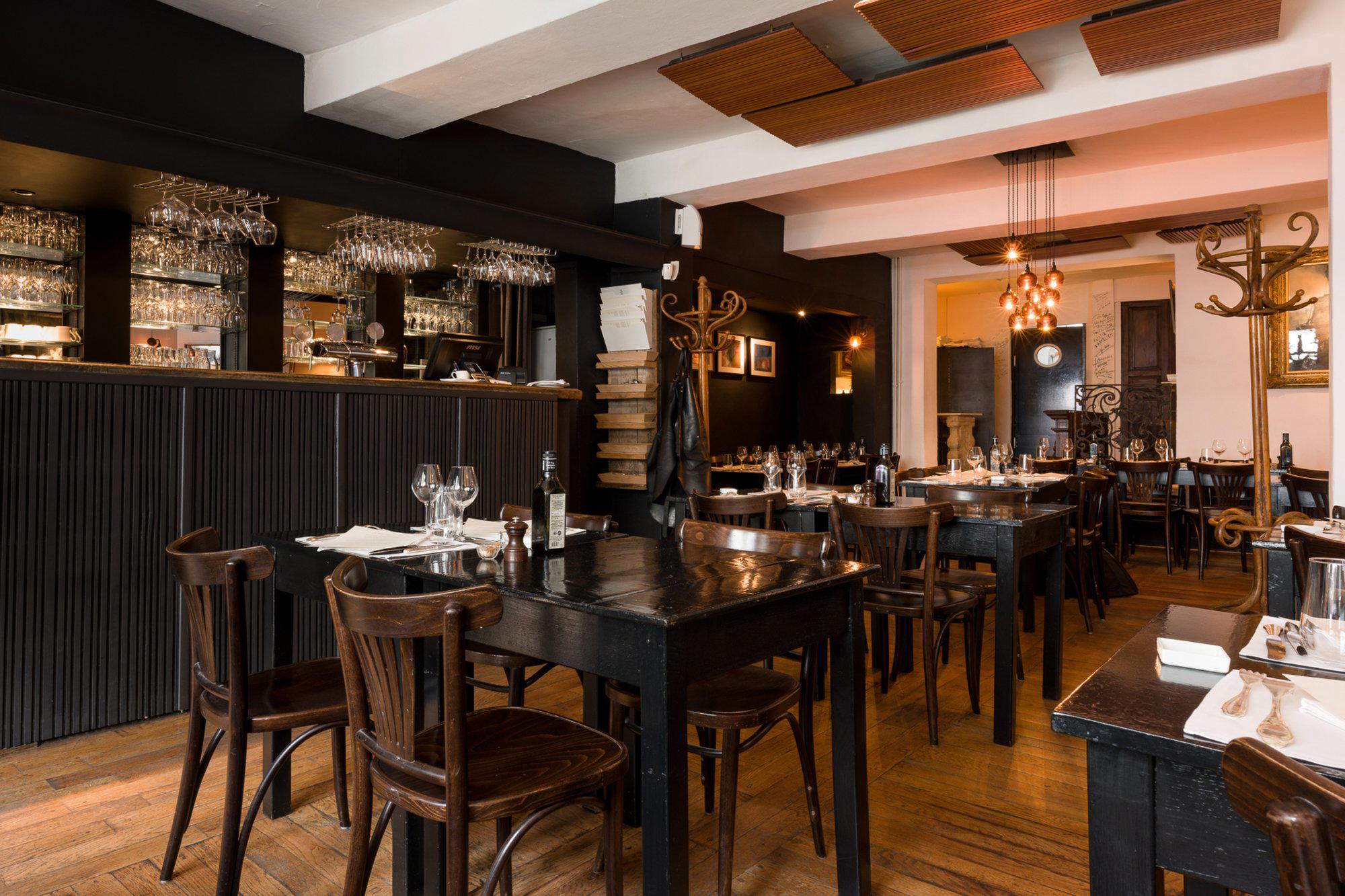
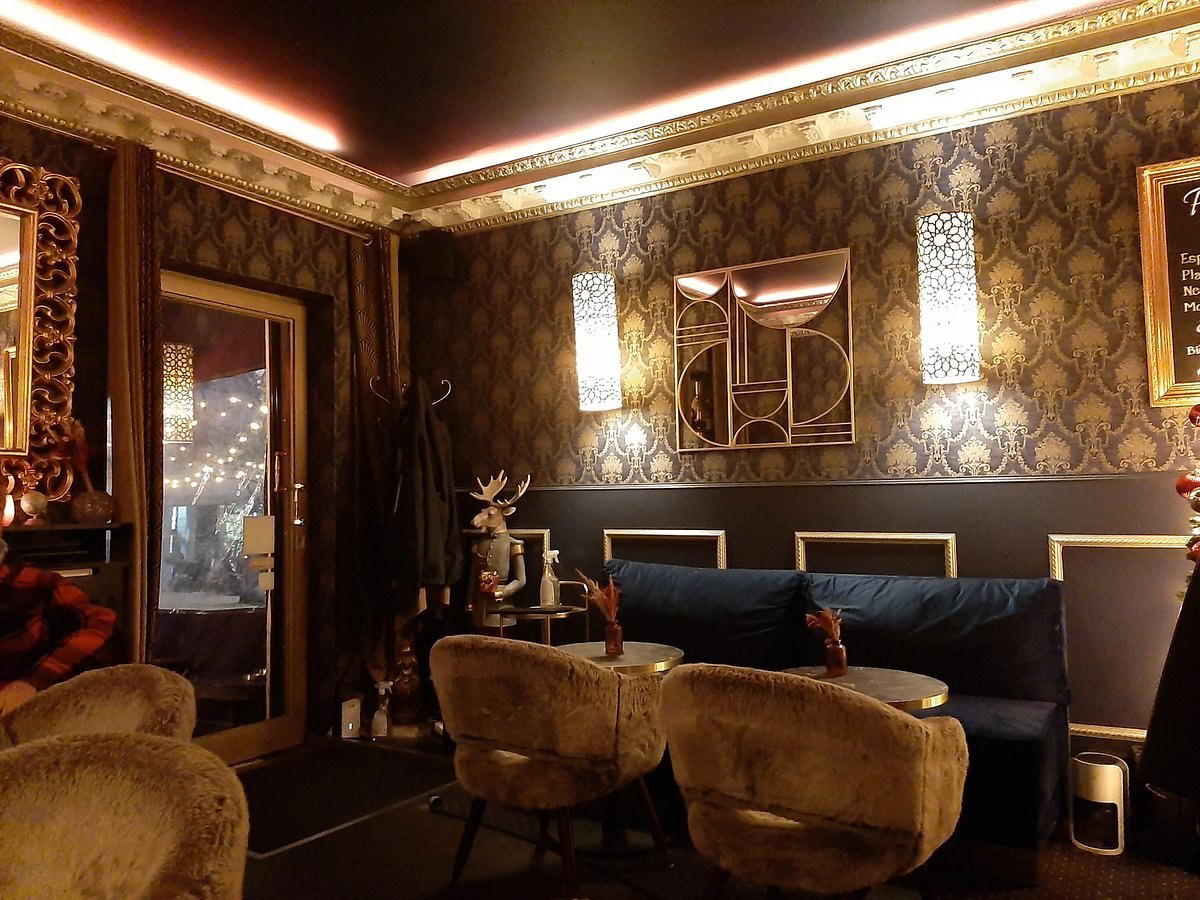
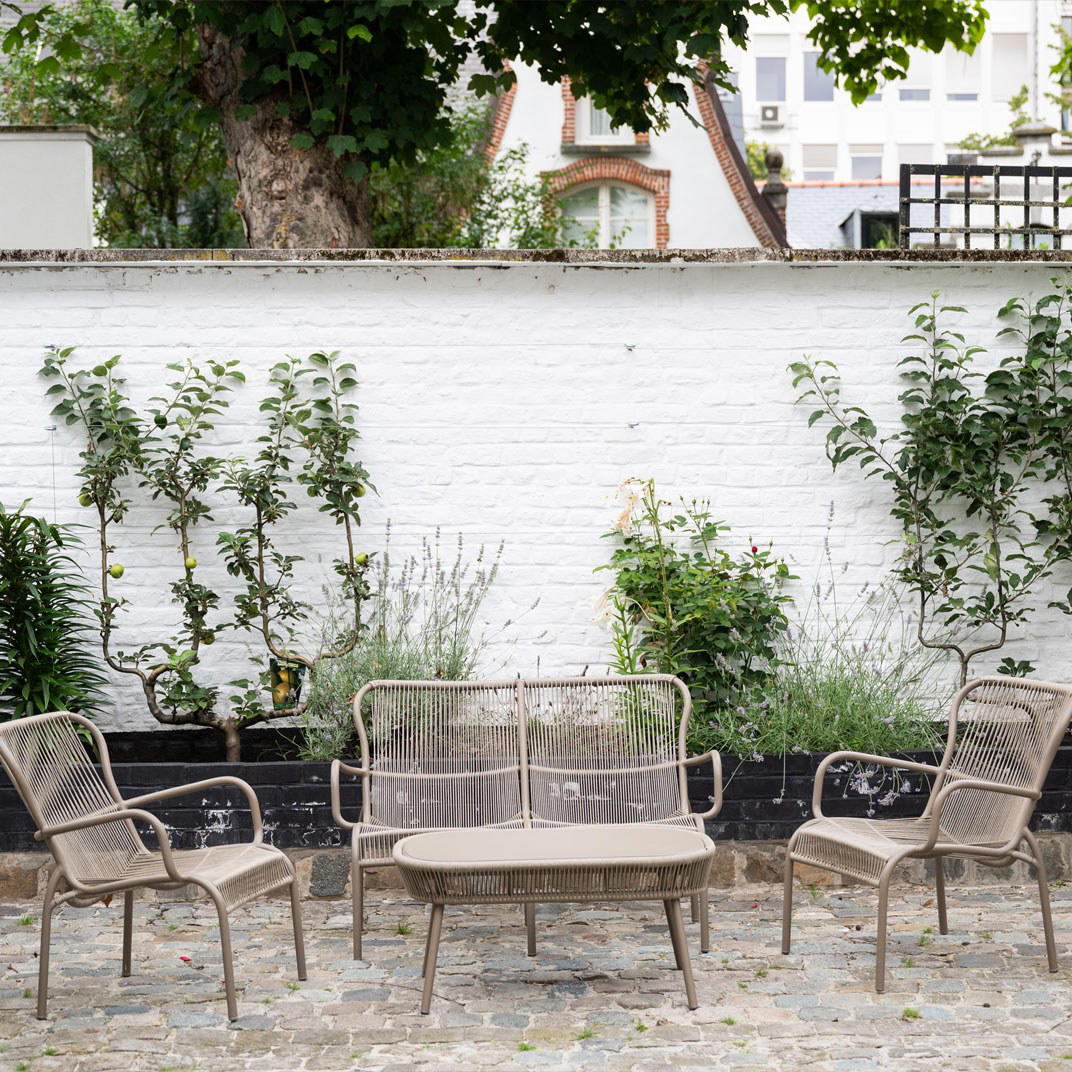
Warm, cozy atmosphere with appropriate lighting, simple and original decoration, and a welcoming, intimate feel.