La brasserie d'éole sits in the quiet commune of Quévy, in Belgium's Hainaut province, where the brasserie tradition meets the agricultural rhythms of the rural south. The setting draws on the region's proximity to local producers, placing it within a dining culture that prizes ingredient provenance as much as technique. For visitors exploring the area, it forms part of a small but considered local dining circuit alongside neighbours like L'Impératif d'Eole and L'Atelier des Alchemistes.
Pearl is the En Primeur Club membership app — saves, bookings, and concierge access live there. Same editors, same standards.
- Address
- 9XJ6+2M, 7040 Quévy, Belgium
- Phone
- +3265220500
- Website
- chantdeole.be
- Directions
- Get directions
 Saves & bookings on Pearl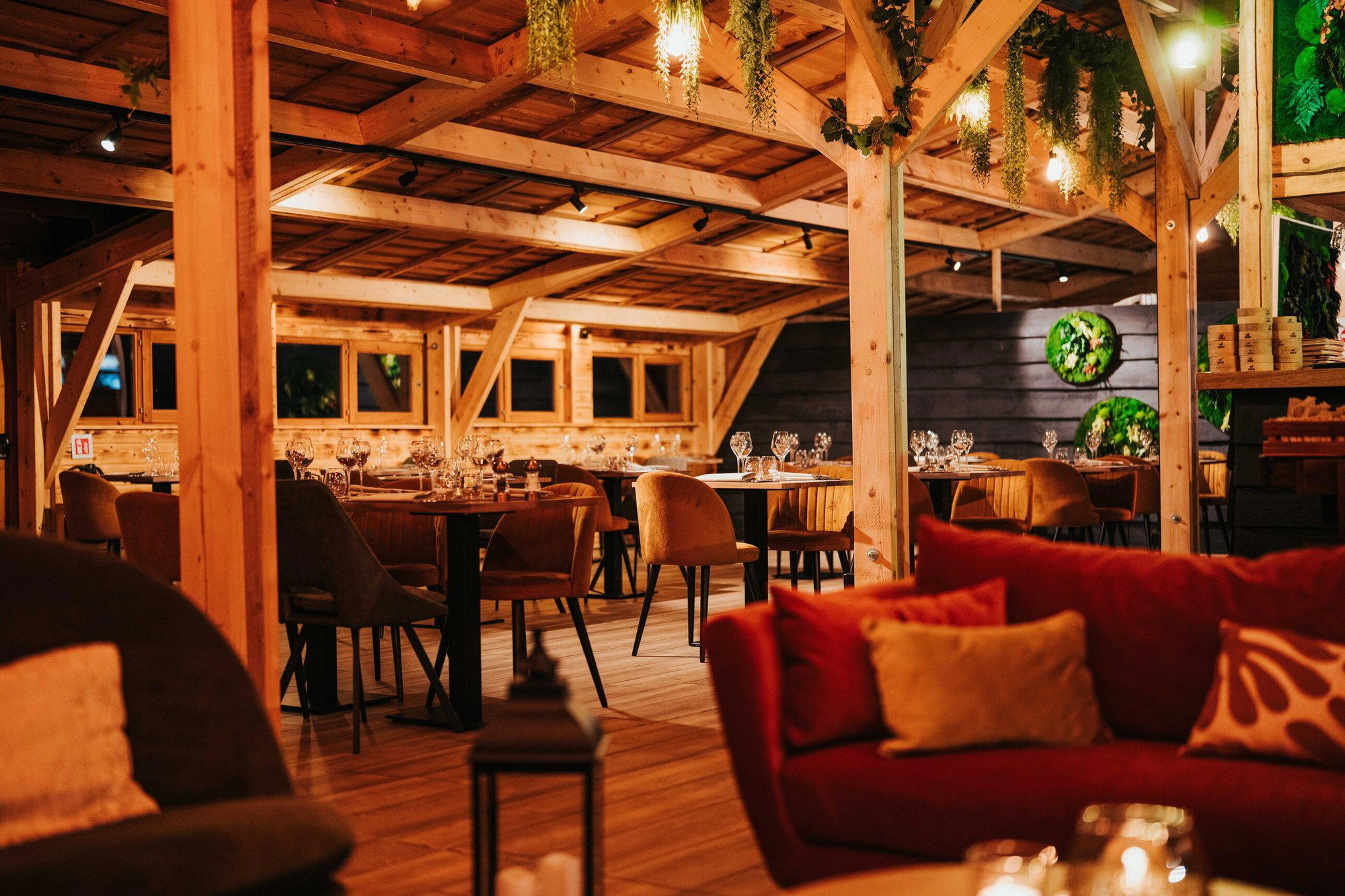
Hainaut's Quiet Dining Belt and Where Quévy Fits
Belgium's gastronomic reputation is most loudly announced in Brussels and Bruges, where Michelin stars cluster and press attention concentrates. But a separate, less-publicised tradition runs through the Hainaut province, where brasserie culture has long operated on different terms: closer to the land, slower in pace, and more directly tied to the agricultural output of the surrounding communes. Quévy, a small municipality south of Mons near the French border, sits squarely in this quieter belt. La brasserie d'éole is a restaurant in Quévy, Belgium, serving French-Belgian Seasonal Brasserie cuisine at about $45 per person.
The haute cuisine conversation in Belgium, the territory of Hof van Cleve - Floris Van Der Veken in Kruishoutem, Boury in Roeselare, or Zilte in Antwerp, operates in a different register entirely, with four-digit covers, extensive wine lists, and a competitive comparable set that includes the leading tables of northern France and the Netherlands. Brasserie dining in Hainaut is not competing in that tier. It competes on different values: familiarity, regional product, and a relationship with the local community that destination restaurants structurally cannot replicate. Understanding that distinction is the first step to understanding why a place like La brasserie d'éole matters within its own frame of reference.
The Ingredient Geography of Southern Hainaut
Brasserie dining in this part of Belgium is defined by sourcing. Hainaut is among Belgium's most agricultural provinces, cereal crops, root vegetables, livestock, and small-scale dairy operations define the land use of the communes surrounding Quévy. The brasserie format, at its most honest, is the format leading equipped to translate that agricultural output directly to the plate. Where a fine dining kitchen might process regional ingredients through a heavy technical lens, the brasserie's function is closer to a relay: taking what the land produces and preparing it with enough skill to let the raw material carry the meal.
That model has deep roots in northern France and Wallonia, where cross-border culinary influence has always been strong. The proximity of Quévy to the French border means the regional food culture is, in some respects, more aligned with French Picardy and Nord-Pas-de-Calais than with the Flemish food traditions that define Belgium's more internationally recognised restaurant scene. Expect the sorts of preparations, braised meats, seasonal vegetables, classical sauces calibrated for a mid-week or weekend crowd, that reflect that Franco-Belgian inheritance. This is not the French-Asian creative register of L'air du temps in Liernu, nor the modern Flemish precision of De Jonkman in Sint-Kruis. It is a different mode of Belgian cooking altogether, and one that rewards attention on its own terms.
Quévy's Local Dining Circuit
Quévy is not a dining destination in the sense that Bruges or Ghent might be described as one, there is no critical mass of restaurants, no neighbourhood bar scene, and no tourist infrastructure built around food. What exists is a handful of local addresses serving a community of residents who expect quality without ceremony. La brasserie d'éole fits that pattern, operating alongside L'Impératif d'Eole and L'Atelier des Alchemistes as part of a modest but coherent local dining circuit.
The practical reality of dining in Quévy is that distances between venues are small, the commune covers a limited footprint, but public transport is minimal. Visitors combining Quévy with a broader Hainaut itinerary might also consider d'Eugénie à Emilie in Baudour and the higher-end reference point of Le Chalet de la Forêt in Uccle for contrast.
Where the Brasserie Format Sits in Belgium's Broader Picture
Belgian dining has always contained multitudes, a country that punches well above its weight at the formal end of the spectrum (more Michelin stars per capita than almost any other European nation) while sustaining a rich, largely unsung tradition of neighbourhood and regional cooking below that tier. The brasserie occupies a structural middle layer: above the friterie and the neighbourhood estaminet in terms of kitchen ambition, but below the gastronomic restaurant in terms of complexity and price. That positioning is not a compromise; it reflects a deliberate audience and a different set of satisfactions.
For context, the Belgian establishments that draw international dining attention, Bozar Restaurant in Brussels, Willem Hiele in Oudenburg, Bartholomeus in Heist, or Castor in Beveren, operate at the furthest remove from the brasserie model. They function as destination restaurants, with tasting menus, advance booking requirements, and an implicit expectation that the diner has sought them out specifically. The brasserie, by contrast, serves the person who lives nearby, eats regularly, and wants the kitchen to be dependable rather than to surprise. That is a harder brief in its own way, because there is no novelty to hide behind.
International comparisons help clarify the register. The degree of technical elaboration found at Le Bernardin in New York City or the conceptual ambition of Atomix in New York City belongs to a different conversation. Similarly, La Table de Maxime in Our and La Durée in Izegem represent a more refined Belgian regional dining proposition. The restaurant is not positioned against any of those. It is positioned against the expectations of the community it serves, and that is the measure that counts.
Planning a Visit
Given its location in a small commune with a local clientele, it is worth checking ahead before travelling, particularly on weekdays, when brasseries in rural Belgian settings may operate reduced schedules. The address, in the 7040 postcode area of Quévy, places it within the commune's residential fabric rather than a commercial centre, which reinforces the character of the place as a genuinely local operation.
Quick Comparison
Comparable venues nearby, for context on price, style, and recognition.
| Venue | Cuisine | Price | Notes |
|---|---|---|---|
| La brasserie d'éoleThis venue — the venue you are viewing | French-Belgian Seasonal Brasserie | $$$ | Not listed |
| L'Impératif d'Eole | French Contemporary Fine Dining | $$$$ | Quévy-le-Grand |
| L’ Atelier des Alchemistes | Modern Vegetarian Fine Dining | $$$ | Blaregnies |
| l'APtit | Modern French Seasonal Tasting Menu | $$$ | Centre-Ville |
| Gratin | Modern French Bistro | $$$ | Châtelain |
| Contre Façon | Modern French Gastropub | $$$ | Virelles |
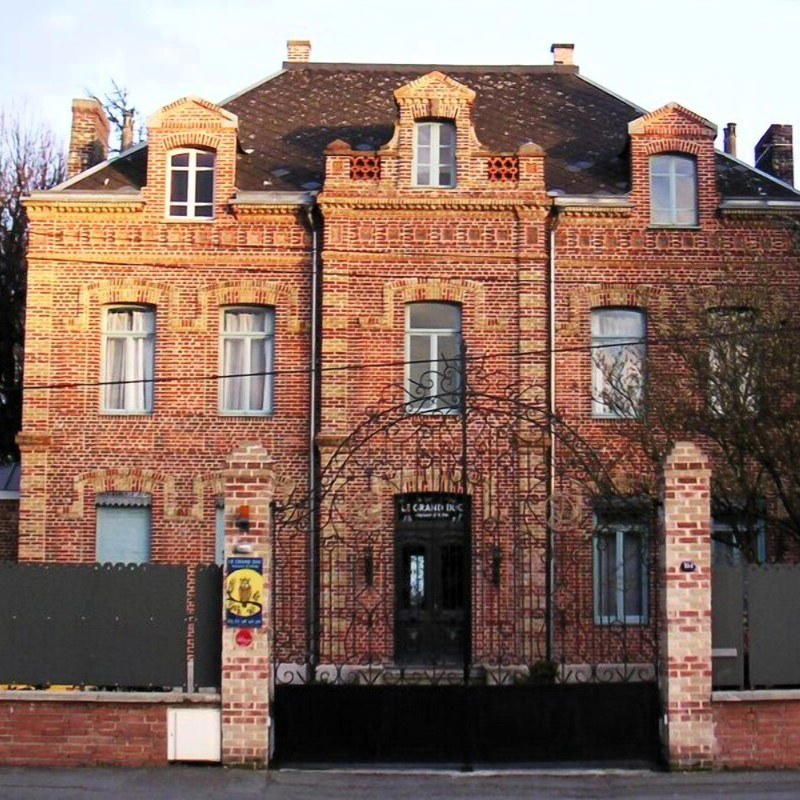
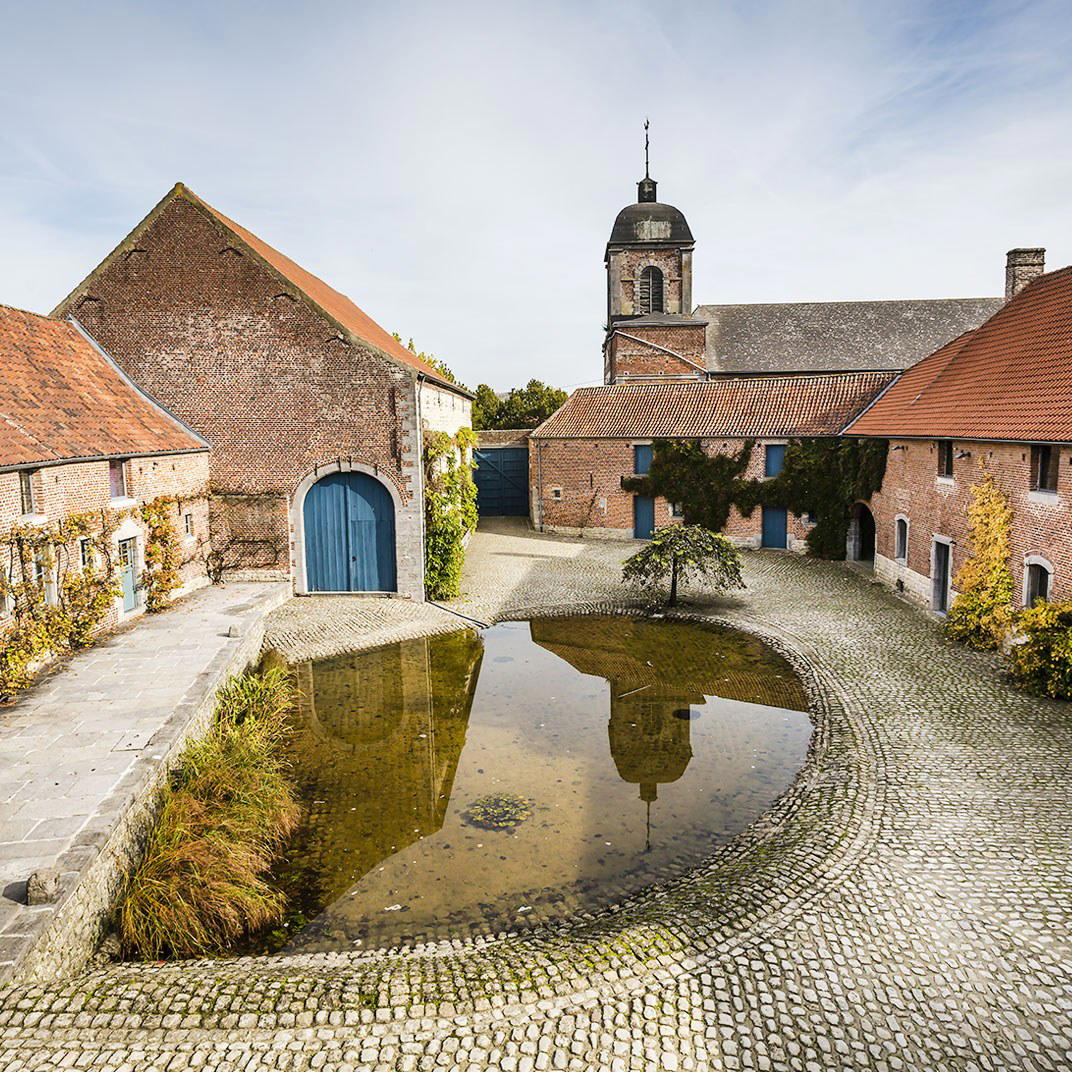
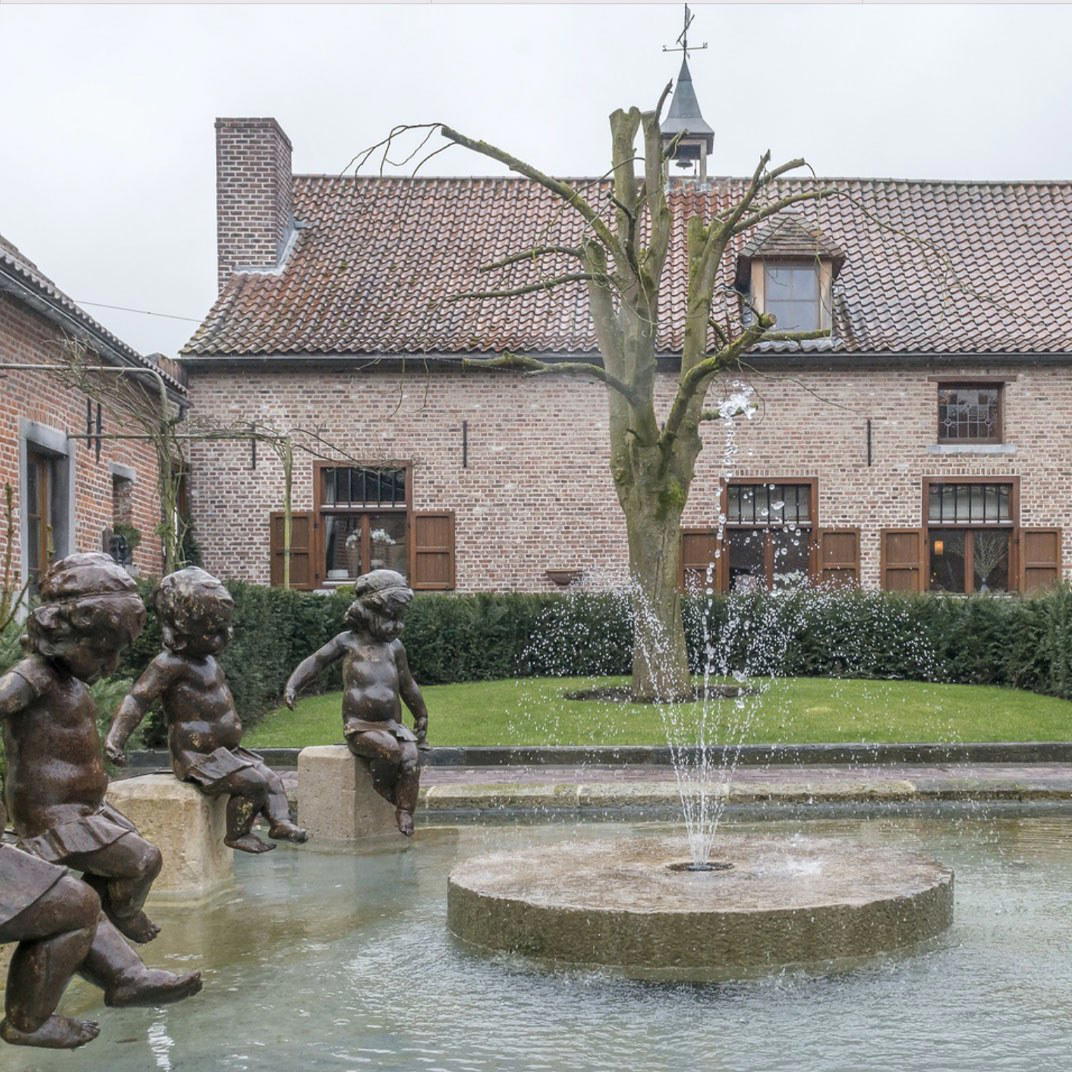
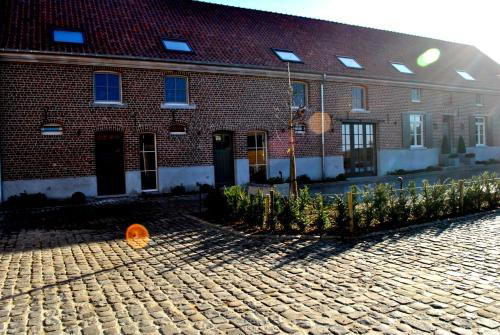
At a Glance
- Scenic
- Cozy
- Rustic
- Elegant
- Group Dining
- Casual Hangout
- Celebration
- Terrace
- Garden
- Standalone
- Beer Program
- Local Sourcing
- Farm To Table
- Vineyard
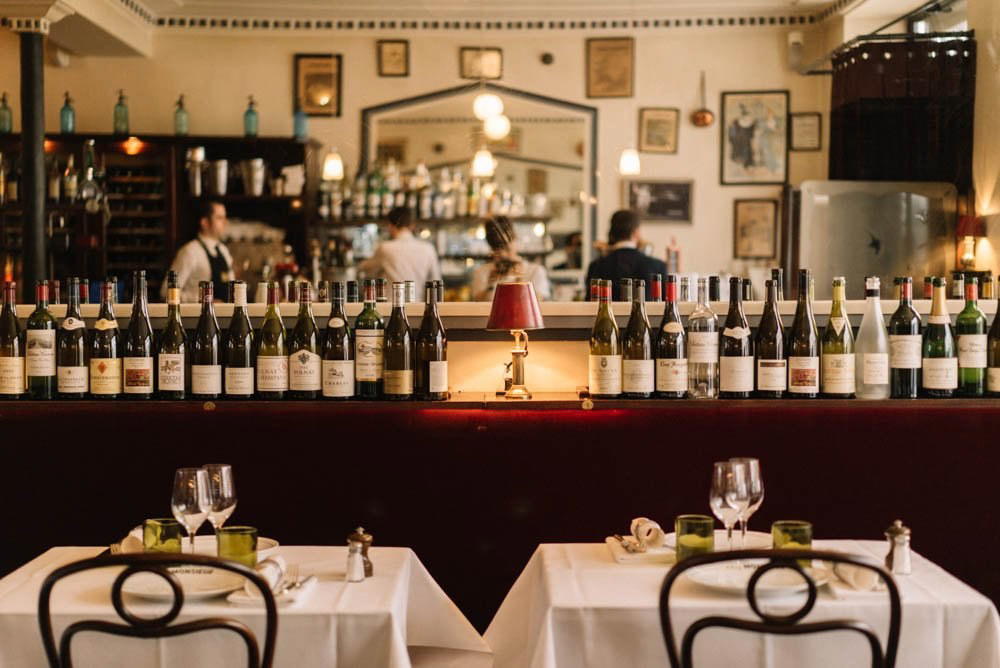
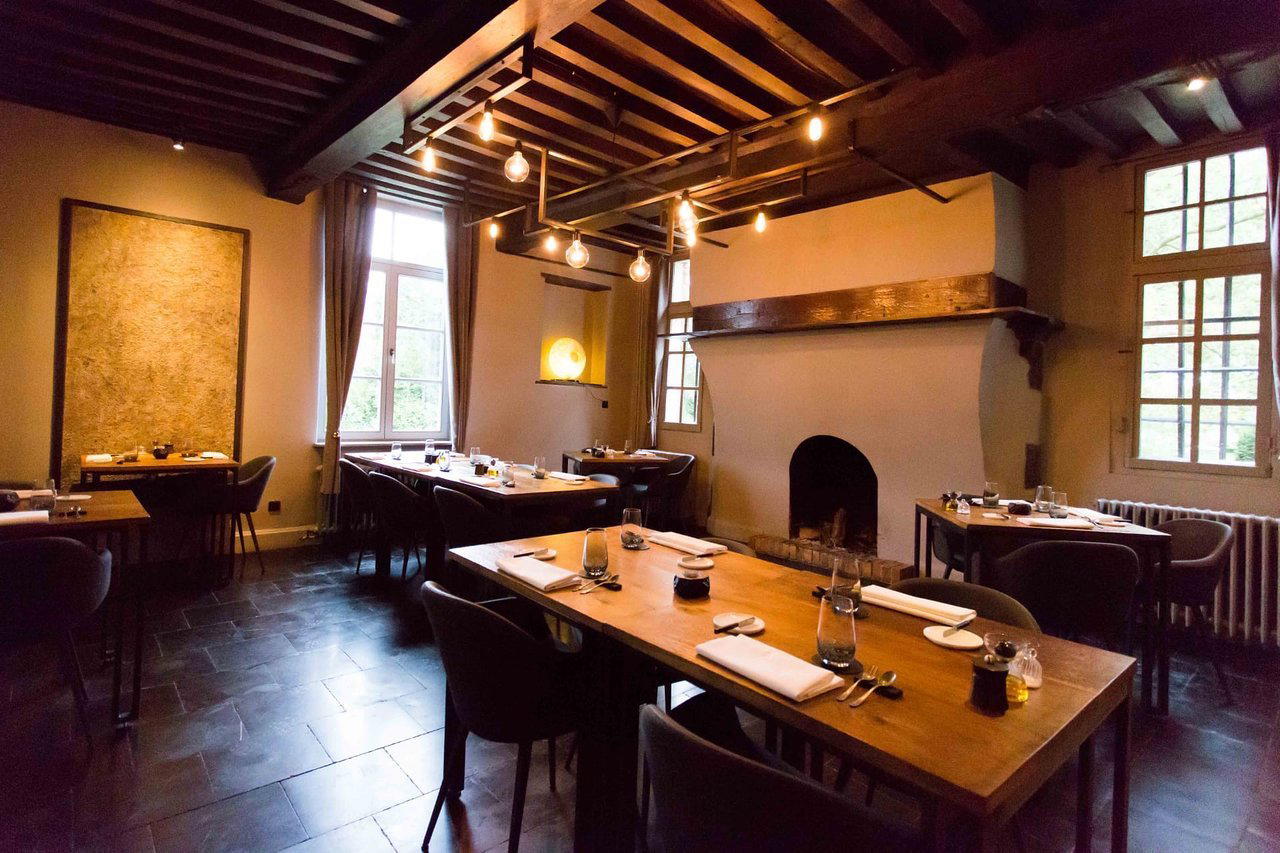
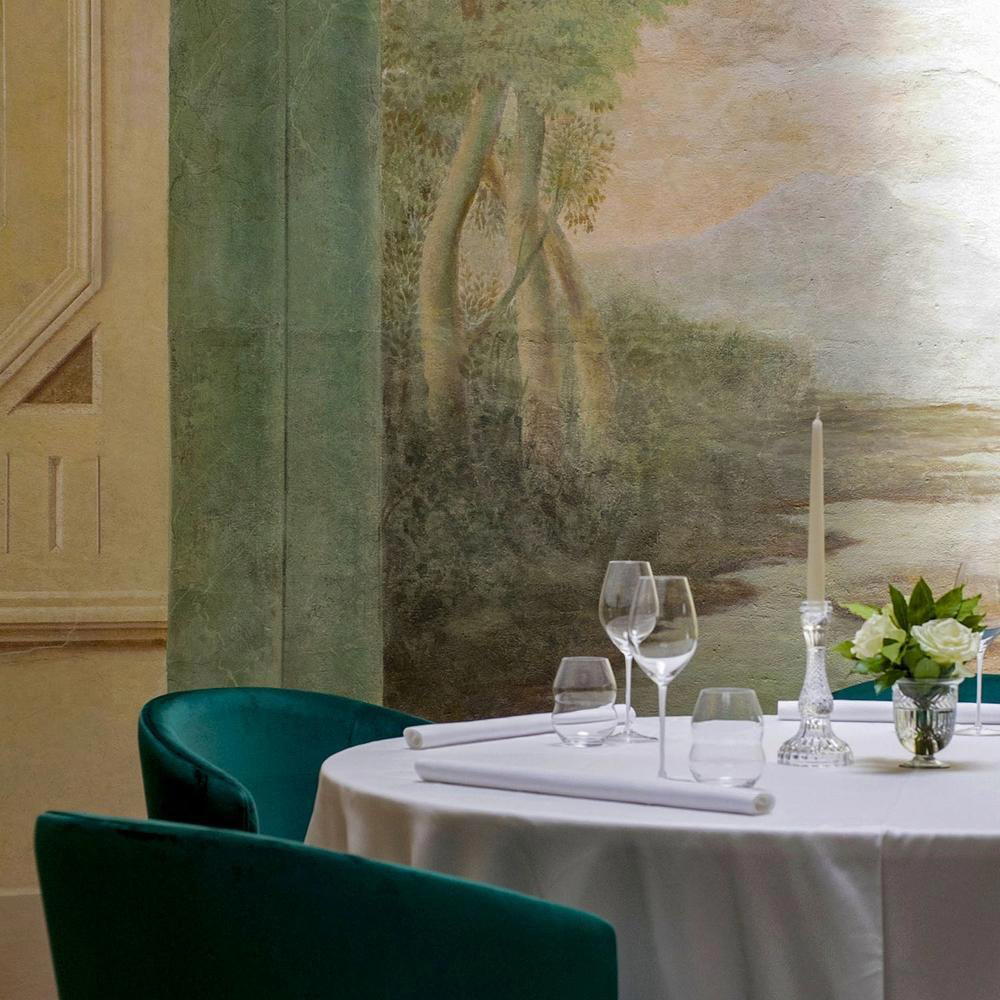
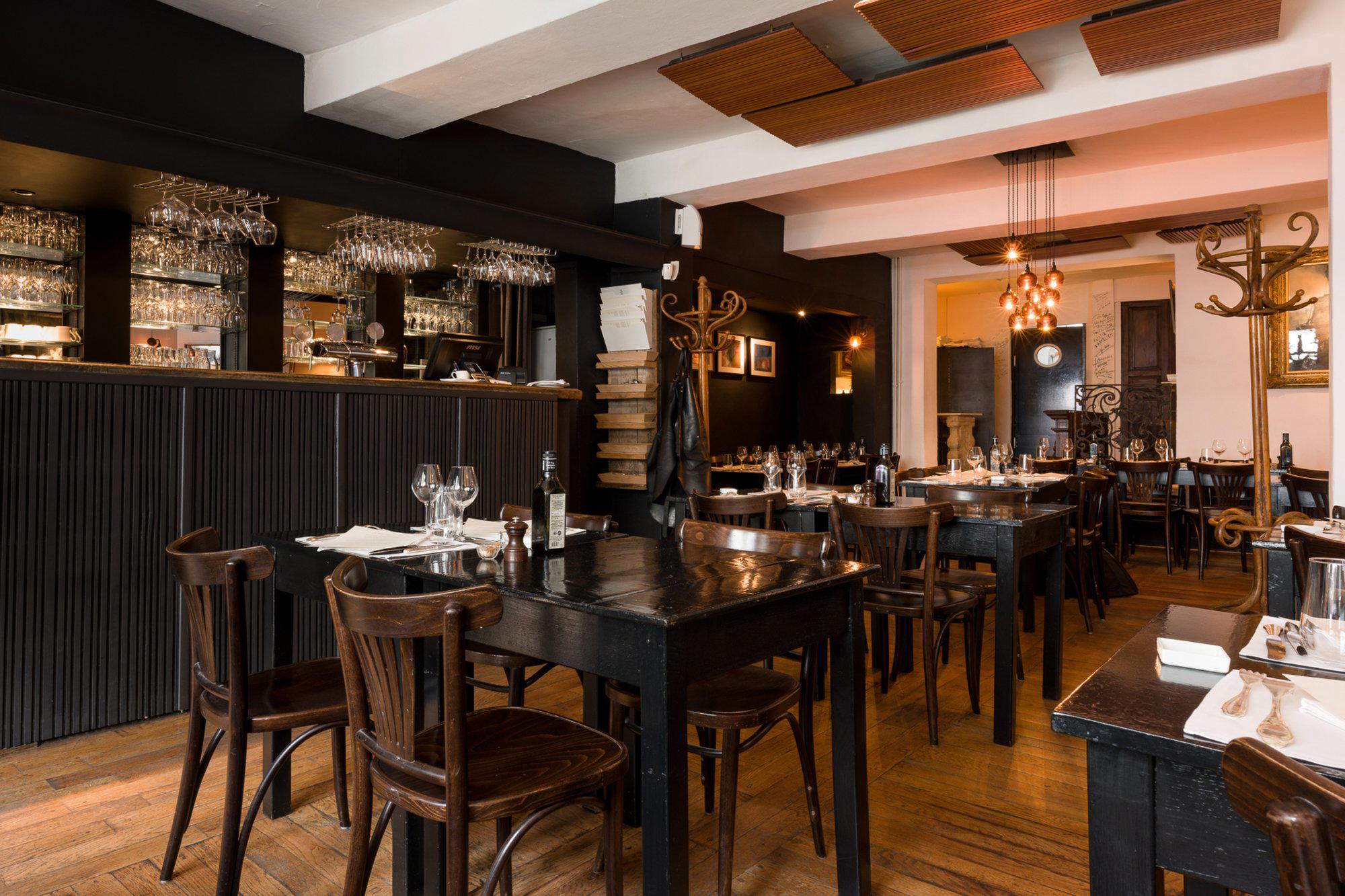
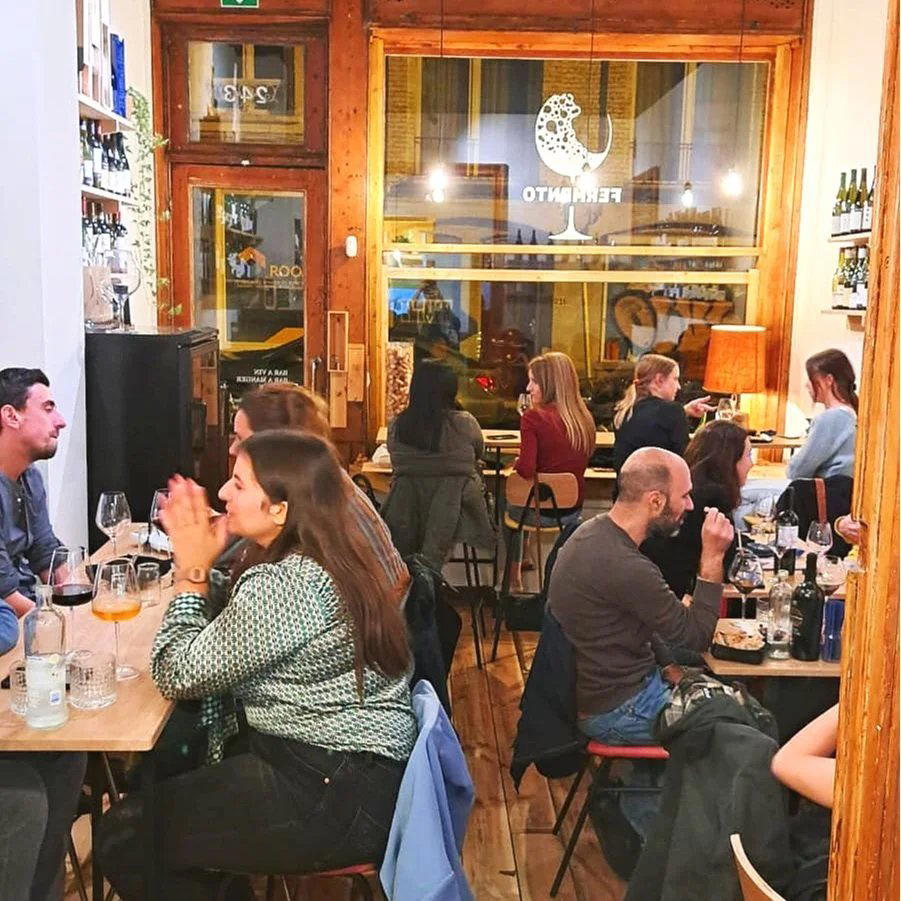
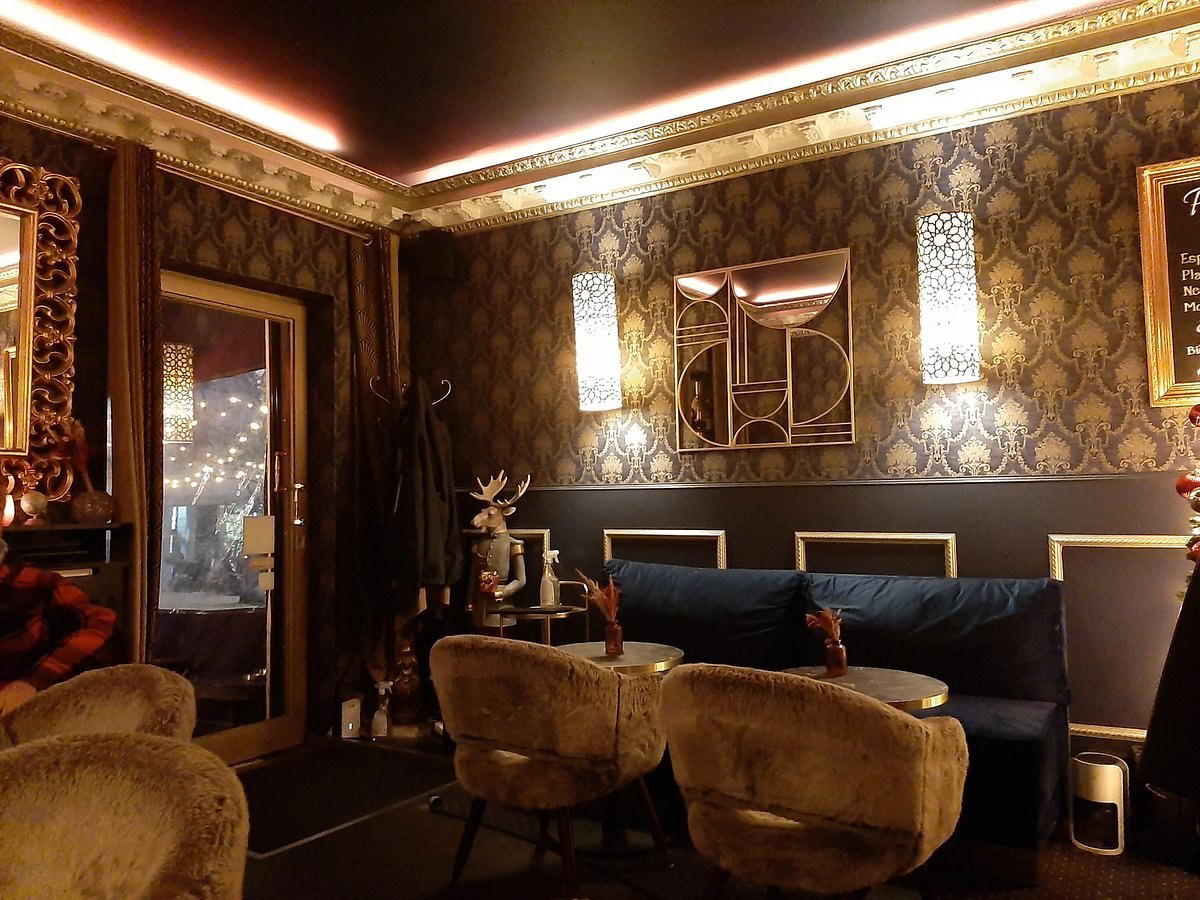
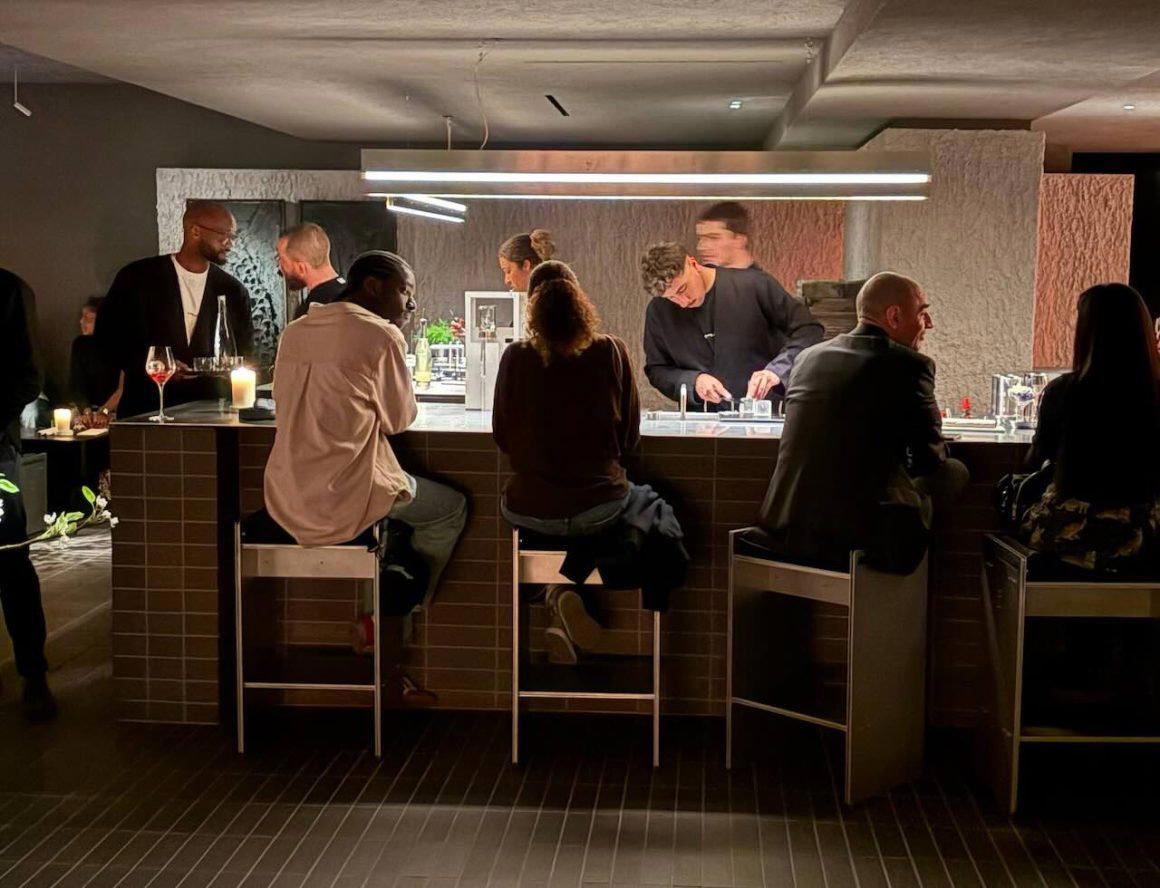
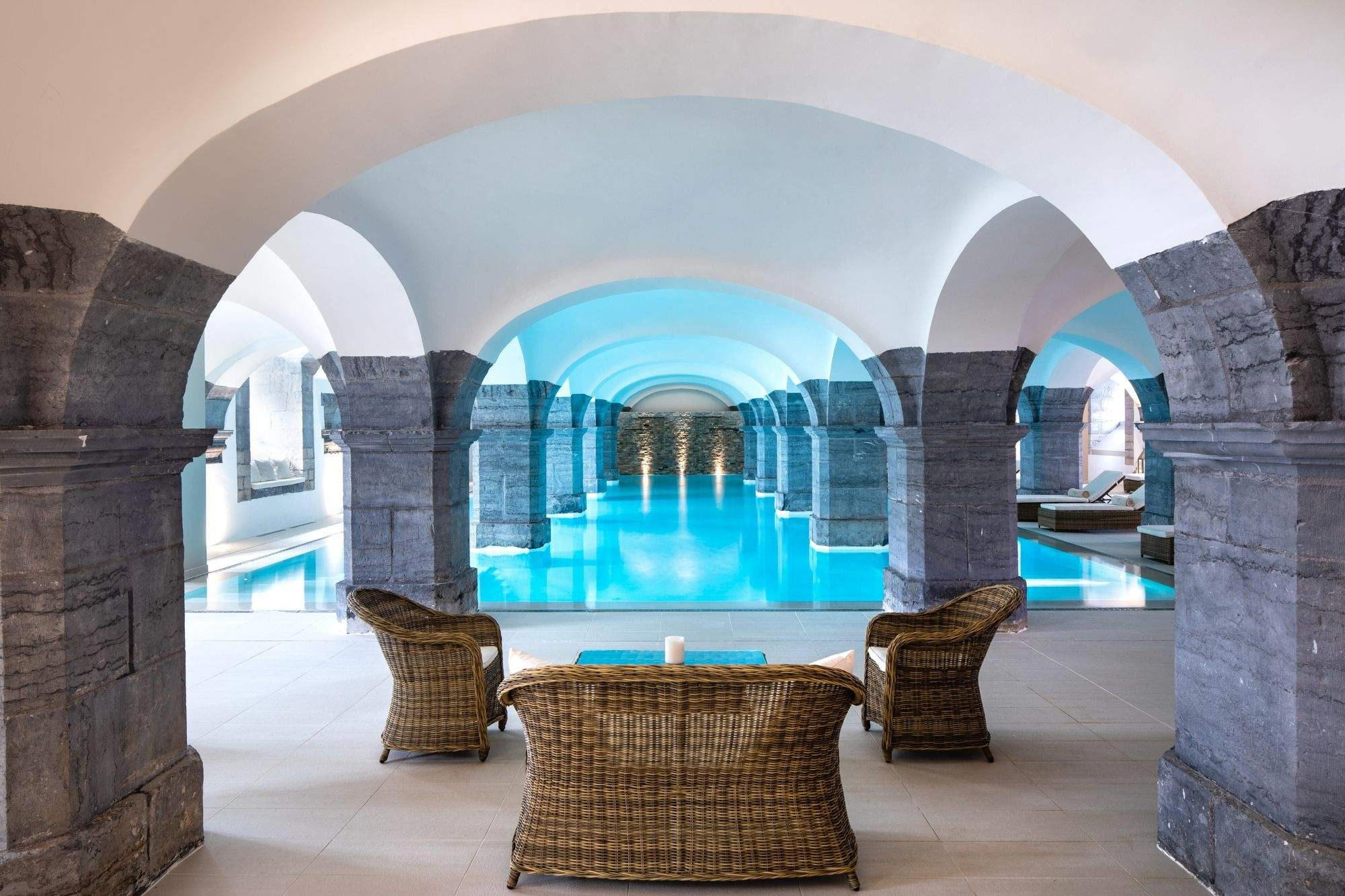
Bright, light-filled chalet in the heart of the vineyards with a warm, welcoming atmosphere; summer terrace with natural sunlight and winter cocooning ambiance.