
We're Smart World 3 Radishes
Our verdict
Verdo on Chaussée de Vleurgat makes a strong case for what plant-based cooking in Brussels can look like when handled with conviction rather than compromise. The menu leans on seitan and creative meat substitutes, shared at the table, with a seasonal discipline that keeps the cooking honest. For anyone serious about this category, it represents the approach done right.

Pearl is the En Primeur Club membership app — saves, bookings, and concierge access live there. Same editors, same standards.
- Address
- Chau. de Vleurgat 146, 1000 Bruxelles, Belgium
- Phone
- +32 2 411 87 57
- Hours
- Mon ClosedTue–Sat 7–10 PMSun Closed
- Website
- verdo.brussels
- Directions
- Get directions
- Booking
- Book on Zenchef
The menu
What to order
- Verdō Tartare
- Seitan Skewers
- Vegetable Croquettes
- Mushroom Lasagna
- Forêt Noire Gâteau
Plant-Based Dining in Brussels: Where the Category Stands
Brussels has long been a city where classical French-Belgian technique sets the tone. The reference points tend toward butter, stock, and long-braised proteins — think the rich tradition represented by restaurants like Bozar Restaurant in Brussels at one end of the spectrum. Against that backdrop, a fully committed plant-based kitchen operating without apology or asterisk reads as a meaningful counterpoint, not a niche concession. Verdo, at Chaussée de Vleurgat 146 in the Ixelles corridor, occupies that position.
Across Belgium's broader fine dining circuit, where places like Boury in Roeselare, Zilte in Antwerp, and Hof van Cleve in Kruishoutem operate at the top of a protein-driven, technically precise register, a 100 percent plant-based address that holds its own on creativity and seasonal discipline is a rarer thing. Verdo's reputation rests not on being the only option in that space but on doing it correctly — with the kind of conviction that makes the category look serious.
The Sourcing Logic Behind the Menu
Plant-based cooking rises or falls on ingredient quality and sourcing honesty in a way that meat-forward kitchens can sometimes obscure behind reduction sauces and fat. When there is no animal protein to anchor a dish, the structural work falls to grains, legumes, vegetables, and fermented or processed plant proteins. What separates a credible plant-based kitchen from a reactive one is whether those ingredients are treated as a first choice or a substitution.
At Verdo, seitan and other meat analogues appear regularly on the menu, a decision that signals transparency rather than avoidance. Seitan, made from hydrated wheat gluten, has a long production history in East Asian monastic cooking and has been a staple of serious plant-based kitchens globally for decades. Using it openly, and building around it creatively, reflects an ingredient-led honesty: the kitchen is not pretending the menu is something it is not. The seasonal emphasis reinforces this. A plant-based kitchen that commits to what is in season is, by definition, making sourcing decisions that track the actual growing calendar rather than assembling a static menu around convenience ingredients.
That seasonal discipline also places Verdo within a broader European movement toward ingredient accountability, the same logic that drives the sourcing frameworks at places like Willem Hiele in Oudenburg or Castor in Beveren, even if those kitchens operate in entirely different culinary registers. The principle, that what you cook should reflect where you are and what the land currently offers, is consistent across serious kitchens regardless of protein philosophy.
Format and the Sharing Imperative
The sharing format at Verdo is not incidental. Plant-based menus structured around individual plated portions can feel sparse or portion-anxious in a way that undermines the overall experience. A sharing model solves this: it allows the kitchen to build variety across the table, move between textures and preparation methods, and let diners construct their own rhythm through the meal. It also shifts attention away from any single dish having to carry the full weight of the experience.
This format aligns Verdo with a style of communal dining that has become one of the more durable shifts in European restaurant culture over the past decade, less ceremony, more engagement, and a structure that rewards curiosity. For a plant-based kitchen specifically, it is the format that gives creativity the most room to operate.
Where Verdo Sits in the Brussels Dining Picture
Brussels supports a wide range of dining registers. The city's classical side runs deep, with French-Belgian technique remaining the dominant grammar of its serious restaurant culture. But Ixelles, the neighbourhood where Verdo operates, has historically been one of the more cosmopolitan and experimentally inclined parts of the city, a corridor where the dining room tends to be younger, the menus less reverential, and the willingness to take a format seriously more pronounced.
In that context, Verdo does not read as an outlier. It reads as exactly what Ixelles tends to produce: a kitchen with a clear point of view, executed without hedging. That language is the language of a kitchen that has made its choices and commits to them. For context on the wider range of Belgian dining options, our full Brussels restaurants guide maps the city's full spectrum.
Diners who arrive at Verdo expecting a plant-based menu that apologises for itself, or that leads with wellness positioning, will find the reality more direct than that. The food is the argument. The creativity is the credential. Restaurants like De Jonkman in Sint-Kruis or Cuchara in Lommel represent the kind of technical seriousness that Belgian dining can achieve across different registers; Verdo makes a comparable claim in its own category.
Planning Your Visit
Verdo is located at Chaussée de Vleurgat 146, 1000 Brussels, in the Ixelles district, accessible by public transport from the city centre via tram or metro, with the Ixelles stop serving as a practical reference point. Given the format, shared plates, seasonal menu, the table works well with two or more diners, which allows the kitchen's range to come through properly. For visitors building a wider trip around Brussels, our Brussels hotels guide, bars guide, wineries guide, and experiences guide cover the broader city in the same editorial register.
For reference on how the plant-based approach here compares to the wider spectrum of serious dining, from the classical technique of L'Eau Vive in Arbre to the American fine dining tradition represented by Le Bernardin in New York or Emeril's in New Orleans, or closer to home at Bartholomeus in Heist and d'Eugénie à Emilie in Baudour, the point is not that Verdo competes on the same terms. It is that within its chosen register, the standard of execution places it in a serious peer conversation.
Frequently asked questions
Is Verdo a family-friendly restaurant?
The sharing format and creative, seasonally driven menu at Verdo suit adults and older children comfortable with plant-based cooking and communal plates. Younger children accustomed to straightforward, familiar dishes may find the creative seitan and vegetable-led preparations less accommodating. The Ixelles location on Chaussée de Vleurgat 146 is accessible by public transport from central Brussels.
What's the overall feel of Verdo?
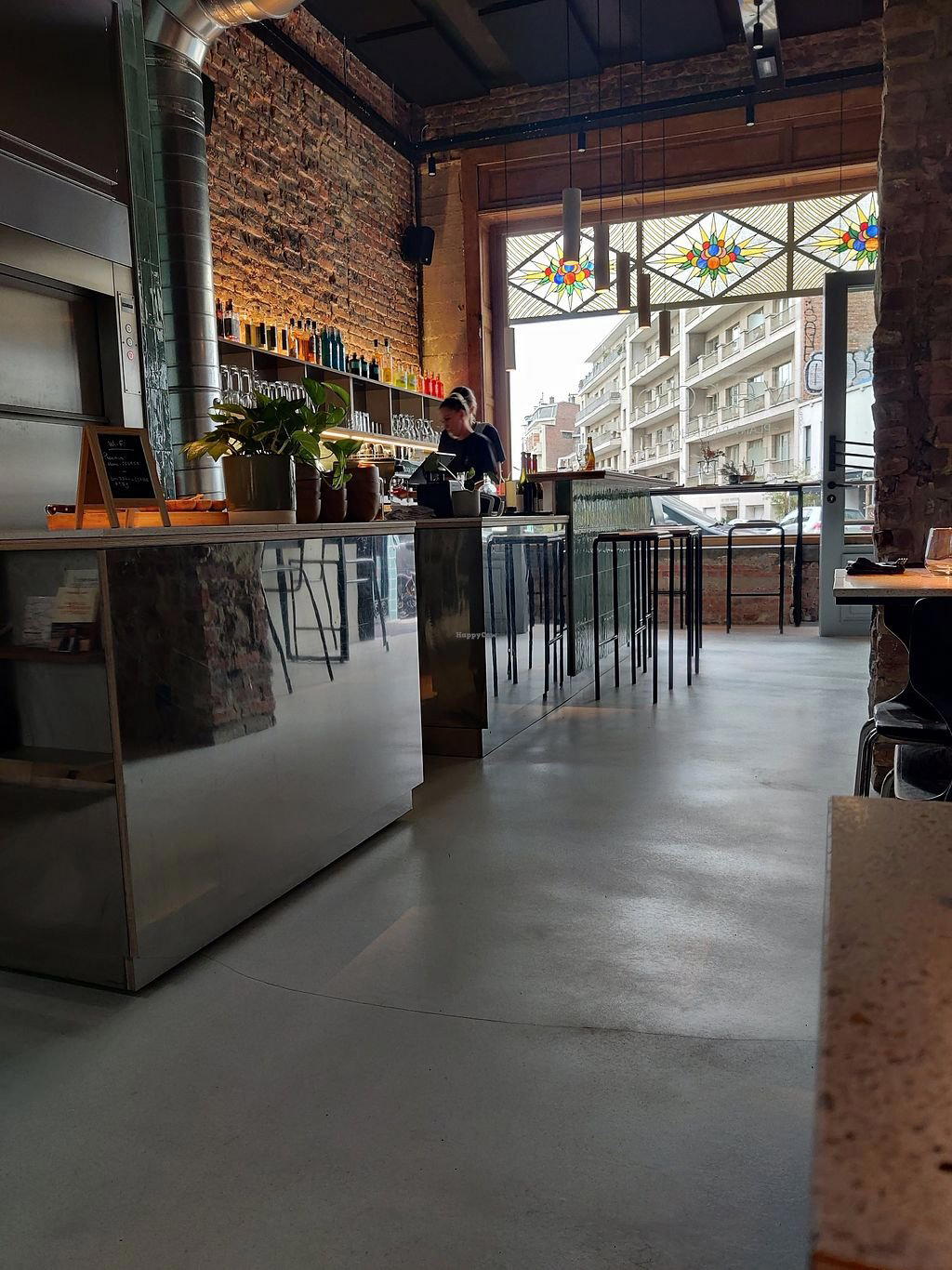
That points to a room focused on the food rather than ceremony, where the 100% plant-based approach is presented as a deliberate position rather than a dietary footnote. Creative execution and seasonal discipline carry the experience.
Is Verdo Michelin-listed?
Verdo has received recognition including: What a fun 100% plant-based restaurant! No nonsense, very creative, seasonally strong, and brought with great conviction. Sharing is key and seitan & other meat substitutes are a regular part of the menu. If you are looking for this, then t….
What should I order at Verdo?
The menu is structured around sharing, so ordering across several dishes gives a fuller picture of the kitchen's range. Seitan and other meat substitutes appear regularly alongside seasonal vegetable preparations, and the EP Club notes the creative approach as one of the kitchen's clear strengths. Ordering broadly rather than cautiously is the right strategy here.
Where is Verdo in Brussel?
Verdo is located at Chau. de Vleurgat 146, 1000 Bruxelles, Belgium, Brussel.
At-a-Glance Comparison
Comparable venues nearby, for context on price, style, and recognition.
| Venue | Cuisine | Price | Awards | Notes |
|---|---|---|---|---|
| VerdoThis venue — the venue you are viewing | Plant-Based Belgian Brasserie | $50–100 | We're Smart World 3 Radishes | Not listed |
| Elements@Indrani | Plant-based Fine Dining | $30–50 | We're Smart World 3 Radishes | Loupoigne |
| De Keukentafel | Organic Farm-to-Table Fine Dining | $50–100 | We're Smart World 3 Radishes | Oosterzele |
| Petits Éléments | Plant-Based Fine Dining | $50–100 | Not listed | Loupoigne |
| Den Optimist | Plant-Based Belgian | Not listed | We're Smart World 1 Radish | Vismarkt |
| Lukemieke | Seasonal Vegetarian | $10–20 | We're Smart World 3 Radishes | near Leuven city park |
Recognition history
Dated appearances from independent guides and award organizations, with the underlying list record or original source where available.
We're Smart World 3 Radishes
We're Smart World
Continue exploring
More in Brussels
Restaurants in Brussels
Browse all →
Bars in Brussels
Browse all →
Hotels in Brussels
Browse all →
Wineries in Brussels
Browse all →
Verdo
The wine
- Wine program
- Curated wine list
- Craft cocktails
- Beer program
Details
- Cozy
- Elegant
- Modern
- Intimate
- Date Night
- Special Occasion
- Group Dining
- Design Destination
- Standalone
- Craft Cocktails
- Beer Program
- Local Sourcing
- Organic
- A La Carte
- Prix Fixe
- Craft Cocktails
- Wine
- Vegan Options
- Vegetarian Friendly
- Gluten Free Options
- Allergy Accommodating
Current opening hours
- Monday
- Closed
- Tuesday
- 7–10 PM
- Wednesday
- 7–10 PM
- Thursday
- 7–10 PM
- Friday
- 7–10 PM
- Saturday
- 7–10 PM
- Sunday
- Closed
Hours can change for holidays and private events. Last verified .
Warm and casual with simple but impactful design featuring turquoise tile, pale wood, and stained glass; soft lighting creates an intimate, welcoming atmosphere despite some positioning issues noted by guests.