On the Plaza de Armas at Portal de Carnes 236, Limo sits at the centre of Cusco's modern Peruvian dining conversation. The restaurant works across the Andean-Japanese register that has defined the city's upper tier, placing it alongside the wave of novo andino venues that reframed highland cooking over the past two decades. For travellers treating Cusco as a serious food destination, Limo is a reference point worth understanding before you arrive.
Pearl is the En Primeur Club membership app — saves, bookings, and concierge access live there. Same editors, same standards.
- Address
- Portal de Carnes 236, Cusco 08002, Peru
- Phone
- +51 981 881 673
- Website
- cuscorestaurants.com
- Directions
- Get directions
 Saves & bookings on Pearl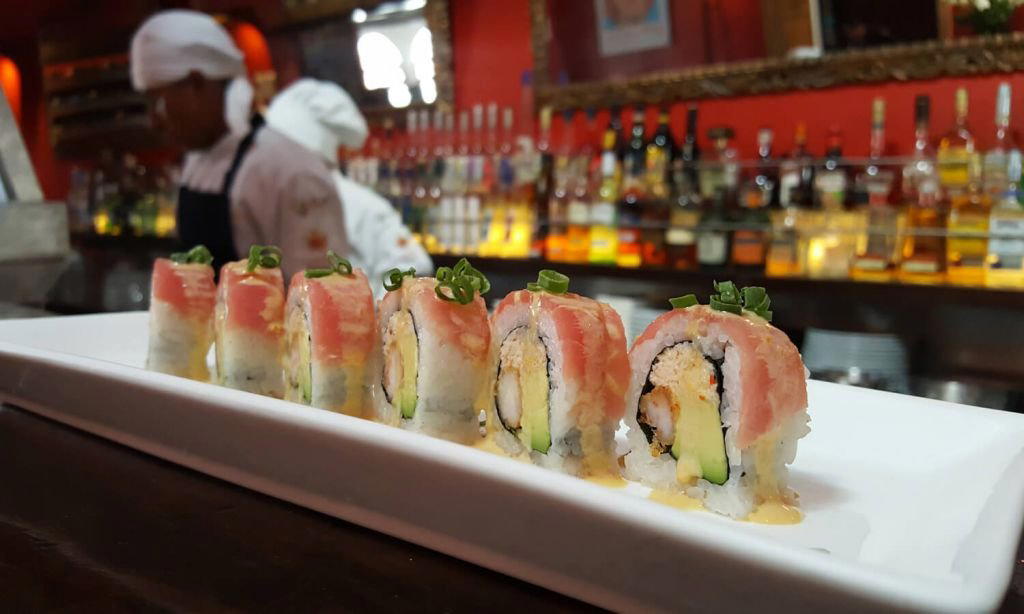
Altitude, Stone Arches, and the Plaza Below
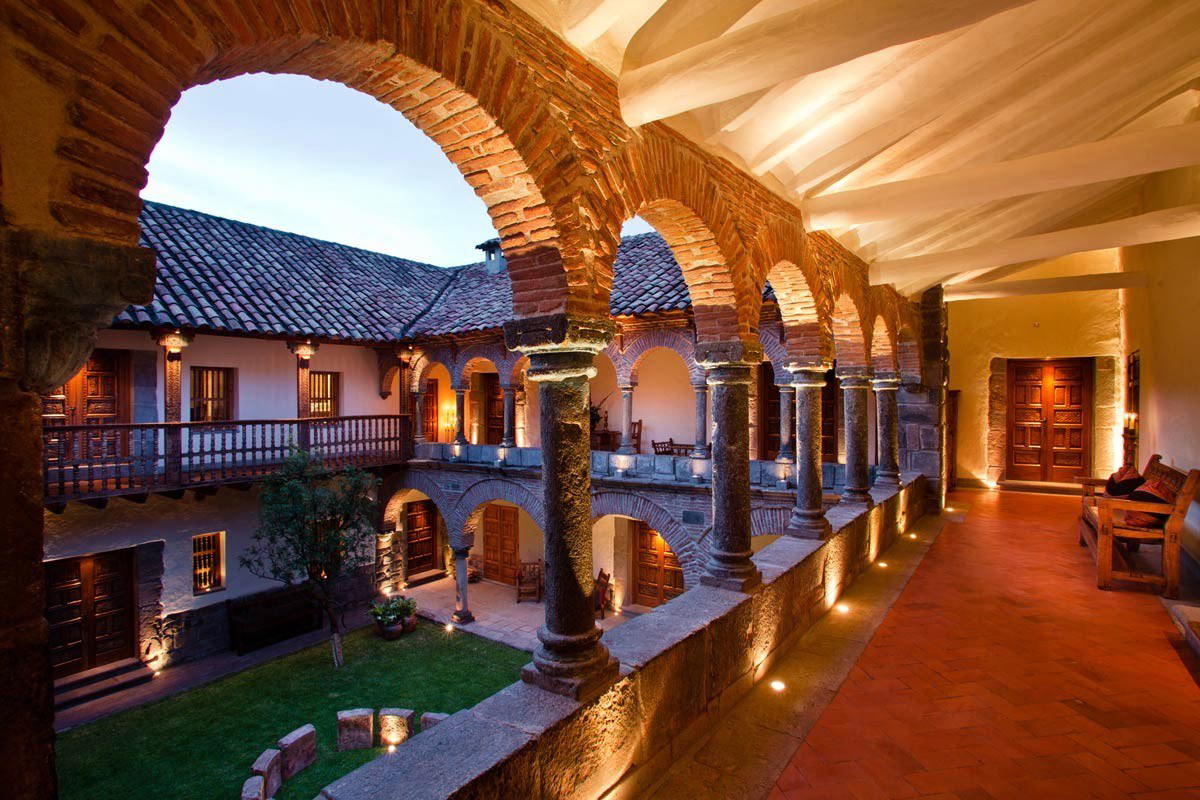
The Plaza de Armas in Cusco is one of those rare urban spaces where you feel the accumulated weight of competing civilisations simultaneously: Inca stonework at the base of colonial churches, tourists circling the same cobblestones that once formed the ceremonial heart of Tawantinsuyu. Restaurants that occupy the portals facing the square inherit that context whether they want to or not. Limo, at Portal de Carnes 236, does not ignore it. The address places you inside the arcade-lined perimeter of the plaza, which means the approach to your table passes through architecture that is, in a literal sense, layered history. It is a Peruvian Nikkei Fusion restaurant at Portal de Carnes 236 in Cusco, with a smart casual dress code and reservations recommended.
Acclimatisation shapes appetite. Portions feel more considered. The pace of a meal at altitude slows naturally, and the better restaurants in Cusco work with that physiological reality rather than against it. The dining rhythm here is not the rushed efficiency of a capital-city lunch but something closer to the deliberate unhurrying of a meal taken seriously.
Where Limo Sits in Cusco's Modern Peruvian Spectrum
Cusco's upper dining tier has consolidated around a recognisable format over the past fifteen years: novo andino foundations, Japanese technique either explicit or implicit, and a price point that reflects the international visitor base rather than local wage structures. Chicha por Gaston Acurio established the Acurio network's presence in the city and gave the category a commercial template. Cicciolina took a tighter, more personal approach and built a loyal following among travellers who research seriously. Limo occupies the Nikkei-inflected register of that same tier, the strand of Peruvian cooking that draws on the Japanese immigration wave of the late nineteenth and early twentieth centuries to produce something neither purely Andean nor Japanese but distinctly coastal-highland Peruvian in its evolved form.
Osaka Nikkei in San Isidro, which sits in Lima's premium dining belt and prices accordingly. Lima itself anchors the broader conversation about where Peruvian cuisine sits globally, with Astrid & Gastón still functioning as the country's most internationally cited reference point. Cusco operates as a secondary market in that hierarchy but not an inferior one: the ingredient access is different, the altitude changes how flavour reads, and the visitor profile in Cusco skews toward travellers who have already done their research.
The Logic of the Meal: Pacing and Sequence
The editorial angle worth pressing on at Limo is not which dishes appear on a menu that changes with availability, but rather how a meal here is structured to function as a sequence. Novo andino cooking, at its most coherent, treats the Andean pantry as an argument: chicha de jora, purple corn, quinoa in its many local varieties, huacatay, rocoto, and the extraordinary potato diversity of the highlands all appear not as garnishes but as structural elements. A kitchen working in this register positions its cold preparations, its ceviches and tiraditos, as the first act of a meal that builds in temperature, richness, and complexity. The Japanese influence on the ceviche tradition in particular changes the citrus-to-fish ratio and the texture of the cure in ways that separate Nikkei-inflected preparations from their purely coastal Peruvian counterparts.
Visitors arriving from lower altitudes should plan on a measured approach to the first course and the pisco-based cocktail that almost every serious table in Cusco begins with. The interaction between alcohol and altitude is well documented and practically significant: one pisco sour at 3,400 metres behaves closer to two at sea level. The restaurants along the Plaza de Armas arcade have been serving international guests long enough that their front-of-house teams understand this without needing to be told, but the pace of service at Limo is calibrated to let the meal breathe across courses rather than compress into a shorter window.
The Plaza de Armas Tier: What the Address Means
A restaurant address on the Plaza de Armas carries specific implications in Cusco. It means high foot traffic and year-round tourist volume, which funds the kitchen but also creates a risk of menu conservatism. The venues in this tier that have sustained serious food credentials over multiple years have done so by resisting the temptation to flatten their cooking toward the lowest common denominator of international visitor expectation. Fallen Angel addressed the challenge through strong visual identity and theatrical presentation. Cicciolina addressed it through consistent quality control and a tightly edited menu. Limo's answer has been the Nikkei register itself, a cuisine specific enough to function as a filter, attracting guests who already understand the reference before they sit down.
Mil Centro in Moray, about an hour from Cusco in the Sacred Valley, represents the hyper-local ingredient research end of the spectrum, where altitude-specific biodiversity drives the entire menu concept. Mapacho Craft Beer Restaurant in Urubamba takes a more informal approach to Andean ingredients in the same valley. The point is that Cusco city dining and Sacred Valley dining now form a coherent regional circuit rather than isolated stops, and a Limo dinner fits logically as the urban counterpoint to those more agricultural-focused experiences.
The Vegetable Question at Altitude
One practical point that affects every restaurant in Cusco's upper tier: the produce available at this altitude is extraordinary and the protein options are more constrained than Lima's coastal kitchens. Green Point has built an entire concept around the vegetable strength of the Andean pantry. Limo, working in a broader register, benefits from the same raw material advantage. Guests with plant-based preferences will find the Andean vegetable diversity more accommodating here than in most European or North American comparators at the same price tier, though specific accommodations should be confirmed directly with the restaurant before arrival.
Planning the Visit
Limo is at Portal de Carnes 236 on the Plaza de Armas. The address is navigable on foot from any hotel in the historic centre of Cusco, which remains one practical accommodation base for plaza-facing dining. Advance booking is advisable. The plaza-facing venues fill earlier in the evening than visitors accustomed to European or North American dinner timing might expect. For a broader survey of where Limo sits among Cusco's options, the full Cusco restaurants guide maps the city's dining tiers with more context. Costanera 700 in Miraflores, Cirqa in Arequipa, and Delfin Amazon Cruises in Iquitos each represent distinct regional traditions worth knowing against the Cusco baseline. Internationally, the progression from a Cusco Nikkei table to something like Le Bernardin in New York City or Lazy Bear in San Francisco illustrates how the same instinct toward precise, produce-led cooking finds different formal expression at different latitudes.
Cuisine and Recognition
Comparable venues nearby, for context on price, style, and recognition.
| Venue | Cuisine | Price | Notes |
|---|---|---|---|
| LimoThis venue — the venue you are viewing | Peruvian Nikkei Fusion | $$$ | Not listed |
| Pachapapa | Traditional Cusquenian Peruvian | $$$ | San Blas |
| Fallen Angel - "The" Restaurant | Peruvian Fusion | $$$ | Plaza Nazarenas |
| Chicha por Gaston Acurio | Modern Peruvian | $$$ | Centro Histórico |
| Papacho's, Cuzco | Peruvian Gourmet Burgers | $$ | Plaza de Armas |
| Marcelo Batata Restaurante | Peruvian Criolle and Andean Fusion | $$ | Cusco City Center |
Continue exploring
More in Cusco
Restaurants in Cusco
Browse all →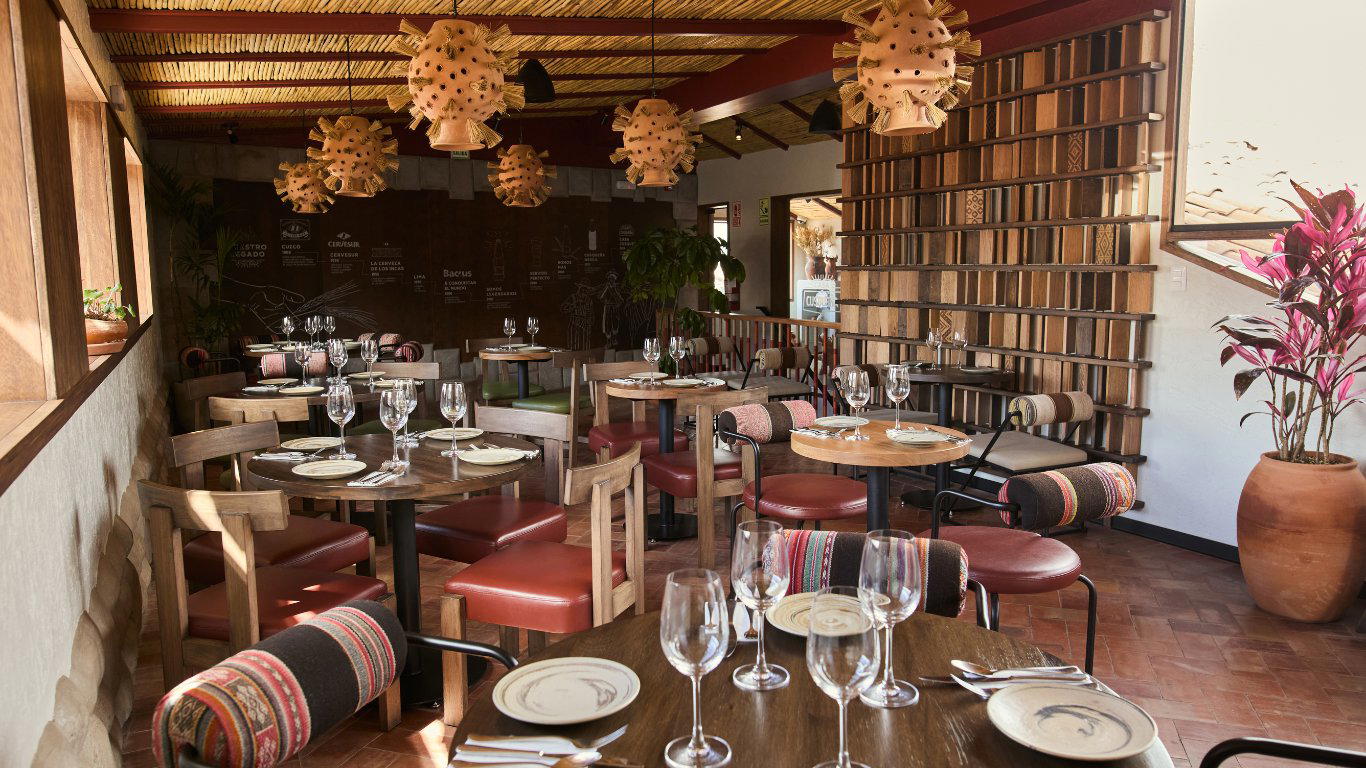
At a Glance
- Elegant
- Modern
- Sophisticated
- Date Night
- Special Occasion
- Terrace
- Craft Cocktails
- Street Scene
Current opening hours
- Monday
- 12–10 PM
- Tuesday
- 12–10 PM
- Wednesday
- 12–10 PM
- Thursday
- 12–10 PM
- Friday
- 12–10 PM
- Saturday
- 12–10 PM
- Sunday
- 12–10 PM
Hours can change for holidays and private events. Last verified .
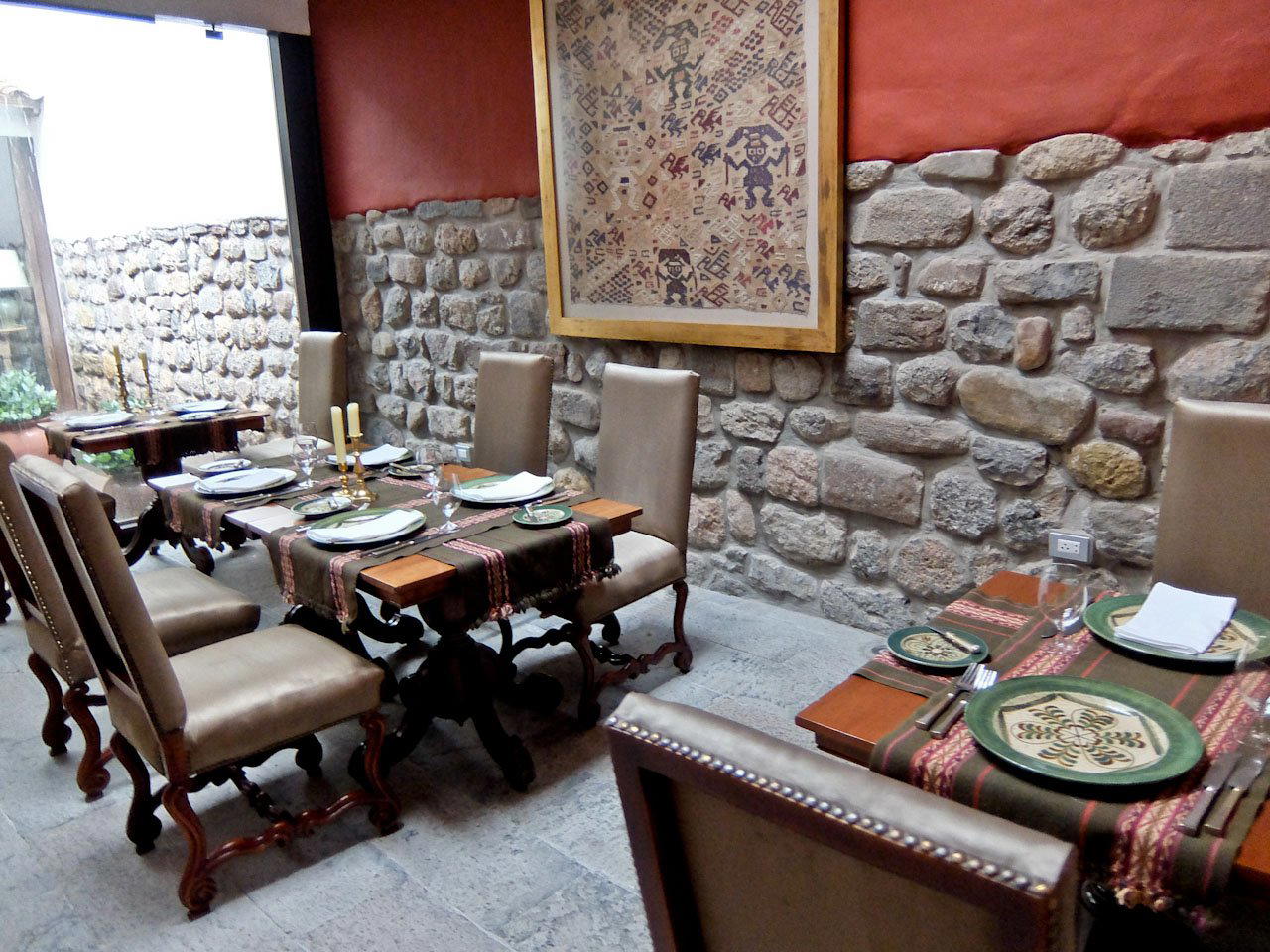
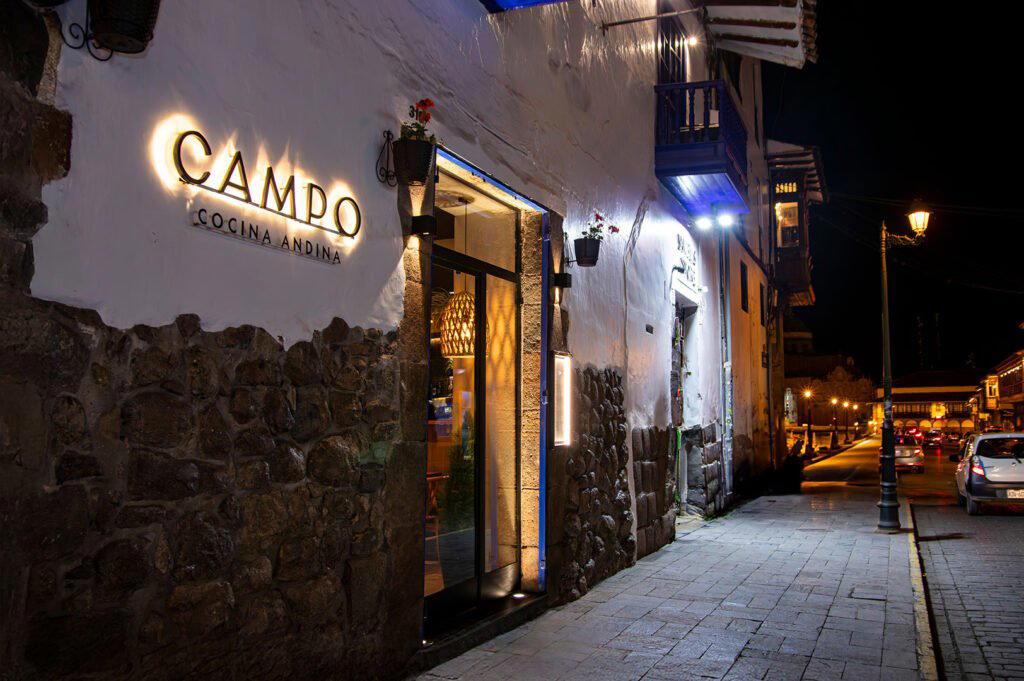
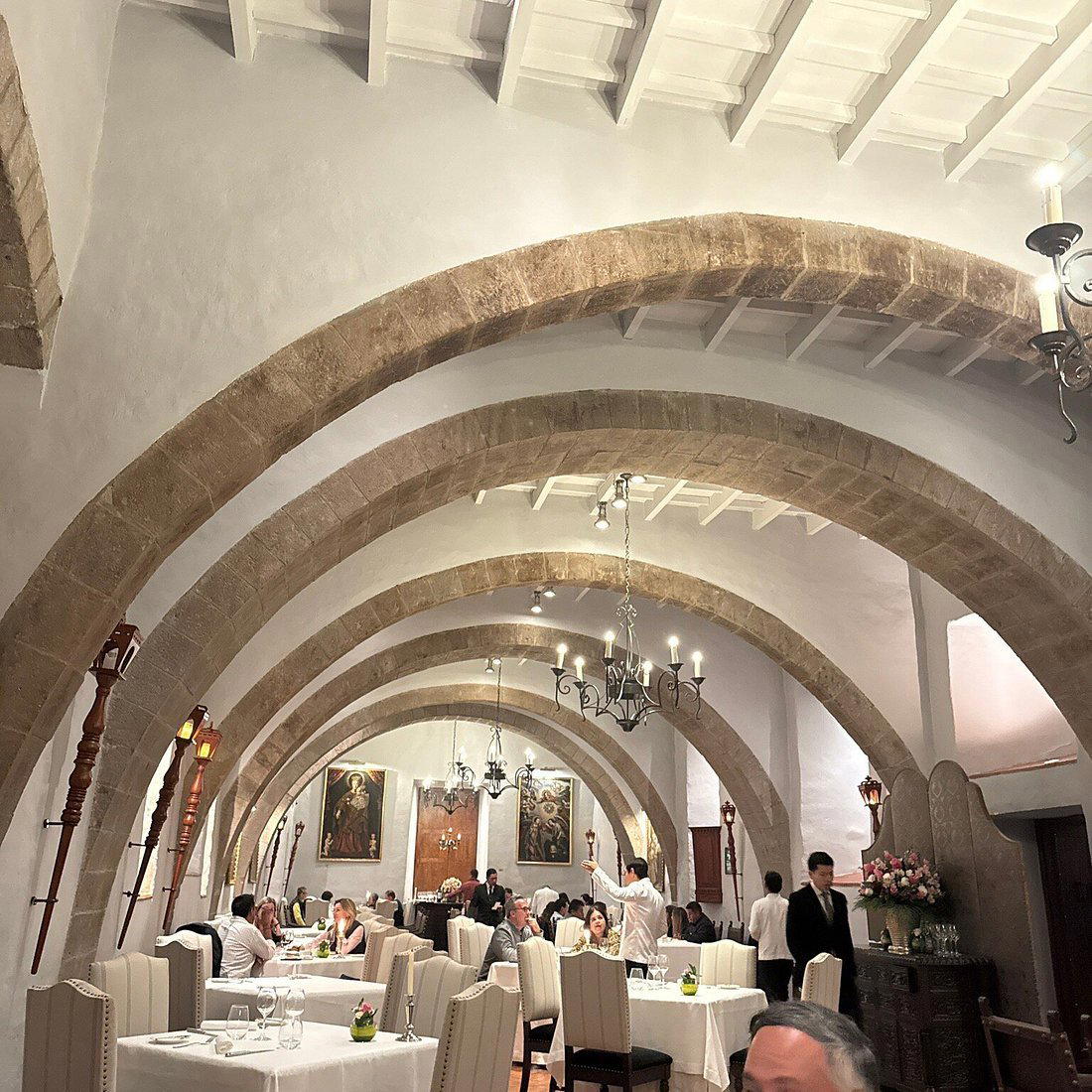
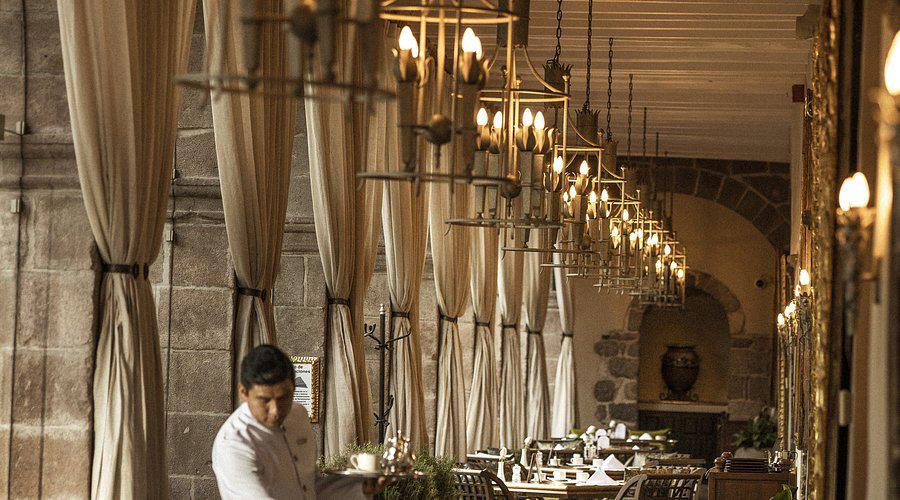
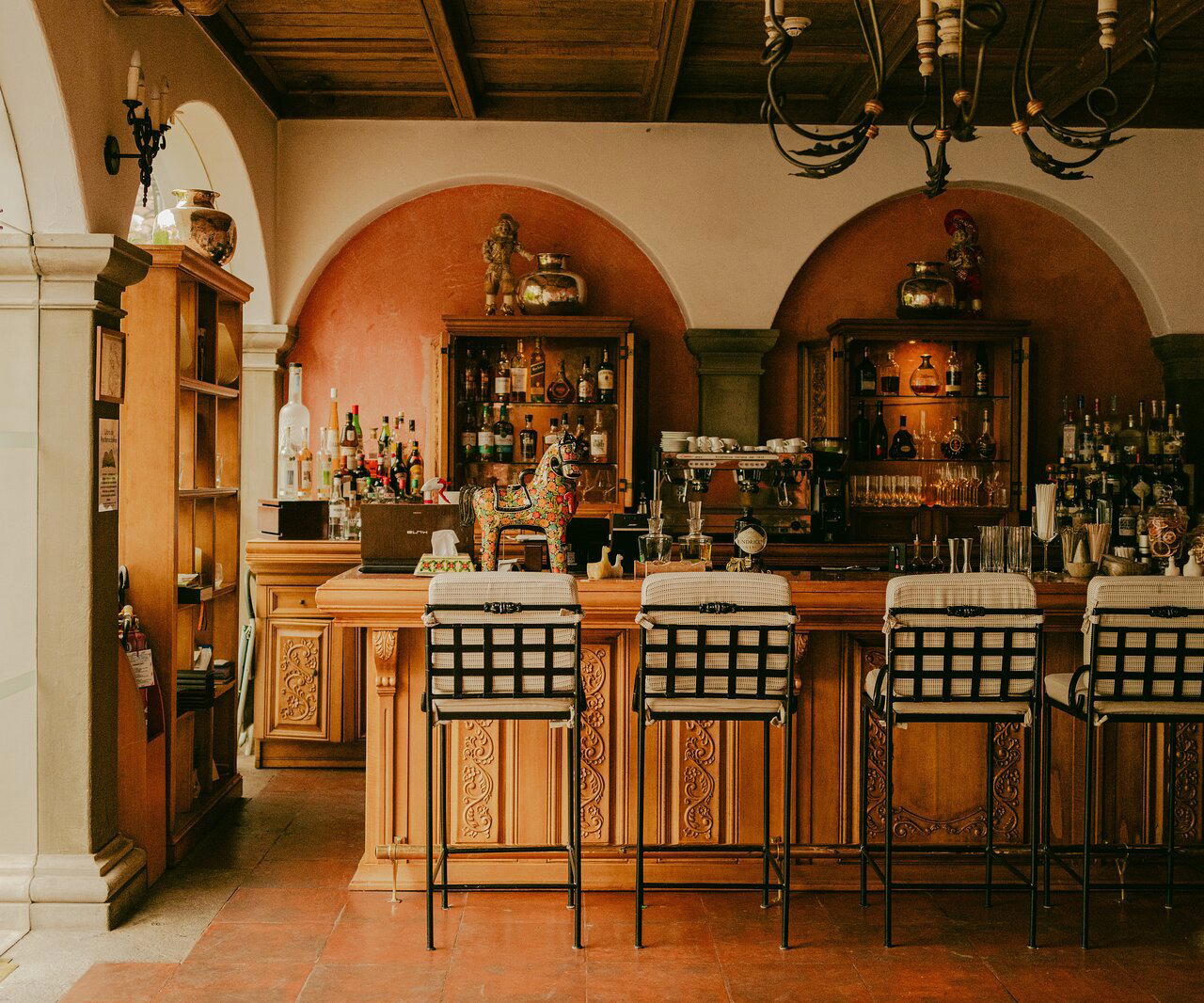
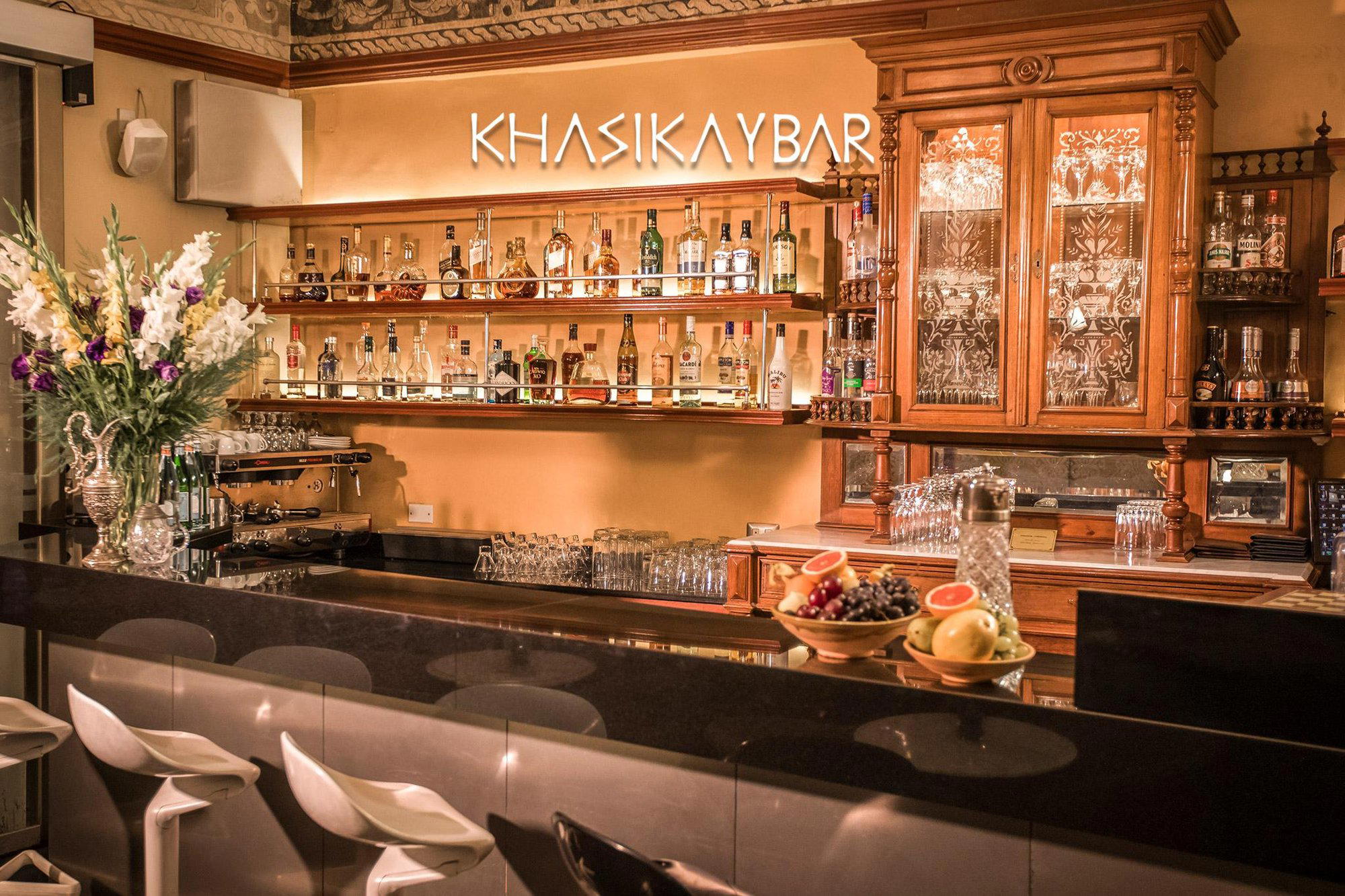
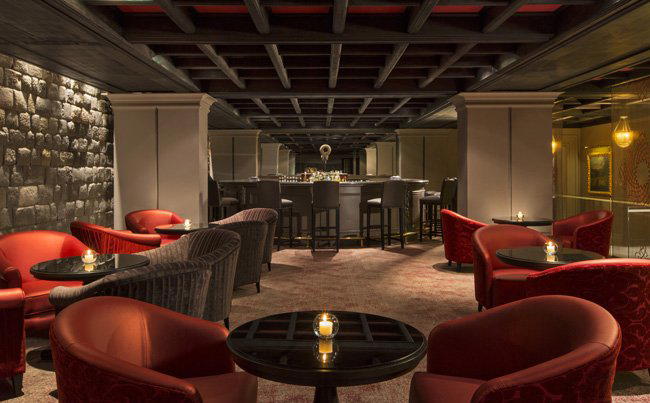
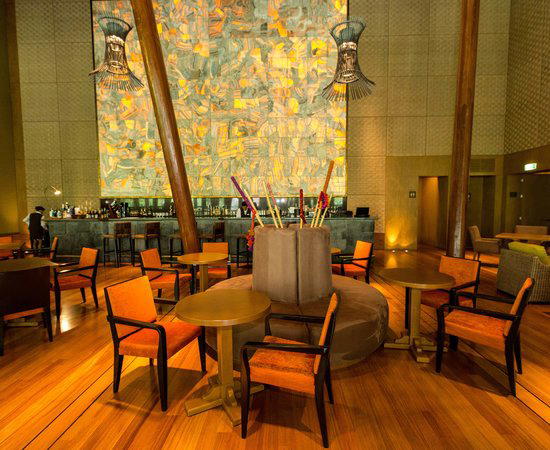
Elegant and modern atmosphere with sleek red walls, white chairs, high-beamed ceilings, and stone walls in a colonial building, enhanced by terrace views of the plaza.