Kurt & Horacio
Kurt & Horacio sits in General Pacheco, a working district north of Buenos Aires where restaurant culture has developed quietly outside the capital's spotlight. For travellers crossing Buenos Aires province, it represents the kind of address worth investigating before the guidebooks catch up.
Pearl is the En Primeur Club membership app — saves, bookings, and concierge access live there. Same editors, same standards.
- Address
- B1610BKU, Henry Ford 2908, B1610BKU Gral. Pacheco, Provincia de Buenos Aires, Argentina
- Phone
- +541131834408
- Website
- instagram.com
- Directions
- Get directions
 Saves & bookings on Pearl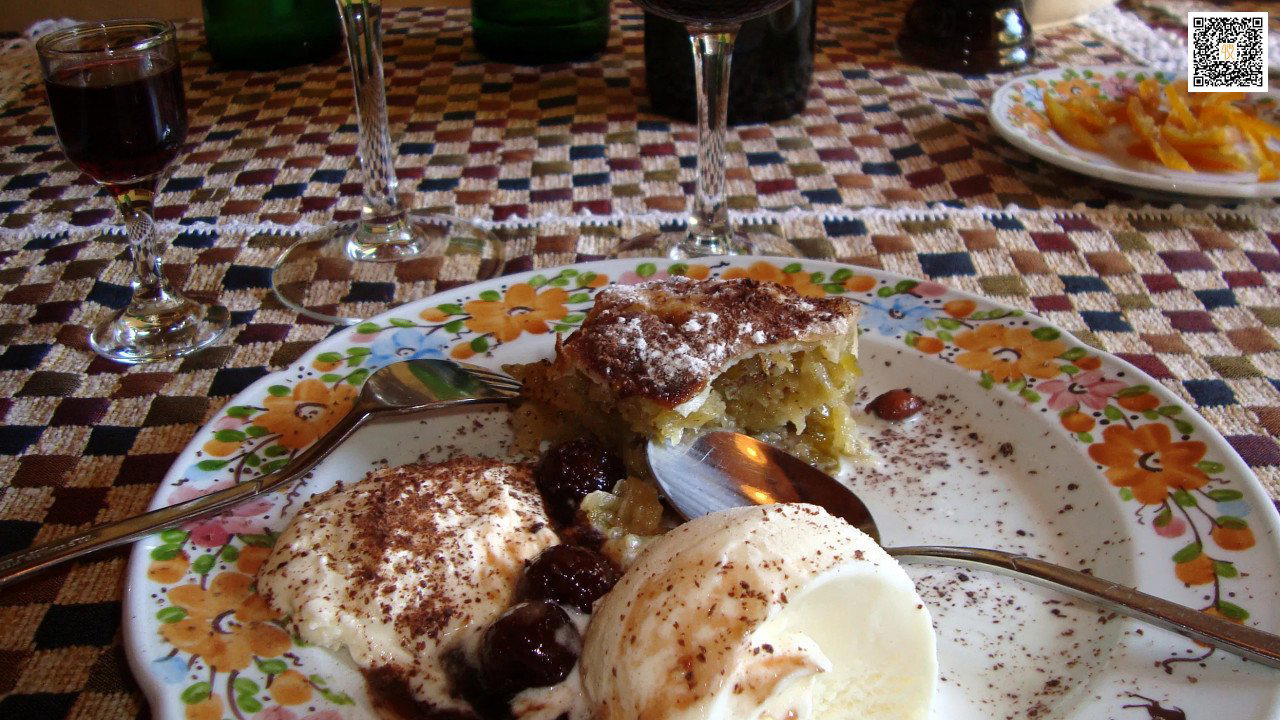
North of the Capital, Outside the Noise
General Pacheco sits in Tigre Partido, roughly 30 kilometres north of Buenos Aires along the Panamericana highway, far enough from Palermo and San Telmo that the restaurant culture here develops on its own terms. The neighbourhood around Henry Ford 2908 is industrial and residential in equal measure, the kind of street where a dining address announces itself through reputation rather than foot traffic or tourist maps. Restaurants that survive and build a following in this part of Buenos Aires province tend to do so because the food warrants the drive, not because the location does the work for them.
This dynamic, a restaurant earning its clientele from a location that offers no ambient advantage, tells you something meaningful about Argentine provincial dining more broadly. Outside the capital's dense dining districts, where addresses like Don Julio in Buenos Aires benefit from decades of accumulated visibility, the competition is different and the standards are set locally. Kurt & Horacio operates in that context: a General Pacheco address in a province where our full Ricardo Rojas restaurants guide traces a dining culture built on proximity to cattle country, agricultural supply chains, and the kind of ingredient access that urban restaurants have to work harder to secure.
What the Address Implies About the Plate
Buenos Aires province is Argentina's agricultural engine. The Pampas stretch south and west of the capital, but the northern corridor, running through Tigre, General Pacheco, and beyond, sits close enough to production networks that restaurants in the area have historically drawn on supply lines unavailable to city venues paying premium logistics costs. In Argentine cooking, that proximity matters most at the level of beef, vegetables, and dairy: the three categories where provenance and handling time between producer and kitchen determine quality more than technique does.
Across provincial Argentina, the strongest addresses tend to be those where the kitchen operates with a short supply chain as a structural advantage rather than a marketing claim. Compare this to highly decorated Buenos Aires province neighbours, Kaia Omakase Nikkei Experience in Villa Rosa and Don Giovanni Ristorante in Presidente Derqui, each of which has built a distinct identity in the northern GBA corridor partly through access to ingredients that arrive fresher and cheaper than in the capital.
Further afield in Argentine wine country, the sourcing logic extends to producers. Angélica Cocina Maestra in Agrelo and Casa Vigil in Villa Seca operate at the intersection of winery and kitchen, where the supply chain from vine to table is measured in metres. Bodega Caelum in Lujan De Cuyo and Azafrán in Mendoza represent the more urban version of the same logic. Kurt & Horacio operates without that winery infrastructure, but the underlying principle, that location inside an agricultural corridor creates ingredient options not available in the capital, applies here too.
The Provincial Restaurant Tier in Greater Buenos Aires
Greater Buenos Aires contains a spectrum of dining formats, from the casual parrilla serving workers near industrial zones to the occasional destination address that draws traffic from the city on weekends. In the northern corridor specifically, the market has bifurcated: venues aimed at local residents eating regularly, and venues aimed at attracting a broader audience from across the metro area. The former tend to operate with leaner overheads and more direct producer relationships. The latter invest more in atmosphere and tend to carry higher price points.
Kurt & Horacio sits in the local-resident end of that spectrum, with a casual dress code, a recommended reservation policy, and German/Bavarian comfort food on the table. That absence of a documented media profile is itself informative: the venue has not pursued the kind of press and award circuit visibility that characterises, say, Casa de Campo in General Ortega or Belgrano & Perú in Las Heras. Whether that reflects a deliberate focus on local clientele or simply a venue at an early stage of visibility is a distinction worth investigating on arrival.
For context on what the northern GBA dining corridor can produce at its more ambitious end, Casa de Campo offers a useful reference point in terms of format and positioning. Further south, Califa in Santiago Del Estero demonstrates how provincial Argentine dining at its strongest develops a culinary identity distinct from Buenos Aires rather than derivative of it.
Getting There and Planning the Visit
Kurt & Horacio is located at Henry Ford 2908, General Pacheco, in the Tigre Partido of Buenos Aires province, a zone most easily reached by car from the capital via the Panamericana. Public transit connects Pacheco to Retiro via the Mitre line, though the final distance from the station to the restaurant is more practical by taxi or remis.
For travellers building a broader itinerary through the northern Buenos Aires corridor, the area sits within reasonable reach of the Tigre Delta and the recreational infrastructure around the Paraná channels, a context that shapes weekend dining patterns in the area significantly, with Saturday and Sunday lunch trade typically heavier than weekday dinner in residential-industrial zones like Pacheco.
Argentine restaurant culture in this tier tends toward generous portions and table-sharing formats, with wine lists that reflect provincial pricing rather than the capital's import markups. Those travelling from internationally recognised restaurants in other Argentine cities, Alto el Fuego in Bariloche or Cerveza Patagonia Refugio in Bahía Blanca, will find the northern GBA corridor operates with a different register: less scenography, more directness. Camarón Bombay in Puerto Madryn and Casa del Visitante in Fray Luis Beltrán offer analogies for what local neighborhood hospitality looks like when it prioritises the local over the theatrical.
Comparison Snapshot
Comparable venues nearby, for context on price, style, and recognition.
| Venue | Cuisine | Price | Notes |
|---|---|---|---|
| Kurt & HoracioThis venue — the venue you are viewing | German/Bavarian comfort food | $$ | Not listed |
| Chuchú | International | $$ | Retiro |
| Hierbabuena | Healthy Vegetarian Garden-Inspired | $$ | Barracas |
| La Cocina | Authentic Catamarqueña Empanadas | $ | Recoleta |
| La Bumon | Wine-focused Fine Dining | $$$ | Once |
| Los Talas del Entrerriano | Traditional Argentine Parrilla | $$ | José León Suárez |
Continue exploring
More in Ricardo Rojas
Restaurants in Ricardo Rojas
Browse all →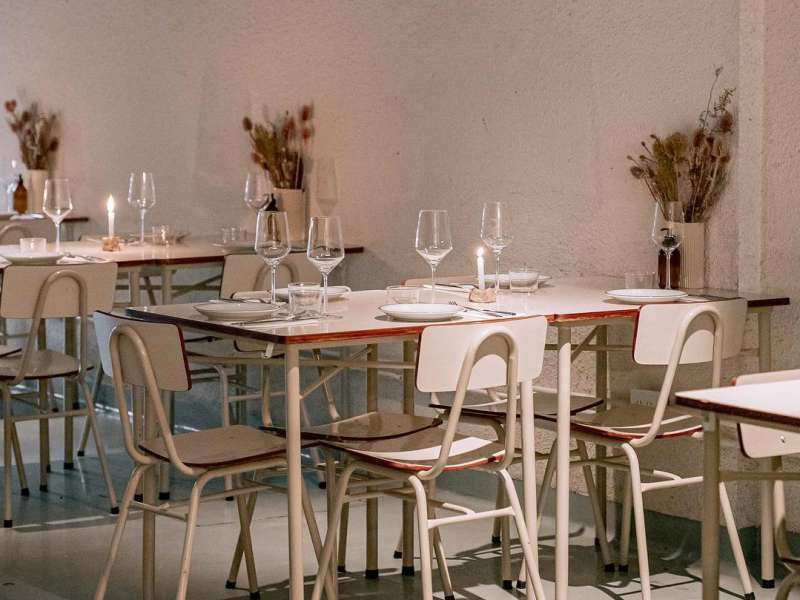
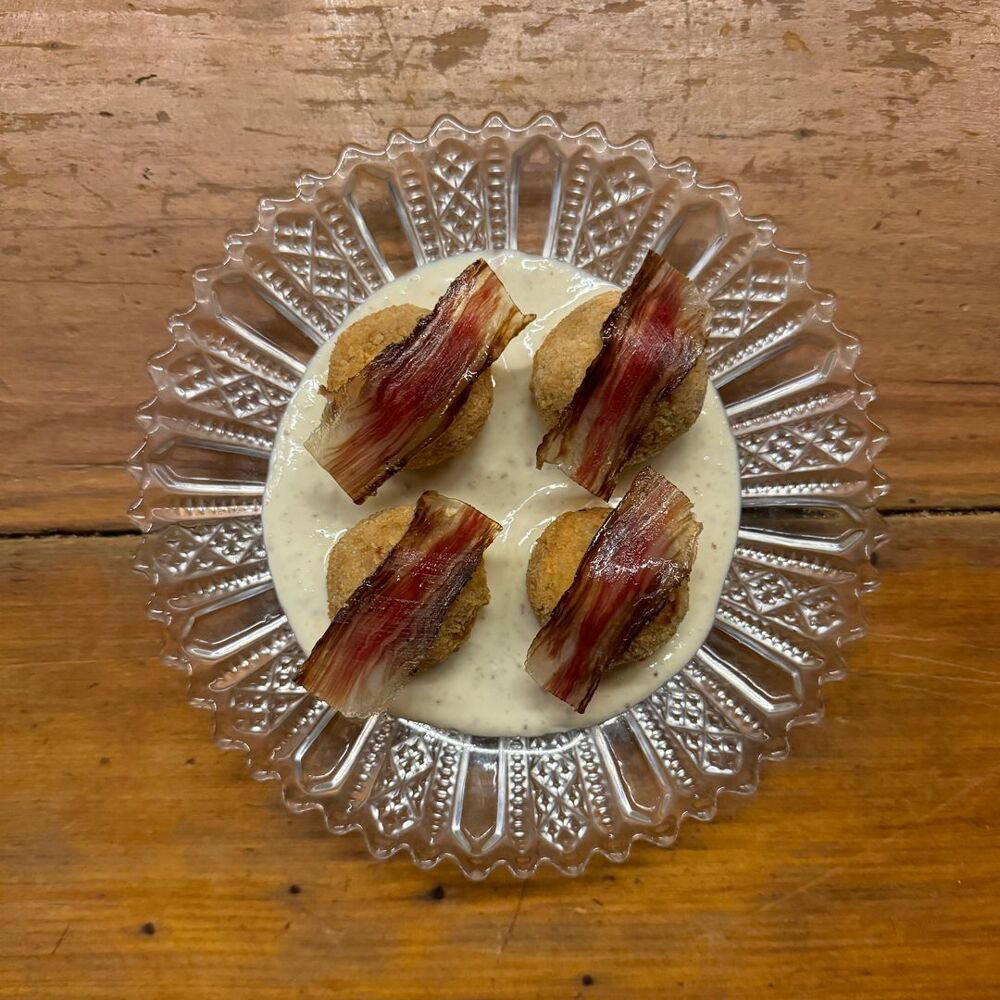
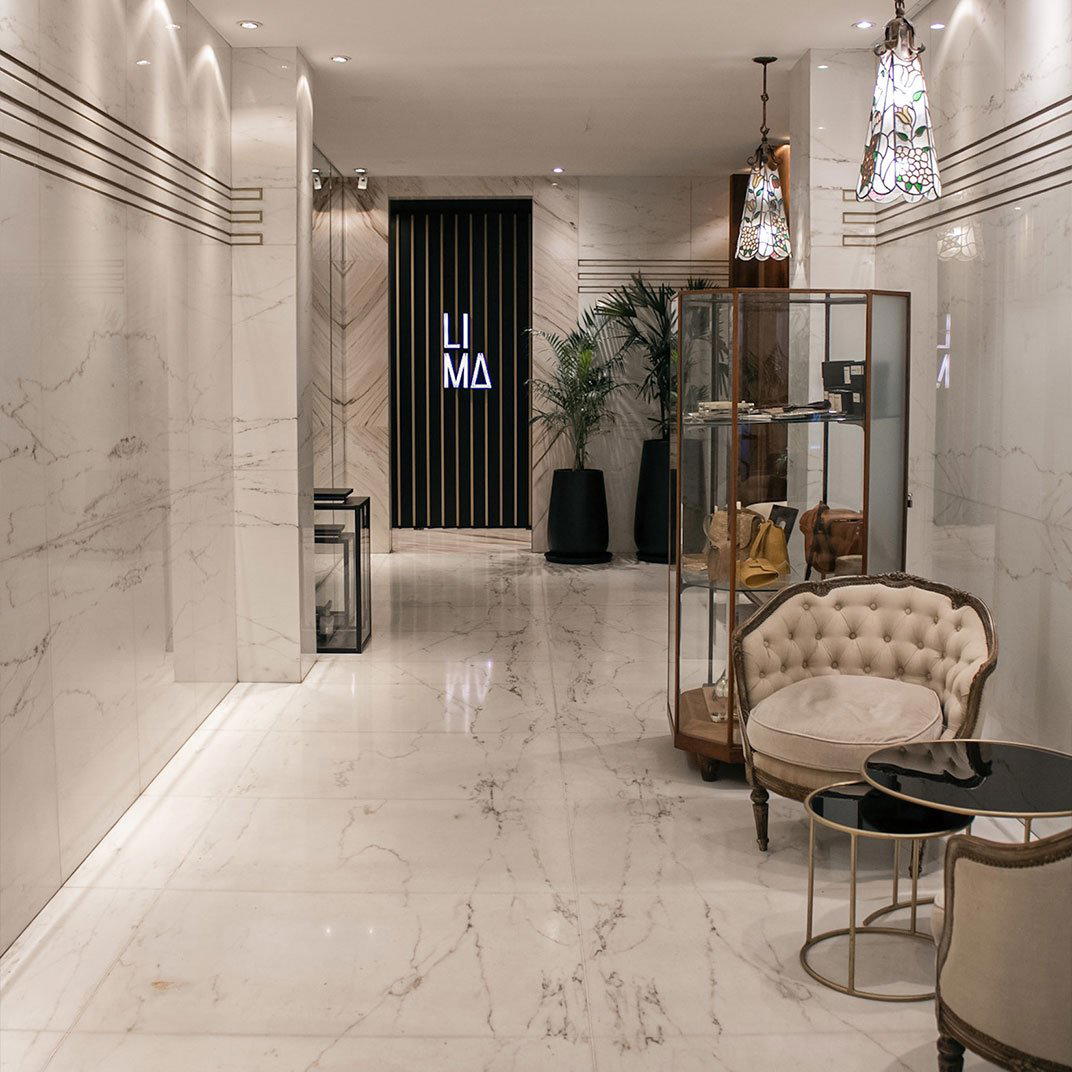
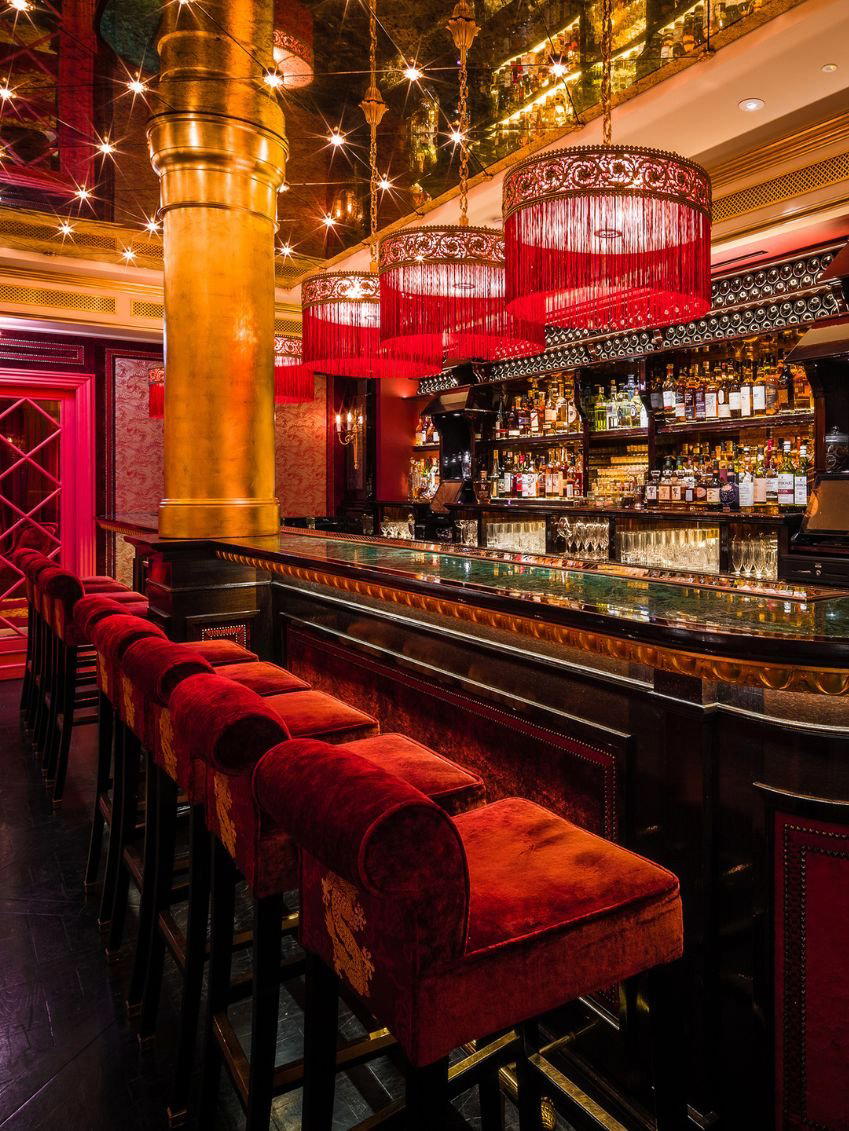
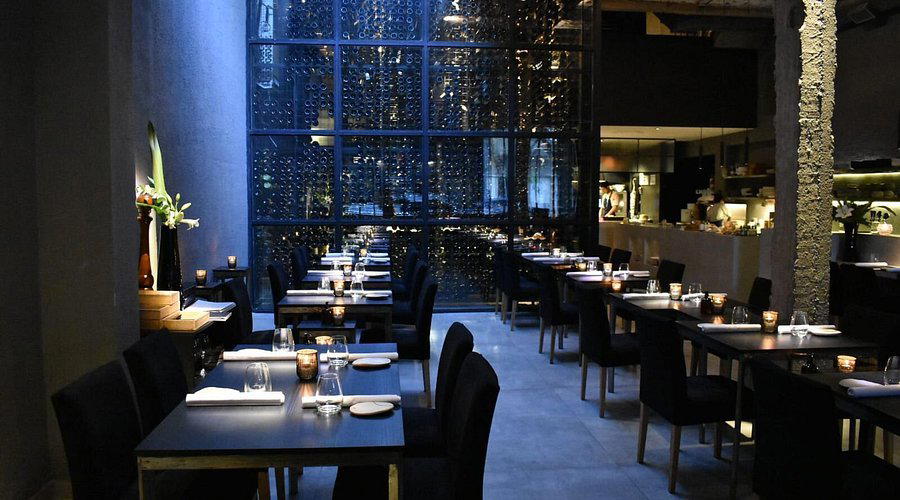
Bars in Ricardo Rojas
Browse all →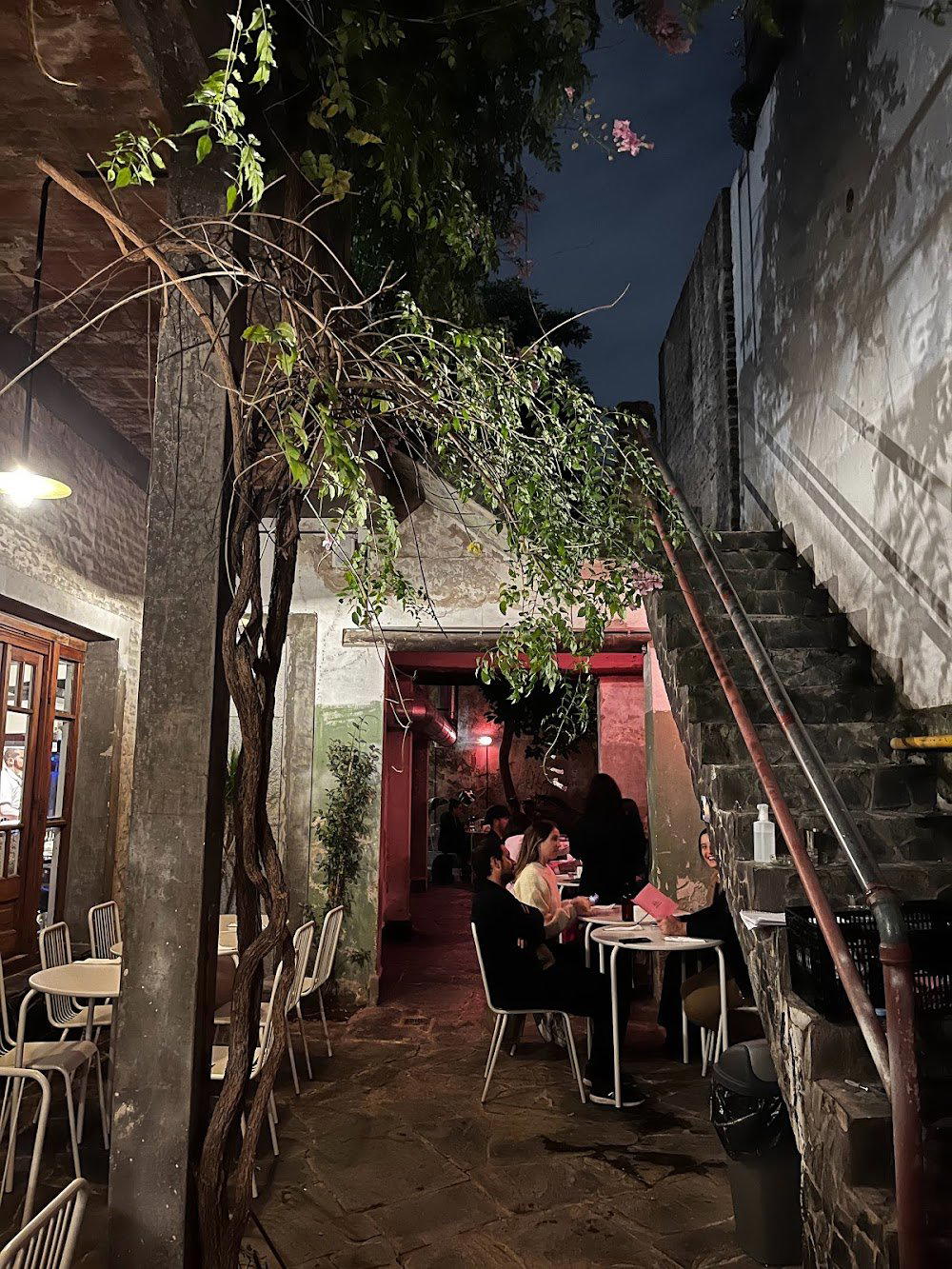
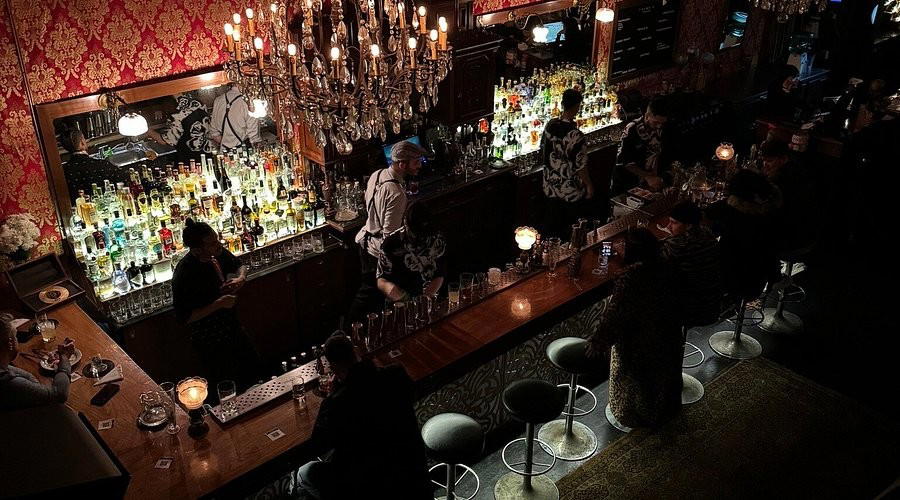
Hotels in Ricardo Rojas
Browse all →
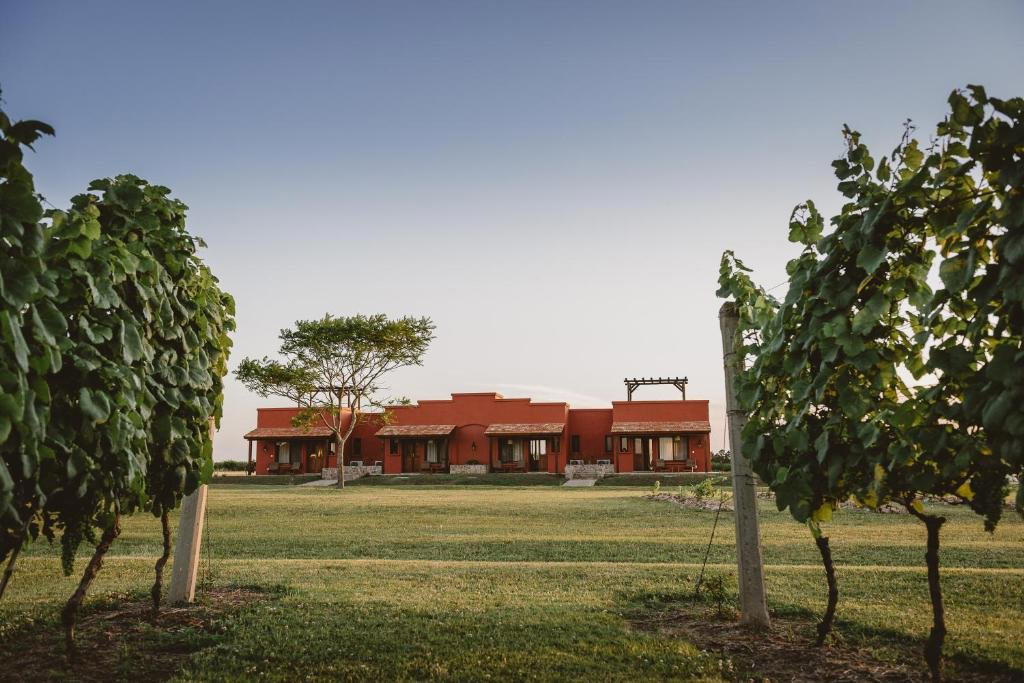
At a Glance
- Group Dining
- Family
Current opening hours
- Monday
- 12–3 PM
- Tuesday
- 12–3 PM
- Wednesday
- 12–3 PM
- Thursday
- 12–3 PM, 8–11 PM
- Friday
- 12–3 PM, 8–11 PM
- Saturday
- 12–3 PM, 8–11 PM
- Sunday
- 12–3 PM
Hours can change for holidays and private events. Last verified .
Familiar and welcoming atmosphere suitable for groups.