La Cocina
On Avenida Pueyrredón in Buenos Aires, La Cocina occupies a stretch of the city where neighbourhood dining runs deeper than tourist circuits. Positioned in a Buenos Aires dining scene increasingly attentive to sourcing and kitchen ethics, it sits apart from the high-end steakhouse tier and the creative tasting-menu format, offering a more grounded read on the city's food culture.
Pearl is the En Primeur Club membership app — saves, bookings, and concierge access live there. Same editors, same standards.
- Address
- Av. Pueyrredón 1508, C1118 Cdad. Autónoma de Buenos Aires, Argentina
- Phone
- +54 11 4825 3171
- Directions
- Get directions
 Saves & bookings on Pearl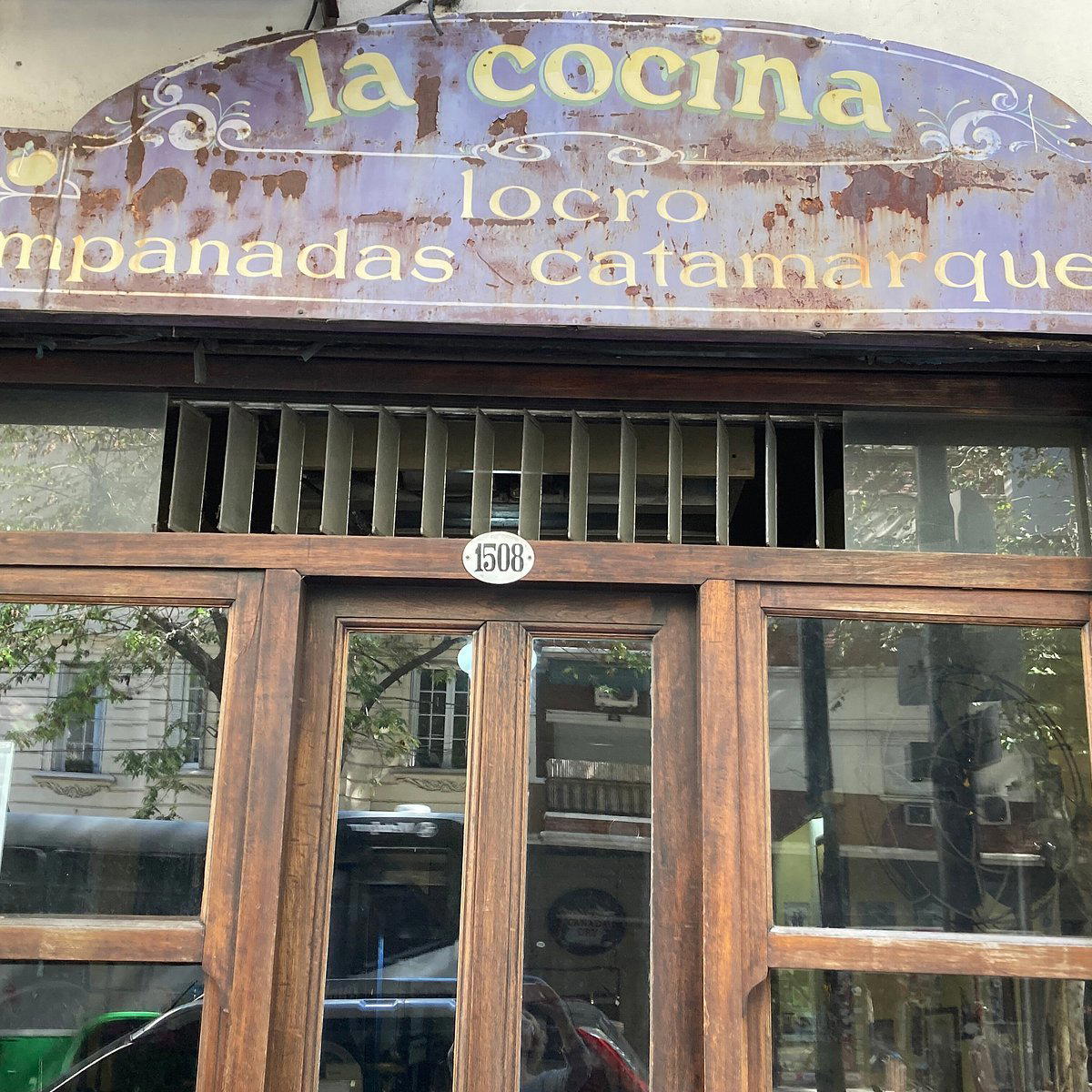
Avenida Pueyrredón and the Neighbourhood Dining Register
Buenos Aires dining tends to get flattened into two dominant narratives: the wood-fired parrilla tradition, anchored by flagships like Don Julio at the summit of the asado hierarchy, and the creative modern-Argentinian format represented by places like Aramburu and Trescha. La Cocina operates in a residential corridor away from Palermo and Recoleta's dining clusters. La Cocina sits on Avenida Pueyrredón at number 1508, a thoroughfare that connects the city's commercial and residential fabric rather than its hospitality showcase strips. That address is not incidental. It places the restaurant in a register of Buenos Aires dining that reads as functional and local first, destination second.
That distinction matters when considering what the city's food scene is actually doing. Particularly discussed venues, Crizia, Anafe, and the established parrilla circuit, draw an international dining public and price accordingly. The neighbourhood tier, by contrast, absorbs a local clientele with different expectations: consistency over occasion, familiarity over spectacle. For the traveller who wants to read Buenos Aires through its quotidian food habits rather than its curated restaurant offerings, that tier is worth understanding on its own terms.
Sourcing and Kitchen Ethics in the Buenos Aires Context
Argentina's food identity has long rested on abundance: vast pampas cattle, seasonal produce from the interior provinces, and a cultural relationship to the grill that treats ingredient quality as a given rather than a point of differentiation. That assumption is shifting. Across the city's more attentive kitchens, the conversation around sourcing has become more specific, with chefs drawing explicit lines between commodity supply chains and producers operating at smaller scale with greater transparency. Buenos Aires is following a comparable trajectory, even if more slowly given the structural pressures of Argentina's import restrictions and economic volatility.
For a restaurant on Avenida Pueyrredón, operating outside the premium tier where sourcing narratives are easiest to sustain financially, the question of ethical kitchen practice takes a different shape. It is less about certified organic supply chains and more about reduction: waste management, seasonal adjustment, and the kind of cooking that treats the whole ingredient rather than trimming for presentation. This approach to kitchen economics is not new to Argentine cooking, it is embedded in the country's cucina povera traditions, the dishes built from offal, legumes, and slow-braised secondary cuts that predate the export-driven beef culture. The restaurants that hold to those traditions are increasingly read, by a more environmentally conscious dining public, as more principled than high-end venues that market sustainability at scale.
Across Argentina more broadly, the sustainability conversation extends to wine and regional produce. Operations like Azafrán in Mendoza and lodge-restaurants such as Cavas Wine Lodge in Alto Agrelo have built sourcing ethics into their core format. At the estancia end of the spectrum, places like La Bamba de Areco in San Antonio de Areco connect the table directly to agricultural land in ways that urban restaurants cannot replicate. The Buenos Aires neighbourhood restaurant operates in a different constraint set, no land, no cellar, no agricultural adjacency, and its version of ethical practice is proportionally scaled.
What the Address Tells You
Pueyrredón 1508 sits in a part of Buenos Aires where the built environment is dense and residential, the street-level commerce is oriented toward everyday needs, and the restaurants that survive do so through repeat local custom rather than guidebook traffic. This is the structural condition of neighbourhood dining everywhere, but in Buenos Aires it has a particular texture. The city's economic cycles have repeatedly reshaped what restaurants can charge and what their suppliers can deliver, and the kitchens that have lasted through those cycles tend to be operationally lean in ways that, viewed from the outside, can look like principled restraint.
Compared to the experience of dining at, say, Awasi Iguazu in Puerto Iguazú, where the environmental context is the dominant frame, or Las Balsas Restaurant in Villa La Angostura, where Patagonian landscape and produce are inseparable from the offer, a Buenos Aires street-address restaurant is operating without those natural anchors. Its relationship to place is urban and social rather than ecological. That does not make it less interesting, it makes it differently interesting, as a document of how a city feeds itself rather than how it performs for visitors.
For those extending their Argentine itinerary into wine country, the dining registers in Luján de Cuyo are worth exploring in parallel. Agrelo and Entre Cielos Luxury Wine Hotel and Spa offer a Mendoza counterpoint to the Buenos Aires urban table, and Chacras de Coria in Las Heras sits in the middle ground between wine-estate dining and neighbourhood restaurant. Los Talas del Entrerriano in General San Martín extends the parrilla tradition into an estancia format that shares little with the urban asado experience. Further north, La Table de House of Jasmines in La Merced Chica represents the Salta region's increasingly recognised table, with a sourcing ethos rooted in the northwest's distinctive agricultural heritage.
Planning a Visit
La Cocina is located at Av. Pueyrredón 1508 in Buenos Aires. The address is accessible by subte, and the surrounding area is navigable on foot from Recoleta.
The Minimal Set
Comparable venues nearby, for context on price, style, and recognition.
| Venue | Cuisine | Price |
|---|---|---|
| La CocinaThis venue — the venue you are viewing | Not listed | $ |
| La Francisca Feria de Campo | Palermo, Argentine Deli & Sandwicheria | $ |
| Club GON | Boedo, Argentine casual club fare | $$ |
| Chori | Palermo, Argentine Choripán | $ |
| Burger Forever | Villa Crespo, Argentine Burgers | $ |
| Chuchú | Retiro, International | $$ |
Continue exploring
More in Buenos Aires
Restaurants in Buenos Aires
Browse all →
Bars in Buenos Aires
Browse all →
Hotels in Buenos Aires
Browse all →
Wineries in Buenos Aires
Browse all →
At a Glance
- Cozy
- Rustic
- Casual Hangout
- Standalone
Current opening hours
- Monday
- 12–3:30 PM, 7 PM–12 AM
- Tuesday
- 12–3:30 PM, 7 PM–12 AM
- Wednesday
- 12–3:30 PM, 7 PM–12 AM
- Thursday
- 12–3:30 PM, 7 PM–12 AM
- Friday
- 12–3:30 PM, 7 PM–12 AM
- Saturday
- 12–3:30 PM, 7 PM–12 AM
- Sunday
- Closed
Hours can change for holidays and private events. Last verified .
Simple, unassuming hole-in-the-wall with an old, local feel and welcoming service.