
A Daimyo tonkatsu counter with Tabelog 100 Tonkatsu 2026 recognition, Kurobuta Tonkatsu Kuromatsu sits in Fukuoka’s practical, specialist dining lane rather than the ceremony-heavy end of Japanese gastronomy. The draw is focused: black-pork tonkatsu and katsu-don in a compact room where planning matters because the format is small and demand is walk-in driven.
Pearl is the En Primeur Club membership app — saves, bookings, and concierge access live there. Same editors, same standards.
- Address
- 2 Chome-1-38 Daimyo, Chuo Ward, Fukuoka, 810-0041, Japan
- Phone
- +81 92-985-7123
- Website
- facebook.com
 Saves & bookings on Pearl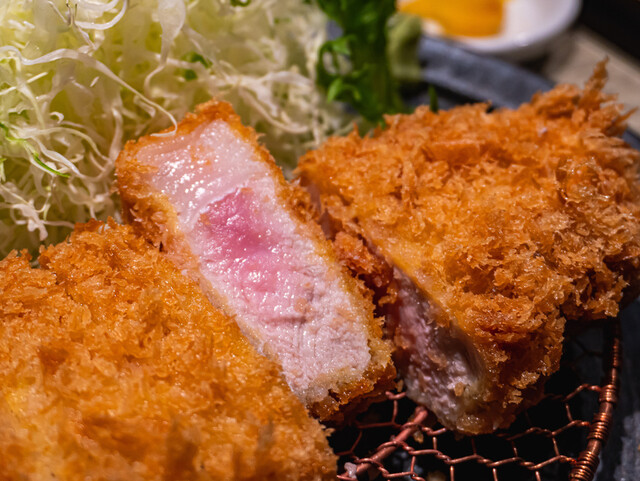
Daimyo changes texture quickly: fashion retail, coffee, izakaya signage, then the narrower rhythm of small restaurants built for decisive eating rather than lingering. In that setting, tonkatsu belongs to the city’s practical luxury category. It is not kaiseki, not sushi theatre, not a hotel dining room performance. It is a controlled equation of pork, frying, rice, cabbage, sauce, timing and turnover, judged by diners who know when the crust has lost its edge.
Fukuoka’s dining reputation is often flattened into ramen and yatai, but the city’s stronger eating culture is broader and more disciplined than that. Daimyo and Akasaka support a dense middle tier of specialist rooms: curry counters, tempura shops, soba rooms, fry-focused lunch places, and compact restaurants where the format explains the crowd. Kurobuta Tonkatsu Kuromatsu belongs to that map, with tonkatsu and katsu-don as its declared categories and a Tabelog score of 3.68 attached to its 2026 Tabelog 100 Tonkatsu selection.
Black-pork tonkatsu in a city that rewards narrow focus
Tonkatsu looks simple to travellers until they start comparing the serious rooms. The difference is not only pork breed or portion size; it is frying management, rest time, cut selection, oil discipline, cabbage preparation, rice handling and the way a room keeps pace without turning lunch into a queue-management exercise. Kurobuta Tonkatsu Kuromatsu signals its lane through black pork, tonkatsu and katsu-don rather than a sprawling menu, which places it closer to Japan’s specialist shokudo tradition than to a general Japanese restaurant.
The 2026 Tabelog 100 Tonkatsu list matters because tonkatsu is a category with heavy local scrutiny. Unlike awards aimed at international tasting-menu tourism, Hyakumeiten recognition tends to capture restaurants used by diners who compare within a narrow genre. That is useful here: the restaurant is being assessed in the company of tonkatsu specialists, not rewarded for ambience, wine depth or chef celebrity. For a visitor, that makes the signal cleaner.
Fukuoka’s value equation also sharpens the point. At this level, a focused tonkatsu meal can sit below the cost of many dinner-led specialist formats while requiring the same seriousness about timing. Nearby comparison helps: Aji Furai Shokudo Kaba points to the city’s affection for fried seafood, while Aji no Katsueda and Aji Dokoro Taro Gen Sougyou ten show how Fukuoka rewards single-purpose and comfort-driven formats. Tonkatsu is part of that same everyday-specialist vocabulary.
The small-room calculation: counter discipline over ceremony
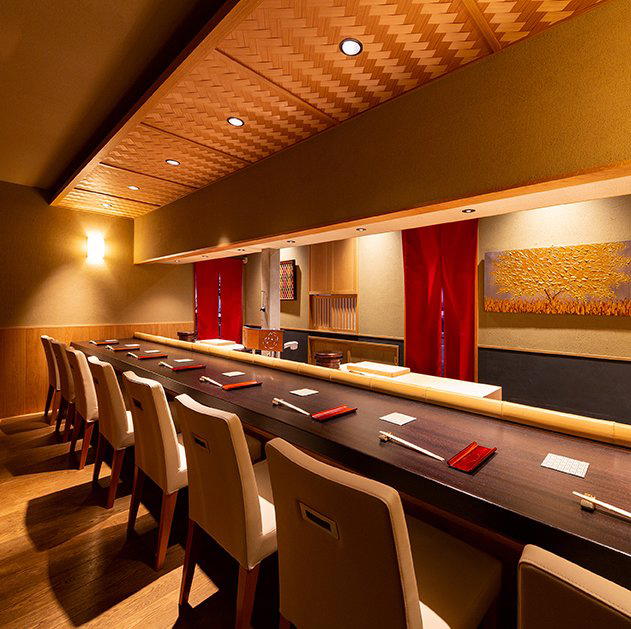
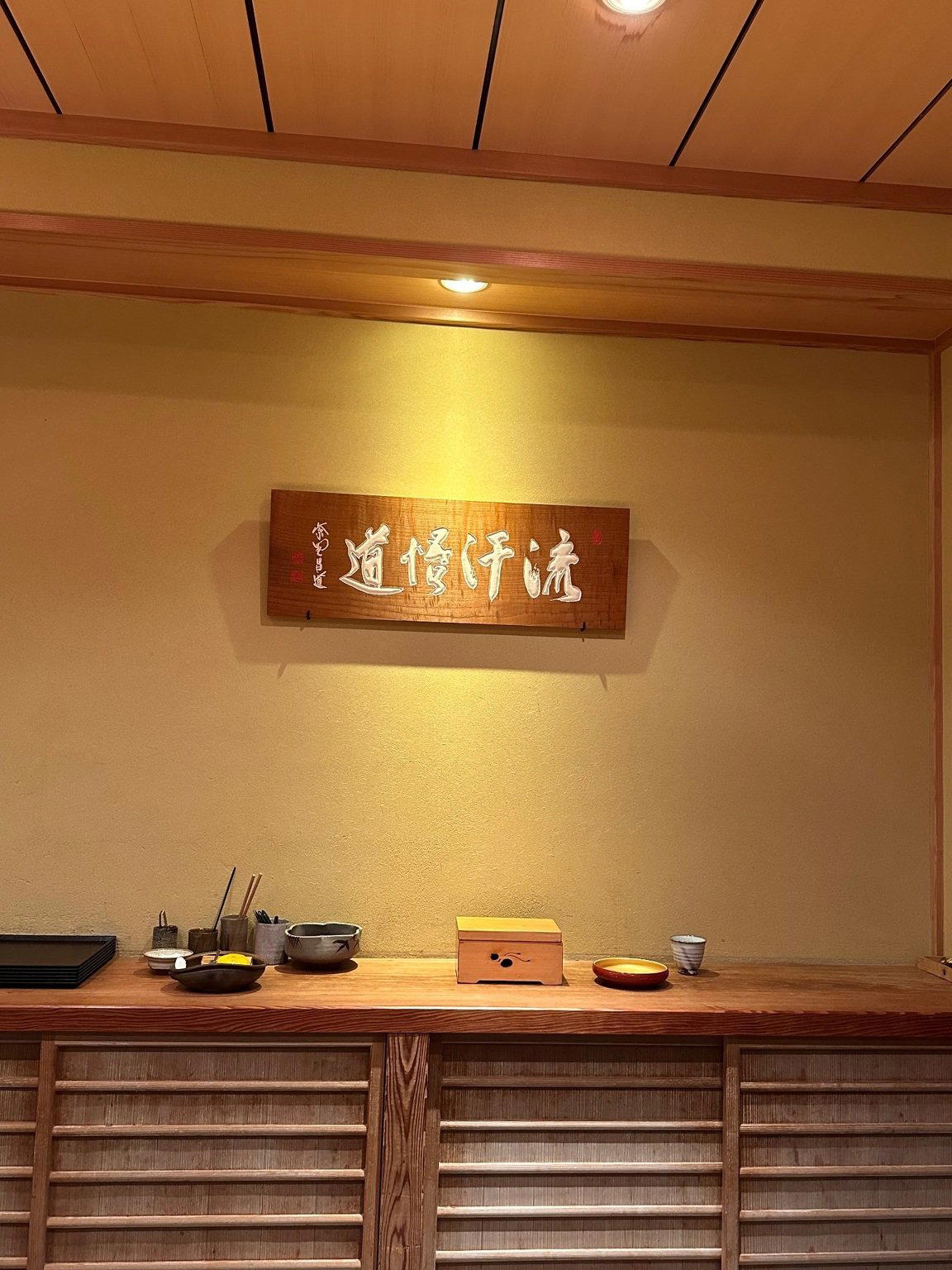
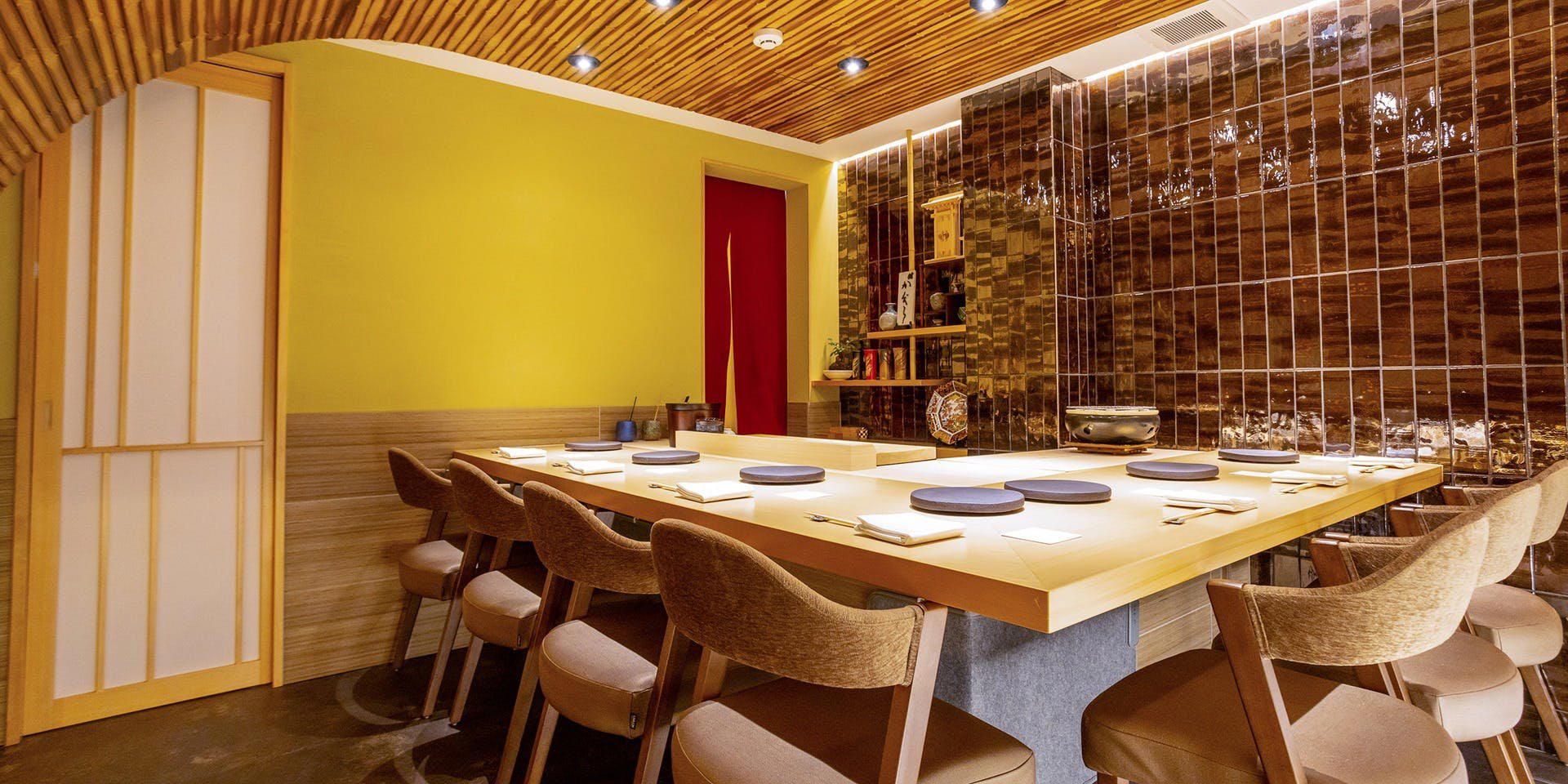
The room is compact, with 20 seats and counter seating forming part of the layout. That number changes the meal before the first order is placed. Small tonkatsu restaurants cannot absorb indecision the way a large dining room can; they depend on a rhythm of ordering, frying and eating while the crust is at its intended point. The experience is less about pampering than about being ready when the kitchen is.
This is why the booking experience, in practical terms, is a planning experience. The restaurant’s reservation status is not the same as a concierge-led destination table; it asks diners to think in windows, not confirmations. In Fukuoka, that is common among high-demand casual specialists: the serious traveller treats lunch and early dinner with the same strategic respect usually reserved for omakase. A 20-seat room with award recognition and a narrow category can feel forgiving on paper, then less forgiving when local office workers, solo diners and visitors converge.
The format also suits solo dining, a detail that matters in Japan’s specialist restaurant culture. Counter seats let a single diner enter the same stream as pairs and small groups without turning the room into a social occasion. For travellers building a Fukuoka day around eating, that makes tonkatsu a useful anchor between broader stops, from South Indian cooking at 106 South Indian Fukuoka tenjin ten to spice-led dining at Afterglow.
Where it fits in a Fukuoka itinerary
Daimyo’s appeal is density. A traveller can move between Tenjin, Akasaka and the surrounding shopping streets without treating every meal as a destination transfer. That is the right context for Kurobuta Tonkatsu Kuromatsu: not a grand detour, but a specialist stop that makes sense when the day is already centered on central Fukuoka. Compared with Tempura Dokoro Hirao Daimyou ten, which sits in the city’s fast, low-cost tempura lane, this tonkatsu room belongs to a slightly more deliberate fried-food register. Compared with Teuchi Soba Yabukin, where soba pulls the meal toward noodle craft and a broader spend range, it is more tightly framed around pork cutlet and rice-bowl comfort.
The stronger way to use the meal is to let it define one part of the day rather than compete with Fukuoka’s dinner culture. The city has enough range to make over-scheduling a mistake. For broader planning, Our full Fukuoka restaurants guide is the natural companion; travellers pairing food with sleep, drinks, wine or local programming can also map the trip through Our full Fukuoka hotels guide, Our full Fukuoka bars guide, Our full Fukuoka wineries guide and Our full Fukuoka experiences guide.
For readers comparing Japanese specialist dining beyond Fukuoka, the useful pattern is category discipline. The same logic connects a beef-focused room such as -Grilled beef Sukiyaki- KAMAKURA TANUKIAN 鎌倉 たぬき庵 in Kamakura, seafood-and-charcoal formats like. 鮪と炭火焼き うお炭 秋葉原店 in Tokyo, casual precision at.cafe in Osaka, and regional dining at.know in Kumamoto. Even outside Japan, focused concepts such as (Shoku) Vietnam in Kawasaki, [Curry Senmon Ten] Maruyama Kyoju. in Sapporo, Jōdo Saké Bar in Los Angeles and Onigiri Time in Pasadena show why narrow formats travel better in memory than restaurants trying to be everything at once.
The critical read is direct: come for a focused tonkatsu meal, not for ceremony. The restaurant’s strength is its position inside Fukuoka’s compact specialist culture, backed by genre-specific recognition and a room size that forces diners to plan. That combination is exactly what makes Japanese casual dining serious: the meal is accessible, but the margin for laziness is small.
Cuisine and Awards Snapshot
Comparable venues to calibrate price, style, and recognition.
| Venue | Cuisine | Price | Notes |
|---|---|---|---|
| Kurobuta Tonkatsu KuromatsuThis venue — the venue you are viewing | Kurobuta tonkatsu specialty | $$ | Not listed |
| Onokoro Hanjou | Seafood-focused Japanese izakaya | $$ | Chūō |
| Yakitori Inada | Traditional Yakitori & Izakaya | $$ | Hakata |
| HAKKO Shokudo | Fermentation-focused Japanese teishoku | $$ | Chūō |
| 奈良屋町 青 | Japanese Izakaya | Not listed | Hakata |
| Shokudo Nizakana Shonen | Japanese Seafood Set Meals | $$ | Hakata |
Recognition history
Dated appearances from independent guides and award organizations, with the underlying list record or original source where available.
Tabelog 100 #19 · No. 19
Tabelog · Tabelog 100 - Tonkatsu - 2026
At a Glance
- Cozy
- Classic
- Solo
- Casual Hangout
- Family
- After Work
- Standalone
- Local Sourcing
Current opening hours
- Monday
- 11 AM–2:30 PM, 5–7:30 PM
- Tuesday
- 11 AM–2:30 PM, 5–7:30 PM
- Wednesday
- 11 AM–2:30 PM, 5–7:30 PM
- Thursday
- 11 AM–2:30 PM, 5–7:30 PM
- Friday
- 11 AM–2:30 PM, 5–7:30 PM
- Saturday
- 11 AM–2:30 PM, 5–7:30 PM
- Sunday
- 11 AM–2:30 PM, 5–7:30 PM
Hours can change for holidays and private events. Last verified .
Small, cozy tonkatsu specialist with counter and a few table seats, simple classic decor and a relaxed, casual atmosphere suited to solo diners and small parties.