
A six-seat cafeteria near Ohori Park Station with a health-and-wellness menu, counter seating, and Tabelog 100 Diner 2026 selection. HAKKO Shokudo belongs to Fukuoka’s quieter everyday-dining tier, where value is measured less by ceremony than by concentration: a small room, short service windows, and cooking that sits apart from the city’s heavier noodle-and-grill circuit.
Pearl is the En Primeur Club membership app — saves, bookings, and concierge access live there. Same editors, same standards.
- Address
- Japan, 〒810-0074 Fukuoka, Chuo Ward, Otemon, 3 Chome−2−26 小手門ビル
- Phone
- +81 92-406-9626
- Website
- hakkoshokudo.com
 Saves & bookings on Pearl
Approach Otemon from Ohori Park and Fukuoka’s restaurant rhythm changes. The city’s ramen glare and yatai theatre give way to smaller rooms, counter meals, and addresses that ask diners to pay attention rather than perform. In that setting, HAKKO Shokudo reads as part of a sharper local pattern: compact cafeteria cooking treated with the seriousness usually reserved for pricier formats.
Fukuoka rewards appetite in several registers. There is the late-night pull of grill counters, the seafood-and-sake grammar of neighborhood izakaya, and the polished reservation economy around French, sushi, and yakitori. A six-seat cafeteria with a health-and-wellness menu occupies a different lane. The value proposition is not abundance for its own sake; it is control, intimacy, and a narrow format that keeps the meal focused.
Small-room cafeteria cooking with award-level discipline
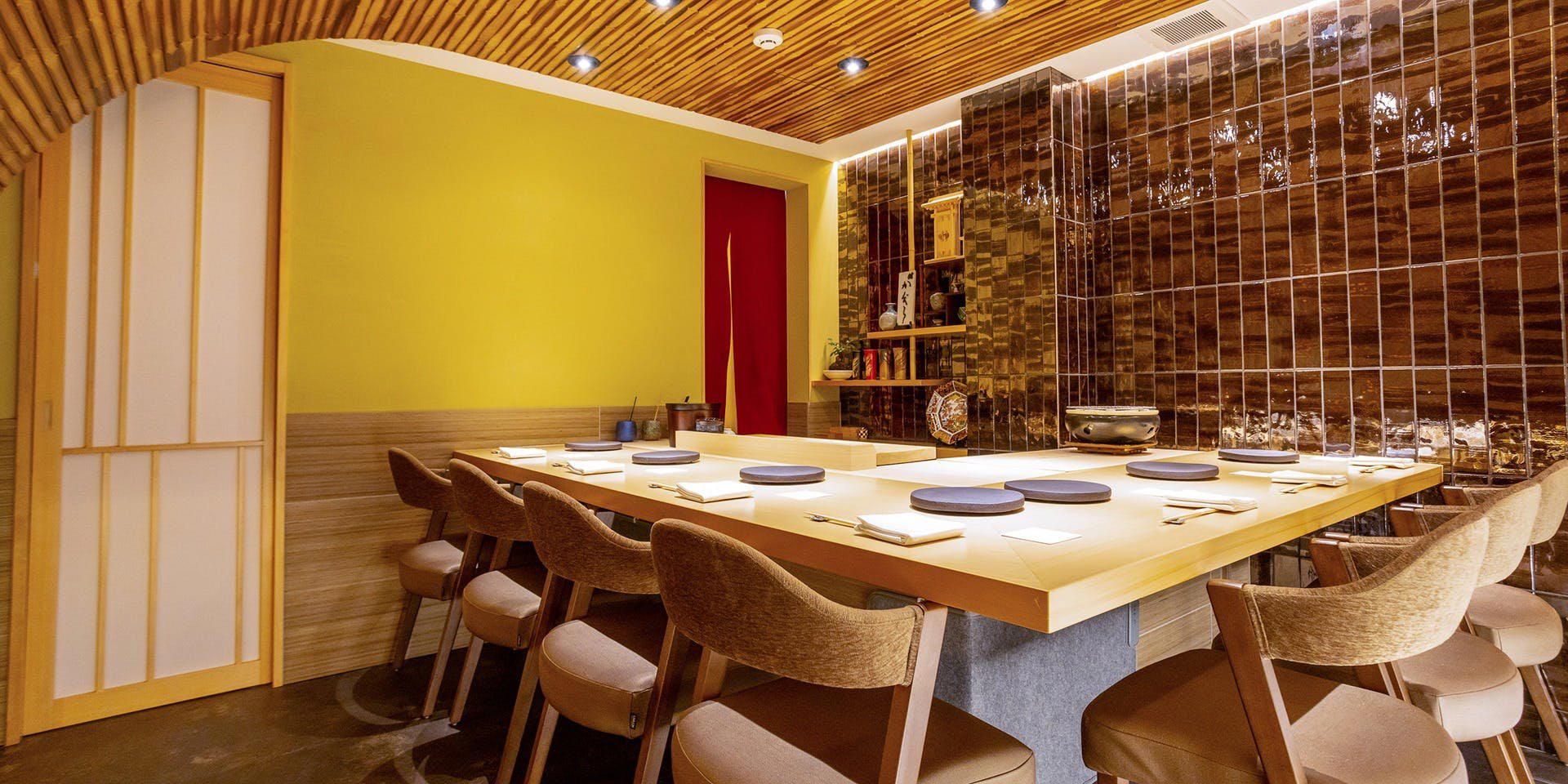
Japan’s shokudo tradition has always been practical: rice, soup, vegetables, fish or meat, and a meal built for regular use rather than spectacle. The modern version can tilt either nostalgic or design-conscious. Here, the category is more precise. Counter seating, a non-smoking room, and a tiny seat count place the experience closer to a specialist counter than a casual cafeteria, even while the price tier remains accessible by Fukuoka standards.
The trust signal matters because the category is crowded. Selection for Tabelog 100 Diner 2026 puts HAKKO Shokudo inside a national dining list that looks beyond luxury tasting rooms and rewards the Japanese everyday table. The listed Tabelog score of 3.62 also gives useful context: this is not a tourist-facing address trading on spectacle, but a tightly followed local-format restaurant in a city where casual dining is judged hard.
That distinction is important for travelers building a Fukuoka itinerary. A meal here sits in productive contrast with higher-spend counters such as Yakitori Choji, listed in the JPY 8,000 to JPY 9,999 band, or Onokoro Hanjou, listed around JPY 5,000 to JPY 5,999. It also differs from the French register represented by TTOAHISU. The comparison is not about hierarchy; it is about what each format buys. At this scale, money goes toward proximity and a disciplined daily-meal structure rather than long pacing, elaborate beverage service, or theatrical service choreography.
Why the format makes sense in Otemon
Otemon has the right temperament for this kind of restaurant. It is central without the constant compression of Tenjin, close enough to Ohori Park to catch daytime movement, and quiet enough for small independent formats to feel plausible. The room’s six seats change the dining equation. A counter this small makes turnover, timing, and solo dining more consequential than at larger casual restaurants. It also means the experience will feel different from Fukuoka’s bigger social meals, where ordering breadth and table energy are part of the pleasure.
Fukuoka’s dining scene is often introduced through Hakata ramen and street-side yatai, but its stronger lesson is range. The city can support South Indian cooking at 106 South Indian Fukuoka tenjin ten, spice-led dining at Afterglow, old-school local meals at Aji Dokoro Taro Gen Sougyou ten, and focused fry-house cooking at Aji Furai Shokudo Kaba. Within that spread, the health-and-wellness cafeteria format adds a useful counterweight: lighter in premise, smaller in room, and less dependent on the city’s better-known late-night appetite.
For value-minded diners, the lesson is practical rather than promotional. A small award-listed shokudo can deliver a more revealing Fukuoka meal than another obvious stop, especially when the aim is to understand how everyday Japanese dining has been refined without becoming formal. Pairing this kind of lunch or dinner with a more boisterous address such as Aji no Katsueda gives a clearer read on the city’s range than stacking only high-spend reservations.
How to place it in a Fukuoka food day
The strongest use case is a deliberate pause in an itinerary that might otherwise run heavy: noodles, grilled meat, drinking counters, repeat seafood. The restaurant’s solo-dining signal and counter format make it especially relevant for independent travelers, while the small capacity rewards diners who treat timing as part of the plan. Because reservations are unavailable, this is a venue to approach with flexibility, not a meal to anchor an entire evening around.
That makes it useful for visitors who want one meal grounded in Fukuoka’s everyday rhythm before moving into the city’s broader hospitality circuit. For more planning context, use Our full Fukuoka restaurants guide alongside Our full Fukuoka hotels guide, Our full Fukuoka bars guide, Our full Fukuoka wineries guide, and Our full Fukuoka experiences guide. Travelers extending the same everyday-Japan thread beyond Kyushu can compare the category with -Grilled beef Sukiyaki- KAMAKURA TANUKIAN 鎌倉 たぬき庵 in Kamakura. 鮪と炭火焼き うお炭 秋葉原店 in Tokyo.cafe in Osaka.know in Kumamoto, (Shoku) Vietnam in Kawasaki, [Curry Senmon Ten] Maruyama Kyoju. in Sapporo, Jōdo Saké Bar in Los Angeles, and Onigiri Time in Pasadena.
HAKKO Shokudo is not the place to chase ceremony. Its appeal is more exacting: a small Fukuoka counter, a health-oriented cafeteria frame, and recognition in a diner category that values daily usefulness as much as polish. For the price-sensitive traveler who still wants evidence of discernment, that is a serious combination.
Accolades, Compared
Comparable venues by category and price.
| Venue | Cuisine | Price | Notes |
|---|---|---|---|
| HAKKO ShokudoThis venue — the venue you are viewing | Fermentation-focused Japanese teishoku | $$ | Not listed |
| æç åç¿ | Japanese Coffee House | Not listed | Chūō |
| Onokoro Hanjou | Seafood-focused Japanese izakaya | $$ | Chūō |
| Kawa Ya Shirogane ten | Hakata yakitori & izakaya | $$ | Chūō |
| Kiharu | Traditional Fukuoka Izakaya & Seafood (Saba-focused) | $$ | Chūō |
| Hyogo Dori | Yakitori Izakaya | $$$ | Chūō |
Recognition history
Dated appearances from independent guides and award organizations, with the underlying list record or original source where available.
Tabelog 100 #74 · No. 74
Tabelog · Tabelog 100 - Diner - 2026
At a Glance
- Cozy
- Modern
- Intimate
- Solo
- After Work
- Casual Hangout
- Standalone
- Design Destination
- Chefs Counter
- Local Sourcing
Current opening hours
- Monday
- Closed
- Tuesday
- 11:30 AM–2 PM, 5–10 PM
- Wednesday
- 11:30 AM–2 PM, 5–10 PM
- Thursday
- 11:30 AM–2 PM, 5–10 PM
- Friday
- 11:30 AM–2 PM, 5–10 PM
- Saturday
- 11:30 AM–2 PM, 5–10 PM
- Sunday
- Closed
Hours can change for holidays and private events. Last verified .
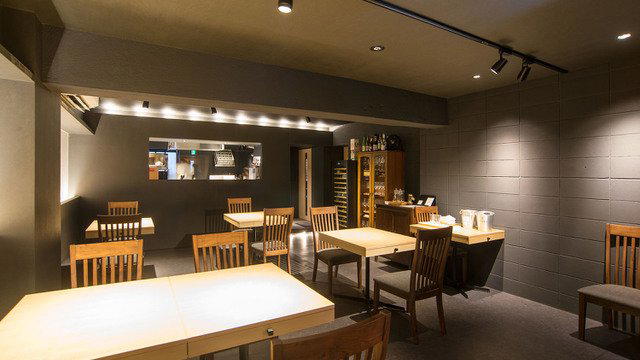
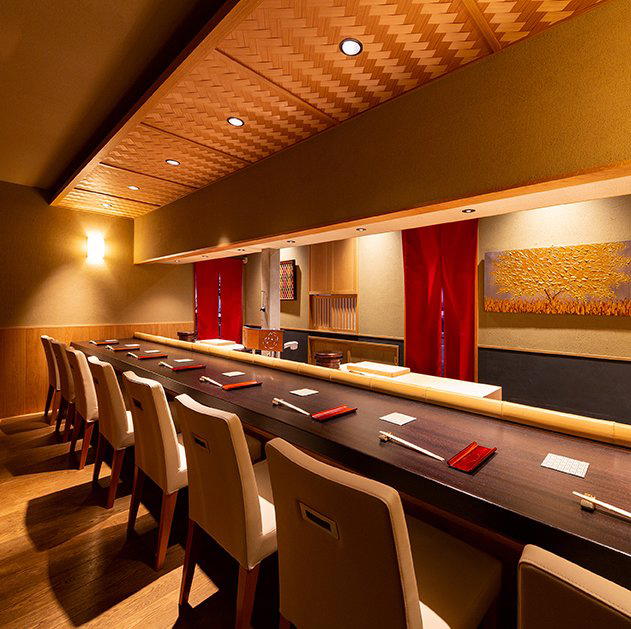
A small, non-smoking counter-only space with a stylish yet relaxed design, emphasizing a calm, homey atmosphere where guests quietly enjoy fermented vegetable and fish set meals.