

Michelin Selected · Mr & Mrs Smith Seal of Approval
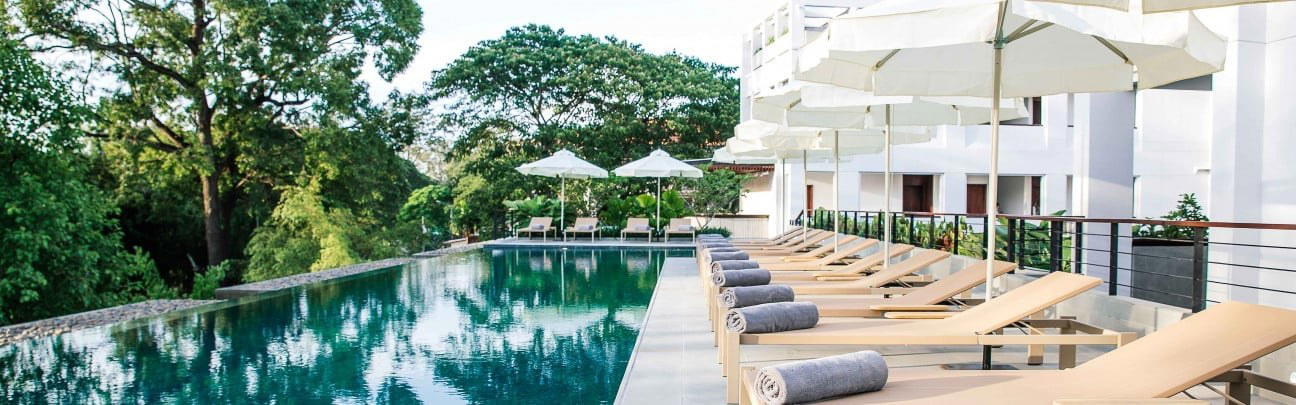
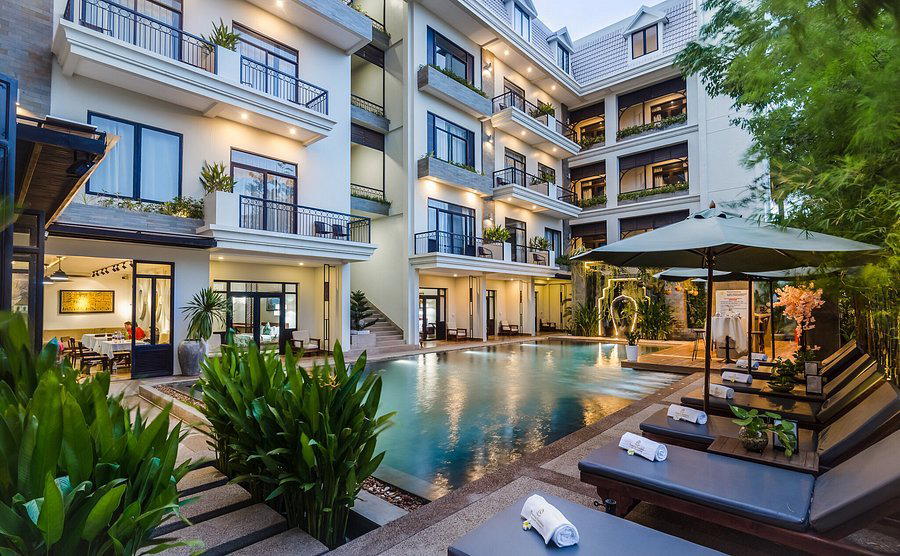
Michelin Selected for 2025, Treeline Urban Resort occupies Wat Bo Village on Achasva Street, one of Siem Reap's quieter residential corridors. The property sits in the design-led urban resort tier that has grown alongside the city's maturing hospitality scene, offering an alternative to the large international footprints of the Pub Street corridor.

Pearl is the En Primeur Club membership app, where members save venues, book tables and use the concierge.
Wat Bo Village and the Urban Resort Model
Siem Reap's hotel geography has reorganised considerably over the past decade. The city that once sorted neatly into budget guesthouses near Pub Street and large resort properties on the road to Angkor now has a third tier: design-conscious urban resorts that trade on residential neighbourhood character rather than temple proximity or lobby scale. Treeline Urban Resort sits on Achasva Street in Wat Bo Village, Sala Kamroek Commune, a quarter known for its tree-lined lanes, French-era shophouses, and relative quiet compared to the tourist-dense blocks further west. That address is a positioning statement as much as a location.
The urban resort format that has taken hold in cities like Bangkok and Phnom Penh arrived in Siem Reap later, partly because the city's visitor economy was so thoroughly organised around Angkor Wat that alternative draws were slow to develop. As the temples saturated and as a more travel-literate visitor profile emerged, properties that offered the city itself as content, neighbourhood walks, local restaurant access, independent art spaces, found a receptive audience. Treeline fits that model, and its Michelin Selected distinction for 2025 signals recognition within a hospitality category that values curation over scale. The Michelin hotel selection, distinct from its restaurant guide, applies criteria around comfort, service, and positioning rather than cuisine alone, making the designation a credible reference point for the property's overall standard.
The Dining Programme in Context
In the upper tier of Siem Reap hospitality, food and beverage programming has become a differentiator in ways it was not ten years ago. Properties like Amansara built their reputations around a total experience where dining was integrated but not the headline; the Park Hyatt Siem Reap and Anantara Angkor Resort operate dining within a branded international framework. Urban independents occupy a different space: their F&B; tends to reflect neighbourhood identity and local sourcing logic rather than international brand standards, and the best of them have become destinations for non-resident diners rather than facilities for in-house guests.
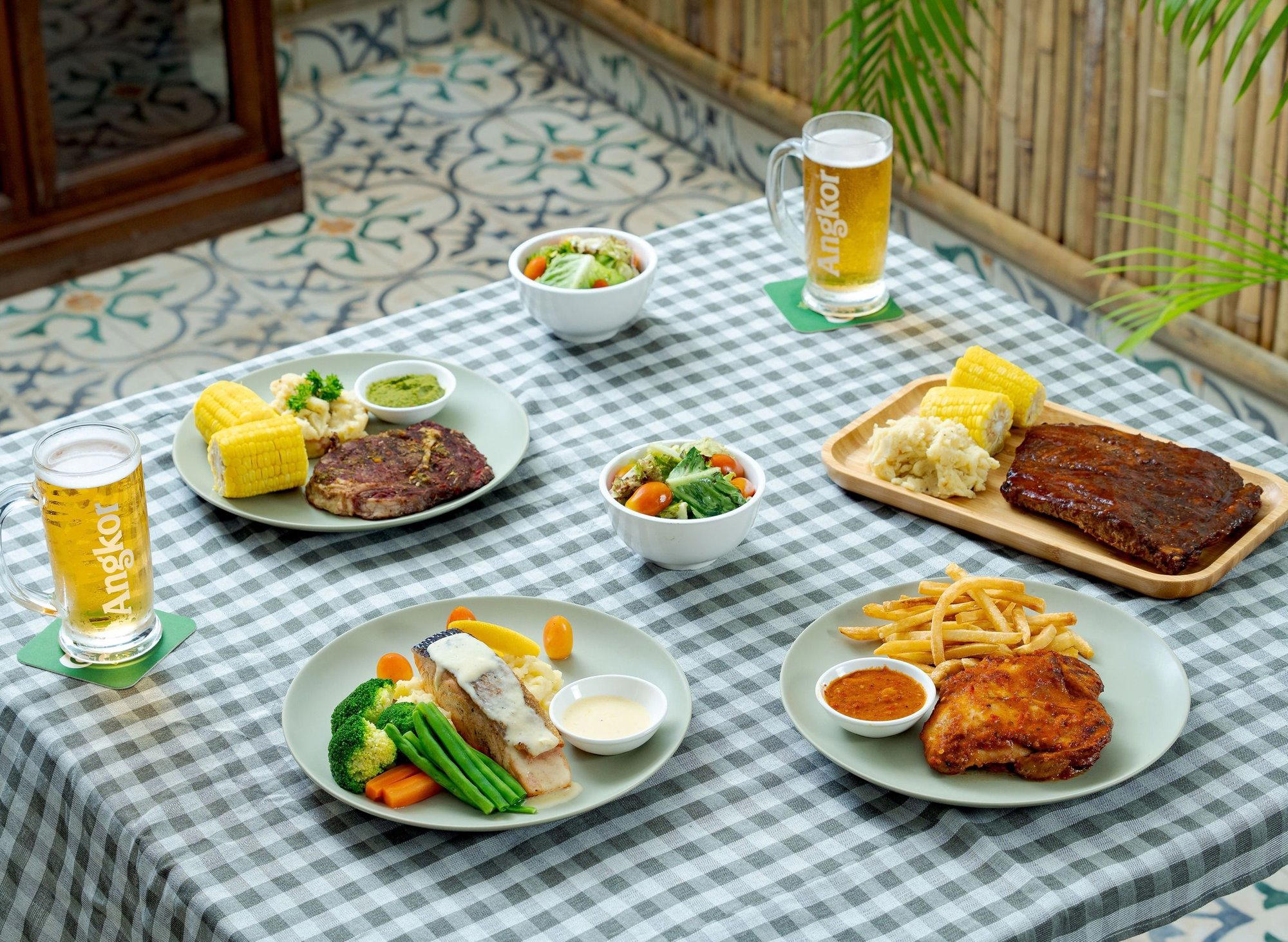
The venue data available for Treeline does not specify restaurant names, chef credentials, or menu format, and EP Club does not fabricate those details. What the Michelin Selected status does imply is that the property's hospitality offer, including its food and beverage component, met criteria applied consistently across the guide's 2025 hotel selections. For a property in Wat Bo Village, the logical dining orientation is towards Khmer culinary tradition, regional ingredient sourcing from the Tonle Sap basin and surrounding provinces, and the informal but considered presentation style that characterises Siem Reap's better independent restaurants. Visitors seeking a confirmed account of the current menu and kitchen leadership should contact the property directly or consult the Michelin guide listing before arrival.
Siem Reap's independent dining scene has broadened significantly since 2018, with a cluster of Khmer-focused restaurants in and around Wat Bo and the Kandal Village corridor producing food that draws on provincial traditions rather than tourist-facing adaptations. A hotel positioned in that neighbourhood is well-placed to connect guests to that scene, whether through its own programme or through proximity. For the full picture of where the city's restaurants currently sit, see our full Siem Reap restaurants guide.
Siem Reap's Michelin Selected hotels for 2025 form a compact group against which Treeline can be reasonably benchmarked. The Heritage Suites Hotel and Angkor Village Hotel represent the boutique end of the city's longer-established properties; Anjali By Syphon and Hotel Vellita Siem Reap reflect newer entrants with design-forward sensibilities. FCC Angkor by Avani occupies a different niche with its colonial heritage address and bar culture legacy. Treeline's Wat Bo location places it alongside that independent cohort rather than with the large-key international operators.
Regionally, Cambodia's premium hospitality is concentrated in three markets: Siem Reap, Phnom Penh (where the Rosewood Phnom Penh anchors the capital's luxury tier), and the coast, where properties like Knai Bang Chatt in Kep, Song Saa Private Island in Koh Rong Archipelago, and PEARL BEACH RESORT & SPA in Sihanoukville draw a different traveller profile. Siem Reap competes on cultural and archaeological depth rather than beach access, which means its premium properties are evaluated primarily on how well they contextualise and complement that offer. The Zannier Hotels Phum Baitang in Krong Siem Reap and Shinta Mani Wild in Prey Praseth Village represent an experiential wilderness strand; Treeline's urban address points in a different direction entirely, towards the city as the experience rather than the jungle or the temples.
Beyond Cambodia, travellers who gravitate to the design-led urban resort format will recognise the broader pattern: properties like the The Fifth Avenue Hotel in New York City or, at a different scale, Badrutt's Palace Hotel in St. Moritz have built identities around neighbourhood anchoring and curated cultural programming. The Siem Reap context is distinct, but the underlying logic of planting a hotel inside a living neighbourhood rather than behind gates holds across markets.
Planning Your Stay
Treeline Urban Resort is on Achasva Street in Wat Bo Village, Sala Kamroek Commune, Siem Reap. Wat Bo is accessible on foot from the Old Market area in roughly fifteen to twenty minutes, and tuk-tuk connections to Angkor's main temple complexes are direct. The cooler dry season, from November through February, remains Siem Reap's peak window: morning light at Angkor Wat is leading in these months and daytime temperatures are manageable. The shoulder season, March to April, sees significant heat but thinner crowds; the wet season from May through October brings reduced rates at most properties and a greener landscape around the temples, though access to some outer complexes can be affected by flooding.
For properties at this tier in Siem Reap, advance booking is advisable for peak season travel.michelin.com is a reliable starting point for current contact information. Guests planning to combine a Siem Reap stay with the coast or capital should note that the The RiverGarden Siem Reap offers an additional riverside option in the city, while the Farmhouse Resort & Spa in Kampong Chhnang provides a rural counterpoint on any drive route south to Phnom Penh.
Cost and Credentials
Comparable venues nearby, for context on price, style, and recognition.
| Venue | Price | Awards | Notes |
|---|---|---|---|
| Treeline Urban ResortThis venue (the venue you are viewing) | $100–200 | Michelin Selected · Mr & Mrs Smith Seal of Approval | Not listed |
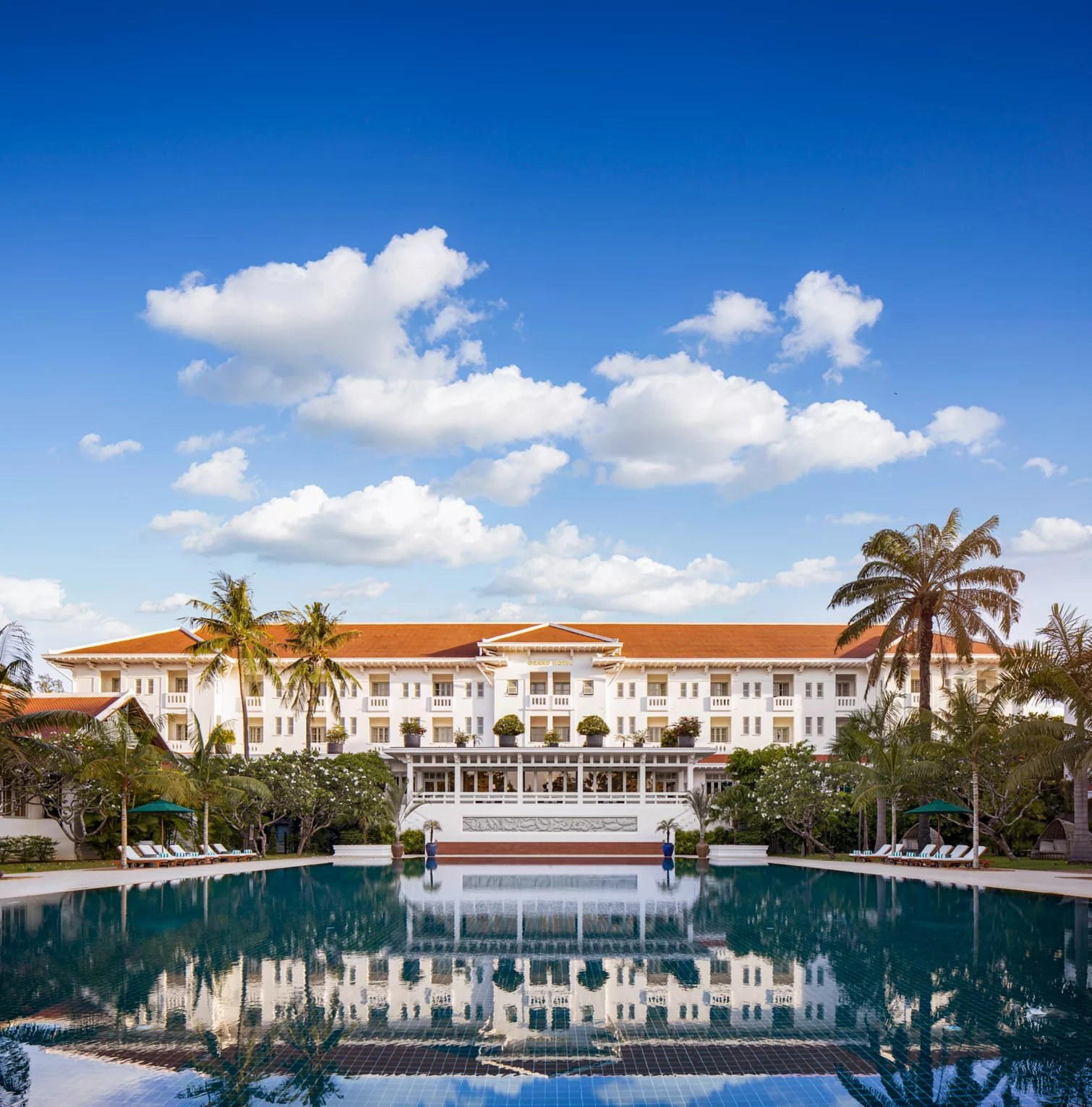
| Raffles Grand Hotel d'Angkor | $300–500 | 1 Michelin Key · La Liste Top Hotels | French Quarter, Historic French colonial landmark with Art Deco architecture, authentically preserved yet modernized with contemporary comfort. |
| Anjali By Syphon | $1–100 | Michelin Selected | Svay Dangkum, quiet luxury boutique eco-resort |
| Angkor Village Hotel | $100–200 | Michelin Selected · Small Luxury Hotels of the World Member | Wat Bo, Traditional Cambodian boutique resort with contemporary comfort, built in 1994-1995 and designed around tropical gardens and water features. |
| Heritage Suites Hotel | Not listed | Michelin Selected | Wat Polanka, French colonial townhouse transformed into chic boutique retreat |
| Shinta Mani Angkor and Bensley Collection Pool Villas | Not listed | 1 Michelin Key · La Liste Top Hotels | French Quarter, Khmer-inspired luxury resort with playful Angkor elements. |
Recognition history
Dated appearances from independent guides and award organizations, with the underlying list record or original source where available.
Michelin Selected
Michelin
Mr & Mrs Smith Seal of Approval
Mr & Mrs Smith
Continue exploring
More in Siem Reap
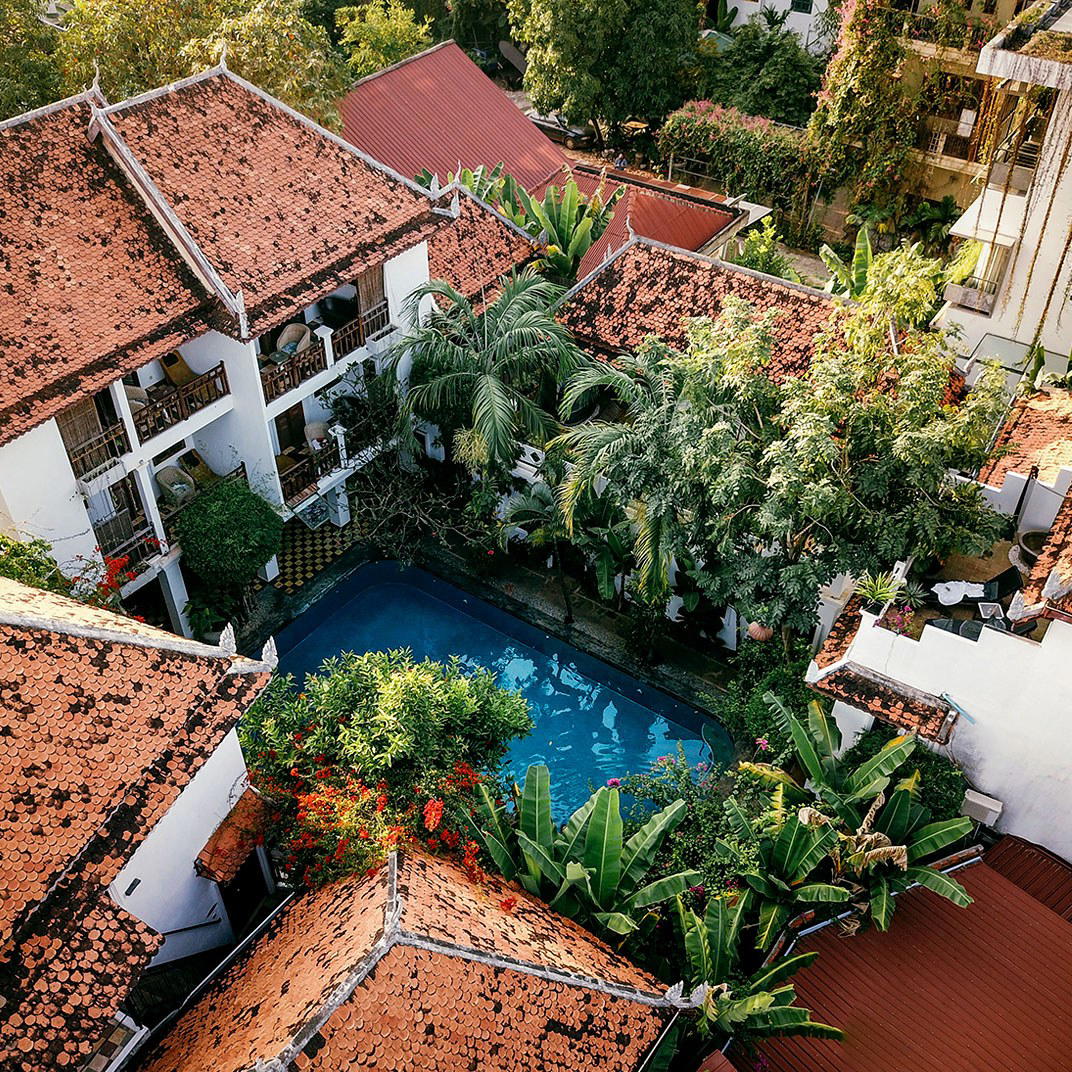
Hotels in Siem Reap
All hotels in Siem Reap →
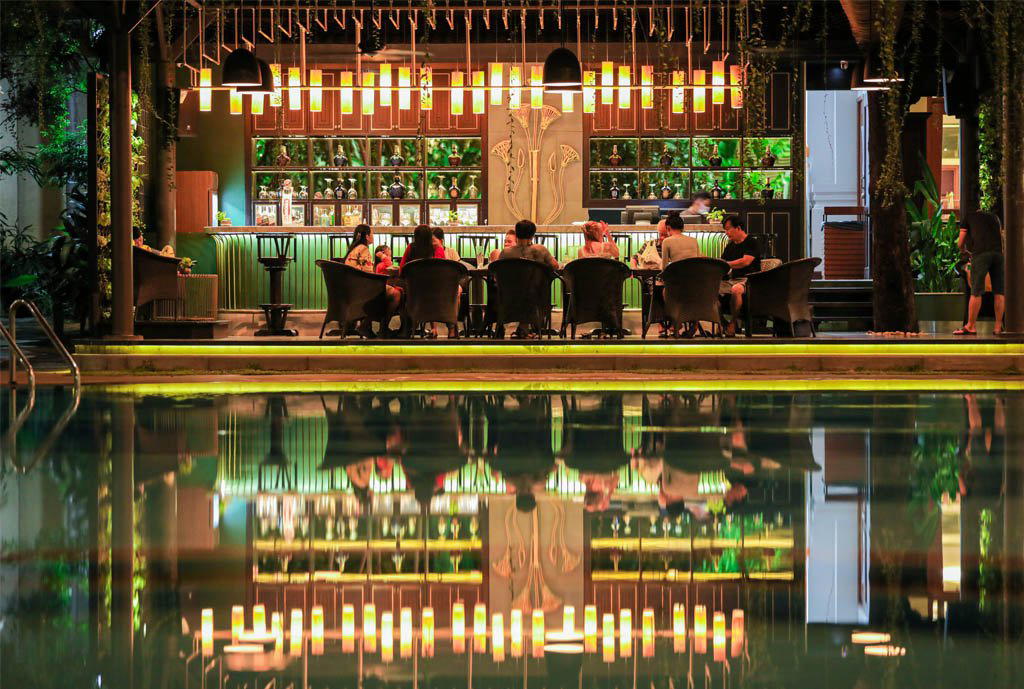
Bars in Siem Reap
All bars in Siem Reap →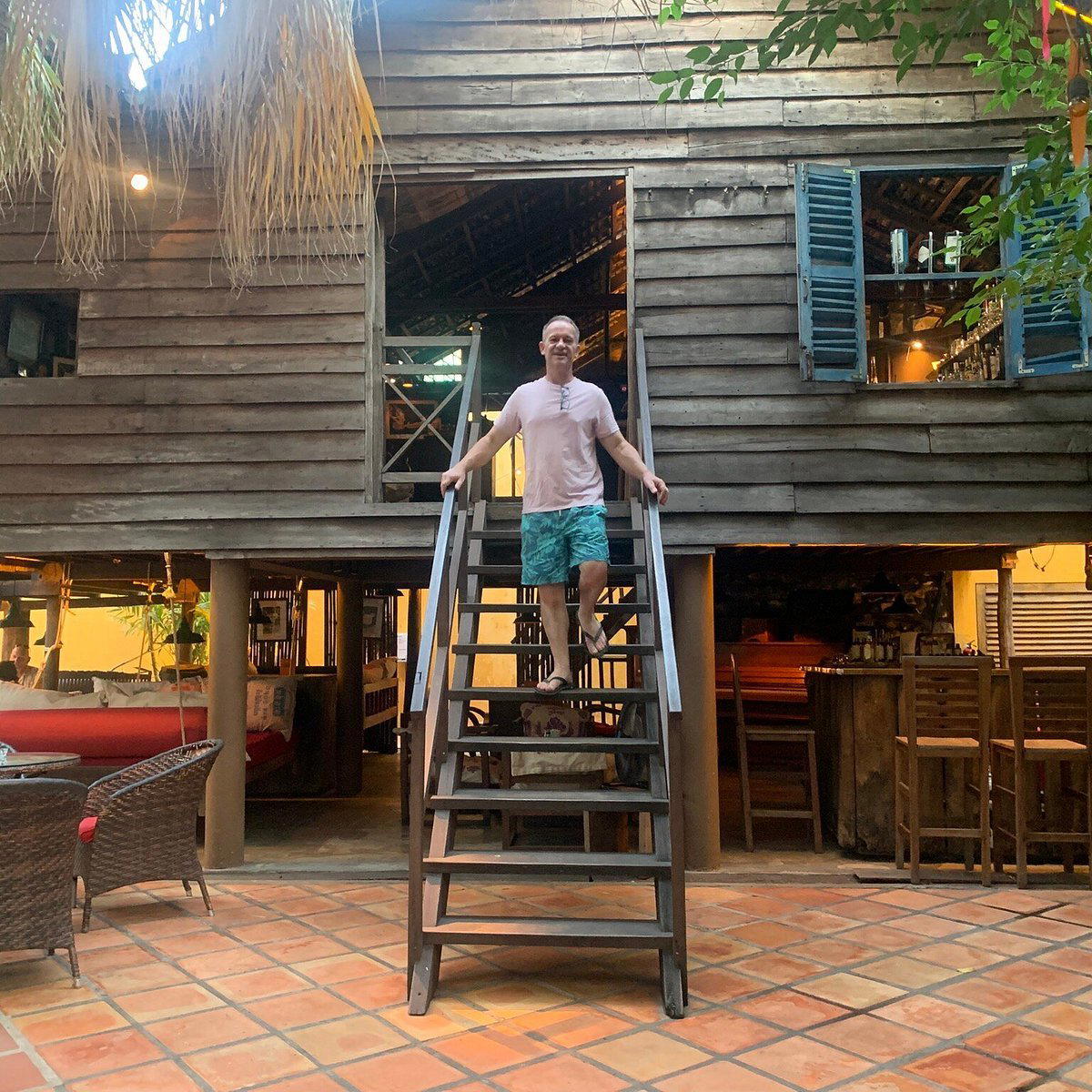
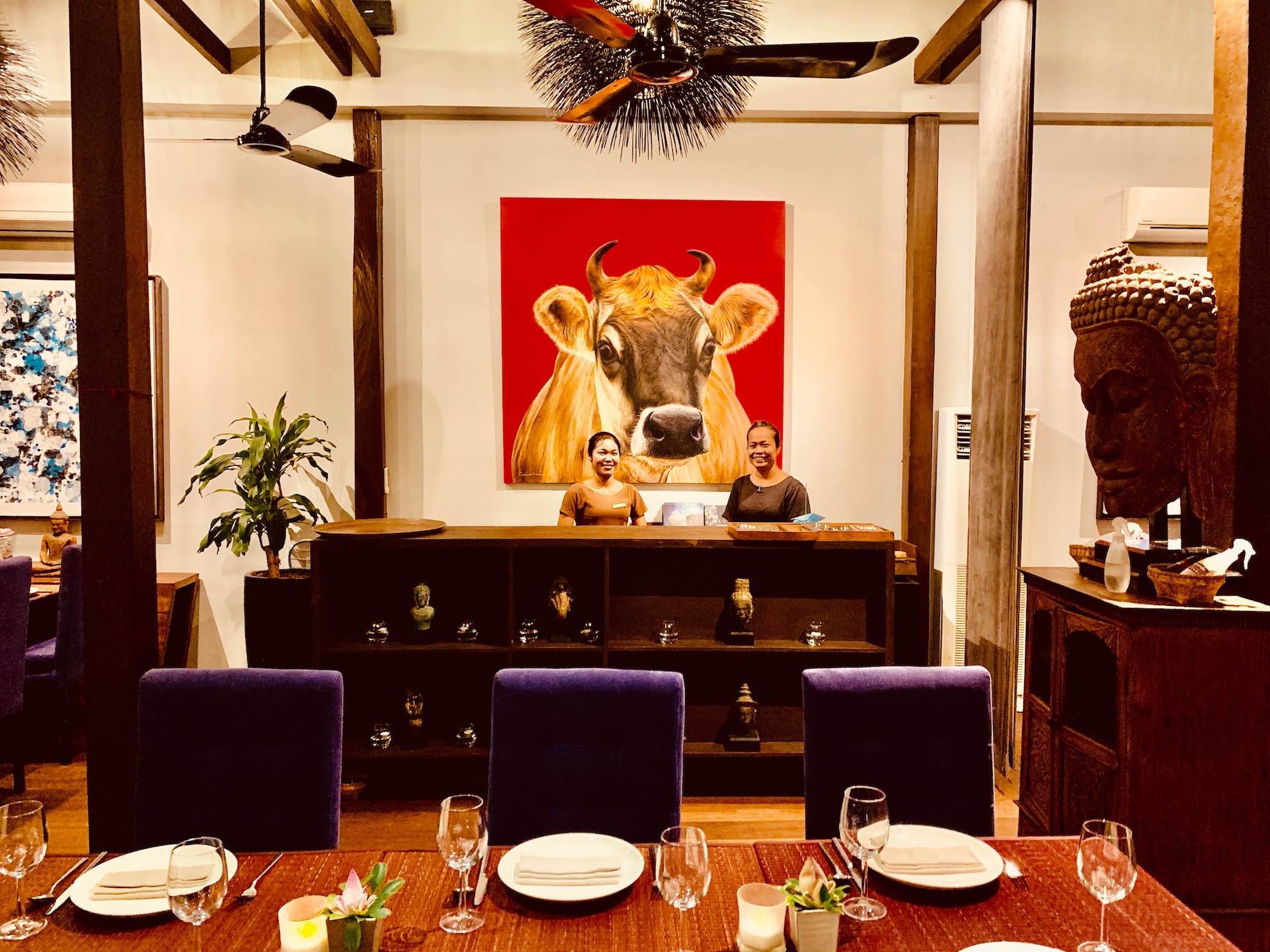
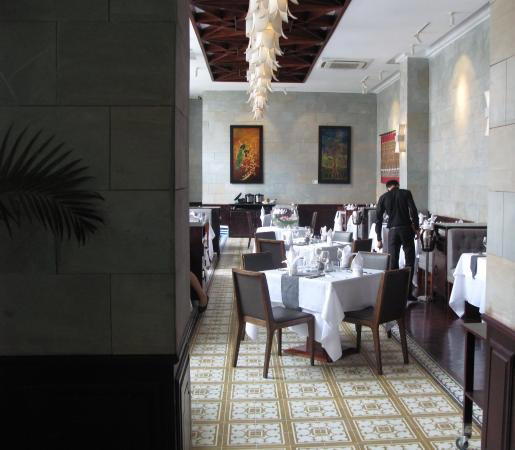
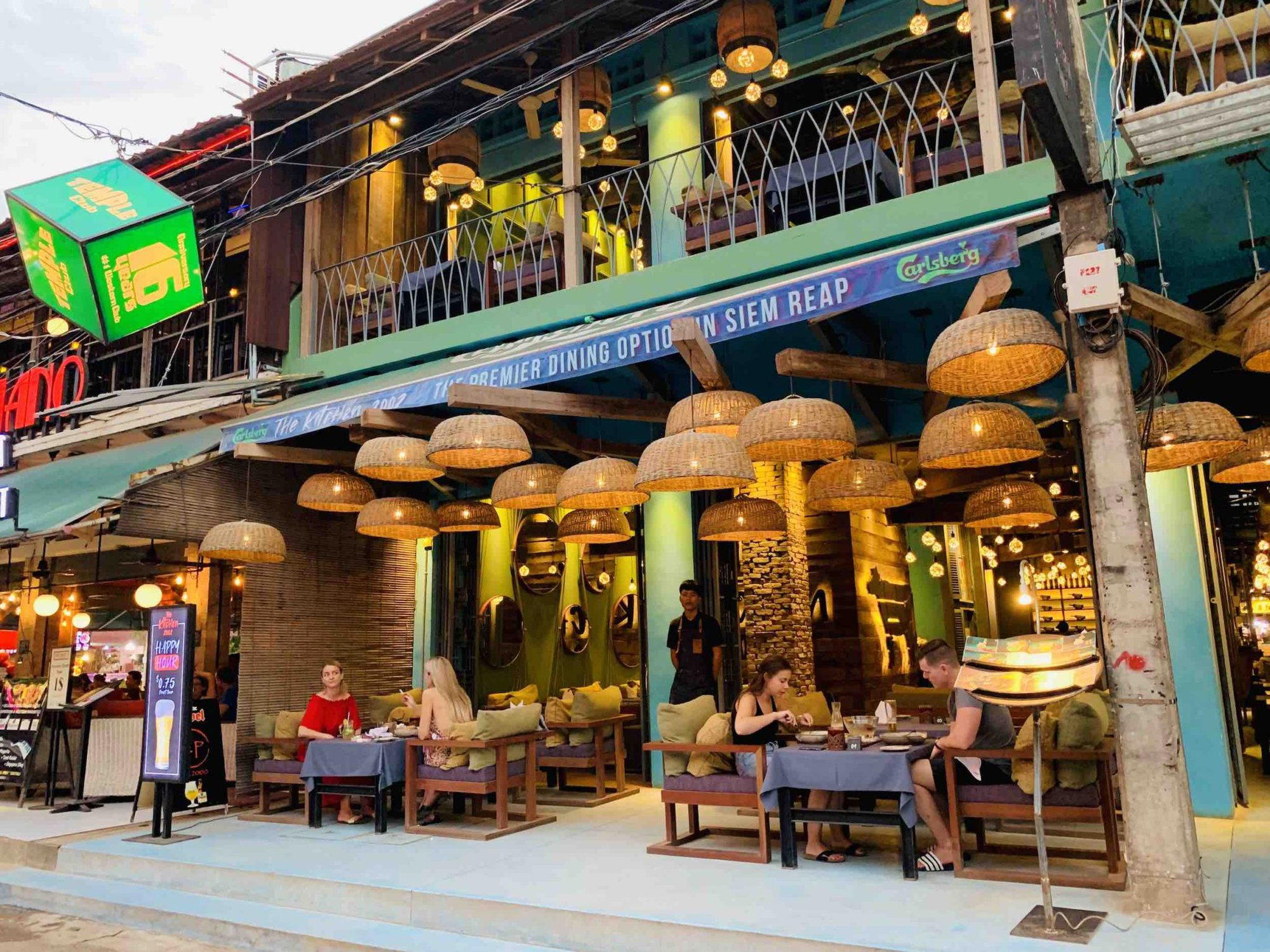
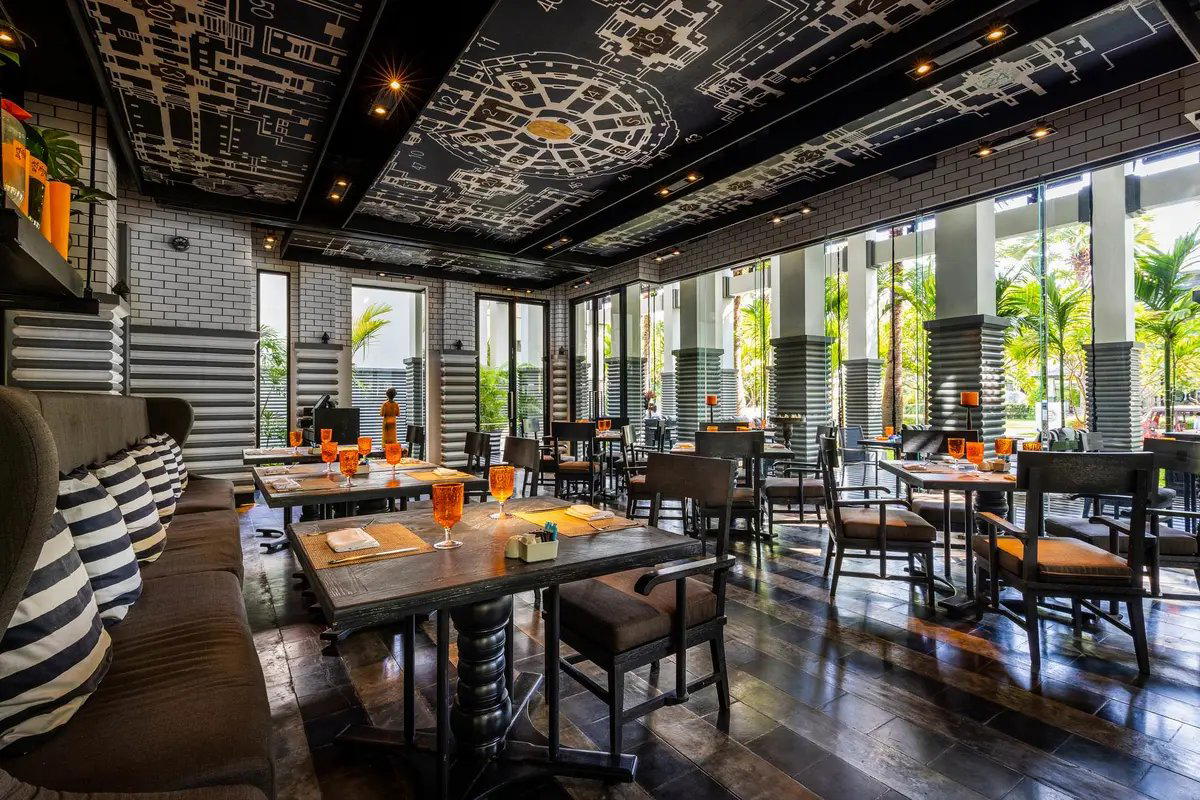
Details
- Modern
- Minimalist
- Quiet
- Sophisticated
- Romantic Getaway
- Family Vacation
- Wellness Retreat
- Weekend Escape
- Infinity Pool
- Rooftop Pool
- Waterfront
- Garden
- Design Destination
- Destination Spa
- Wi Fi
- Pool
- Spa
- Room Service
- Restaurant
- Bar
- Airport Transfer
- Business Center
- Waterfront
- Garden
- Wheelchair Accessible
- Elevator
- Accessible Restroom
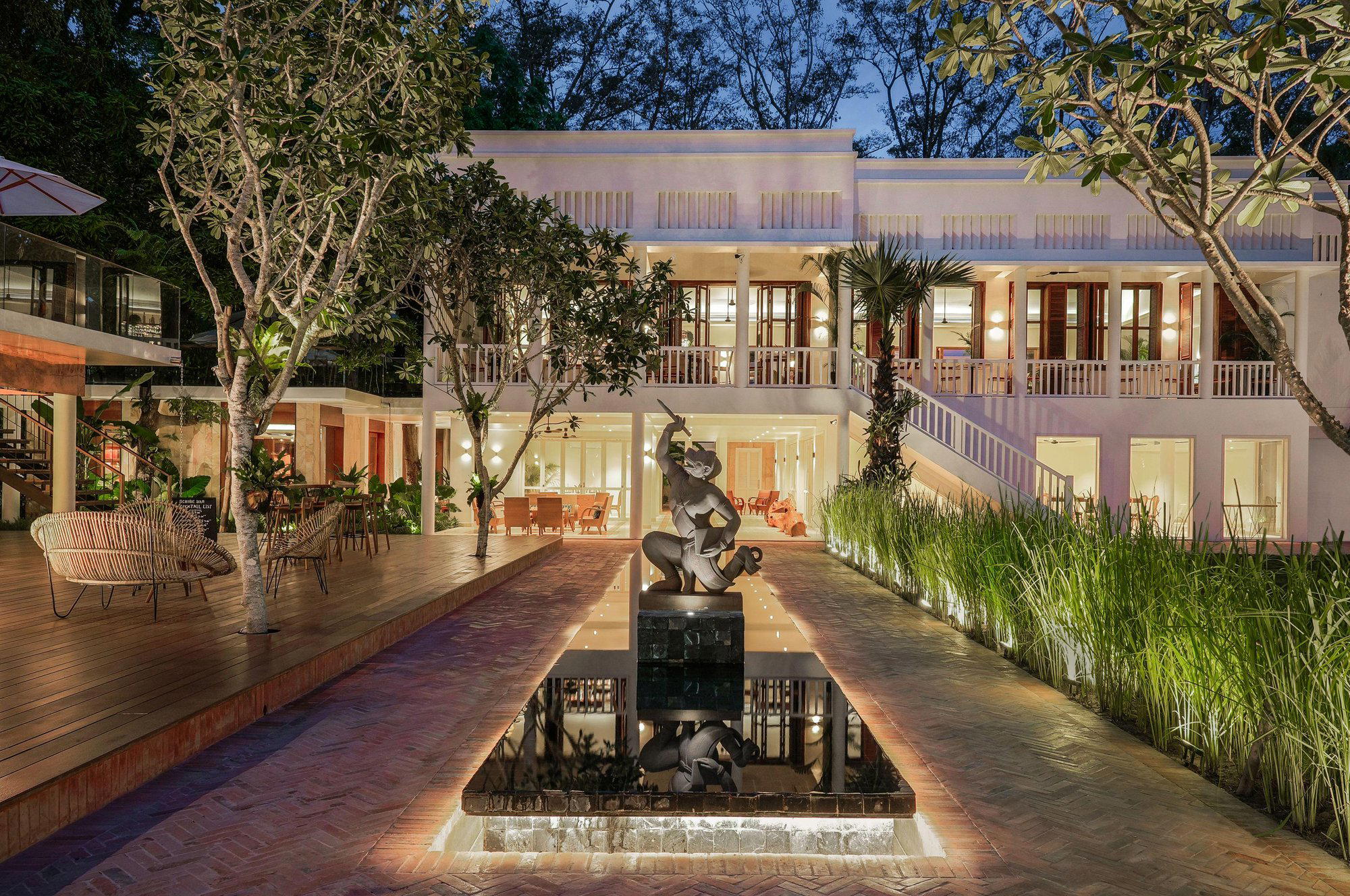
Serene and tranquil with warm, organic minimalist aesthetic; handmade furnishings, living plants, and abundant natural light create a laid-back luxury atmosphere despite urban location.