Our verdict
On Pokambor Avenue in Siem Reap's Svay Dangkum district, Chanrey Tree represents the quieter, more considered end of the city's dining scene, a Khmer-focused table where the cuisine's layered spice logic and fermented complexity are treated as the point, not the backdrop. For visitors moving beyond Pub Street's orbit, it sits alongside a small group of restaurants rethinking what Cambodian cooking looks like on a formal plate.

Pearl is the En Primeur Club membership app, where members save venues, book tables and use the concierge.
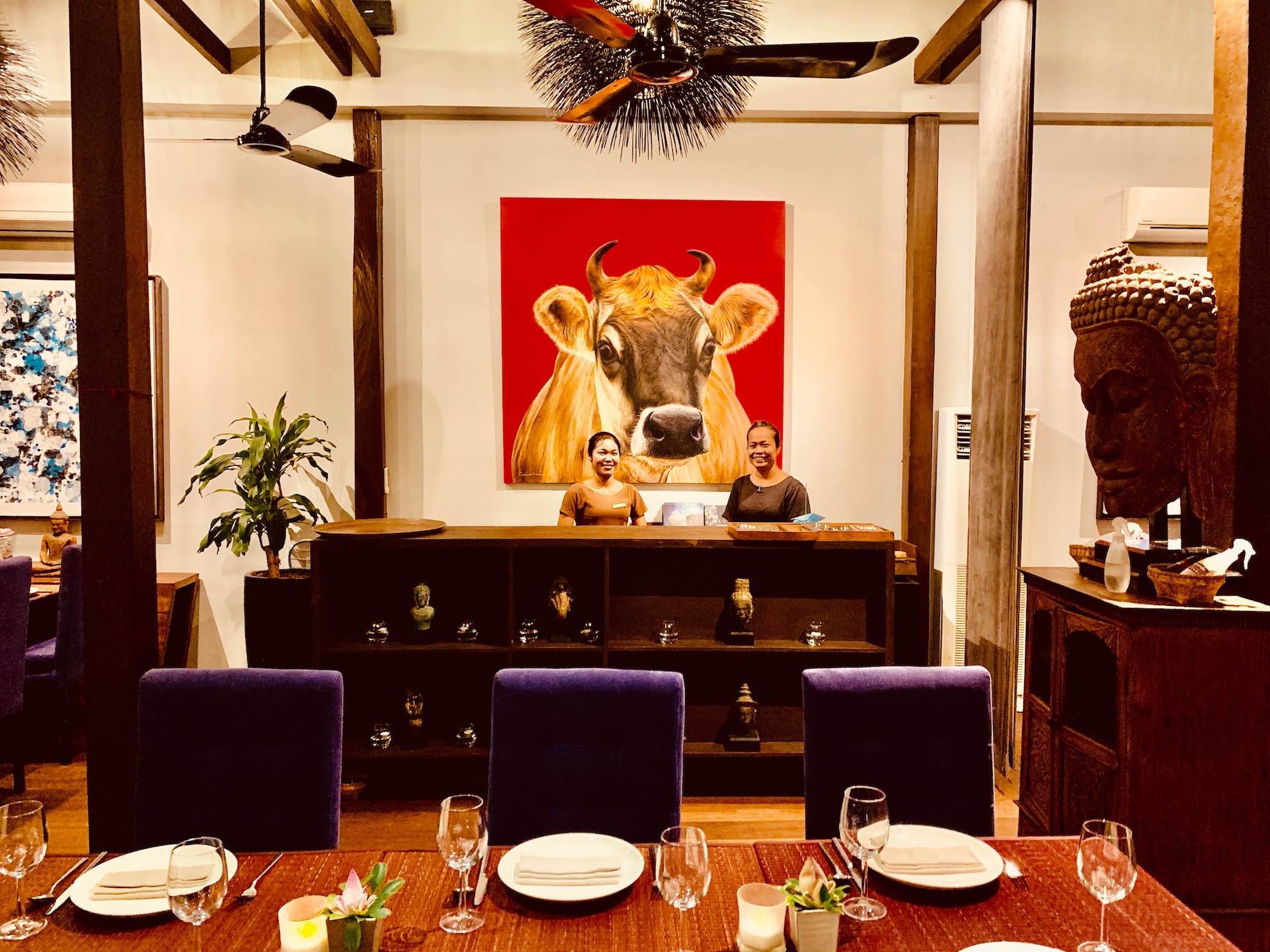
Where Khmer Cooking Finds a Formal Setting
Siem Reap has spent the past decade sorting itself into tiers. At the leading, a cluster of restaurants have taken Cambodian cuisine seriously enough to treat it as a subject worth studying rather than a comfortable backdrop for tourist evenings. Chanrey Tree, on Pokambor Avenue in the Svay Dangkum commune, belongs to that tier. The address places it within the old city's riverside corridor, an area that has historically drawn the more considered dining options away from the density of the night market blocks further east.
Arriving along Pokambor, the shift from the surrounding street activity is immediate. The avenue runs close to the Siem Reap River, and the neighbourhood carries a different rhythm from the concentrated tourism infrastructure around Pub Street. That separation matters: restaurants on this stretch tend to draw guests who have already decided they are looking for something more deliberate than convenience dining.
The Cultural Architecture of Khmer Cuisine
Understanding what a restaurant like Chanrey Tree is doing requires some grounding in what Khmer cooking actually is, because it is frequently misread by visitors who arrive expecting Thai adjacency or Vietnamese lightness. Cambodian cuisine has its own internal logic: a reliance on prahok, the fermented fish paste that functions as a foundational seasoning rather than a condiment; kroeung, the aromatic lemongrass-heavy herb paste that underpins curries and braised dishes; and a preference for bitter, sour, and fermented notes over the chilli heat that dominates neighbouring cuisines.
These are not minor distinctions. Prahok alone creates a flavour depth that has no direct analogue in Thai or Vietnamese cooking, and the traditional Khmer approach to sourness, often built through tamarind, unripe fruit, or fermented liquids, creates a structural complexity that rewards attention. The restaurants in Siem Reap that handle this seriously, including Cuisine Wat Damnak in Siem Reap and Kroya by Chef Chanrith, are working with a canon that was nearly erased during the Khmer Rouge period and has been reconstructed over the past thirty years through a combination of oral tradition, diaspora knowledge, and deliberate research.
Chanrey Tree operates within that reconstruction project. The name itself gestures toward rootedness: the chanrey tree is a local species associated with shade and permanence, an image that frames the restaurant's positioning within the Cambodian culinary tradition rather than against an international reference point.
The city's upper dining tier is not large. Beyond the temple complex that draws the majority of international visitors to Siem Reap, a relatively compact group of restaurants has built reputations serious enough to function as destinations in their own right. AHA Umber and Damnak Meas represent different angles on the local dining scene, while HAVEN in Sala Kamreuk Sangkat operates with a social enterprise model that has given it a distinct identity within the city's hospitality conversation.
For visitors tracking Cambodian food more broadly, the patterns that appear in Siem Reap are echoed, with local inflections, at Jaan Bai Restaurant in Bat Dambang and, in Phnom Penh, at tables like Iza in Phnum Penh. The broader Cambodian dining circuit has developed enough depth that a trip structured around the cuisine rather than simply the temples is now a reasonable proposition. The full Siem Reab restaurants guide maps the current shape of that circuit.
At the international end of the city's hospitality offer, hotel dining at places like the Amansara Resort Dining Room in Siemreab provides a different frame of reference, one oriented more toward global luxury than Khmer specificity. Chanrey Tree sits at the opposite pole: the emphasis is on the cuisine itself, not on the infrastructure surrounding it.
The Question of Technique and Tradition
The most interesting restaurants in Siem Reap are the ones working out how much technique to apply to traditional Cambodian cooking before it stops being Cambodian cooking. This is not a problem unique to Cambodia: the same negotiation plays out at the more considered end of dining in almost every country where a vernacular cuisine is being formalised. At Le Royal at The Raffles in Phnom Penh, the framing is colonial-era heritage; at destination-level restaurants globally, from Le Bernardin in New York City to Lazy Bear in San Francisco, the answer to that question defines what kind of restaurant you are. Chanrey Tree's positioning on Pokambor Avenue, away from the tourist-volume blocks, suggests a preference for the traditional end of that spectrum.
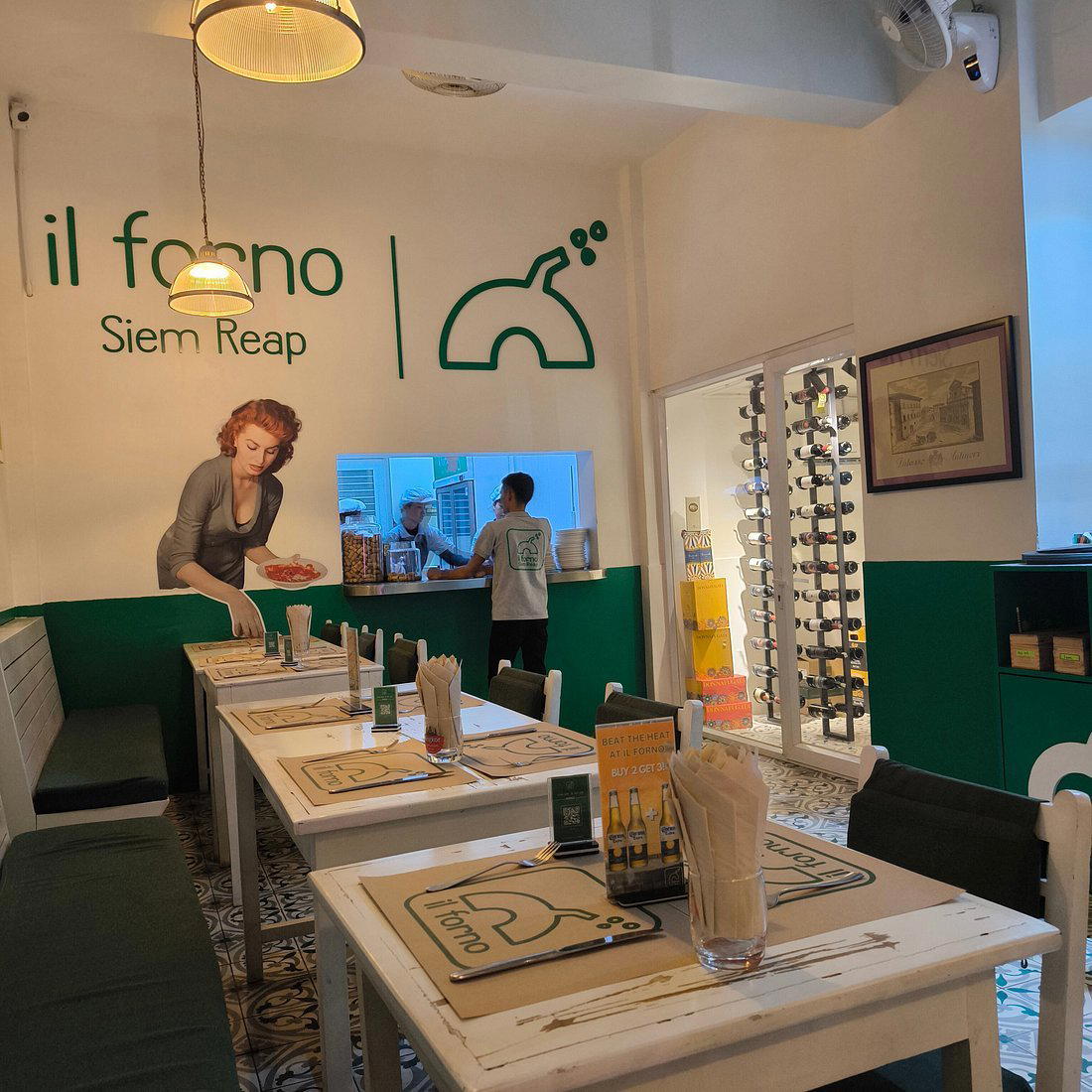
Nearby, Bayon Pastry School demonstrates another way the city handles culinary tradition: through training and transmission rather than purely through service. Il Forno and Embassy in Svay Dankum Sangkat fill different corners of the neighbourhood's dining map. Taken together, Svay Dangkum has more dining range than its proximity to the temple circuit might suggest.
Further Afield: Cambodia's Coastal and Wilderness Dining
Visitors using Siem Reap as a base for a broader Cambodian itinerary will find the dining conversation extends well beyond the city. Maybe Later in Preah Sihanouk represents the coast's more relaxed register, while Shinta Mani Wild in Kampong Seila operates in a wilderness-lodge format that brings its own logic to Cambodian ingredients. Lum Orng Restaurant in Sla Kram Sangkat provides another local reference point for diners working through the city's full range.
Planning Your Visit
Chanrey Tree is located at Mondul 1 Village, Svay Dangkum Commune, on Pokambor Avenue in Krong Siem Reap. The address places it in the walkable riverside area west of the night market, accessible on foot from most central accommodation in under fifteen minutes. Given the volume of international visitors passing through Siem Reap, especially during the November to February high season when the climate is dry and temple traffic peaks, securing a table in advance is the practical approach for any evening you have in mind as a set piece. Contact and booking details are best confirmed directly with the restaurant, as operating hours and reservation systems in this tier of Cambodian dining occasionally shift with the season.
For allergy or dietary requirements, direct communication with the restaurant before arrival is the appropriate channel; Khmer cooking's reliance on fermented fish products means that certain dietary restrictions require advance flagging rather than on-the-night improvisation.
Frequently asked questions
What's the address for Chanrey Tree?
Chanrey Tree is located at Mondul 1 Village, Svay Dangkum Commune, Pokambor Ave, Krong Siem Reap 17252, Cambodia, Siem Reab.
Is Chanrey Tree a good choice for travellers specifically interested in authentic Cambodian cuisine rather than international hotel dining?
For visitors in Siem Reap primarily to engage with Khmer culture rather than to replicate an international dining experience, Chanrey Tree is positioned at the right end of the spectrum. It sits on Pokambor Avenue in Svay Dangkum Commune, within reach of the city centre, and applies a considered approach to Cambodian cooking that hotel restaurants in the area typically do not attempt. The restaurant works within Khmer tradition rather than around it, which is the relevant distinction for that category of traveller.
What's the best thing to order at Chanrey Tree?
Chanrey Tree's menu centres on Khmer cooking, so the strongest strategy is to order dishes rooted in Cambodia's distinctive flavour profile: fermented fish pastes, lemongrass-forward broths, and slow-cooked preparations that rarely appear in this form outside the country. Given the restaurant's position at Pokambor Avenue in Siem Reap's more considered dining tier, the kitchen's treatment of traditional Cambodian recipes is the reason to come. Ask staff which dishes reflect the day's market sourcing rather than defaulting to a set course.
How far ahead should I plan for Chanrey Tree?
Siem Reap's upper dining tier is compact, and the restaurants within it fill quickly around peak temple-visiting season, roughly November through March. Booking at least one to two weeks ahead is sensible for those periods. Outside high season, a few days' notice is typically sufficient, but given no direct booking link is currently listed, contacting the venue via their address on Pokambor Avenue or through a hotel concierge is the most reliable route.
What makes Chanrey Tree worth seeking out?
Chanrey Tree occupies a specific and underserved position in Siem Reap's restaurant scene: Cambodian cooking presented with formal intent rather than as a backdrop to Angkor tourism. Khmer cuisine is frequently flattened for international audiences, and restaurants that resist that tend to be the ones worth the detour. Its location on Pokambor Avenue places it in a walkable part of the city, accessible without significant travel from the riverfront area.
How does Chanrey Tree handle allergies?
Khmer cooking relies heavily on ingredients that carry common allergen risk: prahok (fermented fish paste) appears across many traditional preparations, and dishes frequently incorporate shellfish, peanuts, and glutinous grains. Communicating allergies directly to staff at Chanrey Tree before ordering is essential rather than optional in this context. Given the cuisine's structure, substitutions may alter a dish significantly, so it is worth discussing the full menu before committing to a selection.
A Pricing-First Comparison
Comparable venues nearby, for context on price, style, and recognition.
| Venue | Cuisine | Price | Notes |
|---|---|---|---|
| Chanrey TreeThis venue (the venue you are viewing) | Traditional Khmer Cuisine | $10–20 | Not listed |
| Kroya by Chef Chanrith | Modern Cambodian | $50–100 | Junction of Oum Khun & 14th Street, Modern Cambodian |
| Sivatha Rd | Indian & Cambodian | Not listed | Svay Dangkum, Indian & Cambodian |
| The Little Red Fox Espresso Cafe | Not listed | $1–10 | Kandal Village, Australian-Style Espresso Cafe with Healthy Options |
| Il Forno | Authentic Italian Trattoria | $10–20 | Pub Street, Authentic Italian Trattoria |
| AHA Umber | Modern Cambodian Fusion Tapas | $20–30 | Old Market, Modern Cambodian Fusion Tapas |
Continue exploring
More in Siem Reap
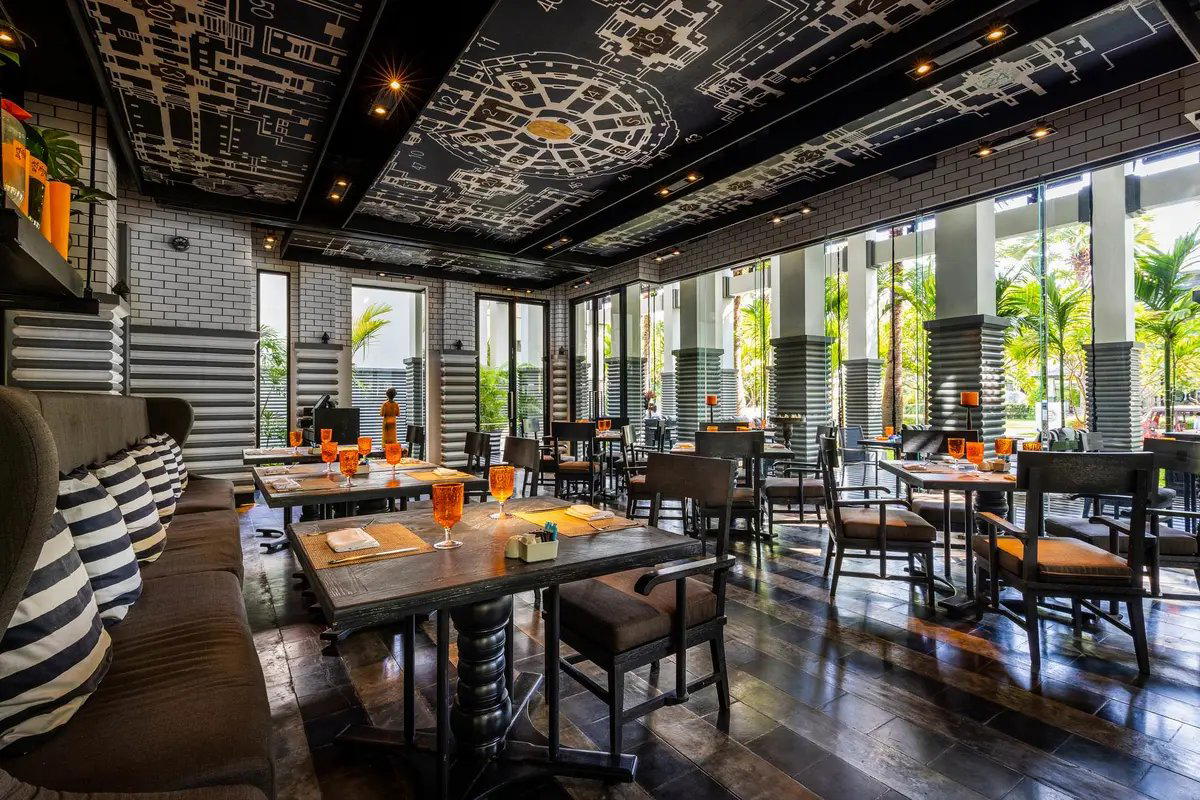
Restaurants in Siem Reap
All restaurants in Siem Reap →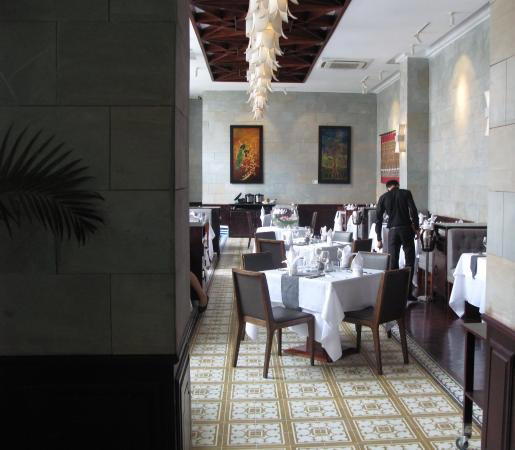
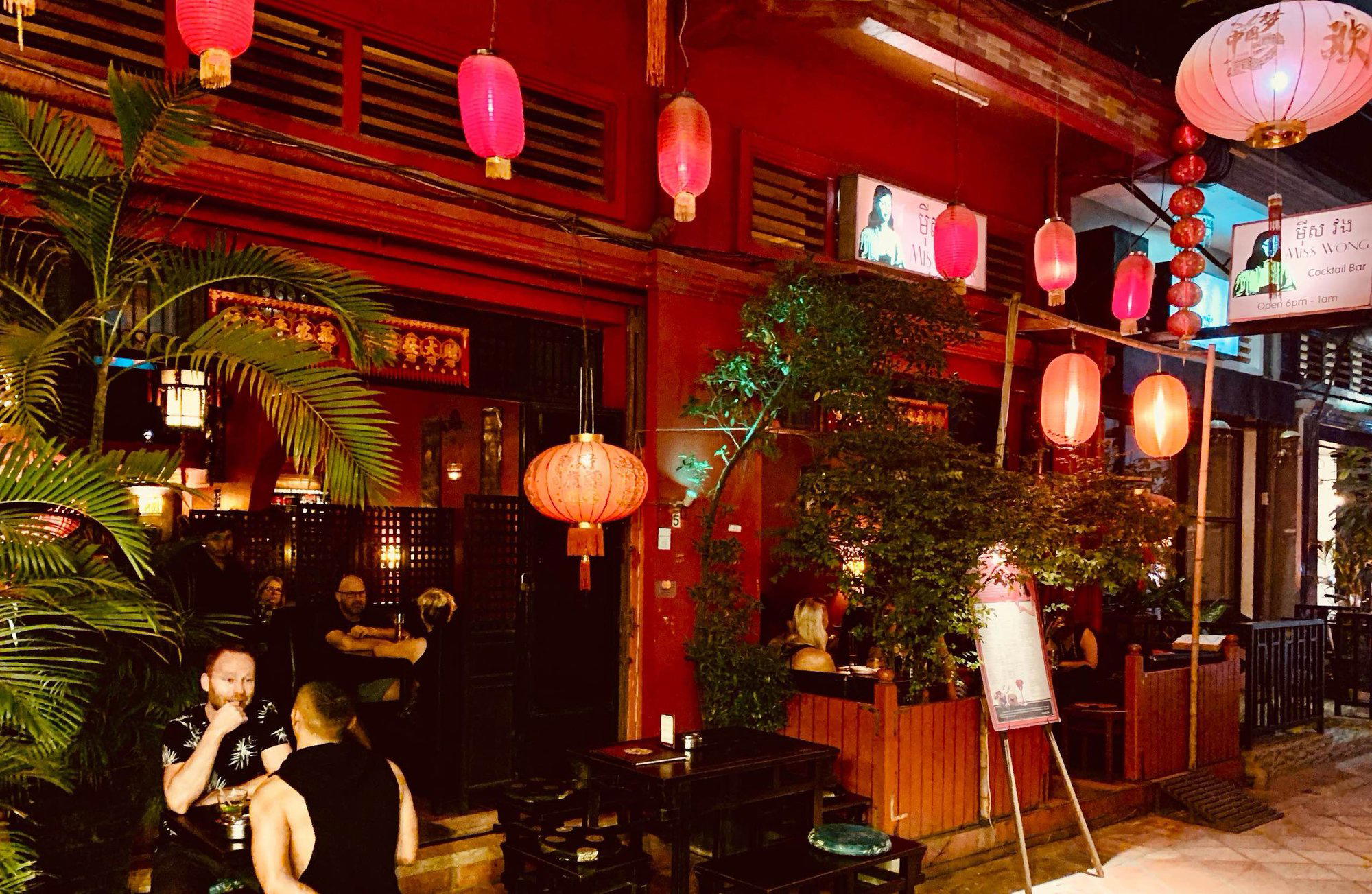
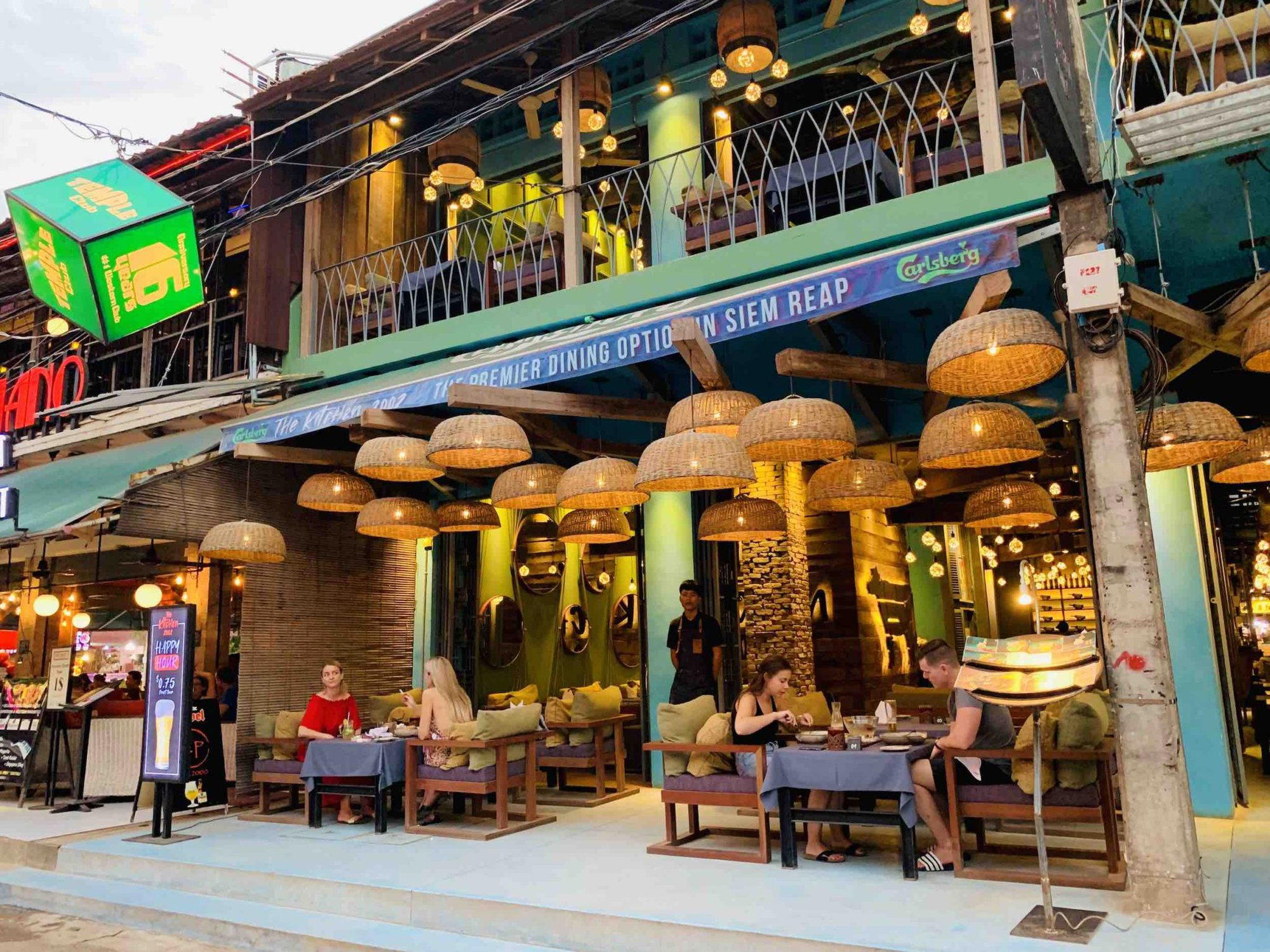
Bars in Siem Reap
All bars in Siem Reap →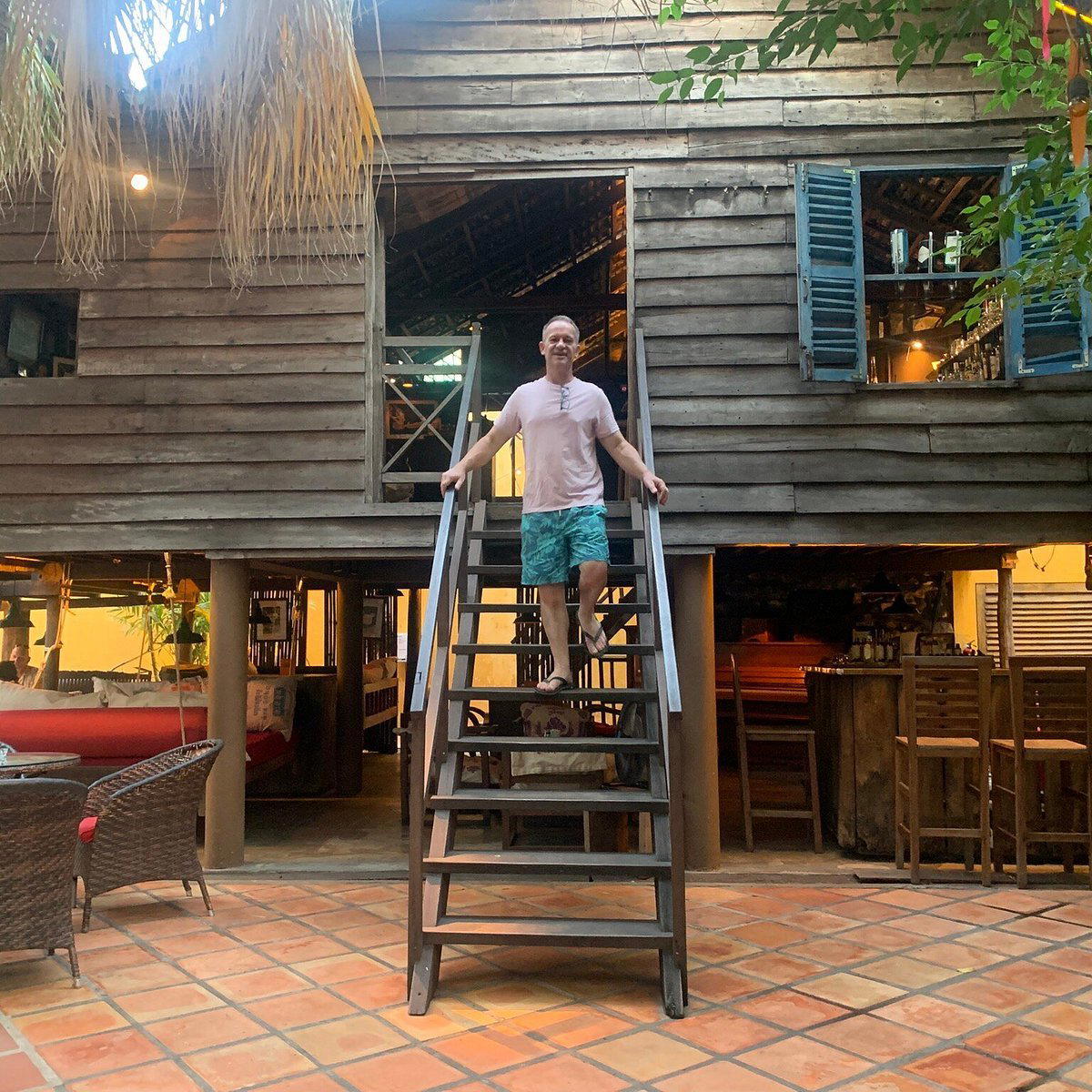
Details
- Modern
- Cozy
- Scenic
- Date Night
- Casual Hangout
- Garden
- Terrace
- Garden
- A La Carte
- Vegetarian Friendly
- Vegan Options
- Gluten Free Options
Current opening hours
- Monday
- 11 AM–2:30 PM, 5:30–10:30 PM
- Tuesday
- 11 AM–2:30 PM, 5:30–10:30 PM
- Wednesday
- 11 AM–2:30 PM, 5:30–10:30 PM
- Thursday
- 11 AM–2:30 PM, 5:30–10:30 PM
- Friday
- 11 AM–2:30 PM, 5:30–10:30 PM
- Saturday
- 11 AM–2:30 PM, 5:30–10:30 PM
- Sunday
- 11 AM–2:30 PM, 5:30–10:30 PM
Hours can change for holidays and private events. Hours as of .
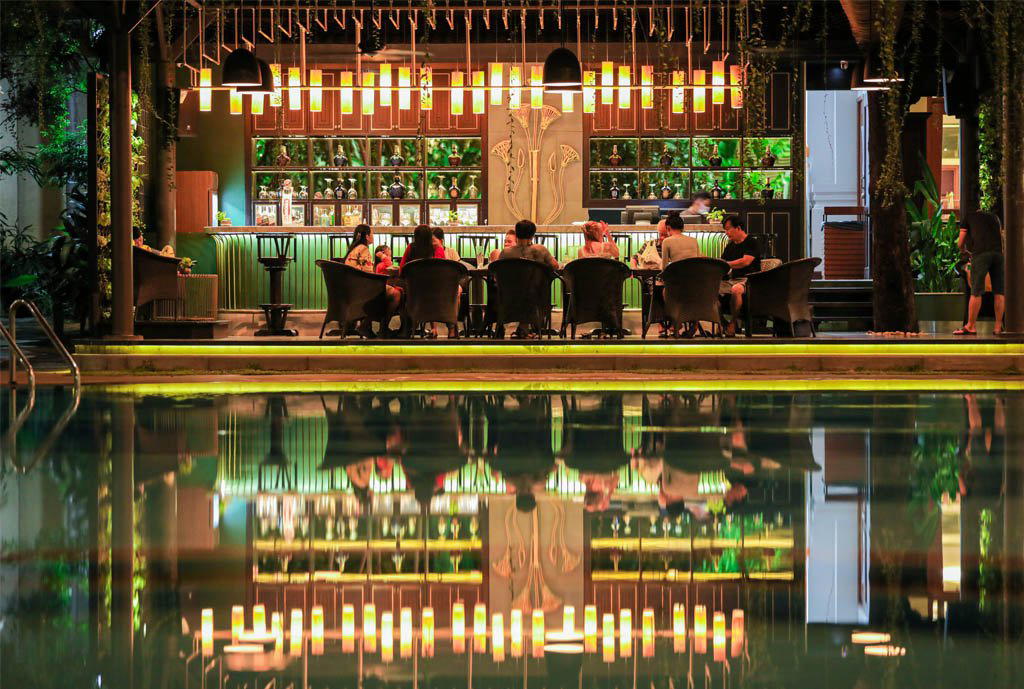
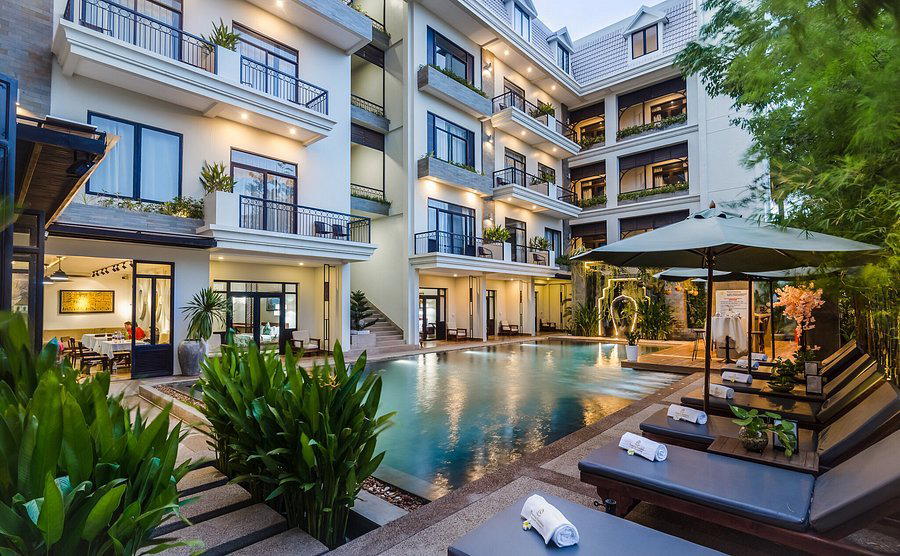
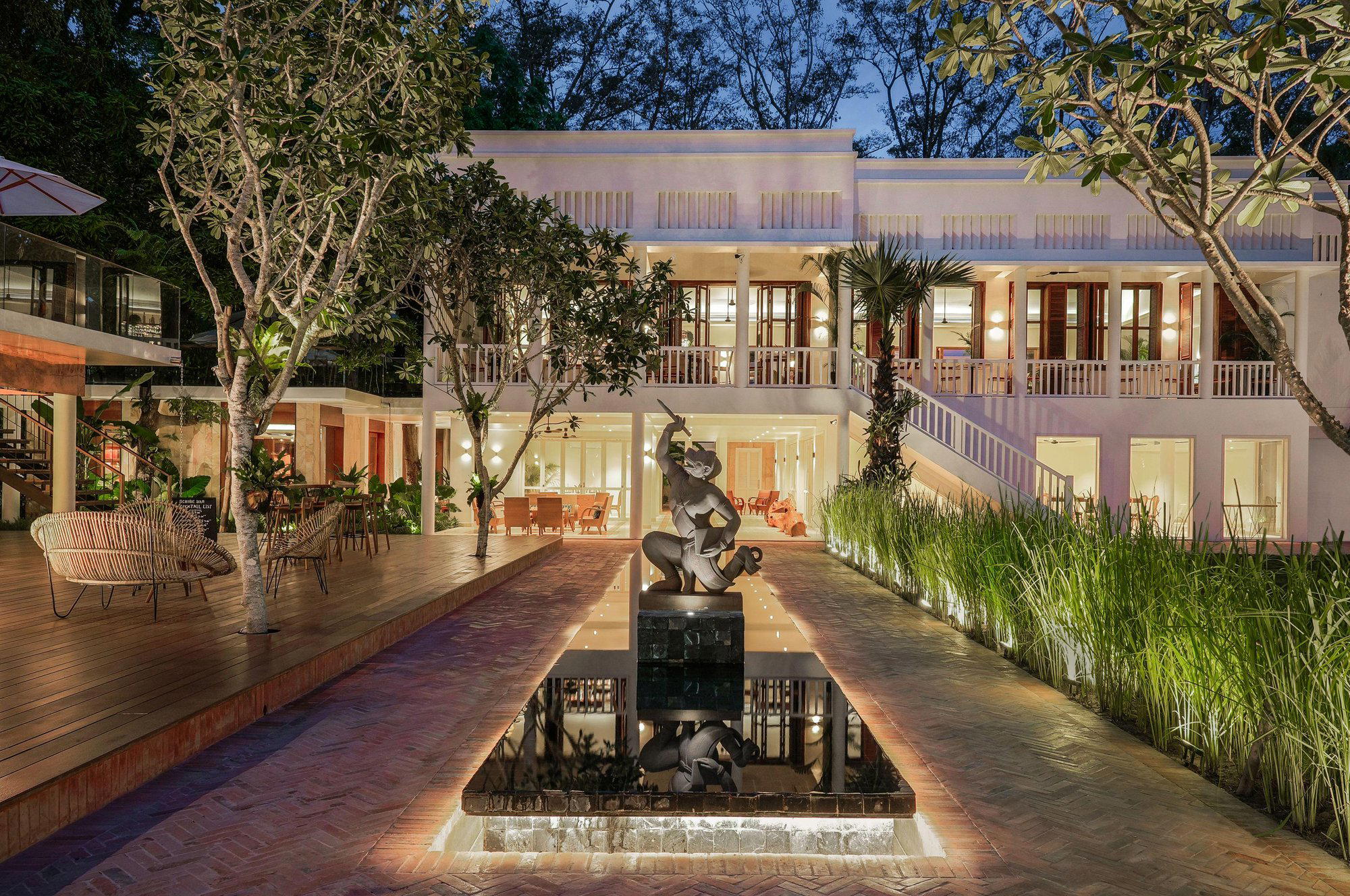
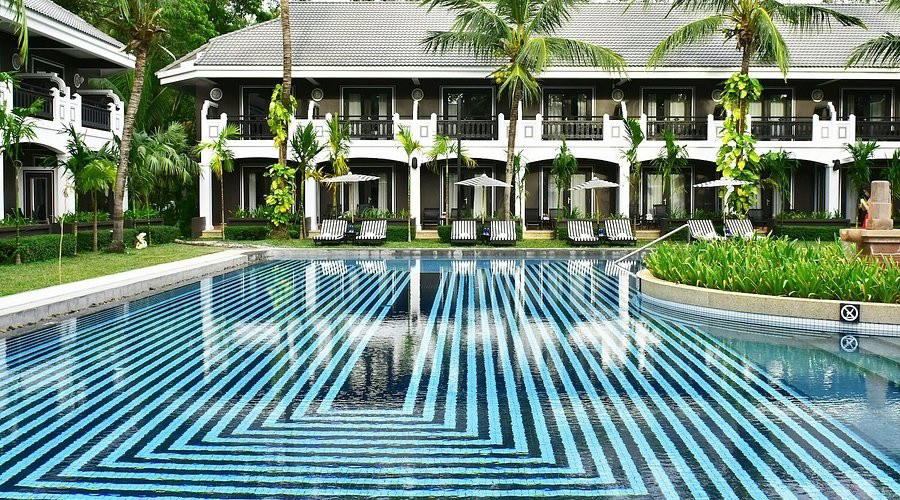
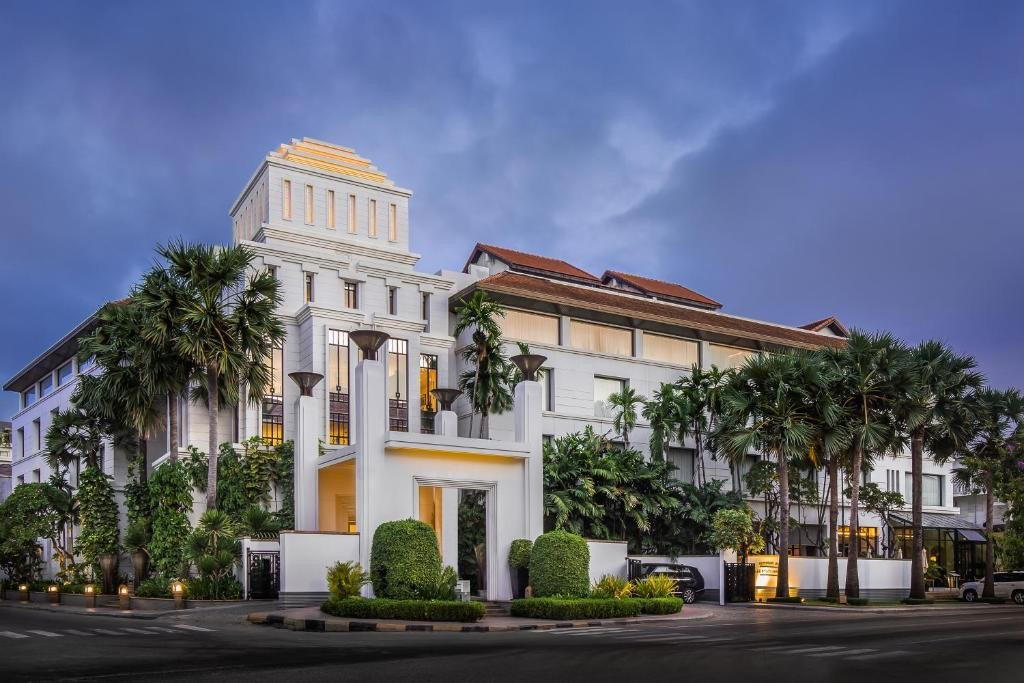
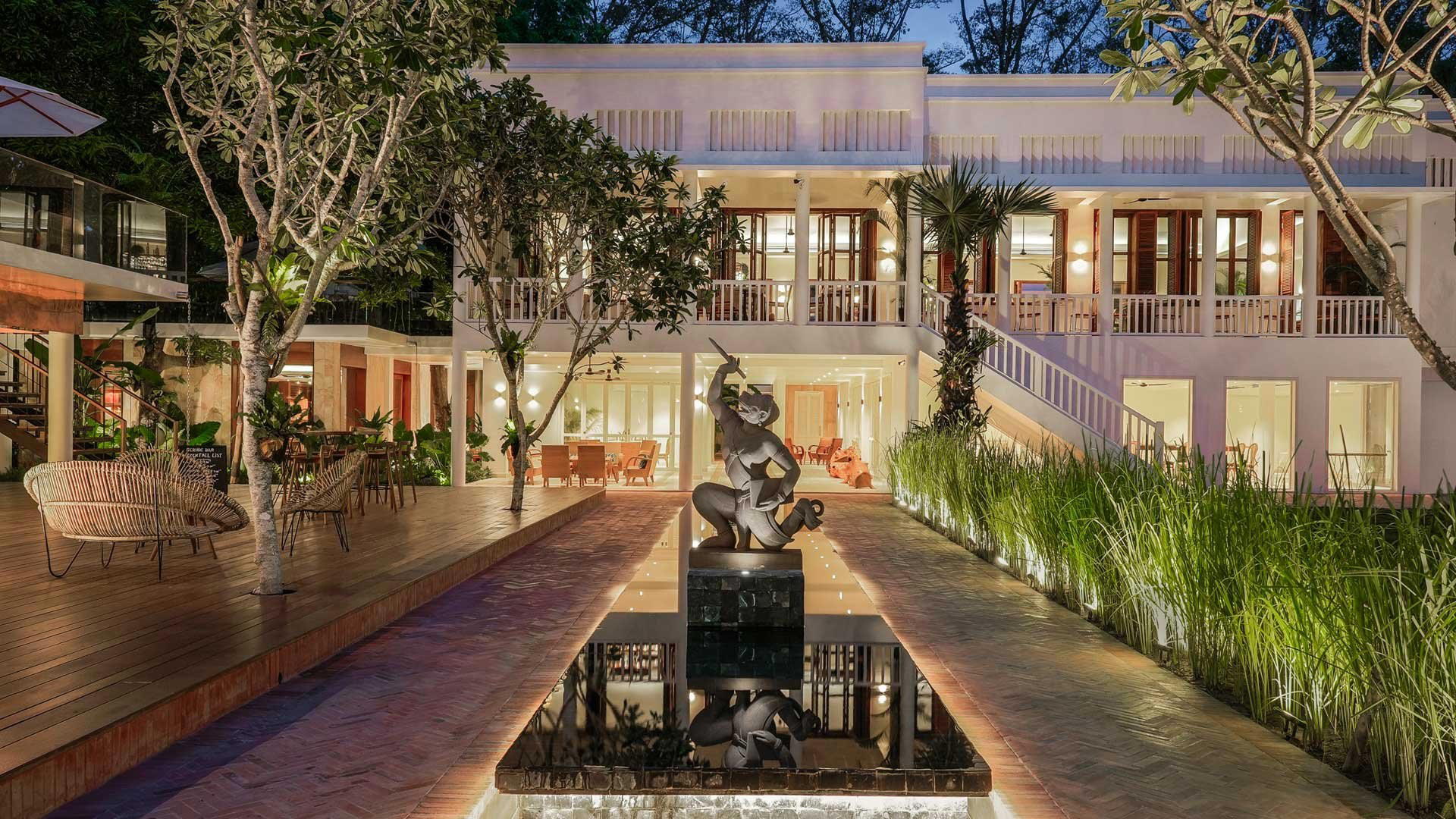
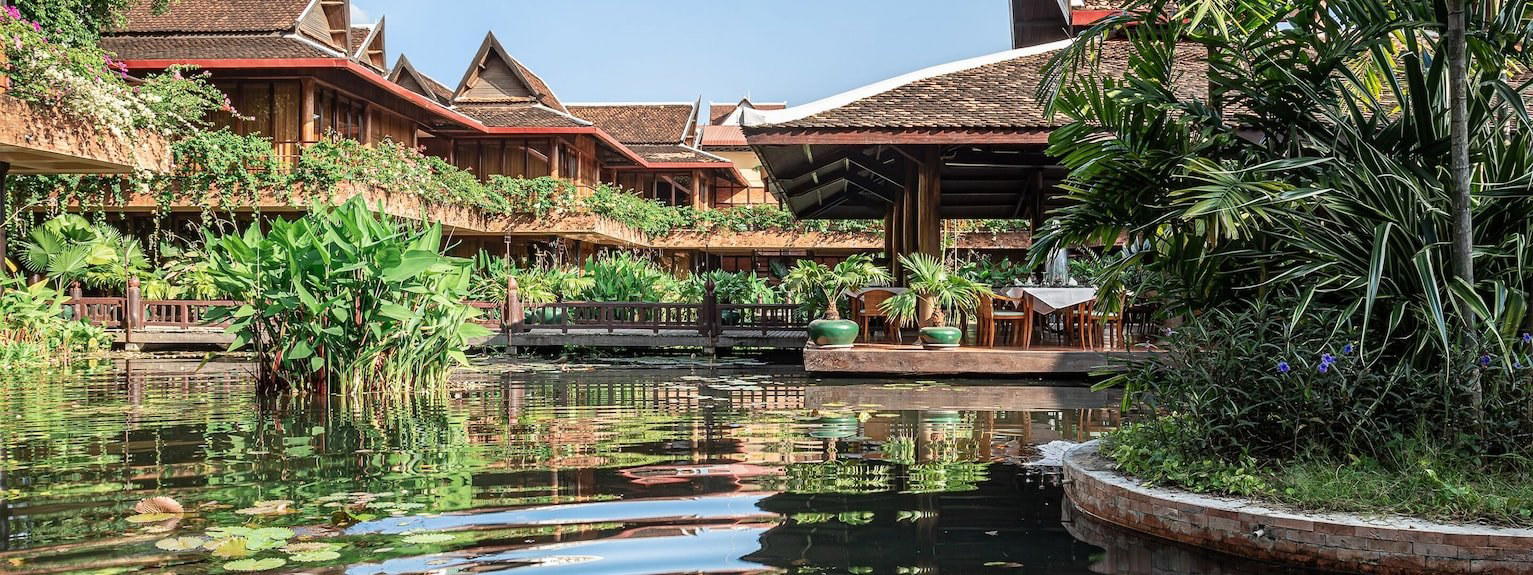
Lush garden courtyard with serene river oversight, jungle plants, Khmer art, and al fresco dining under the stars.