At Port Olímpic in Sant Martí, KRESALA positions itself within Barcelona's seafood-focused dining tradition, drawing on the harbour's proximity to frame a menu that reads as a direct conversation with the Mediterranean. The address alone, Moll de Gregal, local 1, signals intent: this is a restaurant oriented toward the water rather than the city's creative-tasting-menu circuit inland.
 Discover on Pearl
Pearl is the En Primeur Club membership app — saves, bookings, and concierge access live there. Same editors, same standards.
- Address
- Port Olímpic, Moll de Gregal, local 1, Sant Martí, 08005 Barcelona, Spain
- Phone
- +34936358333
- Website
- restaurantkresala.com
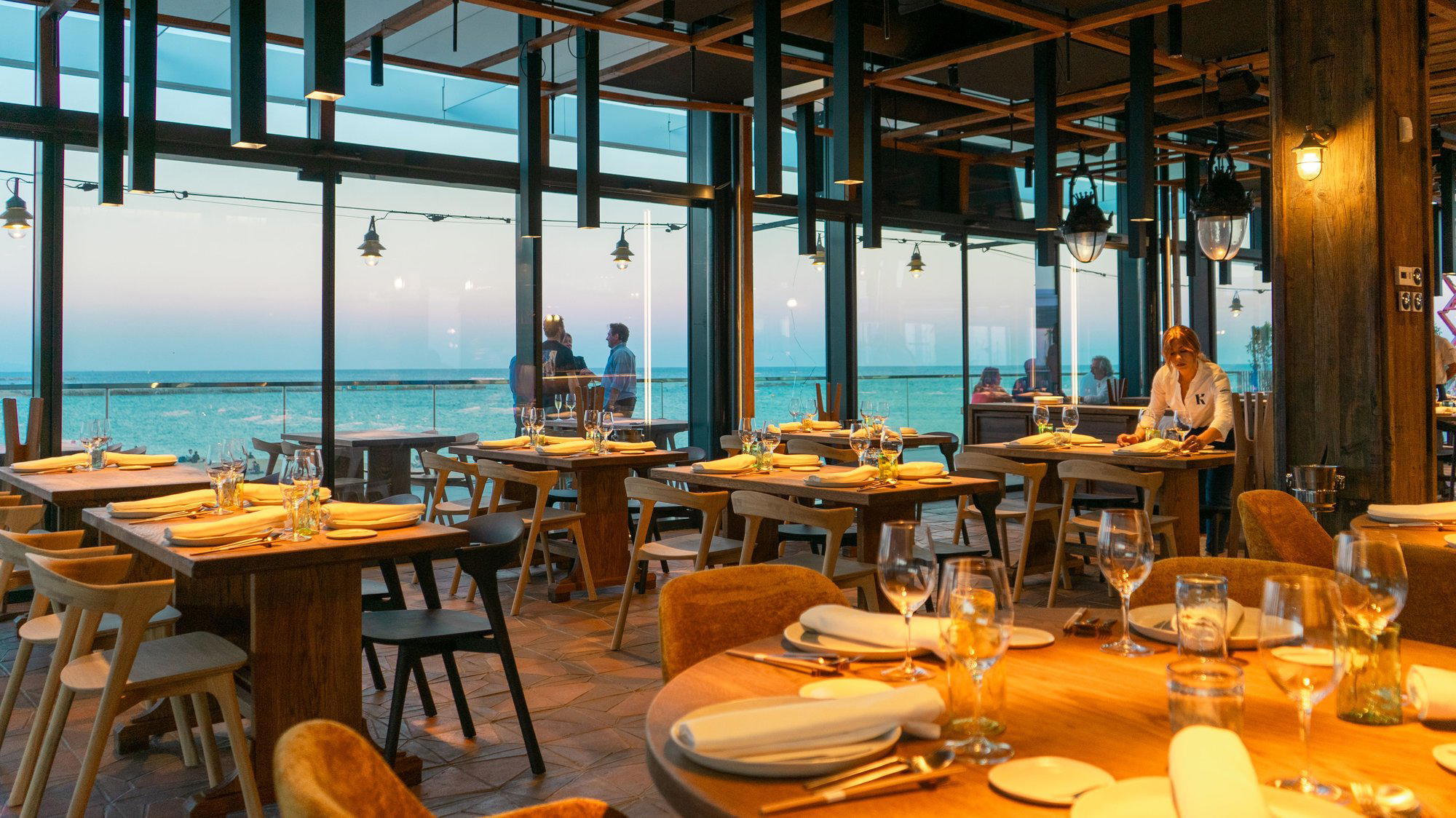
Where the Harbour Shapes the Menu
Port Olímpic sits in an odd position within Barcelona's dining geography. Built for the 1992 Olympics, the waterfront arc of Moll de Gregal and its neighbours became almost immediately associated with tourist-volume seafood houses and overlit terrace bars. That consensus has been shifting, and KRESALA, at local 1 on Moll de Gregal, is part of that change, a restaurant whose address announces a deliberate relationship with the Mediterranean rather than a concession to footfall.
Approaching from the Barceloneta side, the shift from beach-bar density to something quieter and more purposeful registers before you arrive. The Olympic marina carries its own rhythm: boats, salt air, the particular quality of afternoon light on water. A restaurant that takes that environment seriously as a frame for its cooking occupies a different register from the creative-tasting-menu circuit centred around Eixample and Gràcia, where venues like Disfrutar, Cocina Hermanos Torres, and Lasarte define Barcelona's highest tier of recognised fine dining.
Reading the Menu as a Statement
In Spanish coastal cooking, the architecture of a menu often says more than any single dish. The division between raw preparations, fire-cooked whole fish, shellfish by weight, and rice as a structural centrepiece reflects a set of priorities about product sourcing, technique restraint, and what the kitchen trusts the ingredients to do on their own. Catalonia's coastline, from the Ebro delta north to the Costa Brava, supplies some of the most consistent shellfish and day-boat fish in the western Mediterranean, and restaurants positioned at the port have always had an argument for proximity that inland kitchens cannot make.
At KRESALA, the menu's logic follows that coastal grammar. The approach prioritises the product chain between the dock and the pass over elaborate technical intervention, a position that places it in a different conversation from Barcelona's avant-garde houses like ABaC or Enigma, and closer to a Mediterranean tradition where the kitchen's primary job is selection and timing rather than transformation. Spain's broader range of seafood-led fine dining, from Aponiente in El Puerto de Santa María, which applies multi-Michelin-starred rigour to marine ingredients, to Ricard Camarena in València with his focus on produce provenance, shows the range of registers available to a kitchen that starts from the sea.
The Port Olímpic Context
Barcelona's waterfront dining has always been complicated by the economics of location. High rents, high tourist volume, and year-round outdoor dining pressure create conditions that generally favour quantity over refinement. The restaurants that have built durable reputations near the water have typically done so by making a clear choice: either optimise for volume and visibility, or commit to a smaller, more focused operation and price accordingly. KRESALA's position at the harbour's edge, in a district where that tension is most acute, makes the question of what kind of restaurant it intends to be a genuinely interesting one.
For context, Barcelona's upper tier of recognised restaurants, those with Michelin recognition or sustained critical attention from publications including the Guía Repsol, cluster primarily in Eixample and the northern barrios. The waterfront has not historically been their territory. If KRESALA is building a case for serious dining at Port Olímpic, it is doing so in a neighbourhood that has made that difficult for most of the last three decades.
Spain's coastal fine dining tradition extends well beyond Barcelona, and the comparison is instructive. El Celler de Can Roca in Girona demonstrates what Catalan sourcing can achieve at the highest level of formal recognition. Further along the coast, Quique Dacosta in Dénia has built a three-Michelin-starred programme around Mediterranean ingredients treated with both technical precision and deep regional literacy. The Basque Country's contributions, Arzak, Martin Berasategui, Mugaritz, Azurmendi, reinforce how seriously Spain's coastal and near-coastal kitchens take seafood as a primary creative medium. DiverXO in Madrid and Atrio in Cáceres illustrate the inland counterpoint, where seafood is flown in and treated as one ingredient among many rather than the structural logic of the whole menu. Internationally, the discipline of letting seafood quality carry a menu has a clear reference point in Le Bernardin in New York City, where the kitchen's reputation rests entirely on that restraint. Closer to Barcelona's progressive-technique register, Atomix in New York City shows how tightly structured menus can carry strong cultural and geographic specificity without losing precision.
What to Expect at the Table
Given the address and the coastal orientation, the menu at KRESALA is most coherently read as a product-led exercise: shellfish sourced from the surrounding waters, whole fish prepared with techniques that preserve rather than obscure texture, and rice dishes that function as a Catalan grammar of the sea rather than a Valencian one. The rice tradition along the Costa Brava and the Maresme coastline differs from its counterpart further south, tending toward darker, more intensely reduced stocks and a preference for dry-grain textures over the slightly wetter finish more common in Alicantine cooking.
For visitors approaching from a broader Spanish dining itinerary, the register here is usefully distinct from the innovation-led programmes at Barcelona's most decorated addresses. The cooking does not compete with the technical ambition of the city's creative-tasting-menu houses. It occupies a different tier of the conversation, one where the argument is about sourcing and immediacy rather than transformation. See our full Barcelona restaurants guide for a complete map of where KRESALA sits within the city's wider dining circuit.
Know Before You Go
- Address: Port Olímpic, Moll de Gregal, local 1, Sant Martí, 08005 Barcelona, Spain
- Getting There: The nearest metro station is Ciutadella | Vila Olímpica (Line 4, yellow line).
- Booking: Reservations are recommended.
- Price Range: About $70 per person.
- Dress Code: Smart casual.
Booking and Cost Snapshot
Comparable venues nearby, for context on price, style, and recognition.
| Venue | Cuisine | Price | Awards | Notes |
|---|---|---|---|---|
| KRESALAThis venue — the venue you are viewing | $$$$ | , | ||
| El Nacional Barcelona | $$$ | , | la Dreta de l'Eixample, Spanish Gastronomic Multispace | |
| Sagardi Centre | $$$ | , | l'Antiga Esquerra de l'Eixample, Basque Grill & Seafood | |
| Ajoblanco Restaurante & Coctelería | $$$ | , | Sant Gervasi - Galvany, Modern Spanish Tapas & Cocktails | |
| El racó d'en Cesc | $$$$ | , | l'Antiga Esquerra de l'Eixample, Modern Catalan Cuisine | |
| Bodega Alaparra | el Poblenou, Spanish Wine Bar with Tapas | $$ | , |
Continue exploring
More in Barcelona
Restaurants in Barcelona
Browse all →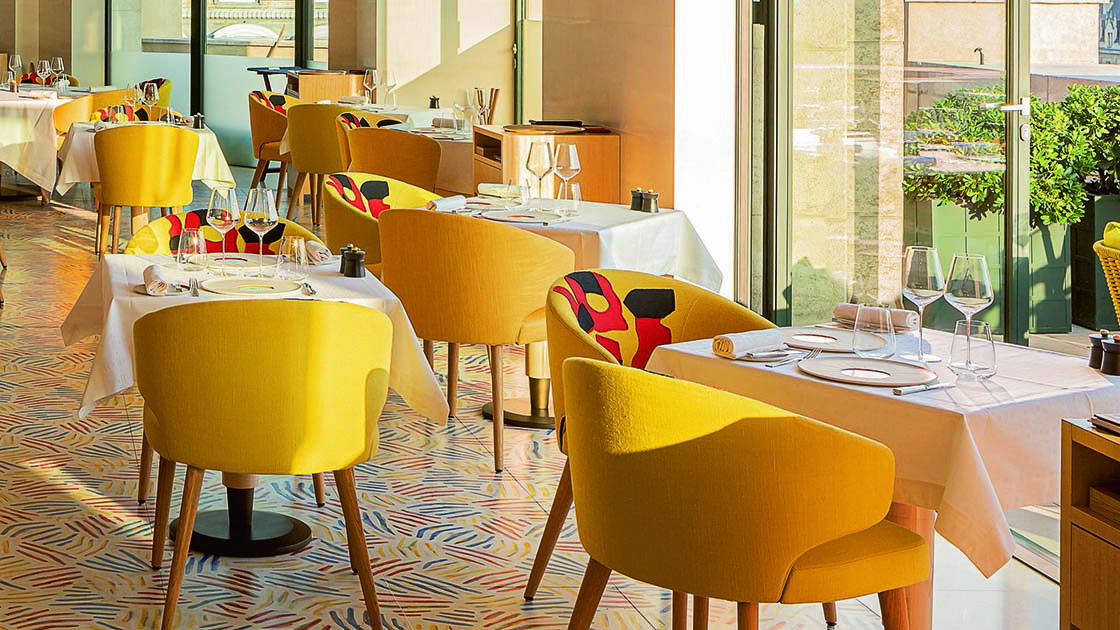

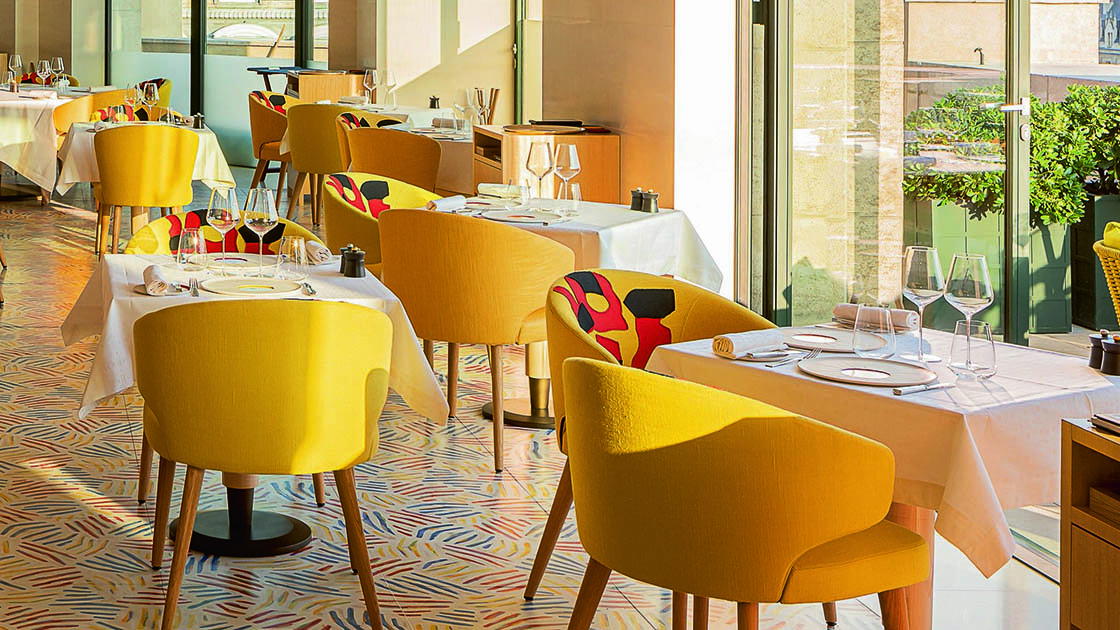
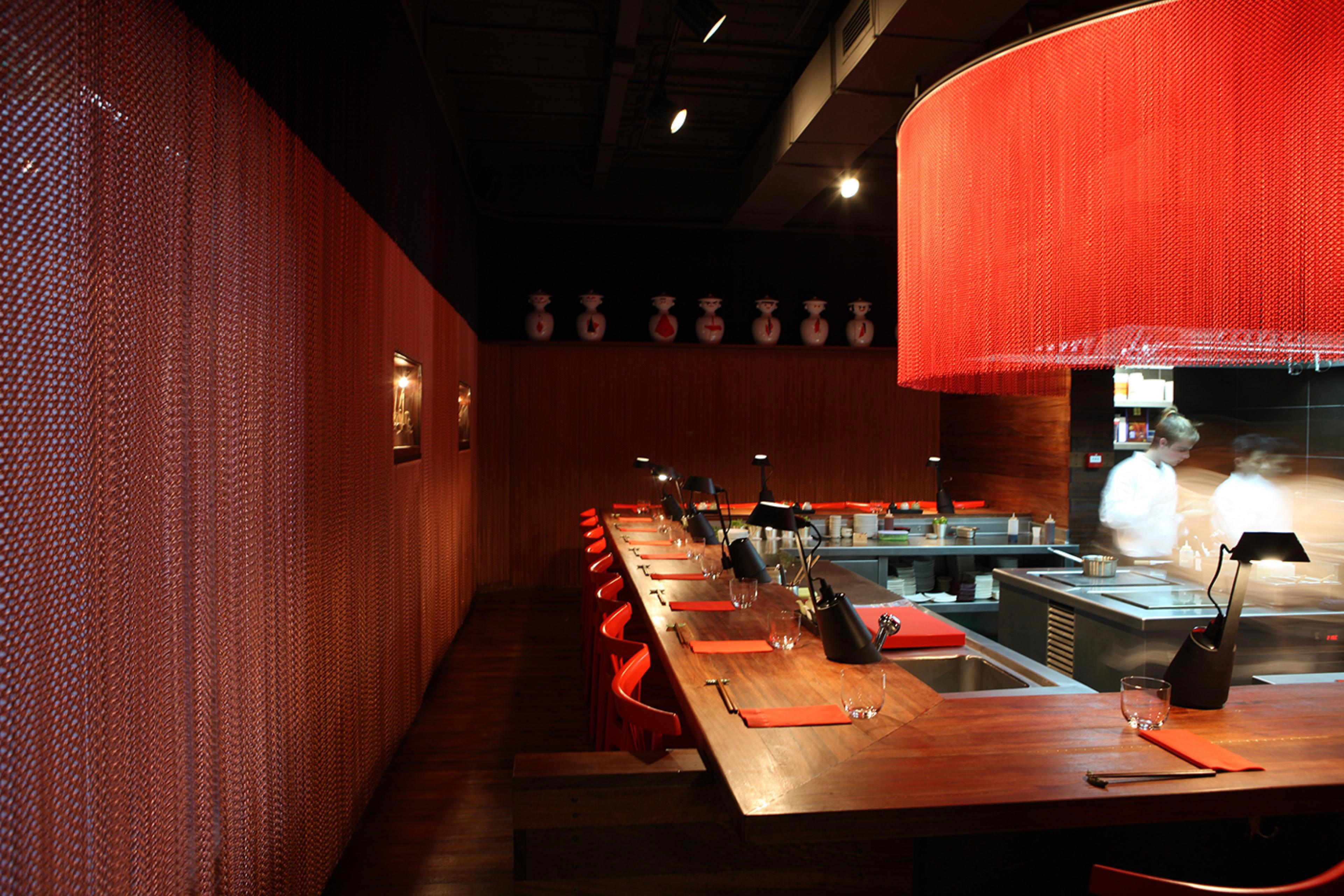
Bars in Barcelona
Browse all →
Hotels in Barcelona
Browse all →

At a Glance
- Cozy
- Elegant
- Scenic
- Date Night
- Special Occasion
- Group Dining
- Open Kitchen
- Terrace
- Waterfront
- Extensive Wine List
- Local Sourcing
- Waterfront
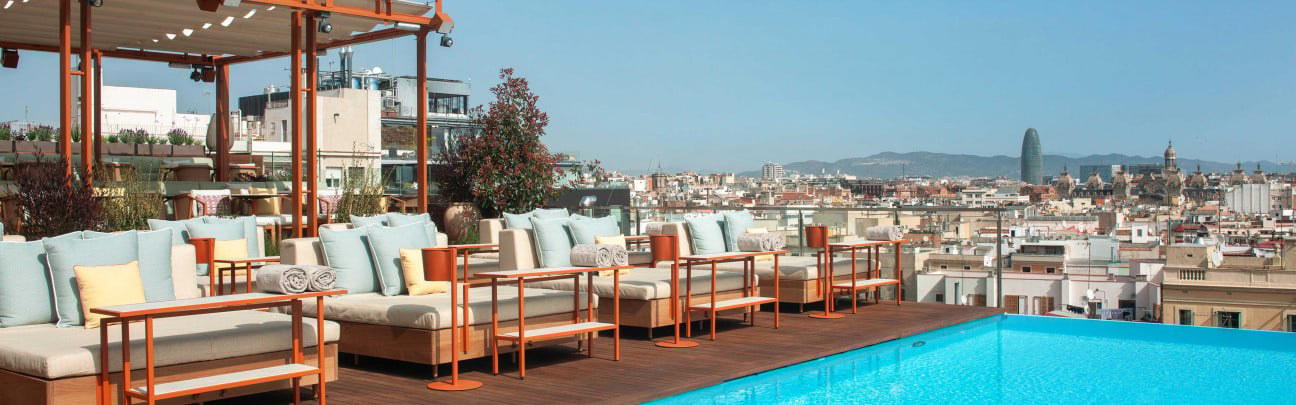
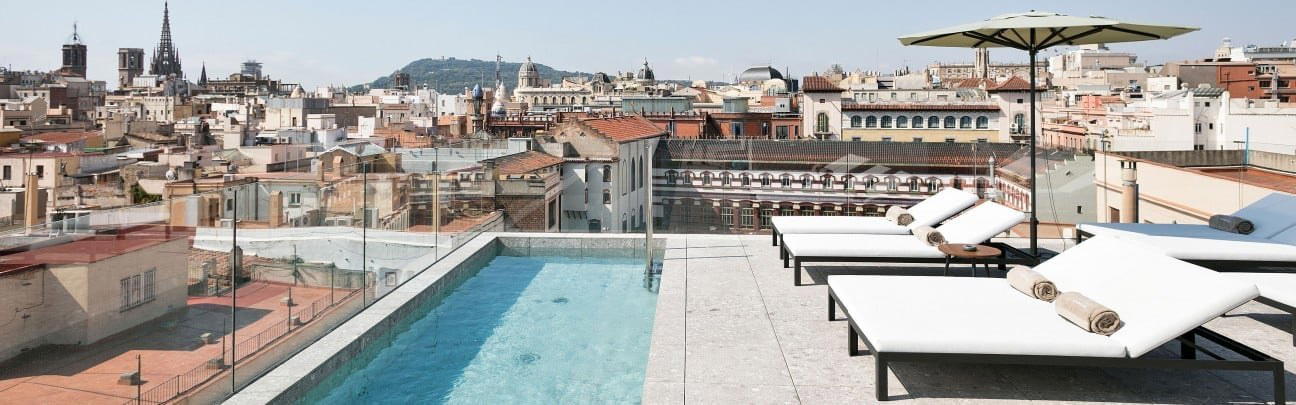
Cozy venue with vibrant atmosphere, open kitchen grill, and terrace offering amazing waterfront views.