
El racó d'en Cesc occupies a quiet stretch of Carrer de la Diputació in L'Eixample, operating in the mid-register of Barcelona's dining scene where traditional Catalan cooking meets careful, unfussy execution. The room signals neighbourhood restaurant over destination dining, which in this city often means the cooking has less to prove and more room to be itself. Check availability directly and confirm dietary requirements ahead of your visit.
Pearl is the En Primeur Club membership app — saves, bookings, and concierge access live there. Same editors, same standards.
- Address
- Carrer de la Diputació, 201, L'Eixample, 08011 Barcelona, Spain
- Phone
- +34934532352
- Website
- elracodencesc.com
- Directions
- Get directions
 Saves & bookings on Pearl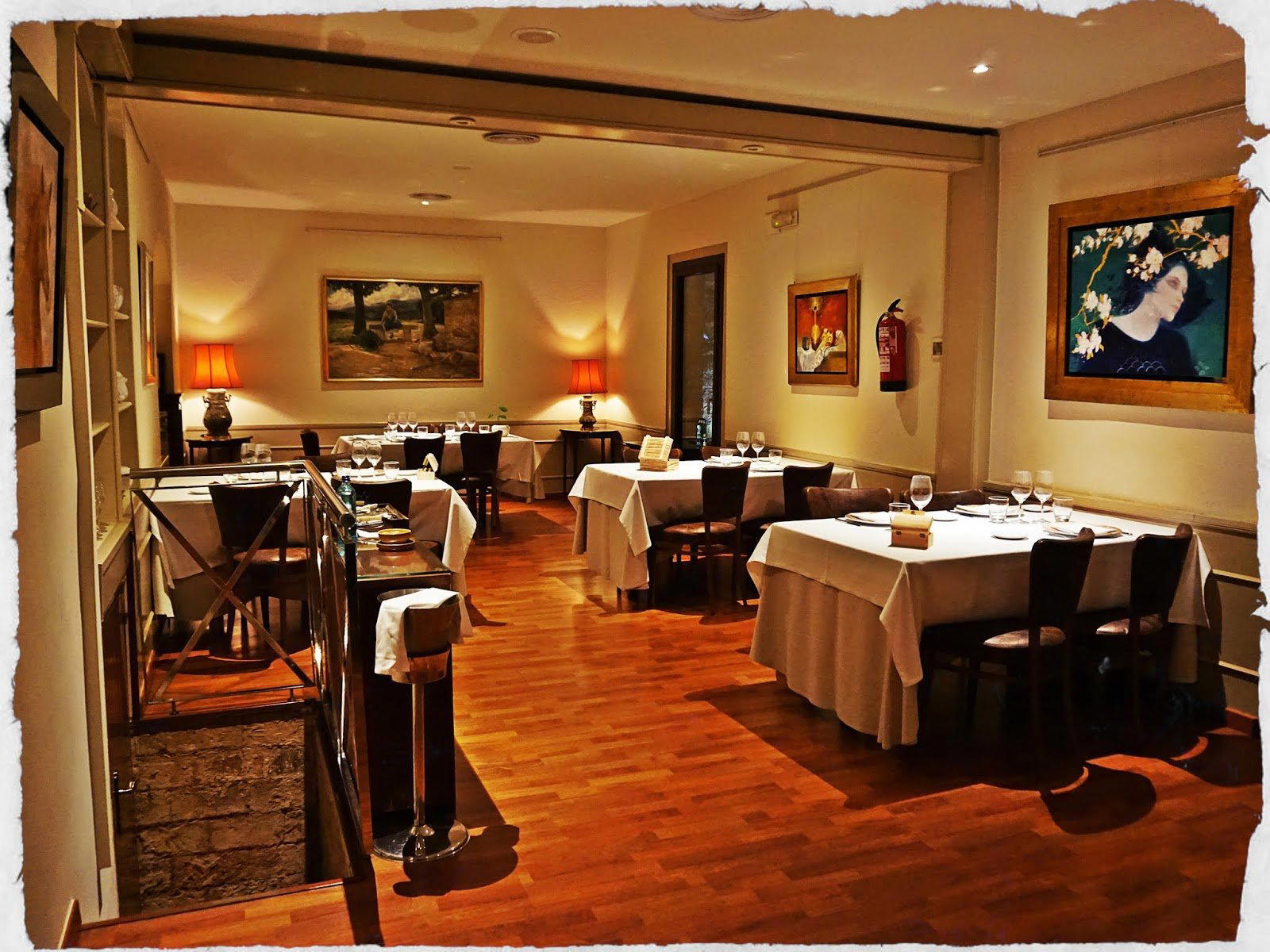
Where L'Eixample Eats Without an Audience
Barcelona's Eixample grid was designed for efficiency, and its restaurants tend to reflect that logic: high turnover on the tourist corridors, quieter and more personal on the interior streets. Carrer de la Diputació sits in the latter category, running parallel to the main axes without collecting much foot traffic from visitors moving between Gràcia and the old city. El racó d'en Cesc occupies a position on this street that places it firmly in the neighbourhood-restaurant tier. In a city where the upper end of the dining spectrum is defined by venues like Disfrutar, Cocina Hermanos Torres, and ABaC, the mid-register does a different kind of work: it holds the culinary culture together between the spectacular and the everyday.
Lunch as the Main Event
In Catalan dining culture, lunch remains the structural anchor of the day. The midday meal carries social and culinary weight that dinner, often eaten late and lightly, does not always match. At neighbourhood restaurants across L'Eixample, this plays out in a familiar format: a prix-fixe menú del día offering several courses at a price that reflects the practical logic of feeding regulars rather than capturing a tourist premium. The gap between Barcelona's lunch and dinner economics can be considerable, the same kitchen, at lunch, may price at a fraction of its evening rate.
At El racó d'en Cesc, this divide is worth thinking through before you book. Arriving at lunch positions you alongside the local rhythm of the neighbourhood: office workers, residents, the occasional table of families. The pace is faster, the room more inhabited. Evening service, by contrast, tends toward a quieter register in restaurants of this type, fewer covers, longer stays, and a menu that may lean slightly more composed. Neither experience is a substitute for the other, and which you choose should depend on what you want the meal to do for your day.
The Catalan Kitchen This Part of the City Represents
L'Eixample's dining identity is more heterogeneous than the old city's, shaped by the neighbourhood's history as Barcelona's bourgeois expansion zone from the late nineteenth century onward. The cooking that took root here was never exclusively Catalan in the folkloric sense, it absorbed influences from across Spain and, over time, from further afield. But the underlying grammar of the Catalan table remains legible in kitchens like this one: respect for seasonal produce, dishes built around legumes and salt cod, a preference for technique that supports the ingredient rather than obscuring it.
This places El racó d'en Cesc in a different conversation from Barcelona's creative tasting-menu circuit. Venues like Lasarte and Enigma operate with entirely different ambitions and at a different price register. The neighbourhood restaurant format isn't a lesser version of those experiences; it's a distinct category with its own criteria for success. Consistency, value across multiple visits, and integration into a local dining community are the measures that apply here.
The tradition of serious mid-register restaurants that anchor regional cooking without seeking national attention runs from Ricard Camarena in València through the Basque Country's countless unstarred txokos and sidrerías. The celebrated addresses, Arzak in San Sebastián, El Celler de Can Roca in Girona, Mugaritz in Errenteria, Azurmendi in Larrabetzu, Martin Berasategui, Quique Dacosta in Dénia, Aponiente in El Puerto de Santa María, Atrio in Cáceres, and DiverXO in Madrid, all depend on a deeper ecosystem of neighbourhood cooking to give them context. The restaurant belongs to that ecosystem rather than to the headline tier.
Planning Your Visit
Carrer de la Diputació, 201 places the restaurant in the western half of L'Eixample, between Eixample Esquerra and Sant Antoni, a neighbourhood that has become one of Barcelona's more active dining and nightlife zones over the past decade. The location is walkable from the Sant Antoni market and the cluster of bars and restaurants that have formed around it. Public transport connections along Gran Via and Carrer del Consell de Cent serve the area well.
Confirm details directly with the restaurant before visiting. For dietary requirements, contact the restaurant ahead of the visit.
How El racó d'en Cesc Compares to Its comparable set
| Venue | Style | Price Tier | Format |
|---|---|---|---|
| The restaurant | Neighbourhood Catalan | Not confirmed | À la carte / menú del día (likely) |
| Cocina Hermanos Torres | Creative | €€€€ | Tasting menu |
| Disfrutar | Progressive, Creative | €€€€ | Tasting menu |
| Lasarte | Progressive Spanish, Creative | €€€€ | Tasting menu / à la carte |
For a fuller picture of where the restaurant sits within the city's dining offer, see our full Barcelona restaurants guide. Readers planning to extend beyond Barcelona might also consider Lazy Bear in San Francisco or Le Bernardin in New York City for international reference points in the mid-to-upper dining register.
Budget Reality Check
Comparable venues nearby, for context on price, style, and recognition.
| Venue | Cuisine | Price | Awards | Notes |
|---|---|---|---|---|
| El racó d'en CescThis venue — the venue you are viewing | Not listed | $$$$ | Not listed | Not listed |
| Manairo | Not listed | $$$ | Not listed | el Fort Pienc, Modern Catalan Tasting Menu |
| Incorrecte | Not listed | $$$$ | Michelin Plate | Sant Gervasi - la Bonanova, Modern Catalan |
| Leña Barcelona | Not listed | $$$$ | Michelin Plate | la Maternitat i Sant Ramon, Modern Spanish Grill |
| El Pollo | Not listed | $$ | Not listed | el Raval, Spanish Tapas with Basque Influence |
| Asador de Aranda - Paralelo | el Raval, Traditional Castilian Asador | $$$ | Not listed | Not listed |
Recognition history
Dated appearances from independent guides and award organizations, with the underlying list record or original source where available.
Macarfi 7 Food Rating
Macarfi
Continue exploring
More in Barcelona
Restaurants in Barcelona
Browse all →
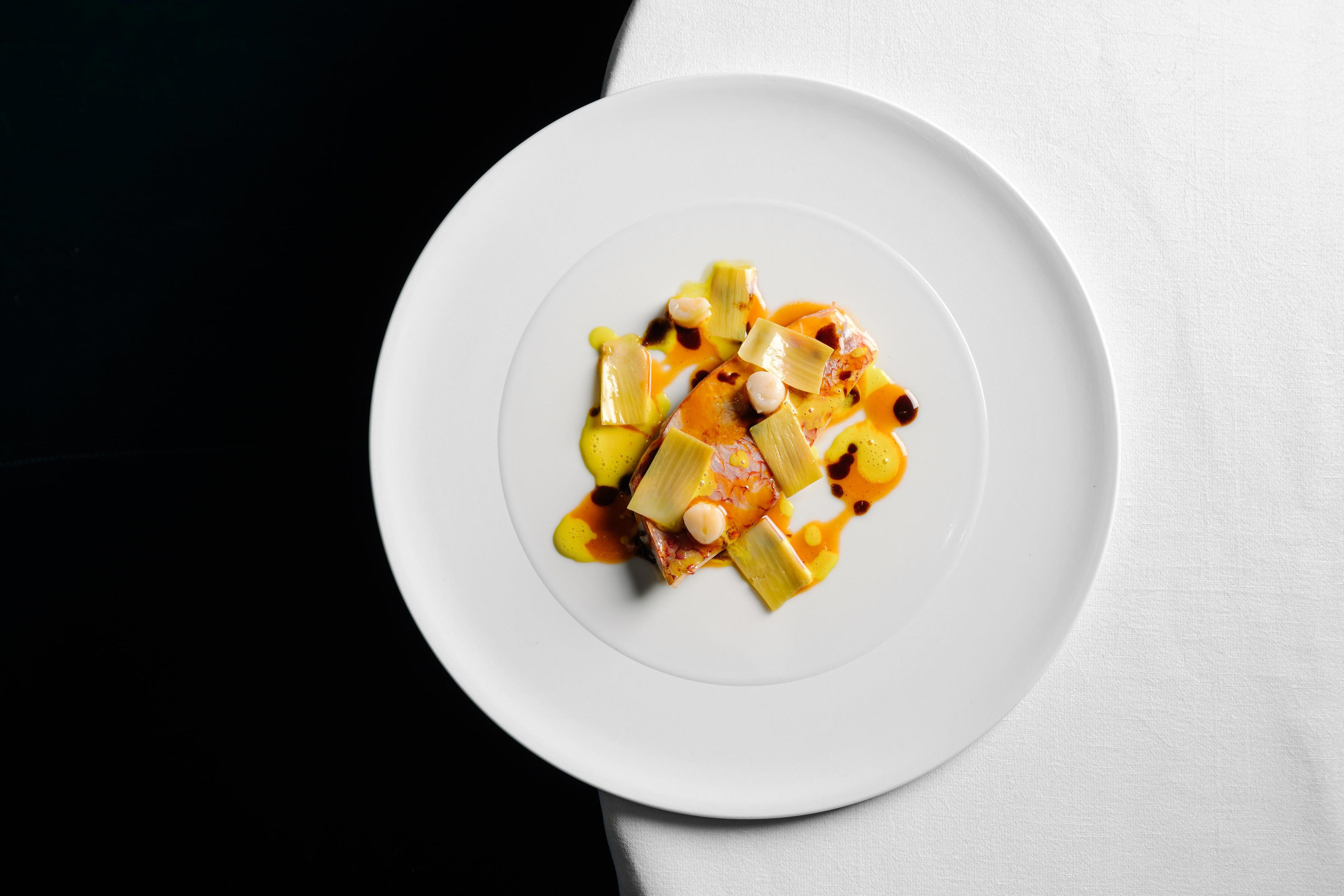
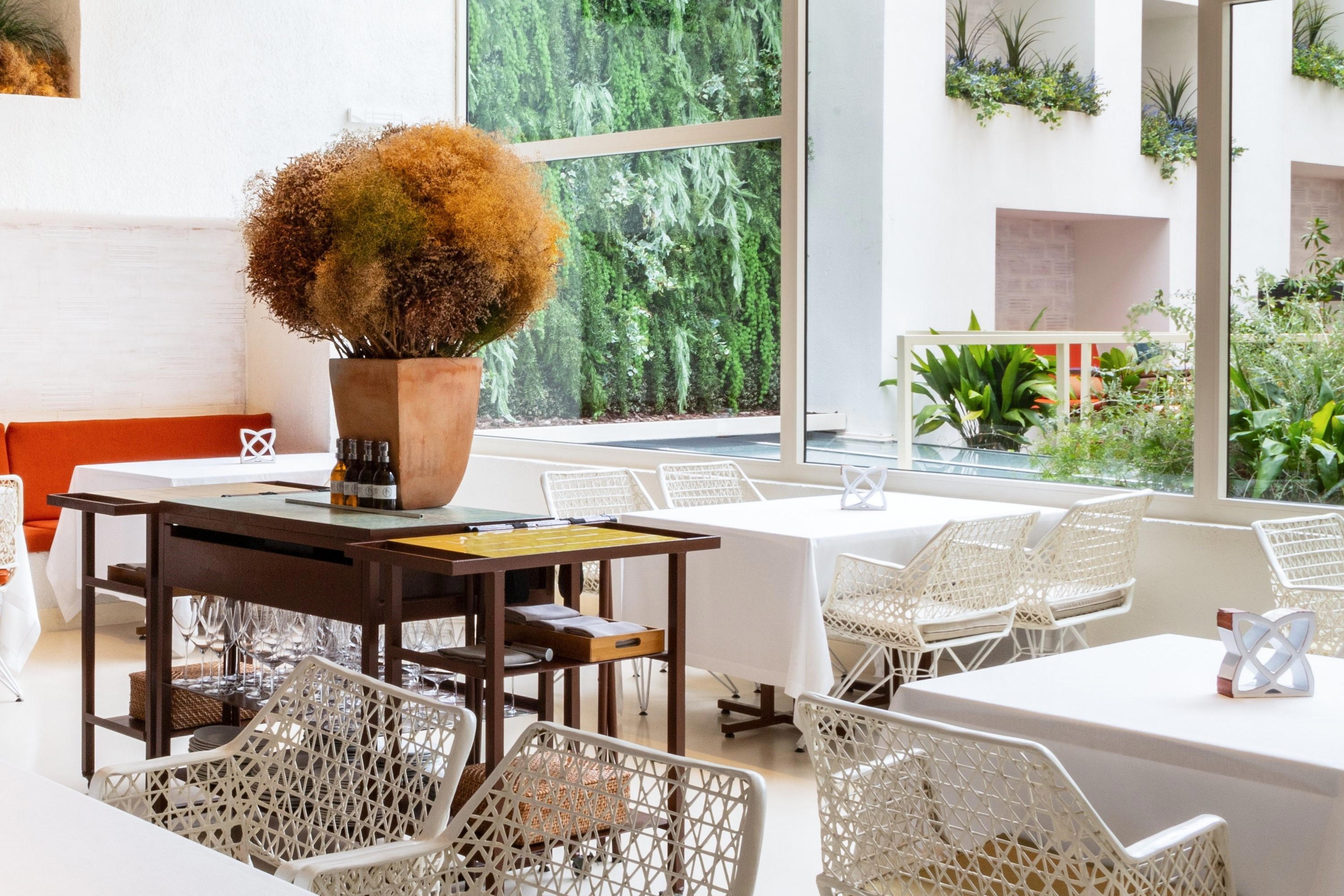
Bars in Barcelona
Browse all →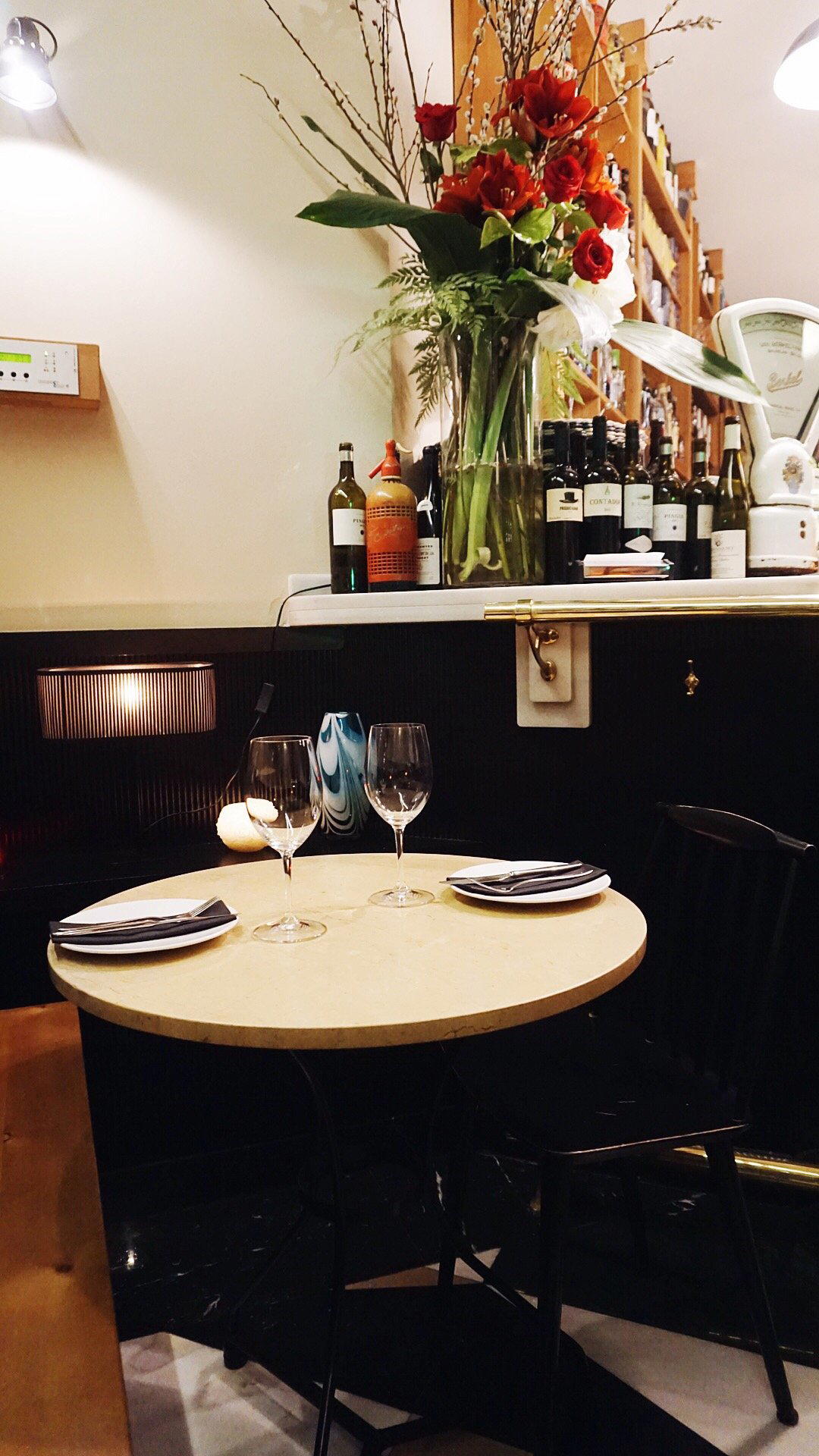
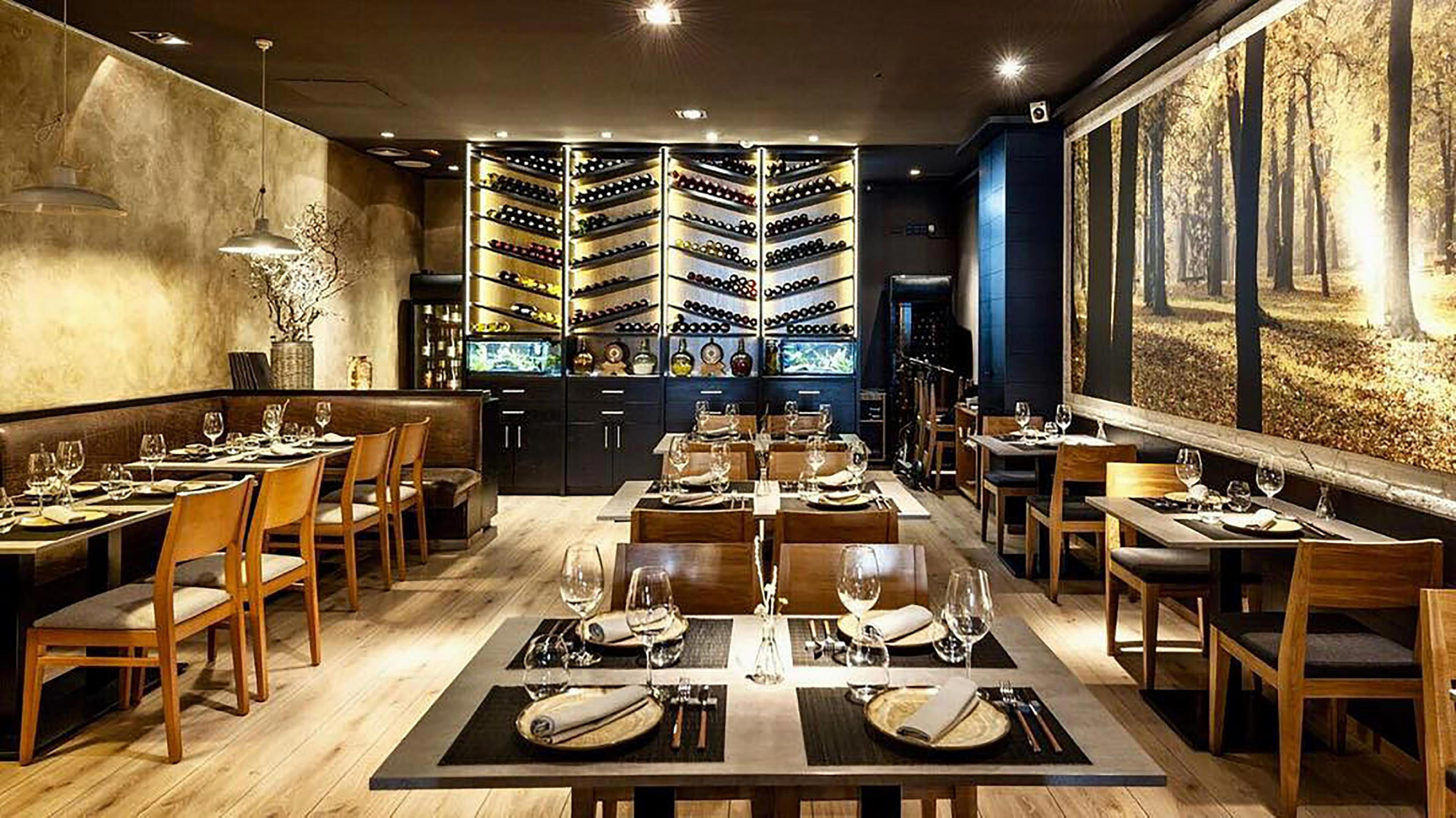
Hotels in Barcelona
Browse all →
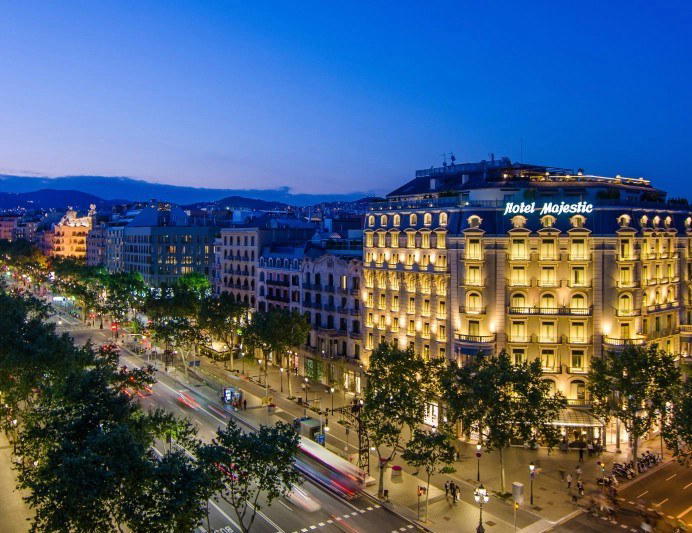
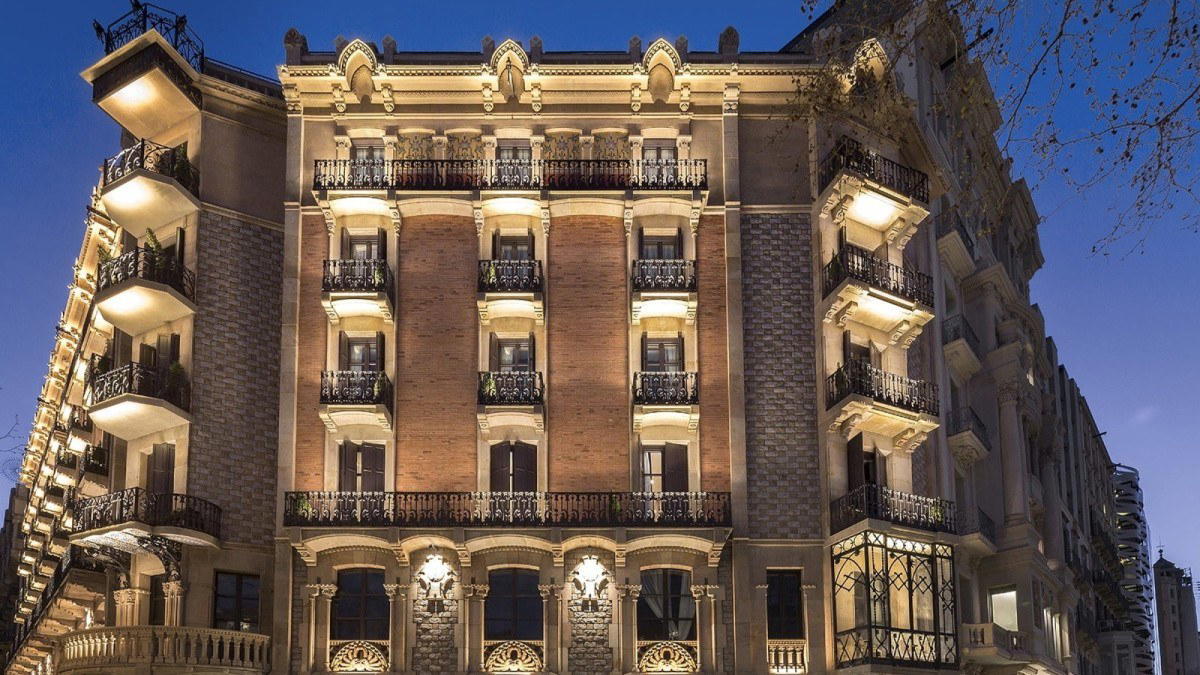
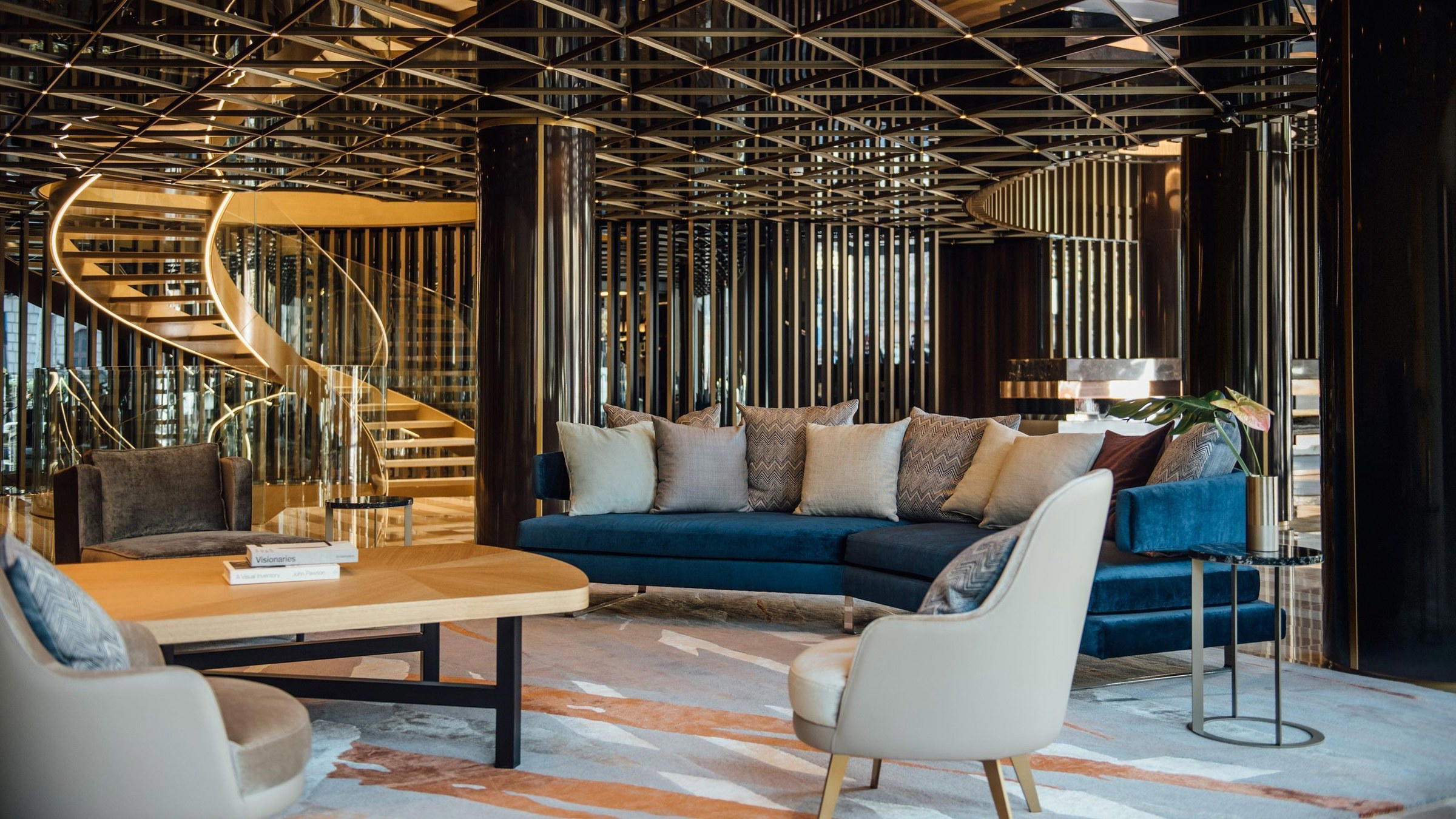
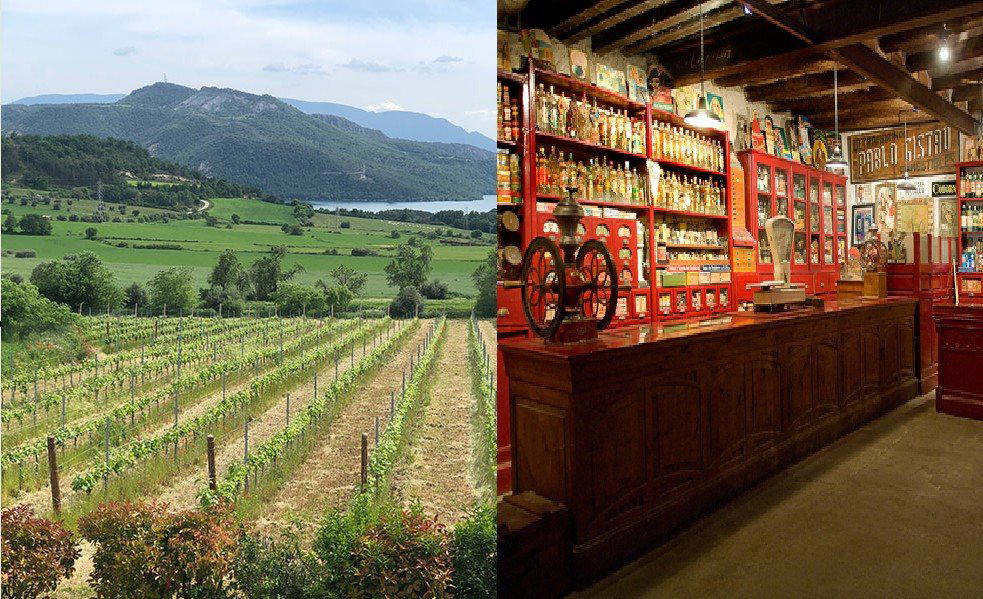
At a Glance
- Elegant
- Intimate
- Classic
- Sophisticated
- Date Night
- Business Dinner
- Special Occasion
- Celebration
- Private Dining
- Wine Cellar
- Extensive Wine List
- Beer Program
- Sommelier Led
- Local Sourcing
Current opening hours
- Monday
- 1–3:30 PM, 8–10:30 PM
- Tuesday
- 1–3:30 PM, 8–10:30 PM
- Wednesday
- 1–3:30 PM, 8–10:30 PM
- Thursday
- 1–3:30 PM, 8–10:30 PM
- Friday
- 1–3:30 PM, 8–10:30 PM
- Saturday
- Closed
- Sunday
- Closed
Hours can change for holidays and private events. Last verified .
Low-lit with bare brick walls and elegant decor; intimate spacing between tables creates a private, conversational atmosphere with photos of notable guests lining the entrance.