Where the Alpine Pasture Meets the Plate The approach to Kreither Alm sets the terms before you have sat down. The address, Kreith 60, places the property above the village of Mutters, a small Tyrolean settlement in the Inn Valley that sits just...
Pearl is the En Primeur Club membership app — saves, bookings, and concierge access live there. Same editors, same standards.
- Address
- Kreith 60, 6162 Kreith, Austria
- Phone
- +43 677 61669613
- Website
- kreither-alm.at
- Directions
- Get directions
 Saves & bookings on Pearl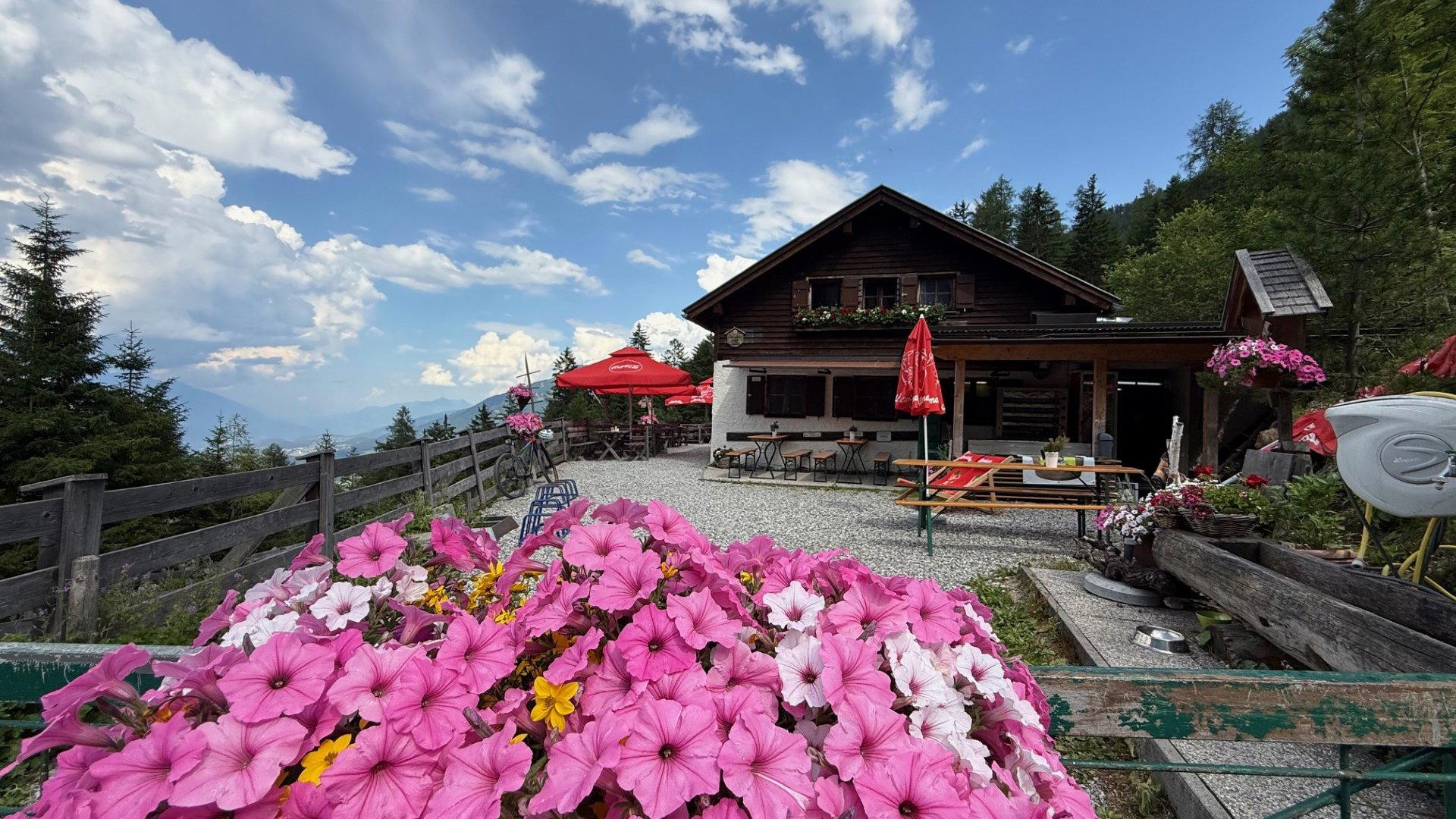
Where the Alpine Pasture Meets the Plate
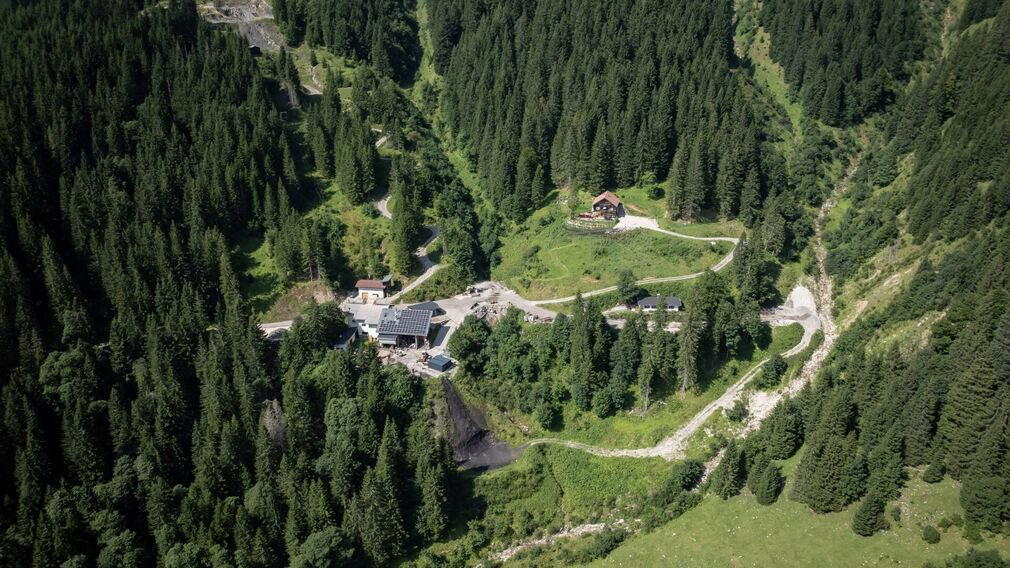
The approach to Kreither Alm sets the terms before you have sat down. The address, Kreith 60, places the property above the village of Mutters, a small Tyrolean settlement in the Inn Valley that sits just south of Innsbruck. At this altitude, the air carries the particular mineral sharpness of high pasture, the kind that reminds you how close the food on the table is to the land it came from. Austrian mountain dining has a clear split between resort-facing restaurants that trade on panoramic views and a smaller tier of working alms where the sourcing relationship with the surrounding terrain is structural rather than decorative. Kreither Alm belongs to the latter category.
Ingredient Sourcing as Structural Logic
The Tyrolean alm tradition is built around proximity. Historically, alpine huts served as seasonal working shelters for farmers moving cattle to high pastures through summer months. The food was what the pasture produced: dairy, cured meat, rye bread, and whatever root vegetables survived the altitude. Contemporary alm dining in Austria has evolved considerably from that utilitarian model, but the better examples retain the sourcing logic even as the technique becomes more refined. At elevations and in micro-regions like the area above Mutters, ingredients do not travel far to reach the kitchen, and that compression of distance shapes what ends up on the menu.
For context, consider how Austria's most celebrated kitchens treat sourcing. Döllerer in Golling an der Salzach has made Alpine terroir the explicit organising principle of its four-star program, sourcing from Salzburg's mountain producers with the same rigour that a Burgundy winery applies to single-vineyard fruit. Kräuterreich by Vitus Winkler in Sankt Veit im Pongau operates from an even more concentrated herbalist framework, where the sourcing radius is essentially the kitchen garden. These Michelin-recognised properties occupy the formal end of the Austrian Alpine dining spectrum. Kreither Alm sits further along the continuum toward the traditional, but shares the foundational premise: in mountain Tyrol, what grows or grazes nearby is what the kitchen works with.
Tyrol's Alm Dining in Context
Mutters itself is not a destination that attracts the same international dining traffic as the Arlberg corridor or Salzburg's historic centre. That relative quietness is part of what defines the experience. Venues like Griggeler Stuba in Lech and Gourmetrestaurant Tannenhof in Sankt Anton am Arlberg operate within resort ecosystems where high-spend international visitors form the primary audience. The Mutters context is different. The local clientele skews toward Innsbruck residents who know the Inn Valley well, hikers using the area's trail network, and visitors staying in the broader Stubai Valley area. That audience shapes what the kitchen can and should reasonably offer.
The broader Tyrolean restaurant scene reflects a clear geographic spread. Schwarzer Adler in Hall in Tirol and Stüva in Ischgl represent the established mid-to-upper tier of the region's dining, while properties like Restaurant 141 by Joachim Jaud in Mieming demonstrate how Tyrolean chefs at the serious end of the market operate outside the resort premium zone. Kreither Alm occupies a different register from these, functioning as a working alm rather than a destination restaurant in the formal sense, but that distinction is precisely its positioning advantage.
The Alm Format and What It Delivers
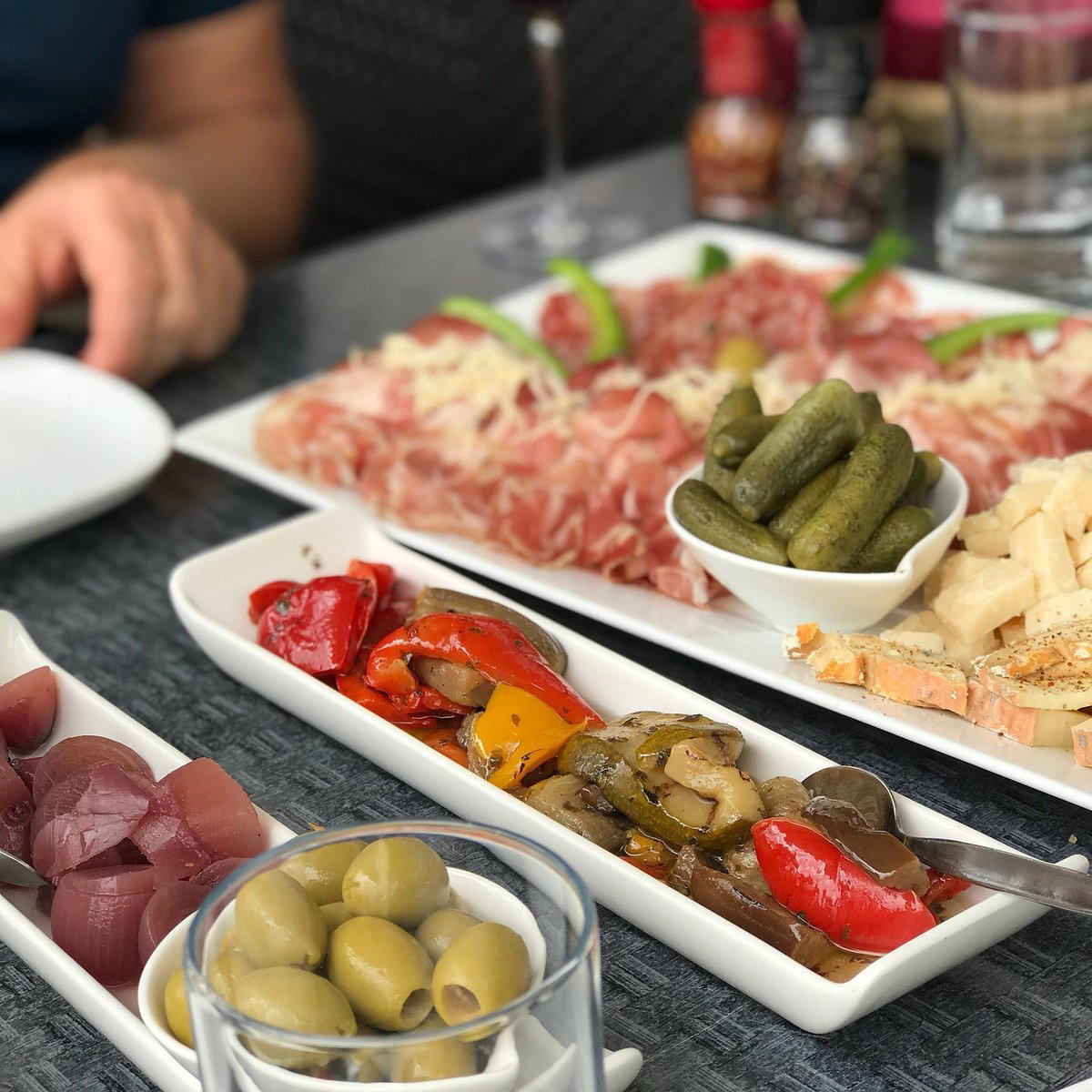
Austrian alm restaurants operate on a format that urban dining rooms rarely replicate. The setting determines the rhythm: lunch service driven by hikers and day visitors, an emphasis on hearty, dairy-rich dishes, and a pace that is unhurried because the surrounding terrain does not encourage rushing. Tyrolean specialities in this format typically include Kasnocken (cheese dumplings), Tiroler Gröstl (pan-fried potato and meat), cured speck from local producers, and fresh dairy dishes made from milk produced within visible distance of the dining room. These are not approximations of tradition; in a functioning alm, the tradition is still operational.
For reference on how Austria's leading kitchens handle traditional produce refined through technique, Steirereck im Stadtpark in Vienna remains the country's most discussed kitchen, applying rigorous sourcing standards across a modern Austrian menu that treats local ingredients as primary material rather than supporting context. At the opposite end of the formality spectrum, alm dining like Kreither Alm strips away the tasting-menu architecture entirely and returns to a direct relationship between product and plate.
Planning a Visit
Mutters sits approximately ten kilometres south of Innsbruck city centre, accessible by car via the B182 or, more unusually for an Austrian mountain village, by the Muttereralmbahn gondola from Innsbruck's western edge. That gondola connection matters practically: it means the restaurant is reachable from Innsbruck without a car, a logistical detail that positions it as a viable lunch excursion rather than a dedicated day trip requiring its own transport. The alm is seasonal in the way that high-altitude Austrian properties typically are, with activity concentrated in the summer hiking months and, depending on the property, winter ski season. Visitors planning a trip should confirm the current opening calendar directly, as alm schedules are weather-dependent and can shift between seasons.
For readers building a broader Austrian food itinerary, the range of serious kitchens in the country's regions repays exploration. Obauer in Werfen and Landhaus Bacher in Mautern an der Donau represent the classic Austrian country dining tradition at Michelin level, while Ikarus in Salzburg takes a different structural approach entirely, rotating its kitchen through guest chefs on a monthly schedule. Further south, Taubenkobel in Schützen am Gebirge and Artis in Graz extend the map into Burgenland and Styria. For comparison from outside Austrian borders entirely, the ingredient-led precision applied by Le Bernardin in New York City or the disciplined Korean sourcing framework at Atomix in New York City illustrates how different culinary traditions arrive at the same underlying logic: the closer the kitchen is to its ingredients, the sharper the cooking tends to be.
That logic, applied at altitude above the Inn Valley, is what gives the alm format its enduring relevance. Ois in Neufelden and Atelier Fischer in Sankt Gilgen demonstrate how smaller, less internationally visible Austrian kitchens operate with considerable seriousness outside the headline venues.
A Quick Peer Check
Comparable venues nearby, for context on price, style, and recognition.
| Venue | Cuisine | Price | Notes |
|---|---|---|---|
| Kreither AlmThis venue — the venue you are viewing | Traditional Austrian Alpine | $$ | Not listed |
| Walderalm | Tyrolean Almhut | $$ | Telfes |
| die Wilderin | Modern Alpine Tyrolean | $$ | Altstadt (Old Town) |
| Hämmermoosalm | Traditional Austrian Alpine | $$ | Klamm |
| Jagdschloss | Traditional Austrian | $$ | Kuhtai |
| NESTER | Traditional Austrian | $$ | Dorf |
Continue exploring
More in Mutters
Restaurants in Mutters
Browse all →
Bars in Mutters
Browse all →
Hotels in Mutters
Browse all →

At a Glance
- Rustic
- Cozy
- Scenic
- Family
- Terrace
- Local Sourcing
- Mountain
Current opening hours
- Monday
- Closed
- Tuesday
- Closed
- Wednesday
- Closed
- Thursday
- 9:30 AM–5 PM
- Friday
- 9:30 AM–5 PM
- Saturday
- 9:30 AM–5 PM
- Sunday
- 9:30 AM–5 PM
Hours can change for holidays and private events. Last verified .
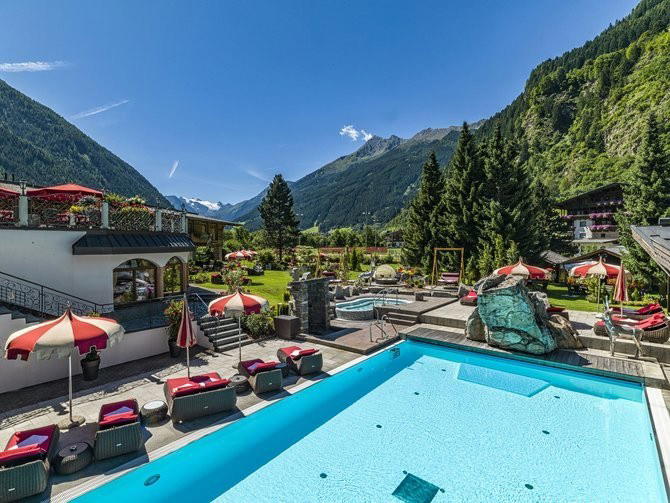
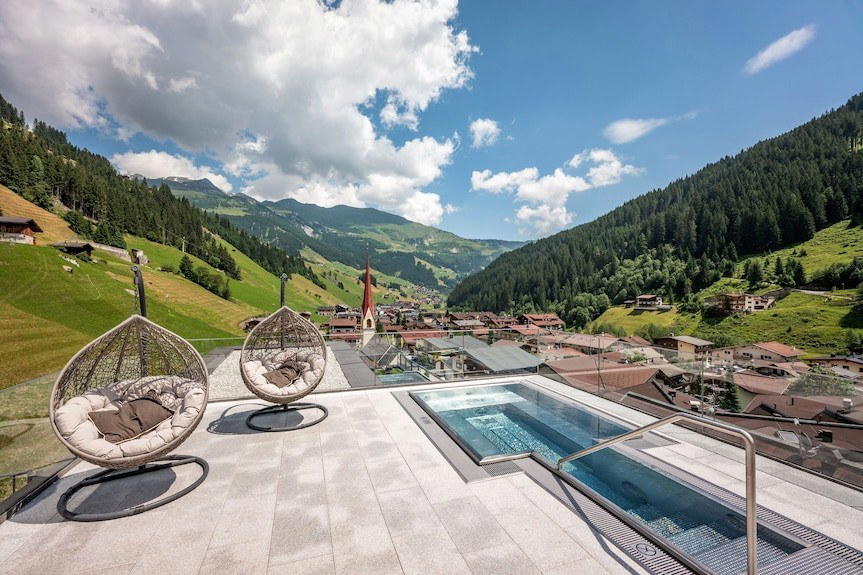
Cozy alpine hut atmosphere with rustic charm and dramatic mountain panoramas.