
Michelin Plate
Our verdict
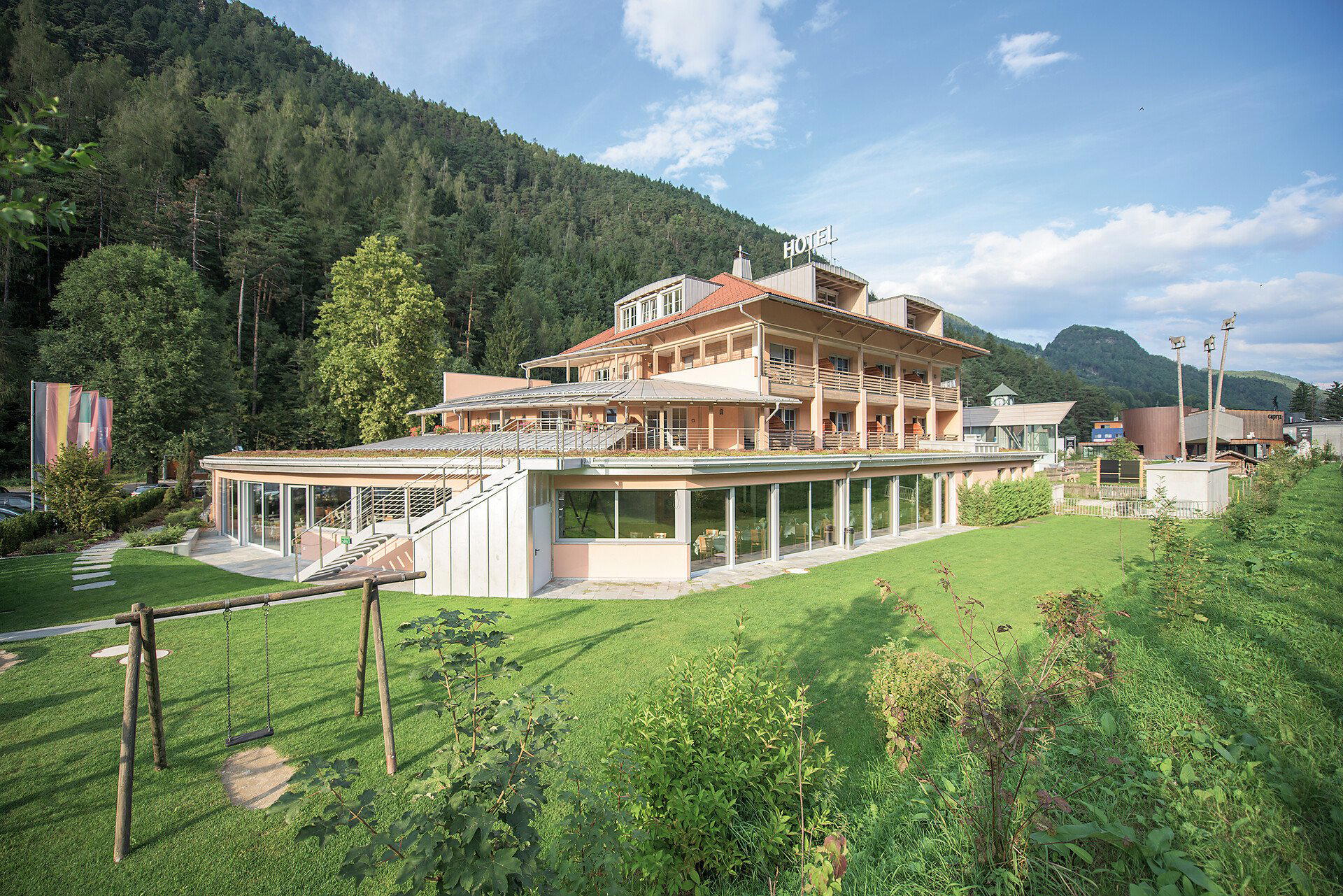
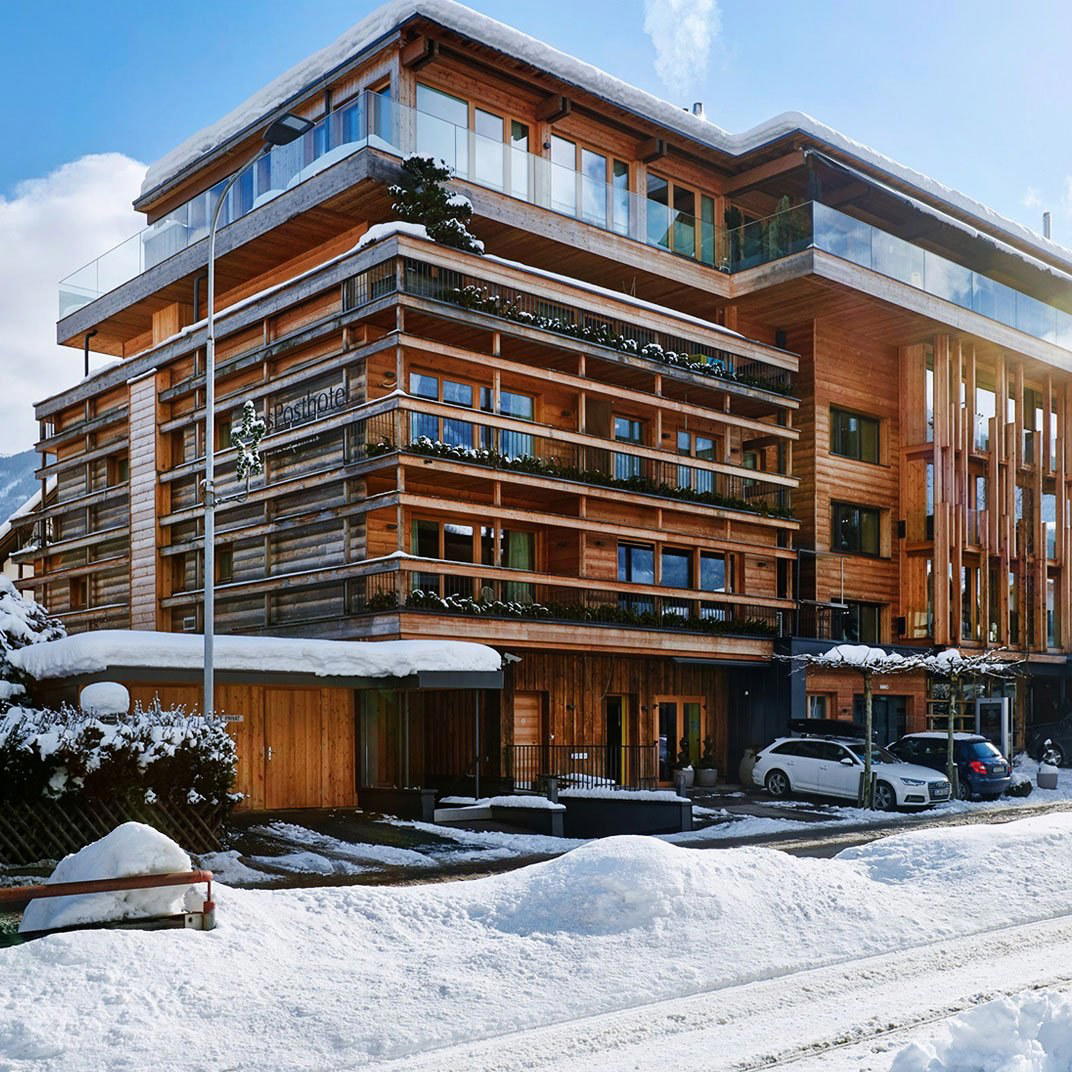
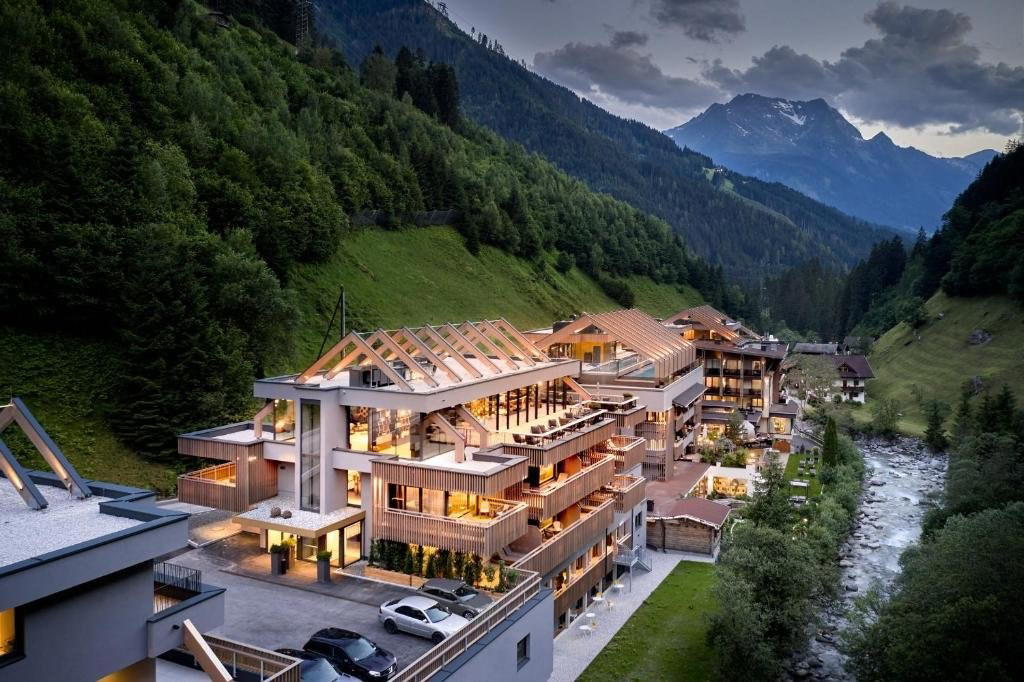
NESTER sits at Dorf 24 in the Tyrolean village of Stumm, a small settlement in the Zillertal where Alpine sourcing traditions shape what reaches the table. The surrounding valley frames the kitchen's relationship with local producers, placing it within Austria's broader current of regionally rooted cooking. For travellers passing through or staying in the Ziller Valley, it represents a considered stop on a circuit of serious Austrian regional dining.

Pearl is the En Primeur Club membership app, where members save venues, book tables and use the concierge.
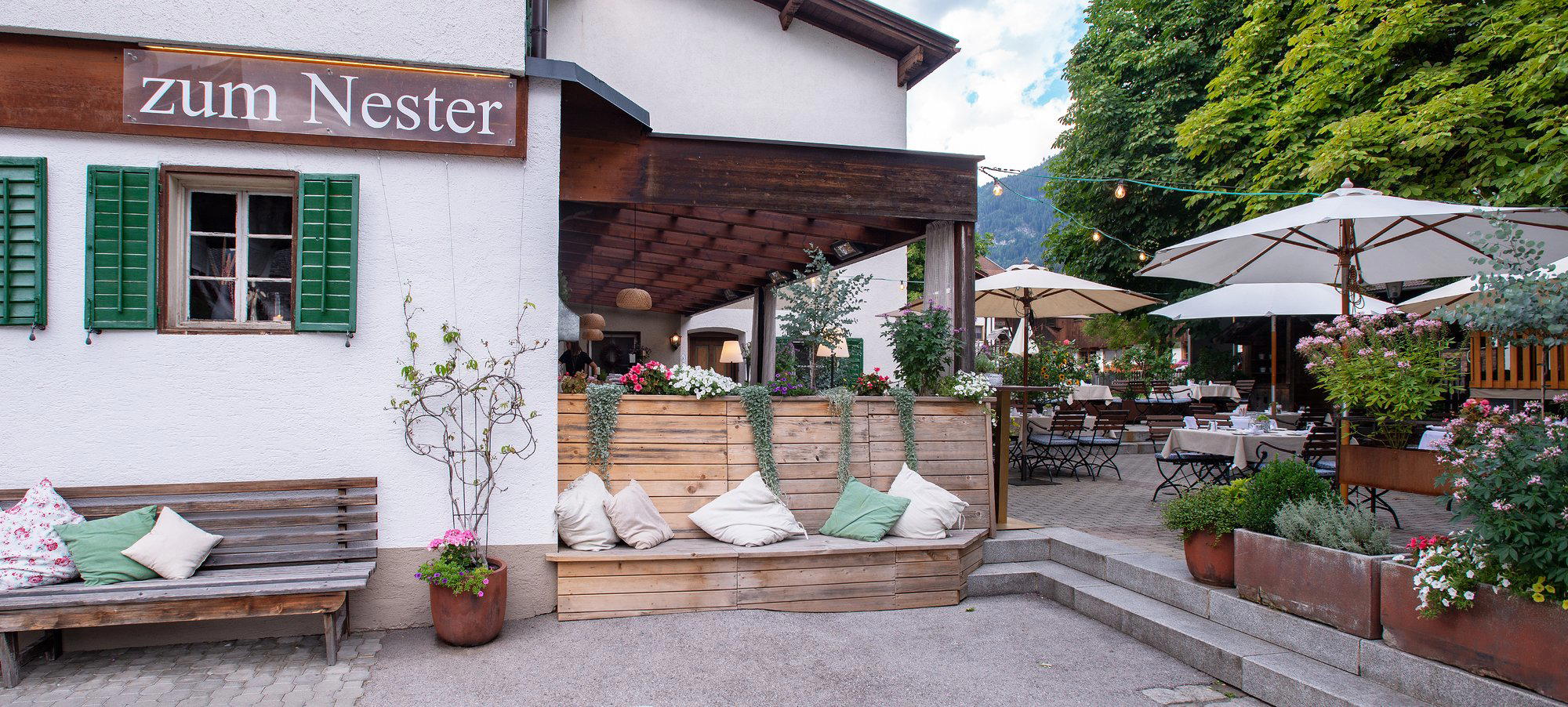
Where the Zillertal Sets the Menu
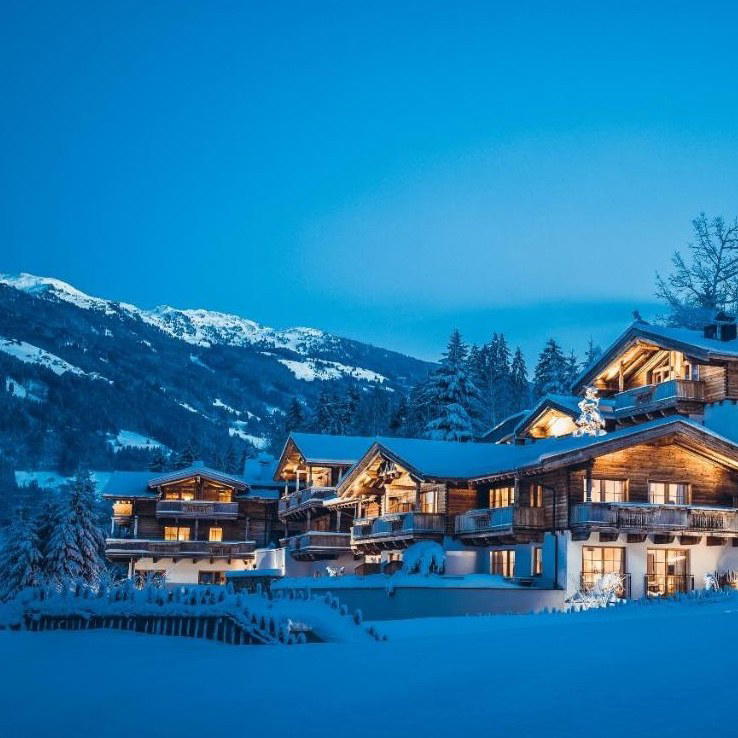
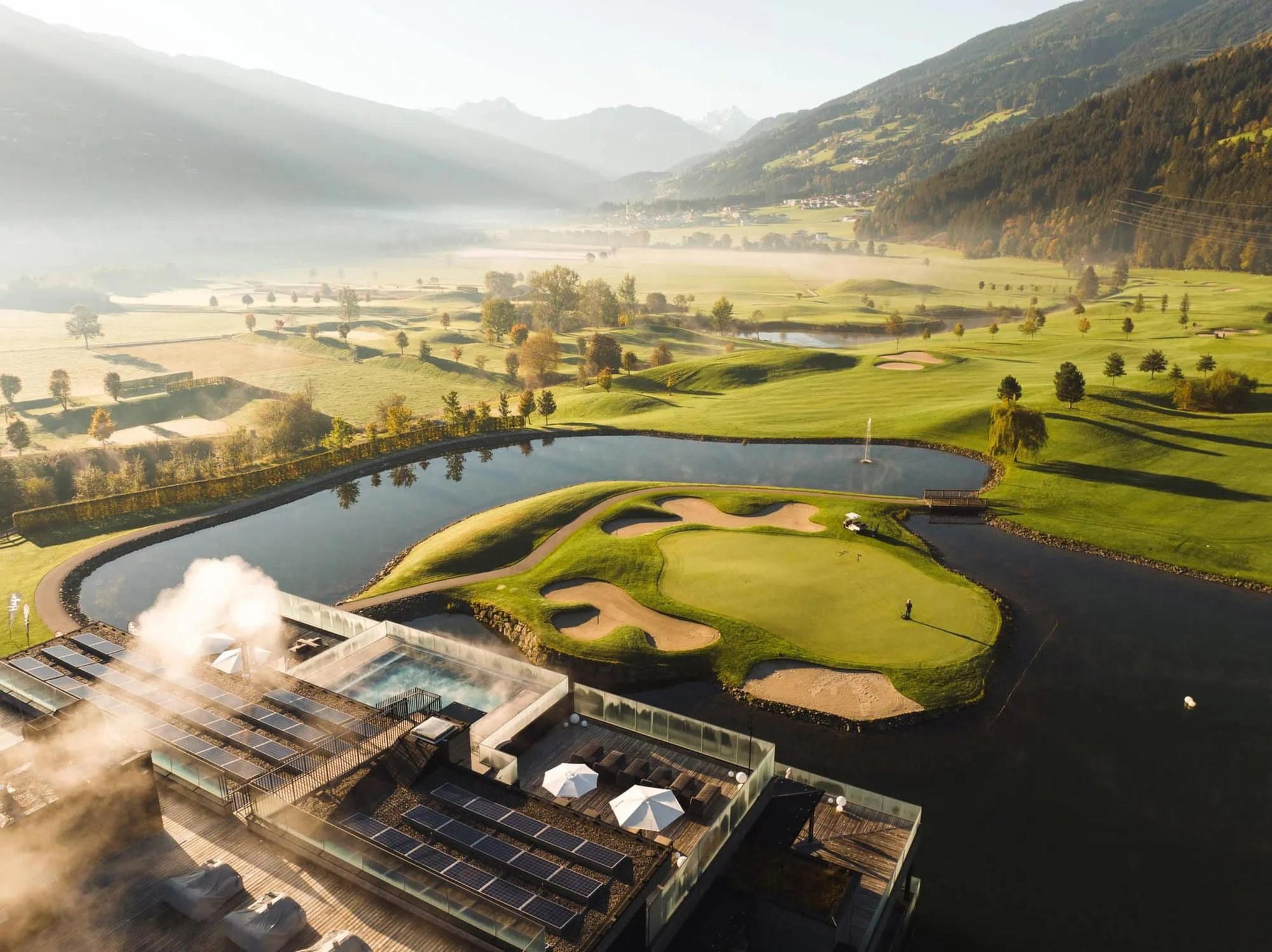
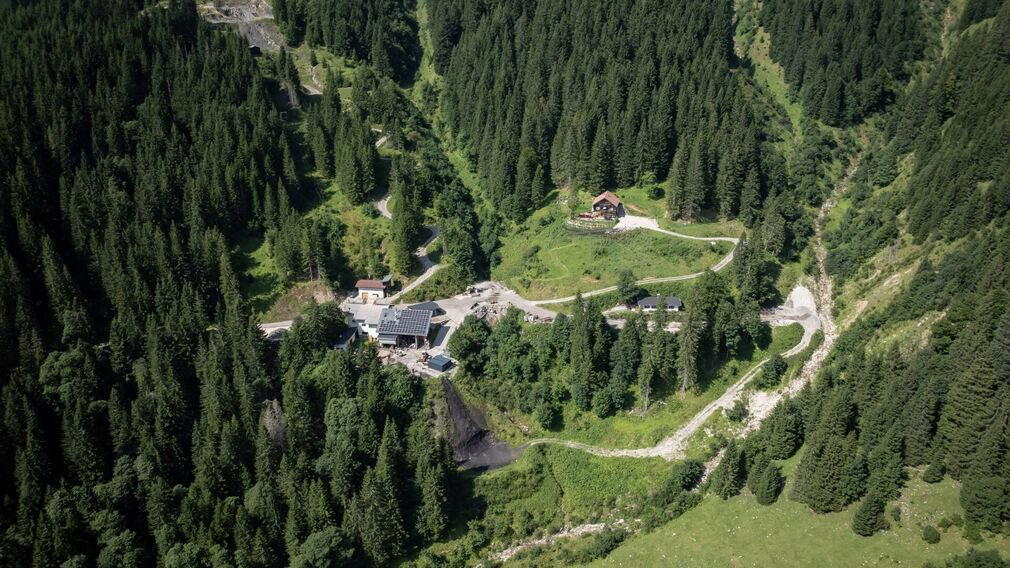
The Zillertal, the broad Alpine valley that runs south from Strass into the high Tyrolean peaks, has long been organised around its land rather than its tourism infrastructure, at least culinarily speaking. Stumm sits midway along this corridor, a quiet village whose address, Dorf 24, signals the compactness of the place: a single street number in a community measured in dozens of households rather than city blocks. Arriving at NESTER, you feel the weight of that geography before you sit down. The mountains close in on three sides, the air carries the particular stillness of altitude, and the surrounding farmland is neither decorative nor distant. It is the supply chain.
This is the broader context that matters for anyone assessing what Austrian village restaurants now represent. Over the past decade, the country's most interesting regional cooking has moved away from imitation of urban fine dining and toward a deliberate engagement with the immediate agricultural environment. Venues like Kräuterreich by Vitus Winkler in Sankt Veit im Pongau and Döllerer in Golling an der Salzach have demonstrated that the most compelling argument for eating outside Austria's cities is not the scenery, it is proximity to the source. NESTER occupies that same argument, in the Zillertal iteration of it.
Ingredient Sourcing as Editorial Position
The Tyrol's agricultural character is specific. At these elevations, the growing season compresses dramatically: summer pasture, autumn slaughter, winter preservation. The larder that serious Tyrolean kitchens draw from is shaped by those constraints in ways that urban restaurants, even excellent ones, can only approximate. Steirereck im Stadtpark in Vienna has built a formidable sourcing operation across multiple Austrian regions, but the distance between Vienna and its producers is still measured in hours. For a kitchen in Stumm, the relevant producers are, in many cases, visible from the dining room window.
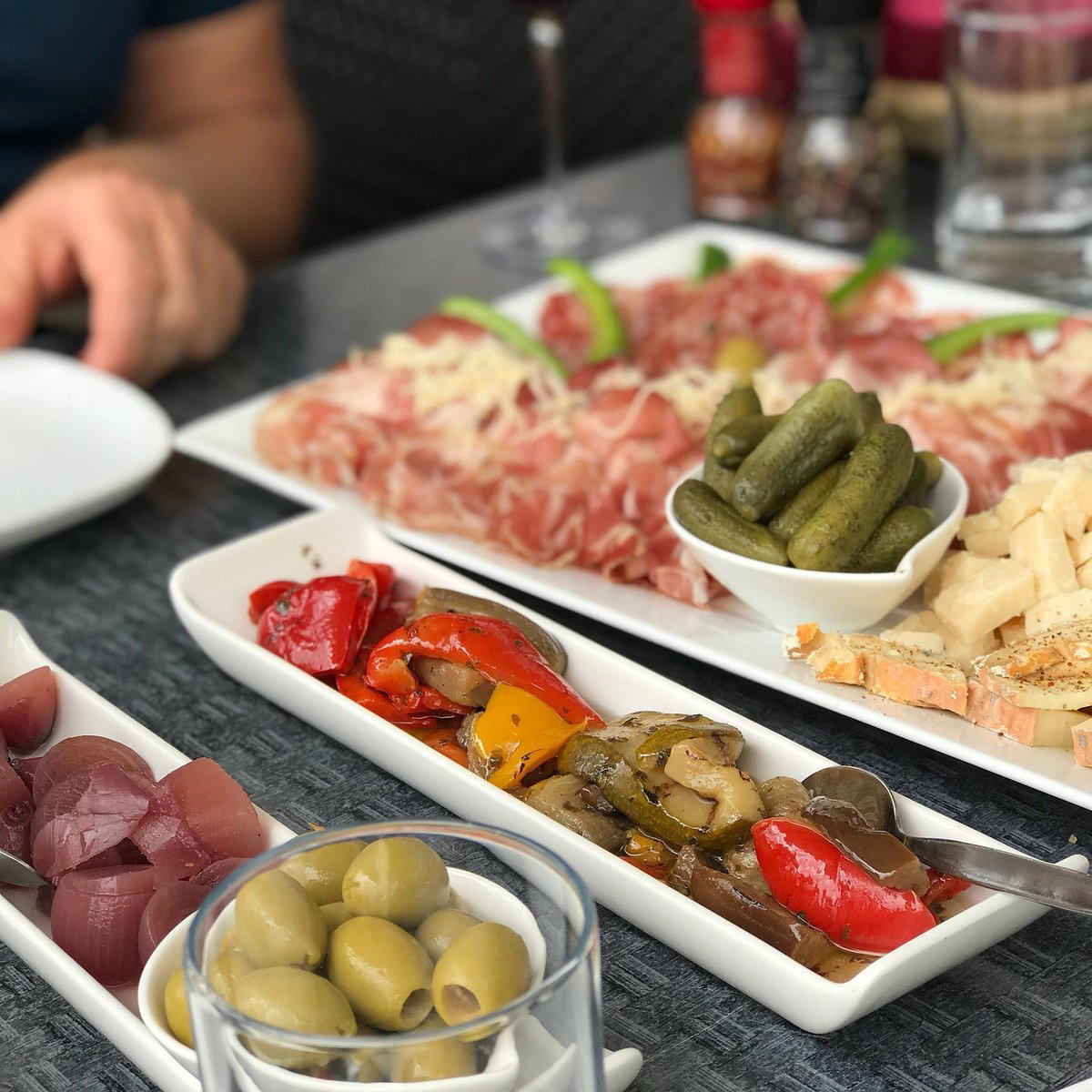
That proximity changes the kitchen's relationship with seasonality. In a Zillertal context, sourcing decisions are not logistics, they are daily negotiations with whatever the valley is currently producing. Alpine dairy, mountain herbs, river fish, and the preserved goods that allow Tyrolean kitchens to function through deep winter all operate on a shorter cycle than what lower-altitude or urban kitchens manage. This is the tradition that frames NESTER's position, and it connects the restaurant to a wider Austrian pattern worth tracking. Ois in Neufelden applies comparable logic in the Mühlviertel; Obauer in Werfen has sustained a similar rurally grounded model for decades in the Salzburg hinterland.
The Tyrolean Village Dining Format
Restaurants in small Austrian villages operate under a different set of expectations than their city counterparts. The format is rarely performance-driven: no open kitchen theatre, no tasting menu that runs to eleven courses as a point of pride in itself. The better ones work with a more compressed and seasonal menu structure, where the dish count is limited because the sourcing is honest, you serve what is available in depth rather than a broader list assembled from multiple supply chains. Schwarzer Adler in Hall in Tirol and Gourmetrestaurant Tannenhof in Sankt Anton am Arlberg both operate in this tradition, where the format discipline is itself a signal of kitchen conviction.
Stumm is a practical detour from the main tourist flow of the Zillertal rather than a destination in its own right, which means NESTER draws from a combination of local regulars and travellers who have made a deliberate choice to stop. That audience mix tends to produce a particular atmosphere: quieter than a ski resort dining room, more settled than a city bistro, with the unhurried quality that comes from a community-scale operation. The comparison point is not the high-altitude dining rooms of Griggeler Stuba in Lech or Stüva in Ischgl, which operate within the luxury ski resort economy. NESTER belongs to a quieter and more self-sufficient tier.
How It Fits the Austrian Regional Picture
Austria's serious restaurant scene now distributes across its regions in a way that was less legible fifteen years ago. The Michelin Austria guide has tracked this shift, awarding recognition to kitchens well outside Vienna and Salzburg, including addresses in Tyrol and Vorarlberg that would previously have sat below the publication's radar. Taubenkobel in Schützen am Gebirge made its case from the Burgenland wine country; Landhaus Bacher in Mautern an der Donau has held its position in the Wachau for years. These examples illustrate a broader structural point: Austrian regional cooking earns its credibility not by reproducing urban fine dining conventions but by embedding itself in the specific character of its geography.
NESTER's address in Stumm places it within the Zillertal's own version of that geography. The valley is better known for its ski infrastructure and summer hiking than for its dining, which means the bar for serious village cooking is set by absence as much as by competition. For travellers already moving through the region, whether based in Mayrhofen, Zell am Ziller, or using the valley as a transit corridor toward the Brenner, Stumm represents a stop that requires minimal additional distance and delivers a grounded, place-specific meal in return. Our full Stumm restaurants guide sets NESTER against the limited but considered dining options available in the immediate area, including the vegetarian-focused Guat'z Essen, which operates a complementary rather than competitive position in the village.
For context on how Alpine and Austrian village dining compares against other regional fine dining traditions internationally, it is worth noting that the ingredient-proximity argument NESTER represents is not unique to Austria. It runs through similar regional dining arguments made by restaurants as different in scale as Le Bernardin in New York City, where sourcing specificity anchors the menu's credibility, and Atomix in New York City, where the relationship between ingredient origin and technique drives the tasting menu's internal logic. The difference in Stumm is scale and altitude: the sourcing radius is shorter, the seasonal window is narrower, and the stakes are less about critical attention and more about feeding a village and its visitors well.
Planning Your Visit
Stumm is accessible by the Zillertalbahn, the narrow-gauge railway running from Jenbach into the valley, with a stop at Stumm-Kaltenbach. By road, the village sits on the main valley route and takes roughly ninety minutes from Innsbruck. Given the limited availability of dining options in small Tyrolean villages, confirming opening days and hours ahead of arrival is advisable; the restaurant trade in communities of this scale tends to operate on schedules that shift seasonally and do not always align with standard service patterns. Restaurant 141 by Joachim Jaud in Mieming and Ikarus in Salzburg operate in adjacent Tyrolean and Salzburg contexts for travellers building a broader Austrian regional itinerary around this stop. Artis in Graz extends the picture to the southeast if the journey continues in that direction.
Frequently asked questions
Is NESTER okay with children?
NESTER is a village restaurant at Dorf 24 in Stumm, a residential Alpine settlement rather than a destination dining address. Contacting the venue directly before visiting with young children is advisable.
What should I expect atmosphere-wise at NESTER?
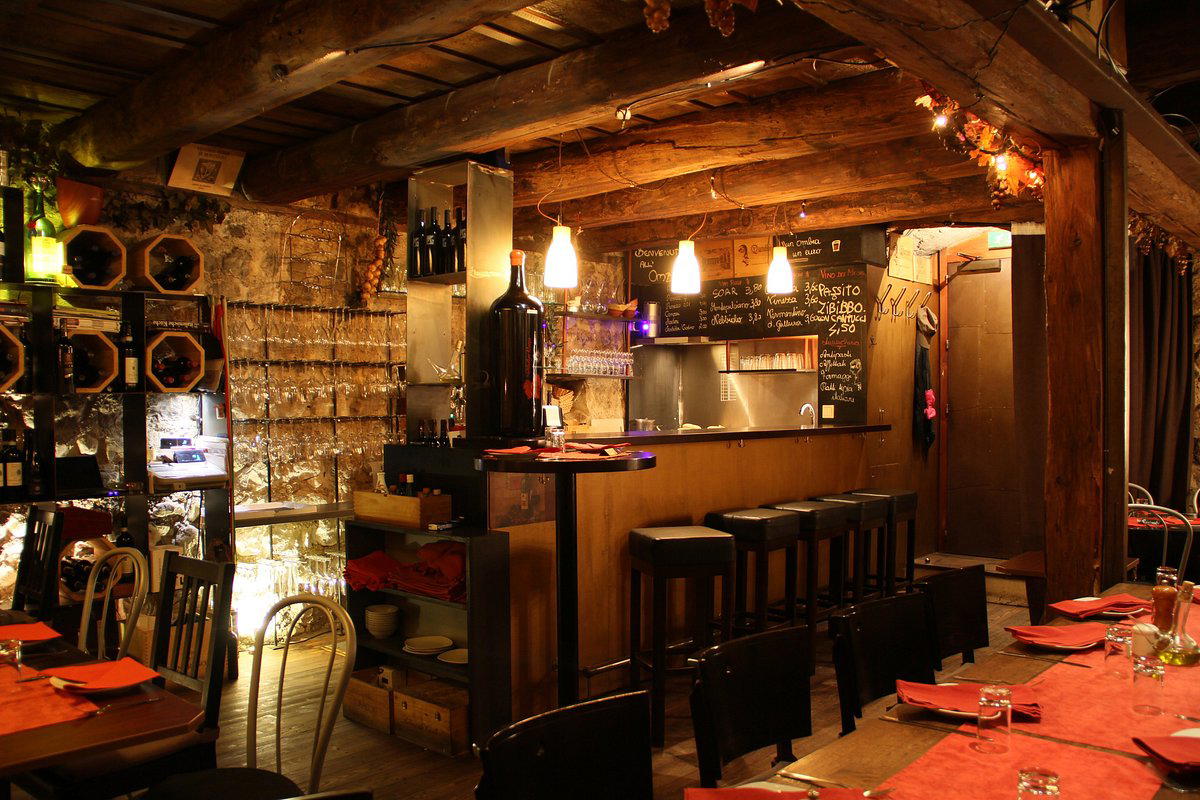
Stumm is a small Tyrolean village in the broad Zillertal valley, and restaurants at this scale typically operate without the performance-driven energy of city venues. Expect a format shaped by the local community: unhurried, rooted in the rhythm of the valley, with a room that serves regulars and visitors on the same terms. The address at Dorf 24 places it within the village core rather than on a tourist circuit.
Is NESTER a good dining option when staying in the Zillertal valley rather than a main resort town?
NESTER's address at Dorf 24 in Stumm positions it as a genuine village restaurant rather than a resort-adjacent operation, which makes it a relevant option for visitors based anywhere along the Zillertal floor. Stumm-Kaltenbach has a stop on the Zillertalbahn narrow-gauge railway, meaning the village is reachable without a car from Jenbach or other valley points.
What should I order at NESTER?
The Zillertal's culinary character is defined by compressed growing seasons, high-altitude pasture, and a strong tradition of preserving and curing, which typically shapes what village kitchens in the region put forward. Checking directly with NESTER before your visit will give you the clearest picture of current offerings.
Where exactly is NESTER?
NESTER is located at Dorf 24, 6275 Stumm, Austria, Stumm.
Do I need a reservation for NESTER?
Village restaurants in the Zillertal often operate with limited covers, and the valley sees significant seasonal traffic around winter ski and summer hiking periods. Reserving ahead during those windows is a reasonable precaution regardless of formal policy.
What makes NESTER worth seeking out?
NESTER is one of the few dining addresses in Stumm itself, a village that sits within the Zillertal but away from the busier resort nodes of the valley. Austria's serious regional restaurant scene has expanded meaningfully beyond Vienna and Salzburg over the past fifteen years, and the Tyrol is part of that shift. For travellers arriving via the Zillertalbahn or driving the valley floor, NESTER represents a local table rather than a tourist stop.
How It Stacks Up
Comparable venues nearby, for context on price, style, and recognition.
| Venue | Cuisine | Price | Awards | Notes |
|---|---|---|---|---|
| NESTERThis venue (the venue you are viewing) | Traditional Austrian | $30–50 | Michelin Plate | Not listed |
| Guat'z Essen | Permaculture Vegetarian Fine Dining | Not listed | 1 Michelin Star · We're Smart World 4 Radishes | Stumm |
| Bärstattalm | Traditional Tyrolean | $10–20 | Not listed | Gaisberg |
| Walderalm | Tyrolean Alpine Hut Cuisine | Not listed | Not listed | Telfes |
| zur LINÄ | Austrian Brewery Taproom | $20–30 | Not listed | Schwoich |
| Metzgerwirt | Traditional Tyrolean Austrian | Not listed | Not listed | Laimach |
Recognition history
Dated appearances from independent guides and award organizations, with the underlying list record or original source where available.
Michelin Plate
Michelin
Continue exploring
More in Stumm
Restaurants in Stumm
All restaurants in Stumm →
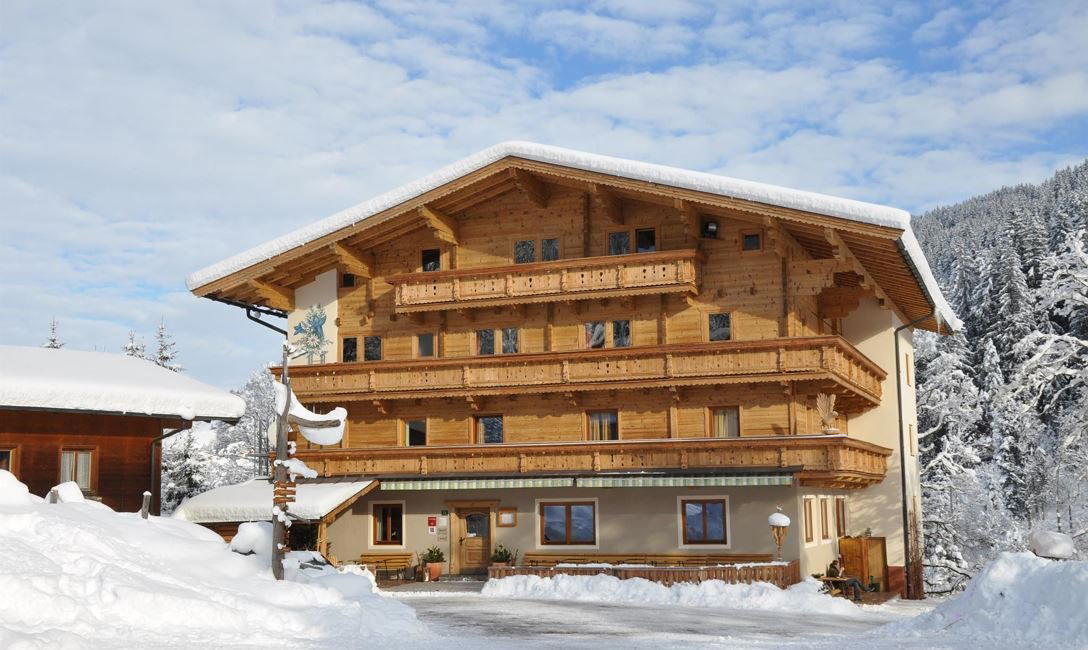
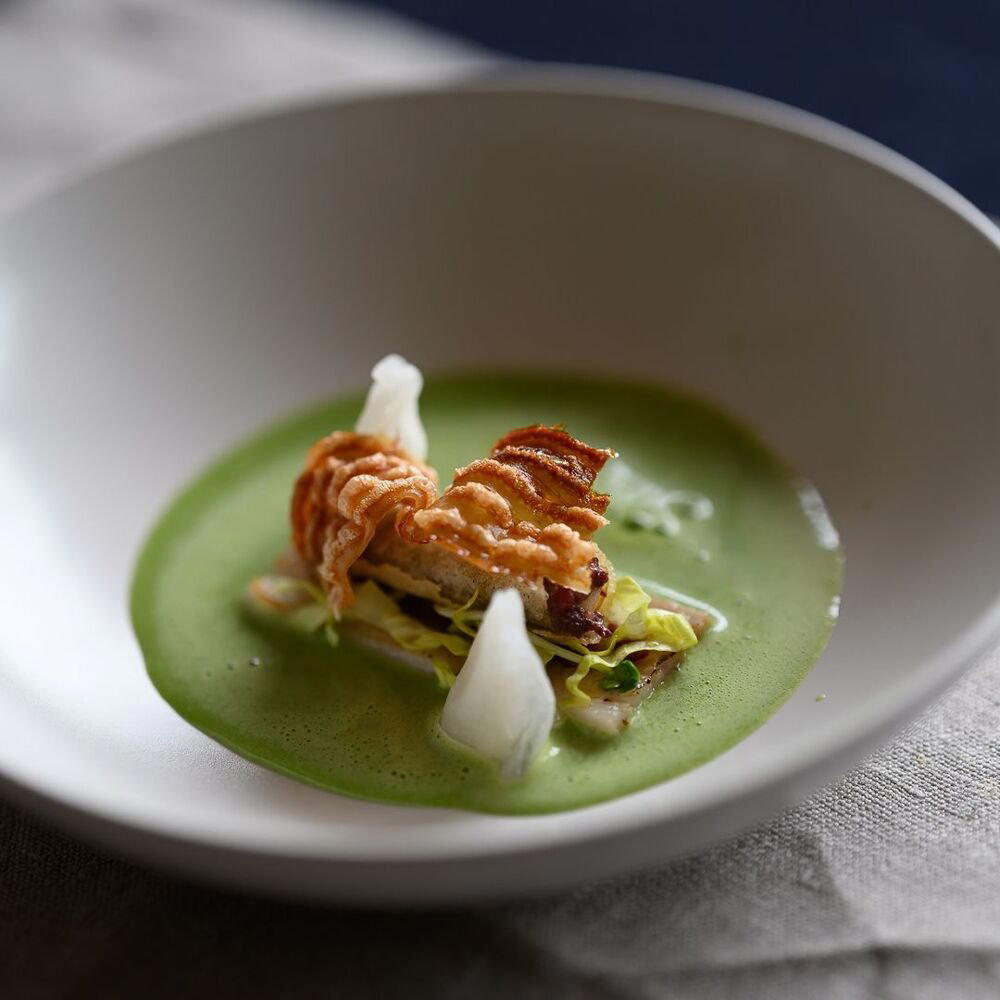
Bars in Stumm
Browse all →
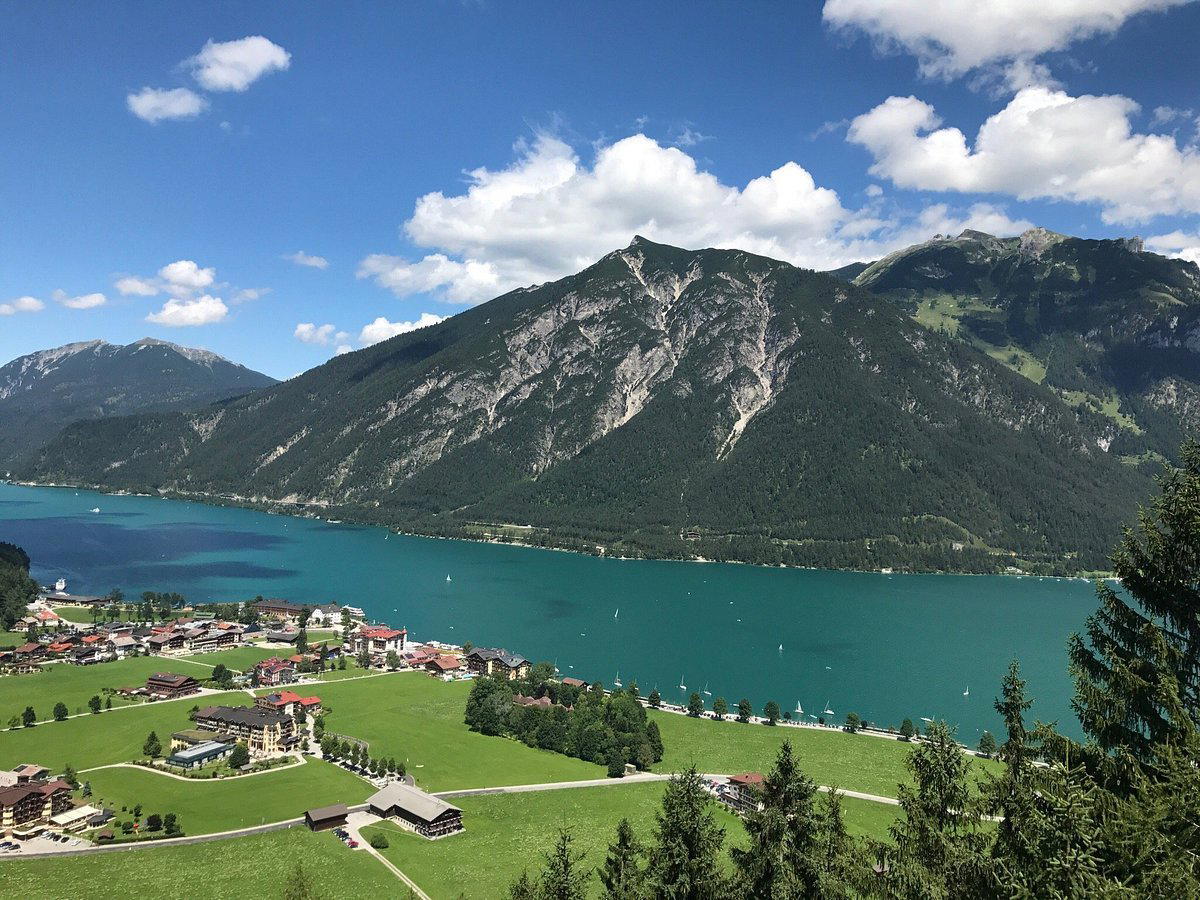
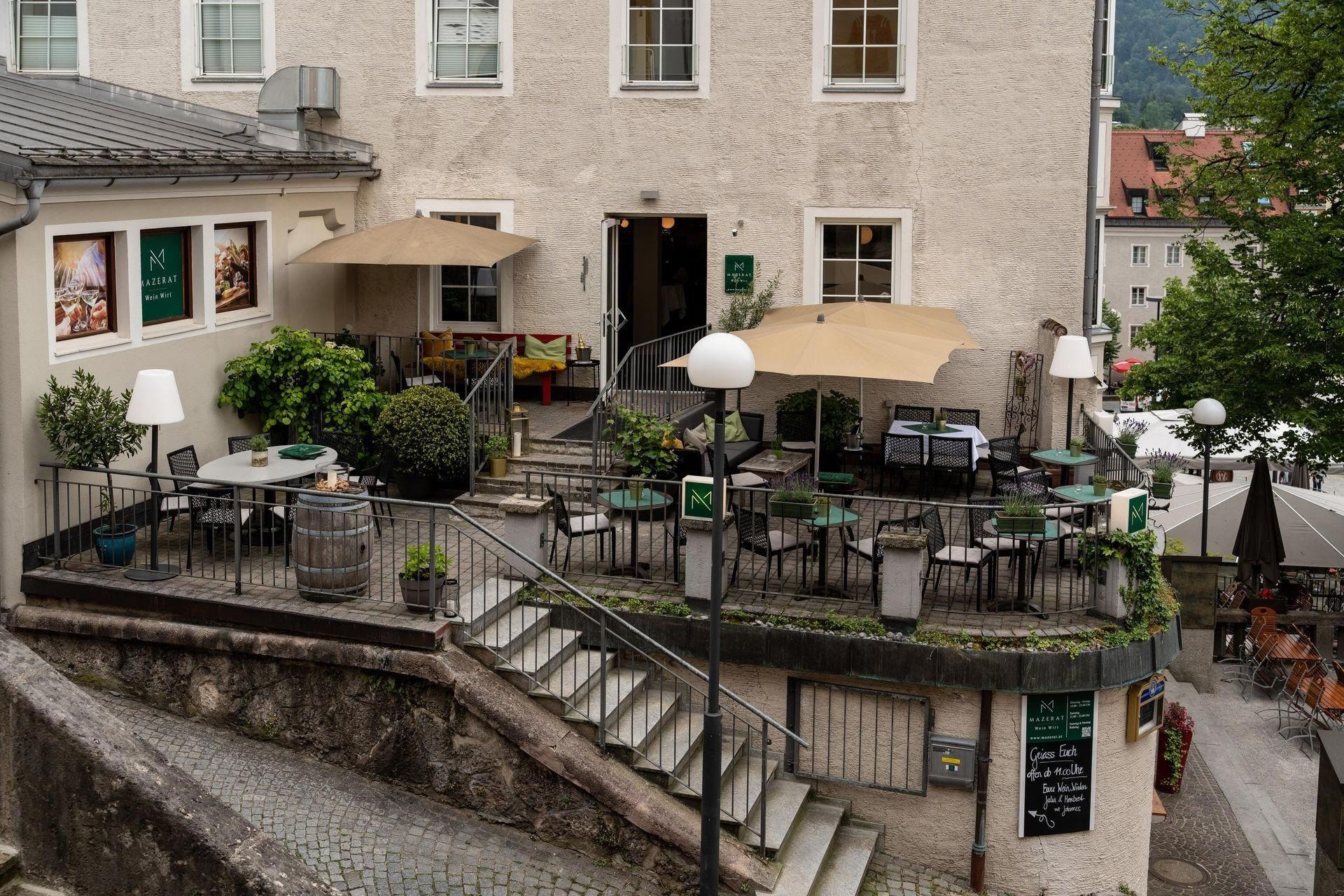

Details
- Cozy
- Rustic
- Classic
- Family
- Casual Hangout
- Open Kitchen
- Extensive Wine List
- Local Sourcing
- A La Carte
- Set Menu
- Vegetarian Friendly
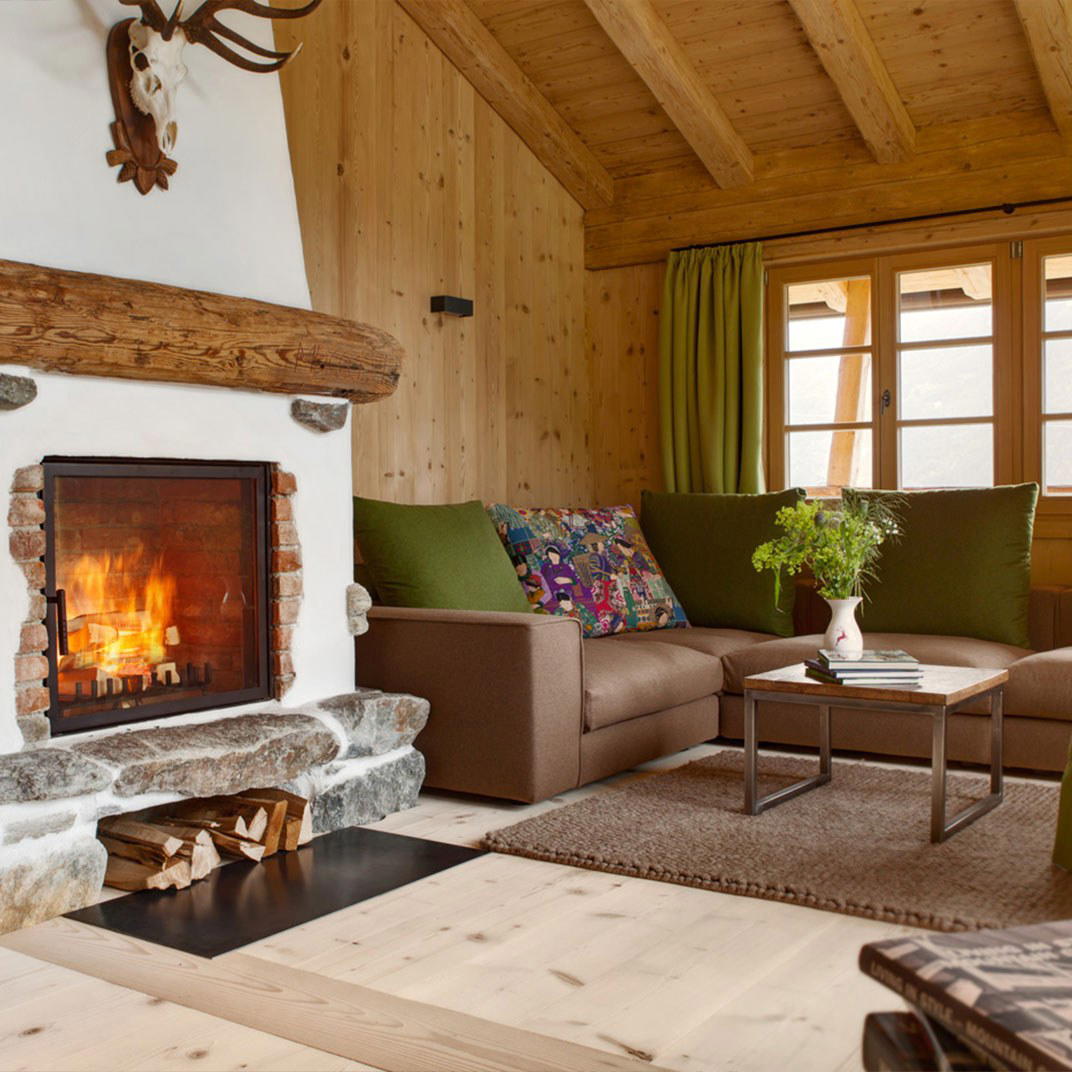
Cosy atmosphere with friendly and professional service.