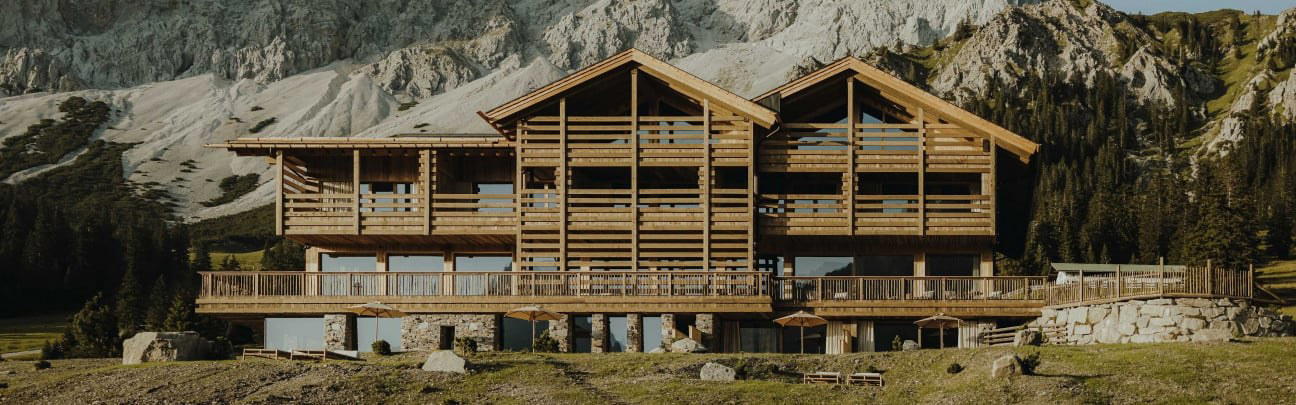
Hämmermoosalm sits at Klamm 3 in the Tyrolean valley of Leutasch, operating as an alpine hut in a region where the kitchen is shaped by altitude, season, and proximity to pasture. The address alone signals what to expect: a meal anchored in the landscape rather than imported from it. For visitors exploring the area's dining scene, it represents the more grounded, terrain-first end of the Leutasch spectrum.
Pearl is the En Primeur Club membership app — saves, bookings, and concierge access live there. Same editors, same standards.
- Address
- Klamm 3, 6105 Leutasch, Austria
- Phone
- +43521420244
- Website
- die-haemmermoos.com
- Directions
- Get directions
 Saves & bookings on Pearl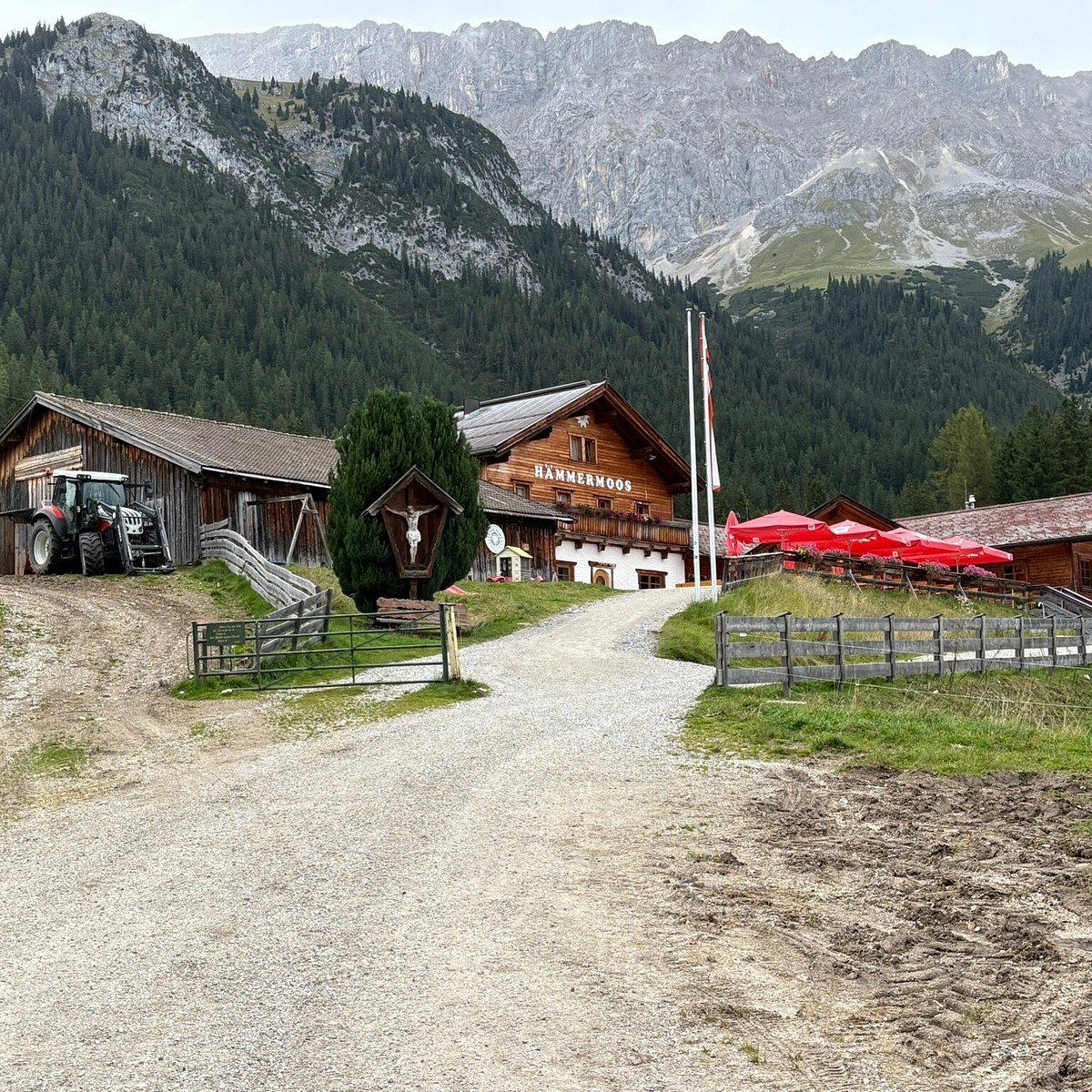
Where the Plate Begins at the Pasture
Austrian alpine dining has two distinct registers. One reaches toward Vienna-style refinement, the kind of creative precision found at Steirereck im Stadtpark in Vienna or the technically demanding tasting menus of Ikarus in Salzburg. The other stays closer to the ground: hut kitchens and alm-style settings where the sourcing argument is made not through a printed provenance list but through the altitude of the meadow visible from the window. Hämmermoosalm is a restaurant in Leutasch, Austria, serving Traditional Austrian Alpine food. It is a casual, recommended-stop venue at Klamm 3, 6105 Leutasch, Austria. Hämmermoosalm belongs firmly to the second category.
The Leutasch valley sits in the Tyrolean plateau between Mittenwald and Seefeld, a stretch of high Alpine terrain where cattle graze at elevations that shape the fat composition of dairy and the flavour profile of meat in ways that lowland farming cannot replicate. This is a function of botany and climate. Alpine pastures at this altitude support a diversity of grasses, herbs, and wildflowers that simply do not grow at lower elevations, and that biodiversity translates directly into the milk, cream, and beef that regional kitchens use. An alm-style establishment in this valley is, at its most basic, a means of converting that raw material into a meal.
The Alm Format and What It Demands of a Kitchen
The Almhütte tradition across Tyrol and the broader Austrian Alps is one of the more demanding formats in hospitality. A hut kitchen typically operates with limited infrastructure, seasonal supply chains, and a guest profile that skews toward hikers, skiers, and families spending the full day outdoors. The food that works in this context is not minimalist in the fashionable sense, it is genuinely simple, which is a harder standard to meet. A bowl of goulash or a plate of Kaiserschmarrn made with local eggs, butter from nearby dairies, and flour from regional mills will expose any weakness in the ingredient chain immediately. There is no sauce complexity or plating technique to obscure mediocre sourcing.
It is not competing with Gourmetrestaurant Tannenhof in Sankt Anton am Arlberg or Griggeler Stuba in Lech for tasting-menu credentials. Its comparable set is the network of working alpine huts across the Tyrolean plateau, and within that set, the relevant measure is ingredient integrity and the straightforwardness with which the kitchen handles what the surrounding land provides.
Leutasch's Position in Austrian Alpine Dining
Leutasch does not carry the dining recognition of Ischgl, where Stüva has built a reputation for refined mountain cuisine, or the Salzburg orbit, where establishments like Obauer in Werfen and Döllerer in Golling an der Salzach have shaped a distinct school of contemporary Austrian cooking. What Leutasch offers instead is density of natural access: cross-country skiing in winter, hiking and cycling in summer, and a valley atmosphere that draws visitors looking for immersion in the landscape rather than resort infrastructure.
That visitor profile matters for understanding why the alm-style format thrives here. A guest who has spent four hours on the Leutascher Geisterklamm trail or on the Nordic ski tracks arrives hungry for food that is filling, locally sourced, and served without ceremony. The broader Leutasch dining scene reflects this character across multiple establishments. Nearby, Rauthhütte and Rotmoosalm operate within the same hut-kitchen tradition, each drawing on the valley's agricultural supply and serving a guest population that prioritises outdoor access over destination dining.
Ingredient Logic at Altitude
Hämmermoosalm's ingredient sourcing is built on geography rather than marketing. Tyrol's agricultural identity is tied to its vertical range: the valley floors hold the farms, the mid-slopes hold the summer pastures, and the alm huts sit at the point where farming and wilderness overlap. Dairy in this system is not a commodity, it is a product of specific terrain, and the cream, cheese, and butter that reach a hut kitchen at this elevation carry a flavour particularity that reflects where they were made.
This places Hämmermoosalm in a tradition that Austrian fine dining has increasingly drawn from in recent decades. The ingredient sourcing philosophy visible at award-level establishments, from Kräuterreich by Vitus Winkler in Sankt Veit im Pongau to Taubenkobel in Schützen am Gebirge, has its roots in exactly this kind of regional specificity. The alm kitchen is not a simplified version of fine dining; it is, in a real sense, the original model that fine dining has been working to recover. Establishments at the opposite end of the prestige scale, such as Le Bernardin in New York City or Atomix in New York City, pursue ingredient integrity through import networks and supplier relationships that replicate, at great cost and complexity, what a hut kitchen in Tyrol achieves by proximity.
Visiting Hämmermoosalm
Hämmermoosalm is located at Klamm 3 in Leutasch, a valley address that positions it within reach of the main trail and ski networks in the area. As with most alm-style huts in the Austrian Alps, visits are leading timed around outdoor activity: the kitchen is designed to serve guests mid-hike or post-ski rather than as a standalone dining destination. Summer and winter both generate strong visitor flow in Leutasch, with cross-country skiing and winter hiking driving the colder months and trail access bringing a different crowd from late spring through autumn. For visitors combining the Leutasch area with broader Tyrolean dining, including day trips toward Restaurant 141 by Joachim Jaud in Mieming or Schwarzer Adler in Hall in Tirol, Hämmermoosalm fits naturally into the daytime portion of an itinerary that reserves evenings for more formal settings.
In Context: Similar Options
Comparable venues nearby, for context on price, style, and recognition.
| Venue | Cuisine | Price | Notes |
|---|---|---|---|
| HämmermoosalmThis venue — the venue you are viewing | Traditional Austrian Alpine | $$ | Not listed |
| Rotmoosalm | Traditional Tyrolean Alpine Cuisine | $$ | Gaistal, Leutasch |
| Rauthhütte | Traditional Austrian Mountain Hut | $$ | Moos |
| Götzner Alm | Traditional Austrian Alpine | $$ | Gotzens |
| Kreither Alm | Traditional Austrian Alpine | $$ | Kreith |
| Fischer am See | Seasonal Austrian Lakeside | $$ | Heiterwang |
Continue exploring
More in Leutasch
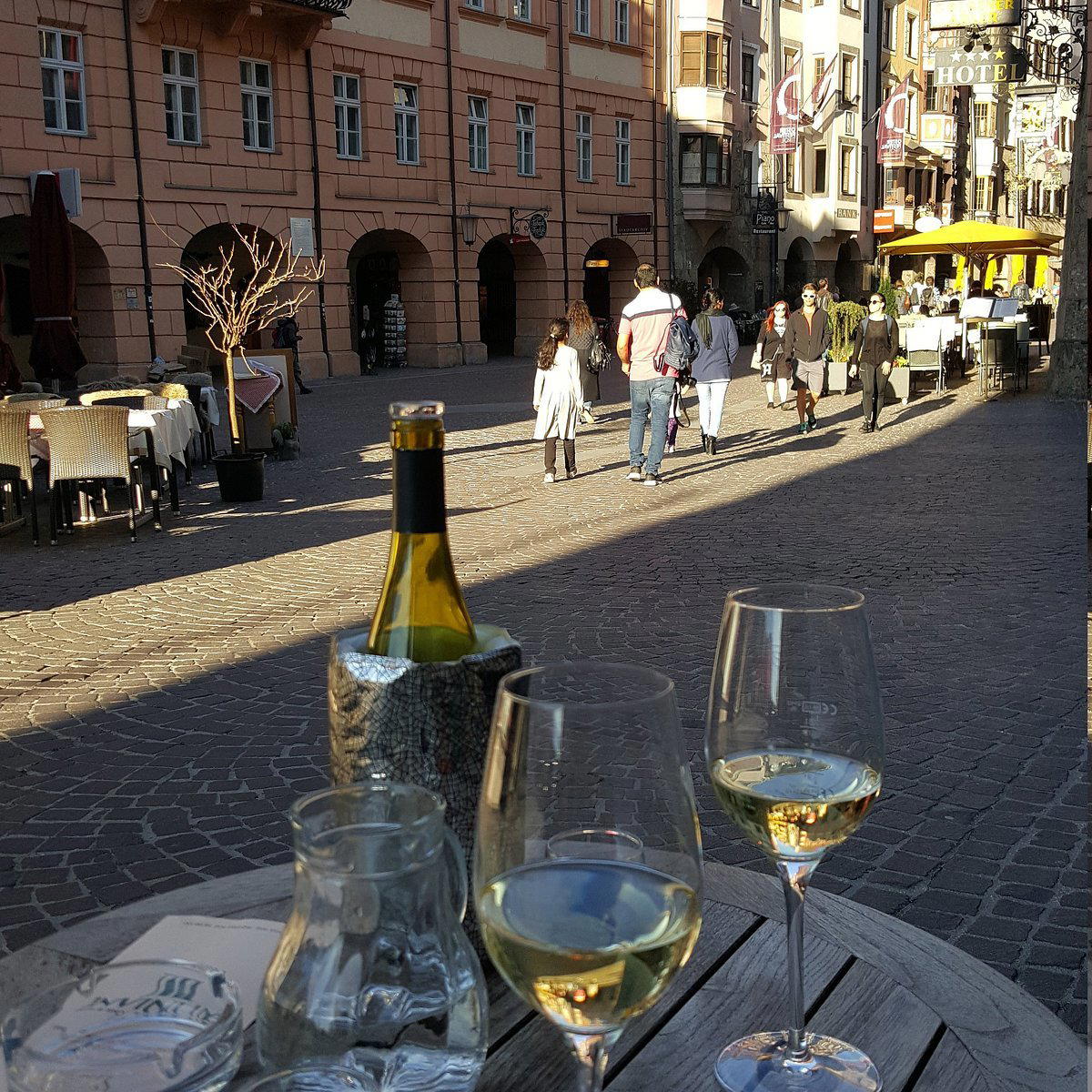
Restaurants in Leutasch
Browse all →
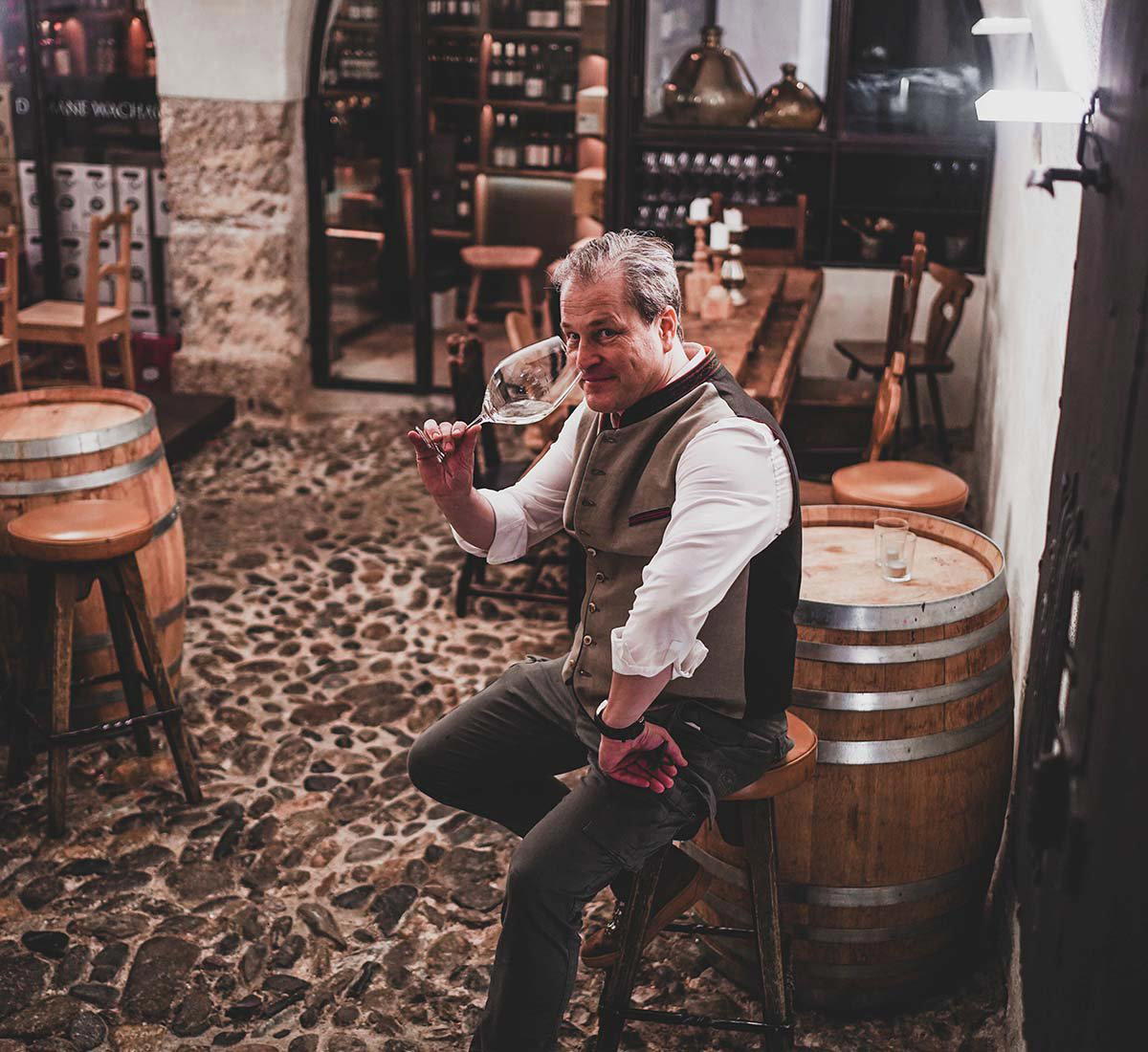
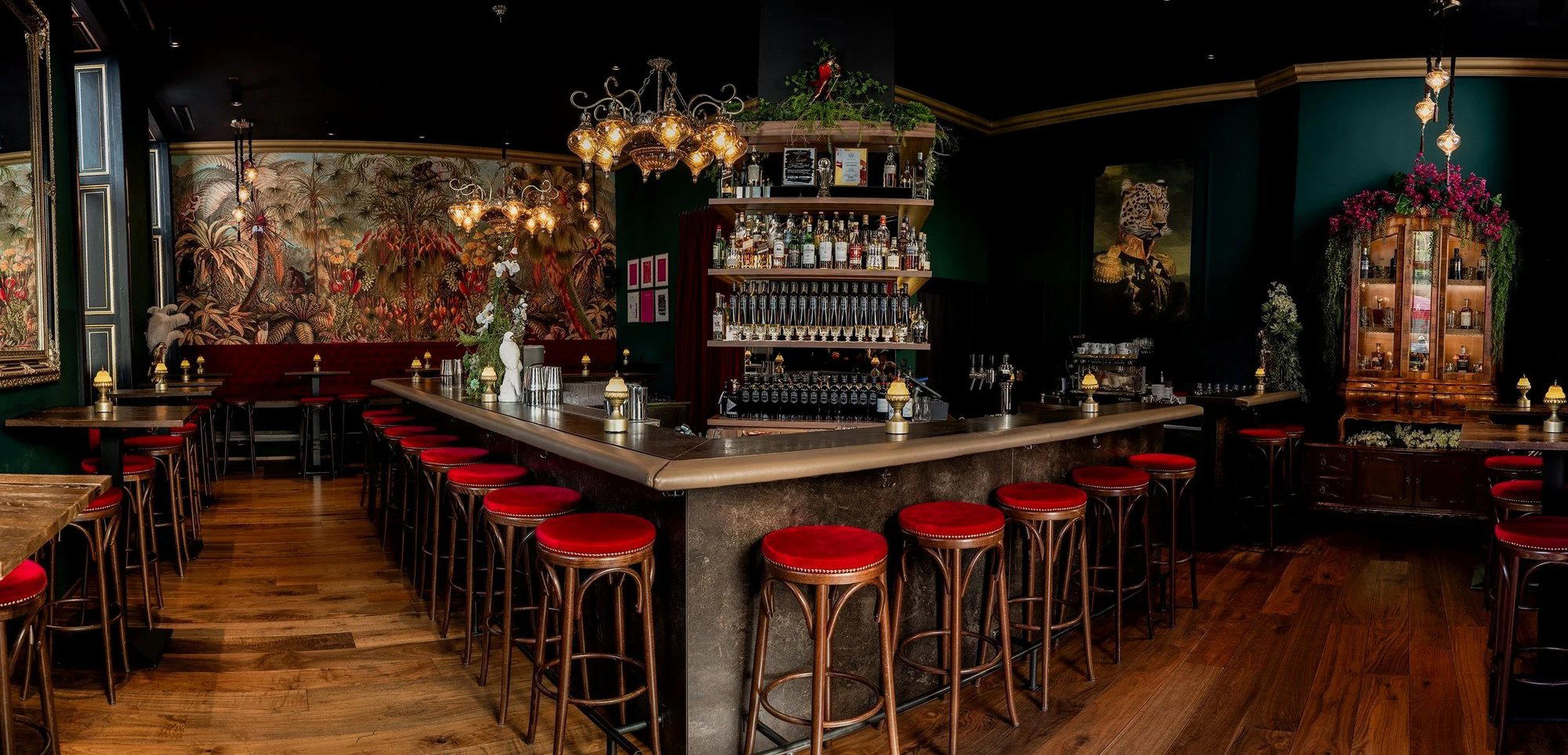
Bars in Leutasch
Browse all →
Hotels in Leutasch
Browse all →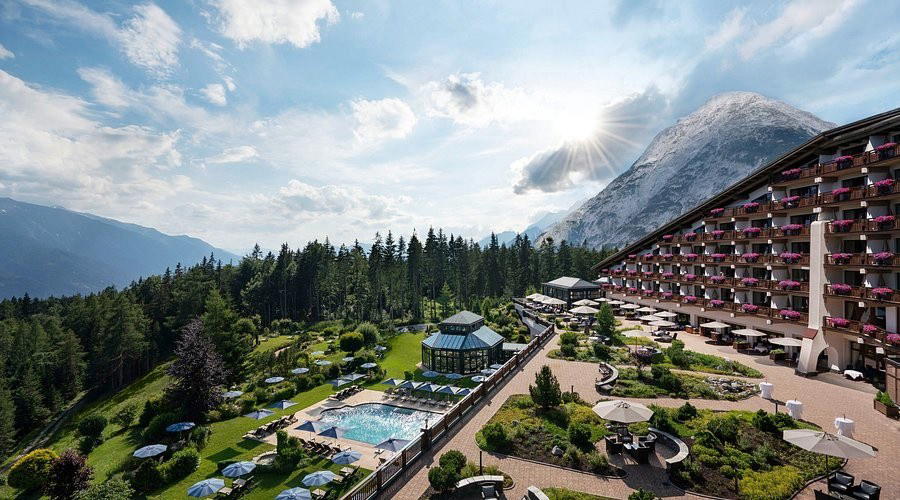

At a Glance
- Rustic
- Cozy
- Scenic
- Family
- Casual Hangout
- Terrace
- Panoramic View
- Local Sourcing
- Mountain
Warm, welcoming alpine atmosphere with rustic charm and hearty hospitality.