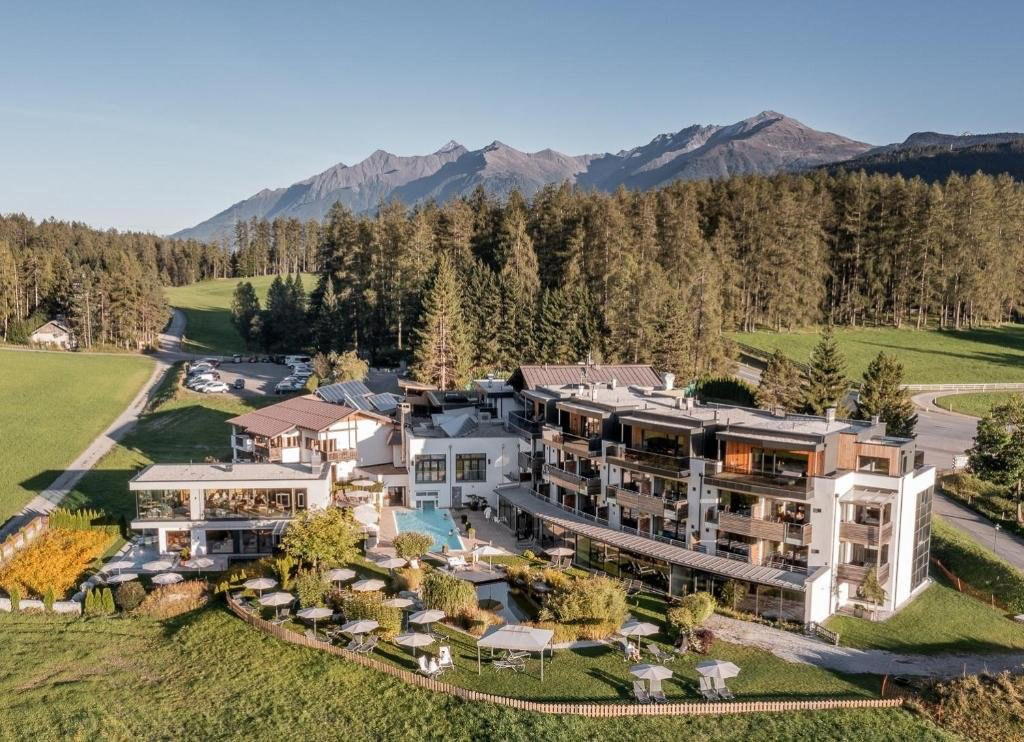
Jagdschloss sits in Kühtai, Austria's highest resort village, at an altitude that shapes everything about what arrives on the plate. The surrounding alpine terrain, forest, pasture, and high meadow, defines the kitchen's sourcing logic as much as any culinary philosophy does. For travellers passing through the Tyrolean highlands, it occupies a specific niche in Austria's mountain dining circuit.
Pearl is the En Primeur Club membership app — saves, bookings, and concierge access live there. Same editors, same standards.
- Address
- Kühtai 1, 6183 Kühtai, Austria
- Phone
- +434352395201
- Website
- jagdschloss-resort.at
- Directions
- Get directions
 Saves & bookings on Pearl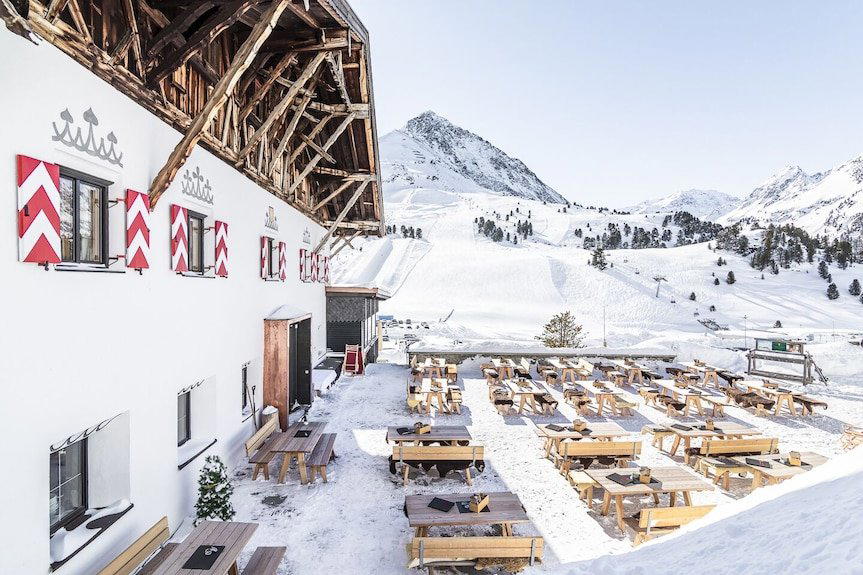
Altitude as Ingredient: Dining at Kühtai
At roughly 2,000 metres above sea level, Kühtai is not a place you arrive at by accident. Austria's highest resort village sits in a narrow valley above Silz in the Tyrolean Alps, and the drive up from the Inn Valley makes the elevation felt before you even step inside. Jagdschloss, the name translates literally as hunting lodge, occupies a position in this landscape that is inseparable from the table it sets. The alpine environment here is not backdrop; it is the primary condition under which the kitchen operates.
This matters for anyone thinking seriously about where Austrian mountain dining sits as a category. The country has developed a recognisable tier of high-altitude or rurally rooted restaurants where the sourcing logic is geographic before it is anything else: what grows, grazes, or runs within a plausible radius of the kitchen defines the menu's raw material. Kräuterreich by Vitus Winkler in Sankt Veit im Pongau operates on a similar premise, with herb cultivation central to its sourcing identity. Jagdschloss works from a comparable geographic logic, with the Tyrolean hunting and pastoral tradition giving the kitchen its natural frame of reference.
What Kühtai's Terrain Puts on the Table
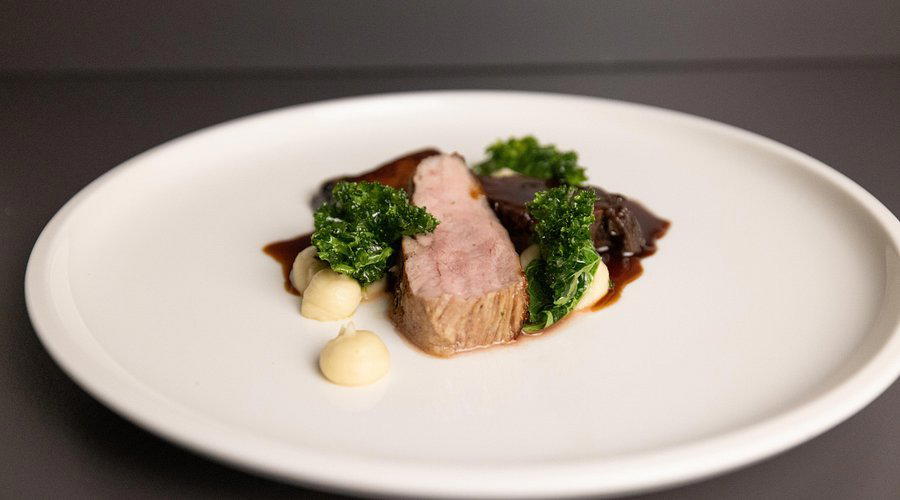
The name itself is the clearest signal of what the kitchen draws from. Jagdschloss references the hunting lodge tradition that has been central to Tyrolean alpine culture for centuries, a tradition in which the surrounding forest and mountain terrain were understood as a larder as much as a landscape. Game, venison, chamois, wild boar, has long been the prestige protein of this altitude, sourced from managed hunting grounds that keep the supply local and seasonal by default.
High alpine pasture produces a distinct category of dairy in Austria, and the Tyrolean region specifically has strong traditions around Almkäse and other mountain cheeses made from milk gathered at elevation. The flavour profile of high-altitude dairy differs meaningfully from lowland equivalents: the flora grazed by cattle at this height is botanically richer, and that complexity carries into the fat of the milk. Restaurants operating in this environment that take sourcing seriously have access to ingredients that are structurally unavailable to urban kitchens regardless of budget. This is the material advantage Kühtai provides, and it is the context in which Jagdschloss should be understood.
Austria's broader fine-dining circuit has increasingly made sourcing geography a point of differentiation. Döllerer in Golling an der Salzach has built a reputation specifically around alpine sourcing as a culinary argument. Steirereck im Stadtpark in Vienna operates from a different geographic base but applies the same sourcing rigour to its regional identity. Jagdschloss sits in a more intimate, less internationally publicised position than either of those references, but the underlying sourcing logic connects them across the Austrian dining map.
The Mountain Restaurant comparable set in Western Austria
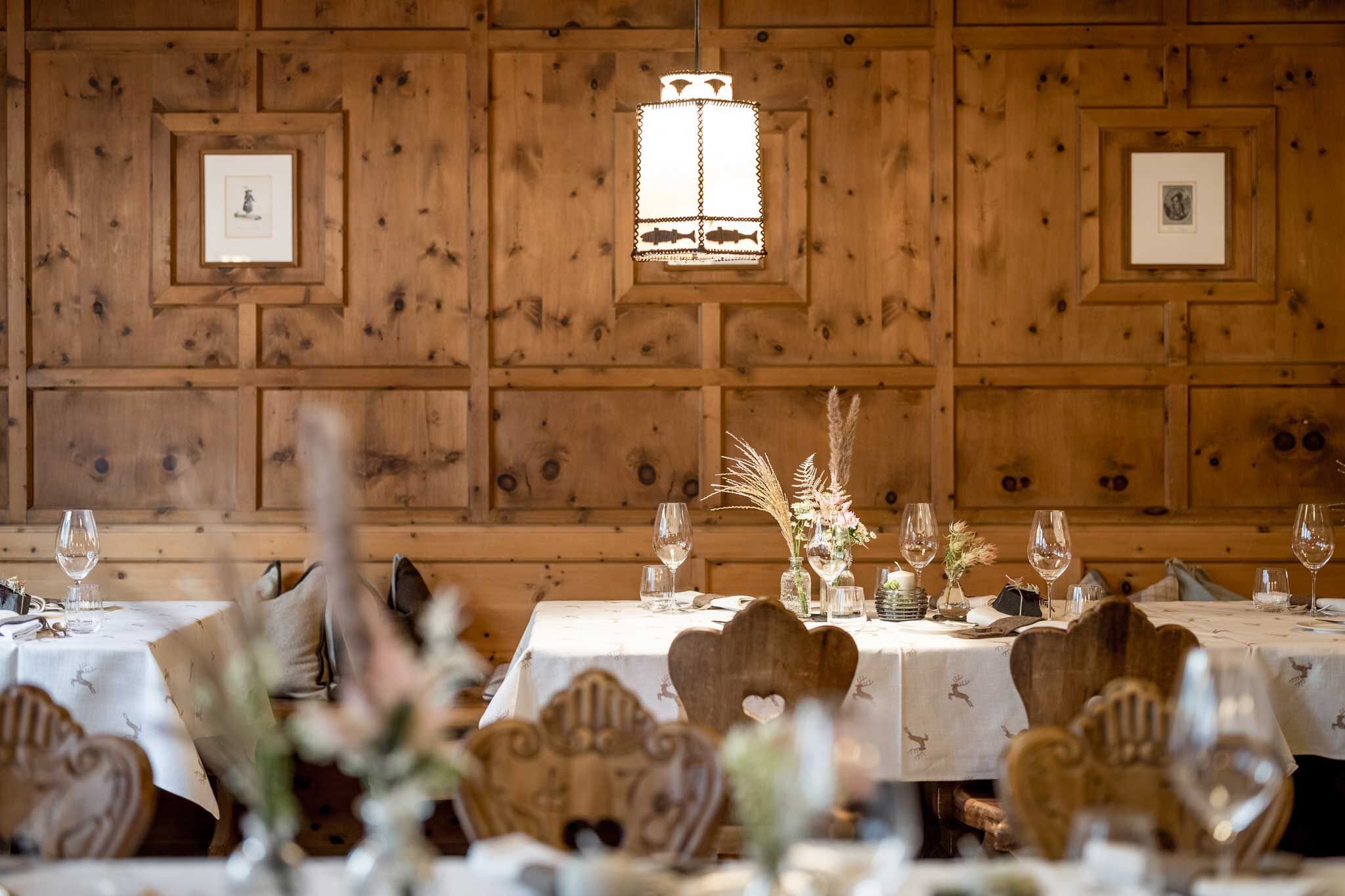
Western Austria, Tyrol and Vorarlberg particularly, has produced a cluster of serious dining destinations that operate within ski resort or alpine village contexts. The format tends toward a specific hospitality register: the warmth and material weight of timber interiors, service attuned to guests who have been outdoors in cold air, and menus structured around seasonal availability rather than year-round consistency. Griggeler Stuba in Lech and Stüva in Ischgl represent the upper end of this tier, both operating within well-resourced resort environments with corresponding guest expectations.
Gourmetrestaurant Tannenhof in Sankt Anton am Arlberg similarly occupies the alpine lodge format at a premium pitch. What differentiates venues within this comparable set is less often the cuisine category and more often the sourcing depth, the service consistency across seasons, and the degree to which the menu actually reflects the specific terrain rather than drawing from a generalised Austrian-alpine vocabulary.
Kühtai's relatively modest scale as a resort, smaller and less internationally marketed than Lech or Ischgl, means Jagdschloss operates in a quieter competitive environment. That is not a disadvantage for a guest who values the absence of resort-circuit crowds. The village functions primarily in winter around skiing, with a shorter summer season oriented toward hiking and cycling. The kitchen's rhythm follows that pattern.
Planning a Visit to Jagdschloss
Kühtai is reached via a single mountain road ascending from Silz in the Inn Valley, approximately 30 kilometres from Innsbruck. The approach is seasonal in character: accessible year-round but dependent on road conditions in winter, when snow is the dominant context. Guests combining a meal here with time in Innsbruck should factor in the drive, which is not long in distance but involves consistent elevation gain. For the broader Austrian fine-dining circuit in this region, our full Silz restaurants guide and nearby reference points like Restaurant 141 by Joachim Jaud in Mieming and Schwarzer Adler in Hall in Tirol sit within a reasonable radius for those building a Tyrolean itinerary.
Contact details and current booking arrangements are best confirmed directly through local channels, as operational specifics at mountain properties in Austria can shift by season. Guests planning winter visits should account for the resort calendar, when the village operates at higher capacity and advance coordination is more important. The summer period, running roughly from late June through September, tends to see lighter traffic and a different culinary register as alpine herbs and summer forage come into season.
For broader context on Austrian dining beyond the alpine tier, Obauer in Werfen, Landhaus Bacher in Mautern an der Donau, and Taubenkobel in Schützen am Gebirge represent the country's regionally anchored fine-dining tradition at different geographic registers. Ikarus in Salzburg, Ois in Neufelden, and Artis in Graz extend the picture further across Austria's dining geography. For international comparison points at the upper end of the sourcing-led fine-dining argument, Le Bernardin in New York City and Atomix in New York City show how ingredient provenance operates as a primary editorial argument at the highest tier of restaurant culture globally. Closer to home, Die Poscht in Silz itself offers another local reference for the Inn Valley dining scene.
In Context: Similar Options
Comparable venues nearby, for context on price, style, and recognition.
| Venue | Cuisine | Price | Notes |
|---|---|---|---|
| JagdschlossThis venue — the venue you are viewing | Traditional Austrian | $$ | Not listed |
| Die Poscht | Modern Austrian | $$ | Silz |
| Patscheralm | Traditional Austrian Mountain Hut | $$ | Patsch |
| Jedermann's | Austrian | $$ | Innsbruck city center |
| Blaserhütte | Tyrolean Mountain Hut | $$ | Trins |
| Gasthaus Löwen | Traditional Austrian Regional | $$ | Au-Rehmen |
Continue exploring
More in Silz
Restaurants in Silz
Browse all →
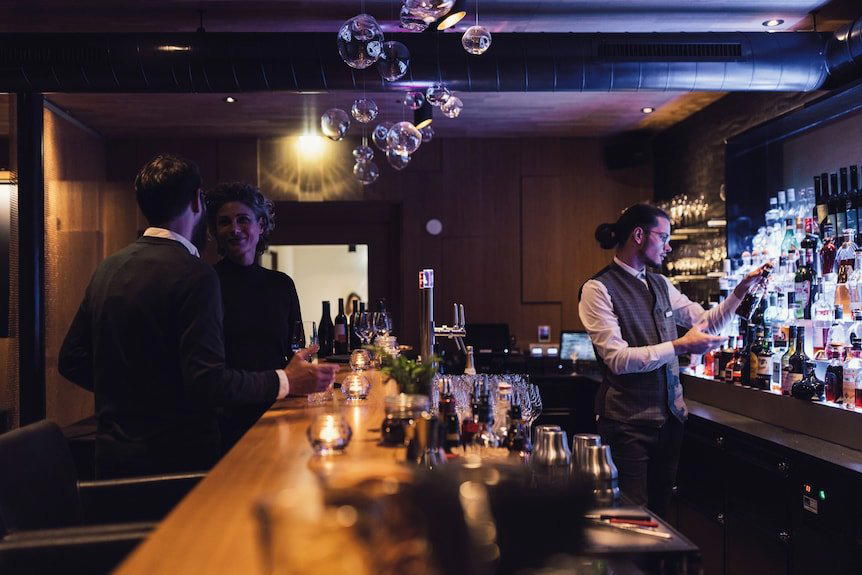
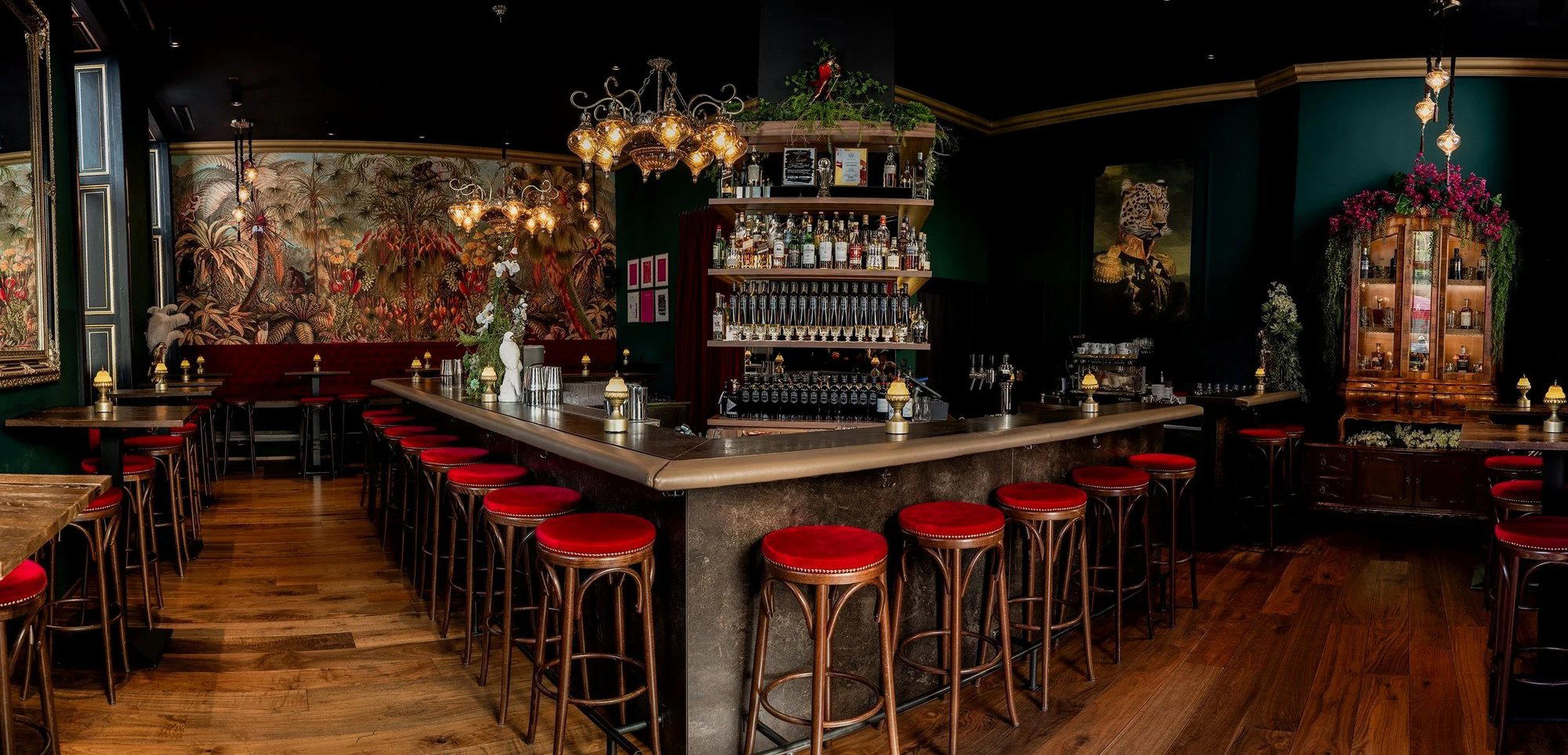
Bars in Silz
Browse all →
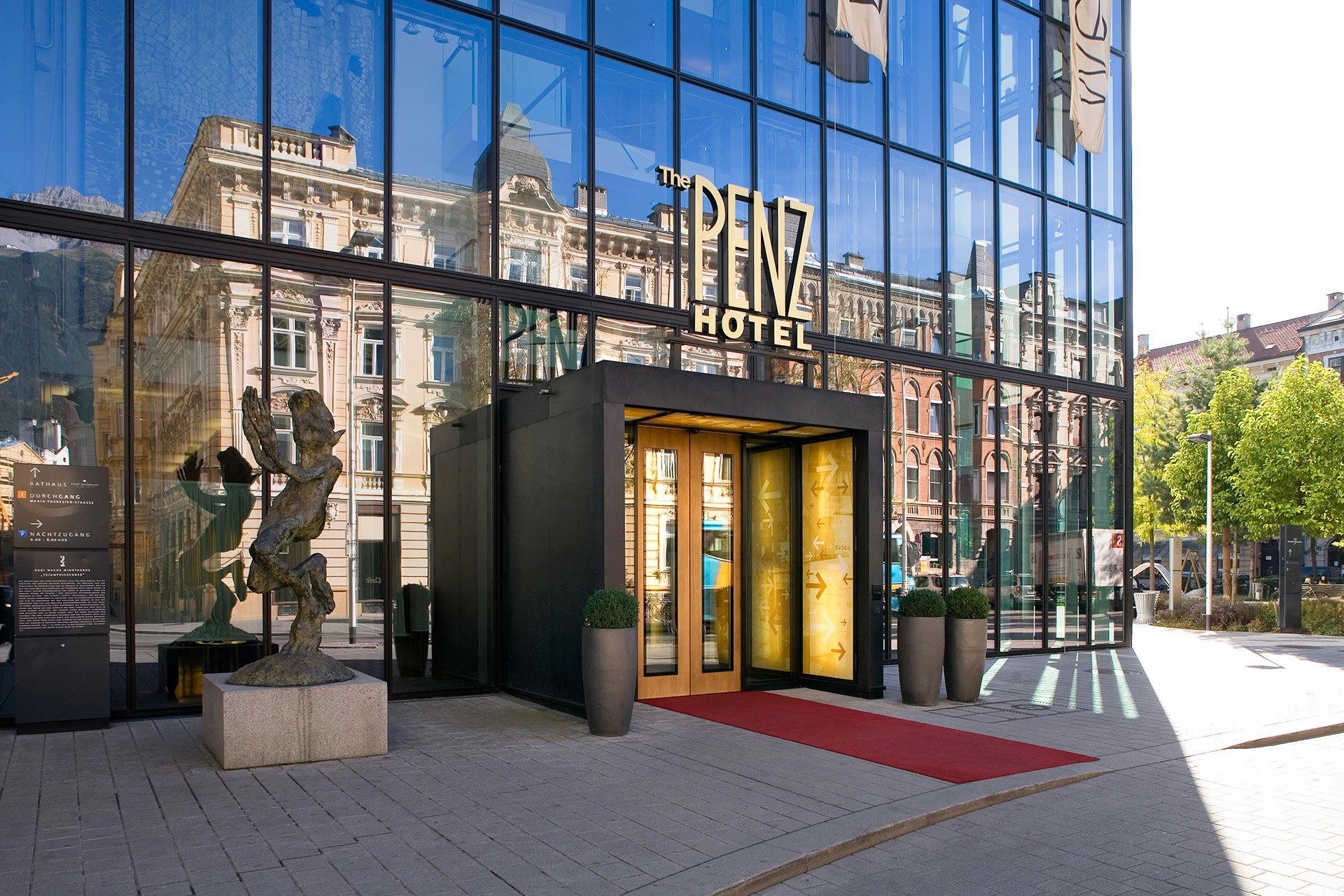
Hotels in Silz
Browse all →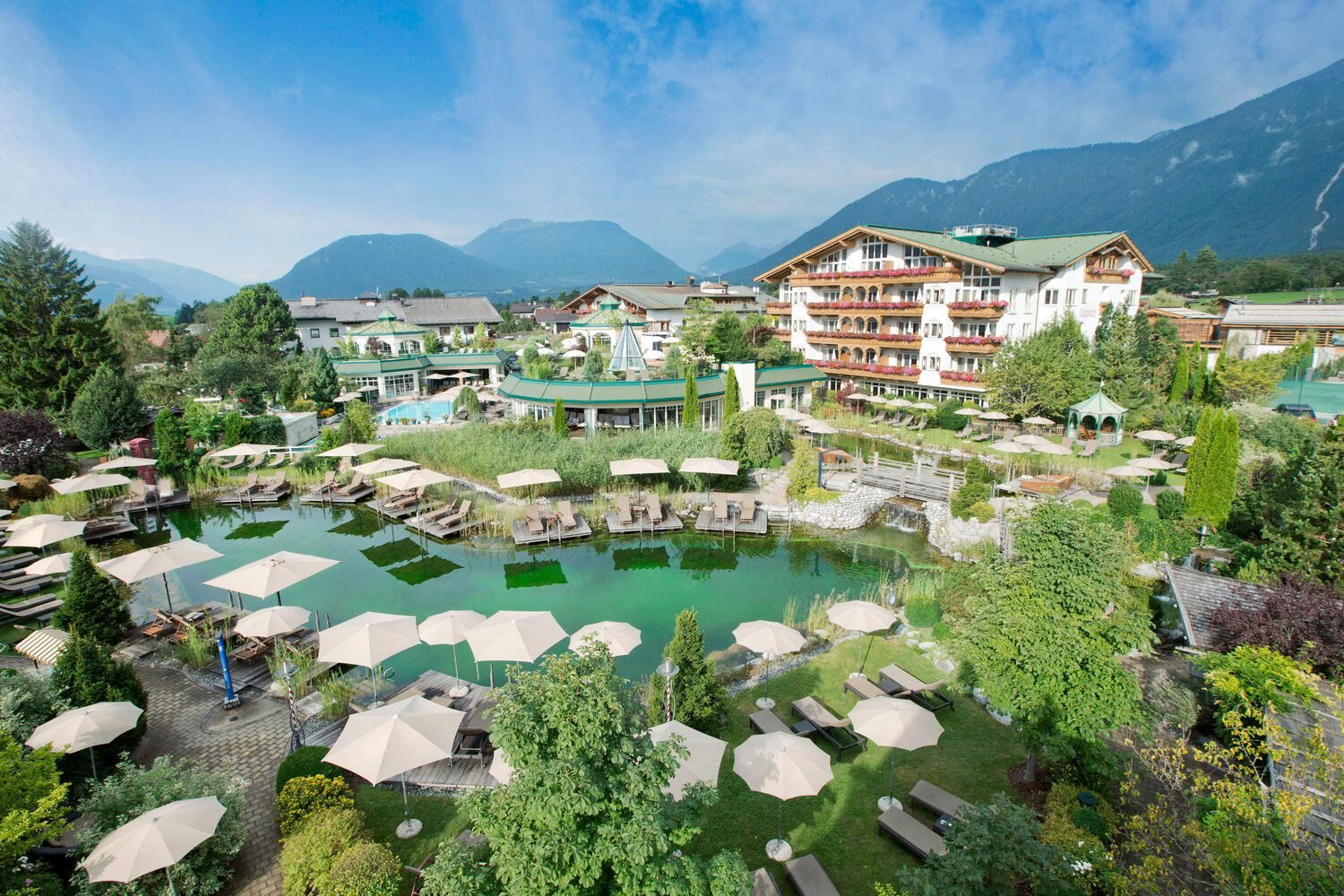

At a Glance
- Rustic
- Cozy
- Scenic
- Casual Hangout
- Family
- Terrace
- Historic Building
- Hotel Restaurant
- Mountain
Current opening hours
- Monday
- 6:30–9 PM
- Tuesday
- 6:30–9 PM
- Wednesday
- 6:30–9 PM
- Thursday
- 6:30–9 PM
- Friday
- 6:30–9 PM
- Saturday
- 6:30–9 PM
- Sunday
- 6:30–9 PM
Hours can change for holidays and private events. Last verified .
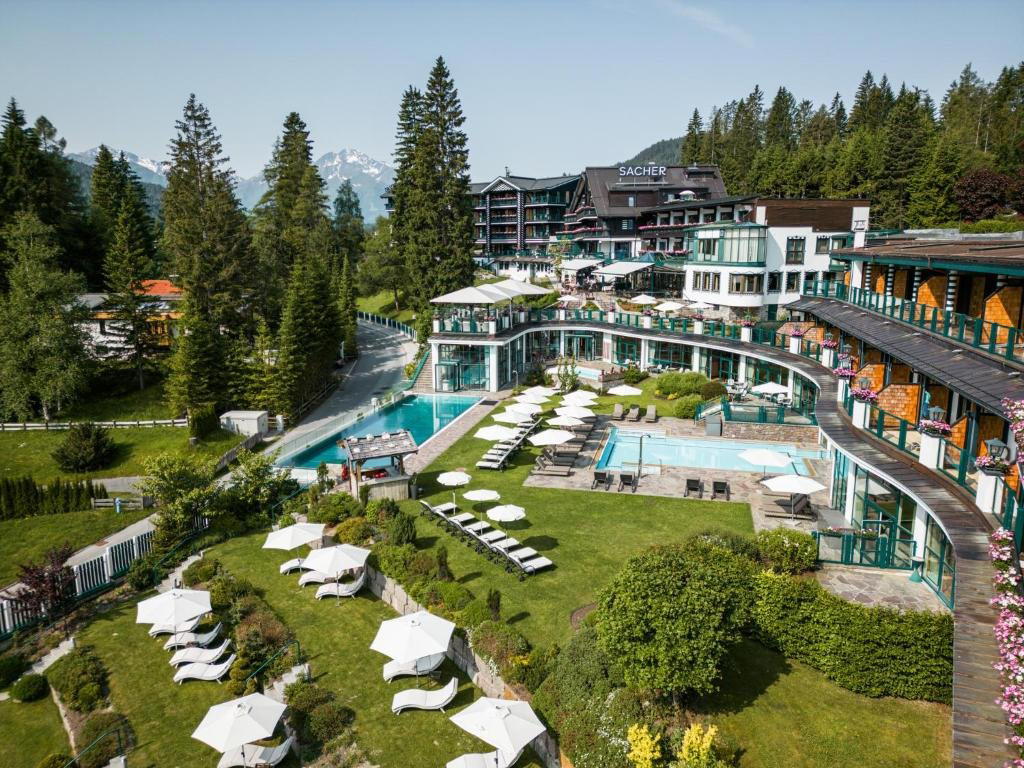
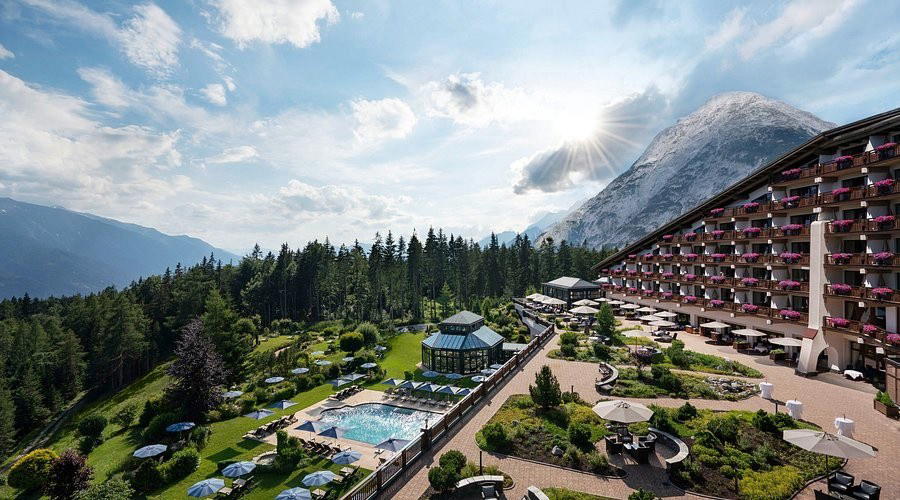
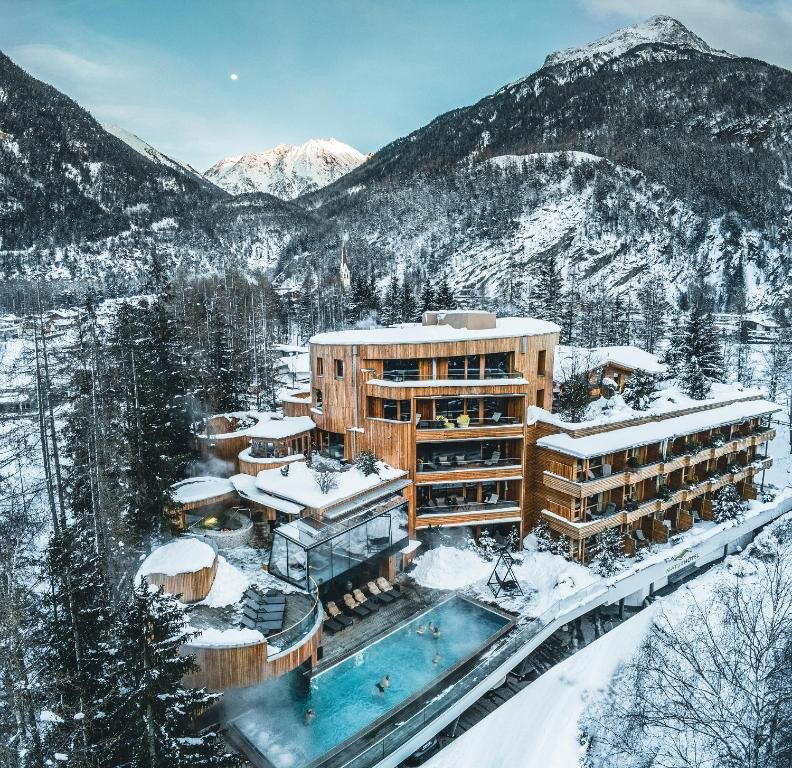
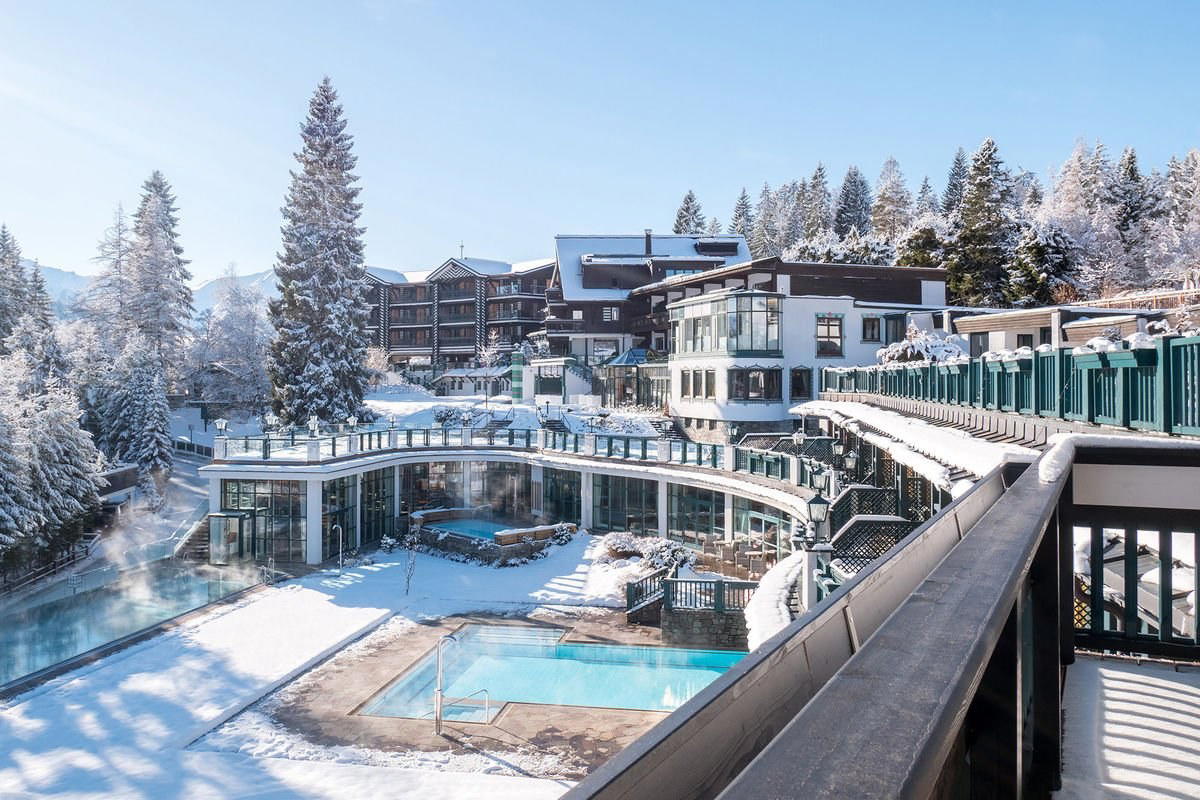
Cozy parlors and terrace with mountain views, hearty atmosphere suited for après-ski relaxation.