Kornberg
Kornberg sits in Dörfl, on the edge of Riegersburg in southeastern Styria, a region where agriculture and cooking remain tightly connected. The address places it within easy reach of the volcanic slopes and market gardens that define this corner of Austria, and the setting leans toward the kind of unhurried, produce-led dining that characterises Styrian tradition at its most grounded.
Pearl is the En Primeur Club membership app — saves, bookings, and concierge access live there. Same editors, same standards.
- Address
- Dörfl 2, 8330, Austria
- Phone
- +434331522057
- Website
- schlosswirt.com
- Directions
- Get directions
 Saves & bookings on Pearl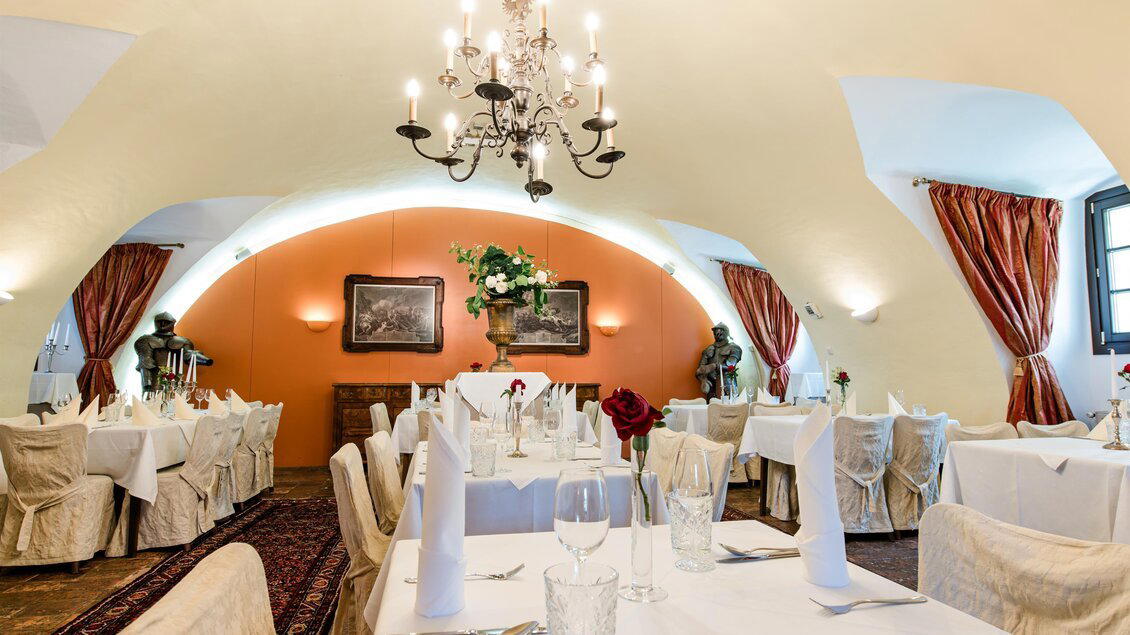
Where Styrian Countryside Meets the Table
Southeastern Styria has a particular relationship with its landscape that most Austrian wine and food regions can only approximate. The volcanic soil around Riegersburg shapes not just the Schilcher and Welschriesling grown here but the entire agricultural rhythm of the area: pumpkin seed oil pressed in autumn, lamb from the rolling hills east of Graz, carp and trout from local ponds, and a calendar of wild herbs and foraged ingredients that shifts week by week. Kornberg, located at Dörfl 2 on the edge of Riegersburg, sits inside that rhythm. The address itself signals something: not a city-centre tasting menu destination, but a place rooted in a specific agricultural patch of Austria.
Arriving at Riegersburg, the visual context arrives before the food does. The medieval castle above the town has defined the settlement for centuries, and the surrounding countryside retains the unhurried quality of a region that has never needed to perform its identity for visitors. Kornberg occupies this quieter register. The approach through Dörfl frames the meal before it begins, and that framing matters for understanding what kind of cooking the area supports.
Ingredient Sourcing as the Central Logic
In Styria, provenance is not a marketing exercise. The region produces some of Austria's most distinctive agricultural output: the protected Steirisches Kürbiskernöl (pumpkin seed oil with PDO status), Vulcano charcuterie from nearby Feldbach, and a density of small-scale farms supplying everything from heritage-breed pork to seasonal brassicas. Cooking traditions here are structured around this supply chain in a way that differs from, say, a Vienna tasting-menu counter where produce arrives from across Europe. At venues in this part of Styria, the sourcing logic tends to be hyper-local by default rather than by design choice.
This is the context in which Kornberg operates. The Riegersburg area sits close enough to the Slovenian border that cross-border agricultural exchange is part of the food culture, and the growing season in this warmer microclimate extends the availability of fresh produce compared to Alpine Austria. For a dining destination here, ingredient sourcing is less a point of differentiation and more the baseline assumption. What distinguishes individual kitchens is what they do with that access: whether they treat local produce as raw material for classical Austrian preparations, or whether they push it toward something more ambitious.
Austria's most prominent ingredient-led kitchens, from Steirereck im Stadtpark in Vienna to Landhaus Bacher in Mautern an der Donau, have demonstrated that rigorous sourcing and high technical ambition are not mutually exclusive. Regional restaurants like Döllerer in Golling an der Salzach have built a national reputation precisely by treating their local alpine larder as a serious culinary resource rather than a nostalgic backdrop. Kornberg's position in one of Austria's most agriculturally rich subregions gives it access to a comparable depth of local supply.
The Styrian Dining Tradition It Inhabits
Rural Styrian dining occupies a distinct tier in Austria's restaurant culture. It operates differently from the Viennese fine-dining circuit and differently again from the Alpine resort kitchens of Tirol and Vorarlberg, where venues like Griggeler Stuba in Lech or Stüva in Ischgl are embedded in a ski-season hospitality economy. Styrian restaurants of this type tend toward longer meals, more generous portions, and a stronger connection to the agrarian calendar. The cooking can be ambitious, but it rarely prioritises abstraction over substance.
This tradition has produced some durable institutions. Taubenkobel in Schützen am Gebirge has long represented the Burgenland-Styria borderland approach: serious cooking, serious wine, unhurried format. Elsewhere in Austria, herb-forward and foraged-ingredient kitchens like Kräuterreich by Vitus Winkler in Sankt Veit im Pongau have shown how a regional larder can anchor a coherent culinary identity without recourse to imported luxury produce. Kornberg belongs to this broader tendency in Austrian regional dining, where place and season are the primary reference points.
For context on how Austrian rural kitchens have operated at the highest level, Obauer in Werfen remains a useful benchmark: a family-run kitchen in a small town that has sustained decades of critical attention by treating its provincial setting as an asset rather than a limitation. The same pattern applies to kitchens like Ois in Neufelden and Restaurant 141 by Joachim Jaud in Mieming, each anchored to a specific regional identity. Schwarzer Adler in Hall in Tirol and Gourmetrestaurant Tannenhof in Sankt Anton am Arlberg demonstrate how that regional anchoring works across different Austrian geographies. Even at the international level, the sourcing-led model has produced particularly technically accomplished restaurants in the world, including Le Bernardin in New York City and Atomix in New York City, where the provenance of ingredients is treated as foundational to the cooking's identity. Ikarus in Salzburg takes this further by rotating guest chefs specifically to explore how regional sourcing varies across different culinary traditions.
Planning a Visit to Riegersburg
Riegersburg sits in southeastern Styria, roughly 60 kilometres east of Graz, and is accessible by car along well-maintained regional roads. The town is small, and dining options are concentrated, making Kornberg one of the addresses worth considering in the immediate area. Visitors combining Kornberg with a broader Riegersburg itinerary should also note Genusshotel Riegersburg and Seehaus Riegersburg as part of the local dining picture. The warmer Styrian microclimate makes spring and autumn particularly productive seasons for the regional larder, and timing a visit around those windows aligns with when local produce is at its most varied.
Fast Comparison
Comparable venues nearby, for context on price, style, and recognition.
| Venue | Cuisine | Price | Notes |
|---|---|---|---|
| KornbergThis venue — the venue you are viewing | Regional Styrian Castle Cuisine | $$ | Not listed |
| Genusshotel Riegersburg | Regional Austrian Fine Dining | $$$ | Riegersburg, Südoststeiermark |
| Seehaus Riegersburg | Austrian Cafe Restaurant Pizzeria | $$ | Riegersburg |
| Meierei Gaaden | Austrian Jausenstation | $$ | Gaaden |
| Laby | Café Bar | $$ | Hernals |
| Salims | Cocktail Bar Snacks | $$ | Josefstadt |
Continue exploring
More in Riegersburg
Restaurants in Riegersburg
Browse all →
Bars in Riegersburg
Browse all →
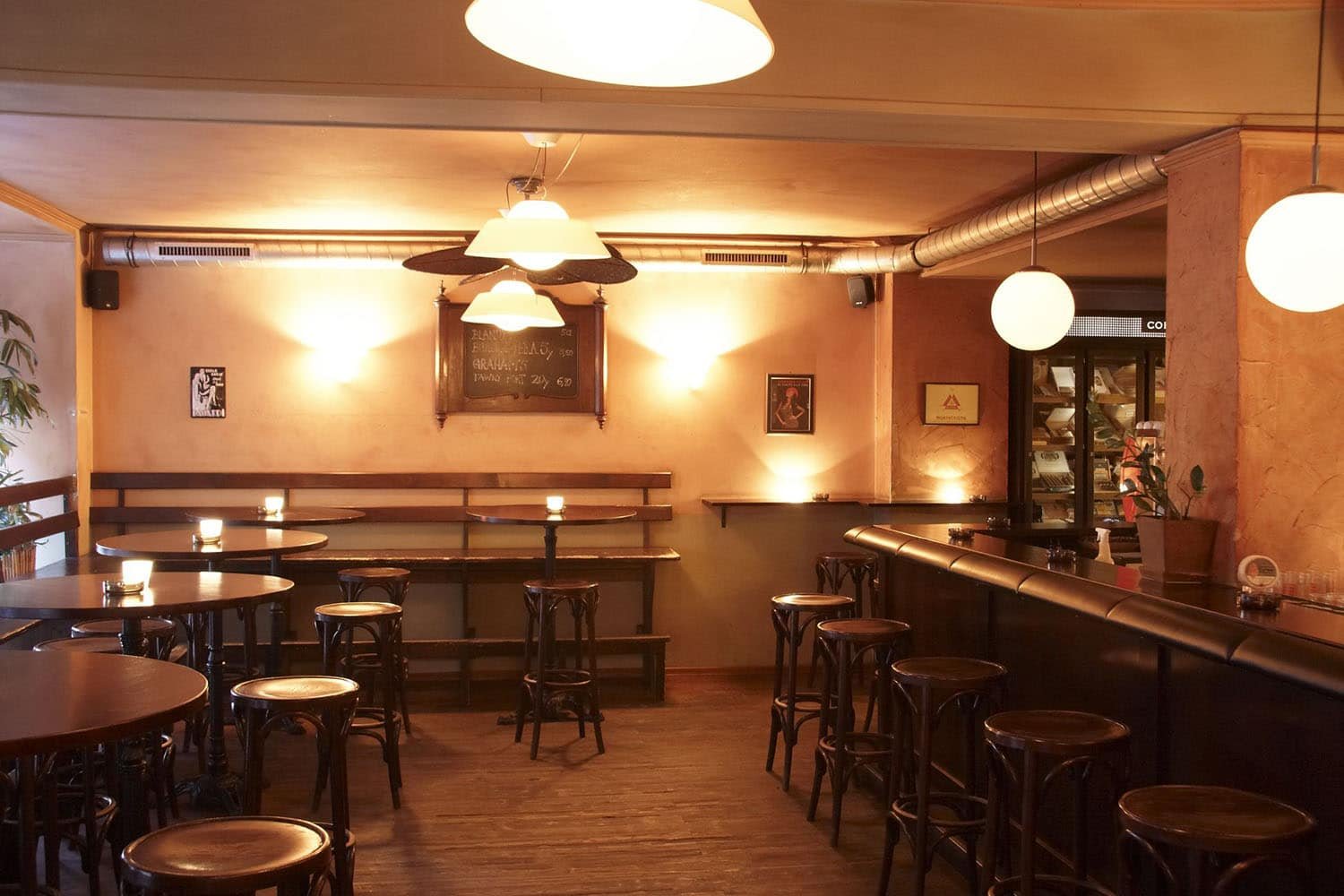
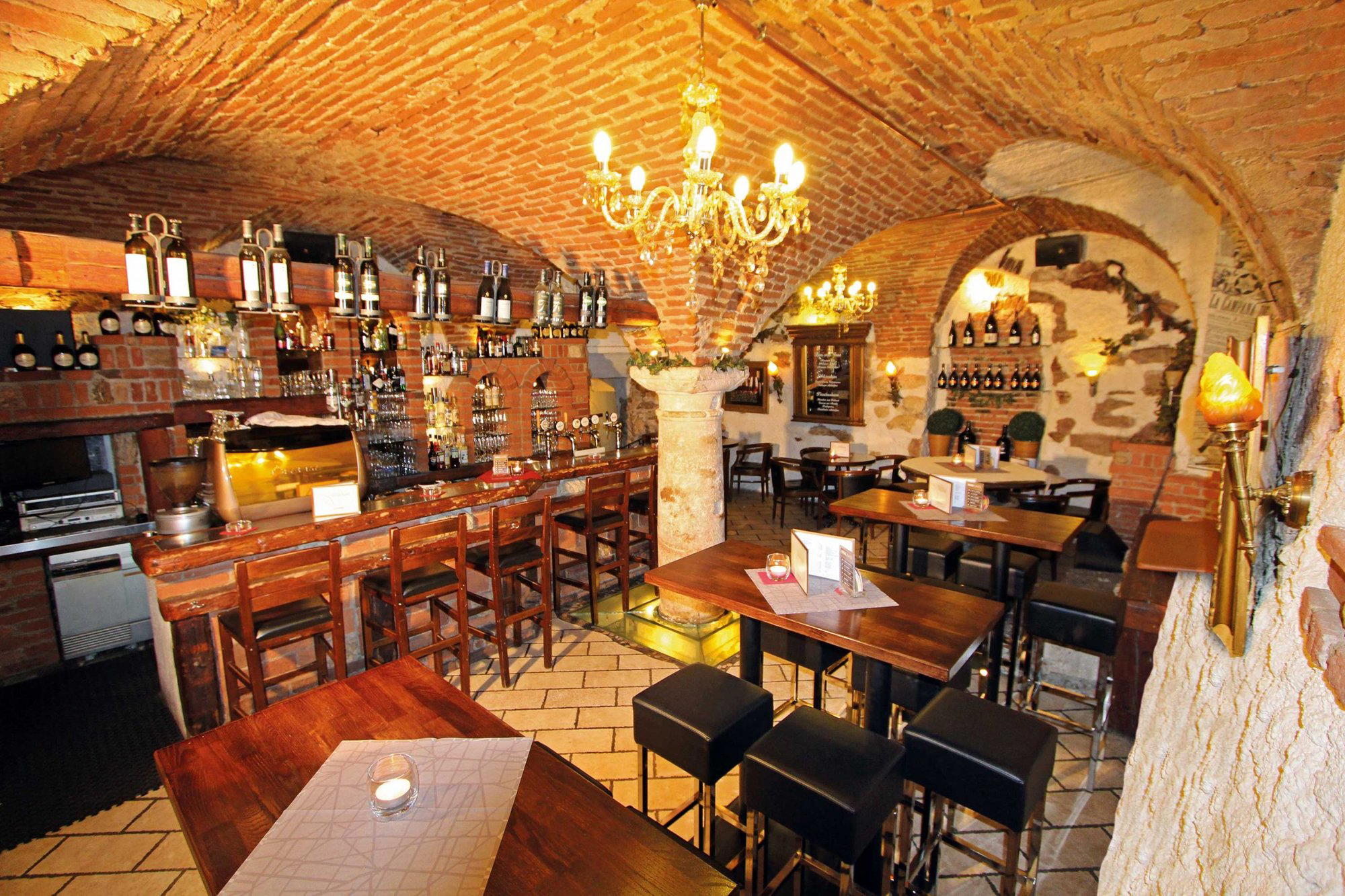
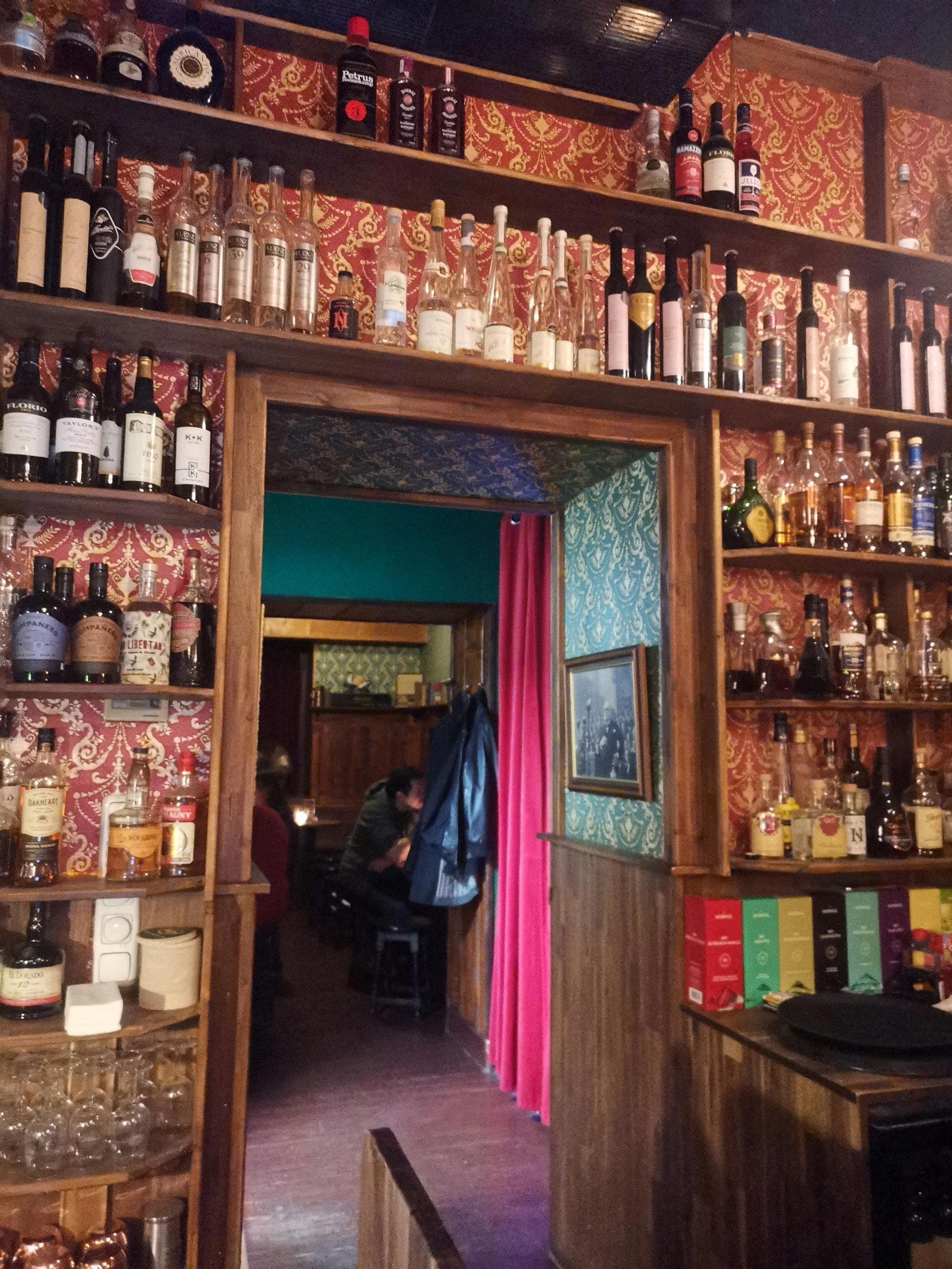
Hotels in Riegersburg
Browse all →
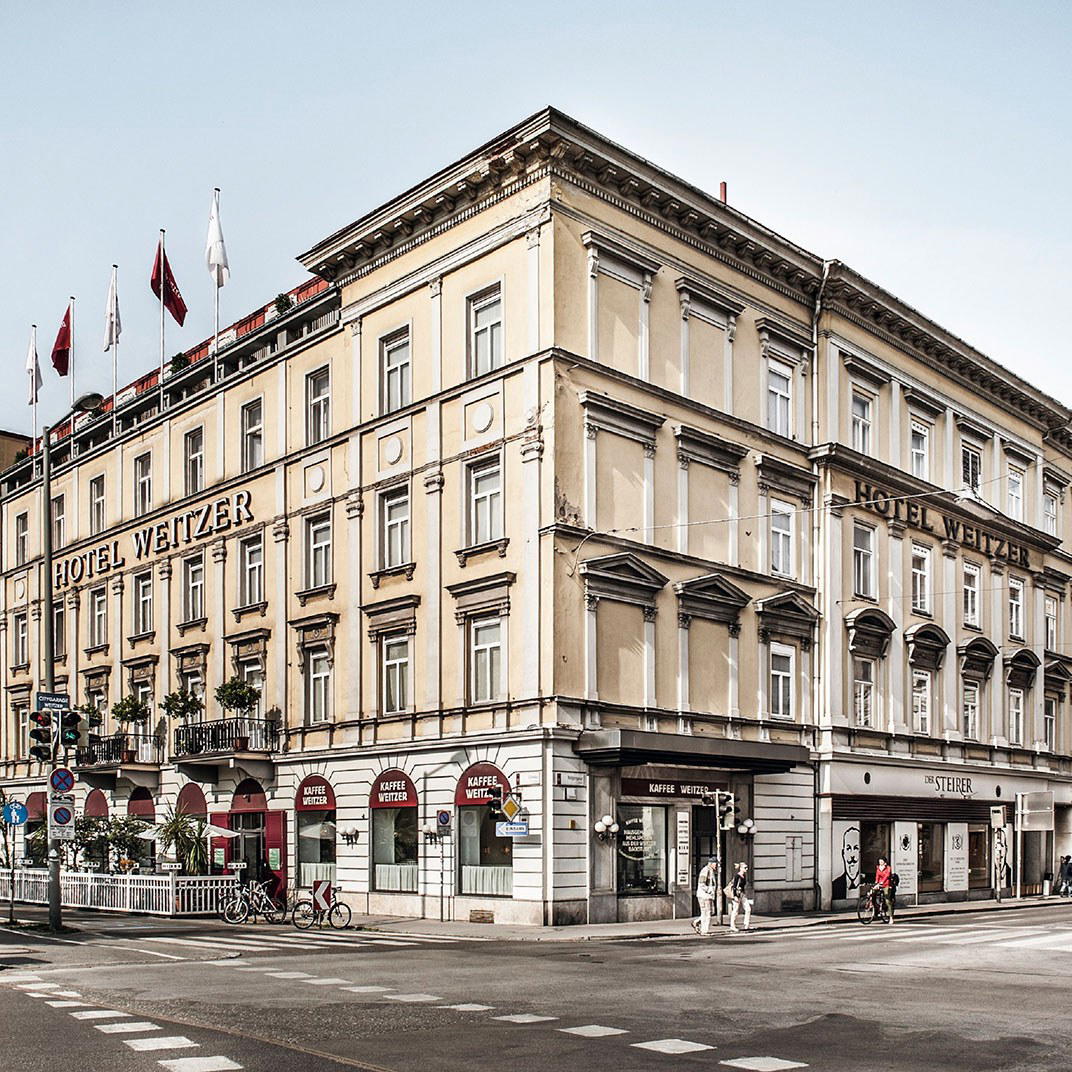



At a Glance
- Rustic
- Classic
- Family
- Casual Hangout
- Historic Building
- Local Sourcing
Current opening hours
- Monday
- Closed
- Tuesday
- Closed
- Wednesday
- 10 AM–6 PM
- Thursday
- 10 AM–6 PM
- Friday
- 10 AM–6 PM
- Saturday
- 10 AM–6 PM
- Sunday
- 10 AM–6 PM
Hours can change for holidays and private events. Last verified .
rustic and historic castle atmosphere