Genusshotel Riegersburg
Our verdict
In the volcanic hills of Styria's Vulkanland region, Genusshotel Riegersburg occupies a position that few Austrian country hotels can match: close enough to the medieval Riegersburg fortress to feel its presence, yet rooted firmly in the agricultural rhythms of the surrounding landscape. The hotel's identity is built around the produce and wine traditions of southeastern Styria, placing it in a distinct category among Austria's destination dining properties.

Pearl is the En Primeur Club membership app, where members save venues, book tables and use the concierge.

The menu
What to order
- Regional steirische Spezialitäten
- Creative 5-course tasting menu
Where Volcanic Soil Meets the Table
The southeastern corner of Styria moves at a different pace from Vienna's grand dining rooms or Salzburg's alpine restaurant circuit. Here, in the Vulkanland, the land itself is the argument. Volcanic basalt soils, a microclimate mild enough for pumpkin and sunflower cultivation, and centuries of small-scale farming have produced an agricultural identity that the region's leading kitchens treat as a primary ingredient rather than a backdrop. Genusshotel Riegersburg, situated along Starzenberg in the shadow of one of Central Europe's most intact medieval fortresses, belongs to this tradition of place-led hospitality that defines Styria's rural dining at its most considered.
The approach here mirrors a broader shift visible across Austria's countryside properties. Where a previous generation of Gasthof culture leaned on heavy classical preparations regardless of season or provenance, the more deliberate operators in regions like Vulkanland have begun treating local sourcing as a structural commitment rather than a garnish. Properties in this tier draw their identity from what the surrounding land produces, and the dining proposition follows from that rather than being imposed upon it. In Styria specifically, that means pumpkin seed oil from neighboring farms, wines from the Südsteiermark and Vulkanland DAC appellations just to the south, and game and dairy that reflect the forest-and-meadow geography of the eastern Styrian hills.
The Sourcing Logic of Styrian Country Dining
Styrian cuisine has always operated around a handful of regional signatures that are genuinely tied to local agriculture rather than invented for tourist menus. Kürbiskernöl, the dark green pumpkin seed oil pressed from local varieties, appears in dressings and garnishes the way olive oil dominates Mediterranean tables. Styrian beef, raised on the grasslands between Graz and the Hungarian border, carries a flavor profile shaped by pasture rather than feedlot. Mushrooms from the surrounding forests, freshwater fish from Styrian rivers, and an expanding portfolio of estate wines from the Vulkanland DAC appellation all form the raw material from which a property like Genusshotel Riegersburg builds its table.
This sourcing logic matters because it positions the hotel within a competitive set defined less by price tier and more by philosophical alignment. Across Austria, properties that have made ingredient provenance central to their identity include Landhaus Bacher in Mautern an der Donau along the Danube and Obauer in Werfen in Salzburg state, both of which treat regional produce as the organizing principle of the menu rather than a styling choice. Steirereck im Stadtpark in Vienna operates at a higher formality and price point but shares the same underlying commitment to Austrian provenance. Taubenkobel in Schützen am Gebirge applies a similar discipline in Burgenland. Genusshotel Riegersburg sits in this broader pattern of Austrian destination properties that treat geography as cuisine.
The Riegersburg Setting
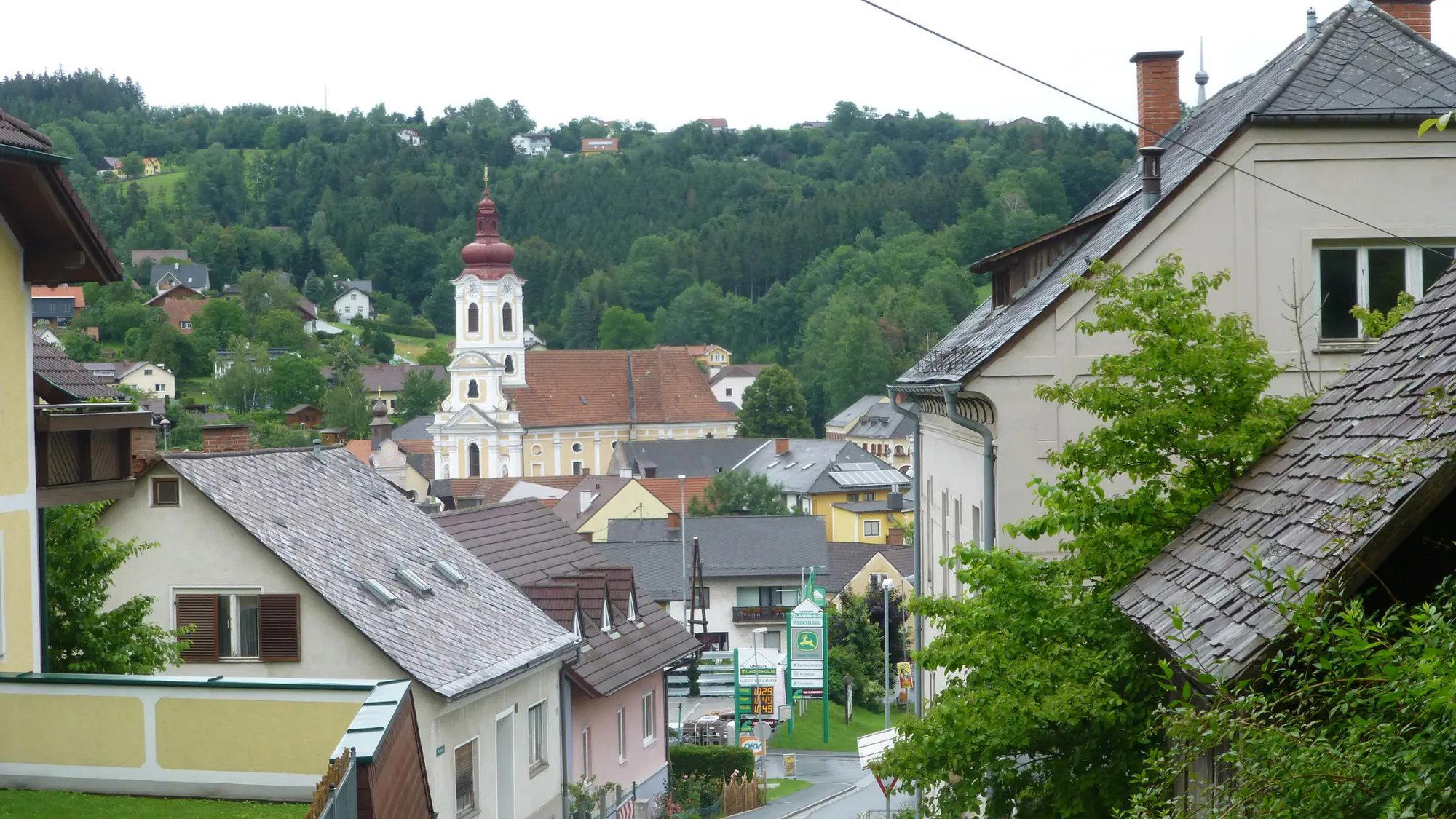
The fortress of Riegersburg, rising some 200 metres above the surrounding Styrian plain on a volcanic basalt plug, has shaped the character of the village below for nearly a thousand years. It is one of the few medieval fortresses in Central Europe that was never taken by force, and it remains a working landmark rather than a ruin. That weight of place affects how dining and hospitality function in the town. Visitors who come for the castle tend to stay longer than a day trip warrants, and the cluster of restaurants and hotels in the area has developed to serve an audience with time to spend and interest in where they are rather than just what they're consuming.
Within Riegersburg's immediate dining orbit, Kornberg and Seehaus Riegersburg represent the local comparison points, and our full Riegersburg restaurants guide maps the options across the village and surrounding area. Genusshotel Riegersburg occupies the category of stay-and-dine destination, where the accommodation and the table reinforce each other rather than existing independently.
Genuss as a Category
The word Genuss in Austrian hospitality carries specific weight. It translates approximately as pleasure or enjoyment but implies a deliberate, attentive relationship with food and drink rather than mere consumption. Properties that use it in their name are making a positioning statement within the Austrian hospitality vocabulary, aligning with a tradition of Genussregion designations that the country uses to identify areas of recognized culinary and agricultural identity. Styria holds several such designations, covering everything from pumpkin seed oil to Styrian apple cider, and the Vulkanland area around Riegersburg is among the more actively promoted of these regions.
This framework places Genusshotel Riegersburg in a conversation about Austrian rural dining that extends well beyond its own walls. The network of properties operating within this Genuss tradition, from the Salzkammergut to the southern Styrian wine roads, constitutes a coherent alternative to the country's urban fine dining circuit. Properties like Kräuterreich by Vitus Winkler in Sankt Veit im Pongau and Ois in Neufelden operate within the same broad category of destination dining grounded in Austrian regional produce. At the more technically ambitious end of this spectrum, Döllerer in Golling an der Salzach brings a similar regional sourcing discipline to a contemporary fine dining format. Further afield but sharing the same sourcing philosophy, Ikarus in Salzburg approaches Austrian produce from a rotating international lens.
Planning a Visit
Riegersburg sits roughly 60 kilometres east of Graz, making it accessible by car in under an hour from the provincial capital. The village is small enough that orientation takes minutes, and the fortress above provides an obvious anchor for the day. For stays that combine the castle visit with an evening meal and overnight accommodation, Genusshotel Riegersburg functions as the logical base, with the dining room positioned as the evening counterpart to a day spent in the volcanic landscape. Styrian wine tourism has expanded considerably along the routes south toward the Südsteiermark, and a stay in Riegersburg can anchor a wider loop through the region's wine villages.
Travelers comparing Austrian destination dining at this type of property will find useful reference points in the Austrian alpine circuit. Schwarzer Adler in Hall in Tirol, Gourmetrestaurant Tannenhof in Sankt Anton am Arlberg, Stüva in Ischgl, Griggeler Stuba in Lech, and Restaurant 141 by Joachim Jaud in Mieming all operate within the stay-and-dine country hotel format, though with an alpine rather than Styrian identity. For international reference on what destination dining built around a single defining ingredient can look like, Le Bernardin in New York City and Lazy Bear in San Francisco demonstrate how a singular sourcing or format commitment can define a restaurant's entire identity.
Frequently asked questions
Would Genusshotel Riegersburg be comfortable with kids?
Riegersburg itself is a village-scale destination anchored by a fortress rising 200 metres above the plain, the kind of setting that holds children's attention in ways a city hotel cannot. The Genuss concept in Austrian hospitality is broadly family-inclusive, oriented around deliberate enjoyment rather than formal constraint.
What should I expect atmosphere-wise at Genusshotel Riegersburg?
The hotel sits in the Vulkanland region of southeastern Styria, a landscape shaped by volcanic basalt and farmland that moves at a markedly slower pace than Vienna or Salzburg's dining circuits. The word Genuss in the hotel's name signals a deliberate, attentive approach to pleasure, more considered country inn than resort. Guests arriving from Graz, roughly 60 kilometres to the west, typically find the shift in register immediate.
How close is Genusshotel Riegersburg to the Riegersburg fortress, and does that proximity shape the stay?
The hotel's address places it in Riegersburg itself, with the volcanic basalt fortress, one of Styria's most recognisable landmarks, rising immediately above the village. That physical proximity means the fortress walk is a reasonable part of a morning rather than a day trip, and the volcanic geology that defines the castle's setting also underpins the Vulkanland wine and agricultural identity that Styrian country hotels in this corridor tend to build their food and drink programmes around. For guests coming from Graz, the combined draw of castle and regional table is the primary reason to make the 60-kilometre drive.
What should I order at Genusshotel Riegersburg?
Styrian cuisine runs on a handful of genuinely regional signatures: pumpkin seed oil pressed from local Kernöl pumpkins, Styrian beef, and freshwater fish from the area's rivers. A hotel operating under the Genuss banner in this part of Austria would be expected to anchor its table around those regional staples rather than international menu trends.
Comparable Spots, Quickly
Comparable venues nearby, for context on price, style, and recognition.
| Venue | Cuisine | Price | Notes |
|---|---|---|---|
| Genusshotel RiegersburgThis venue (the venue you are viewing) | Regional Austrian Fine Dining | Not listed | Not listed |
| Kornberg | Regional Styrian Castle Cuisine | Not listed | Kornberg bei Riegersburg |
| Seehaus Riegersburg | Austrian Cafe Restaurant Pizzeria | $20–30 | Riegersburg |
| Schloss Kapfenstein | Regional Castle Dining | $50–100 | Kapfenstein |
| Königsberg Bucklige Welt | Regional Austrian Gourmet | $30–50 | Bad Schönau |
| Heiligenkreuzerkeller | Traditional Austrian | Not listed | Winden am See |
Continue exploring
More in Riegersburg
Restaurants in Riegersburg
All restaurants in Riegersburg →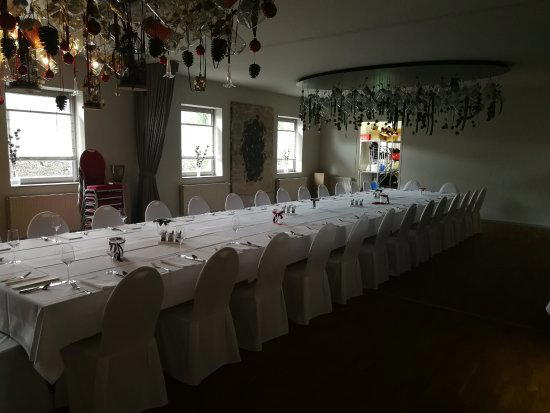
Bars in Riegersburg
Browse all →
Hotels in Riegersburg
Browse all →
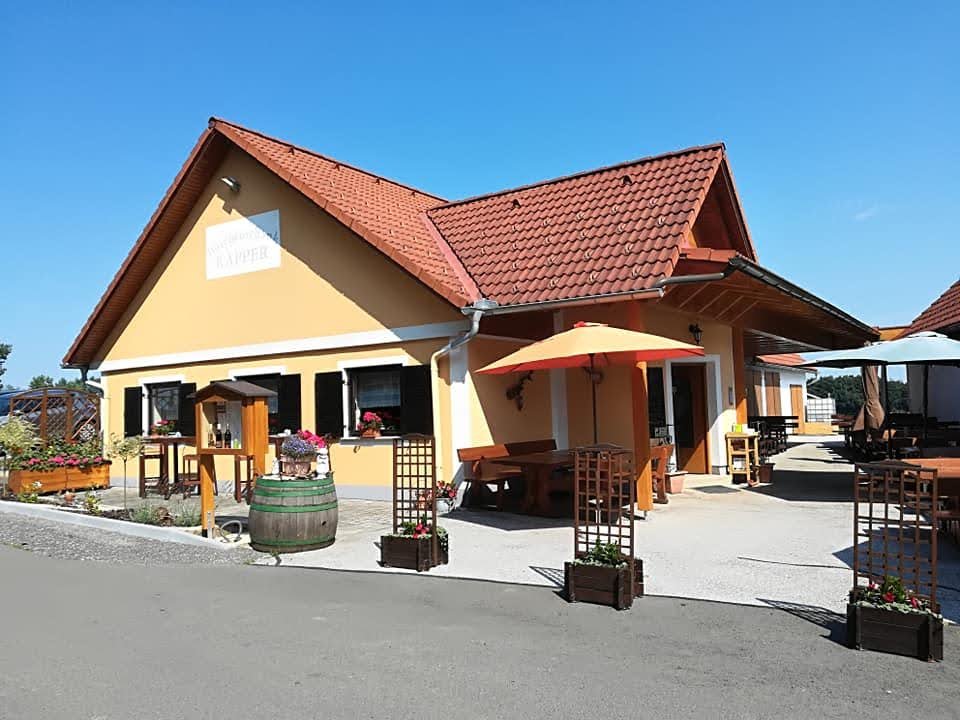
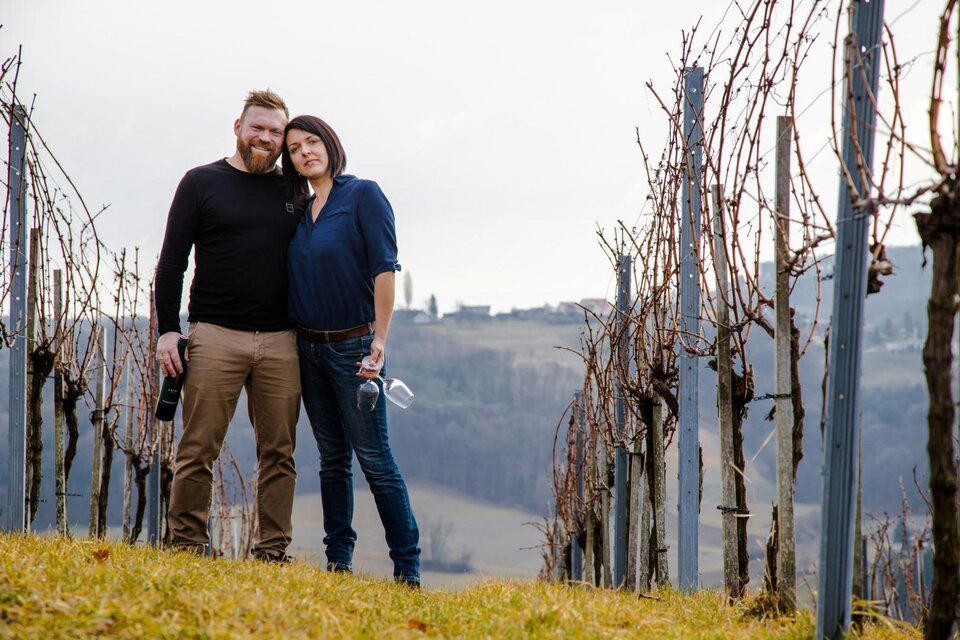
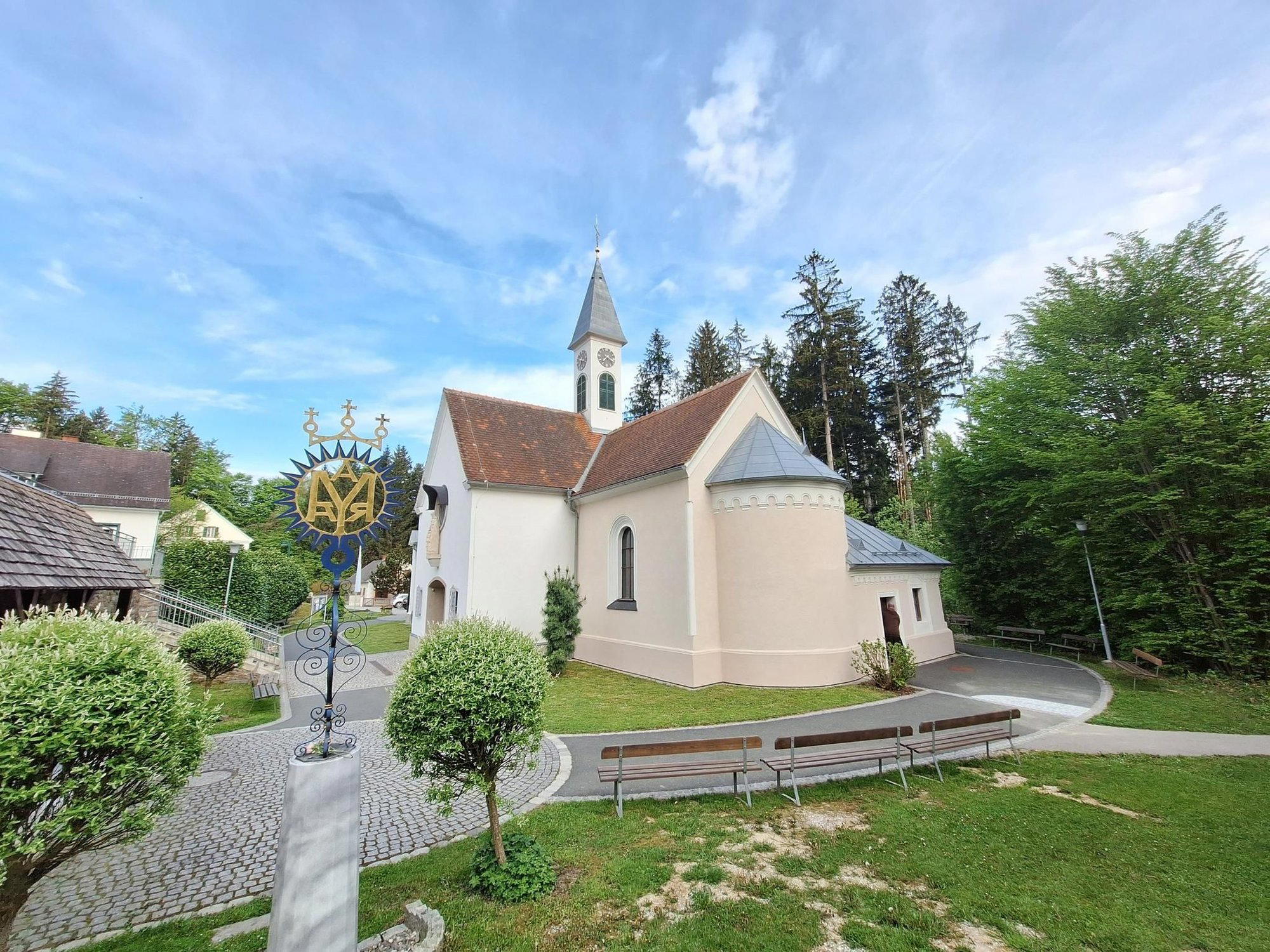

Genusshotel Riegersburg
The wine
- Extensive wine list
- Sommelier-led
Details
- Scenic
- Elegant
- Romantic
- Sophisticated
- Date Night
- Special Occasion
- Celebration
- Business Dinner
- Terrace
- Panoramic View
- Hotel Restaurant
- Garden
- Wine Cellar
- Extensive Wine List
- Sommelier Led
- Farm To Table
- Local Sourcing
- Organic
- Vineyard
- Mountain
- Garden
- Tasting Menu
- A La Carte
- Set Menu
- Austrian Wines
- Gölles Schnapps And Spirits
- Vegetarian Friendly
- Allergy Accommodating
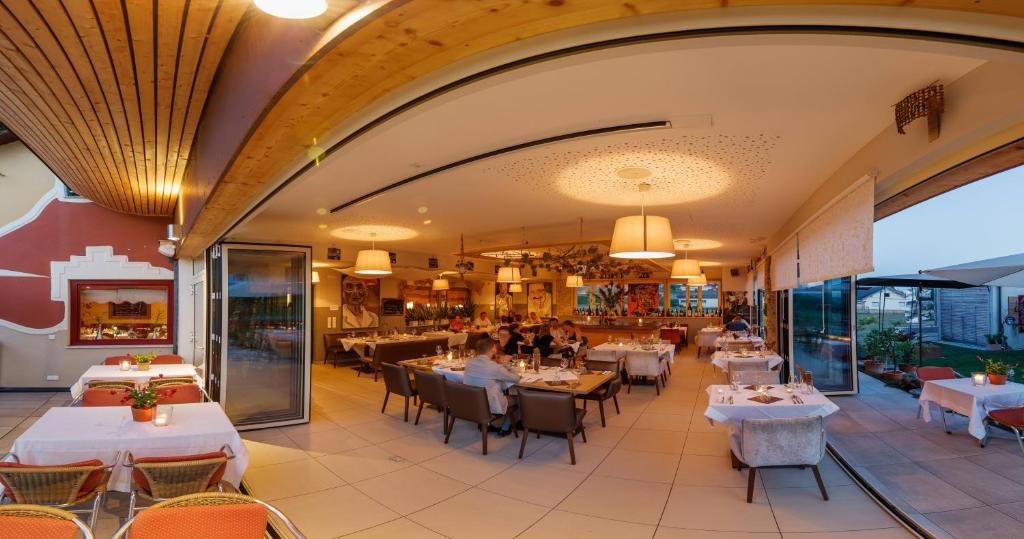
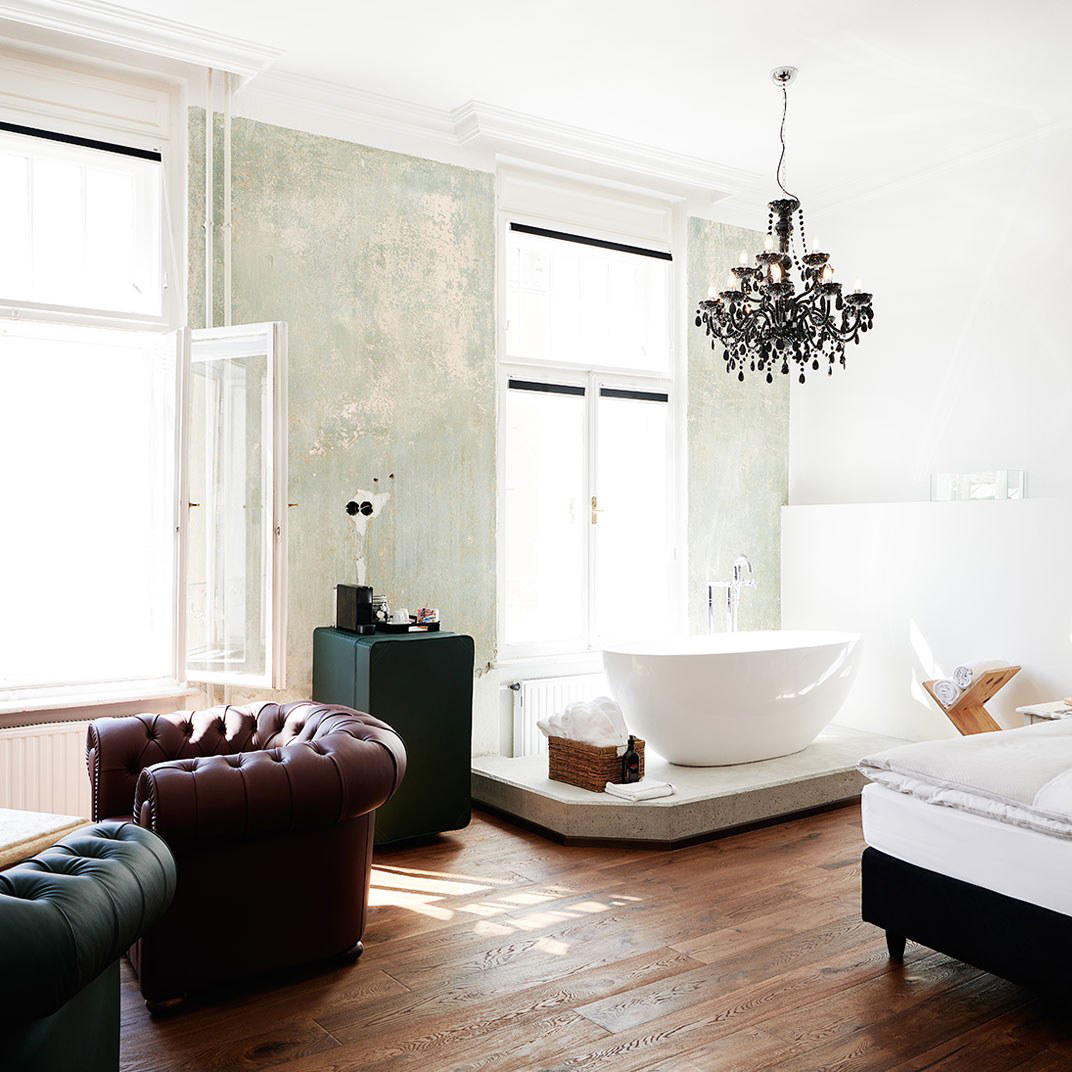
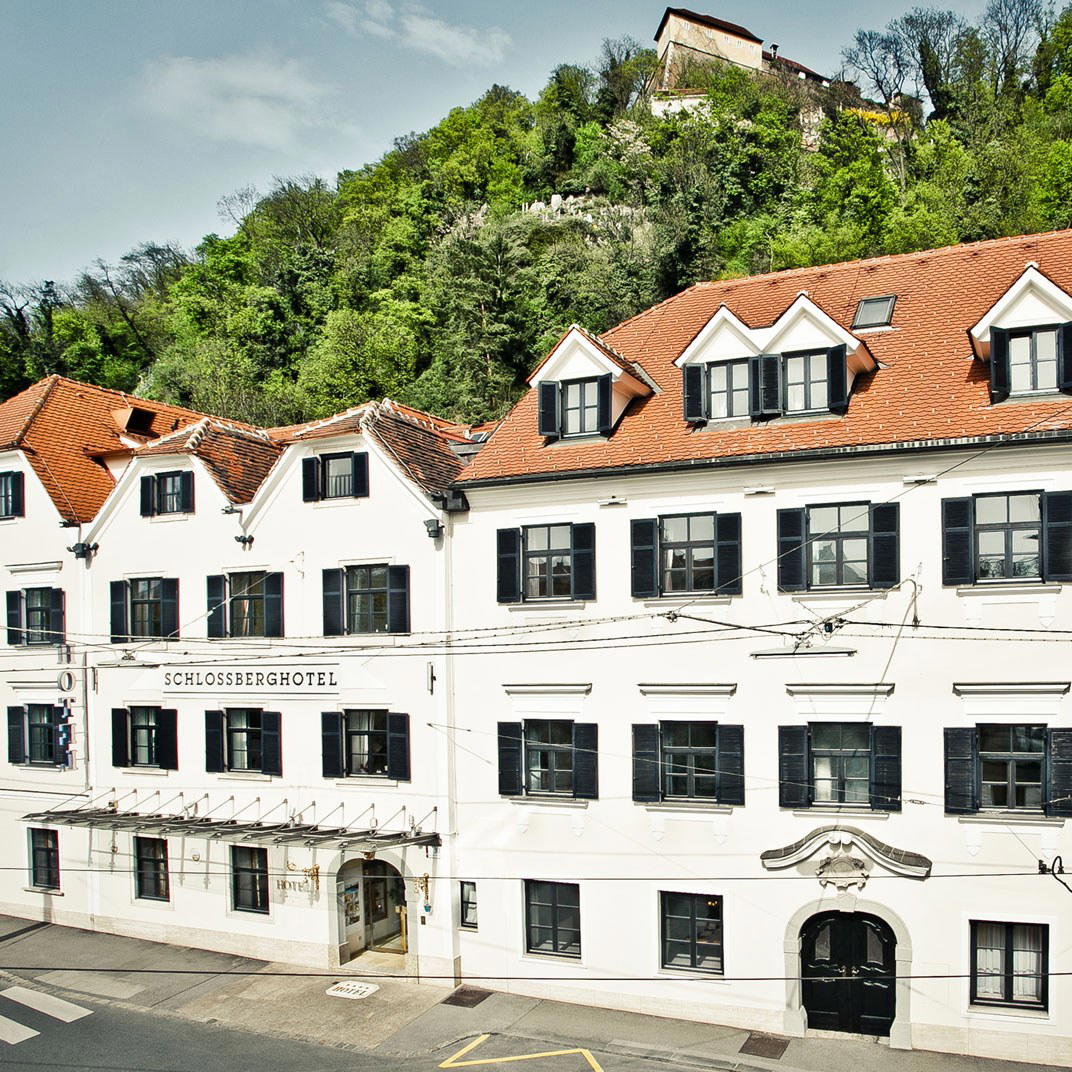
Elegant yet warm atmosphere with far-reaching castle and vineyard views; guests note close attention to detail throughout the property and dining spaces.