Seehaus Riegersburg
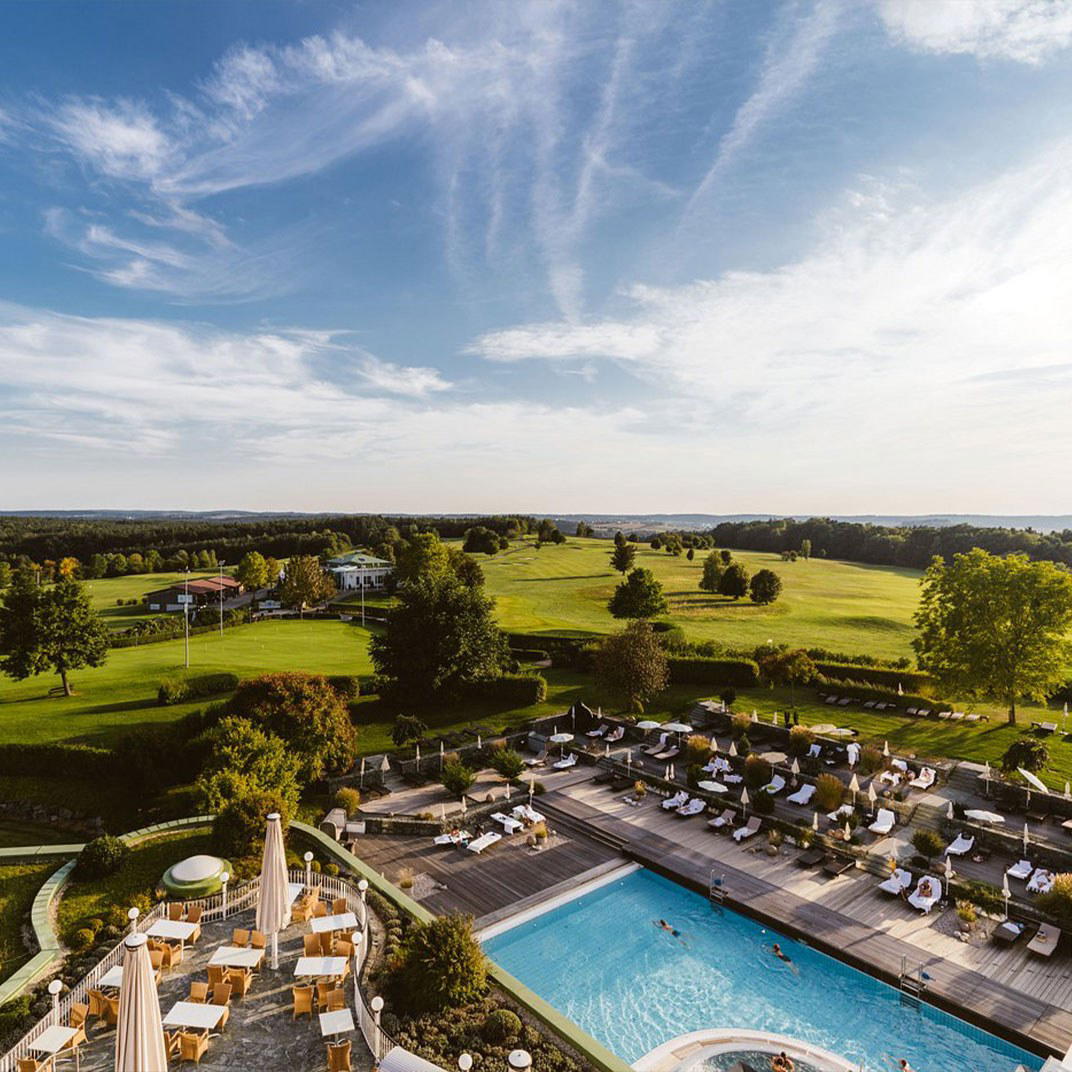
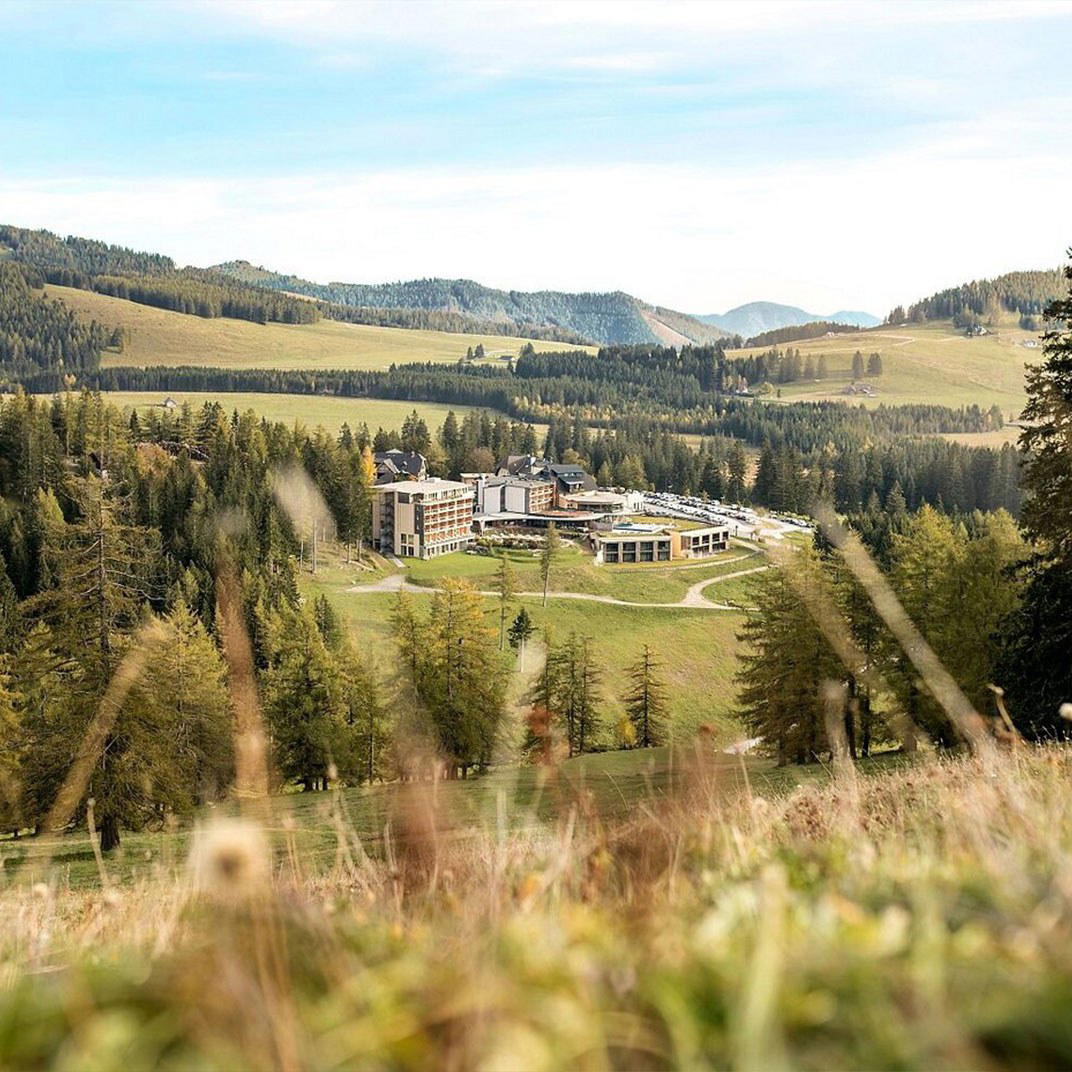
Seehaus Riegersburg sits in the volcanic hill country of Styria, where Austria's southeastern wine belt meets a tradition of lake-side hospitality. The address at Riegersburg 205 places it within reach of the region's castle and thermal spas, making it a natural stop on any serious tour of Styrian food culture. Visitors looking to understand rural Austrian dining at its most grounded will find the setting alone worth the detour.
Pearl is the En Primeur Club membership app — saves, bookings, and concierge access live there. Same editors, same standards.
- Address
- Riegersburg 205, 8333 Riegersburg, Austria
- Phone
- +43315372106
- Website
- seehaus-riegersburg.at
- Directions
- Get directions
 Saves & bookings on Pearl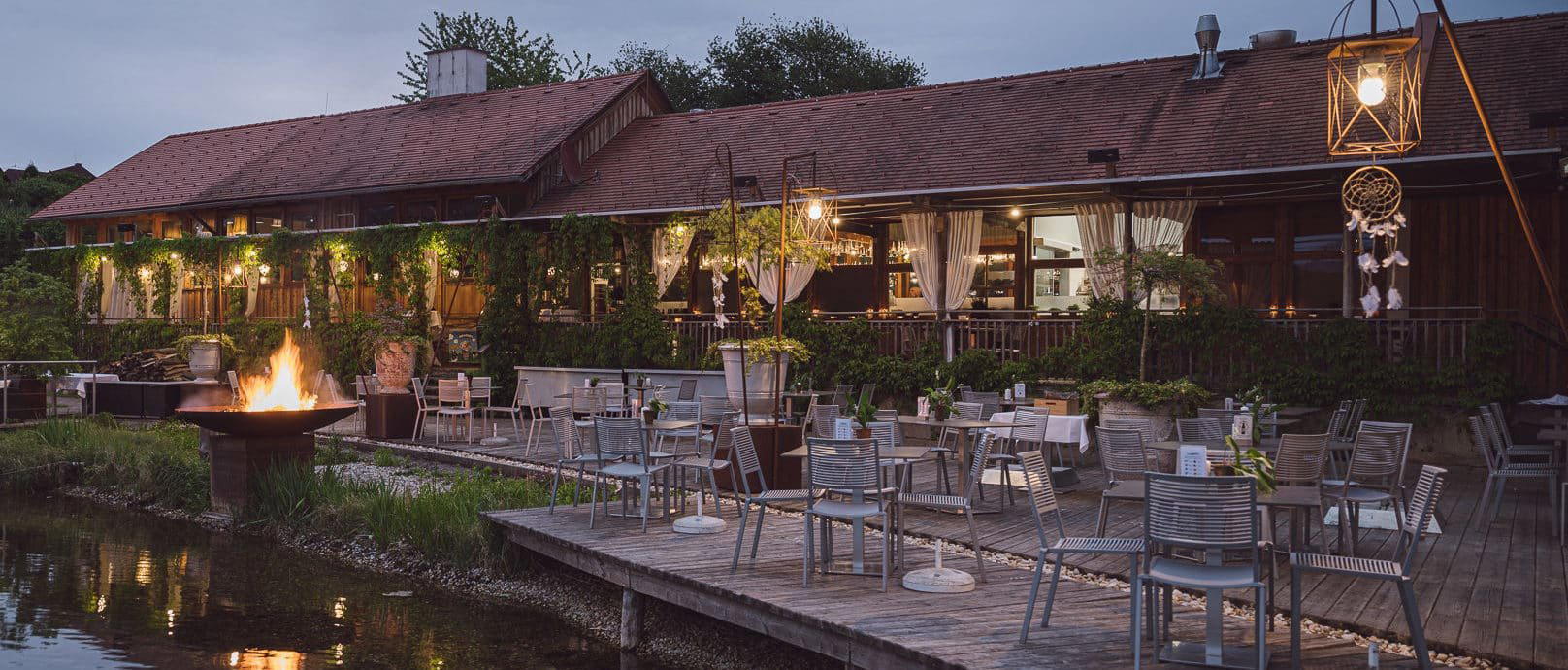
Where Styrian Countryside Shapes the Table
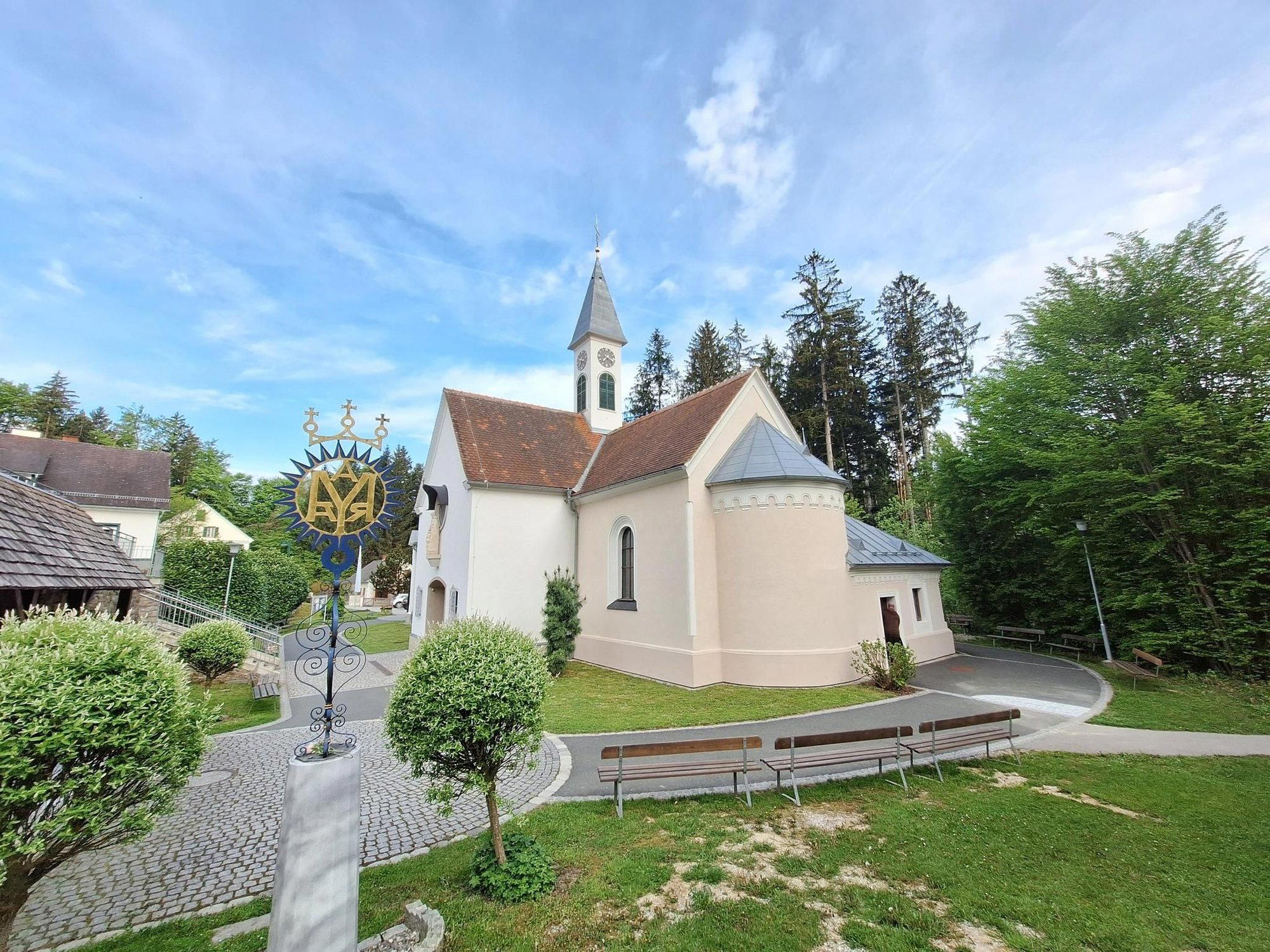
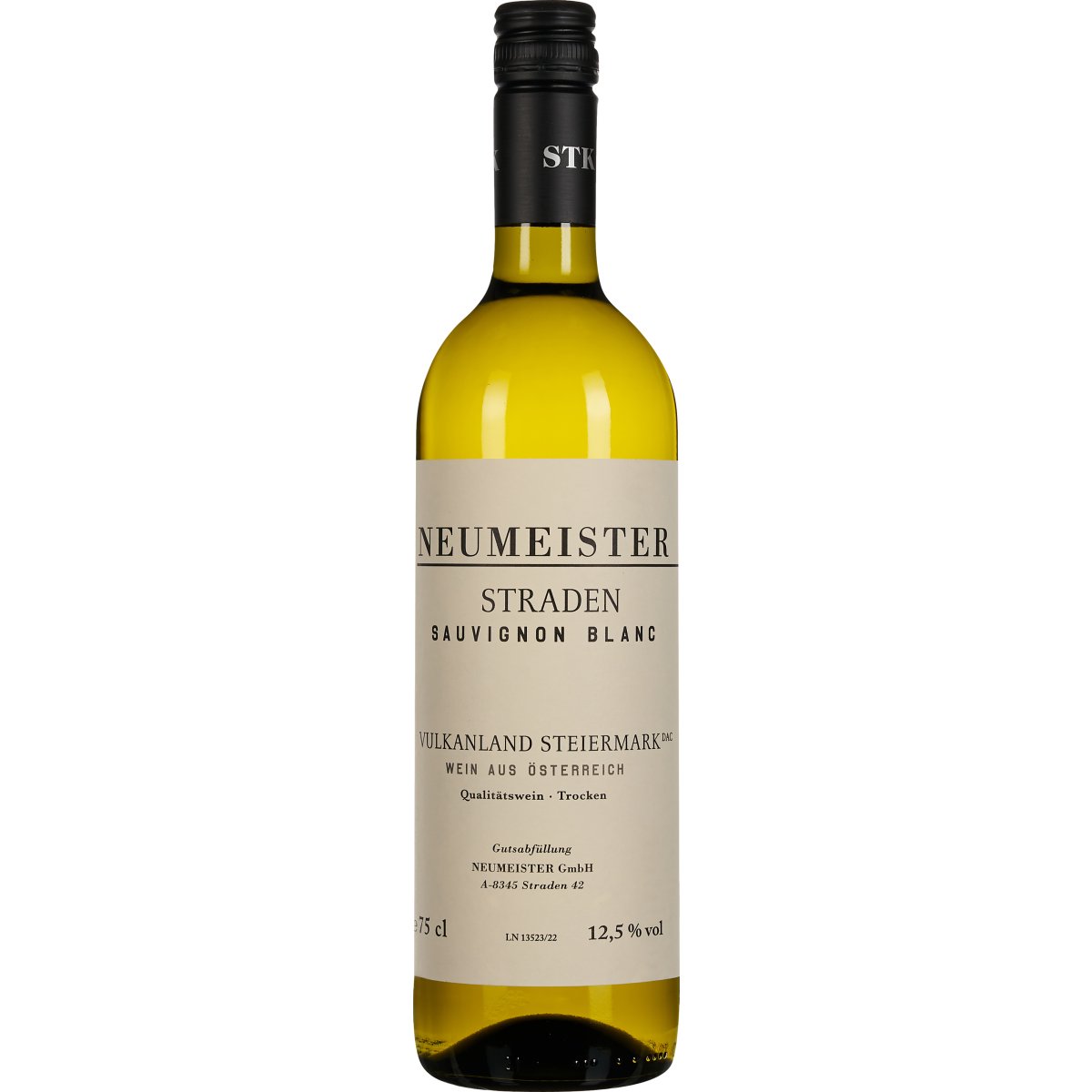
The road into Riegersburg rises through vineyard slopes and past the basalt flanks of one of Austria's most recognisable volcanic crags, the kind of approach that reorients your sense of where you are long before you arrive at the table. Styria's southeastern corner, the Südoststeiermark, operates on a different rhythm from Vienna's restaurant scene or Salzburg's alpine formality. Here, the land is the argument: pumpkin seed oil pressed locally, wine from the Schilcher and Sauvignon Blanc grapes that thrive in this volcanic soil, cured meats and dairy from farms whose names locals cite like credentials. Seehaus Riegersburg, addressed at Riegersburg 205, occupies this context directly, positioned in a region where the relationship between the kitchen and the surrounding agriculture is less a marketing claim and more a structural fact of cooking.
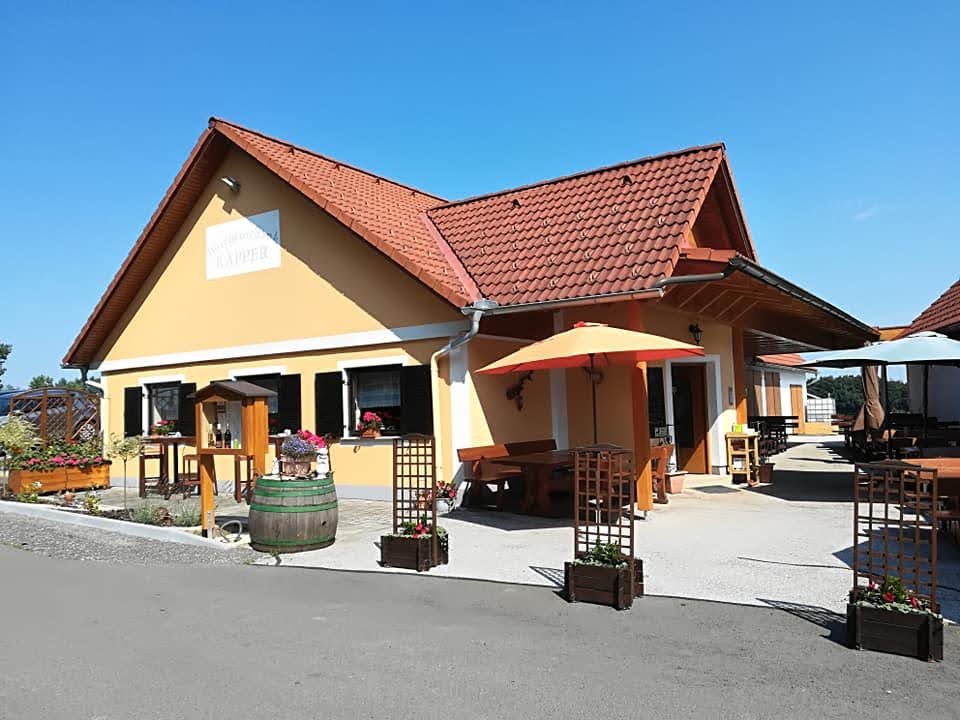
Rural Styrian hospitality has its own logic, distinct from the white-tablecloth formality you find at Steirereck im Stadtpark in Vienna or the technically ambitious menus at Ikarus in Salzburg. The Seehaus format, implied by the name itself, points toward a lakeside or water-adjacent house, a tradition in this part of Austria that combines relaxed outdoor seating with cooking drawn from the immediate landscape. That tradition sits closer to the Gasthaus end of the Austrian dining spectrum than to the destination tasting-menu model, though the two are not mutually exclusive in Styria, where quality and informality have long coexisted.
Riegersburg and the Styrian Culinary Frame
To understand what a place like Seehaus Riegersburg represents, it helps to understand Riegersburg itself. The town is defined by its 11th-century fortress castle, which draws visitors into a region that might otherwise remain off the primary tourist circuit. That relative remove from mass tourism has historically allowed the local food culture to develop on its own terms rather than being reshaped by visitor expectations. The villages around the castle produce Styrian Ölkürbis (oil pumpkin), sheep's cheese from the Schilcherland, and cured Verhackertes alongside some of Austria's most progressive white wines. Restaurants operating in this geography tend to reflect that agricultural specificity in ways that more urban venues cannot replicate.
Across Styria's fine dining tier, names like Taubenkobel in Schützen am Gebirge and Landhaus Bacher in Mautern an der Donau have built reputations by translating regional ingredient logic into precisely executed cooking. Seehaus Riegersburg operates in a different register, positioned closer to the community than to the destination-restaurant circuit, though its address in this particular food-producing zone gives it access to the same raw material quality that feeds the region's more decorated kitchens.
The Austrian Rural Dining Tradition
The broader category the restaurant inhabits, the water-adjacent Austrian country house, carries specific cultural weight. Austrians have long used lakeside and riverside establishments as social anchors: places where a Sunday lunch extends into the afternoon, where the wine list leans local without apology, and where the cooking reflects seasonal availability rather than a fixed menu architecture. This stands apart from the Alpine hut tradition you find at places like Griggeler Stuba in Lech or Stüva in Ischgl, which serve a ski-resort clientele with distinct expectations. In Styria's lowland wine country, the model is more civilian, less theatrical, grounded in the rhythms of a farming region rather than a leisure economy.
That distinction matters when placing the restaurant against the wider Austrian dining map. Venues like Obauer in Werfen, Döllerer in Golling an der Salzach, or Kräuterreich by Vitus Winkler in Sankt Veit im Pongau have each staked out a position on the technical-creative spectrum of contemporary Austrian cooking. The restaurant's proposition, as far as its setting and name suggest, is not to compete in that tier but to anchor a different kind of experience: one that values proximity to the production landscape over formal ambition.
Riegersburg's Dining Scene in Brief
Riegersburg is a small settlement, and its dining options reflect that scale. Within the immediate area, Genusshotel Riegersburg represents the more structured hotel-restaurant format, while Kornberg operates in an estate context. The restaurant, by contrast, suggests a more casual water-side format, giving visitors a choice across formats within a compact geographic radius. For those spending time at the castle or the nearby Riegersburg thermal spa, the proximity of several distinct dining options within minutes of each other is part of what makes this corner of Styria worth planning around. A fuller picture of what the area offers is available in our full Riegersburg restaurants guide.
Planning a Visit
Riegersburg sits in the Südoststeiermark district, roughly equidistant between Graz and the Slovenian border, accessible by car from Graz in under an hour via the A2 and regional roads. The area rewards unhurried itineraries: the castle, the wine route, and the thermal spa infrastructure around Loipersdorf make it viable as a two-day stay rather than a day trip. The restaurant sits at Riegersburg 205, which places it on the approach to the castle and within walking distance of the village centre.
Those venues operate with a level of formal structure and advance booking that a Styrian lakeside house typically does not require, though the Styrian kitchen's ingredient quality and regional specificity hold their own against any regional comparison. For a sense of scale against international reference points, the gap between a village-scale Austrian address and a destination like Le Bernardin in New York City or Atomix in New York City is less about quality of produce and more about format, formality, and investment in the dining theatre itself.
Cost and Credentials
Comparable venues nearby, for context on price, style, and recognition.
| Venue | Cuisine | Price | Notes |
|---|---|---|---|
| Seehaus RiegersburgThis venue — the venue you are viewing | Not listed | $$ | Not listed |
| Genusshotel Riegersburg | Not listed | $$$ | Riegersburg, Südoststeiermark, Regional Austrian Fine Dining |
| Kornberg | Not listed | $$ | Kornberg bei Riegersburg, Regional Styrian Castle Cuisine |
| Krennmayers | Not listed | $$ | city center, Classic Austrian with Mediterranean Touches |
| Sperling im Augarten | Not listed | $$ | Brigittenau, Modern Austrian with Vegetarian Focus |
| Aiola im Schloss | Andritz, Regional Styrian Austrian | $$$ | Not listed |
Continue exploring
More in Riegersburg
Restaurants in Riegersburg
Browse all →
Bars in Riegersburg
Browse all →
Hotels in Riegersburg
Browse all →

At a Glance
- Scenic
- Cozy
- Rustic
- Casual Hangout
- Family
- Waterfront
- Terrace
- Waterfront
- Mountain
Current opening hours
- Monday
- 11 AM–10 PM
- Tuesday
- 11 AM–10 PM
- Wednesday
- 11 AM–10 PM
- Thursday
- 11 AM–10 PM
- Friday
- 11 AM–11 PM
- Saturday
- 10 AM–11 PM
- Sunday
- 10 AM–9 PM
Hours can change for holidays and private events. Last verified .
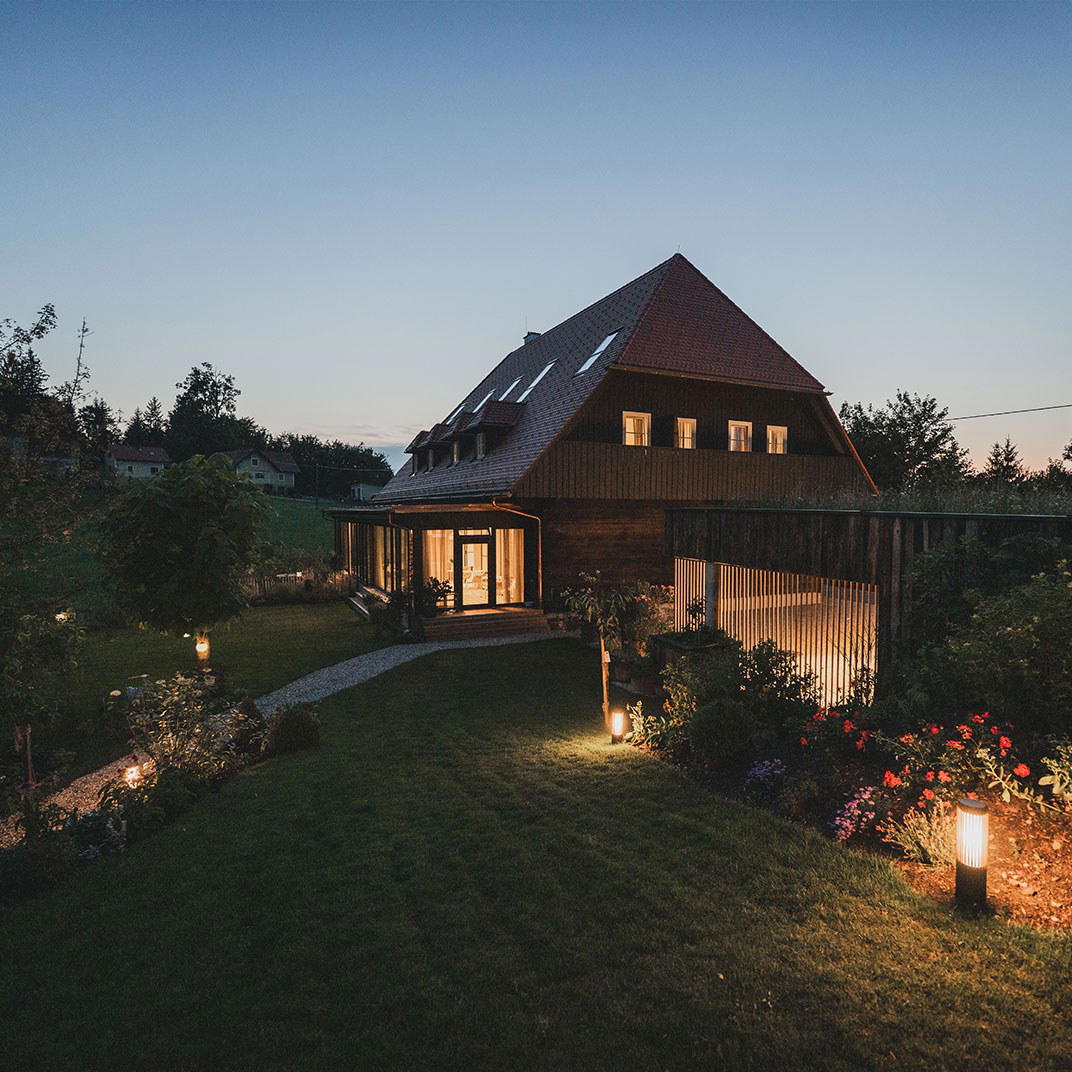
Relaxed and comfortable atmosphere, especially comfortable in summer with waterside seating.