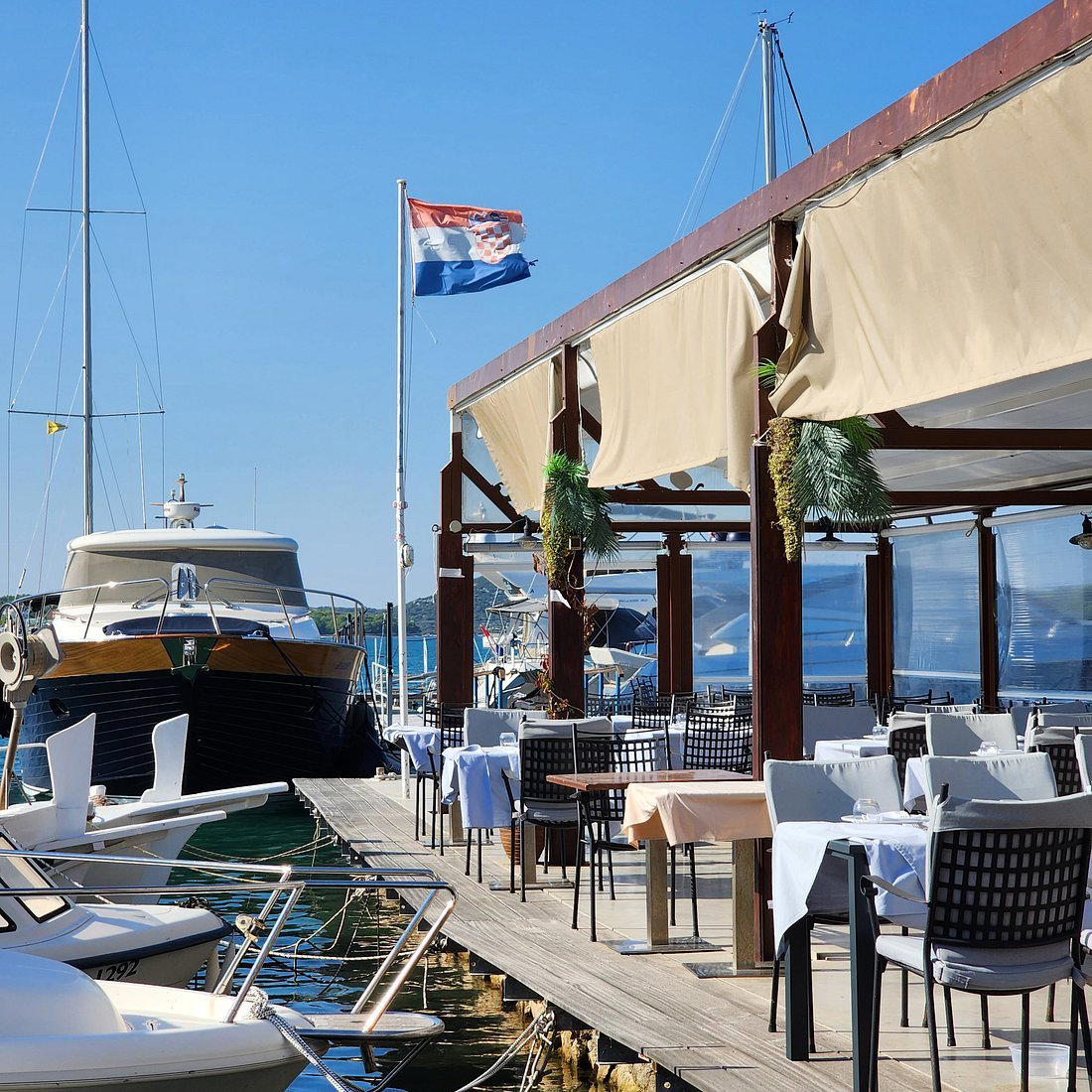
Konoba Soleta sits on the island of Kornat, deep inside Croatia's Kornati archipelago, where the sea dictates everything on the plate. The kitchen draws from waters that surround one of the Adriatic's most sparsely inhabited island groups, making the sourcing as elemental as the setting. Reaching it requires a boat, which ensures the clientele arrives with intent.
Pearl is the En Primeur Club membership app — saves, bookings, and concierge access live there. Same editors, same standards.
- Address
- Otok Kornat 24, 22243, Kornati, Croatia
- Phone
- +385951978102
- Directions
- Get directions
 Saves & bookings on Pearl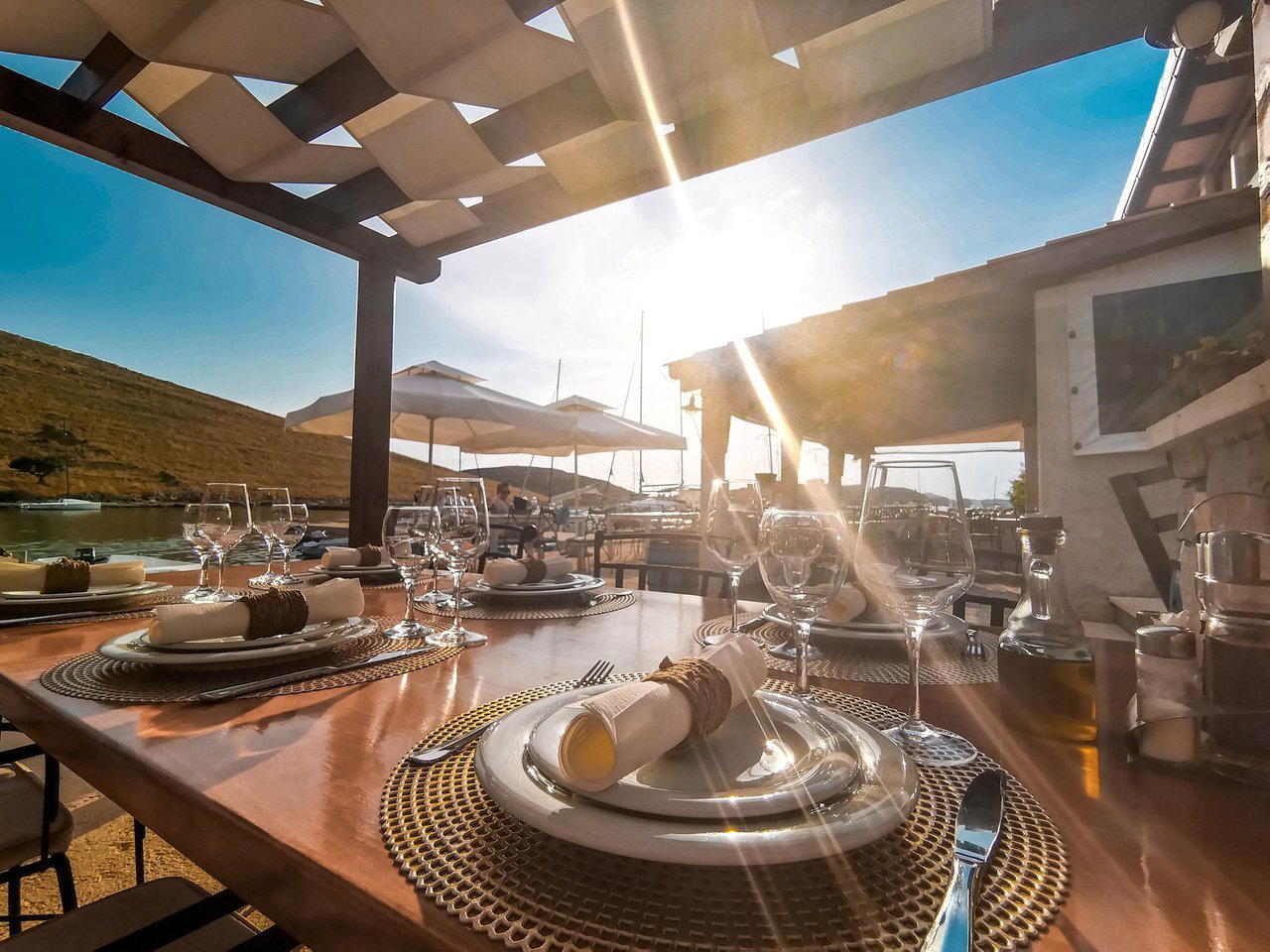
The Adriatic at Its Most Unmediated
There is a version of Croatian coastal dining that has been polished for resort tourism: tablecloths pressed, menus translated into five languages, fish priced by the kilo with theatrical ceremony. And then there is what the Kornati islands offer. The archipelago, a national park covering roughly 300 square kilometres of limestone rock and open sea northwest of Šibenik, has no permanent roads connecting its islands to the mainland. Konoba Soleta, on the island of Kornat itself, operates inside that physical reality rather than in spite of it.
Arriving by boat, the landscape is scrubbed and pale, the vegetation low and dry, the water shifting between green and deep blue depending on depth and cloud cover. The konoba sits in that context, which in the Dalmatian tradition means a family-run tavern where the food is inseparable from the place that produced it. A konoba is a family-run tavern where the food is inseparable from place.
Where the Ingredients Come From and Why That Matters
Kornati is notable as a sourcing territory for one specific reason: the sea around it is extraordinarily clean. The archipelago's protected national park status restricts industrial activity, and the low population density means there is no agricultural or urban runoff pressuring the water quality. Fish caught in these waters, octopus pulled from rocky crevices along the island edges, shellfish from the surrounding channels, these are ingredients shaped by an environment that most Adriatic kitchens can only reference from a distance.
In the wider Dalmatian dining conversation, sourcing proximity is a point of distinction that even ambitious urban restaurants struggle to match. Pelegrini in Šibenik and Restaurant 360 in Dubrovnik both operate at the upper tier of Croatian fine dining, with modernist technique and strong wine programs as their primary credentials. What they cannot replicate is the literal distance between the boat that pulled the fish from the water and the grill it lands on. At a konoba in the Kornati, that distance can be measured in hours rather than days.
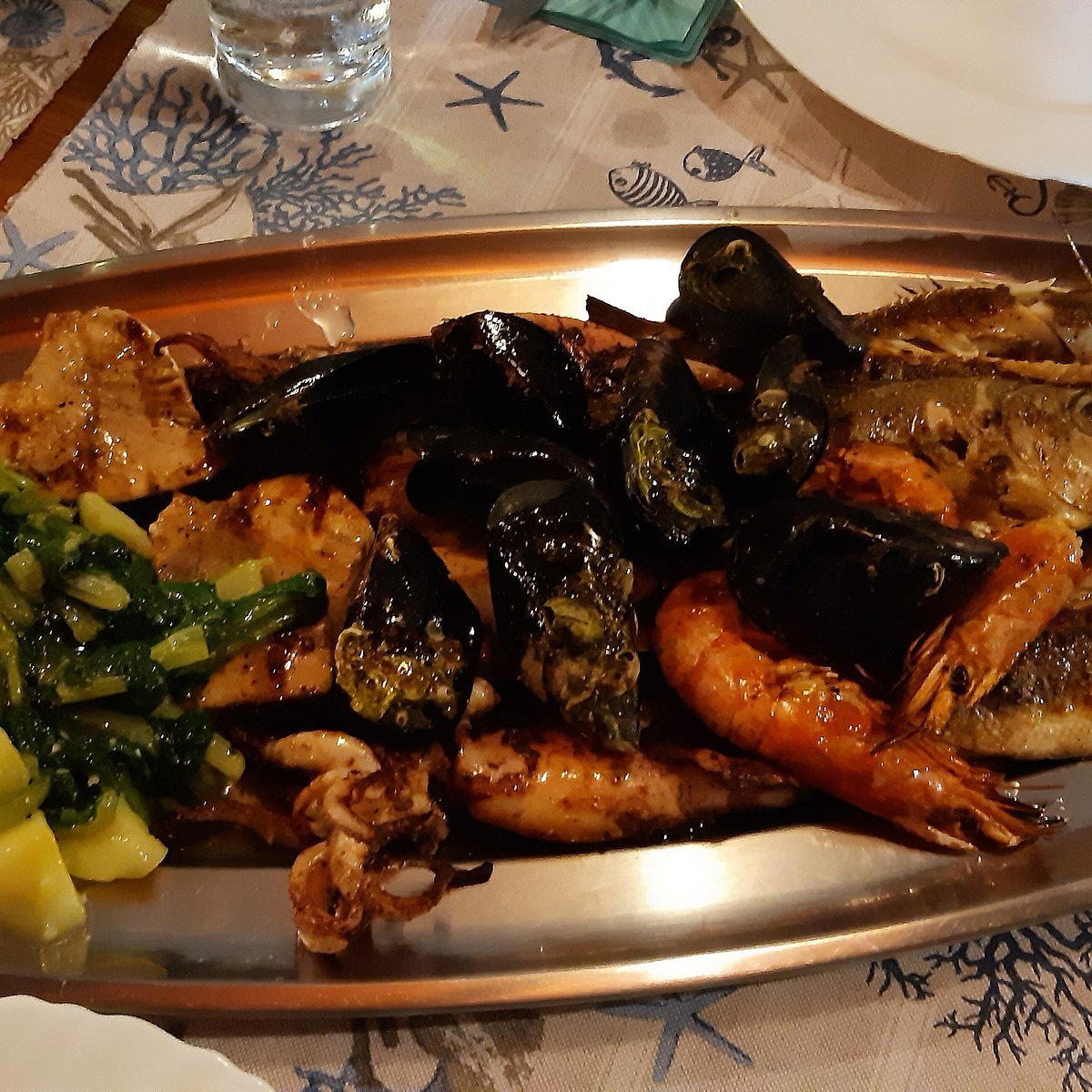
The kitchen tradition at places like Konoba Soleta leans toward grilled fish with olive oil, octopus salad or slow-braised ispod peke (cooked under the traditional bell-shaped lid buried in embers), bread baked in-house or sourced locally. These are not simplified dishes; they are techniques refined across generations to amplify rather than obscure what the Adriatic provides. The peka method in particular is worth understanding. Cooking beneath the bell requires precise heat management and long timing, and the results, when done well, produce a texture and depth that quick-fire preparations cannot.
Kornati's Position in the Dalmatian Dining Register
Croatia's coastal dining scene has developed two relatively distinct registers over the past decade. One has moved toward modernist Mediterranean expression, with chefs trained in Italian or broader European kitchens bringing technique-led menus to urban settings. Agli Amici Rovinj in Rovinj and Alfred Keller in Mali Lošinj sit in that current; Nebo by Deni Srdoč in Rijeka and Boskinac in Novalja demonstrate how the Kvarner and northern Dalmatian regions are also building that credential base.
The other register is rooted, seasonal, and tied to specific island or coastal micro-territories. Konoba Soleta belongs to this second group, and the comparison set is not urban fine dining but other archipelago and island kitchens along the Dalmatian coast. Bodulo in Pag and Krug in Split are useful reference points: both operate in the mid-to-upper tier of Croatian dining without chasing modernist credentials, prioritising product quality and regional identity instead. The Kornati context positions Soleta further toward the elemental end of that spectrum, given the island setting and its access restrictions.
For those comparing it with Žakan, the other dining option in the Kornati archipelago, the distinction lies primarily in setting and approach to ambience. Both draw from the same waters and the same island cooking tradition. Soleta's address on Kornat itself means it sits inside the national park's most remote territory.
Planning a Visit: Logistics That Shape the Experience
Getting to the restaurant requires arriving by sea, either on a private or chartered boat or through one of the excursion transfers operating from Šibenik, Murter, or Biograd na Moru. Visiting outside that window narrows options considerably, and confirming availability in advance is essential; the island's remoteness means turning up without a booking is a genuine risk rather than a minor inconvenience.
For those building a broader Croatian itinerary, LD Restaurant in Korčula, Dubravkin Put in Zagreb, and Korak in Jastrebarsko represent the range of what the country's dining scene offers beyond the Dalmatian coast. BioMania Bistro Bol in Bol, Burin in Crikvenica, and Cantilly Garden Restaurant in Samobor fill out the mid-tier register across different regions.
The logistics of getting there and back make it a half-day or full-day commitment, which suits the pace of the food itself. Peka dishes require advance ordering, typically several hours ahead, so communicating your plans early is not optional. Expect to spend about $50 per person.
Side-by-Side Snapshot
Comparable venues nearby, for context on price, style, and recognition.
| Venue | Cuisine | Price | Notes |
|---|---|---|---|
| Konoba SoletaThis venue — the venue you are viewing | Traditional Croatian Seafood | $$$ | Not listed |
| Žakan | Modern Dalmatian Seafood | $$$$ | Ravni Žakan |
| Konoba Cigale | Traditional Adriatic Seafood | $$$ | Čikat Cove, Mali Lošinj |
| Leonis | Fresh Seafood in Diocletian's Palace | $$$ | Diocletian's Palace |
| Starac i More | Fresh Seafood & Mediterranean | $$$ | Novalja |
| Zlatna ribica | Mediterranean Seafood | $$$ | Brodarica |
Continue exploring
More in Kornati
Restaurants in Kornati
Browse all →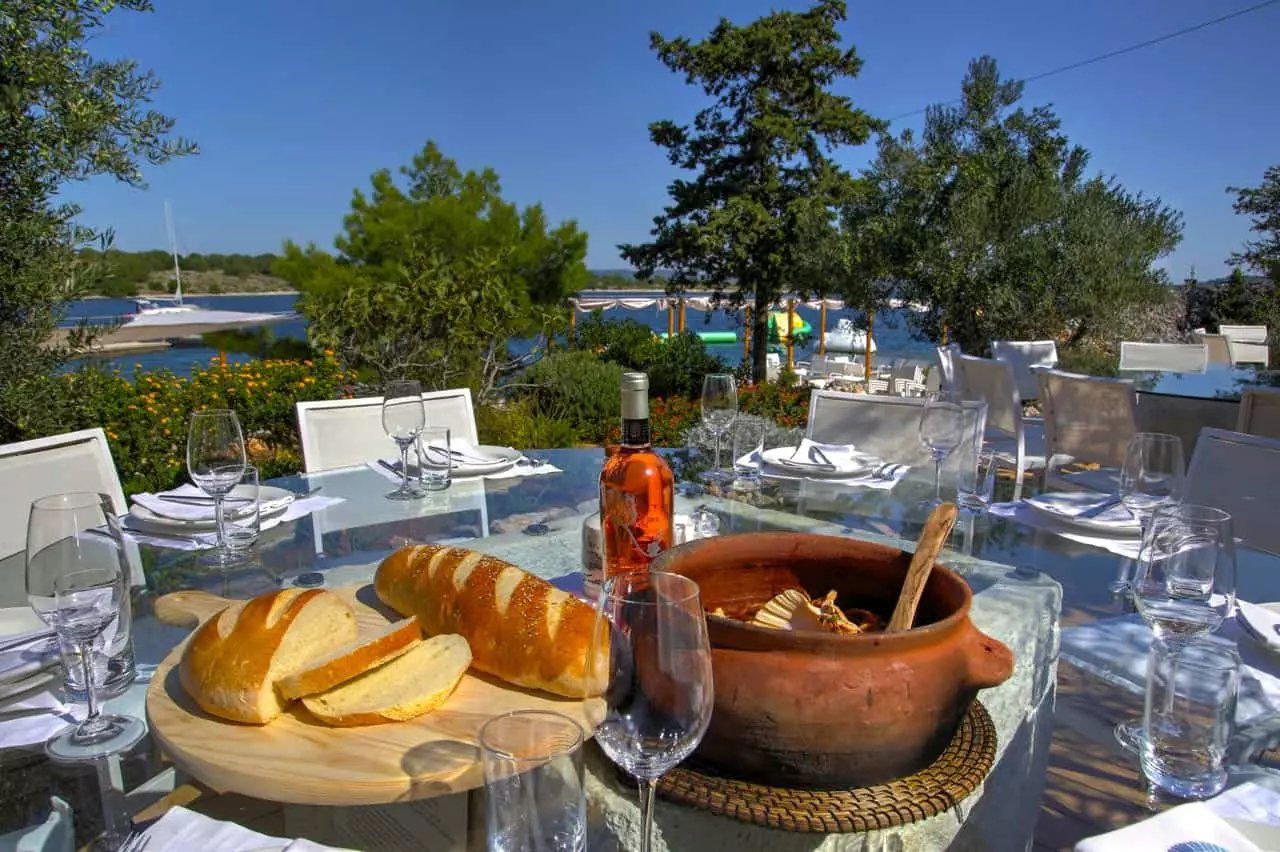
Bars in Kornati
Browse all →
Hotels in Kornati
Browse all →
Wineries in Kornati
Browse all →
At a Glance
- Scenic
- Romantic
- Rustic
- Quiet
- Date Night
- Special Occasion
- Casual Hangout
- Waterfront
- Terrace
- Standalone
- Local Sourcing
- Waterfront
Quiet, rustic and romantic, with a family-run stone-house feel, warm hospitality, outdoor dining and enchanting sea views.