Our verdict
On the island of Murter, where Dalmatian fishing tradition and Adriatic sourcing remain the dominant logic behind what appears on the plate, Fabro occupies a quiet address on Žabićeva 7. The restaurant sits within a coastal dining scene where proximity to the sea is less a selling point than a baseline expectation, and where the most serious kitchens are judged by how honestly they interpret that proximity.

Pearl is the En Primeur Club membership app, where members save venues, book tables and use the concierge.
The menu
What to order
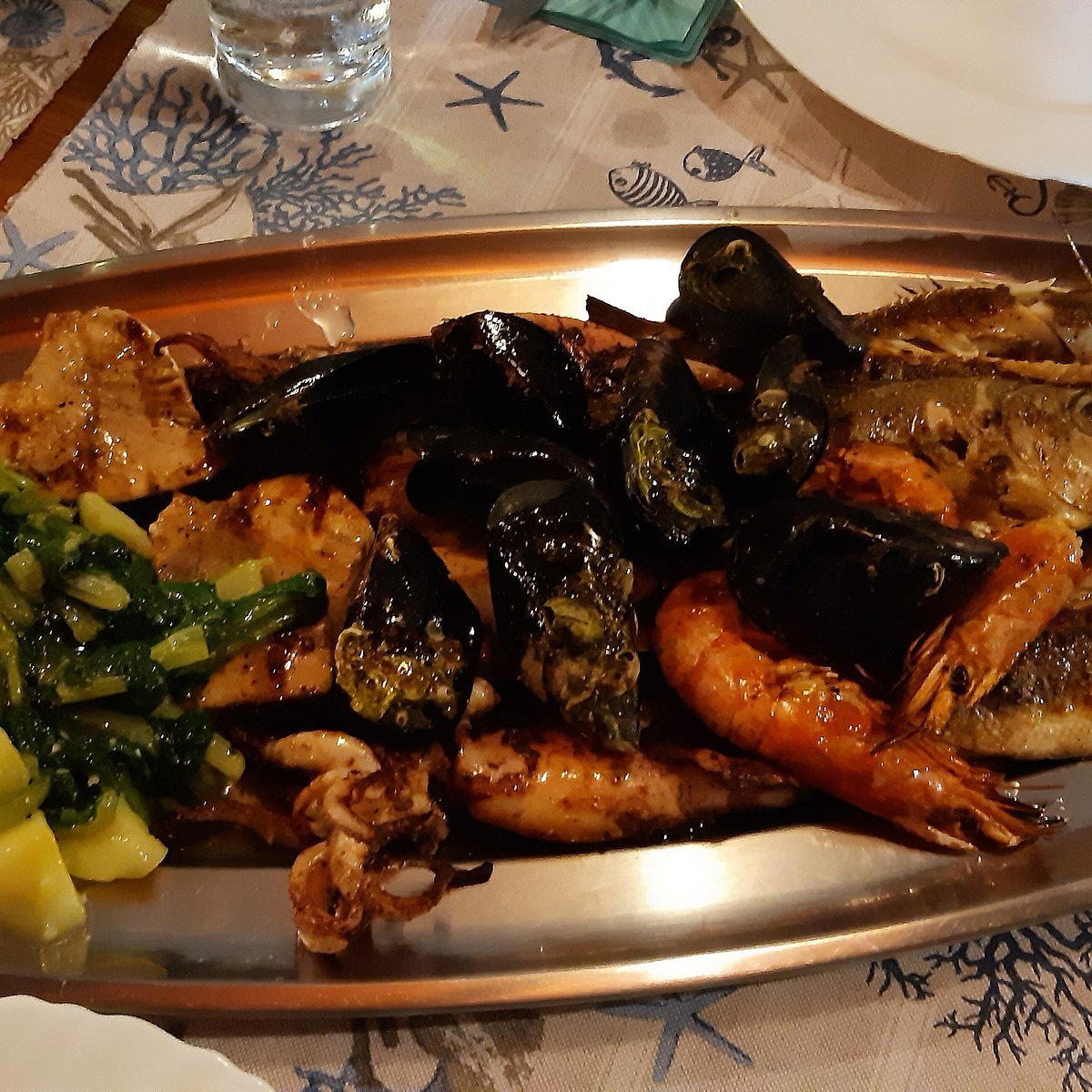
- Raw starter platter
- Lobster
- Shrimps with tagliatelle
Where the Adriatic Sets the Menu
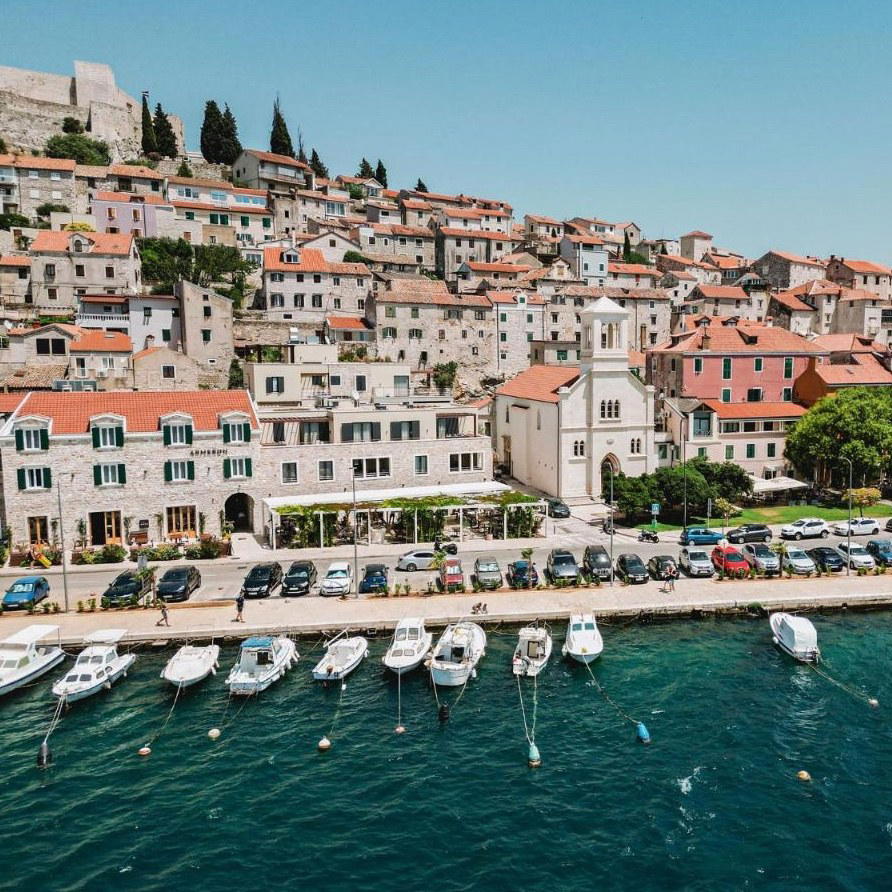
Murter is a small island connected to the Dalmatian mainland by a short bridge, and its relationship with the sea is functional before it is romantic. The fishing boats that work the Šibenik archipelago and the waters around Kornati National Park supply local restaurants with catch that moves from net to kitchen within hours, not days. In that context, the question a serious restaurant on Murter has to answer is not whether it can source good seafood, but what it chooses to do with access that most kitchens on the continent cannot replicate. Fabro, at Žabićeva 7, sits inside that question.
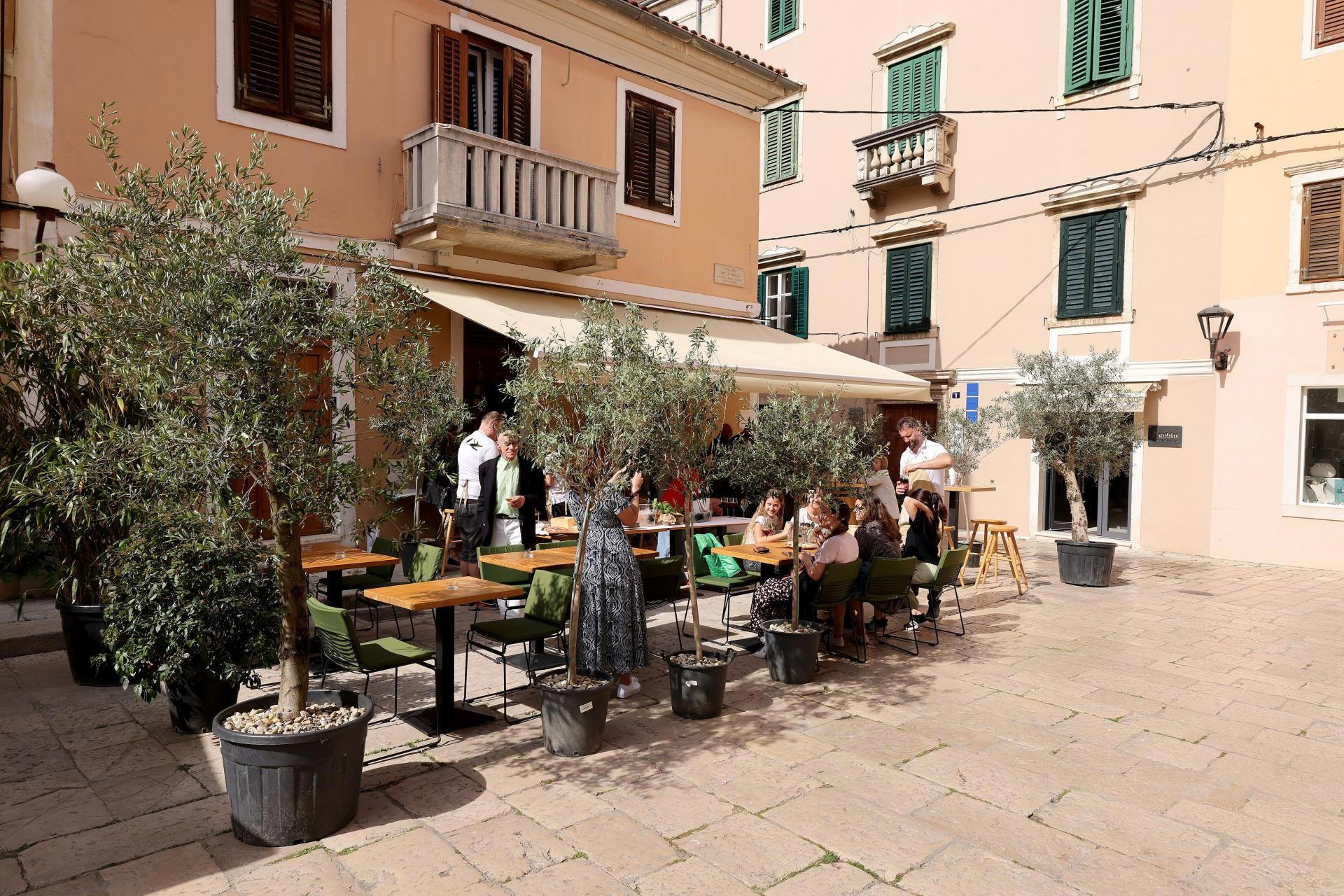
The address places it within the compact centre of Murter town, where the streets narrow and the pace drops considerably from the busier resort activity along the island's coast. Arriving on foot from the waterfront, the scale of the surroundings signals immediately that this is not a high-volume operation designed to cycle through tourist groups. The architecture and street character of this part of Murter are low-key by design, and restaurants that occupy it tend to work within that register rather than against it.
The Logic of Island Sourcing
Across Dalmatia's island dining scene, the gap between restaurants that talk about local sourcing and those that are structurally built around it is wider than menus usually admit. The former use proximity as marketing language. The latter let the catch, the season, and the availability of specific species determine what actually gets cooked that day. Murter's position as a working fishing community, rather than a purely tourist destination, gives its leading kitchens access to the second model.
The waters of the Šibenik archipelago yield sea bass, bream, mullet, and cephalopods in quantities and quality that have historically made this stretch of the Adriatic one of the more productive along the Croatian coast. Kornati, the national park whose islands are visible from Murter's shores, operates under strict environmental protections that have helped maintain fish stocks in the surrounding waters. What this means practically is that a kitchen sourcing from local day-boats in season is working with material that competes on quality with what reaches the high-end Croatian tables in Šibenik or Split, at significantly shorter supply chain distances. Pelegrini in Sibenik, for instance, has built its reputation partly on Dalmatian seafood sourcing from similar waters, operating at the €€€€ tier with Michelin recognition. The sourcing logic at that level and the sourcing logic available to a well-run island restaurant in Murter are not as far apart as the price differential might suggest.
Murter in the Croatian Coastal Dining Conversation
Croatia's restaurant scene has developed unevenly across its coastline. The cities with the most recognised tables, Dubrovnik, Split, Rijeka, and Rovinj, have benefited from international visitor concentration and the critical attention that follows. Restaurant 360 in Dubrovnik, Krug in Split, Nebo by Deni Srdoč in Rijeka, and Agli Amici Rovinj in Rovinj operate in competitive urban environments with corresponding infrastructure and price points. The island and smaller-town tier, which includes venues like Alfred Keller in Mali Lošinj, LD Restaurant in Korčula, and Boskinac in Novalja, works differently. Access is harder, seasons are shorter, and the audience tends to be smaller but more deliberate in its choices.
Murter fits within this second tier. Visitors who reach it have generally made a specific decision to be there, rather than passing through on a standard coastal itinerary. That self-selection shapes what a restaurant like Fabro can reasonably offer and who it will be offering it to. The island also sits within easy reach of San Rocco in Brtonigla for those building wider Istrian and Dalmatian itineraries, and Humska Konoba in Hum for those interested in interior Croatian cooking traditions as a counterpoint to the coastal repertoire. For a broader picture of where Fabro sits within the island's full dining options, the full Murter restaurants guide maps the local scene in detail.
Dalmatian Cooking on Its Own Terms
The culinary tradition Fabro operates within is one of the more coherent on the Croatian coast. Dalmatian cooking at its core is about restraint: olive oil over butter, grilling over saucing, the flavour of the ingredient over the flavour of technique. Peka, the slow-cooking method under a bell-shaped lid covered with embers, remains a benchmark preparation for lamb and octopus across the region, and in a proper execution the dish requires hours of lead time and good primary material. Fish prepared na žaru, grilled simply over wood or charcoal, is the format by which local diners most reliably judge a kitchen's sourcing confidence. These are not complicated preparations, which means they have nowhere to hide.
That tradition connects Murter to comparable island restaurants across the Dalmatian archipelago and places it in a different conversation from the more technique-forward Croatian tables. Korak in Jastrebarsko and Dubravkin Put in Zagreb represent the continental Croatian register, where seasonal land produce and Central European influences shape menus in ways that have little overlap with what a kitchen in Murter would logically cook. Even within the coastal category, EatIstria in Pluj and Restaurant Filippi in Curzola reflect different regional traditions. Dalmatian island cooking has its own internal consistency, and Fabro's location makes that tradition its natural reference point.
Visitors comparing Croatian coastal dining to other Adriatic seafood traditions, particularly northern Italian seafood in the vein of Le Bernardin in New York City or the sourcing-intensive American format represented by Lazy Bear in San Francisco, will find that the leading Dalmatian island kitchens prioritise material quality and traditional technique over presentation or narrative. The comparison is instructive rather than hierarchical: different values, different outcomes.
Planning a Visit
Murter is accessible by car from Šibenik in under 30 minutes, crossing the bridge at Tisno. The island's restaurant season runs primarily from late spring through early autumn, with July and August representing peak capacity across the local dining scene. Visitors planning to eat at the better-regarded tables during high season, including those who have prioritised Fabro specifically, are advised to book ahead rather than arrive without a reservation. The island's compact scale means that popular restaurants fill quickly once summer traffic builds. Konoba Boba, Murter's other well-regarded option for modern Dalmatian cooking, operates on similar seasonal logic and is worth considering as part of a longer stay on the island.
Frequently asked questions
Would Fabro be comfortable with kids?
Murter is a family-oriented island destination by nature, and Fabro's address on Žabićeva 7 puts it in a quieter residential stretch of town rather than a high-traffic tourist corridor. That setting tends to translate into a relaxed pace that suits families without much friction. Children are a normal part of the dining culture on this part of the Dalmatian coast.
What is the atmosphere like at Fabro?
Fabro sits on Žabićeva 7 in Murter, away from the concentrated tourist activity you find in larger Dalmatian cities like Dubrovnik or Split. The island's dining scene operates at a slower register, and that tempo carries through to the experience here. Expect something closer to a neighbourhood local than a destination restaurant built for foot traffic.
Is Fabro worth visiting as a day trip from Šibenik?
Murter is reachable from Šibenik in under 30 minutes by car, crossing the bridge at Tisno, which makes Fabro a practical lunch or dinner stop without requiring an overnight stay. The island sits within a cluster of serious dining options in the Šibenik region, so combining the two makes sense for anyone building a broader Croatian coastal itinerary. The season runs primarily from late spring through early autumn, so timing matters.
What's the must-try dish at Fabro?
On an island like Murter, where the fishing relationship is functional rather than decorative, that tradition tends to be the most honest thing on any local table.
Comparable Venues
Comparable venues nearby, for context on price, style, and recognition.
| Venue | Cuisine | Price | Awards | Notes |
|---|---|---|---|---|
| FabroThis venue (the venue you are viewing) | Dalmatian Seafood | Not listed | Not listed | Not listed |
| Konoba Boba | Contemporary Adriatic Seafood | $50–100 | Michelin Plate · Falstaff Restaurant - 92 Falstaff Points | Murter |
| Konoba Ronilac | Croatian Coastal Seafood | $10–20 | Not listed | Krapanj |
| Hotel Villa Barbat | Seafood & Mediterranean | Not listed | Not listed | Barbat na Rabu |
| Kod Barba Luke | Mediterranean Seafood | $30–50 | Not listed | Stari Grad |
| Barbat | Seafood and Mediterranean | Not listed | Not listed | Barbat na Rabu |
Continue exploring
More in Murter
Restaurants in Murter
All restaurants in Murter →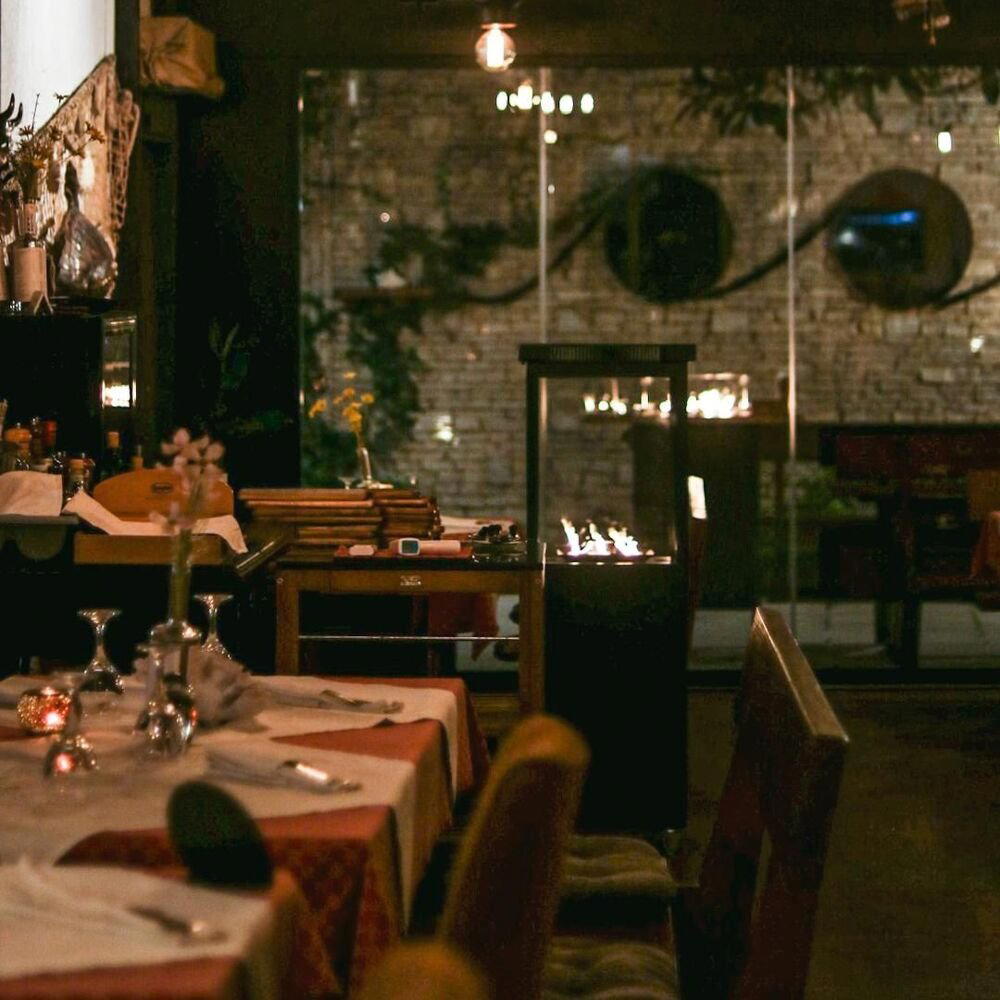

Details
- Scenic
- Cozy
- Date Night
- Special Occasion
- Celebration
- Waterfront
- Terrace
- Extensive Wine List
- Waterfront
- A La Carte
- Small Plates
- Vegetarian Friendly
- Gluten Free Options
Current opening hours
- Monday
- 1–11 PM
- Tuesday
- 1–11 PM
- Wednesday
- 1–11 PM
- Thursday
- 1–11 PM
- Friday
- 1–11 PM
- Saturday
- 1–11 PM
- Sunday
- 1–11 PM
Hours can change for holidays and private events. Hours as of .
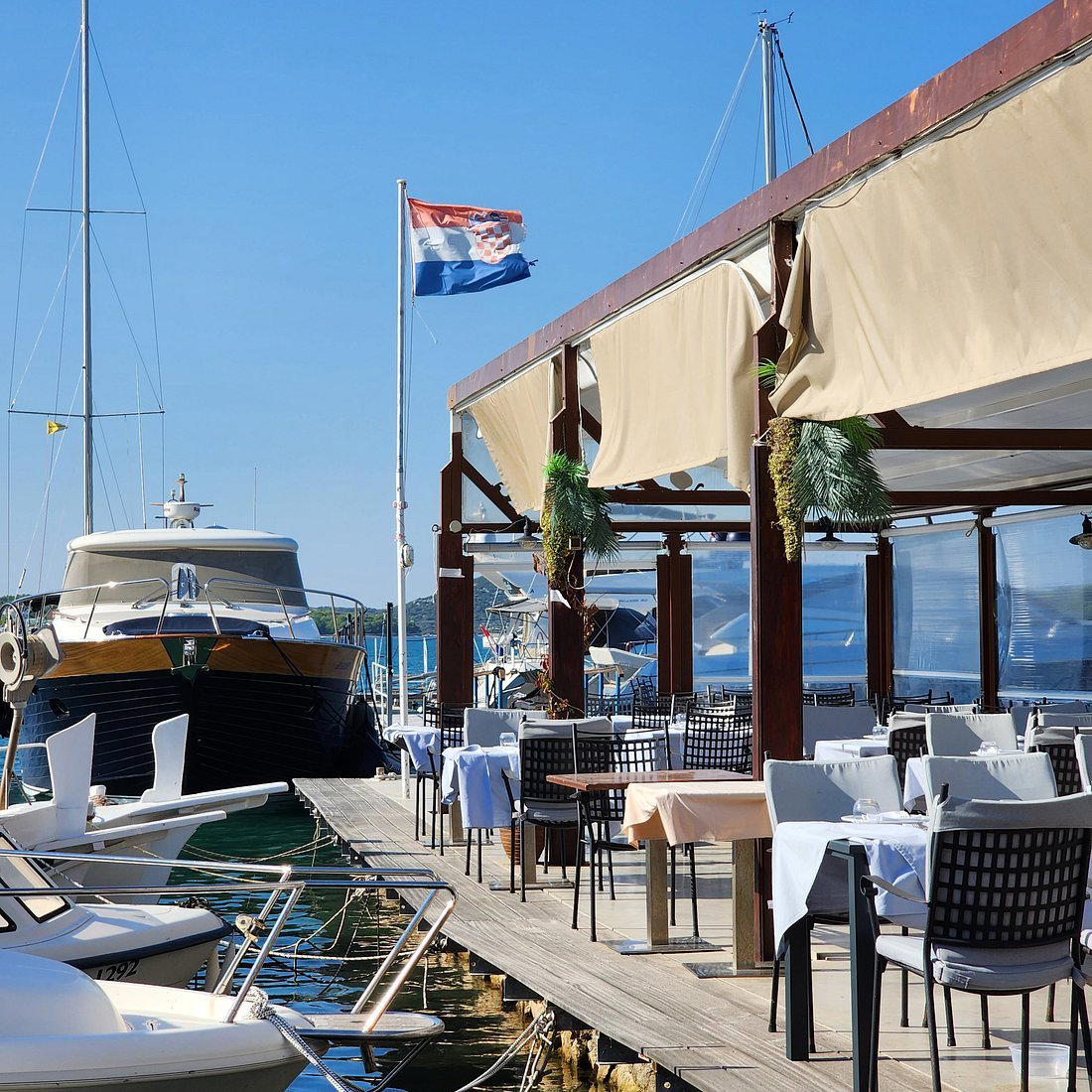
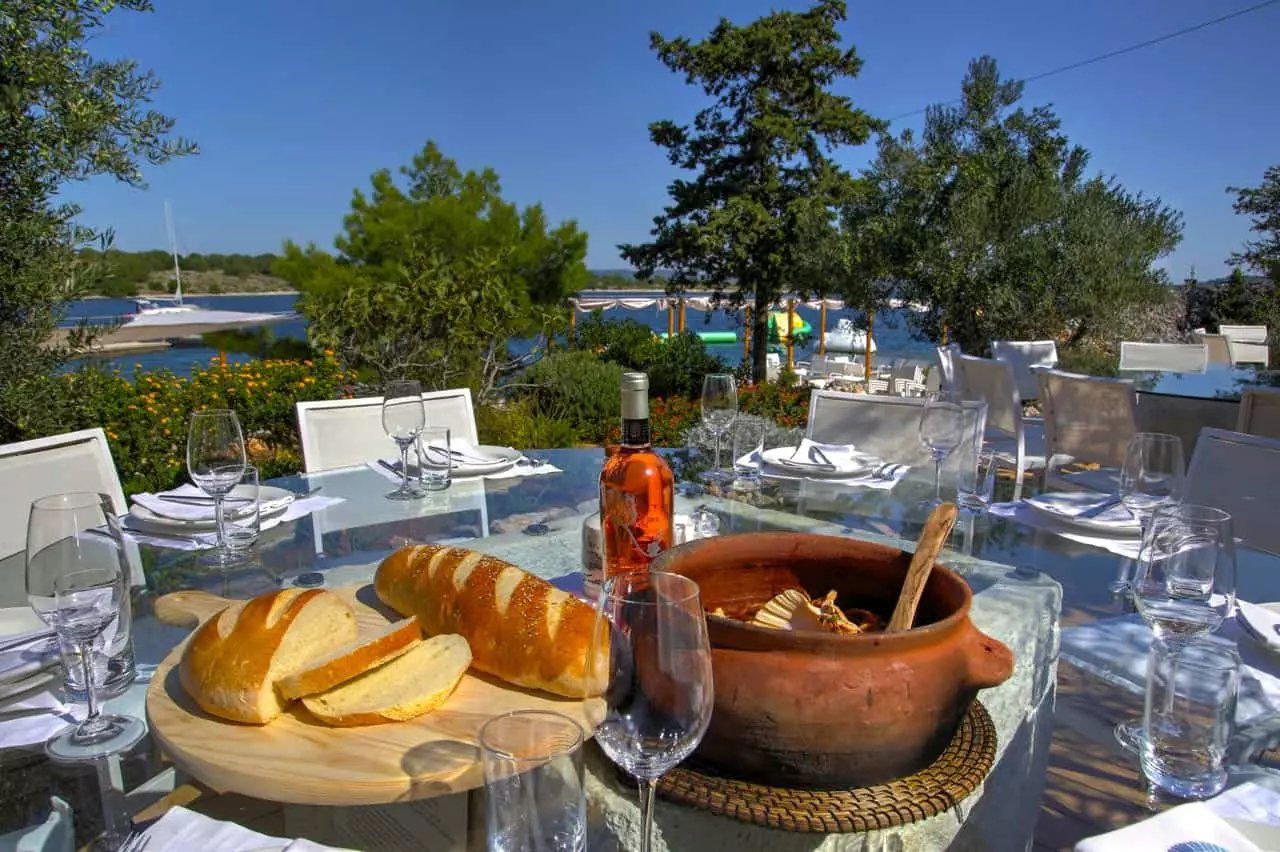
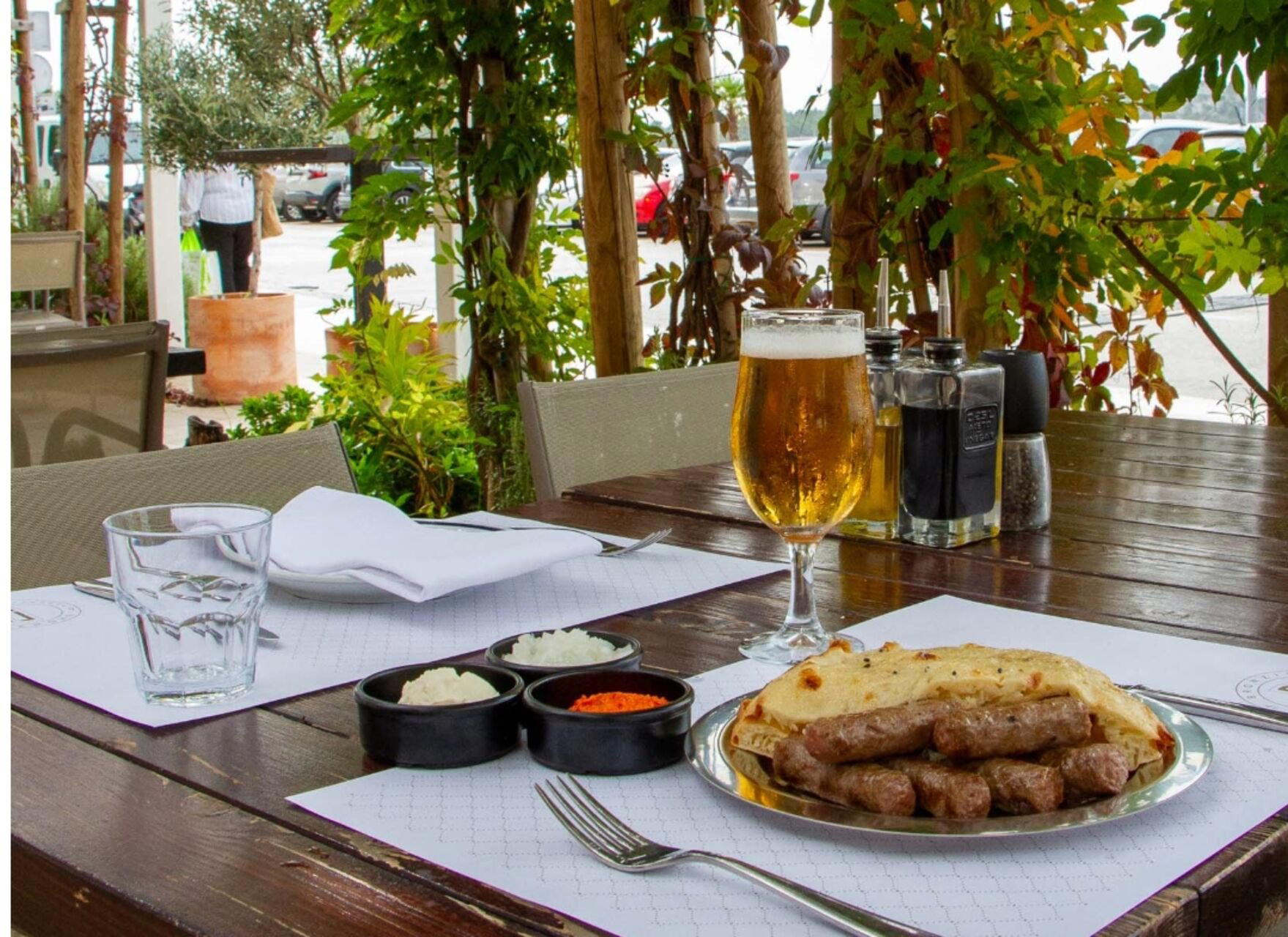
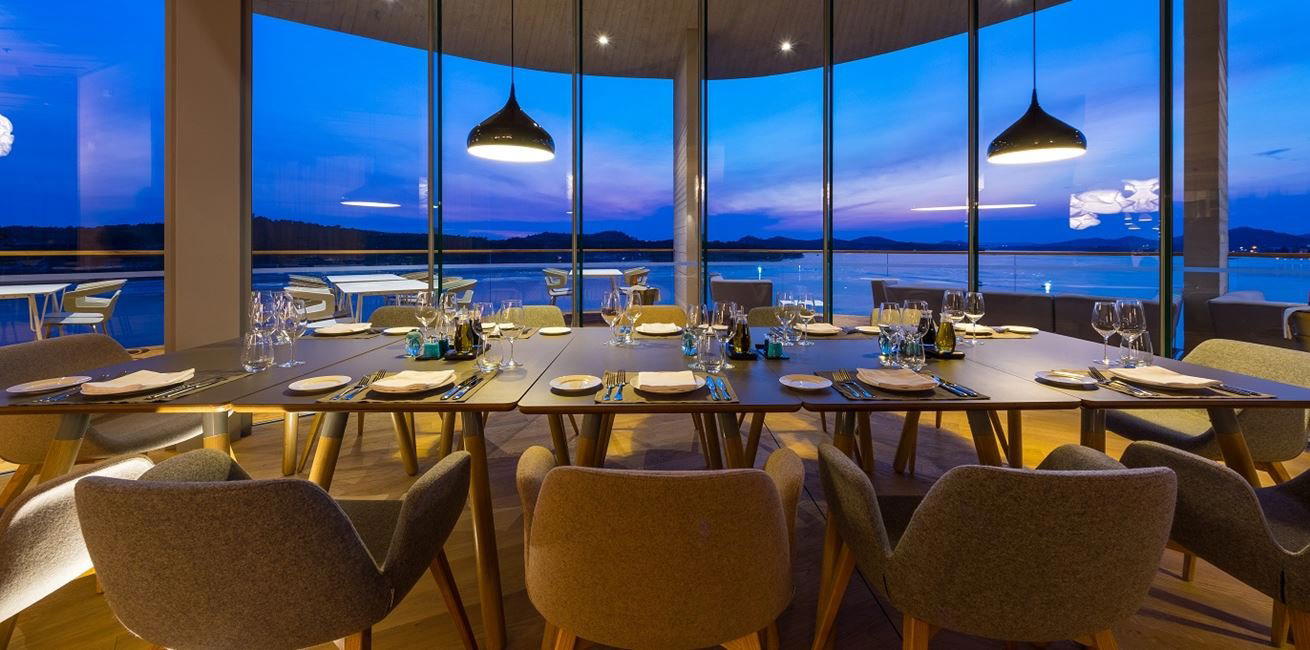
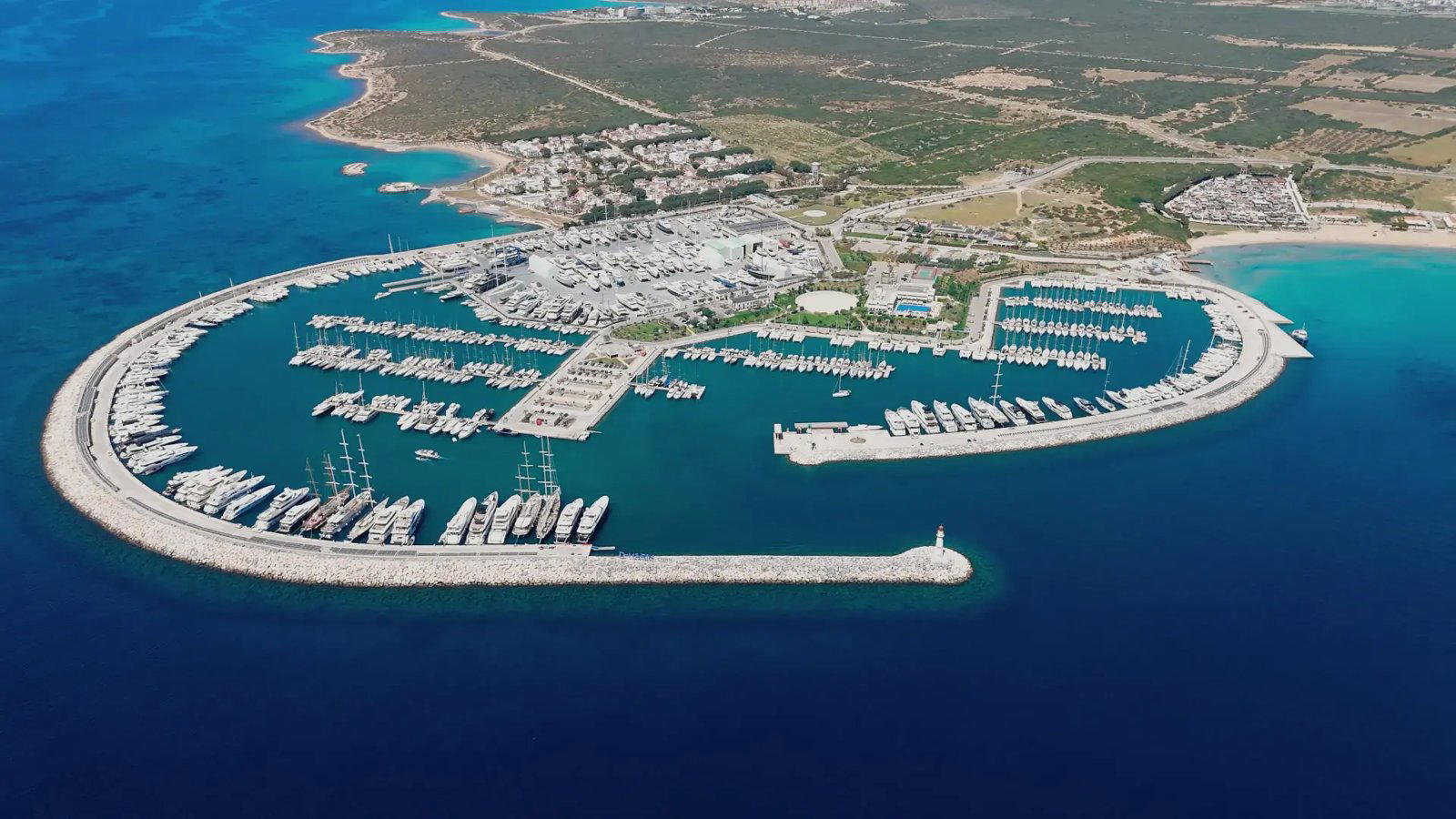
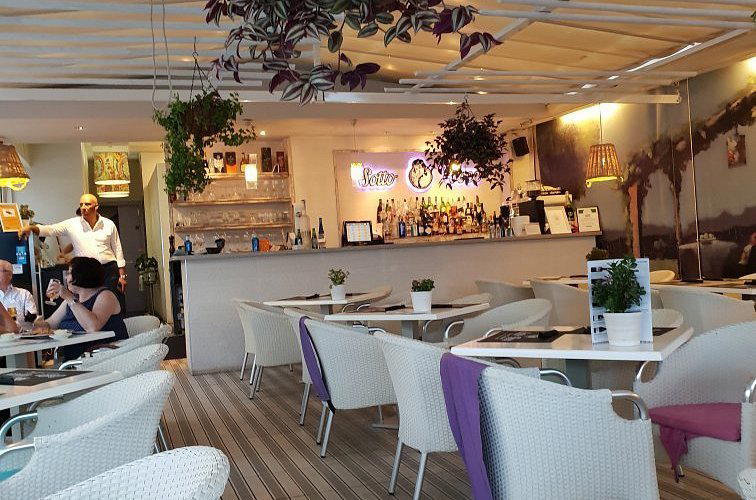
Relaxed waterside terrace with fresh flowers, subtle background music, and marina views, creating a classy yet welcoming atmosphere.