Zlatna ribica serves Mediterranean seafood with waterfront views, a terrace, and an extensive wine list for leisurely lunch or dinner.
Pearl is the En Primeur Club membership app — saves, bookings, and concierge access live there. Same editors, same standards.
- Address
- Ul. Krapanjskih Spuzvara 46, 22010, Brodarica, Croatia
- Phone
- +38522350300
- Website
- zlatna-ribica.hr
- Directions
- Get directions
 Saves & bookings on Pearl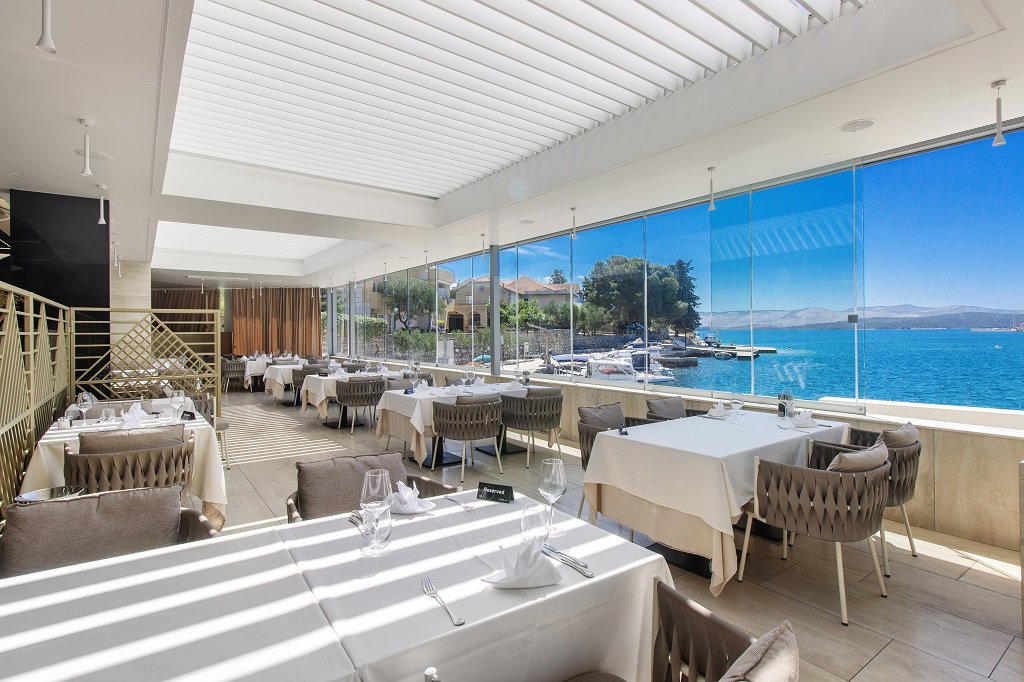
Where the Dalmatian Coast Begins in Earnest
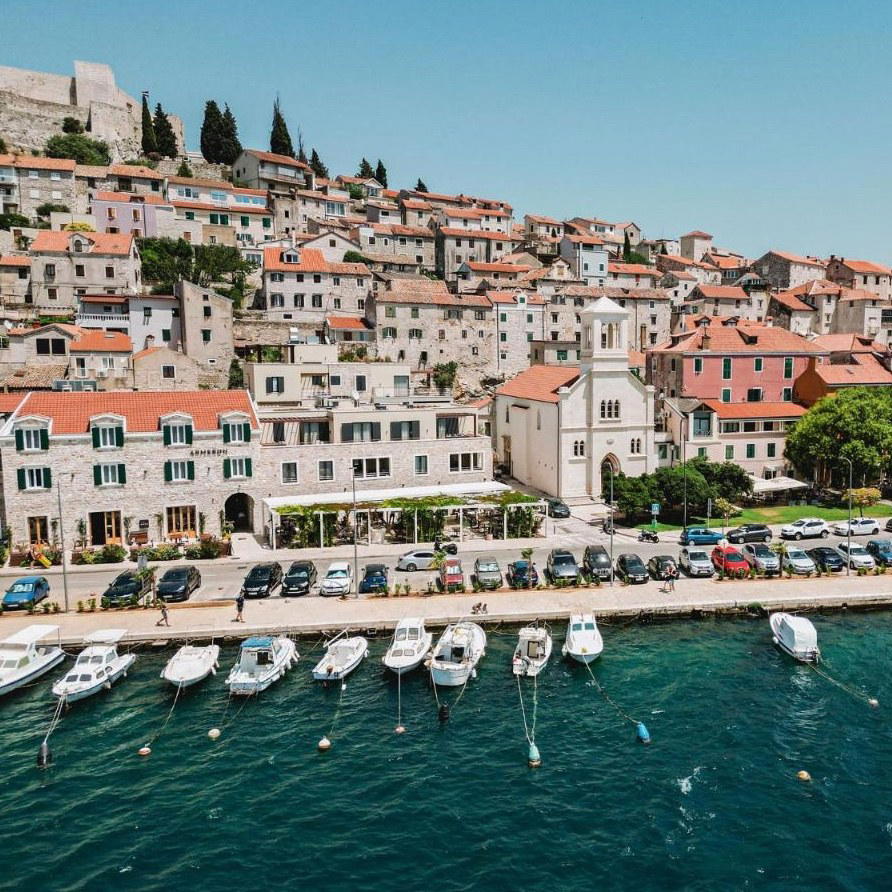
The village of Brodarica sits on a stretch of the Šibenik Riviera that most visitors pass through rather than stop in, their eyes fixed on the ferry crossing to the sponge-diving island of Krapanj just offshore. That tendency to overlook Brodarica is precisely what gives a place like Zlatna ribica, whose name translates simply as "the golden fish", the character that coastal resort towns tend to erode over time. The address, Ul. Krapanjskih Spuzvara 46, places it squarely on the waterfront lane named after Krapanj's sponge divers, a small topographic detail that points to the deeper identity of this stretch of coast: a working relationship with the Adriatic that predates tourism by centuries.
The Sourcing Context That Defines Dalmatian Seafood
To understand what a restaurant like Zlatna ribica represents, it helps to understand how the central Dalmatian fishing economy operates. Brodarica sits between Šibenik and the Krka estuary to the north and the archipelago of the Kornati islands to the south, a position that gives it access to particularly ecologically protected waters in the eastern Adriatic. The Kornati National Park, established in 1980, limits industrial fishing across a significant portion of the surrounding sea, which has a measurable effect on fish populations and, by extension, on what lands in the nets of small-scale local fishermen operating out of villages like Brodarica and the communities of Krapanj island opposite.
Dalmatian coastal restaurants in this tier, neither the upscale modern-Mediterranean rooms of Šibenik's Pelegrini nor the casual konoba format, operate within a specific supply logic. The fish is frequently purchased dockside from fishermen who land it the same morning, and the menu changes not by season alone but by catch. What arrives on the table is therefore less the product of a chef's creative brief and more the product of what the Adriatic decided to offer that day. This is a different value proposition than the kind of precision tasting-menu experience you encounter at Restaurant 360 in Dubrovnik, and it should be read on those terms.
Across Croatia's coast, the question of ingredient provenance has become increasingly central to how restaurants position themselves. At one end of the spectrum, Michelin-recognised rooms like Agli Amici Rovinj in Istria and Alfred Keller in Mali Lošinj treat local sourcing as a framework for fine-dining technique. At the other end, village waterfront spots treat sourcing as simply the way things are done, without branding it as a philosophy. Zlatna ribica occupies that second register: a place whose connection to local waters is structural rather than aspirational.
The Waterfront Format Along the Riviera
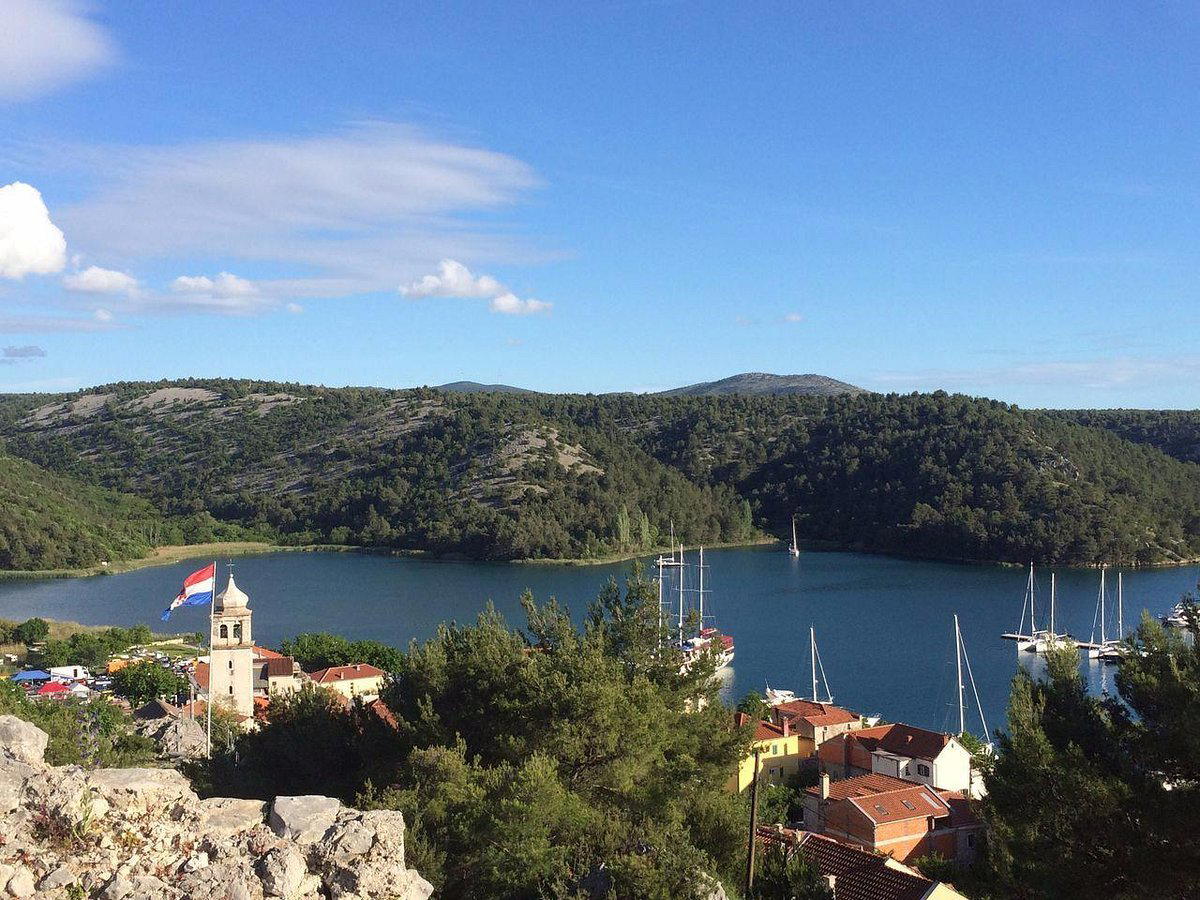
Dining on the Šibenik Riviera follows a recognisable pattern. The leading positions are almost always on or immediately beside the water, with tables oriented toward the channel, the island, or the open sea depending on the geography. Brodarica's waterfront lane runs in a straight line facing Krapanj island across a narrow channel of 300 metres, meaning that almost any table with a window or terrace faces directly toward the island and the outline of the mainland hills beyond. The physical experience of sitting here in the evening, when the light drops across the channel and the ferry traffic to Krapanj quiets, is the kind of thing that pulls people back to small Dalmatian settlements rather than the larger resort towns.
That physicality matters because it shapes the pace at which people eat. Meals along this part of the coast tend to run long, not because the food is elaborate but because the setting discourages hurry. For travellers more accustomed to the structured formats of, say, Nebo by Deni Srdoč in Rijeka or the refined inland rooms at Dubravkin Put in Zagreb, this is a deliberate change of register. The comparison is instructive: Zagreb's leading tables are built around the idea that dinner is an event with a shape and a duration; a Dalmatian waterfront table assumes the evening will extend as far as it needs to.
Where Zlatna ribica Sits in the Regional Picture
Croatia's Adriatic dining scene has fragmented into distinct tiers over the past decade. The fine-dining layer, Pelegrini, 360, Boskinac on Pag island, LD Restaurant in Korčula, operates with wine programs, seasonal tasting menus, and booking windows that can extend months ahead. Below that sits a middle tier of thoughtful, often family-run spots that prioritise produce quality and cooking honesty over format. The restaurant belongs to this middle register, which is also where a number of particularly satisfying meals on the Croatian coast actually happen.
This tier has parallels elsewhere. BioMania Bistro Bol on Brač and Burin in Crikvenica represent a similar commitment to local sourcing without the formal apparatus of a fine-dining room. Bodulo on Pag leans into island-specific ingredients in much the same way. The pattern across all of them is that geography is the menu, the sea, the island, the local farming tradition. For international travellers with a reference point like Le Bernardin in New York, where seafood is transformed through technique into something architectural, the Croatian coastal approach can read as deceptively simple. It is not; the simplicity is the technique.
Planning a Visit to Brodarica
Brodarica is most easily reached by car from Šibenik, roughly five kilometres south along the coastal road, or from Split, approximately 60 kilometres to the southeast via the A1 motorway and coastal route. The village is small enough that the waterfront address is direct to find on foot once you arrive. As with most Dalmatian coastal restaurants in this tier, the summer months from June through August represent peak demand; arriving earlier in the evening or choosing shoulder-season travel in May or early October tends to produce a more relaxed experience. For a broader picture of where the restaurant sits in the local context, Visitors making a wider circuit of central Dalmatia might also consider Krug in Split as a useful contrast point, an urban Croatian room that shows how the same coastal-ingredient logic translates into a city setting.
Inland comparisons round out any serious trip through the region. Korak in Jastrebarsko and Cantilly Garden Restaurant in Samobor show how Croatian culinary sensibility shifts away from seafood once you move inland, while Cubo in Opatija on the Kvarner coast provides another coastal reference point with a more formal register. Atomix in New York offers an interesting transatlantic contrast for readers thinking about how hyper-local ingredient sourcing functions at the summit of the market in a different culinary tradition.
- Buzara mussels
- Grilled scallops
- Orada fish
- Gilthead sea bream
- Sea bass with blitva
- Fish plate for two
A Quick Peer Check
Comparable venues nearby, for context on price, style, and recognition.
| Venue | Cuisine | Price | Notes |
|---|---|---|---|
| Zlatna ribicaThis venue — the venue you are viewing | Mediterranean Seafood | $$$ | Not listed |
| Kornat | North Dalmatian Fine Dining Seafood | $$$ | Zadar Seafront |
| Fešta | Traditional Adriatic Seafood | $$$ | Žut Island, Kornati Archipelago |
| Konoba Ronilac | Croatian Coastal Seafood | $$ | Krapanj |
| Taverna Bota Sare | Traditional Dalmatian Seafood & Oysters | $$$ | Mali Ston |
| Konoba Kantun | Traditional Croatian Seafood Grill | $$ | Vis waterfront |
Continue exploring
More in Brodarica
Restaurants in Brodarica
Browse all →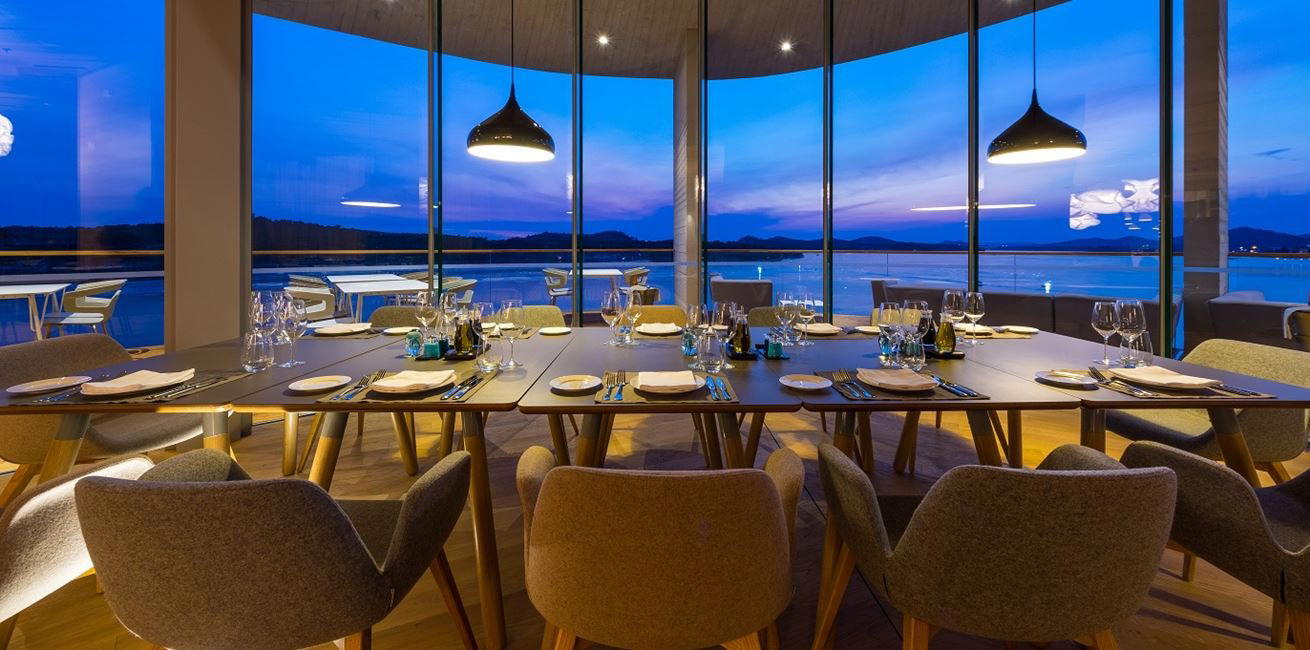
Bars in Brodarica
Browse all →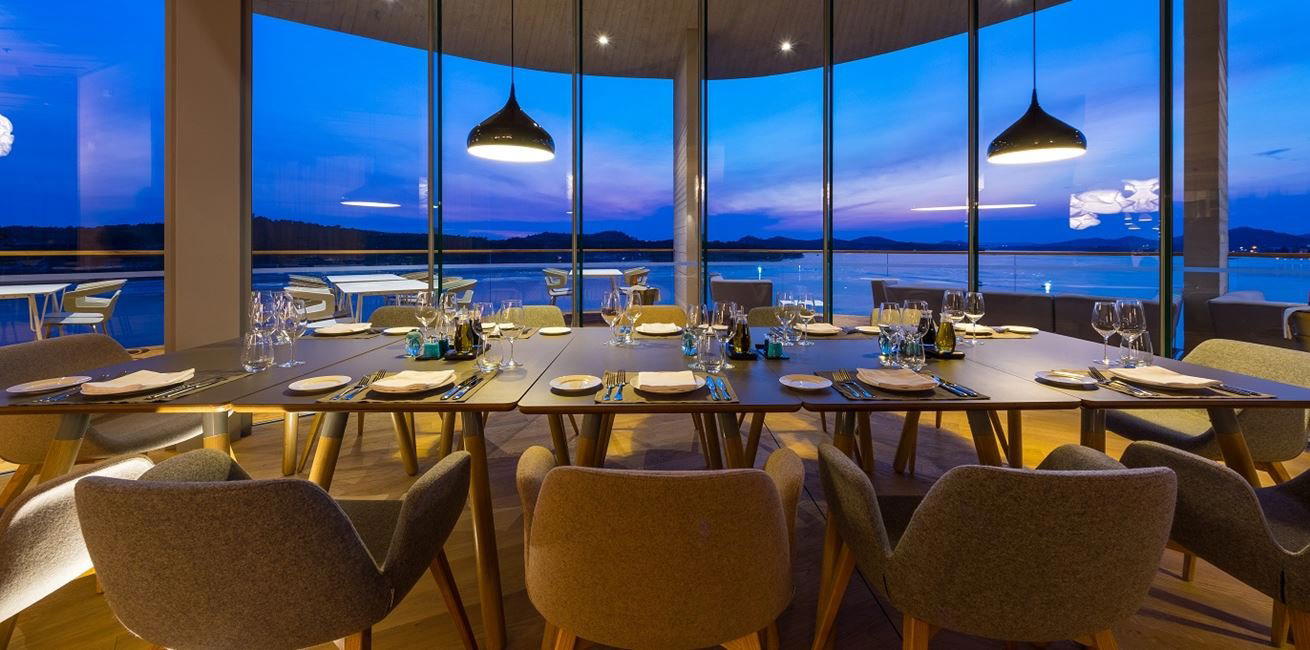
Hotels in Brodarica
Browse all →

At a Glance
- Scenic
- Classic
- Elegant
- Romantic
- Date Night
- Family
- Group Dining
- Special Occasion
- Waterfront
- Terrace
- Panoramic View
- Standalone
- Extensive Wine List
- Local Sourcing
- Sustainable Seafood
- Waterfront
Current opening hours
- Monday
- Closed
- Tuesday
- 12–11 PM
- Wednesday
- 12–11 PM
- Thursday
- 12–11 PM
- Friday
- 12–11 PM
- Saturday
- 12–11 PM
- Sunday
- 12–11 PM
Hours can change for holidays and private events. Last verified .
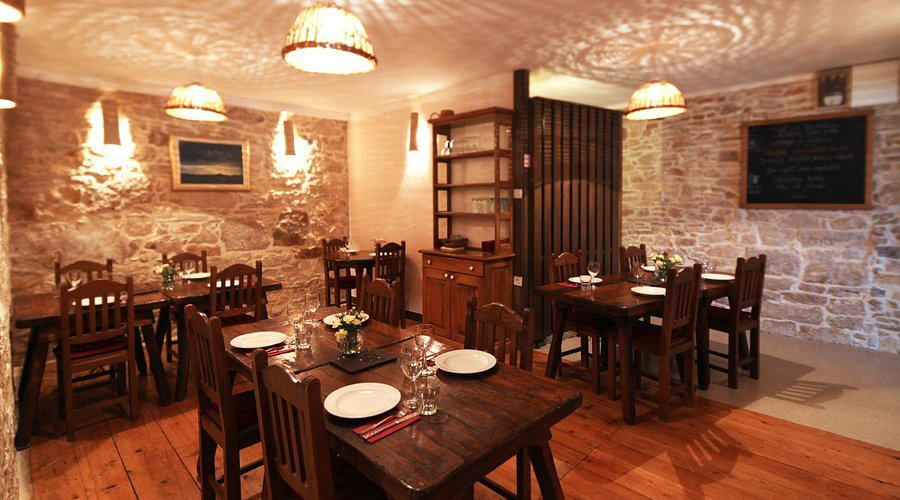
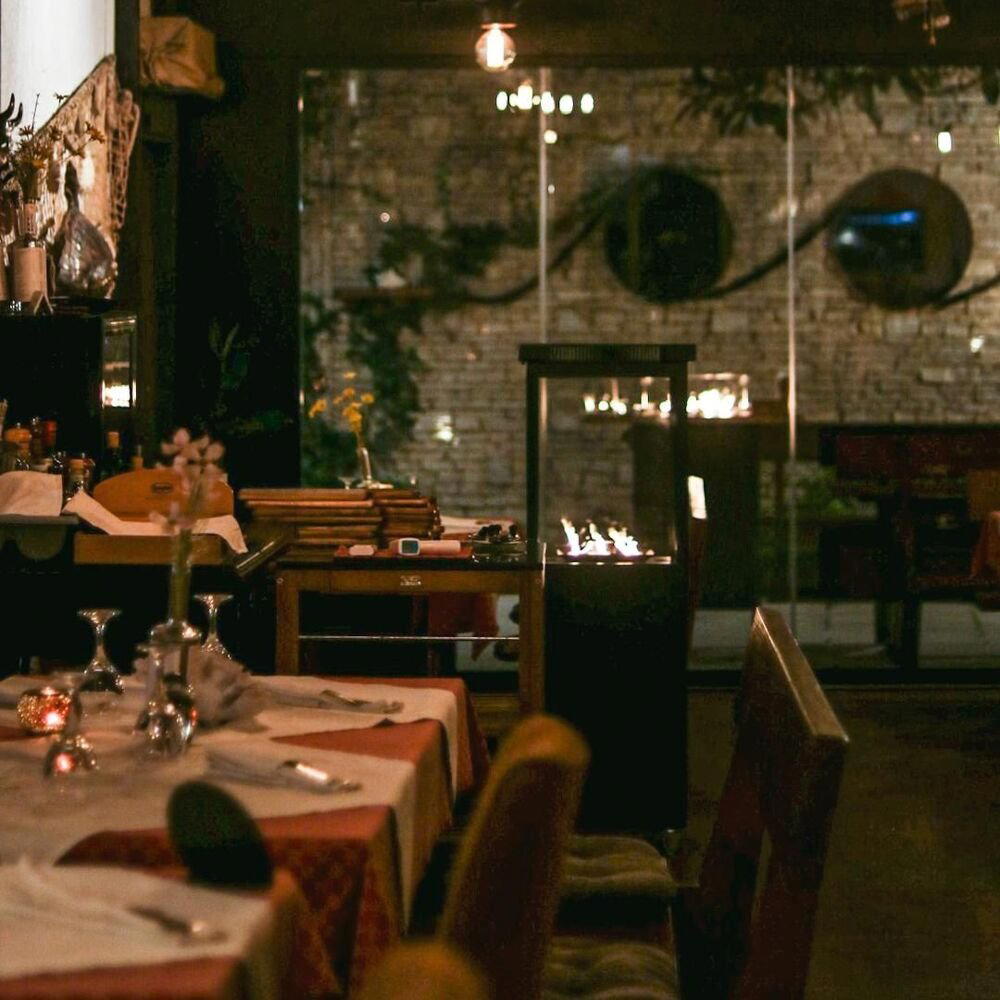
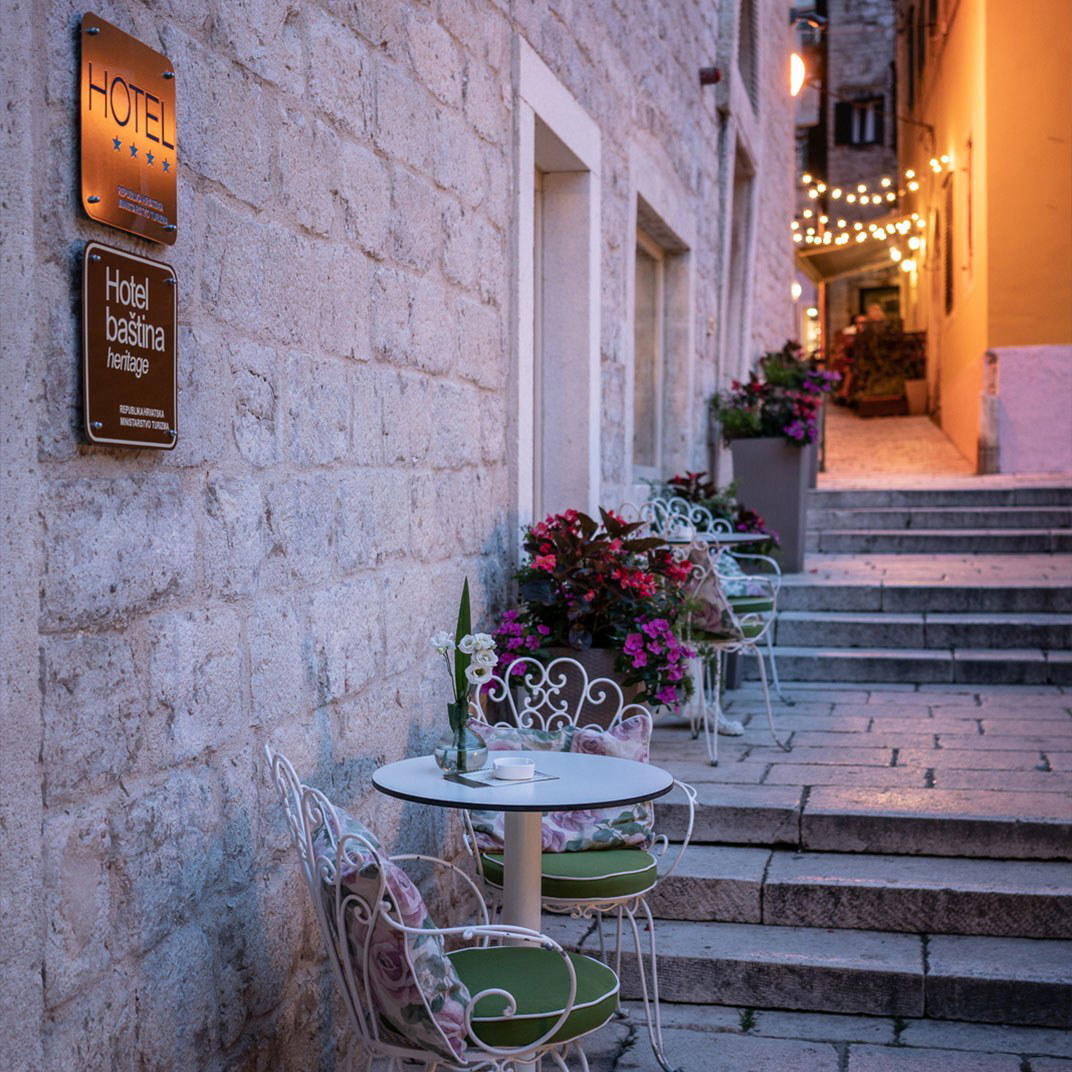
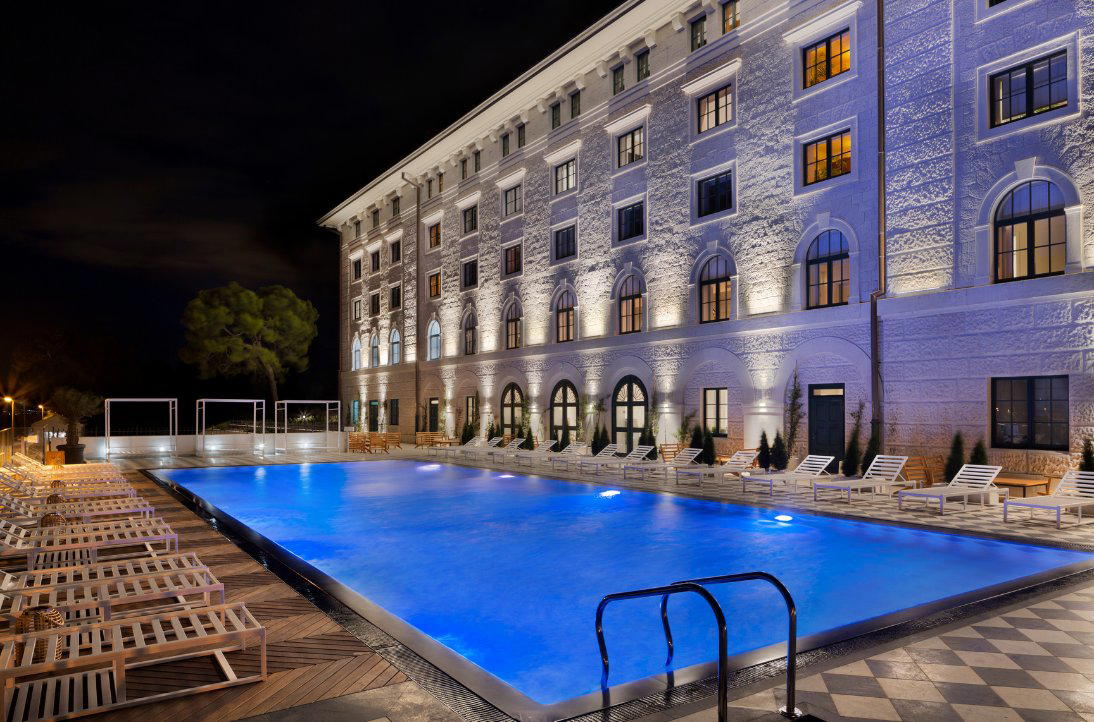
Elegant and refined with floral decor, featuring a covered terrace overlooking the Adriatic Sea and harbor views; sophisticated yet welcoming atmosphere.