
Michelin Plate
Our verdict
Konoba Griblja sits just outside Sukošan on the Dalmatian coast, earning a Michelin Plate in 2025 for regional Croatian cooking rooted in local sourcing. The setting and cooking style are consistent with the inland konoba tradition: produce-driven, unfussy, and tied to the agricultural rhythms of the Zadar hinterland.

Pearl is the En Primeur Club membership app, where members save venues, book tables and use the concierge.
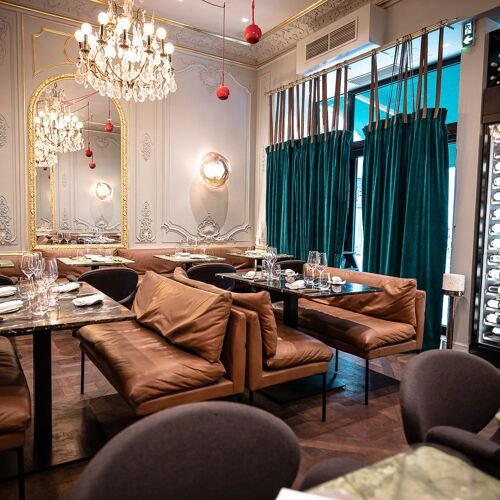
The menu
What to order
- Smoked swordfish carpaccio
- Tagliatelle with shrimp
- Risotto with shrimps
Where the Zadar Hinterland Comes to the Table
The road to Konoba Griblja runs through the kind of Dalmatian countryside that the coast often obscures: low stone walls, olive groves, the particular dry-grass smell of the Adriatic interior in season. The address, Ruševac 4, places this restaurant in the village fringe of Sukošan, a small settlement a short drive south of Zadar along the coast road. You are not arriving at a marina-front terrace. The approach already signals something about what will be on the plate.
That signal matters, because the konoba format in Croatia has always been anchored in proximity: proximity to a garden, to a supplier family, to a particular stretch of sea or pasture. The word itself implies a working domestic space, and the leading examples of the form function less like restaurants in the conventional sense and more like an extension of a smallholder's larder. In the Zadar region, where the agricultural land behind the coast remains productive and relatively intact, that proximity can still be achieved without artifice.
The Sourcing Logic Behind Dalmatian Regional Cooking
Croatia's Michelin Plate recognition, introduced as a category signalling quality cooking without the full star apparatus, has landed on a specific type of establishment in Dalmatia: konobas and regional houses where the food is disciplined and ingredient-led, and where the ambition is expressed through sourcing and technique rather than conceptual elaboration. Konoba Griblja received its Plate in 2025, placing it in a cohort that includes similar operations across the Zadar and Šibenik hinterlands. That recognition does not put it in the same tier as starred addresses such as Pelegrini in Sibenik or Restaurant 360 in Dubrovnik, but it does confirm that the cooking clears a standard that Michelin's inspectors found worth marking.
The distinction between a Plate and a Star in the Croatian context reflects a real difference in register. Starred houses in Croatia, from Agli Amici Rovinj in Istria to operations further south, operate in the €€€€ bracket with tasting menus and formal service structures. Konoba Griblja sits at the €€€ level, which in this part of coastal Croatia positions it as a considered dinner rather than a casual lunch stop, but not at the architectural price point of a formal fine-dining room. The Plate, at that price tier, is a meaningful signal that the kitchen is working at a level above the generic tourist-facing seafood operations that dominate the coast in summer.
What grounds Dalmatian regional cooking at this level is rarely a single ingredient but rather the chain of supply behind multiple ingredients simultaneously: the specific variety of lamb from island or karst pasture, the pašticada preparation that reflects a family's accumulated adjustment of a regional recipe, the quality of olive oil from trees that have been producing for generations in the same microclimate. Regions such as the Zadar hinterland produce peka dishes, slow-cooked lamb and veal preparations, and cured meats from small producers whose output rarely travels beyond a fifty-kilometre radius. For a konoba working within this supply geography, sourcing is not a positioning statement but a structural reality. The market for artisan Dalmatian produce is local and relationships-based, which is why this type of cooking rarely translates to urban venues outside the region. For comparison, regional cuisine houses further inland in Croatia, such as Korak in Jastrebarsko, operate within entirely different supply chains shaped by continental Croatian agriculture rather than the coastal and island economies of Dalmatia.
Sukošan is not a high-footfall destination in the way that Dubrovnik, Split, or Rovinj generate tourist volume. Operations that depend entirely on peak-season tourism tend to accumulate reviews sharply in June through August and carry ratings that reflect tourist expectations rather than local standards. A 4.4 at this volume suggests a more distributed audience.
That pattern is consistent with how Michelin approaches Plate recognition in secondary Croatian locations. The guide's regional coverage has extended in recent years to include addresses that a decade ago would have been invisible to international food media, and the Plate category allows the guide to acknowledge well-functioning konobas and regional houses that would not sustain the full star apparatus but are clearly worth the detour for a traveller already in the region. For context, comparable regional cuisine recognition in other parts of the Adriatic has attached to addresses such as Alla Beccaccia in Valbandon in Istria, where the konoba tradition connects to a different but equally specific local supply base.
Placing Griblja in the Wider Croatian Dining Picture
Croatia's restaurant recognition has spread steadily along the coast and into the islands over the past decade. The Kvarner and Dalmatian scenes now include a broad range of recognised addresses: Boskinac in Novalja on Pag operates with its own winery and estate-sourced ingredients; LD Restaurant in Korčula anchors the island's fine-dining position; Nebo by Deni Srdoč in Rijeka represents the northern Kvarner end of the spectrum; and Krug in Split holds its position in the city's increasingly competitive dining scene. Continental Croatia contributes too, with Dubravkin Put in Zagreb and Alfred Keller in Mali Lošinj covering different registers entirely.
Within that map, a Michelin Plate konoba in a village between Zadar and Biograd na Moru occupies a precise niche: it is neither a destination restaurant that justifies a trip in its own right nor a forgettable fallback. It is the kind of address that rewards a traveller already based in the Zadar area who wants to eat well outside the city's established options, in a setting where the food connects directly to the agricultural and maritime geography of the region.
For broader context on dining, accommodation, and what to do in the area, see our full Sukošan restaurants guide, our full Sukošan hotels guide, our full Sukošan bars guide, our full Sukošan wineries guide, and our full Sukošan experiences guide.
Planning Your Visit
Konoba Griblja is located at Ruševac 4, 23206, Sukošan, a short drive from Zadar and accessible by car from the main Adriatic coastal road. The €€€ price positioning means a full dinner for two will sit in the mid-to-upper range for the area, consistent with Michelin Plate-recognised addresses in secondary Croatian locations. Given the Plate recognition and the 4.4 Google average, demand in peak summer months is likely to exceed walk-in availability; arriving with a prior arrangement is the more sensible approach. The venue's setting outside the town centre means a car is the practical necessity, and the address at Ruševac 4 is the anchor point for navigation.
Frequently asked questions
Can I bring kids to Konoba Griblja?
Is Konoba Griblja better for a quiet night or a lively one?
Comparable Spots, Quickly
Comparable venues nearby, for context on price, style, and recognition.
| Venue | Cuisine | Price | Awards | Notes |
|---|---|---|---|---|
| Konoba GribljaThis venue (the venue you are viewing) | Modern Dalmatian Seafood | $30–50 | Michelin Plate | Not listed |
| Konoba kod Guste | Traditional Dalmatian Seafood | $20–30 | Not listed | Sukosan |
| Matanovi dvori | Croatian Mediterranean Seafood | $20–30 | Not listed | Sukosan |
| Konoba Buščina | Traditional Istrian Mediterranean | Not listed | Michelin Plate | Buščina |
| Konoba Vinko | Traditional Dalmatian Meat Cuisine | $30–50 | Michelin Bib Gourmand | Konjevrate |
| Restoran Agape | Mediterranean Seafood & Grill | $20–30 | Not listed | Primosten old town |
Recognition history
Dated appearances from independent guides and award organizations, with the underlying list record or original source where available.
Michelin Plate
Michelin · 2026 Michelin Plate
Full recognition history (2 entries)
Michelin Plate
Michelin
Continue exploring
More in Sukošan
Restaurants in Sukošan
All restaurants in Sukošan →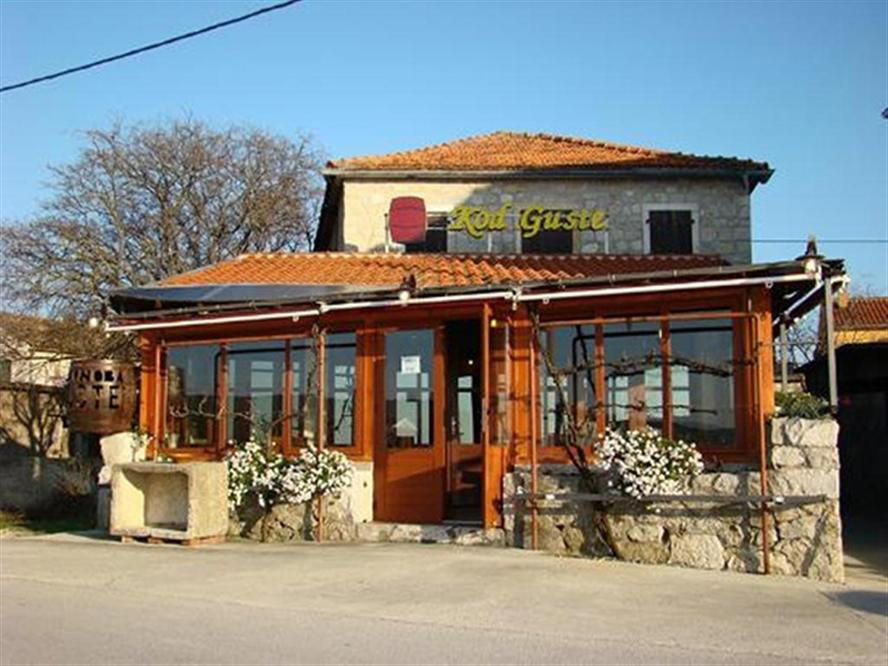
Bars in Sukošan
Browse all →
Hotels in Sukošan
Browse all →
Wineries in Sukošan
Browse all →
Details
- Rustic
- Cozy
- Elegant
- Date Night
- Special Occasion
- Terrace
- Historic Building
- Extensive Wine List
- Local Sourcing
- Waterfront
- Street Scene
- A La Carte
- Croatian Wines
- Vegetarian Friendly
- Gluten Free Options
Current opening hours
- Monday
- Closed
- Tuesday
- Closed
- Wednesday
- Closed
- Thursday
- 1–11 PM
- Friday
- 1–11 PM
- Saturday
- 1–11 PM
- Sunday
- 1–6 PM
Hours can change for holidays and private events. Hours as of .
Warm and quaint stone-walled interior with elegant atmosphere, cozy terrace in summer, and harbor views.