Boba


Michelin Plate · Falstaff Restaurant - 92 Falstaff Points
Our verdict
On the Dalmatian island of Murter, Boba occupies a straightforward address on Ul. Butina, a local dining spot operating within a broader island food culture defined by the Adriatic catch landed nearby and the Kornati archipelago at its doorstep. For visitors looking to eat where the sourcing is immediate and the setting genuinely coastal, it belongs on the shortlist alongside Murter's small but serious restaurant scene.

Pearl is the En Primeur Club membership app, where members save venues, book tables and use the concierge.
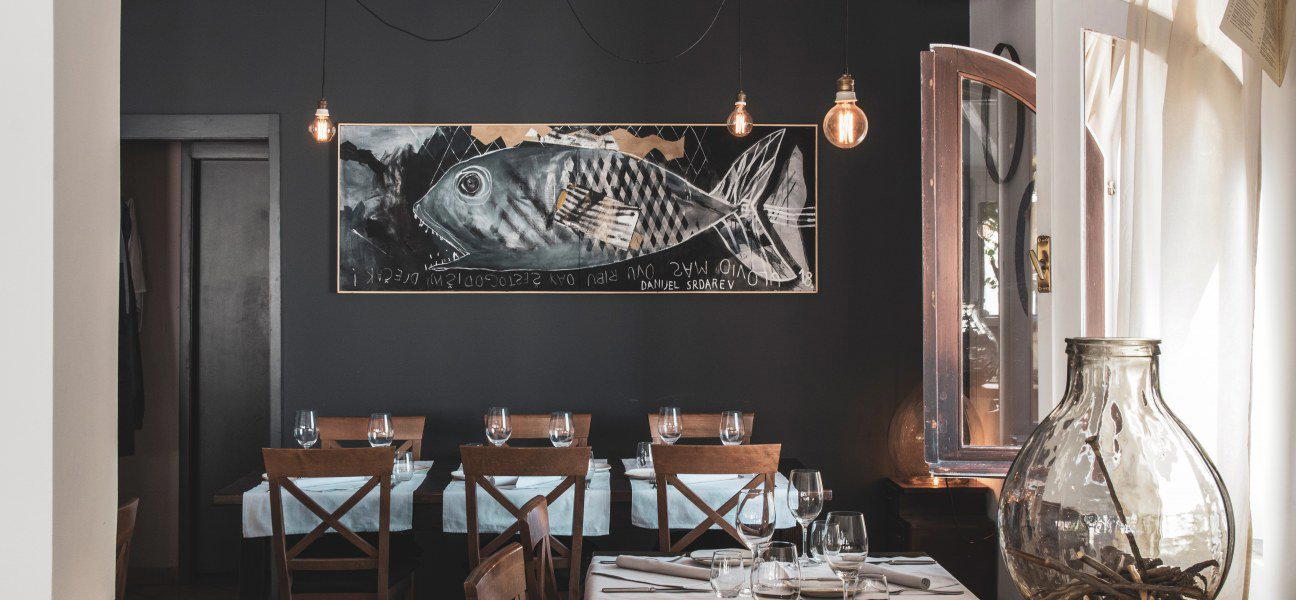
The menu
What to order
- Monkfish Ravioli with Lobster Sauce
- Octopus with Two Sauces
- Strawberry Sorbet
Eating on an Island Where the Archipelago Sets the Menu
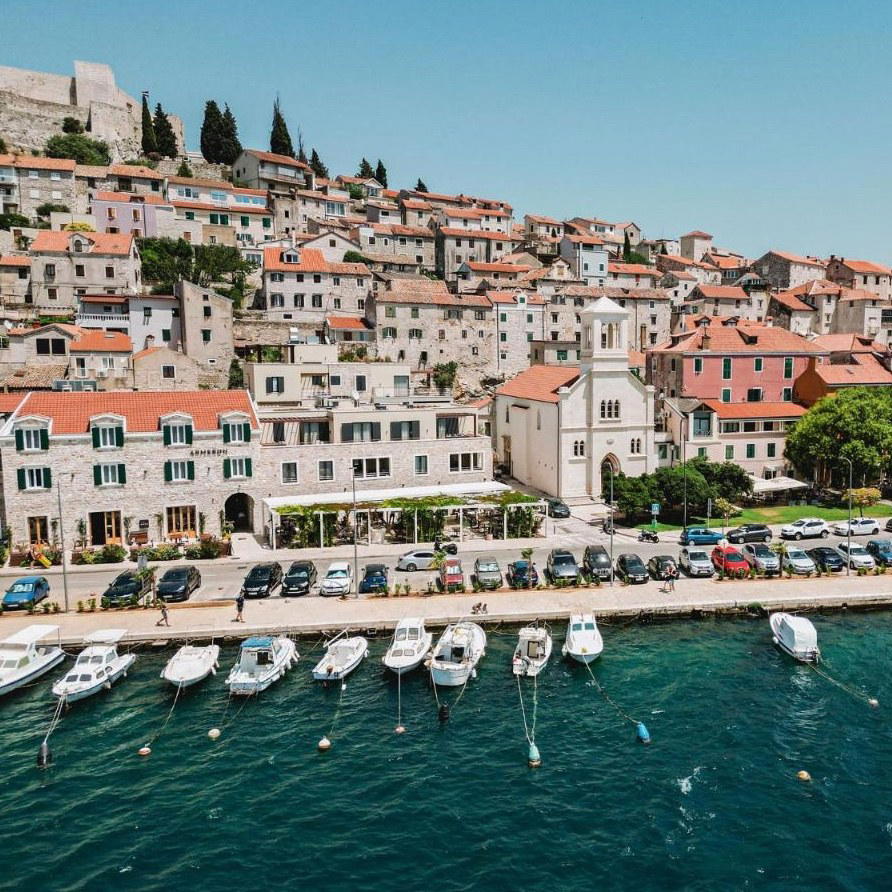
Murter is a small island connected to the Croatian mainland by a drawbridge, and its position as the gateway to the Kornati National Park shapes nearly everything about how people eat here. The waters surrounding the Kornati archipelago, 89 islands and reefs spread across roughly 320 square kilometres of the northern Dalmatian coast, produce some of the Adriatic's most sought-after seafood. On an island this size, the distance between the sea and the plate is short by necessity, and local restaurants operate within that constraint whether they intend to or not. That proximity to source is not a marketing position; it is simply how coastal Dalmatian kitchens have always functioned.
Boba, addressed at Ul. Butina 22 in the town of Murter, sits inside this broader island dining context. On an island where the summer tourist season drives most restaurant decisions, the places that persist through word of mouth and repeat visitors tend to be the ones with the most direct relationship to local ingredients.
The Kornati Supply Chain and What It Means at the Table
Dalmatian seafood kitchens divide roughly into two categories: those that source from the same waters their guests can see from the terrace, and those that supplement with imported product when local supply falls short. On Murter, the former is the baseline expectation. The Kornati archipelago is a protected national park, which limits commercial fishing activity within its boundaries, but the surrounding channels, the Murtersko Sea and the passages between the outer islands, remain active fishing grounds. Bluefish, white fish, shellfish, and crustaceans from this zone carry a provenance that larger Dalmatian cities like Split or Dubrovnik cannot replicate at the same scale.
The Croatian coastal kitchen at this price and place tier typically organises around a short repertoire: grilled fish by weight, simply dressed with olive oil and lemon, alongside brodets (slow-cooked fish stews built on the bones and offcuts of the day's catch), peka preparations where meat or seafood is sealed under a bell and buried in embers, and raw preparations that let the quality of the ingredient do the editorial work. Vegetables arrive from the island's interior gardens or from the fertile agricultural belt of the nearby Šibenik hinterland. The olive oils tend to come from Dalmatian groves rather than Italian imports. This is not a cuisine of elaboration; it is a cuisine of selection, the kitchen's primary skill is in knowing what to buy that morning rather than what to do with it once it arrives.
For comparable approaches to sourcing-first cooking within Croatia's Adriatic dining scene, Pelegrini in Sibenik applies a more formal editorial lens to similar Dalmatian ingredients, while LD Restaurant in Korčula demonstrates how the island-sourcing model translates into a more structured tasting format. Boba operates at a different register, closer to the konoba tradition than to the fine-dining adaptation of it.
Murter's Restaurant Scene in Context
Murter town does not have a long roster of dining options, but what exists covers a coherent range. At the more formal end, Fine Food Murter occupies a different position in the local hierarchy, while Konoba Opat represents the traditional konoba format, the Dalmatian equivalent of a tavern, where the room is simple and the food is direct. Boba sits within this ecosystem rather than above or apart from it. Our full Murter Kornati restaurants guide maps the full picture for visitors planning across multiple meals.
The broader Croatian coast has produced a number of kitchens that have translated this sourcing advantage into internationally recognised dining programs. Agli Amici Rovinj in Rovinj brought a Michelin-recognised Italian contemporary framework to the Istrian coast. Nebo by Deni Srdoč in Rijeka applies a modern Croatian tasting format to Kvarner Gulf produce. Alfred Keller in Mali Lošinj demonstrates how island-based kitchens on the Kvarner islands have built serious reputations on similar geographic advantages. Further inland, Korak in Jastrebarsko and Dubravkin Put in Zagreb show how Croatian sourcing-led cooking translates away from the coast. Boba does not compete in those formal tiers, but it shares the foundational logic: start with what the geography provides.
For reference points at the apex of sourcing-led seafood cooking internationally, Le Bernardin in New York City built its reputation on the proposition that fish cookery is inseparable from the quality of the fish itself, a philosophy that scales down to island kitchens as readily as it applies to three-Michelin-star rooms. Lazy Bear in San Francisco demonstrates a different version of the same logic applied to seasonal and local sourcing as a structural commitment rather than a seasonal menu note.
Planning a Visit to Murter
Murter is accessible by road from Šibenik, roughly 25 kilometres along the coastal route, or by ferry connections during the summer season. The island is quiet outside the July-to-August peak, and restaurant schedules contract significantly in the shoulder months of May, June, and September. Visitors planning a visit outside the high season should confirm operating status directly before committing to a meal, as smaller island restaurants on this part of the coast often adjust hours or close entirely in winter.
Other Adriatic and Dalmatian destinations worth pairing in a longer Croatian itinerary include Boskinac in Novalja on Pag Island, Krug in Split, and Restaurant 360 in Dubrovnik. For Istrian dining at the other end of the coast, San Rocco in Brtonigla, EatIstria in Pluj, and Humska Konoba in Hum cover different registers of the same sourcing-first tradition.
Frequently asked questions
How do I find Boba?
Boba is located at Ul. Butina 22, 22243, Murter, Croatia, Murter Kornati.
Where exactly is Boba located in Murter, and is it easy to reach from Šibenik?
Boba is at Ul. Butina 22, Murter, a village address on an island linked to the Croatian mainland by a drawbridge rather than a ferry crossing, which makes it more accessible than most Adriatic islands. Šibenik is roughly 25 kilometres along the coastal route, putting Murter within a straightforward drive for visitors based in the city. The same road access that makes Murter the de facto gateway to Kornati National Park keeps Boba reachable without advance ferry planning.
What should I eat at Boba?
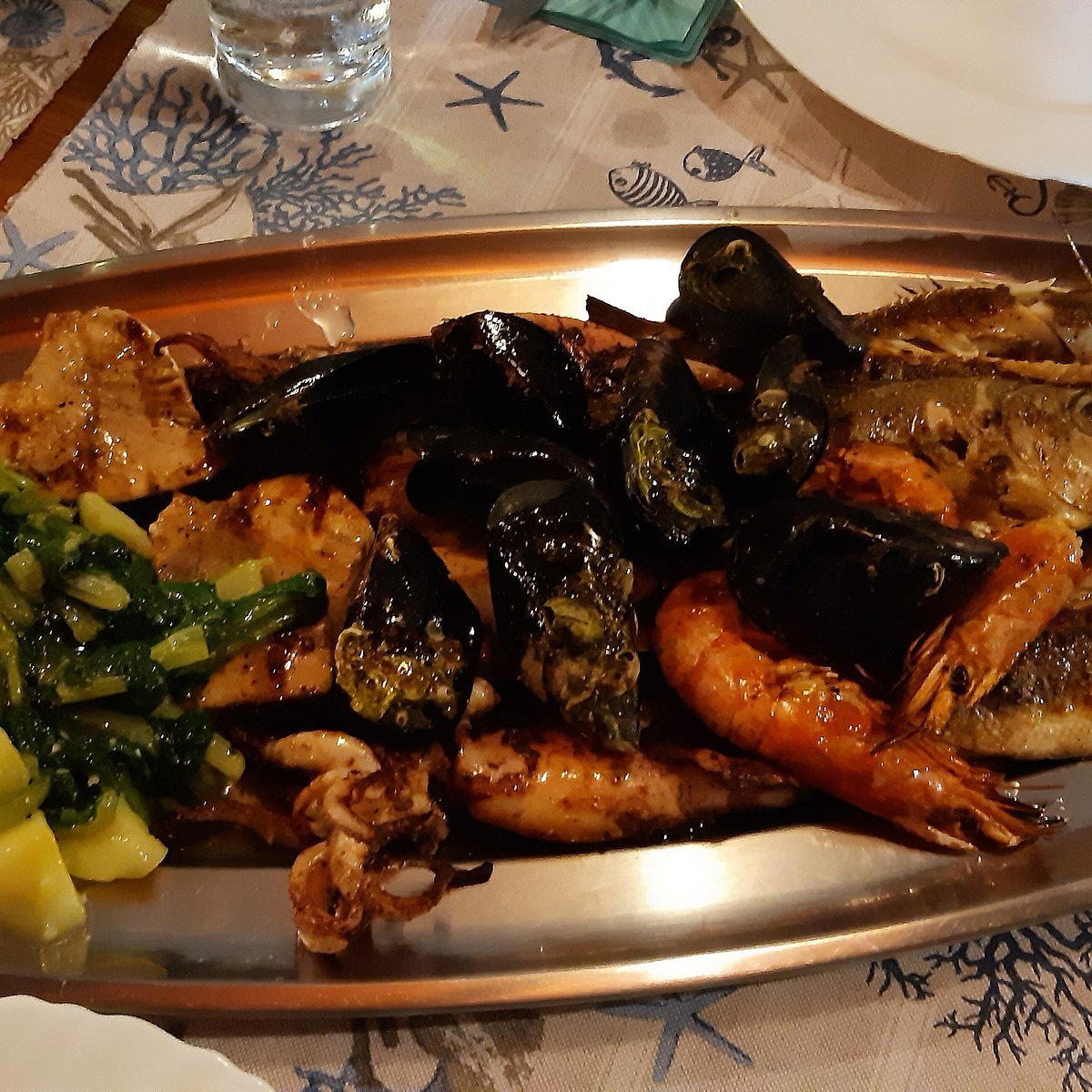
Murter's position as the main access point for Kornati National Park means local kitchens draw from some of the least-industrialised fishing grounds on the Adriatic. Expect the menu to follow what the sea and season make available rather than a fixed roster of dishes. Dalmatian staples, grilled fish, shellfish, and olive-oil-driven preparations, are the baseline of cooking in this part of Croatia.
Is Boba reservation-only?
Butina 22, Murter. Given that Murter town has a limited number of dining options and peak summer demand from Kornati visitors, booking ahead during July and August is a sensible precaution at any restaurant on the island.
What's Boba best at?
Boba sits in Murter, a small island community where the dining identity is shaped almost entirely by the surrounding Adriatic and the proximity to Kornati National Park. That geography points toward seafood-led cooking as the kitchen's natural strength. Restaurants in this position either commit to that local supply chain or lose their reason for being here.
Can Boba handle vegetarian requests?
No menu or dietary information is documented for Boba at Ul. Butina 22. Dalmatian coastal kitchens across the Šibenik region typically anchor their menus in seafood and grilled meat, with vegetable sides built around seasonal produce, though dedicated vegetarian menus are less common in this format.
Is Boba worth it?
Without documented pricing or awards for Boba in Murter Kornati, a value judgement depends on what you're after. Murter's dining scene is compact and driven by its geography: eating on this island means eating close to Kornati, and that provenance carries weight. If the kitchen makes use of that supply chain, the location alone gives the meal a context most mainland restaurants can't match.
Side-by-Side Snapshot
| Venue | Cuisine | Price | Awards | Notes |
|---|---|---|---|---|
| BobaThis venue (the venue you are viewing) | Contemporary Adriatic Seafood | $50–100 | Michelin Plate · Falstaff Restaurant - 92 Falstaff Points | Not listed |
| Pelegrini | Modern Dalmatian Fine Dining | $100–150 | 1 Michelin Star · La Liste Top Restaurants | Mediterranean, Modern Cuisine |
| Restaurant 360 | Modern Mediterranean with Asian and French Influences | $200–300 | 1 Michelin Star · La Liste Top Restaurants | International, Modern Cuisine |
| Foša | Modern Seafood | $50–100 | Michelin Plate | Croatian, Classic Cuisine |
| Nautika | Traditional Mediterranean Seafood | $100–150 | Michelin Plate · Star Wine List | Modern European, Classic Cuisine |
| Agli Amici Rovinj | Modern Mediterranean Fine Dining | $200–300 | 2 Michelin Stars · La Liste Top Restaurants | Italian Contemporary |
Recognition history
Dated appearances from independent guides and award organizations, with the underlying list record or original source where available.
Michelin Plate
Michelin · 2026 Michelin Plate
Falstaff Restaurant - 92 Falstaff Points
Falstaff
Full recognition history (4 entries)
Michelin Plate
Michelin
Michelin Plate
Michelin
Continue exploring
More in Murter Kornati
Restaurants in Murter Kornati
All restaurants in Murter Kornati →
Bars in Murter Kornati
Browse all →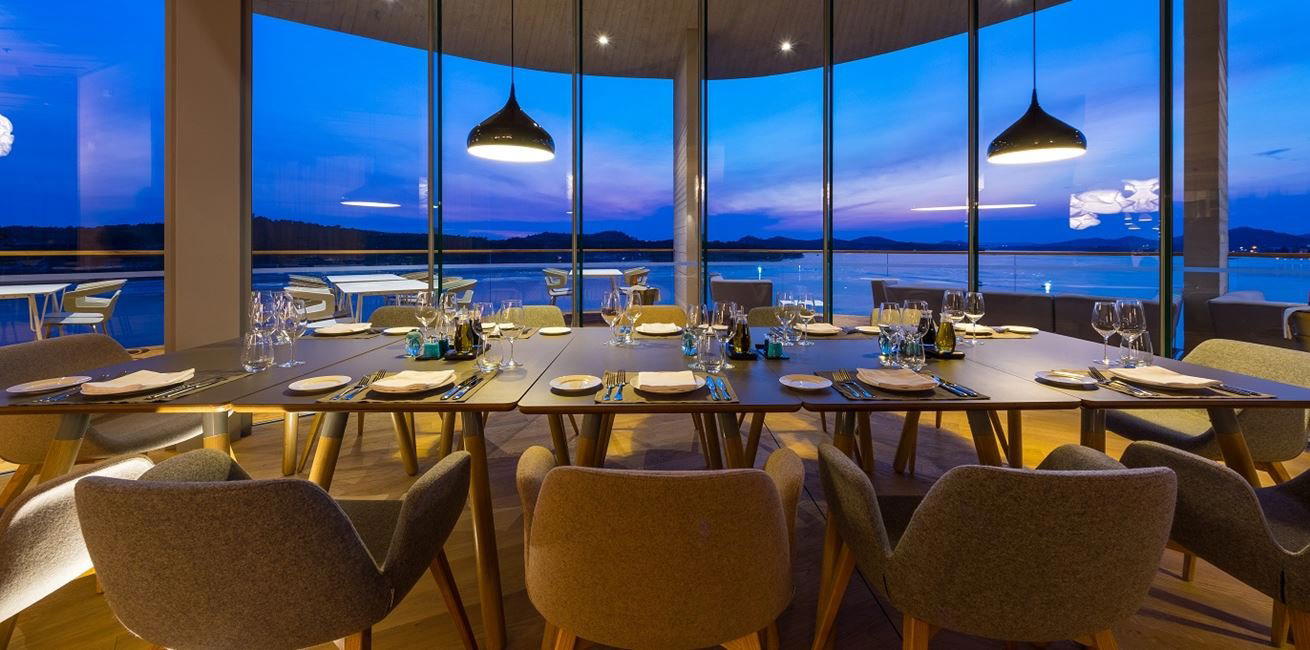

Details
- Romantic
- Scenic
- Elegant
- Rustic
- Date Night
- Special Occasion
- Group Dining
- Waterfront
- Terrace
- Standalone
- Extensive Wine List
- Local Sourcing
- Sustainable Seafood
- Waterfront
- Tasting Menu
- A La Carte
- Wine
- Pescatarian Friendly
Current opening hours
- Monday
- Closed
- Tuesday
- 1–3:30 PM, 6–10:30 PM
- Wednesday
- 1–3:30 PM, 6–10:30 PM
- Thursday
- 1–3:30 PM, 6–10:30 PM
- Friday
- 1–3:30 PM, 6–10:30 PM
- Saturday
- 1–3:30 PM, 6–10:30 PM
- Sunday
- 1–3:30 PM, 6–10:30 PM
Hours can change for holidays and private events. Hours as of .
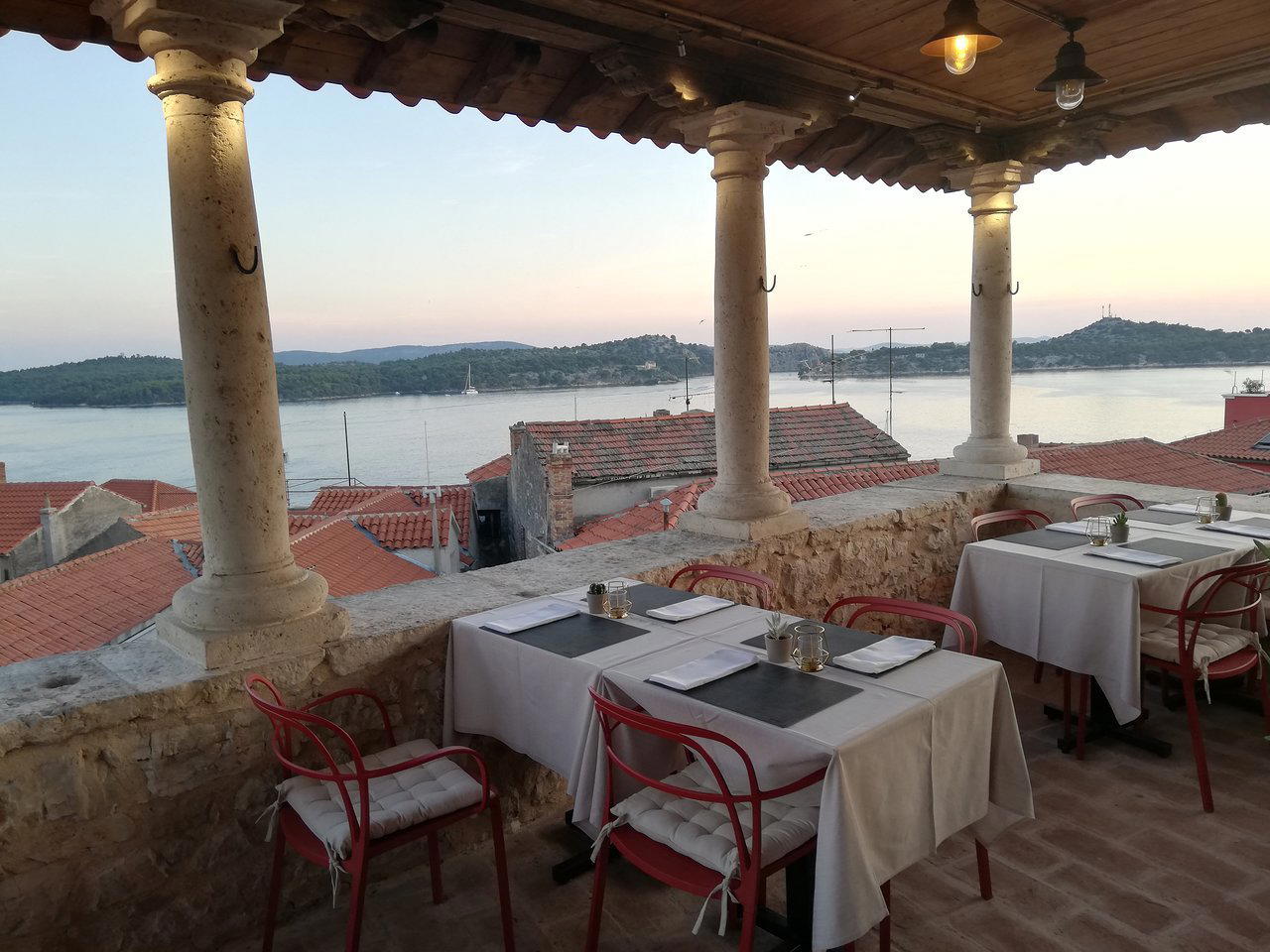
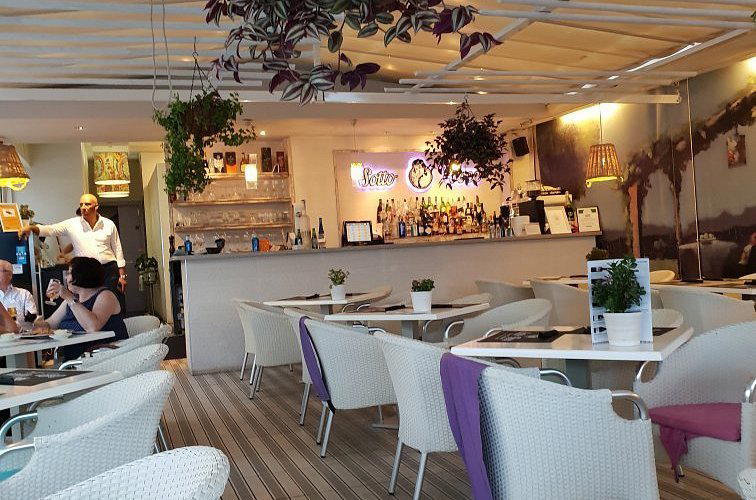
Warm and inviting atmosphere with coastal charm, blending traditional Croatian hospitality with contemporary fine-dining elegance.