Our verdict
Starac i More pairs fresh seafood and Mediterranean cooking with a waterfront setting, an extensive wine list, and a leisurely, conversational pace for lunch or dinner.

Pearl is the En Primeur Club membership app, where members save venues, book tables and use the concierge.

The menu
What to order
- Tuna pate
- Lobster cappelletti
- Scampi risotto
Where the Adriatic Arrives at the Table
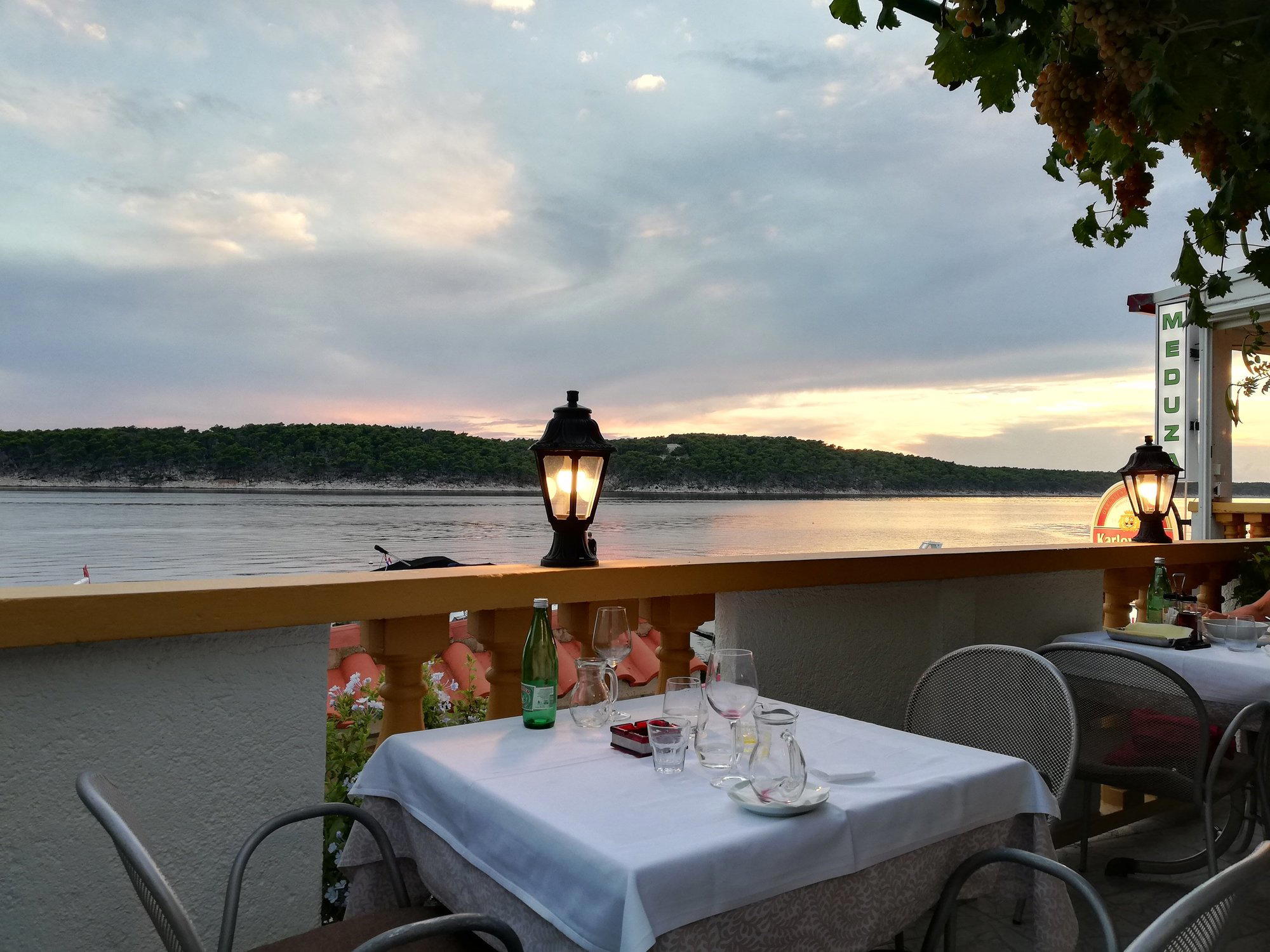
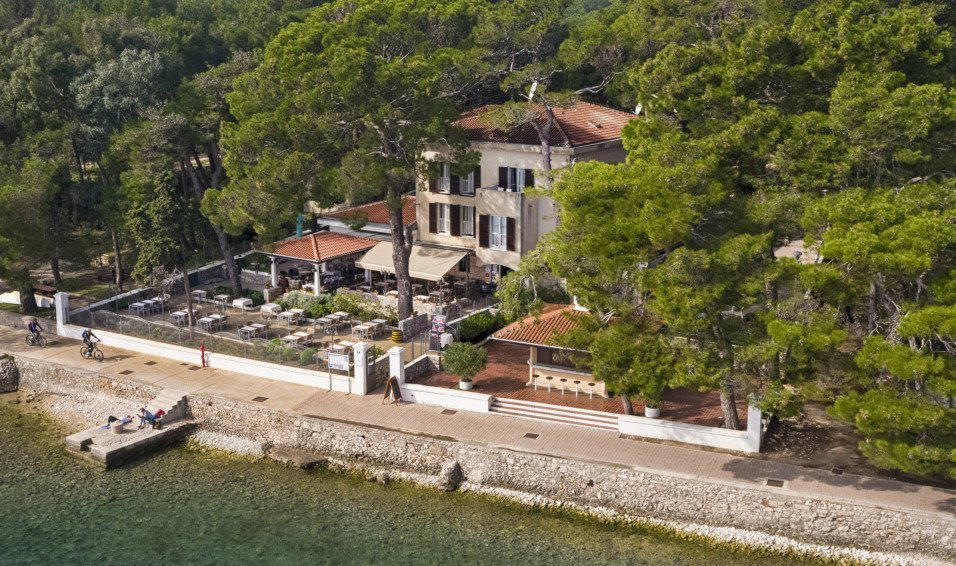
Approach Novalja from the water side and the town reads as a series of low, whitewashed surfaces meeting a harbour that faces the open channel between Pag Island and the Croatian mainland. The Adriatic here is cold, fast-moving, and exceptionally clear, conditions that produce shellfish and fish with a lean, saline character distinct from the calmer, warmer bays further south. Ul. kneza Branimira runs close to that harbour edge, and Starac i More sits within this compressed geography where the distance between the sea and the kitchen is, in practical terms, negligible. That proximity is not decoration. On Croatia's island dining circuit, it is the foundational argument for eating here rather than on the mainland.
Island Sourcing in a Croatian Context
Croatia's Adriatic coast has spent the last decade sorting itself into tiers. At the leading, places like Pelegrini in Sibenik and Restaurant 360 in Dubrovnik operate at €€€€ price points with formal tasting formats and Michelin recognition. Below that, a broader band of restaurants works the same Dalmatian ingredient logic, local fish, local lamb, local olive oil, local wine, without the ceremony or the price premium. Novalja occupies a position in this second tier, but with a geographic advantage that the bigger cities cannot replicate: Pag Island produces some of the most discussed ingredients in Croatian cooking, and Starac i More is embedded in that supply chain by location alone.
Pag lamb, cured under the island's salt-laden bora wind, carries a mineral quality that chefs in Zagreb or Split have to truck in. The same bora that cures the lamb also shapes the island's herb cover, sparse, aromatic, growing low against the limestone, and that vegetation passes directly into the flavour of the animals grazing on it. Comparable dynamics appear across the Mediterranean: the salt marshes of Mont Saint-Michel producing pre-salé lamb, or Sardinian Pecorino shaped by macchia grazing. On Pag, it manifests in a lamb that needs minimal intervention and a kitchen philosophy that, at its finest, knows when to stop. The cheese, Paški sir, the island's semi-hard ewe's milk product, holds Protected Designation of Origin status and appears across Croatia's better restaurant tables as a starting point rather than an afterthought. For restaurants in Novalja itself, having that cheese produced on the same island compresses the supply chain to almost nothing.
The sea component follows similar logic. The channel between Pag and the mainland pushes colder, more oxygenated water through than the sheltered inlets further south, which concentrates flavour in the fish and shellfish caught here. Adriatic seafood broadly, sea bass, bream, octopus, squid, crab, appears on most coastal Croatian menus, but the provenance argument is stronger when the boat is visible from the dining room. That is the structural advantage of a harbour-adjacent address in a small town like Novalja, where the supply chain is transparent in a way that larger tourist centres cannot offer.
Novalja's Position on the Island Dining Map
Pag Island dining divides between Novalja in the north and Pag Town in the south. Novalja skews younger and louder in summer, it has built a reputation as a festival and nightlife destination that draws a pan-European crowd from June through August, but that surface profile can obscure the fact that the town also sustains year-round restaurants working serious local produce. Boskinac, operating in the creative register at a higher price point, represents Novalja's most formal dining address. Starac i More operates in a different register: closer to the harbour, more embedded in the town's daily rhythm, and approaching the same Pag ingredient set from a less theatrical angle.
For visitors moving along the broader Kvarner and northern Dalmatia circuit, the reference points are worth mapping. Alfred Keller in Mali Losinj and Nebo by Deni Srdoč in Rijeka anchor the northern Adriatic's more ambitious dining tier. Burin in Crikvenica and Cubo in Opatija offer different approaches to the same coastal ingredient palette along the Kvarner Riviera. Starac i More sits south of all of these, on an island whose ingredient identity is strong enough that the venue's physical context carries weight before a single dish arrives.
Eating on Pag: The Practical Picture
Novalja is reached by ferry from Prizna on the mainland, a crossing of roughly fifteen minutes that deposits visitors onto a range of bare limestone and scrub that makes the harbour town feel like a relief. The summer season runs hard from late June through August, when the town's population multiplies and restaurant tables require advance planning. Outside those peak weeks, Novalja quiets considerably; some seasonal operations close entirely after September, though year-round addresses remain active. Visitors planning around the ingredient calendar rather than the social one find spring and early autumn more useful: the summer crowds have thinned, the bora wind is active, and the lamb and cheese that define Pag's larder are at their most consistent.
The Ul. kneza Branimira address places Starac i More within easy reach of the ferry landing and the old town centre, putting it within the natural circuit of any visitor already in Novalja rather than requiring a separate excursion. For those building a wider Croatian itinerary, the island-hopping logic runs south toward Bodulo in Pag Town, and further into Dalmatia toward LD Restaurant in Korčula and beyond. The full picture of where Croatian coastal dining currently sits is covered in our full Novalja restaurants guide.
For reference across Croatia's broader dining map, the inland register runs through venues like Dubravkin Put in Zagreb and Korak in Jastrebarsko, while the Dalmatian coast produces a different argument entirely, one built on fishing boats, island pasture, and a Mediterranean climate that requires less transformation in the kitchen than almost anywhere else on the continent. Internationally, the sourcing-led ethos that defines Pag's leading tables has parallels in places like Le Bernardin in New York City, where ingredient provenance does the structural work rather than technique alone, or Agli Amici Rovinj, where Italian-inflected thinking meets the same Adriatic supply chain further north.
Frequently asked questions
Is Starac i More suitable for children?
Novalja is a working harbour town on Pag Island, and Starac i More sits at Ul. kneza Branimira 1 in the older part of the settlement, away from the louder summer beach circuit. That setting tends to suit families more than the town's club-facing venues.
What is the atmosphere like at Starac i More?
The restaurant takes its name, 'The Old Man and the Sea', from the Hemingway novel, which signals something about the register it aims for: maritime, unhurried, grounded in the fishing tradition of the northern Pag coast. Novalja skews festive in peak summer, but this address on Ul. kneza Branimira sits apart from the town's louder beach-bar strip. Expect a pace shaped by the harbour rather than the club calendar.
How does Starac i More fit into Pag Island dining compared to restaurants in Pag Town?
Pag Island's restaurant scene divides along a north-south axis: Pag Town in the south draws visitors looking for a more traditional, quieter setting, while Novalja in the north pulls a younger, higher-turnover summer crowd. Starac i More, at Ul. kneza Branimira 1 in Novalja, occupies an interesting middle position, a name that references literary heritage in a town better known for beach tourism, which places it closer to the considered-dining end of the Novalja spectrum.
What's the signature dish at Starac i More?
What the Novalja context does confirm is that northern Pag Island kitchens lean heavily on the Adriatic catch, shellfish, white fish, and occasionally the salted lamb that Pag produces in its interior. Asking the kitchen what arrived that morning is the reliable approach at any serious harbour-side address in this part of Croatia.
Where exactly is Starac i More?
Starac i More is located at Ul. kneza Branimira 1, 53291, Novalja, Croatia, Novalja.
A Quick Peer Check
Comparable venues nearby, for context on price, style, and recognition.
| Venue | Cuisine | Price | Awards | Notes |
|---|---|---|---|---|
| Starac i MoreThis venue (the venue you are viewing) | Fresh Seafood & Mediterranean | Not listed | Not listed | Not listed |
| Boskinac | Modern Pag Island Fine Dining | $150–200 | 1 Michelin Star · La Liste Top Restaurants | Novalja |
| Niko | Traditional Adriatic Seafood | $50–100 | Not listed | Puntamika |
| Burin | Fresh Seafood and Mediterranean | $30–50 | Not listed | Crikvenica |
| Madalu | Fresh Istrian Seafood | Not listed | Not listed | Tar |
| Kornat | North Dalmatian Fine Dining Seafood | $50–100 | Not listed | Zadar Seafront |
Continue exploring
More in Novalja
Restaurants in Novalja
All restaurants in Novalja →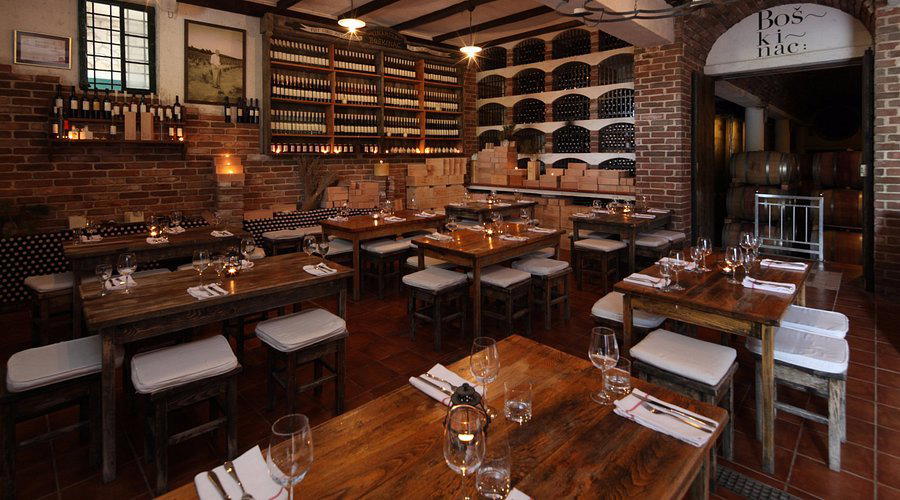
Bars in Novalja
Browse all →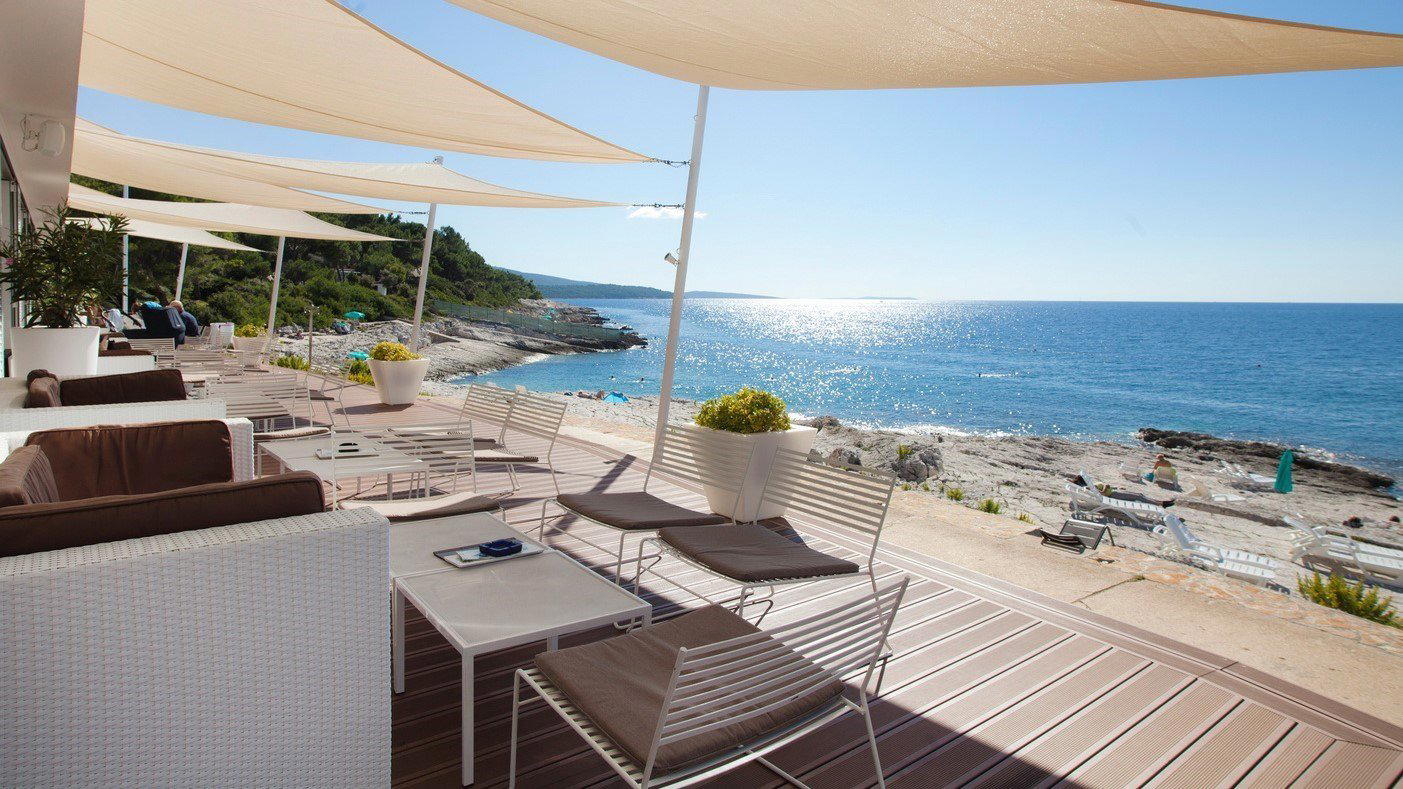
Hotels in Novalja
All hotels in Novalja →
Wineries in Novalja
All wineries in Novalja →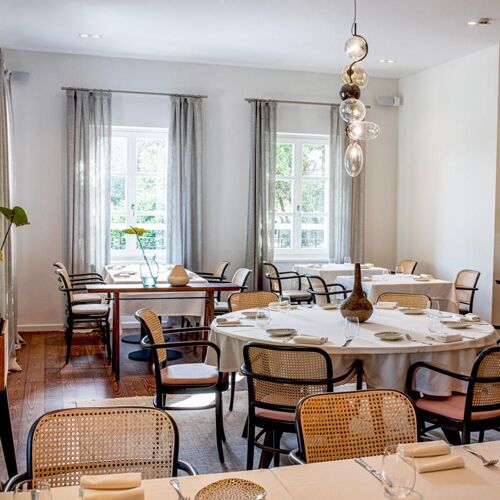
Details
- Elegant
- Scenic
- Intimate
- Date Night
- Special Occasion
- Waterfront
- Live Music
- Extensive Wine List
- Local Sourcing
- Waterfront
- A La Carte
- Tasting Menu
- Vegetarian Friendly
- Gluten Free Options
Current opening hours
- Monday
- 1–10 PM
- Tuesday
- 1–10 PM
- Wednesday
- 1–10 PM
- Thursday
- 1–10 PM
- Friday
- 1–10 PM
- Saturday
- 1–10 PM
- Sunday
- 1–10 PM
Hours can change for holidays and private events. Hours as of .
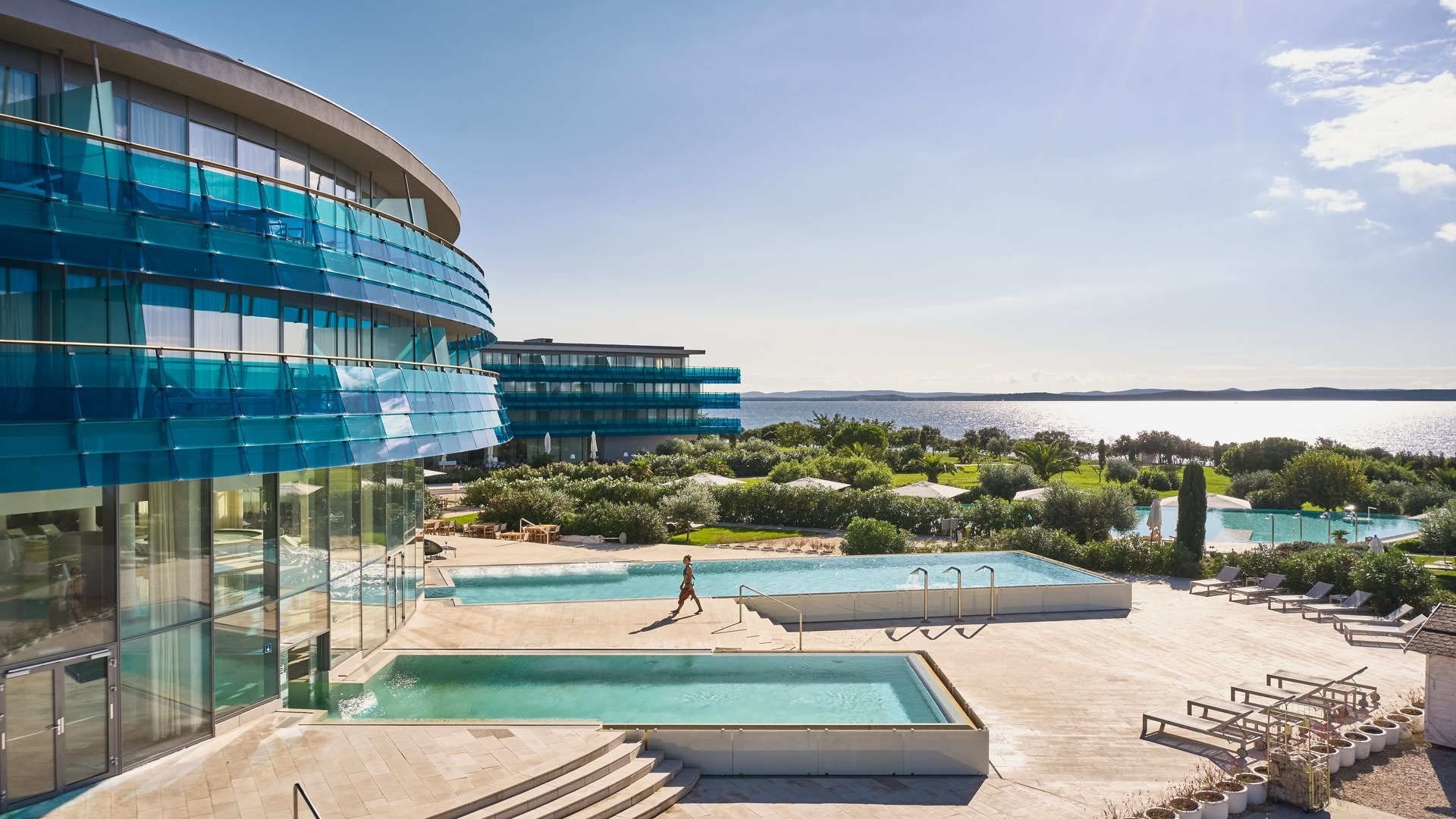
Professional and warm atmosphere with beachfront views, beautiful decorations, and occasional live music.