Konoba Pol Murvu sits in the village of Žena Glava above Komiža, on the island of Vis, where the konoba tradition of unhurried, home-anchored cooking holds firm against the pressures of coastal tourism. The setting frames the meal before anything arrives at the table: stone walls, the scent of the surrounding countryside, and a pace that belongs to the interior of the island rather than its harbour.
Pearl is the En Primeur Club membership app — saves, bookings, and concierge access live there. Same editors, same standards.
- Address
- b.b, 21483, Žena Glava, Croatia
- Phone
- +385953830161
- Website
- pol-murvu.hr
- Directions
- Get directions
 Saves & bookings on Pearl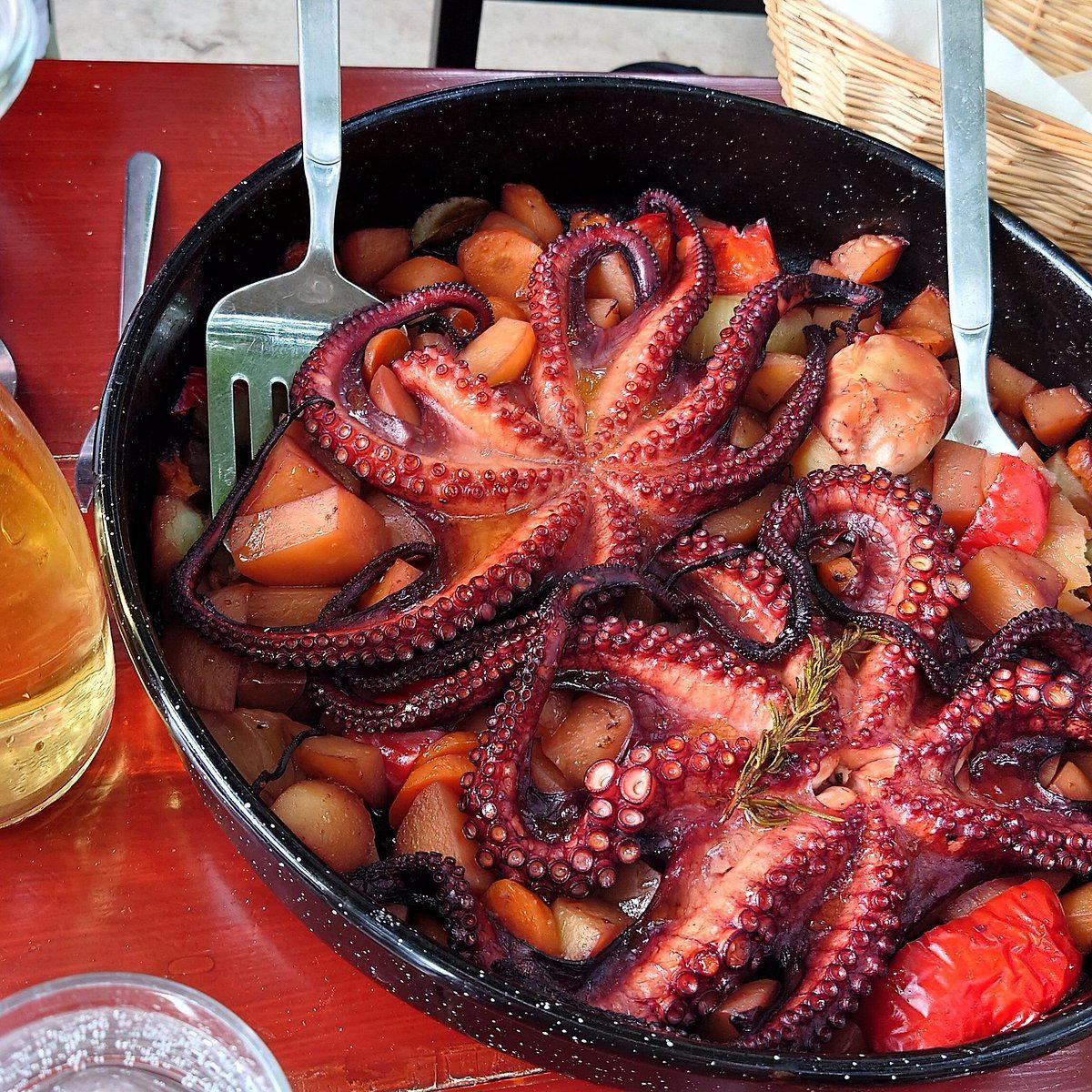
The Interior Rhythm of Vis
Most visitors to Vis experience the island through its two port towns, Komiža and Vis Town, where restaurants face the water and menus calibrate to the summer crowd. The village of Žena Glava sits above that coastal register, a few kilometres inland and noticeably quieter. Konoba Pol Murvu occupies this position, and that geography shapes everything about how a meal there unfolds. The approach alone signals a different mode of eating: a drive or walk through the island's stone-terraced interior, past vineyards and fig trees, arriving somewhere that does not perform its welcome.
That distinction matters in the Croatian Adriatic context. The archipelago's konoba tradition, the family-run tavern rooted in home cooking and seasonal produce, has always had two registers: the waterfront version, which trades partly on setting and tourism volume, and the inland or village version, which trades on locality and familiarity. Konoba Pol Murvu belongs firmly to the latter. The ritual of the meal here is unhurried and structured around what the kitchen and the garden can supply, not around a fixed menu designed to move quickly through high covers.
How the Meal Takes Shape
The dining customs at a konoba like this one reflect a pattern common across Dalmatia's more grounded establishments: the pace is set by the kitchen, not the clock, and the eating tends to unfold in multiple courses of modest individual size rather than arriving as a single composed plate. Expect cold starters, often featuring cured meats, local cheeses, and pickled or marinated vegetables, before fish or meat prepared simply over wood. On Vis, the local catch has always held a particular place in the kitchen, given the island's fishing history and the relative depth and cleanliness of the surrounding sea. The preparation tends toward restraint: grilling, roasting with olive oil and herbs, or slow-braising in white wine. The island's own varieties of plavac mali and the indigenous vugava grape, a white grown almost nowhere else in Croatia, provide a natural pairing framework for whatever comes to the table.
This kind of meal asks something of the diner: patience, willingness to follow the kitchen's lead, and a preference for the logic of ingredients over the logic of a designed experience. That is not a caveat but an asset. Vis operates at a remove from the mainland in a way that other Dalmatian islands have largely lost. Compared to the high-production modern Croatian restaurants along the coast, such as Pelegrini in Sibenik or Restaurant 360 in Dubrovnik, or the contemporary Adriatic approaches of Agli Amici Rovinj, a village konoba on Vis sits in an entirely different competitive set, one defined by proximity to source and fidelity to local custom rather than technique for its own sake.
The Vis Context: Why the Island Changes the Reference Point
Vis was a closed military zone under Yugoslavia until 1989, and that three-decade exclusion had a lasting effect on the island's development. Tourism arrived later and grew more slowly than on Hvar or Brač, which allowed the agricultural and fishing traditions to persist longer without the pressure of rapid commercialisation. The result is an island where the old rhythms of the meal, eating with the family, sharing the table, and being fed by what is available rather than what is marketed, remained structurally intact well into the period when those rhythms had already been disrupted elsewhere in Dalmatia.
That context makes Žena Glava and konobas like Pol Murvu legible in a way that requires framing. This is not a village restaurant that has preserved its character against the odds of tourism; it is a village restaurant on an island where the odds were structurally different. The experience reflects that history rather than resisting it. Vis's relatively recent opening to mass visitors also means that its interior villages are genuinely less visited than comparable interior settlements on Hvar or Korčula, making the act of eating at Pol Murvu as much about choosing a geography as choosing a restaurant.
For those building a wider picture of Adriatic dining, this sits at the opposite end of the spectrum from technically ambitious Croatian cooking, such as Boskinac in Novalja or Nebo by Deni Srdoč in Rijeka, and it is better understood in relation to the other Komiža-area konobas: Konoba Bako and Konoba Barba provide useful points of comparison for the waterfront versus interior dynamic.
Planning Your Visit
Žena Glava sits inland from Komiža, accessible by car or on foot for those prepared for a hill walk. Given the nature of this kind of establishment, arriving without prior contact is a risk in summer. The standard approach in Croatia's village konoba circuit is to call ahead or ask locally. LD Restaurant in Korčula, Krug in Split, Dubravkin Put in Zagreb, BioMania Bistro Bol, Bodulo in Pag, Burin in Crikvenica, Korak in Jastrebarsko, and Alfred Keller in Mali Lošinj cover the range from island casual to formal mainland modern.
Cuisine Lens
Comparable venues nearby, for context on price, style, and recognition.
| Venue | Cuisine | Price | Notes |
|---|---|---|---|
| Konoba Pol MurvuThis venue — the venue you are viewing | Traditional Croatian | $$ | Not listed |
| Konoba Barba | Traditional Dalmatian Seafood & Grill | $$ | Komiza |
| Konoba Bako | Traditional Dalmatian Seafood | $$ | Komiza |
| Jurin podrum | Traditional Dalmatian Mediterranean | $$ | Stari Grad |
| Pimpinella | Croatian Mediterranean Seafood | $$ | Firule |
| Pjat | Dalmatian Mediterranean Grill | $$ | Šibenik riva |
Continue exploring
More in Komiza
Restaurants in Komiza
Browse all →

At a Glance
- Rustic
- Cozy
- Scenic
- Casual Hangout
- Family
- Terrace
- Local Sourcing
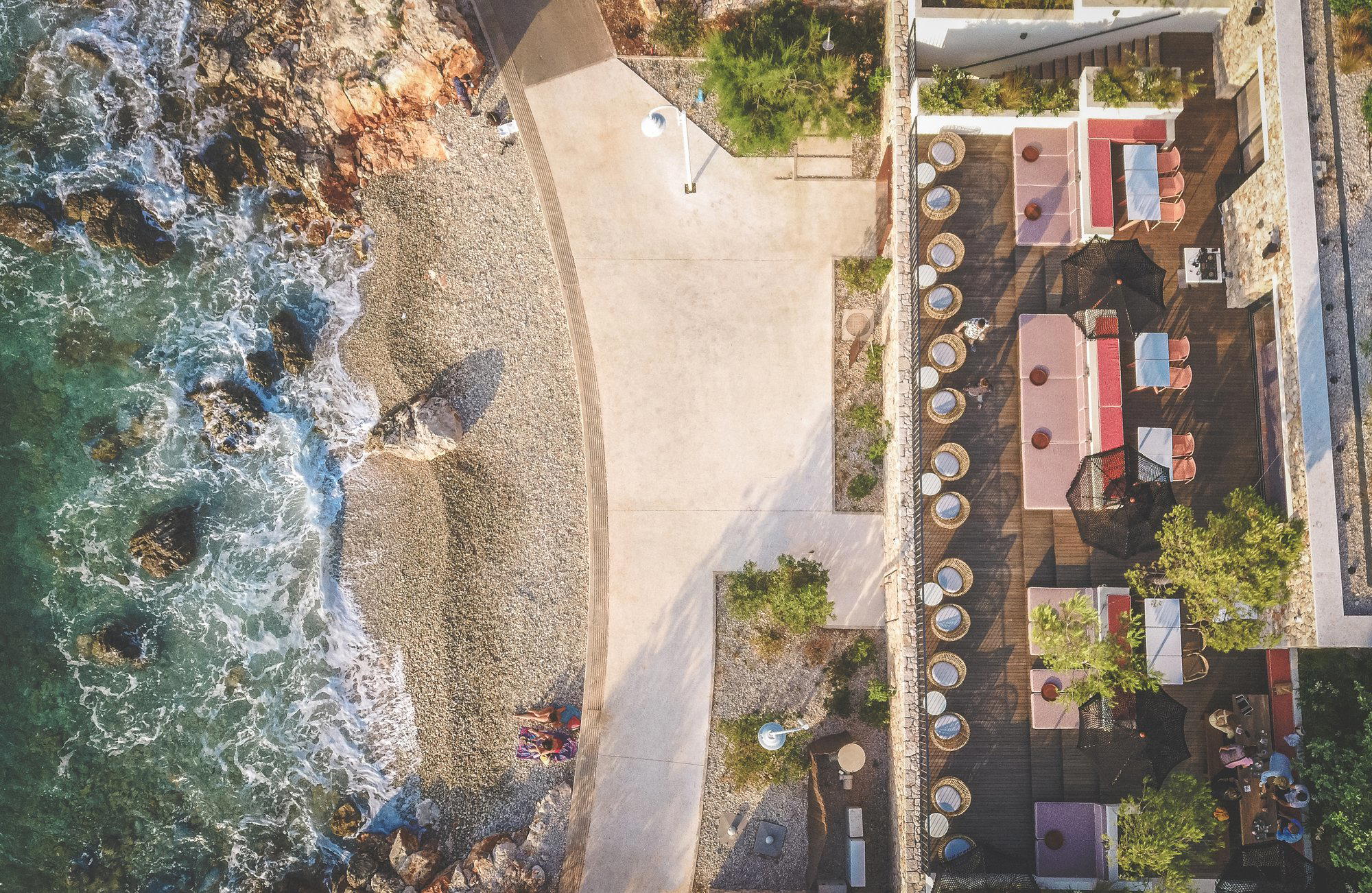
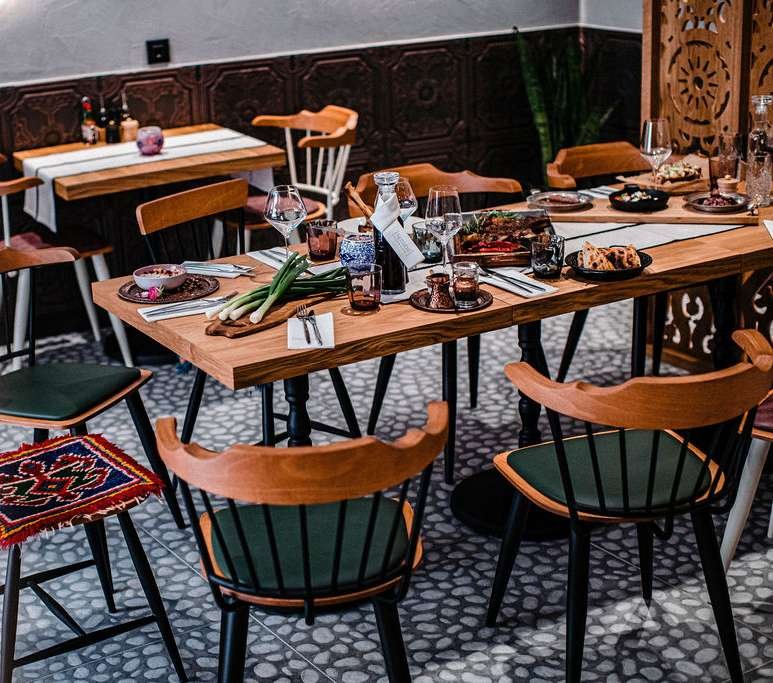
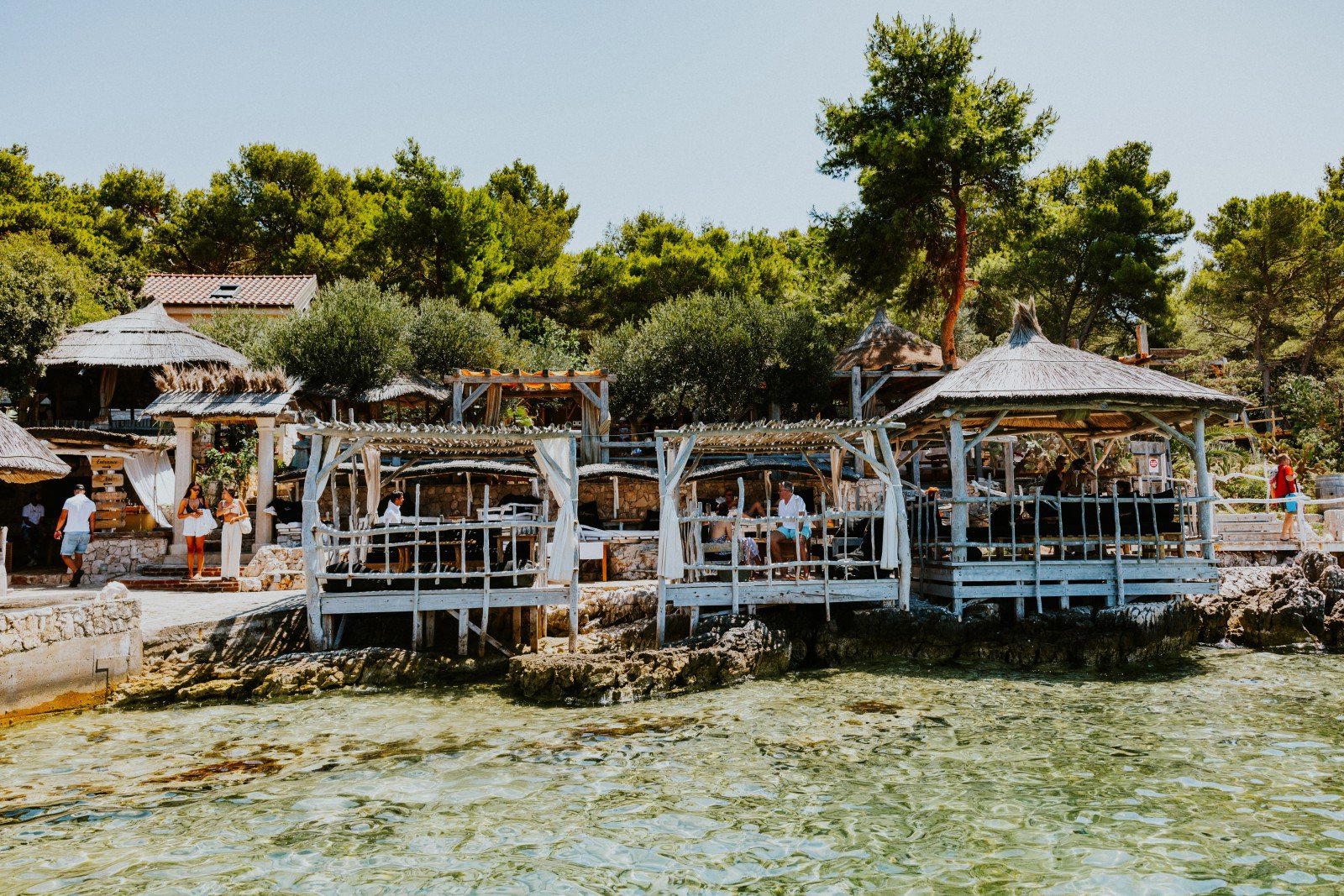
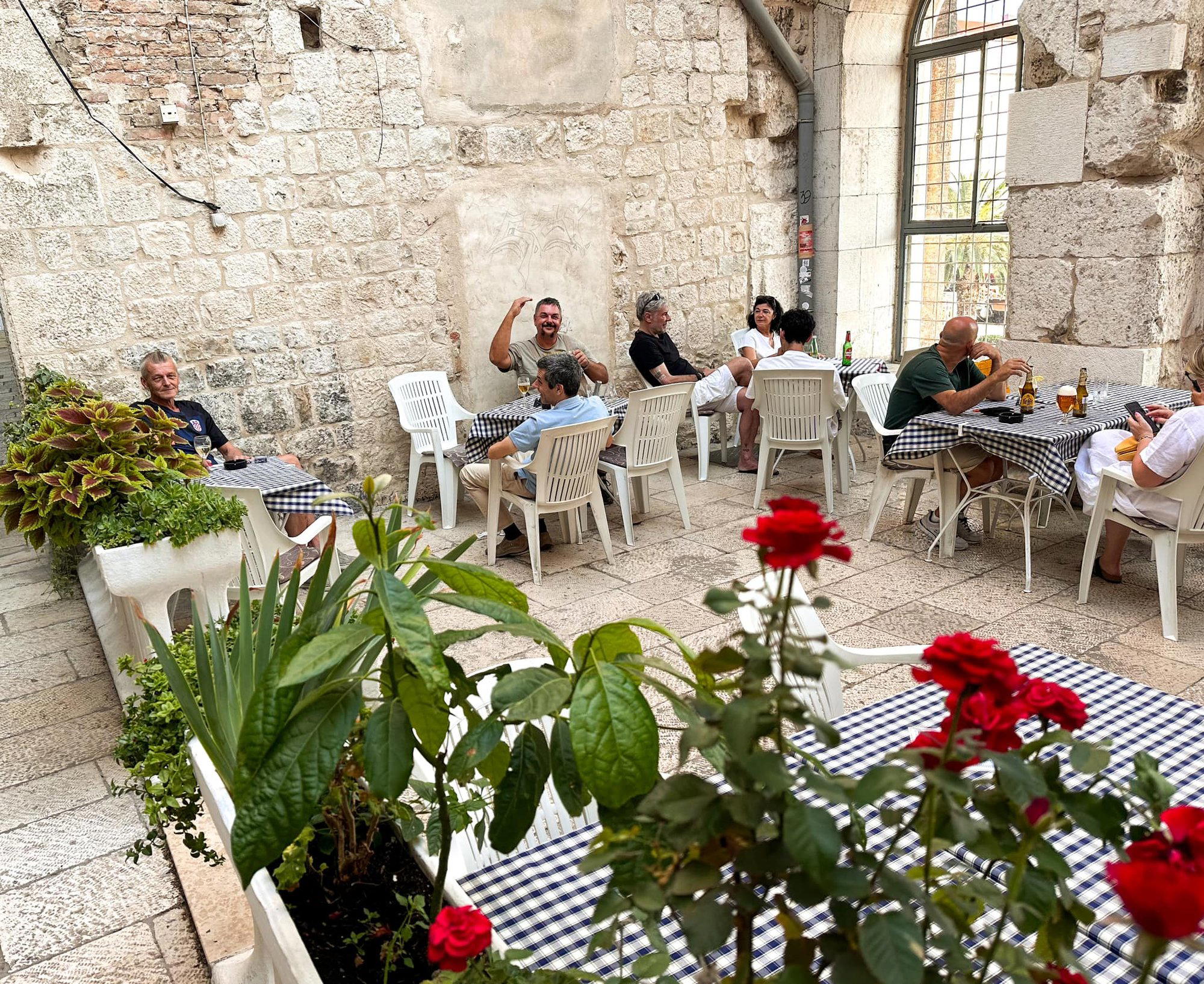
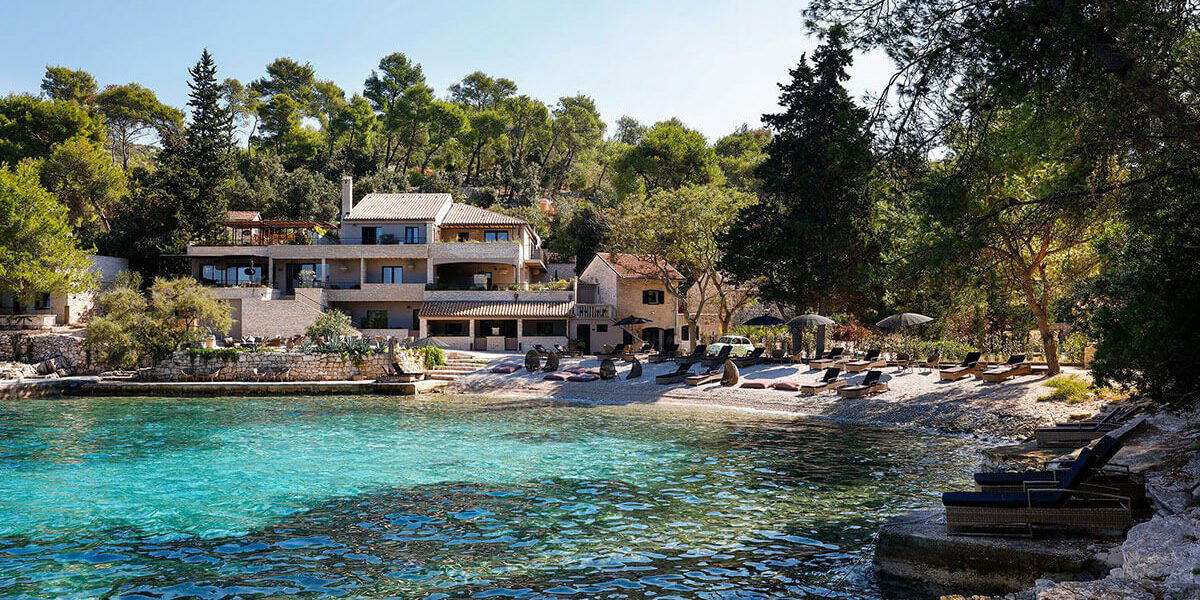
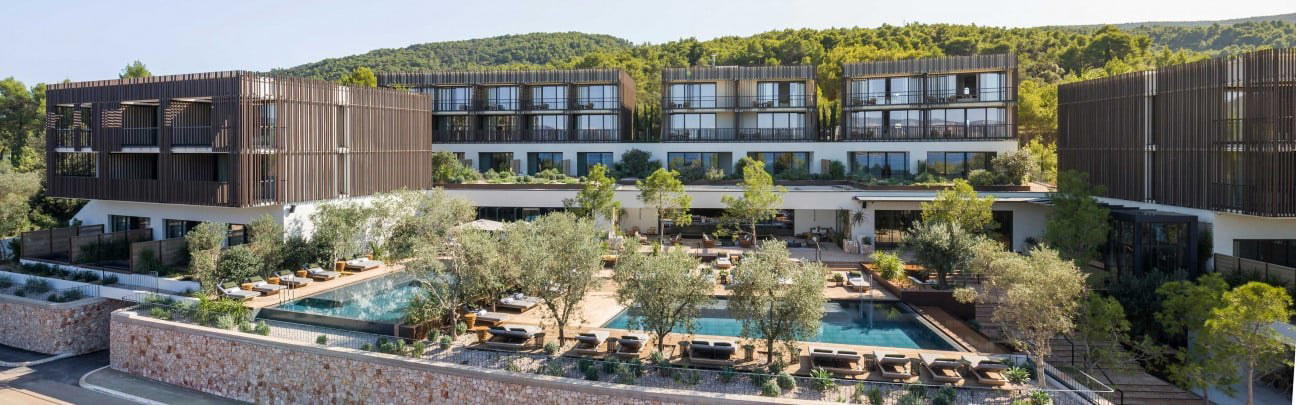
Rustic stone cottage with a peaceful, shaded atmosphere under mulberry trees, providing a cozy and restorative dining experience.