On a medieval square in central Šibenik, Pjat occupies the kind of address that earns its place through daily practice rather than inherited reputation. The cooking draws from Dalmatian coastal tradition, where the sourcing logic, local catch, regional producers, seasonal availability, determines the menu before any chef does. For a city that sits between Split and Zadar without always demanding its share of serious dining attention, Pjat is a reason to stop.
Pearl is the En Primeur Club membership app — saves, bookings, and concierge access live there. Same editors, same standards.
- Address
- Trg Pavla Šubića I 3, 22000, Šibenik, Croatia
- Phone
- +38598335070
- Website
- rivijera.eu
- Directions
- Get directions
 Saves & bookings on Pearl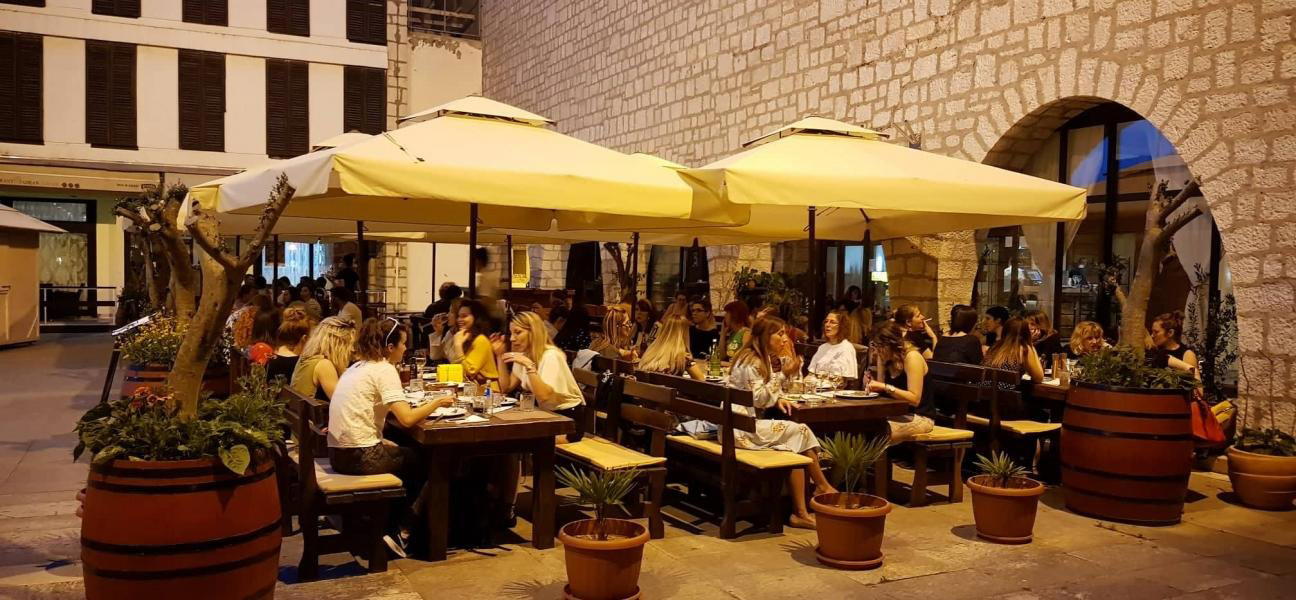
A Square That Does the Work Before You Arrive
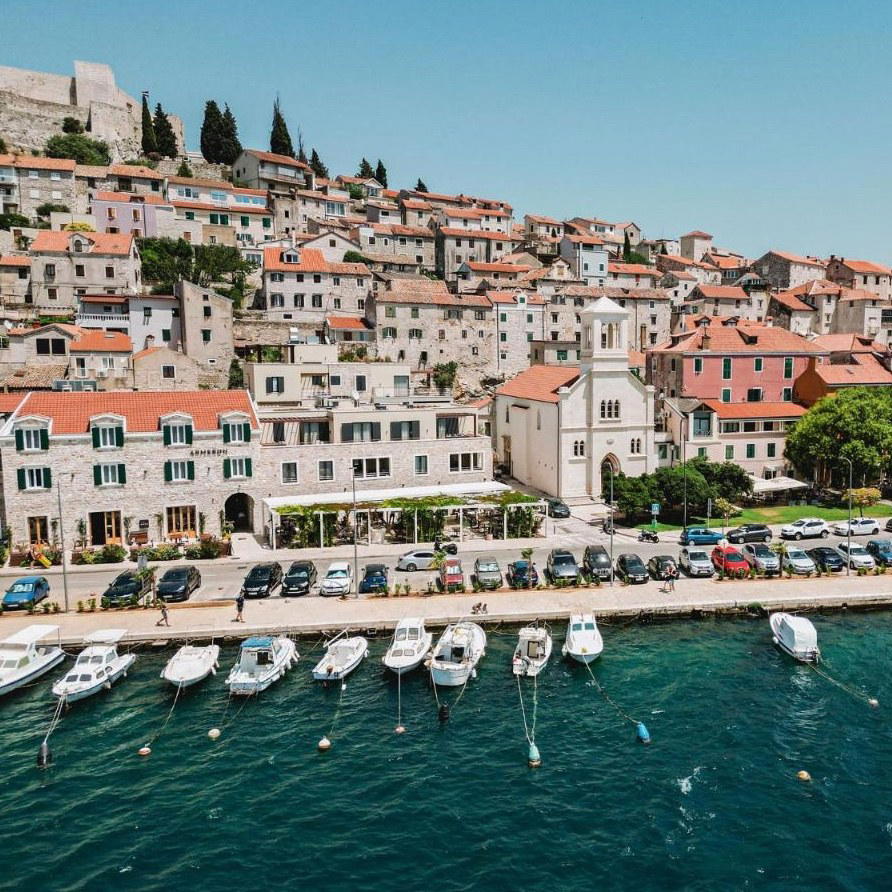
Trg Pavla Šubića I is not a square that announces itself with tourist infrastructure. The stone geometry of central Šibenik, where medieval alleys compress and then open, means that arriving at the address feels earned rather than delivered. In Dalmatia, that threshold experience matters: the towns along this coastline have spent centuries calibrating the relationship between public space and table, and the restaurants that read that calibration well tend to attract a different kind of diner than those chasing harbour views. It sits at that address on the square, which already tells you something about its orientation. It is placed for the town, not for the season.
Sourcing as the Starting Point
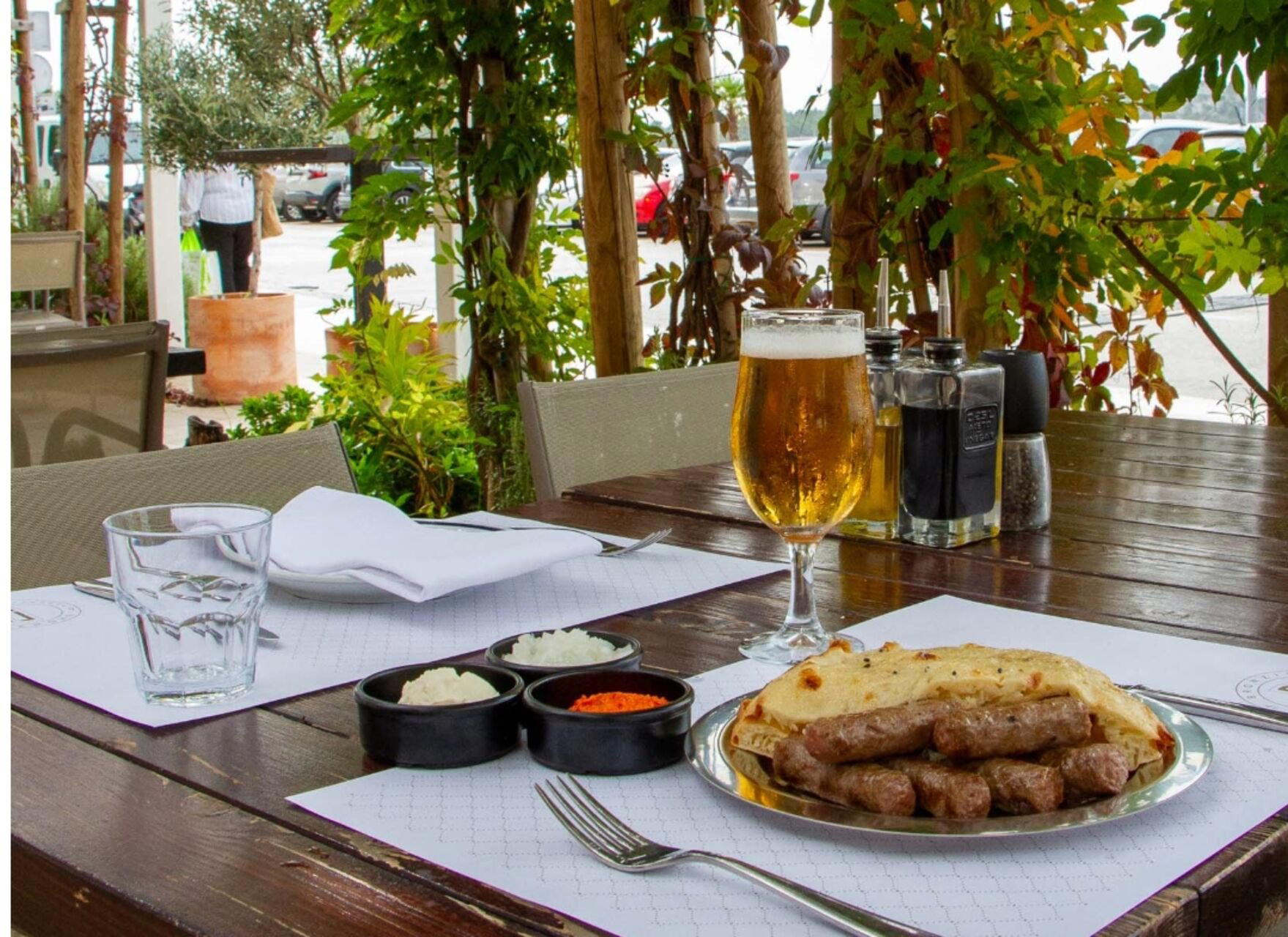
In Dalmatian cooking, the ingredient question is rarely academic. The Adriatic's geography, shallow bays, island-sheltered channels, a sea temperature that trends cooler than the western Mediterranean, produces fish and shellfish with a particular density and salinity that does not translate when sourced from further afield. The cooking traditions that developed along this coast, across generations of konoba kitchens and family tables, were built around proximity: you cooked what came off the boat that morning, you used the olive oil pressed from groves visible from your window, and the wine came from the nearest island. That tradition has never fully disappeared here, but it has been under pressure from the standardisation that high-volume tourism brings. The restaurants in Šibenik that resist that pressure tend to be the ones worth seeking out, and the test is usually direct: does the menu shift with the season and the catch, or does it hold fixed year-round?
Pjat operates in a city where that question has sharper edges than in, say, Split or Dubrovnik. Šibenik lacks the critical mass of international visitors that funds the kind of premium supply chains you see sustaining places like Pelegrini (Mediterranean, Modern Cuisine), the city's highest-profile address and the restaurant that has done most to establish Šibenik as a dining destination with national standing. In that context, a restaurant drawing from local producers and Dalmatian sourcing logic is making a practical commitment, not just a marketing one. The supply relationships that underpin a menu like this take years to build and require consistent volume from the kitchen's side to maintain.
Where Pjat Sits in the Šibenik Picture
Šibenik's restaurant scene has developed unevenly. A handful of addresses have attracted attention from Croatian food media and the travelling dining circuit; most of the city's tables remain oriented toward domestic tourism and local regulars. That split creates distinct peer groups. At the higher end, Pelegrini holds Michelin recognition and sets a reference point for the city's ambitions. Below that tier, the field includes addresses like Bronzin and Il-palazzo Galbiani, alongside the konoba tradition represented by places like Konoba Marenda and Konoba Ronilac. That konoba format, informal, anchored in Dalmatian home cooking, priced for regulars, represents a different proposition than a table-service restaurant on a historic square, but the sourcing values often overlap. Pjat occupies a middle position in this geography: less formal than the Michelin tier, more considered than a purely traditional konoba.
For readers cross-referencing the Croatian coast more broadly, the comparison set extends beyond Šibenik. The sourcing-led approach Pjat reflects appears in different registers at places like Agli Amici Rovinj in Rovinj, Boskinac in Novalja, and LD Restaurant in Korčula. Each of those addresses interprets Adriatic ingredients through a different lens, resort luxury in Novalja's case, island tradition in Korčula's, but the underlying commitment to regional produce as the foundation of a menu is consistent across all of them. It is the dominant grammar of serious Croatian coastal cooking, and Pjat is working within that grammar.
For context from Croatia's interior, Dubravkin Put in Zagreb and Korak in Jastrebarsko demonstrate how the same sourcing logic plays out when the pantry shifts from Adriatic seafood to continental Croatian produce. The principle holds: provenance first, technique in service of the ingredient. In Dalmatia, the sea does most of the heavy lifting.
Planning a Visit
Šibenik rewards the traveller who arrives without the script that works for Dubrovnik or Split. The city's UNESCO-listed Cathedral of St. James draws visitors who often move on the same day, which means that staying overnight, or building the city as a genuine base rather than a day-trip, changes the dining experience considerably. Restaurants like Pjat operate for a clientele that includes local residents and repeat visitors who know the town's rhythms, and that shapes both the atmosphere and the service pace. Reaching Šibenik by car from Split takes roughly an hour on the A1 motorway; from Zadar, closer to ninety minutes. The summer high season, from late June through August, compresses availability across all of the city's better tables, so advance planning in that window is advisable. The shoulder months of May, June, and September offer more flexibility and, often, a more accurate read on how a kitchen performs when it is not operating at maximum capacity.
Readers who prefer to triangulate against international reference points, particularly those familiar with the sourcing-first format that defines places like Le Bernardin in New York City or the precision-ingredient approach at Atomix in New York City, will find Pjat operating in a different register entirely: the ambition is Dalmatian and local rather than cosmopolitan. The same applies when drawing comparisons with Croatian addresses outside the coast, such as Nebo by Deni Srdoč in Rijeka, Krug in Split, or Alfred Keller in Mali Lošinj, all of which sit closer to the technique-forward end of Croatian cooking and price accordingly. Pjat reads as the kind of address that earns its audience through consistency and a clear sense of where its food comes from, rather than through format or positioning.
A Quick Peer Check
Comparable venues nearby, for context on price, style, and recognition.
| Venue | Cuisine | Price | Notes |
|---|---|---|---|
| PjatThis venue — the venue you are viewing | Dalmatian Mediterranean Grill | $$ | Not listed |
| Nostalgija | Traditional Dalmatian Seafood | $$$ | Old Town |
| Il-palazzo Galbiani | Modern Croatian Seafood & Mediterranean | $$$ | Sibenik Old Town |
| Bronzin | Traditional Croatian Mediterranean Grill | $$ | Old Town |
| Moderato Cantabile POP | Coffee & Cakes Café | $$ | Vila Pasini |
| Sedmo nebo | Authentic Dalmatian Seafood | $$$ | Kaprije (Otok Kakan) |
Continue exploring
More in Sibenik
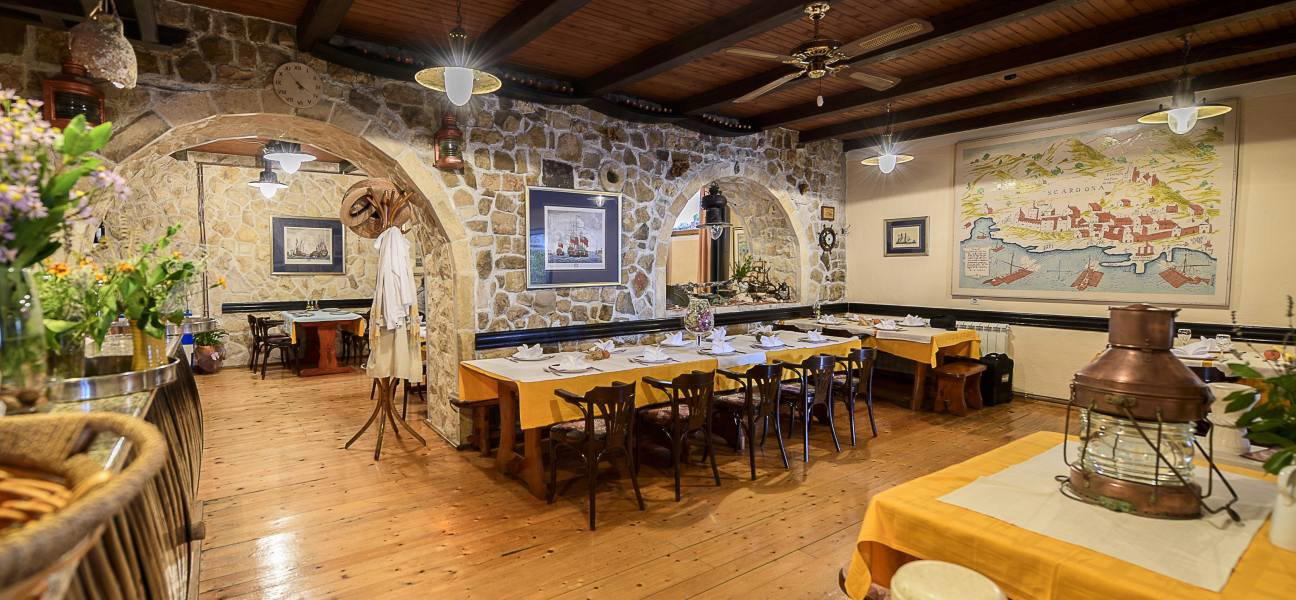
Restaurants in Sibenik
Browse all →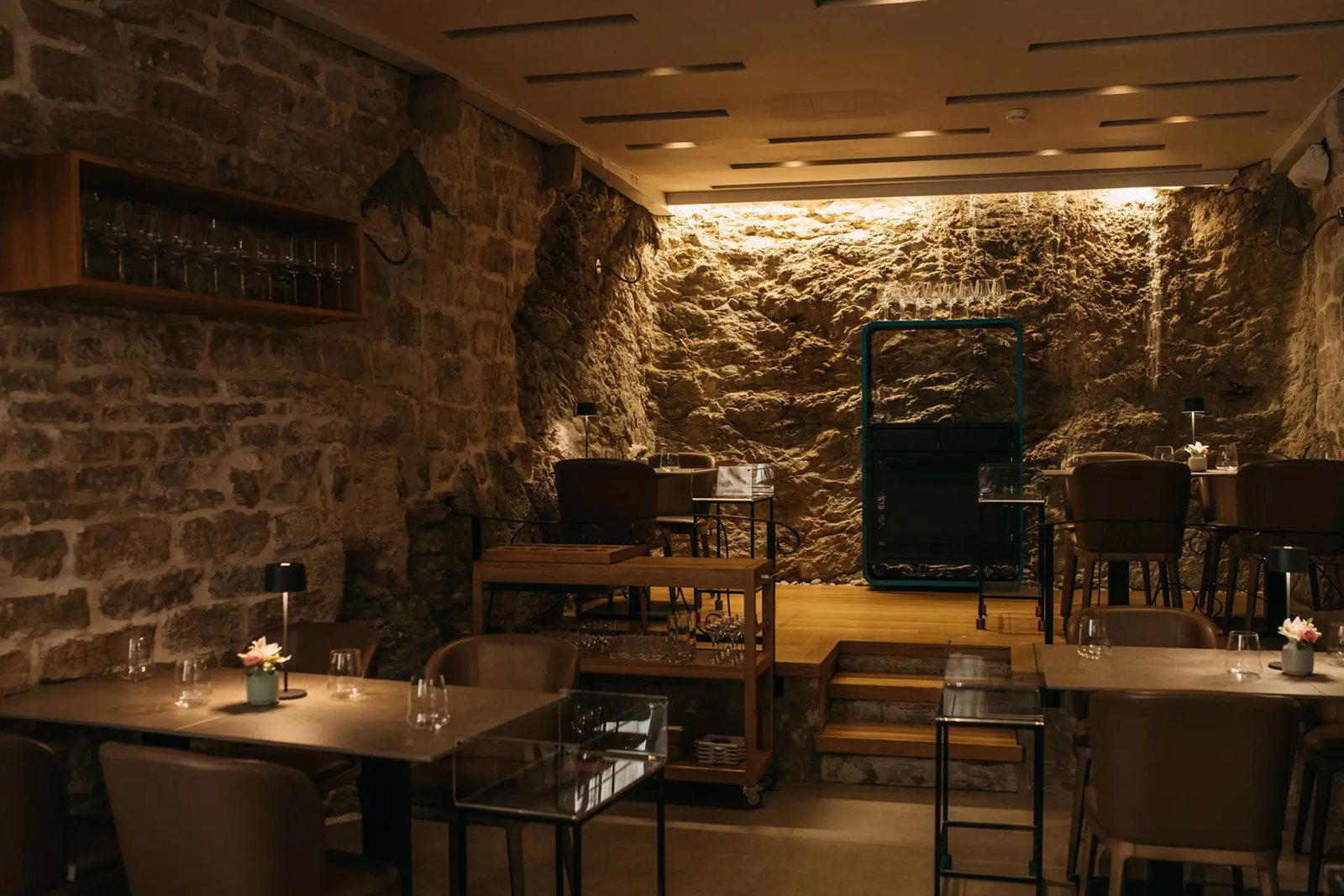
Bars in Sibenik
Browse all →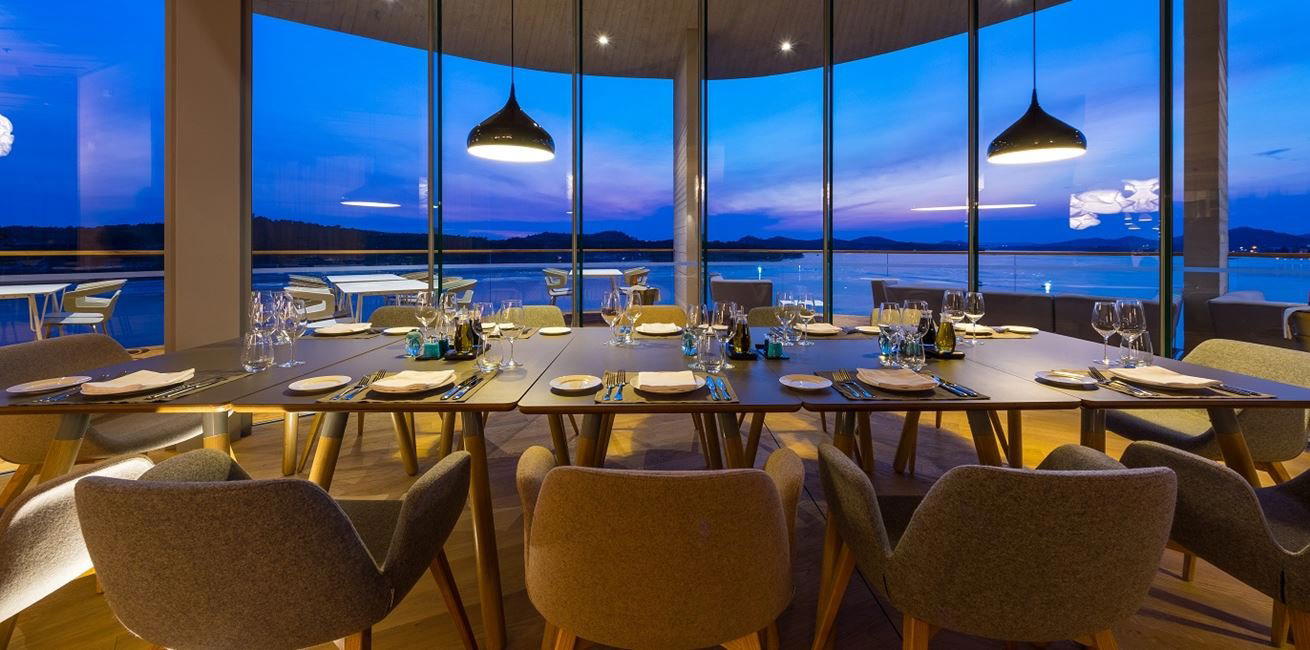
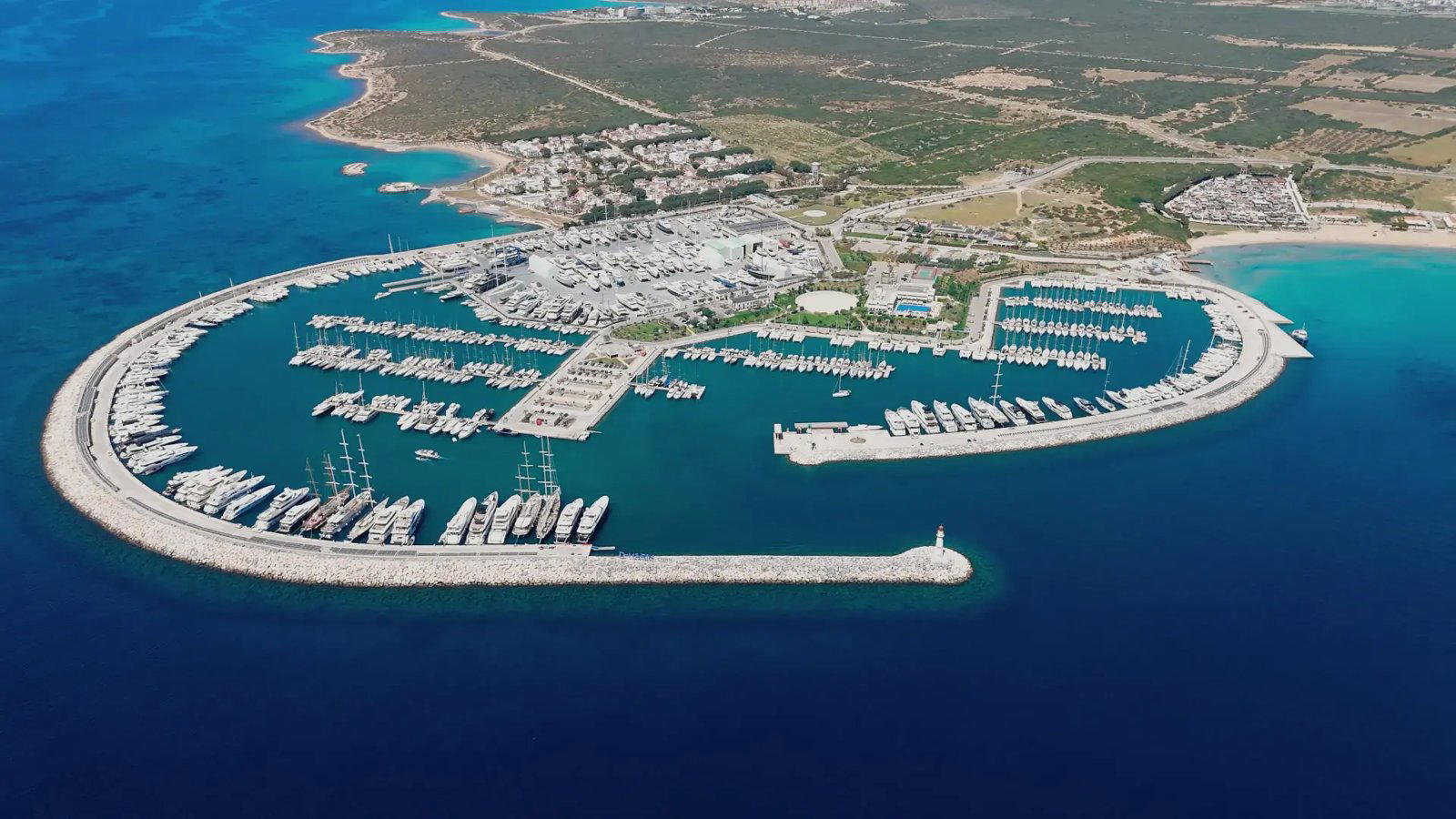
Hotels in Sibenik
Browse all →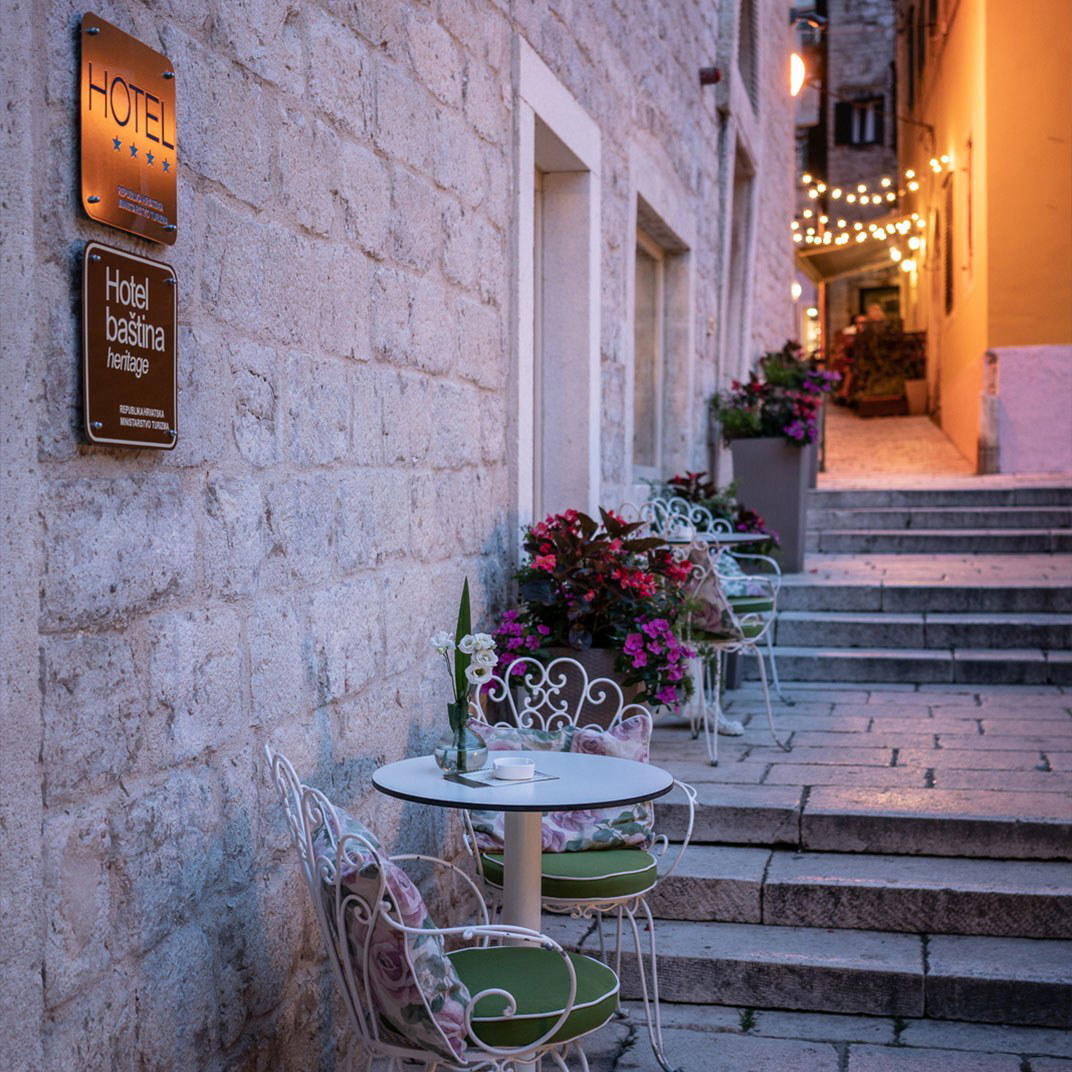

At a Glance
- Scenic
- Cozy
- Elegant
- Date Night
- Family
- Business Dinner
- Waterfront
- Terrace
- Extensive Wine List
- Farm To Table
- Local Sourcing
- Waterfront
Current opening hours
- Monday
- Closed
- Tuesday
- 12–11 PM
- Wednesday
- 12–11 PM
- Thursday
- 12–11 PM
- Friday
- 12–11 PM
- Saturday
- 12–11 PM
- Sunday
- 12–11 PM
Hours can change for holidays and private events. Last verified .
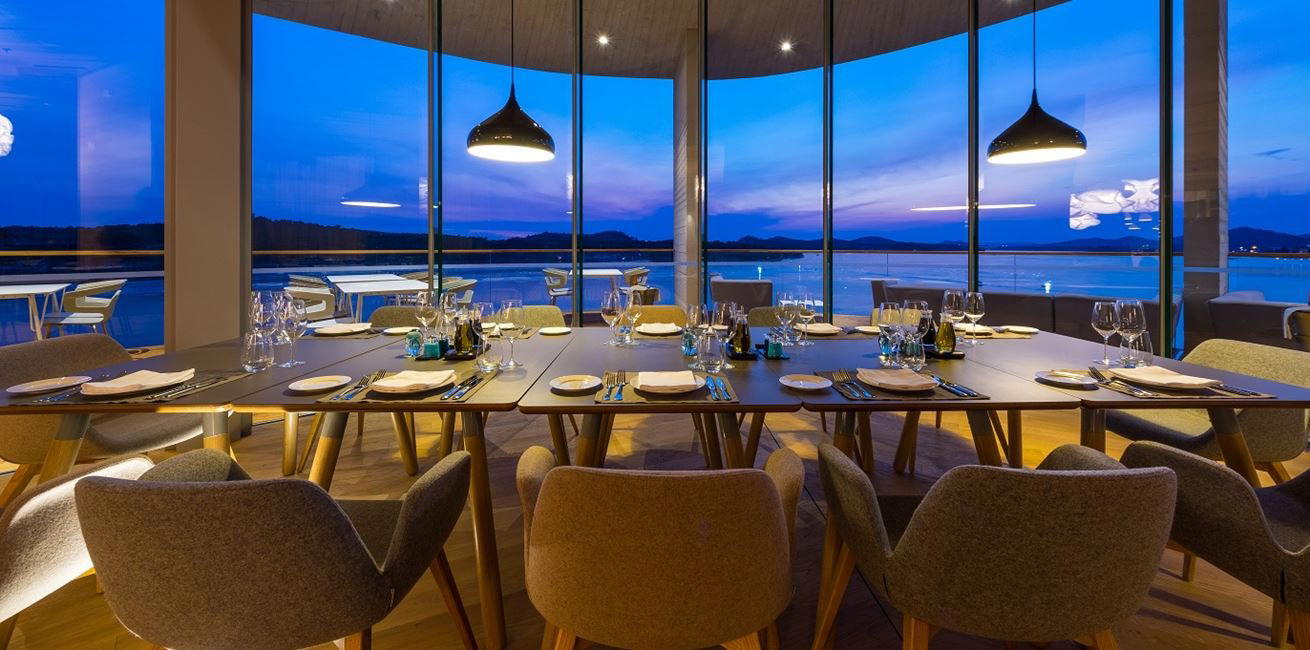
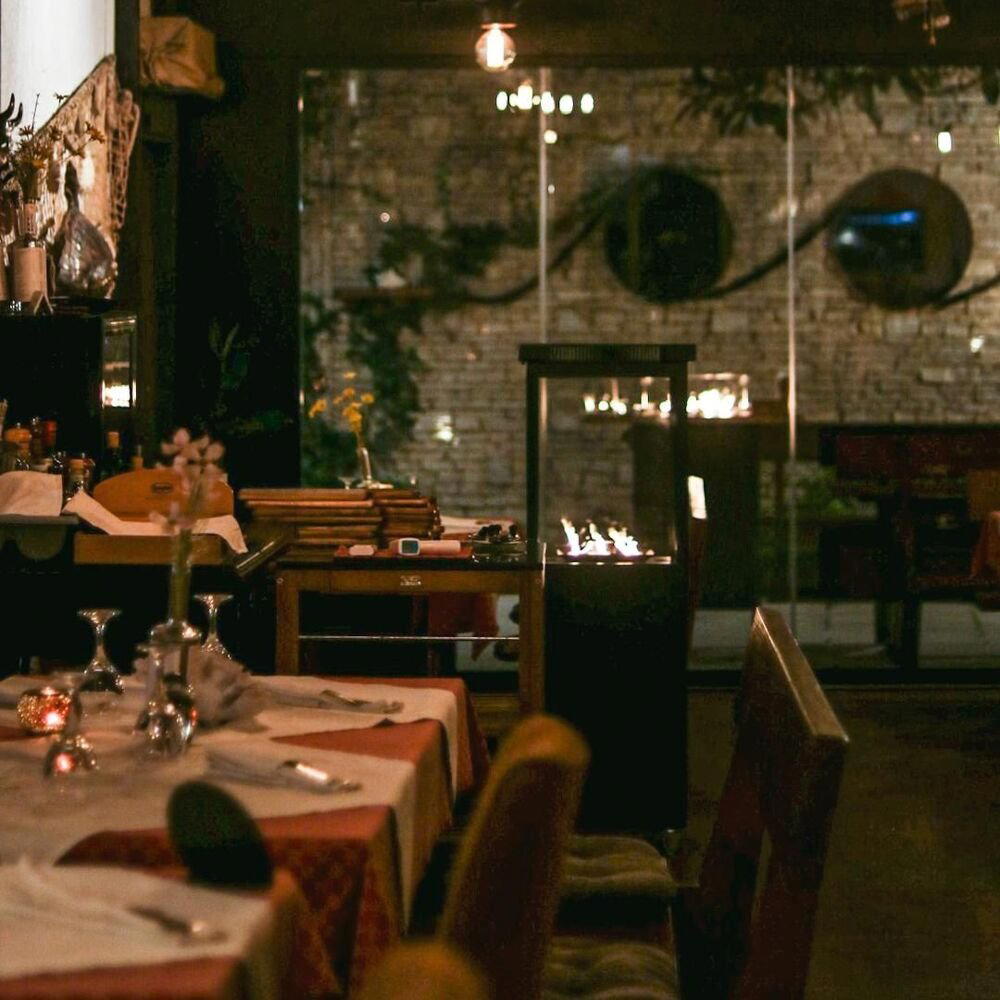
Warm and inviting atmosphere with sea views, spacious terrace, and professional service creating an intimate yet scenic dining experience.