Konoba Bako sits on the waterfront of Komiža, the fishing village at the southwestern tip of Vis Island, where the konoba tradition, informal, ingredient-led, tied to the sea, remains largely intact. The address alone, a few steps from the harbour on Ul. Ivana Gundulića, places it within a dining culture built on the day's catch rather than the season's menu trend. For travellers reaching Vis by ferry, it represents the kind of table that the island's relative inaccessibility has helped preserve.
Pearl is the En Primeur Club membership app — saves, bookings, and concierge access live there. Same editors, same standards.
- Address
- Ul. Ivana Gundulića 1, 21485, Komiža, Croatia
- Phone
- +385 99 354 9256
- Website
- konobabako.hr
- Directions
- Get directions
 Saves & bookings on Pearl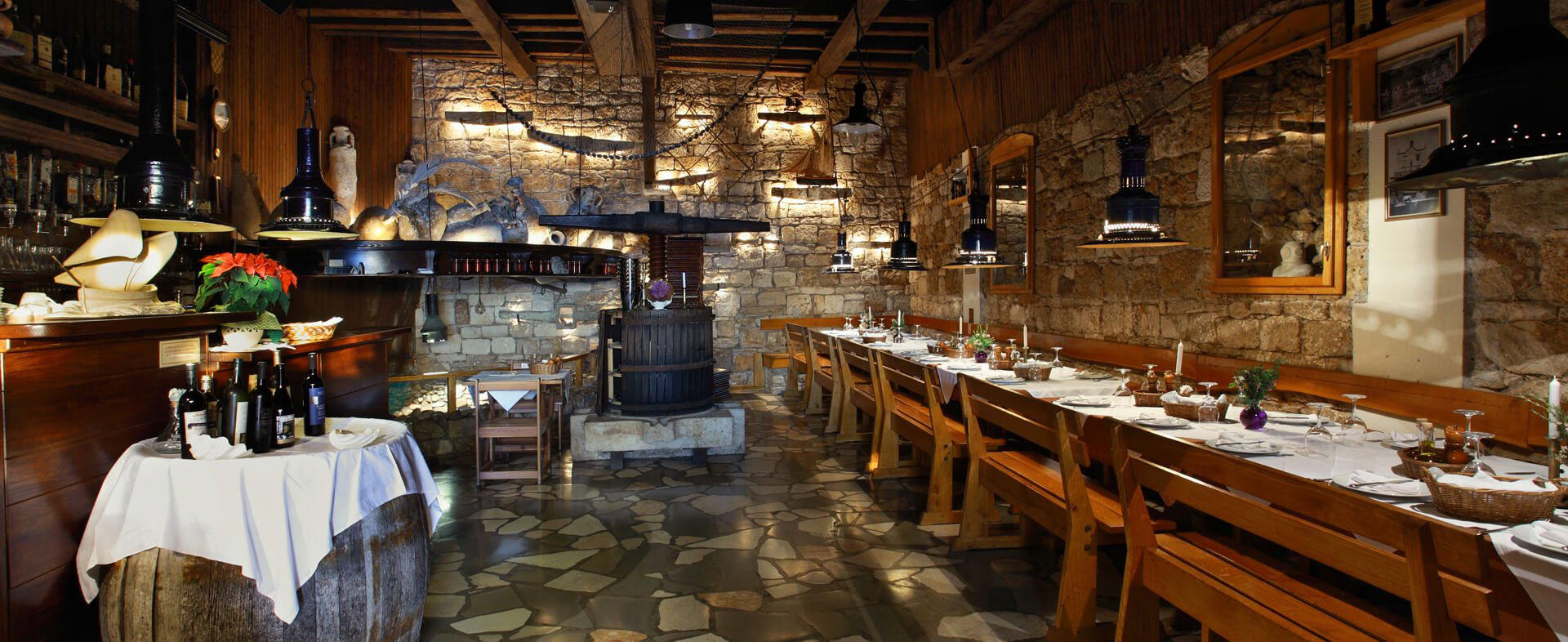
Where the Konoba Tradition Holds Its Ground
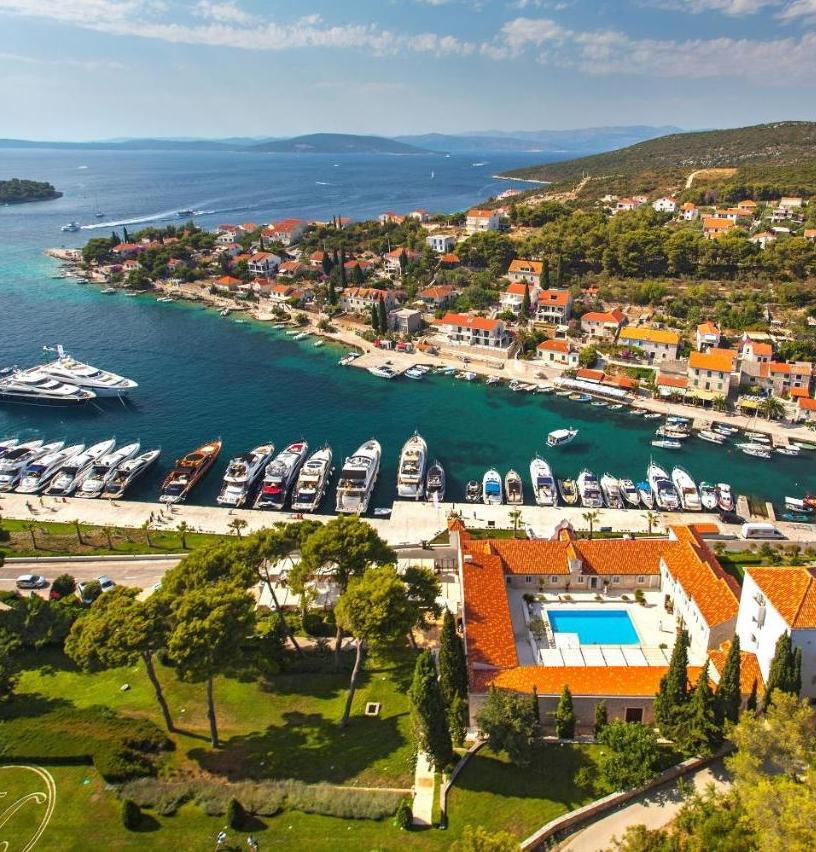
Konoba Bako is a restaurant in Komiža, Croatia, serving traditional Dalmatian seafood at about $35 per person. Approach Komiža from the sea and the town reads as a single, unhurried composition: a crescent of stone buildings, a Venetian tower at one end, fishing boats rocking against the quay. The konoba, the Dalmatian term for a tavern rooted in domestic winemaking and storage, has always been the social spine of settlements like this one. Konoba Bako, addressed at Ul. Ivana Gundulića 1, occupies the kind of position that konobe have held for generations in Adriatic fishing villages: close to the water, close to the source, without the elaborate staging of the mainland restaurant scene.
Komiža is not an incidental stop. It is the main settlement on the western side of Vis Island, the Croatian island that remained closed to foreign visitors until 1989 due to its role as a Yugoslav military base. That late opening to tourism, relative to Split, Hvar, and Dubrovnik, shaped a dining culture that evolved more slowly and with less pressure to perform for mass audiences. The konoba format here is not a nostalgic recreation, it is simply what remained when the infrastructure for tourist-facing cuisine arrived later than elsewhere.
The Dalmatian Konoba as a Culinary Frame
To understand what a table at Konoba Bako represents, it helps to understand what the konoba format is and is not. Across Dalmatia, the konoba occupies a specific register: simpler in presentation than a restoran, more ingredient-focused, typically family-operated, and calibrated to local rather than imported product. The emphasis falls on fish grilled over charcoal or prepared under a peka (the bell-shaped lid buried in embers), on seasonal vegetables, on local olive oil, and on the island's own wine, particularly Vugava, the white variety native to Vis that rarely travels far from the island.
That last point matters for context. Vis's wine identity is built around Vugava and Plavac Mali, with small producers working land that remained largely unmodernised during the decades of military closure. The result is a wine culture that pairs with the kind of cooking konobe do leading: fresh, saline, restrained. The better konobe in Komiža draw directly on this alignment between local viticulture and local fishing, without the mediation of a wine list curated for international palates. Travellers who have eaten their way through more polished Croatian addresses, Pelegrini in Sibenik, Restaurant 360 in Dubrovnik, or LD Restaurant in Korčula, often describe the Vis konoba as a recalibration, a reminder of what the cuisine looked like before modernist plating arrived.
Komiža's Position Within the Island Dining Tier
Vis Island has attracted a particular kind of traveller since it opened: those willing to take the two-and-a-half-hour ferry from Split, or the faster catamaran in summer, to reach somewhere that the day-tripper circuit from Hvar has not fully absorbed. That selectivity affects the restaurants. The population of visitors who reach Komiža skews toward people who have already decided that ease of access is not their primary criterion. The konobe that have survived and built reputations on Vis have done so without the promotional infrastructure that supports better-known venues on more accessible islands.
Within Komiža specifically, the konoba comparable set includes Konoba Barba and Konoba Pol Murvu, both working within the same format logic: local fish, island wine, outdoor or simply furnished interiors, and a menu that responds to what arrived at the harbour that morning rather than what was printed in advance. This peer group operates at a price tier considerably below the formal dining addresses on the Croatian coast. For comparison, the €€€€ tier represented by Agli Amici Rovinj in Rovinj or Boskinac in Novalja signals a different set of ambitions and a different relationship to the culinary tradition, more transformative, more self-consciously fine-dining. The Komiža konoba sits apart from that competitive set by design, not default.
Getting There and Planning the Visit
Vis is reachable from Split by Jadrolinija ferry (approximately two and a half hours) or by faster catamaran services that run more frequently in July and August. Komiža lies a further 10 kilometres from Vis Town on the island's western coast, accessible by local bus or taxi. The island has no airport. Summer evenings in Komiža fill quickly, and the outdoor tables at harbour-adjacent konobe are among the more contested seats on the island during peak season, roughly late June through late August. Arriving early or eating outside peak hours is the practical solution rather than a formal reservation system.
What the Konoba Bako Address Signals
The address on Ul. Ivana Gundulića places the restaurant within the older residential fabric of Komiža rather than on the main tourist promenade. That positioning, a short walk from the waterfront rather than directly on it, is itself a kind of signal: the venue has not been optimised for foot traffic from the harbour. In the context of Komiža's small geography, the distinction is minor in physical terms but more meaningful as an indicator of the venue's relationship to the town. Konobe that occupy secondary streets in Dalmatian fishing villages tend to rely on word of mouth and repeat local patronage in a way that quayside operations do not. The restaurant's reference point is the village table, not the tasting menu.
- Langouste lobster
- Brodet Dalmatian stew
- Scampi buzara
- Black cuttlefish risotto
- Octopus in wine
- Gregada
Price and Recognition
Comparable venues nearby, for context on price, style, and recognition.
| Venue | Cuisine | Price | Notes |
|---|---|---|---|
| Konoba BakoThis venue — the venue you are viewing | Komiza, Traditional Dalmatian Seafood | $$ | Not listed |
| Konoba Pol Murvu | Komiza, Traditional Croatian | $$ | Not listed |
| Konoba Barba | Not listed | $$ | Komiza, Traditional Dalmatian Seafood & Grill |
| Taverna Bota Sare | Not listed | $$$ | Mali Ston, Traditional Dalmatian Seafood & Oysters |
| Trica Gardelin | Vrboska, Traditional Croatian Seafood | $$ | Not listed |
| Konoba Ronilac | Krapanj, Croatian Coastal Seafood | $$ | Not listed |
Continue exploring
More in Komiza
Restaurants in Komiza
Browse all →

At a Glance
- Romantic
- Scenic
- Rustic
- Cozy
- Classic
- Date Night
- Group Dining
- Special Occasion
- Casual Hangout
- Waterfront
- Terrace
- Historic Building
- Extensive Wine List
- Local Sourcing
- Sustainable Seafood
- Waterfront
Current opening hours
- Monday
- 5 PM–1 AM
- Tuesday
- 5 PM–1 AM
- Wednesday
- 5 PM–1 AM
- Thursday
- 5 PM–1 AM
- Friday
- 5 PM–1 AM
- Saturday
- 5 PM–1 AM
- Sunday
- 5 PM–1 AM
Hours can change for holidays and private events. Last verified .
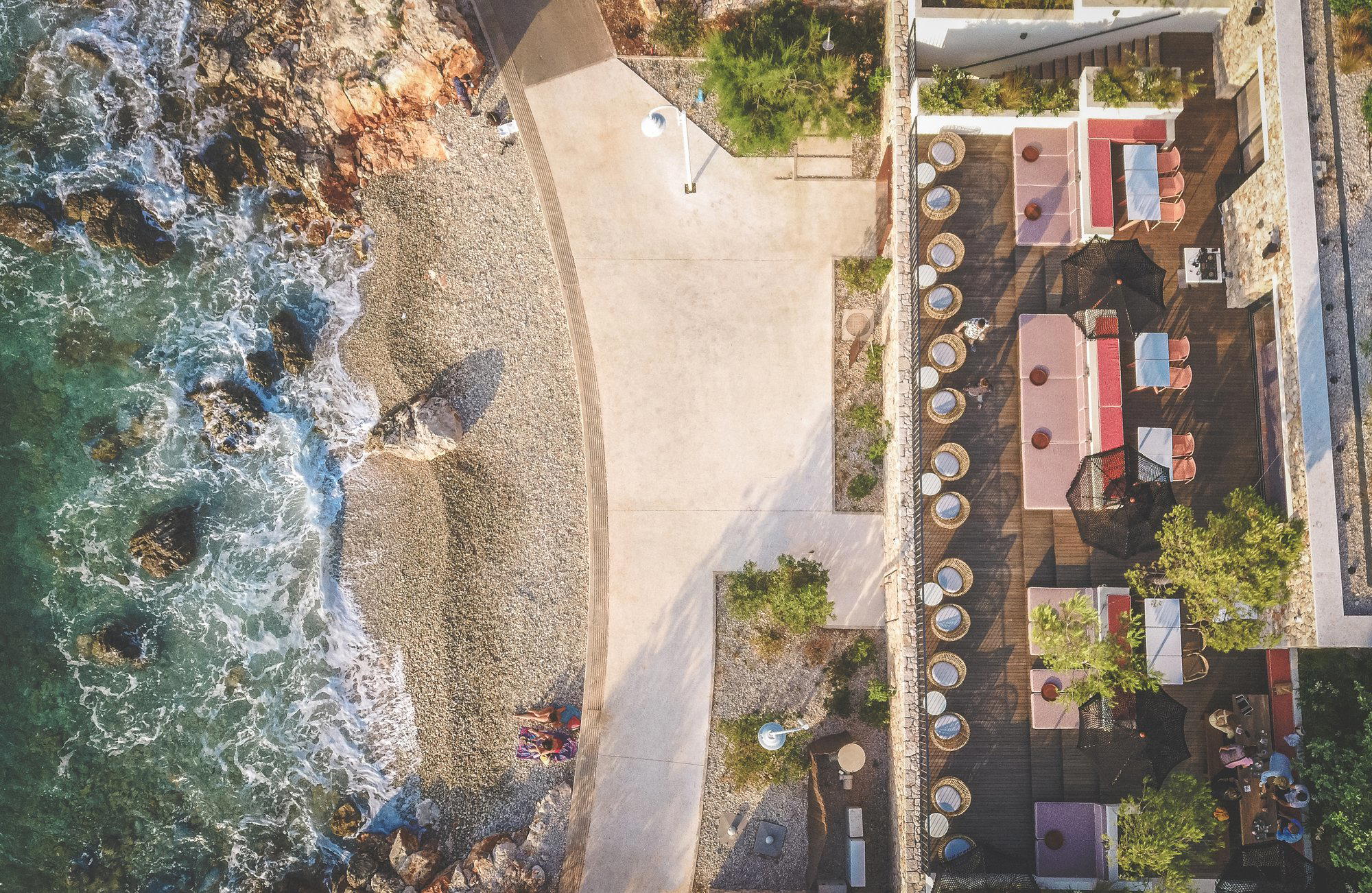
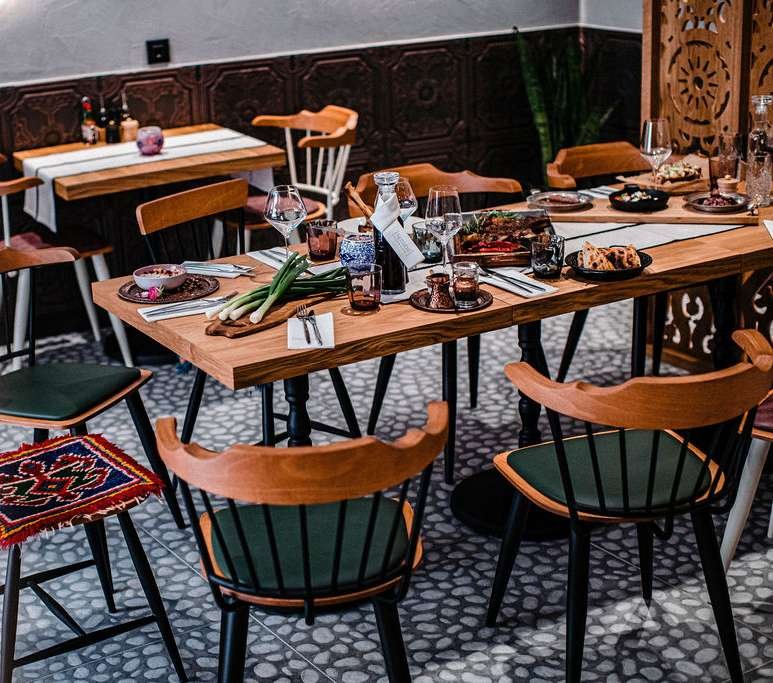
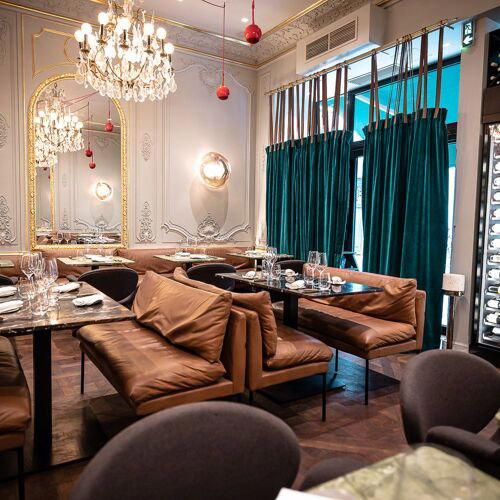
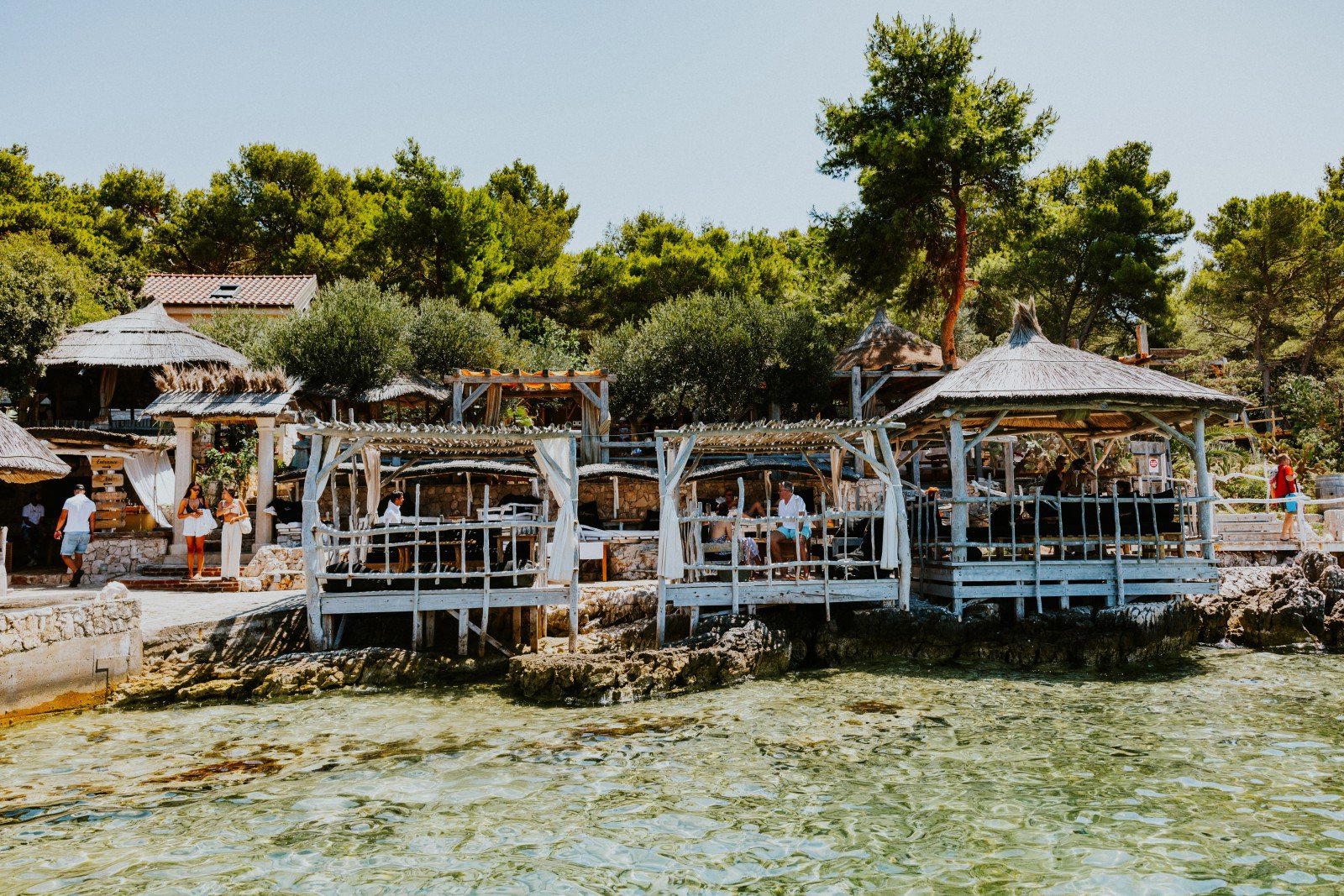
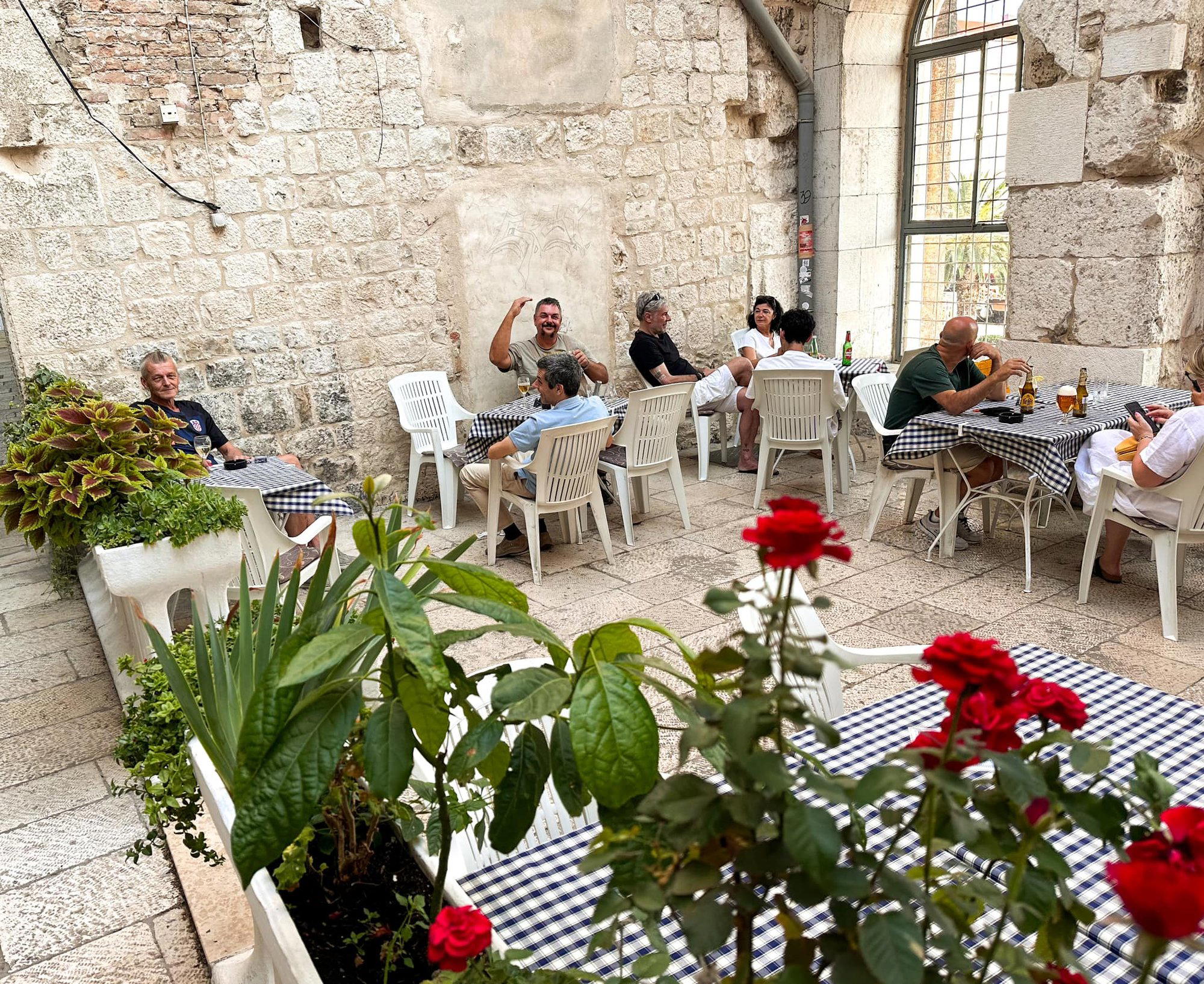
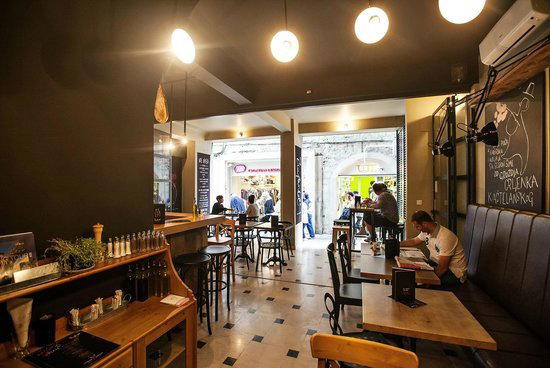
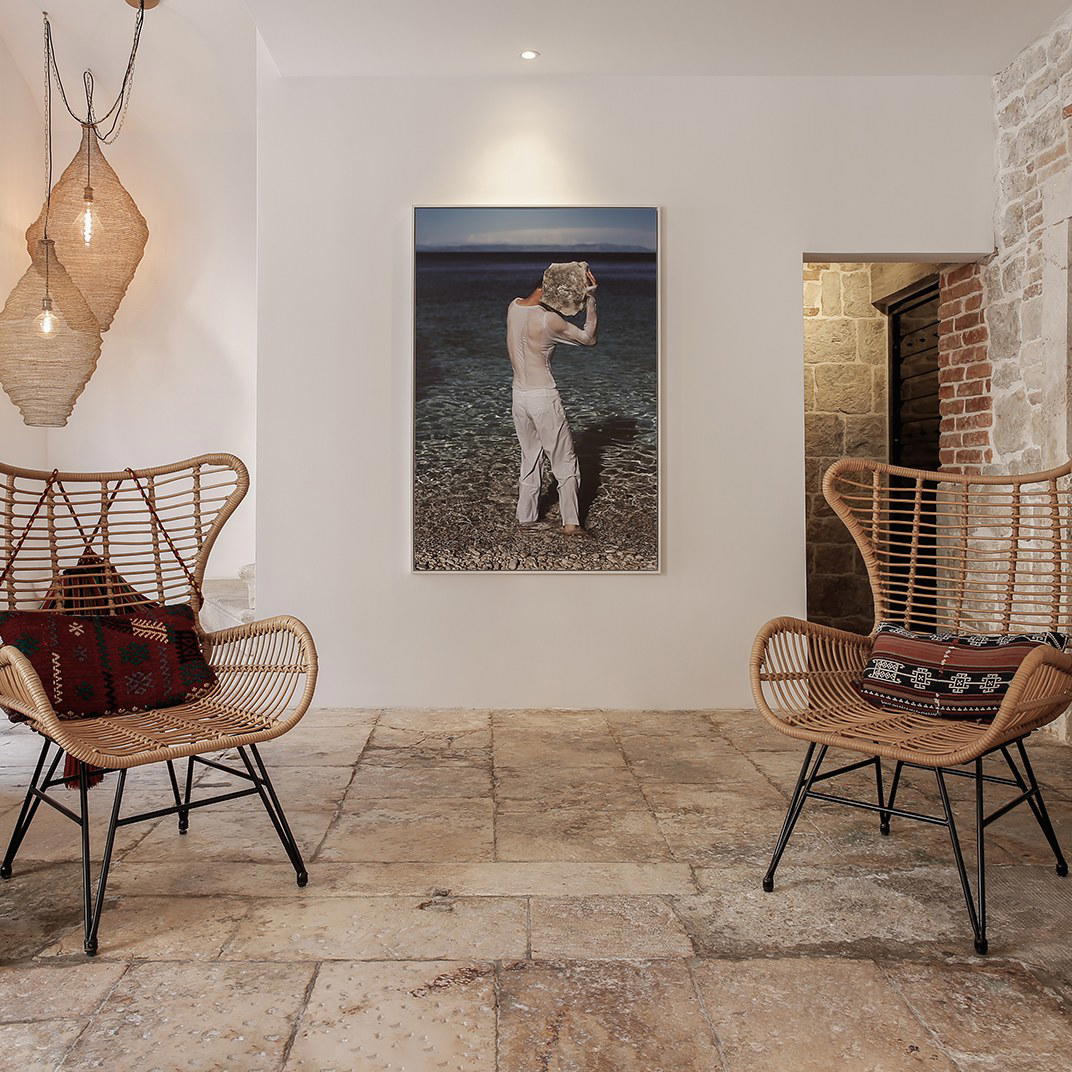
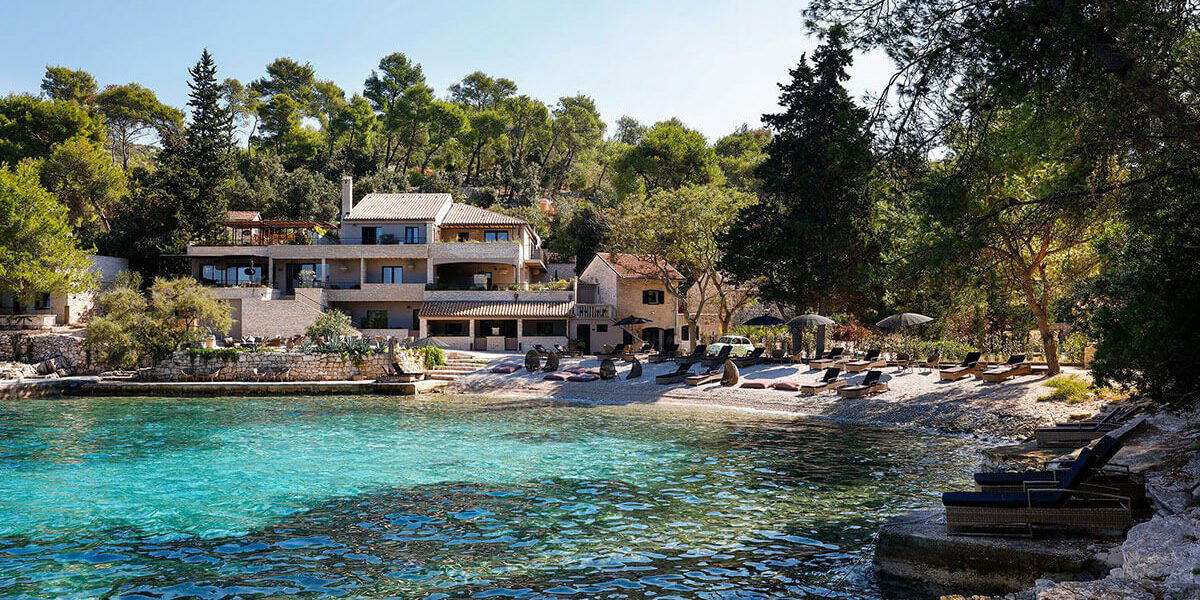
Rustic Dalmatian style with warm, relaxed atmosphere; terrace seating intermingled with pine trees and tall lamps overlooking the harbor; intimate indoor dining amid archaeological artifacts.