
Tabelog Bronze #202
Our verdict
Konishiya places Sanda in Hyogo’s serious Japanese-cuisine conversation rather than treating it as a side trip from Kobe. The draw is a fish-focused, sake-aware format with counter seating, private rooms, and sustained Tabelog recognition, including Bronze awards from 2019 through 2026 and Japanese Cuisine WEST 100 selections in 2021, 2023, and 2025.

Pearl is the En Primeur Club membership app, where members save venues, book tables and use the concierge.
The menu
What to order
- Seasonal Sashimi Selection
- Grilled Seasonal Fish Shioyaki
- Sanda Beef Steak
- Seasonal Vegetable Tempura
- Kaiseki-style Nimono
Approaching a house restaurant in Sanda changes the register of a meal before the first course. Hyogo dining is often framed by Kobe beef, port-city cosmopolitanism, and Awaji seafood, but the prefecture also has a quieter rural-urban fringe where Japanese cuisine feels closer to a private appointment than a city performance. Konishiya fits that category: a compact, fish-led Japanese restaurant with a reputation built outside the usual metropolitan glare.
That location matters. Sanda sits inland from Kobe, close enough to the Kansai dining circuit to draw committed diners, yet far enough from the city-centre grid to alter expectations around pace, party size, and occasion. Here, a serious table does not need hotel-room theatre or a Ginza-style counter; it can work through scale, sourcing discipline, and concentration.
Fish, sake, and the Hyogo argument for leaving the city centre
Japanese cuisine in Hyogo has a broader ingredient base than the prefecture’s beef reputation suggests. The Seto Inland Sea, the Sea of Japan side, mountain produce, and sake culture around Nada and nearby brewing regions all shape how high-end meals are read. A fish-focused kitchen with sake, shochu, wine, and sommelier service fits that regional logic: the meal is about refinement, and about sequencing local and national ingredients with drinks.
Konishiya’s recognition gives that argument weight. The restaurant holds a Tabelog score of 3.91 and received The Tabelog Award Bronze in 2026, after Bronze listings from 2019 through 2025. It was also selected for Tabelog Japanese Cuisine WEST 100 in 2021, 2023, and 2025. For a restaurant outside Kobe’s central dining corridors, that pattern says more than a single badge: repeat attention across cycles, in a category where consistency is punished as quickly as ambition is rewarded.
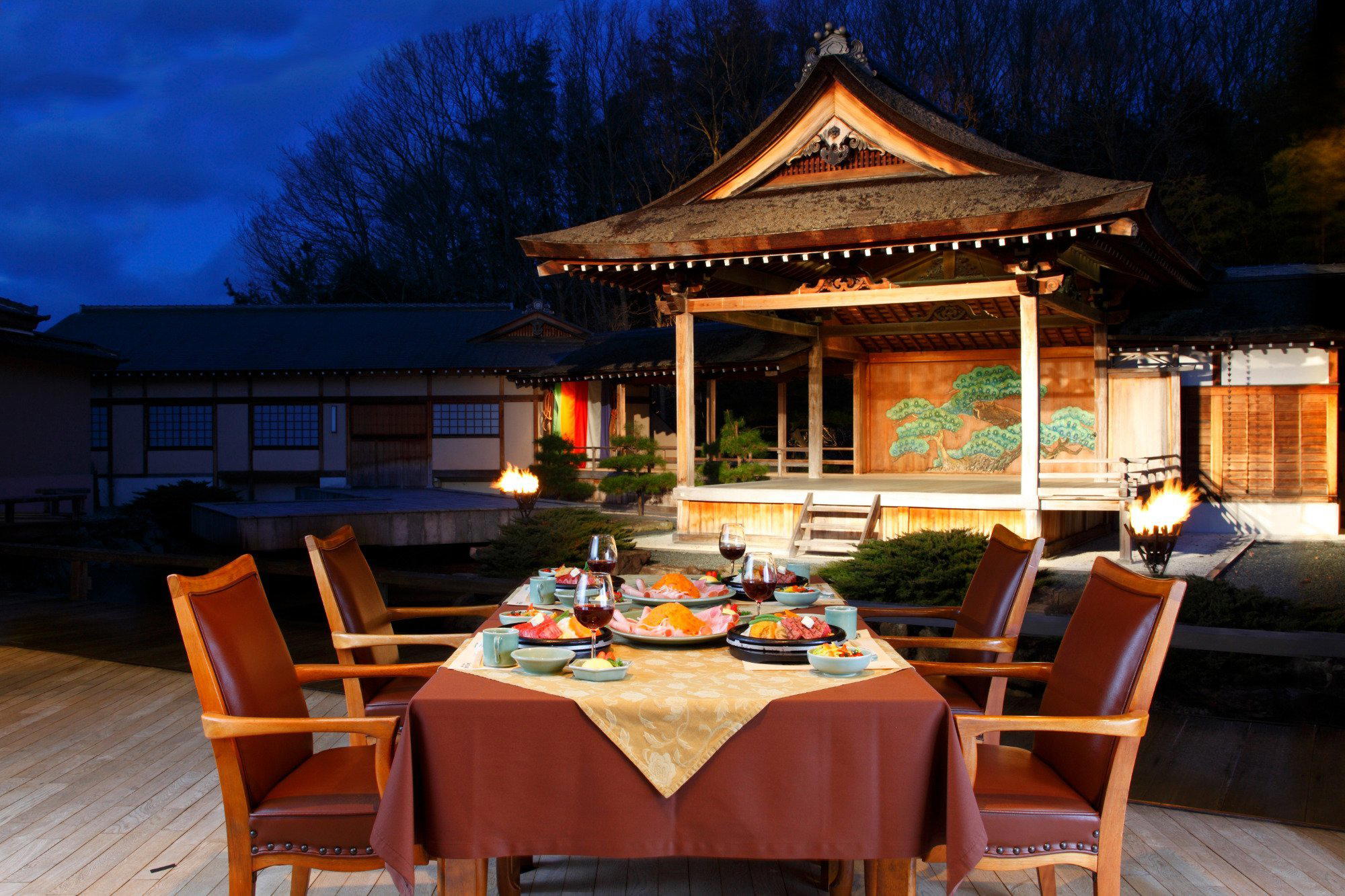
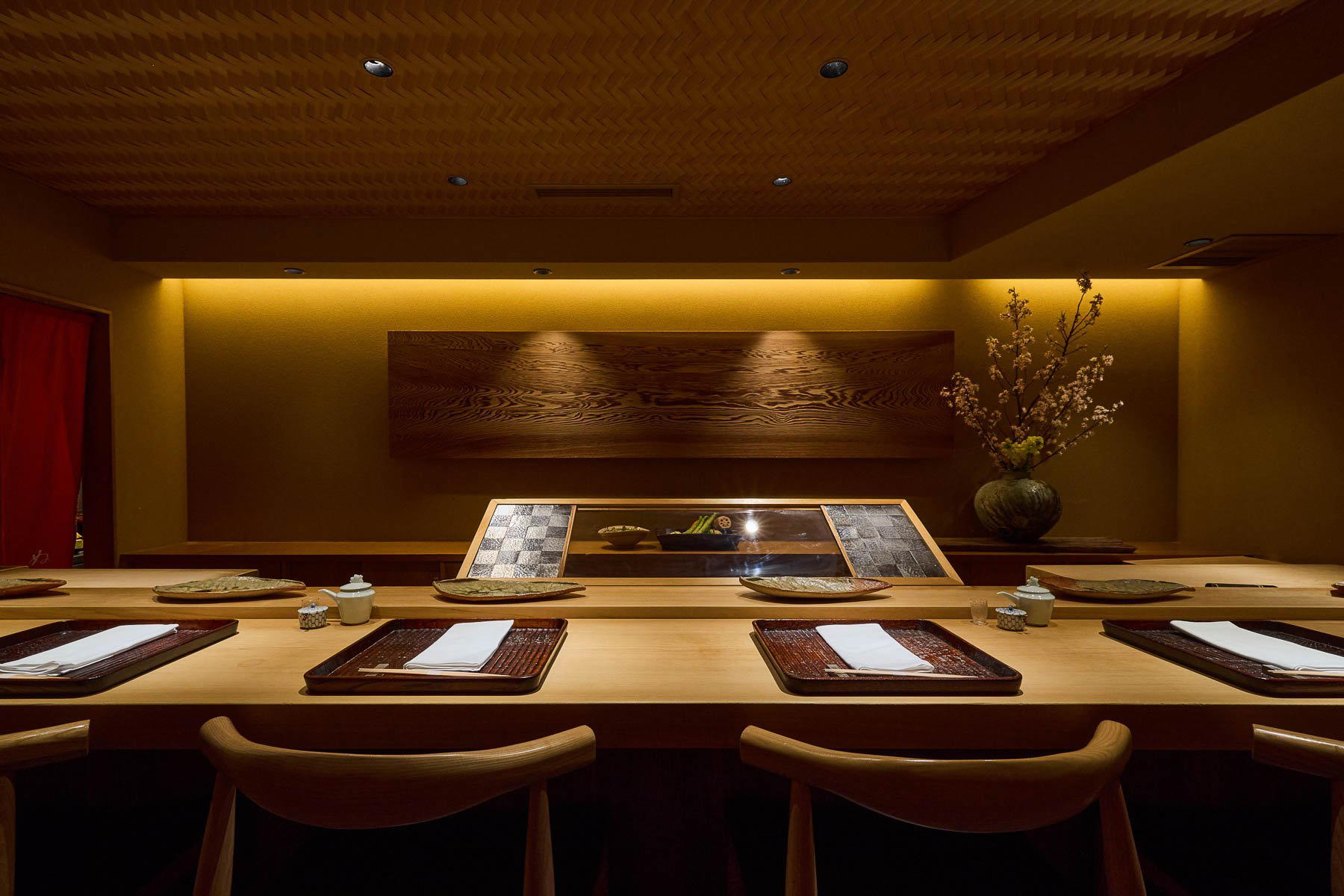
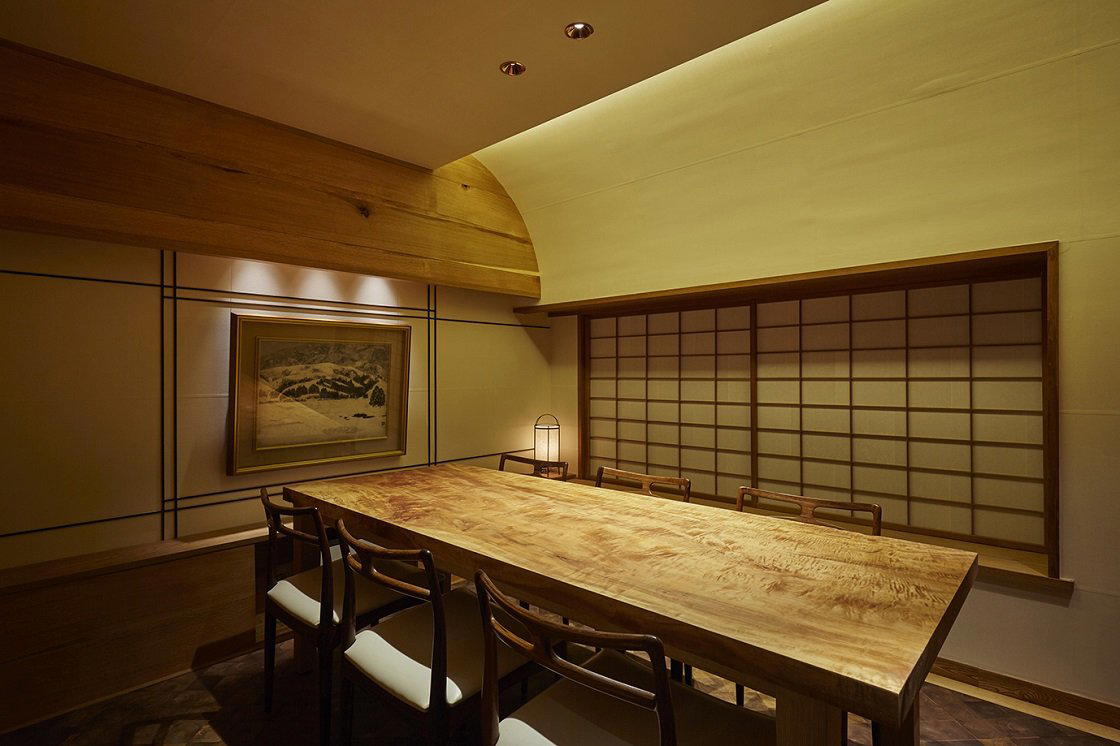
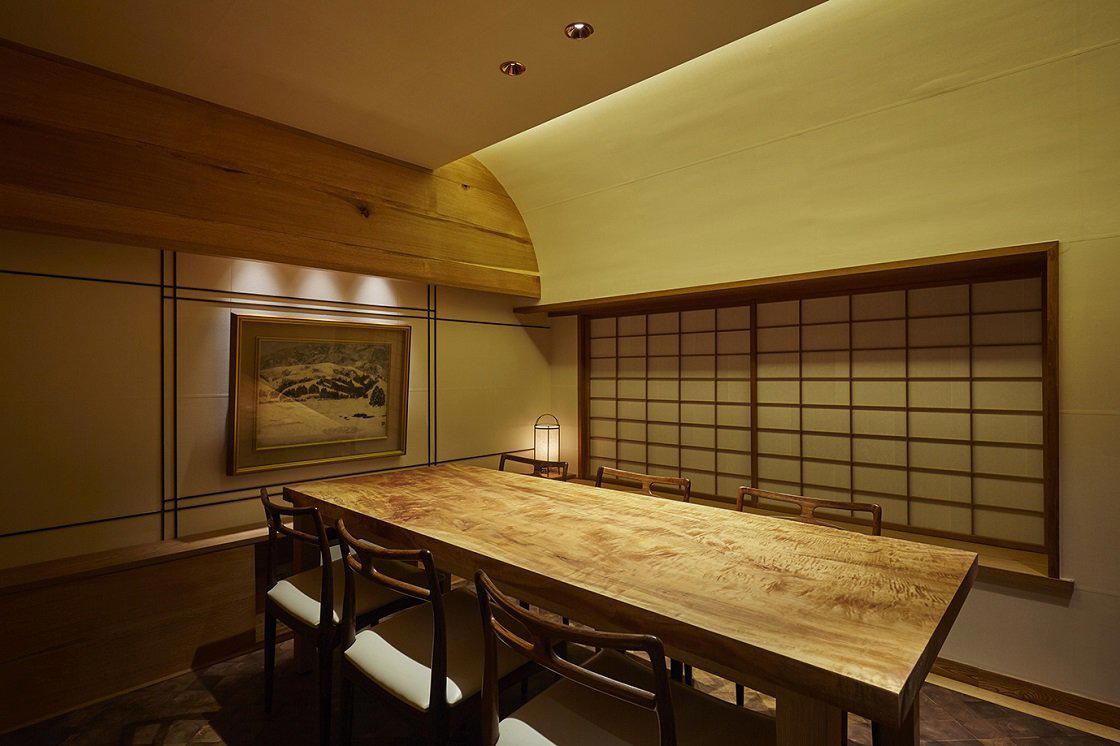
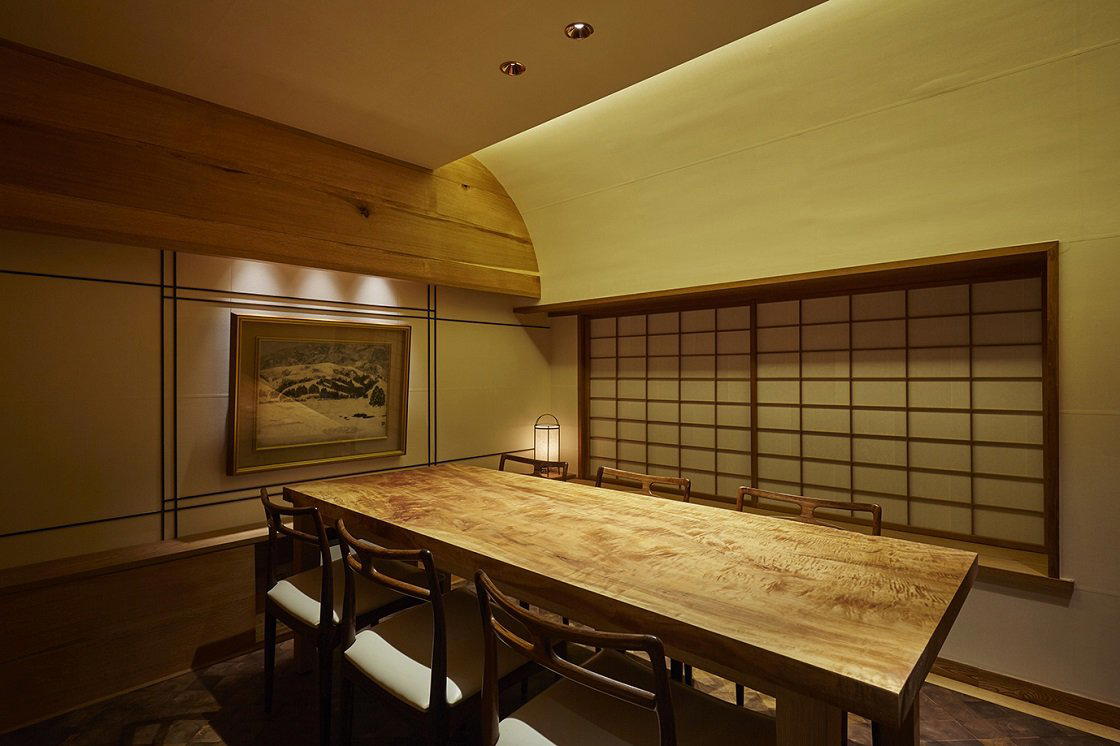
The format is small enough to put pressure on the counter. Ten counter seats make cooking visible and pacing disciplined, while private rooms shift the meal toward family occasions or business dining. The split is part of the appeal: serious regional Japanese restaurants often serve both culinary pilgrims and local regulars marking formal occasions. The counter reads as scrutiny; tatami and table-room options read as social architecture.
Drink service matters in this tier. Sake is the expected partner for Japanese cuisine, but shochu, wine, and a sommelier signal a wider pairing vocabulary. That does not automatically make the restaurant more ambitious than peers, but it helps travelers who want Japanese cuisine without being locked into one beverage tradition. In Hyogo, where sake culture is not a footnote, that range has practical value.
A small-room restaurant in a prefecture of sharply different dining tempos
Hyogo rewards comparison by tempo as much as cuisine. Kobe’s urban restaurants compress luxury into polished rooms and quick transit; Awaji dining leans into island produce and destination pacing; inland Sanda feels more deliberate. Within EP Club’s Hyogo coverage, Arakawa speaks to the steak and yoshoku side of the prefecture, Awajishima Nobu to sushi and island geography, and bb9 to grilling as a modern specialty format. Konishiya sits apart, less about one headline product than Japanese cuisine as a controlled sequence around fish and drink.
That difference helps itinerary planning. Diners building a Kobe-focused trip may first consider French and innovative rooms such as Aspirant or the smaller independent tone of entre nous. Sanda requires a different calculation: fewer walk-in contingencies, more intention, and a meal that works well as the evening’s centre of gravity, not a stop between appointments.
The wider Sanda comparison clarifies the price tier. Local names such as こにし家, DAKOTA RUSTIC TABLE, Pâtissier Es Koyama, eS LIVING hanare, and Chocolaterie Rojira occupy different roles, from casual dining to pastry and chocolate. Konishiya operates in a separate dinner category, with higher spend and a more formal Japanese-cuisine frame. Sanda has range; its serious dining is not confined to everyday local pricing.
For readers mapping the prefecture, broader city guides help separate decisions. Start with our full Hyogo restaurants guide for dining routes, then use our full Hyogo hotels guide if the meal becomes an overnight plan. Adjacent guides to Hyogo bars, Hyogo wineries, and Hyogo experiences are useful when the trip extends beyond one reservation.
Who should choose it, and who should stay closer to Kobe
This is a better fit for diners who treat Japanese cuisine as a full evening, not a checklist of famous products. The restaurant’s long operating history, beginning in 1973, is another signal: regional dining institutions survive by serving local occasions as well as destination diners. That balance can make the room feel less trend-driven than city restaurants chasing a narrow international audience.
Families are part of the equation. Children are accepted, and kids’ meals are available, which is not universal at restaurants in this price and recognition bracket. Private rooms make that more workable than a counter-only format. Business meals also fit, especially where a private room is preferable to a public chef’s counter.
The caveat is geography and mood. If the trip is built around fast movement through Kobe, a Sanda dinner adds friction. If there is room for a slower inland evening, the payoff is Hyogo Japanese cuisine without city-centre glamour. For a broader Japan comparison set, contrast this with specialist formats elsewhere, from -Grilled beef Sukiyaki- KAMAKURA TANUKIAN 鎌倉 たぬき庵 in Kamakura and 鮪と炭火焼き うお炭 秋葉原店 in Tokyo to.cafe in Osaka.know in Kumamoto, (Shoku) Vietnam in Kawasaki, and [Curry Senmon Ten] Maruyama Kyoju. in Sapporo. For sake-minded readers outside Japan, Jōdo Saké Bar in Los Angeles and Onigiri Time in Pasadena show how Japanese formats translate abroad, but Sanda keeps the context closer to the source.
The editorial case is clear: Konishiya is for diners willing to leave the obvious Hyogo routes for a compact, ingredient-led Japanese meal with durable third-party recognition. Its value lies in the combination of regional setting, fish emphasis, drink range, and small-room discipline.
Frequently asked questions
Can I bring kids to Konishiya?
Yes. Konishiya lists children as welcome and notes a kids menu, plus meals for the first meal. The restaurant is in Sanda, Hyogo, and its 10-seat counter sits alongside private rooms.
What's the vibe at Konishiya?
The room is compact and formal in scale, with 10 counter seats, tatami room space, and private rooms available. It runs evening service only on Tue to Sun, and the Tabelog Bronze awards signal a serious dining room rather than a casual one.
What are the operating hours at Konishiya?
Hours at Konishiya: Tue, Wed, Thu, Fri, Sat, Sun 17:30 - 22:30 L.O. 20:00.
What's Konishiya's location?
Konishiya is located in Hyogo.
Comparable venues nearby, for context on price, style, and recognition.
| Venue | Cuisine | Price | Awards | Notes |
|---|---|---|---|---|
| KonishiyaThis venue (the venue you are viewing) | Modern Japanese Omakase & Kaiseki | $200–300 | Tabelog Bronze #202 | Not listed |
| Eragon | Traditional Yakitori | $50–100 | Tabelog Bronze #65 | Ashiya |
| Awajishima Nobu | Awaji Island Counter Sushi | Not listed | Tabelog Bronze #322 | Shizuki |
| Tanryu | Kobe Beef Teppanyaki | $150–200 | Tabelog Bronze #454 | Sannomiya |
| Maruyasu | Fugu (Pufferfish) Fine Dining | $500+ | Tabelog Bronze #256 | Koshien |
| Gui'S Burger | Wagyu Burger | $20–30 | World Best Burgers World's 101 Best Burgers #30 · Tabelog 100 #77 | Ashiya |
Recognition history
Dated appearances from independent guides and award organizations, with the underlying list record or original source where available.
Tabelog Bronze #202
Tabelog
Full recognition history (3 entries)
Tabelog 100 #87 · No. 87
Tabelog · Tabelog 100 - Japanese cuisine - WEST - 2025
Tabelog Bronze
Tabelog
Continue exploring
More in Hyogo
Restaurants in Hyogo
All restaurants in Hyogo →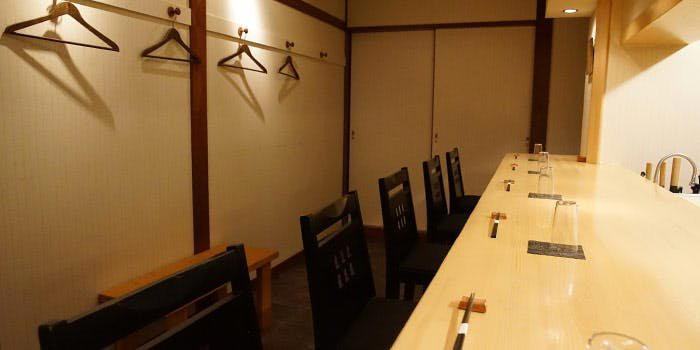
Bars in Hyogo
Browse all →
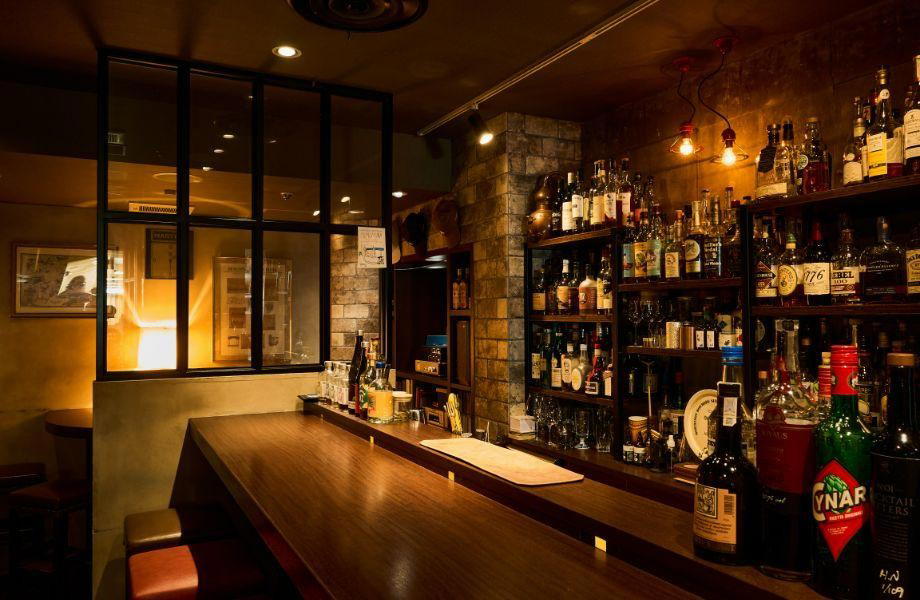
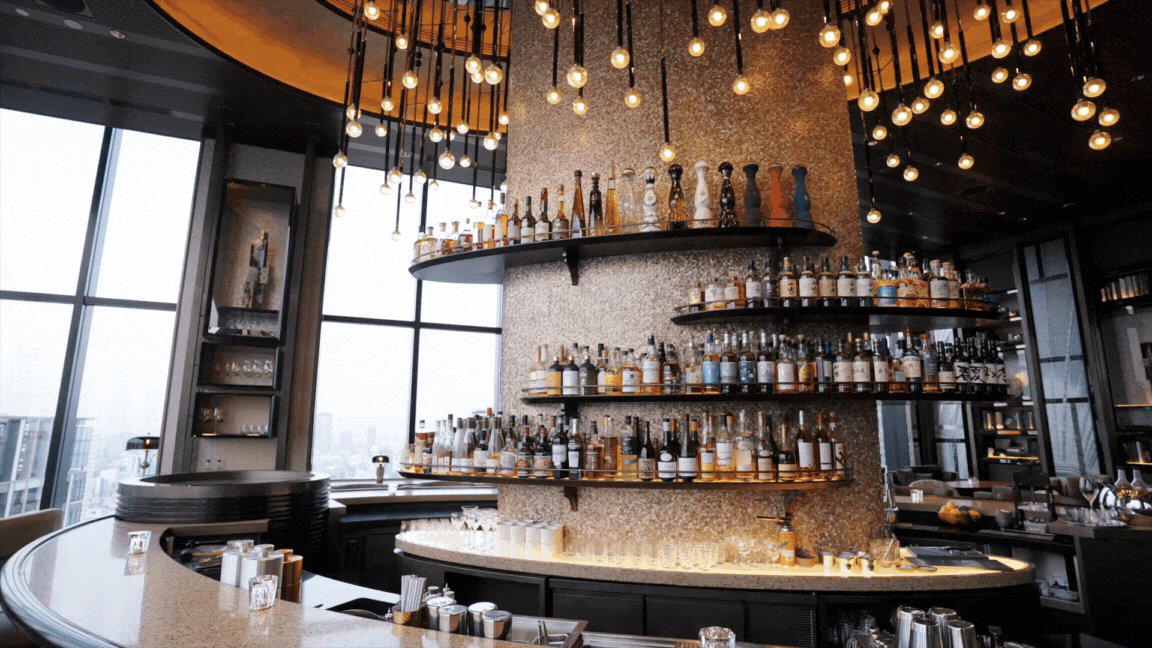
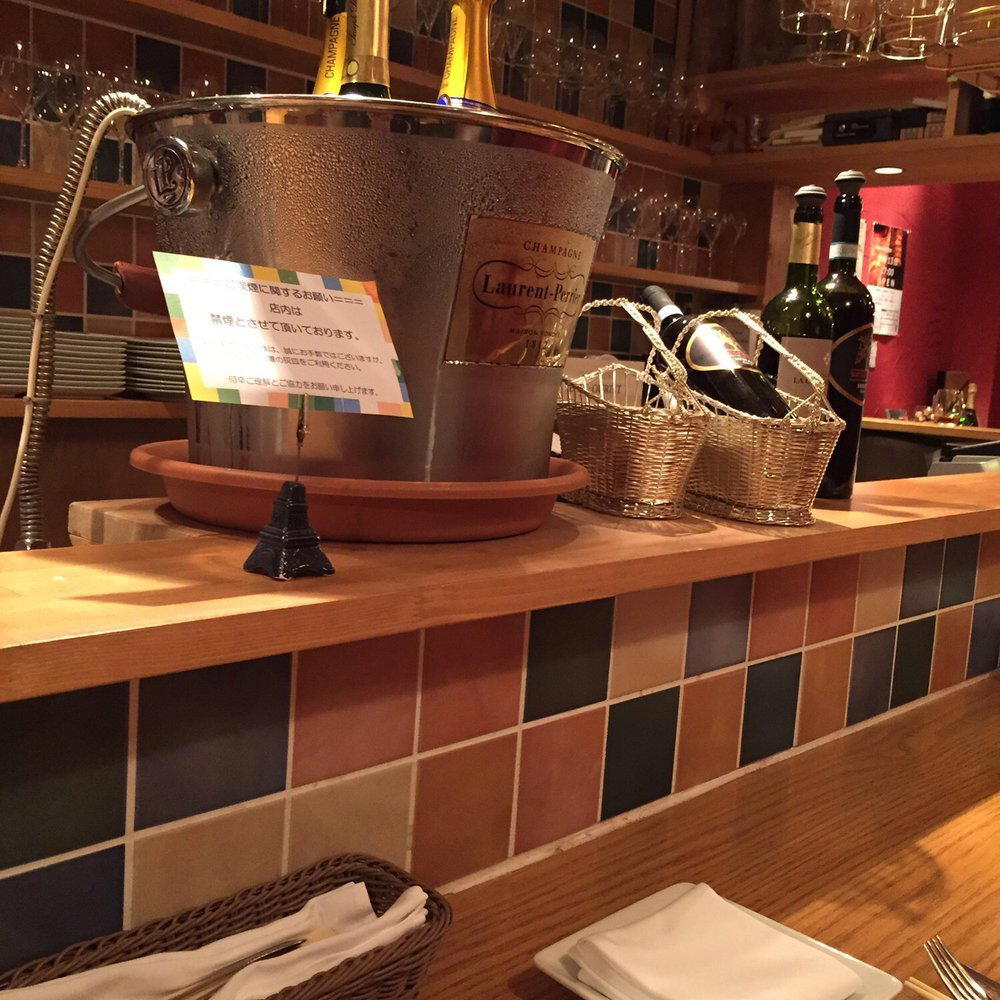
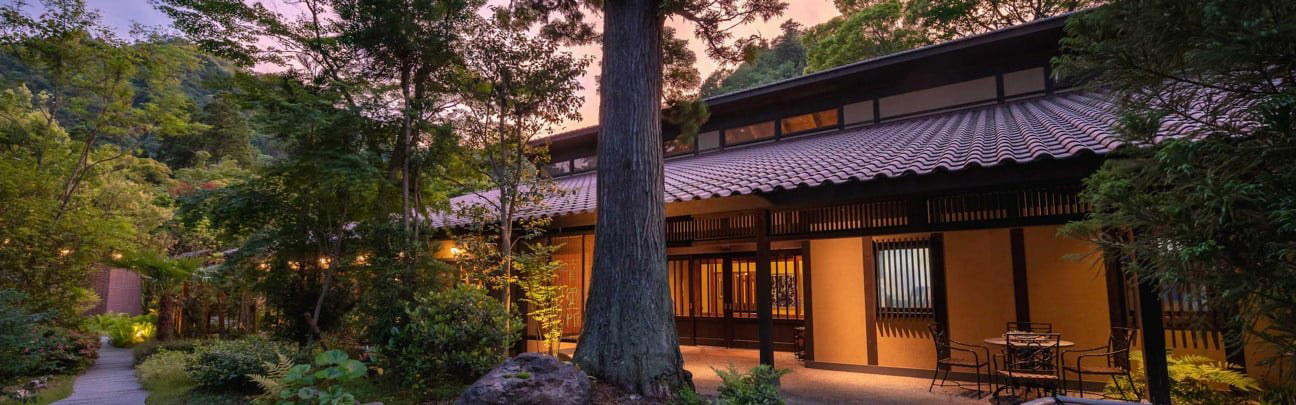
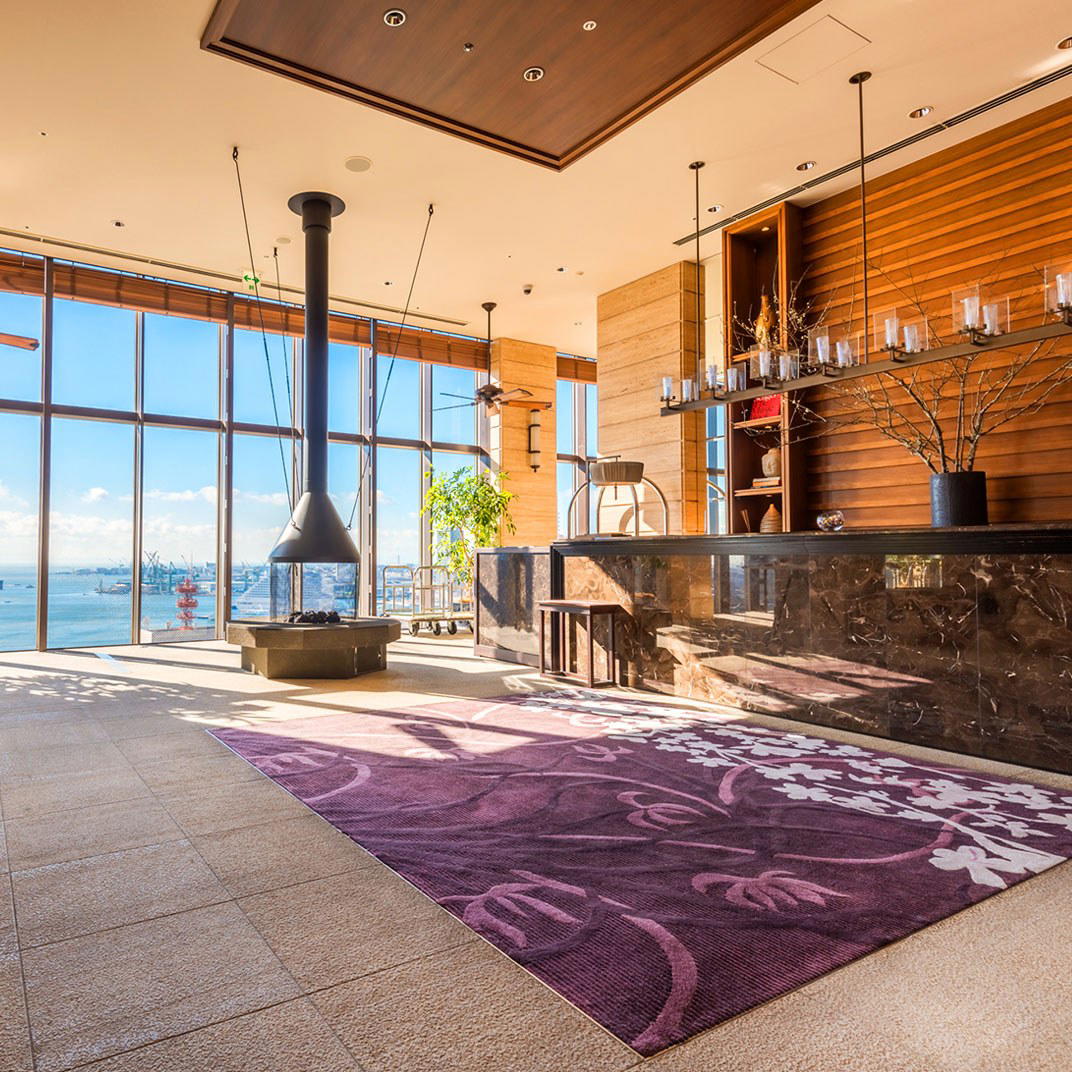
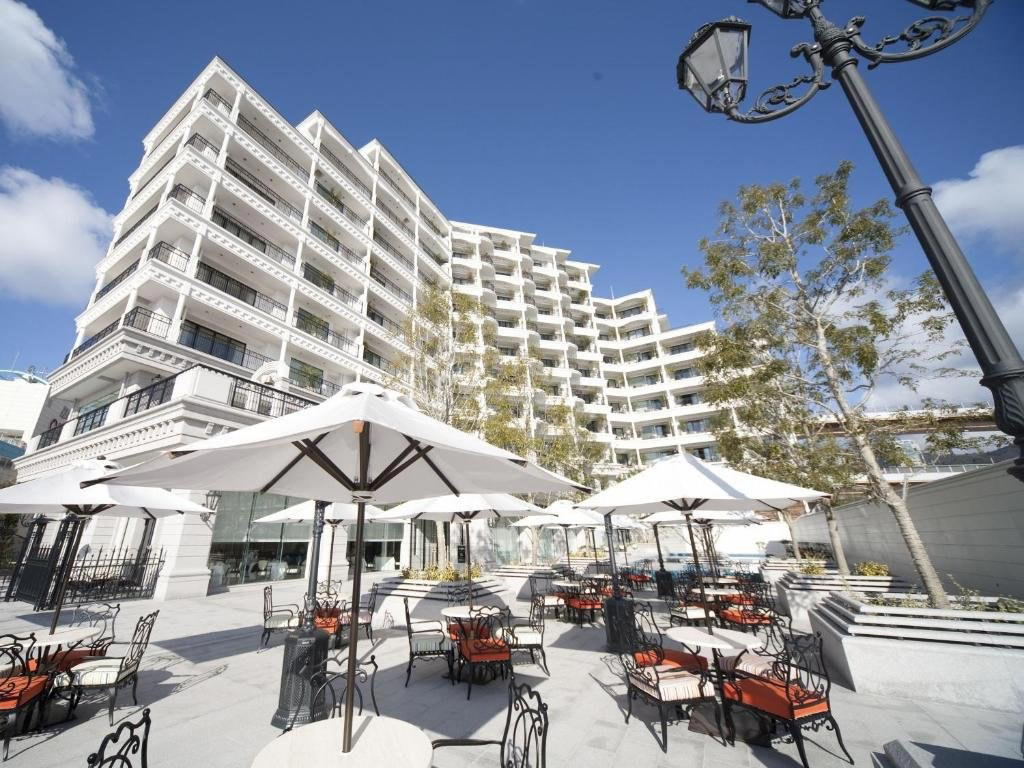
Hotels in Hyogo
Browse all →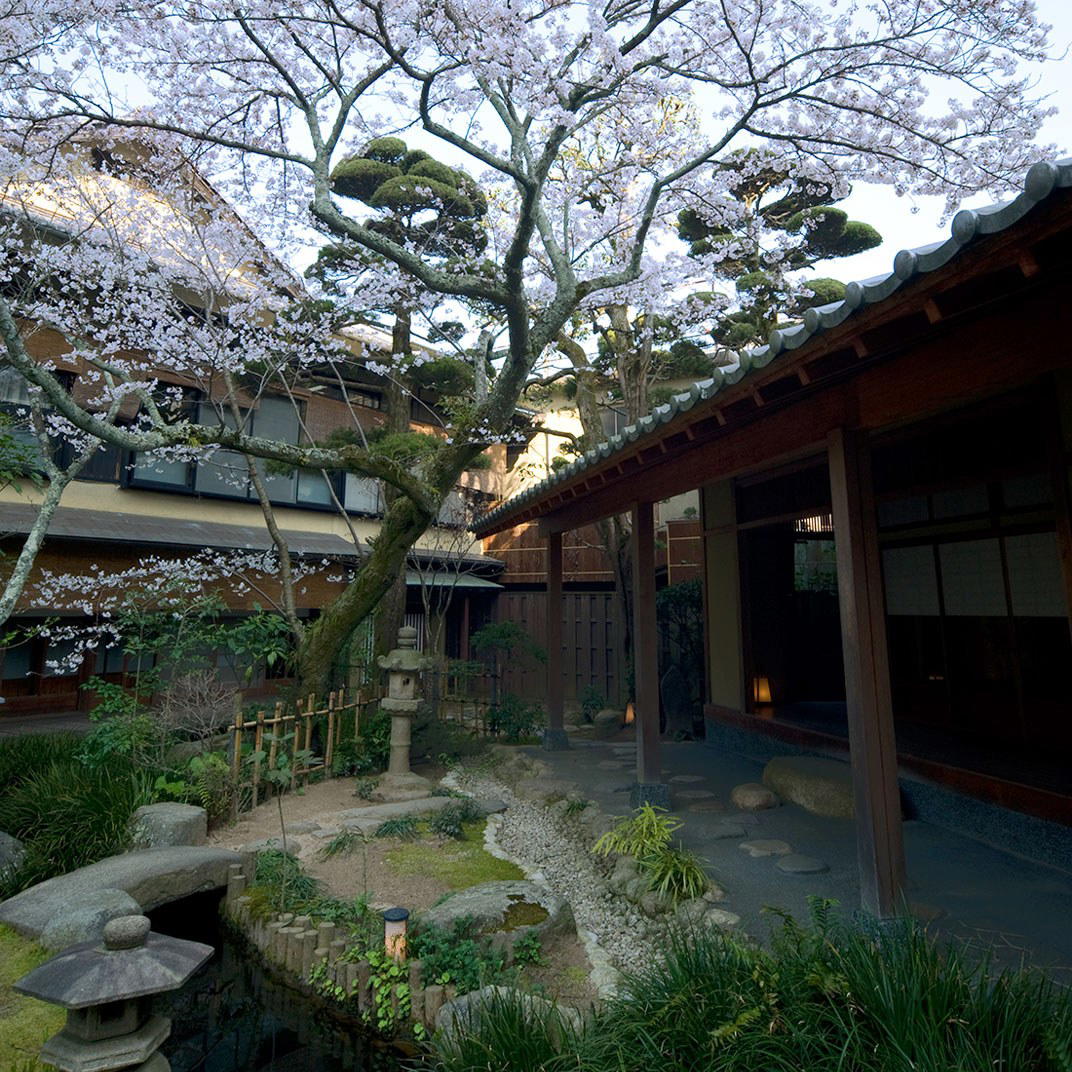

Wineries in Hyogo
Browse all →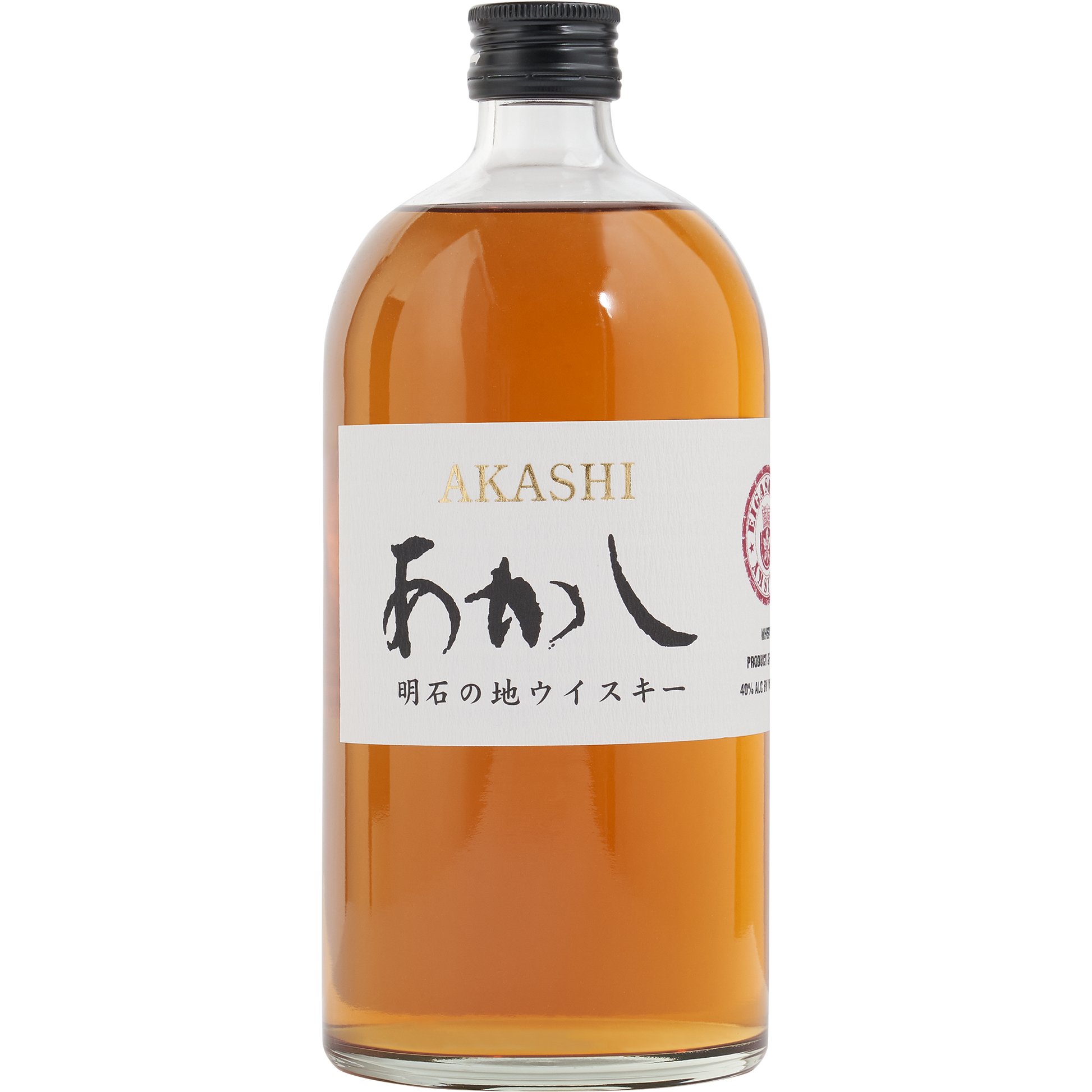

Konishiya
The wine
- Wine program
- Deep wine list
- Sommelier-led
- Sake program
Details
- Intimate
- Quiet
- Elegant
- Classic
- Special Occasion
- Date Night
- Celebration
- Chefs Counter
- Open Kitchen
- Sake Program
- Sommelier Led
- Local Sourcing
- Omakase
- Counter Dining
- Tasting Menu
- Junmai Sake
- Local Sake
- Allergy Accommodating
Current opening hours
- Monday
- Closed
- Tuesday
- 5:30–9 PM
- Wednesday
- 5:30–9 PM
- Thursday
- 5:30–9 PM
- Friday
- 5:30–9 PM
- Saturday
- 5:30–9 PM
- Sunday
- 5:30–9 PM
Hours can change for holidays and private events. Hours as of .
Low, practical lighting focused on plates rather than dramatics; natural materials and traditional seating create a tranquil, purposeful atmosphere centered on the open kappo counter where diners watch the chef's precise technique.