Our verdict
Wa Gallery occupies a distinctive position in Siem Reap's evolving dining scene, where the city's Angkor-adjacent tourism economy has produced a surprisingly sophisticated appetite for locally grounded cooking with international technique. Set against the broader transformation of Cambodian cuisine from home-kitchen staple to destination restaurant subject, Wa Gallery represents the kind of address where provenance and method arrive together on the same plate.

Pearl is the En Primeur Club membership app — saves, bookings, and concierge access live there. Same editors, same standards.
- Address
- 9V55+W84, Krong Siem Reap, Cambodia
- Directions
- Get directions
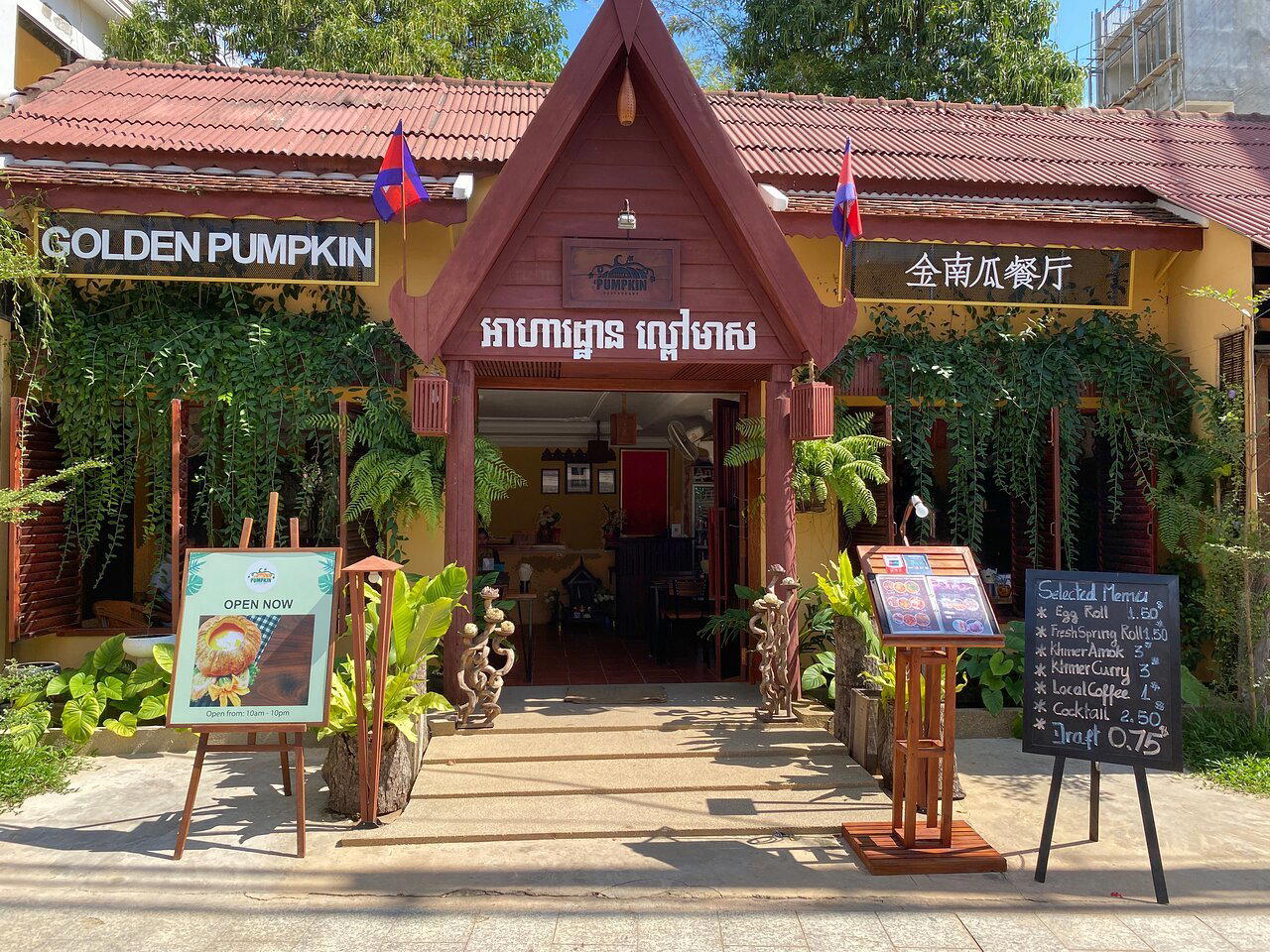
Where Siem Reap's Dining Ambitions Meet Cambodian Pantry Depth
Siem Reap has spent the better part of two decades sorting itself into tiers. The city that once offered little beyond hotel buffets and tourist-trail fried rice now sustains a credible constellation of restaurants where Cambodian ingredients are taken seriously as culinary raw material rather than background texture. That shift mirrors what happened in Chiang Mai, Luang Prabang, and Hoi An before it: proximity to a UNESCO heritage site generates enough international foot traffic to support a more demanding dining culture, and local chefs and restaurateurs begin to meet that demand on their own terms rather than borrowing wholesale from Western formats. Cuisine Wat Damnak in Siem Reap was among the first to demonstrate how rigorously contemporary European technique could serve, rather than overwrite, Khmer flavour logic. Wa Gallery arrives into a scene already primed by that conversation.
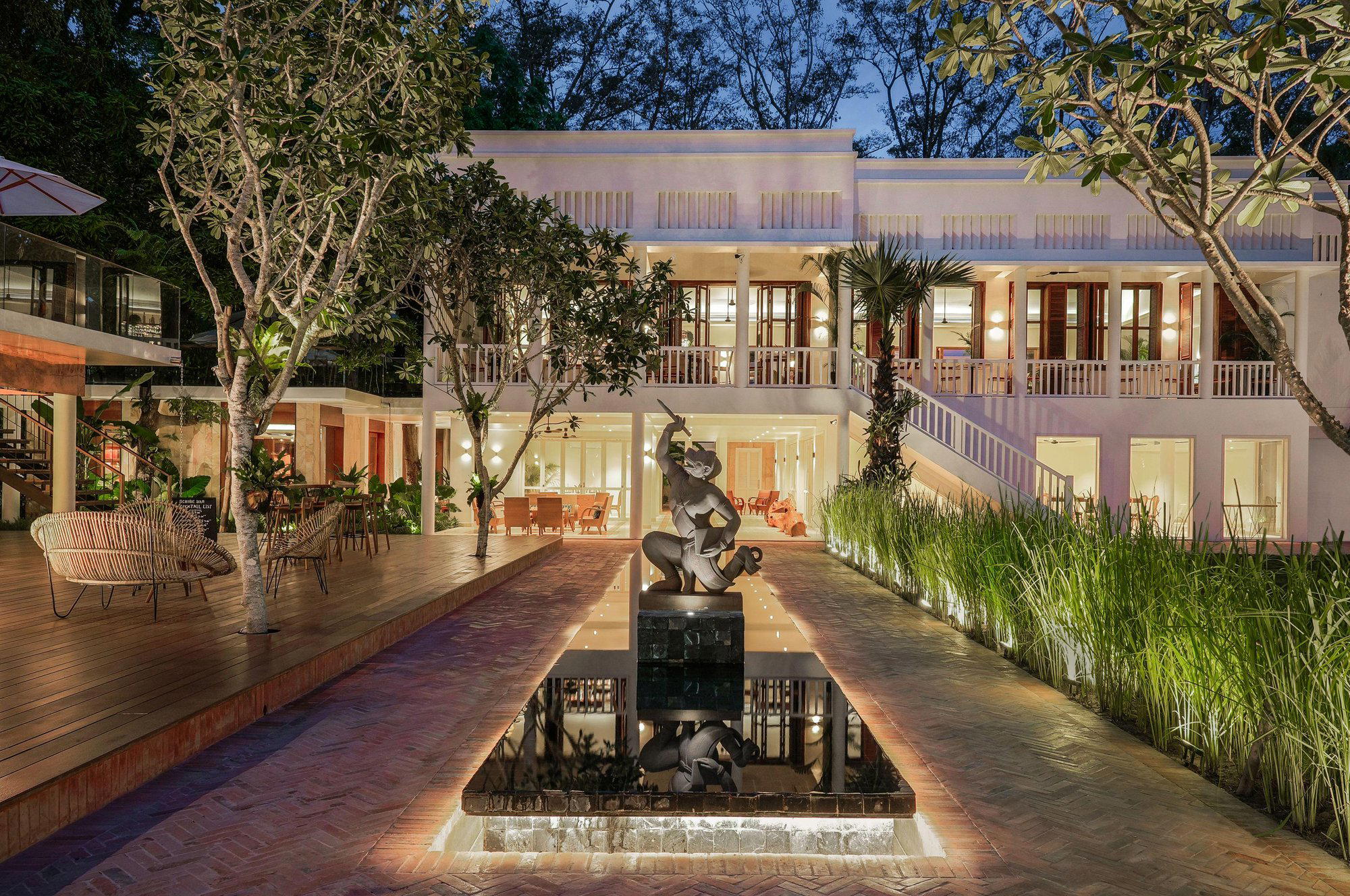
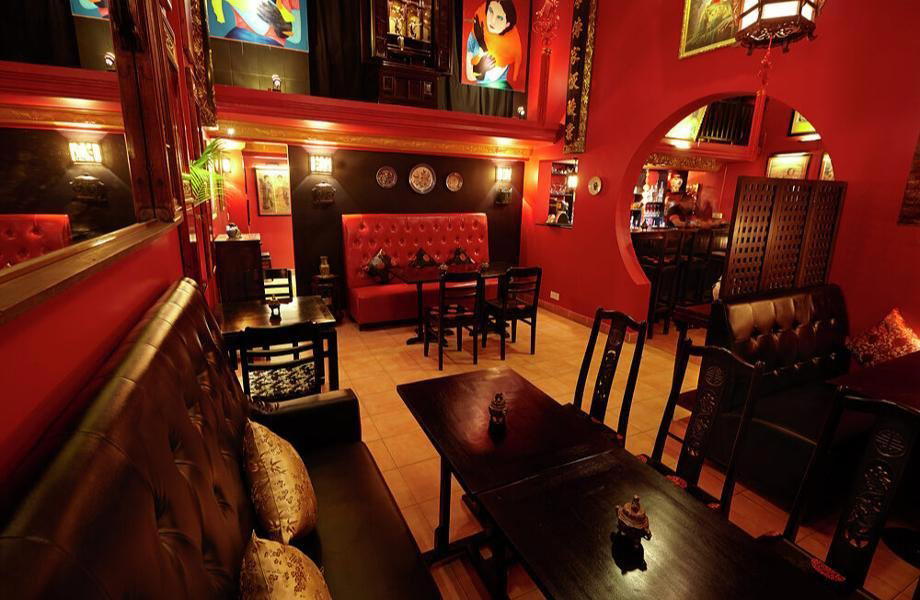
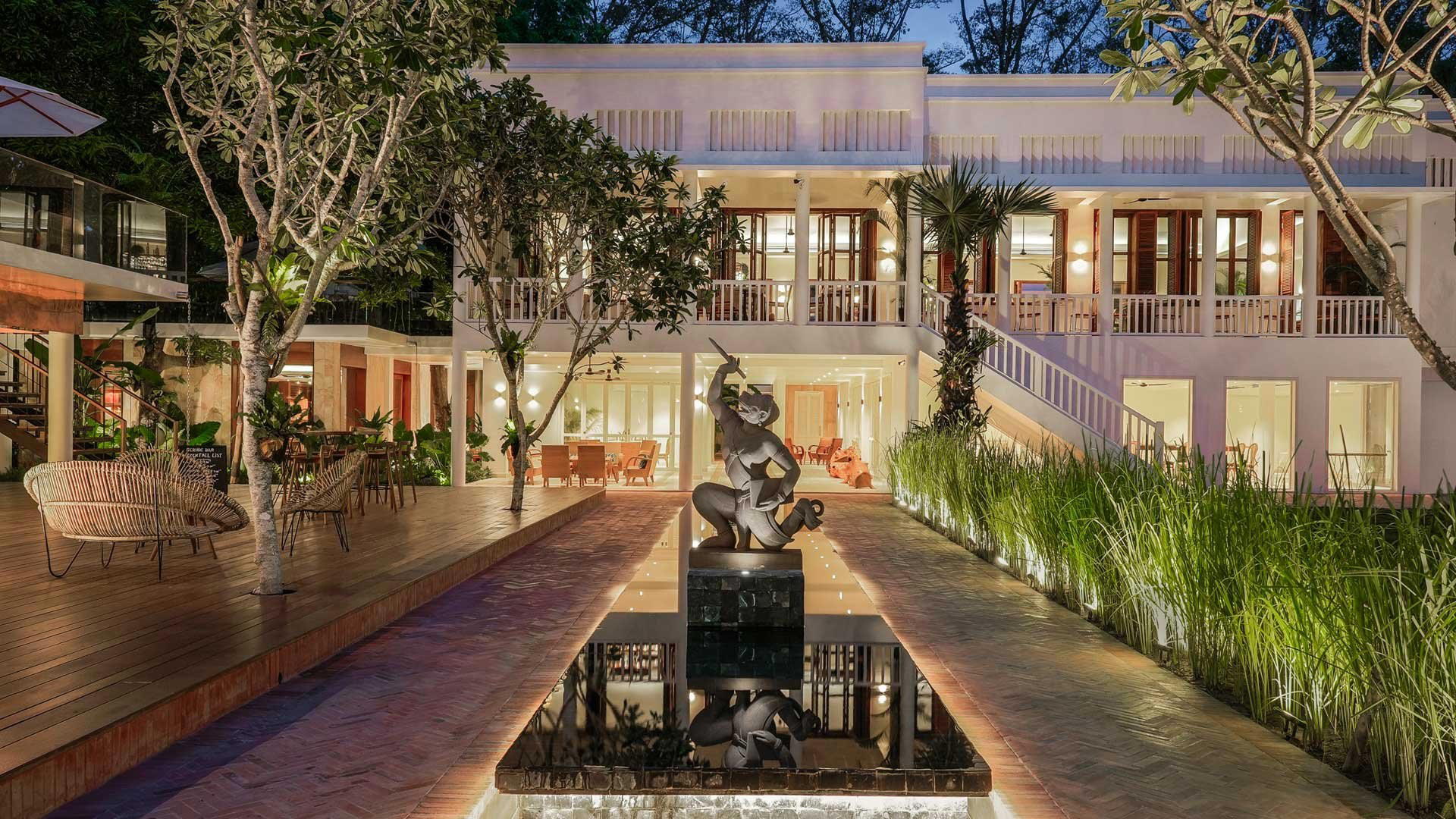
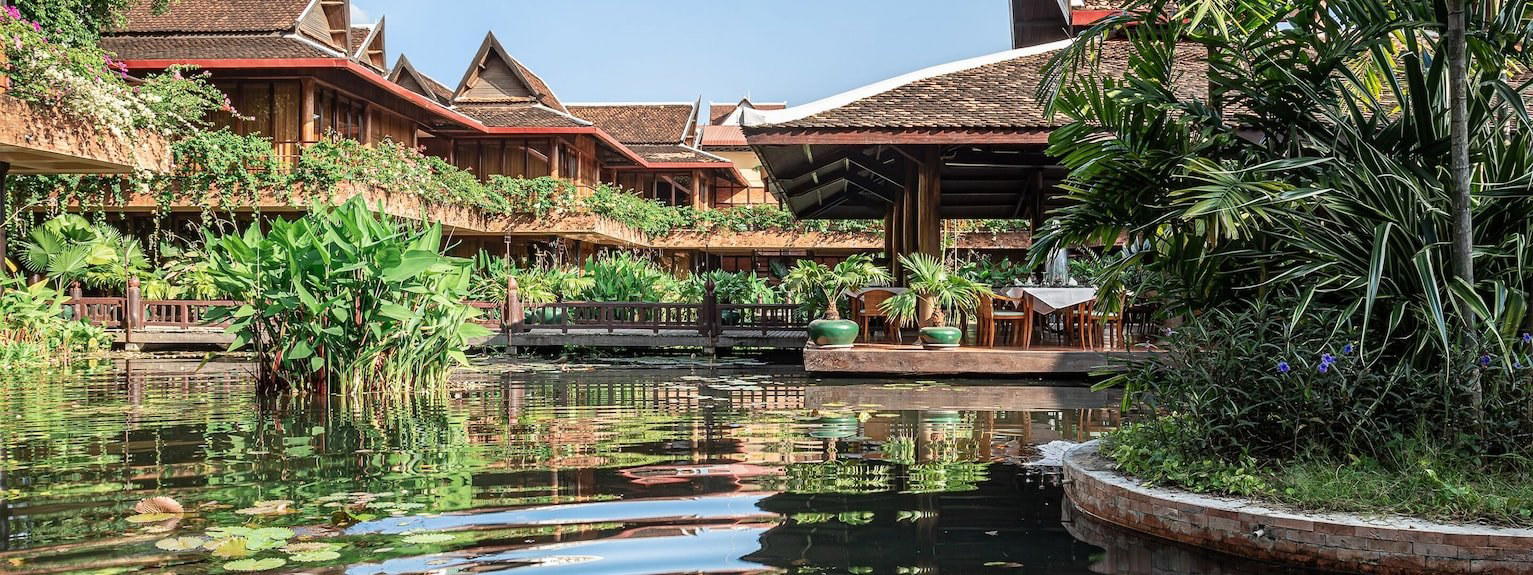
The address itself, in Krong Siem Reap, places the venue within a city increasingly accustomed to restaurants that ask something of their guests, whether in terms of attention, curiosity, or willingness to eat outside the compressed canon of amok and lok lak. The physical environment here carries the gallery reference in its name: the experience is designed to feel considered rather than casual, the kind of space where visual composition and culinary composition operate along similar principles. That design coherence, common in smaller Southeast Asian restaurants that emerged after 2015, tends to attract a clientele who read menus the way they read exhibition notes, looking for intention rather than mere comfort.
The Logic of Local Ingredients and Imported Method
The intersection of indigenous Cambodian products and globally trained culinary technique is the organising principle behind the most interesting restaurants currently operating in Siem Reap. The region's larder is richer than most international visitors expect. Kampot pepper, now a geographically indicated product with genuine international recognition, is only the most publicised example. Freshwater fish from the Tonle Sap lake system, palm sugar from local producers, galangal, turmeric, and wild herbs gathered from the countryside around the city all form the basis of a pantry that rewards a technically precise approach. The question every serious restaurant in this tier must answer is how to apply that precision without sanitising what makes the ingredients distinctly Cambodian.
Across Cambodia, a small cohort of restaurants has been working through that question with varying results. Jaan Bai Restaurant in Bat Dambang approaches it through a social enterprise model that trains young Cambodians in professional kitchen methods while keeping the menu anchored to regional recipes. HAVEN in Sala Kamreuk Sangkat applies a similar philosophy within Siem Reap itself. What distinguishes the gallery-format approach, as distinct from the training-restaurant model, is a greater emphasis on aesthetic framing: the dish as composed object, the meal as curated sequence. At the international reference points of this genre, think Lazy Bear in San Francisco or the precision seafood work at Le Bernardin in New York City, technique is inseparable from the editorial decisions around what to foreground and what to subordinate. Wa Gallery operates in a different price register and cultural context, but the underlying ambition, to let method reveal rather than obscure ingredient character, belongs to the same tradition.
Siem Reap's Competitive Dining Tier in Practice
Within Siem Reap's current restaurant map, Wa Gallery occupies a position alongside addresses that take their food seriously without necessarily pursuing formal accolades as their primary signal of intent. Chanrey Tree has built a reputation for refined Khmer cooking in a setting that balances accessibility with evident craft. AHA Umber and Damnak Meas each represent distinct approaches to the same central challenge: how to serve Cambodian food in a way that satisfies both local diners who know the reference points and international visitors who do not. Il Forno addresses a different appetite entirely, offering the kind of Italian-origin cooking that every tourist city of a certain size sustains, and doing so with enough consistency to hold its position.
The pastry and baking strand of Siem Reap's food scene deserves separate mention. Bayon Pastry School operates at the training and production intersection, contributing to a broader ecosystem in which technique transfer is understood as a form of culinary infrastructure. That infrastructure benefits the whole tier, because it means more kitchens in the city have access to staff who understand the fundamentals of classical method, which in turn raises the floor for what serious restaurants can execute.
For context on Cambodia's wider restaurant geography, the contrast between Siem Reap and Phnom Penh remains instructive. Le Royal at The Raffles in Phnom Penh represents the colonial-heritage end of the capital's dining spectrum, while Iza in Phnom Penh and Embassy in Svay Dankum Sangkat reflect the capital's more contemporary and international ambitions. Siem Reap, by contrast, draws its dining energy from a different source: the heritage tourism economy generates a concentrated international audience over a relatively compact area, which means restaurants here often develop a more intimate, experience-focused format than their Phnom Penh counterparts. Shinta Mani Wild in Kampong Seila demonstrates how the luxury lodge format extends that logic into the provincial wilderness, where the dining proposition becomes inseparable from the setting.
Planning a Visit
Siem Reap's dining season follows the broader Cambodian tourist calendar, with peak months running from November through February when the dry season draws the largest international visitor numbers and competition for tables at well-regarded restaurants increases accordingly. Visiting during the shoulder months of October or March offers a more measured pace, though the city's restaurant culture has become sufficiently developed that most addresses operate year-round without dramatic quality dips. For Wa Gallery specifically, given the sparse publicly available operational data, direct contact via the address in Krong Siem Reap or a query through a hotel concierge familiar with the current local restaurant scene is the most reliable path to current hours and reservation practice. The Lum Orng Restaurant in Sla Kram Sangkat operates in adjacent territory and can serve as a useful point of comparison for understanding what the neighbourhood-level dining experience in Siem Reap currently looks like. For a broader orientation to the city's table options, our full Siem Reab restaurants guide maps the full range from casual to considered. Maybe Later in Preah Sihanouk offers a coastal counterpoint for travellers extending their itinerary beyond the Angkor corridor.
Frequently asked questions
How do I find Wa Gallery?
Wa Gallery is located at 9V55+W84, Krong Siem Reap, Cambodia, Siem Reab.
Is Wa Gallery a good choice for understanding Cambodian cuisine through a contemporary lens?
Siem Reap's gallery-format restaurants attract guests who approach food as a form of cultural engagement rather than straightforward sustenance, and Wa Gallery sits within that category in the city. The gallery-dining format common to this tier of Cambodian hospitality typically pairs local ingredients with a considered aesthetic framework, making it a reasonable fit for travellers who want context alongside their meal. Siem Reap as a city has developed this kind of offering more deliberately than most Cambodian provincial centres over the past decade.
What do people recommend at Wa Gallery?
Specific dish data for Wa Gallery is not in public circulation, which is common for smaller, design-oriented addresses in Siem Reap's considered dining tier. The most reliable recommendations come from hotel concierges in the city or guests who have visited recently and posted on travel forums. Given Wa Gallery's positioning in Siem Reap, dishes rooted in Cambodian pantry staples interpreted through a contemporary lens are what this format typically delivers.
Do I need a reservation for Wa Gallery?
Restaurants in Siem Reap's gallery-format dining category tend to run at higher occupancy between November and February, when dry season draws the bulk of international visitors to the region. Contacting Wa Gallery directly ahead of your arrival is advisable during those months. Outside peak season, walk-in availability is generally more open across this tier of the city's restaurant scene.
Peers You’d Cross-Shop
Comparable venues nearby, for context on price, style, and recognition.
| Venue | Cuisine | Price | Notes |
|---|---|---|---|
| Wa GalleryThis venue — the venue you are viewing | Art Gallery Café | Not listed | Not listed |
| Bayon Pastry School | French Pastry & Bakery Cafe | $1–10 | Taphul Village |
| Chanrey Tree | Traditional Khmer Cuisine | $10–20 | riverside |
| Il Forno | Authentic Italian Trattoria | $10–20 | Pub Street |
| Sivatha Rd | Indian & Cambodian | Not listed | Svay Dangkum |
| The Sugar Palm | Authentic Khmer Home Cooking | $20–30 | Wat Bo Village |
Continue exploring
More in Siem Reab
Restaurants in Siem Reab
Browse all →
Bars in Siem Reab
Browse all →
Details
- Whimsical
- Bohemian
- Casual Hangout
- Design Destination
Charming, eclectic gallery space filled with colorful art, kitschy souvenirs, and distinctive finds in a bohemian setting.