Our verdict
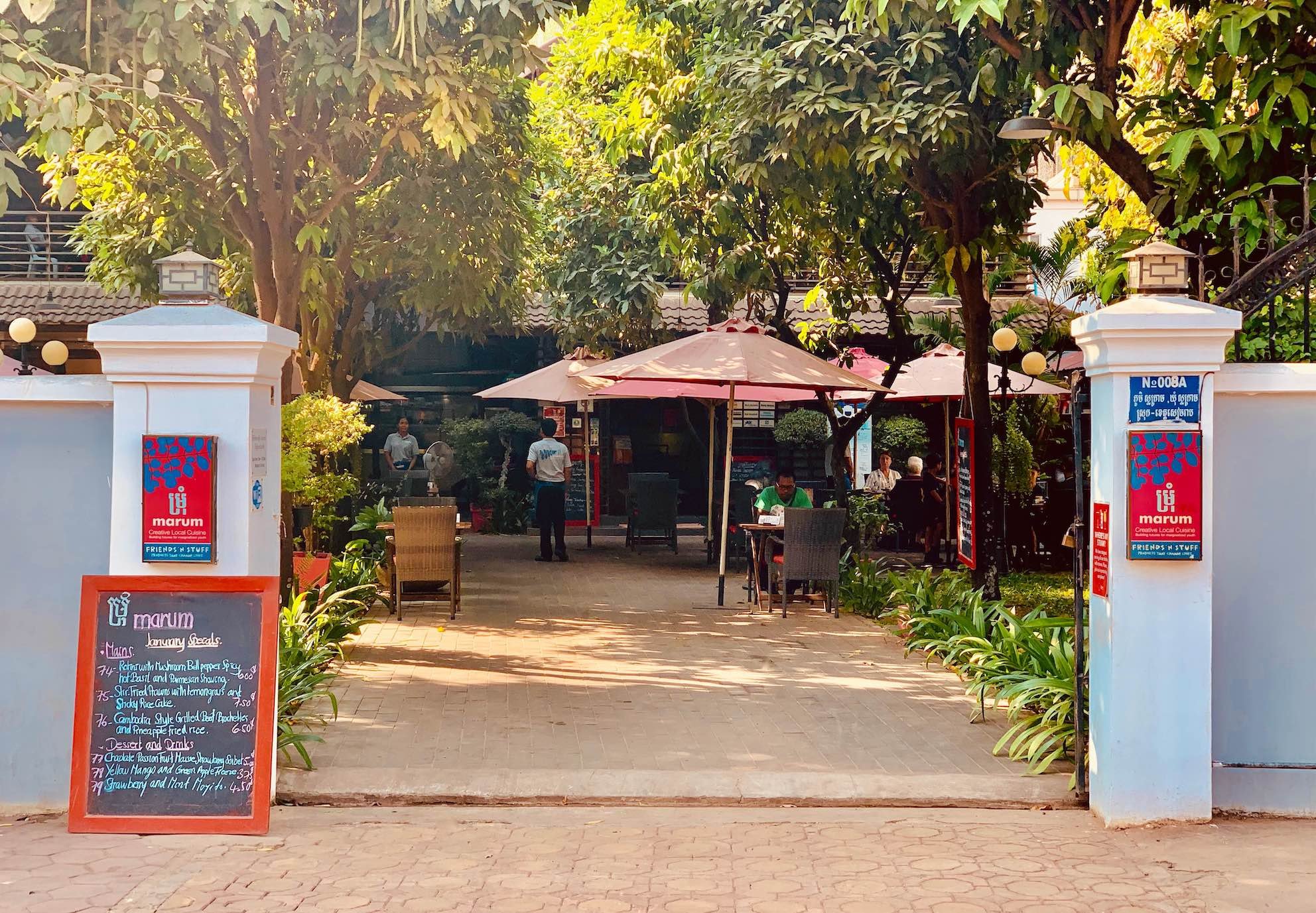
Marum sits in Por Trach Village on the quieter edge of Siem Reap, operating within Cambodia's social enterprise dining tradition where training kitchens and genuine culinary ambition occupy the same space. The restaurant draws a consistent following among travelers who treat the temples as a starting point rather than the whole itinerary. Booking ahead is advisable, particularly during the November-to-March peak season.

Pearl is the En Primeur Club membership app, where members save venues, book tables and use the concierge.
The menu
What to order
- Fish Amok
- Seafood Dim Sum
- Kampot Pepper Chocolate Tart
Arriving at the Edge of Siem Reap's Dining Scene
Por Trach Village sits at a remove from the concentrated restaurant strip around Pub Street and the Old Market, and that distance is partly the point. Siem Reap's dining geography has split in a way that mirrors patterns in other high-tourism Southeast Asian cities: a dense, price-variable center where foot traffic drives the business model, and a scattered outer ring where restaurants succeed on reputation rather than visibility. Marum occupies the latter position, in Sangkat Slor Kram, where arriving requires intention rather than accident. That self-selection filters the room considerably.
The approach to dining in this part of Siem Reap rewards a different kind of planning. Visitors who build their itineraries around Angkor Wat temple complexes often underestimate the city's restaurant depth, treating meals as secondary logistics. The travelers who have followed Siem Reap's food scene more carefully, through coverage in our full Siem Reab restaurants guide and elsewhere, tend to book dinner before they book their tuk-tuk for Ta Prohm. Marum sits in that category of restaurants that appears on pre-trip research lists rather than on spontaneous walk-in evenings.
The Social Enterprise Kitchen as a Culinary Format
Cambodia's social enterprise restaurant tradition has produced a distinct dining tier in Siem Reap, one that operates in parallel with conventional commercial restaurants but answers to a different set of pressures. Venues in this category train young Cambodians from vulnerable backgrounds in professional kitchen and front-of-house skills, which means the kitchen functions simultaneously as a working training program and a commercial dining room. The model has precedent across Southeast Asia, but in Siem Reap it has taken on particular significance given the city's economic dependence on tourism and the gaps in formal hospitality education.
HAVEN in Sala Kamreuk Sangkat and Jaan Bai Restaurant in Bat Dambang operate within comparable frameworks, training kitchens that have developed genuine culinary credibility alongside their social mission. Marum belongs to that cohort. The distinction worth making is that these restaurants are not simply charitable projects with food attached; they are competitive dining rooms where the training mission shapes kitchen culture without excusing lapses in execution. Regulars return because the food holds up, not as an act of goodwill.
The Bayon Pastry School in Siem Reap operates on an adjacent model, focused specifically on pastry and bakery skills, which gives a sense of how specialized these programs have become. The social enterprise dining scene in this city is not monolithic; each venue has staked out a different part of the curriculum and the menu.
What the Menu Reflects About Cambodian Cooking
Cambodian cuisine remains less internationally legible than Thai or Vietnamese cooking, despite operating within a comparable framework of aromatic bases, fermented pastes, freshwater fish, and palm sugar balances. Part of that obscurity is structural: Cambodia's hospitality industry was devastated across the 1970s and 1980s, which interrupted the transmission of professional cooking traditions in ways that neighboring countries largely avoided. The restaurants now rebuilding that tradition, including Cuisine Wat Damnak in Siem Reap at the more formal end, and Chanrey Tree and Damnak Meas within the mid-range, are doing so with varying degrees of ambition and formality.
Marum's kitchen works with Cambodian ingredients and preparations in a format that prioritizes accessibility without flattening the food into something approximating generic Southeast Asian. Dishes rooted in kroeung-based curries, fresh herb assemblies, and fermented condiments appear alongside preparations that allow less experienced diners a clear point of entry. This is a deliberate calibration, not a compromise: the restaurant serves an international visitor base that ranges from knowledgeable to barely curious, and the menu navigates that range without defaulting to the safest possible version of everything.
For context on how differently ambition can be applied to Cambodian ingredients, the contrast with AHA Umber is instructive. Siem Reap now contains restaurants operating at multiple registers of seriousness, from training-program kitchens to tasting menus, and understanding where Marum sits in that range helps calibrate expectations accurately.
Planning the Visit: What to Know Before You Go
The Por Trach Village address means that logistics require a little more coordination than restaurants within walking distance of the city center. Tuk-tuks and ride-hailing apps (primarily PassApp and Grab in Siem Reap) reach the area without difficulty, but building in travel time matters, particularly on evenings when temple visits run long. The restaurant operates in the dinner-primary format typical of Siem Reap's more considered dining rooms, and the social enterprise model means service pace can differ from conventional commercial restaurants, not slower, but differently cadenced as trainees develop their floor presence.
Siem Reap's tourism season peaks between November and March, when temperatures moderate and the roads around Angkor remain accessible. During this window, restaurants across the city run at higher capacity, and Marum's position in pre-trip research lists means it draws bookings early in that cycle. Visiting in the shoulder months of October or April brings a quieter room and often a more attentive service experience, though the wet season affects accessibility in some parts of the city.
For travelers building a broader Siem Reap itinerary across multiple evenings, Il Forno and Embassy in Svay Dankum Sangkat cover different ground. Those seeking the most formally resourced dining in the region might also consider the Amansara Resort Dining Room in Siemreab or, for an entirely different reference point, the dining tradition of Le Royal at The Raffles in Phnom Penh when passing through the capital. Further afield, Shinta Mani Wild in Kampong Seila represents the luxury eco-lodge dining tier for those extending into the Cardamom Mountains. Cambodia's dining options now span a range that rivals destinations far better covered in international travel media, a point that Lum Orng Restaurant in Sla Kram Sangkat and Iza in Phnum Penh reinforce at either end of the country. For travelers who have made their way to comparable training-mission restaurants in other contexts, places like Lazy Bear in San Francisco or the fixed-format dining rooms that draw comparison with Le Bernardin in New York City, the shift in register here is significant, but the seriousness of purpose has its own coherence. Maybe Later in Preah Sihanouk rounds out the picture of where Cambodia's coastal and urban dining scenes have arrived.
Frequently asked questions
What kind of setting is Marum?
Marum occupies Por Trach Village in Sangkat Slor Kram, away from the concentrated corridor around Pub Street and the Old Market. The location means a deliberate short journey from the city center, typically by tuk-tuk, and the remove from the tourist strip is by design rather than accident. The space functions as both a restaurant and a working training ground, which gives it a different register than conventional Siem Reap dining rooms.
What part of town is Marum in?
Marum is located at Por Trach Village, Sangkat Slor Kram Siem Reap City, 17251, Cambodia, Siem Reab.
Is Marum in Siem Reap a good option for travelers who want to support local communities while eating well?
Marum operates within Cambodia's social enterprise restaurant tradition, a model that channels revenue into vocational training for young Cambodians entering the hospitality industry. The Por Trach Village address in Siem Reap places it alongside a small peer group of training restaurants that have carved out a distinct dining tier in the city, separate from both budget street food and conventional tourist venues. For travelers making deliberate choices about where money flows, that structure is a material difference, not a marketing point.
What do regulars order at Marum?
Marum's menu draws on Cambodian cooking traditions, working within a framework of aromatic bases and fresh herbs that parallels Thai and Vietnamese cuisine but follows its own regional logic. Because Cambodian cooking remains less internationally familiar than its neighbours, regulars tend to use the menu as a guided introduction to Khmer flavour combinations rather than defaulting to dishes they already know. The kitchen's social enterprise structure means recipes are taught methodically, which generally produces consistent results across visits.
In Context: Similar Options
| Venue | Cuisine | Price |
|---|---|---|
| MarumThis venue (the venue you are viewing) | Modern Cambodian Fusion | $20–30 |
| Bayon Pastry School | French Pastry & Bakery Cafe | $1–10 |
| Chanrey Tree | Traditional Khmer Cuisine | $10–20 |
| Damnak Meas | Cambodian | Not listed |
| AHA Umber | Modern Cambodian Fusion Tapas | $20–30 |
| Il Forno | Authentic Italian Trattoria | $10–20 |
Continue exploring
More in Siem Reap
Restaurants in Siem Reap
All restaurants in Siem Reap →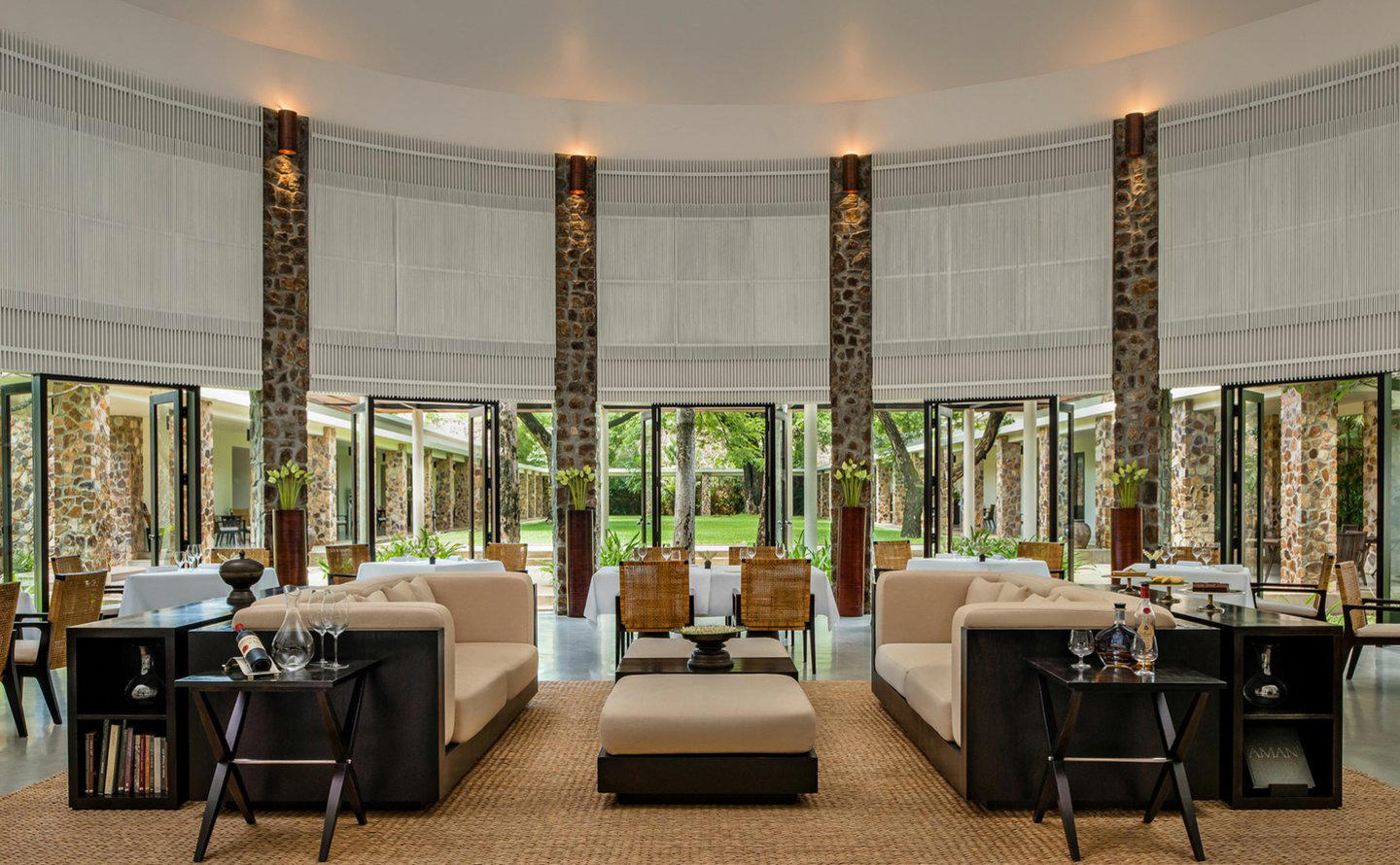
Bars in Siem Reap
All bars in Siem Reap →
Details
- Cozy
- Rustic
- Scenic
- Casual Hangout
- Family
- Garden
- Open Kitchen
- Local Sourcing
- Garden
- Small Plates
- A La Carte
- Vegetarian Friendly
- Vegan Options
- Gluten Free Options
Current opening hours
- Monday
- 5–9:30 PM
- Tuesday
- 5–9:30 PM
- Wednesday
- 5–9:30 PM
- Thursday
- 5–9:30 PM
- Friday
- 5–9:30 PM
- Saturday
- 5–9:30 PM
- Sunday
- Closed
Hours can change for holidays and private events. Hours as of .
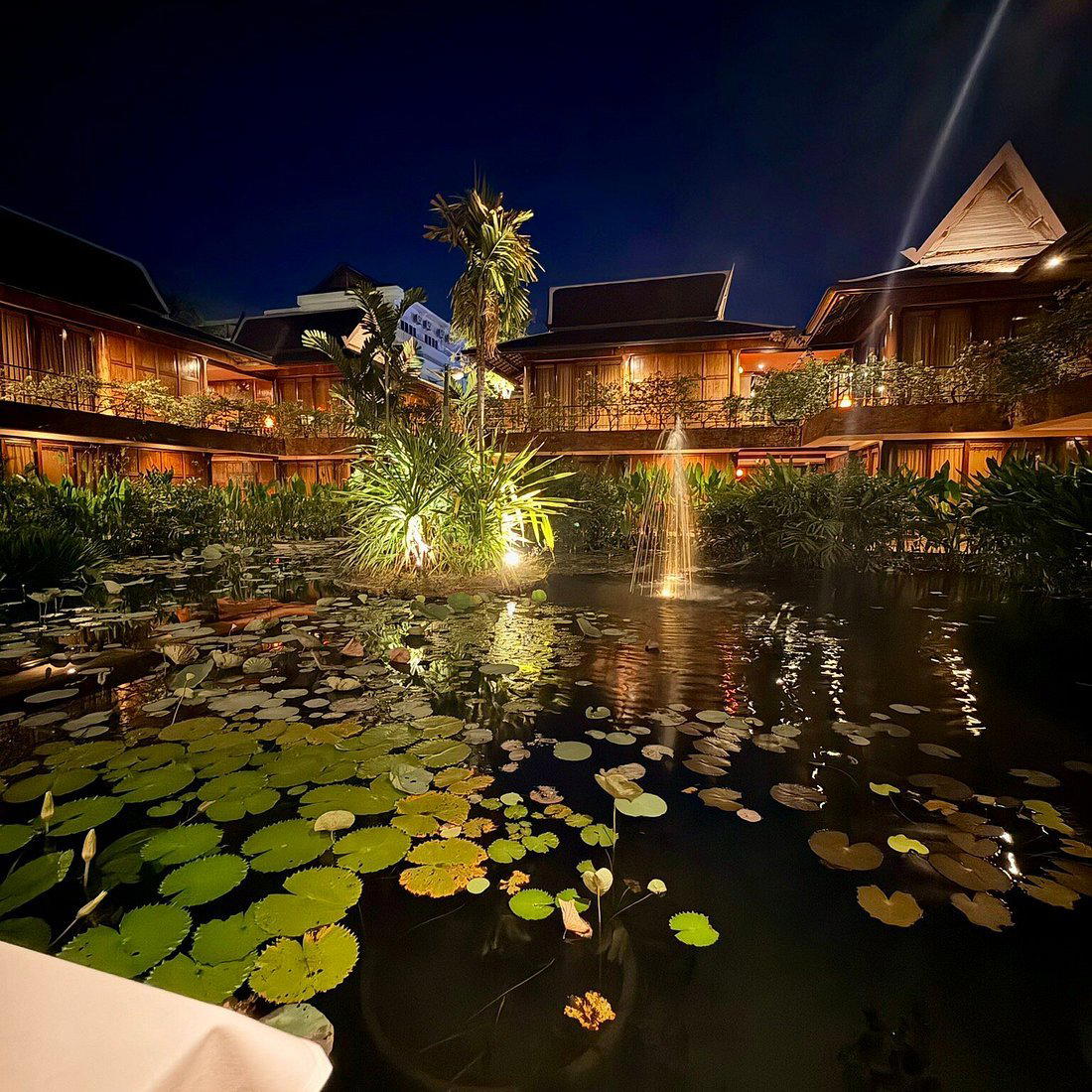
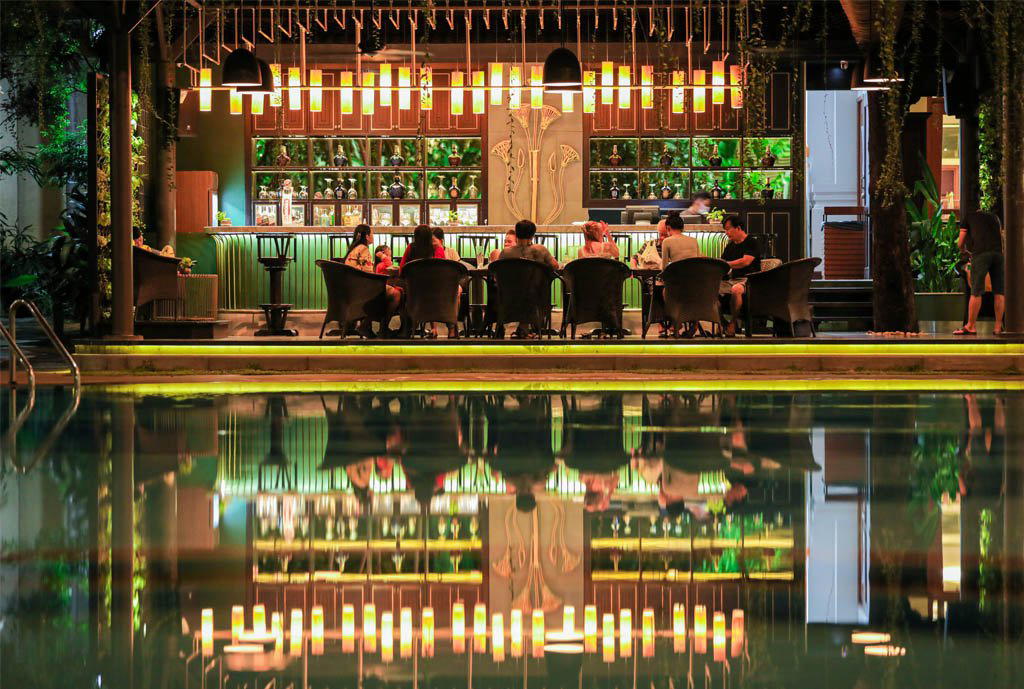
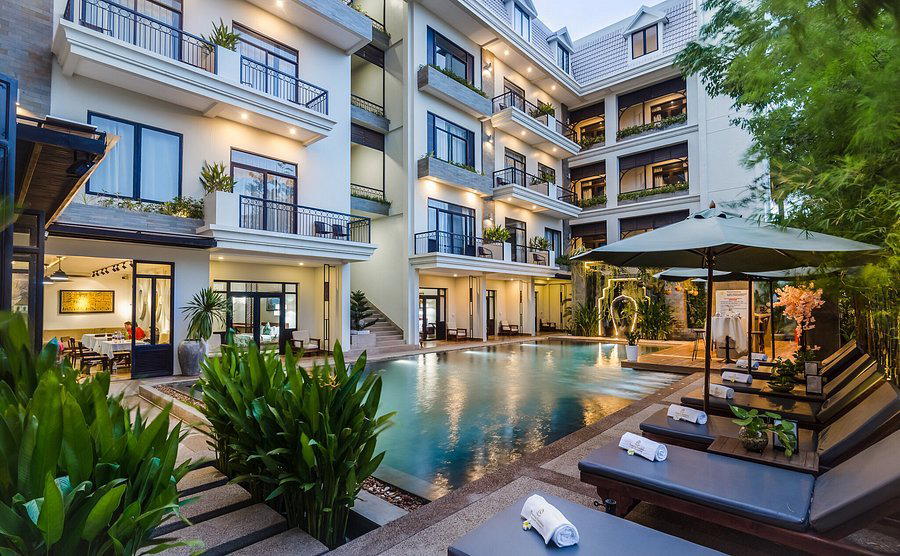
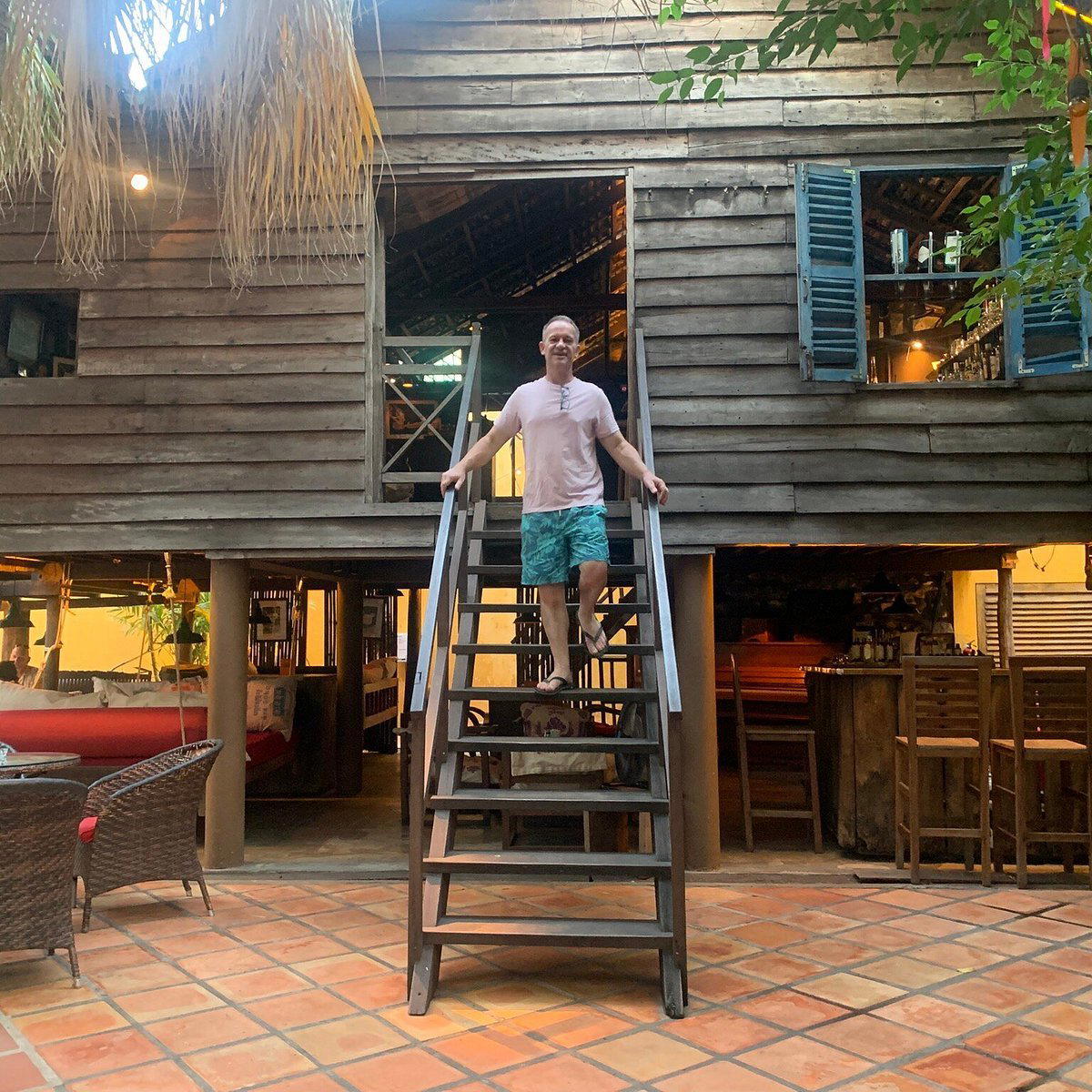
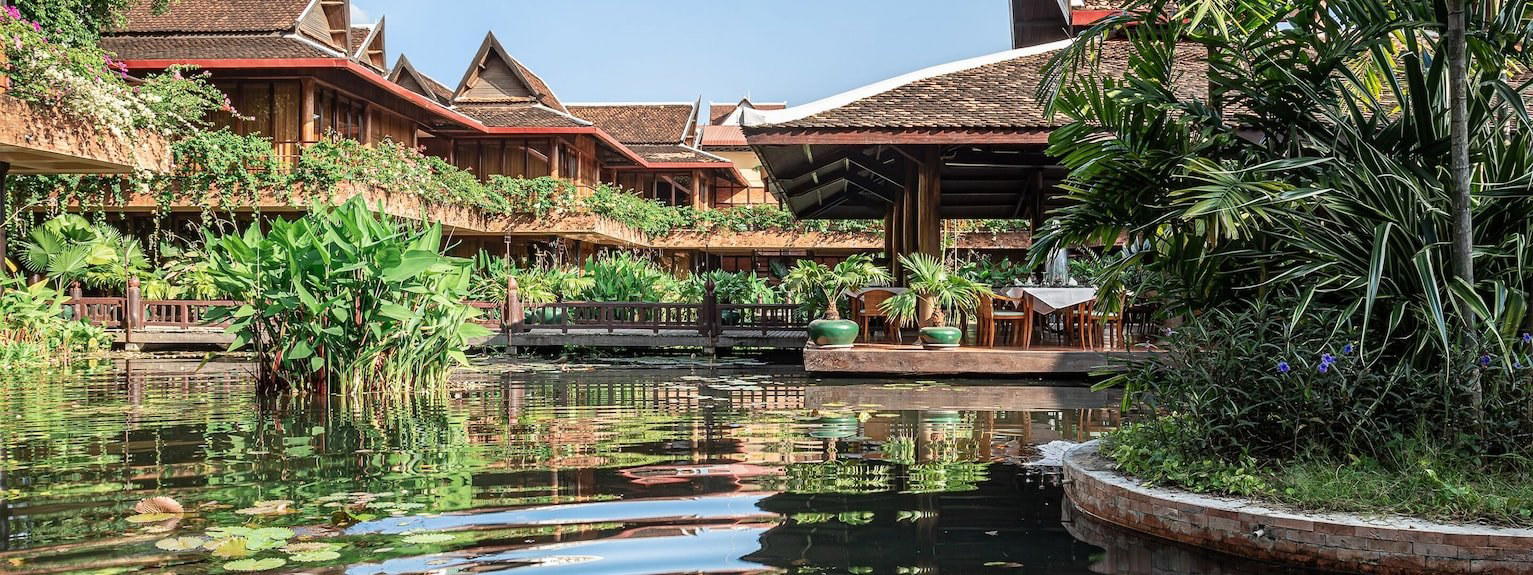
Lush garden oasis with sparkling lights amidst trees, serene open-air courtyard, and peaceful atmosphere.