Kokoro Japanese Restaurant
Kokoro Japanese Restaurant occupies a quiet corner of Sesto San Giovanni, the industrial satellite north of Milan that has quietly accumulated a more varied dining scene than its reputation suggests. The restaurant addresses a consistent gap in the area's offer: considered Japanese cooking in a neighbourhood where the default international options lean heavily toward pizza and kebab counters. For residents of the wider Lombardy belt, it represents a local alternative to making the full journey into central Milan.
Pearl is the En Primeur Club membership app — saves, bookings, and concierge access live there. Same editors, same standards.
- Address
- Via Fratelli Picardi, 234, 20099 Sesto San Giovanni MI, Italy
- Phone
- +39222470793
- Directions
- Get directions
 Saves & bookings on Pearl
Japanese Cooking in the Milan Industrial Belt
Sesto San Giovanni sits roughly six kilometres north of Milan's historic centre, separated from it by the gradual dissolve of inner-city fabric into post-industrial blocks and residential grids. The area built its identity around manufacturing — the Falck steelworks once defined the town's economy — and its dining scene has followed that practical, unglamorous character. Most of the city's serious restaurant spend still flows inward toward Milan, where the concentrated demand sustains everything from Enrico Bartolini's multi-starred operation to neighbourhood trattorias charging two-digit prices per cover. What Sesto San Giovanni offers instead is a quieter, lower-pressure version of urban dining, with occasional surprises.
Kokoro Japanese Restaurant on Via Fratelli Picardi is one of those surprises. Japanese restaurants have proliferated across Italian cities over the past two decades, following a pattern familiar across southern Europe: early adoption of sushi-heavy menus aimed at curiosity diners, followed by a slower consolidation toward kitchens that take sourcing and technique more seriously. What is clear is its address and its existence in a neighbourhood that does not otherwise attract destination dining from outside the immediate catchment area. That specificity matters for the reader deciding whether to travel.
Ingredient Sourcing as the Central Question
The credibility of any Japanese kitchen operating outside Japan rests heavily on two variables: the provenance of its fish and protein, and the discipline of its rice and seasoning. In a Northern Italian context, both questions have tractable local answers and some genuinely difficult ones. The Po Valley and the Adriatic coastline give Italian-based Japanese kitchens access to freshwater species and certain shellfish that do not appear in Japanese waters at all, creating a hybrid sourcing logic that the better Italian-Japanese operations have learned to use rather than fight. Restaurants in this category that perform well tend to draw on local fish markets, in Lombardy, often sourced through the Milan wholesale fish market at Via Cesare Lombroso, while importing specific Japanese staples like nori, high-grade soy, and short-grain rice varieties through specialist distributors that have grown significantly in number across Northern Italy since the mid-2010s.
Italian cities have developed a reasonably wide range of benchmarks for this assessment. At the high end of the national scene, the precision of Japanese technique applied to Italian ingredients has been explored in fine-dining contexts, though rarely as a standalone Japanese restaurant concept. At the neighbourhood level, the range is wide: the same postcode can contain a kitchen importing frozen pre-sliced fish and one working with a weekly fresh delivery from a specialist supplier in Osaka prefecture. The distinction is rarely visible from a menu description alone.
Where Kokoro Sits in the Sesto San Giovanni Dining Picture
For residents considering their local options, the relevant comparison is not the flagship Italian restaurants that define the region's culinary reputation at a national level. Establishments like Dal Pescatore in Runate, Osteria Francescana in Modena, or Piazza Duomo in Alba operate in a different register entirely, drawing national and international audiences for tasting menus that price into three figures per person. Even the closest high-end neighbour in Lombardy proper, Da Vittorio in Brusaporto, is a destination proposition rather than a neighbourhood choice.
Within that frame, a Japanese restaurant in Sesto San Giovanni fills a specific gap. The area's published dining options, including the Lombardian-focused 85 Bistrot, point toward a scene that runs primarily on Italian regional cooking. A Japanese kitchen adds a category that the neighbourhood's other restaurants do not address, which gives Kokoro a practical rather than competitive relevance for local diners. That positioning is common across European satellite towns: the single Japanese or East Asian restaurant in a non-metropolitan area often builds loyalty not through cuisine superiority but through category exclusivity in its catchment.
Planning a Visit
Kokoro Japanese Restaurant is located at Via Fratelli Picardi, 234, in Sesto San Giovanni, accessible from central Milan via the M1 metro line to Sesto Marelli or Sesto Rondò, each around fifteen minutes from the Duomo. The neighbourhood is primarily residential and lacks the concentrated foot traffic of central Milan, so the restaurant serves a predominantly local audience rather than a tourist one. No verified hours, booking method, or price information is available in the public record at time of writing, which means the practical step before visiting is a direct approach to confirm current availability and format. For visitors planning a broader Lombardy or Northern Italy dining itinerary alongside more established names such as Villa Crespi in Orta San Giulio or Le Calandre in Rubano, Kokoro works better as a local add-on from a Milan base than as a standalone destination. Our full Sesto San Giovanni restaurants guide covers the wider options in the area if you are mapping the neighbourhood in more depth.
How Kokoro Japanese Restaurant Sesto San Giovanni compares with similar nearby venues.
| Venue | Cuisine | Price |
|---|---|---|
| 85 Bistrot | Lombardian | €€ |
Continue exploring
More in Sesto San Giovanni
Restaurants in Sesto San Giovanni
Browse all →
Bars in Sesto San Giovanni
Browse all →
Hotels in Sesto San Giovanni
Browse all →
At a Glance
- Intimate
- Quiet
- Elegant
- Date Night
- Special Occasion
- Sake Program
Current opening hours
- Monday
- Closed
- Tuesday
- 7–11 PM
- Wednesday
- 7–11 PM
- Thursday
- 7–11 PM
- Friday
- 7–11 PM
- Saturday
- 7–11 PM
- Sunday
- 7–11 PM
Hours can change for holidays and private events. Last verified .
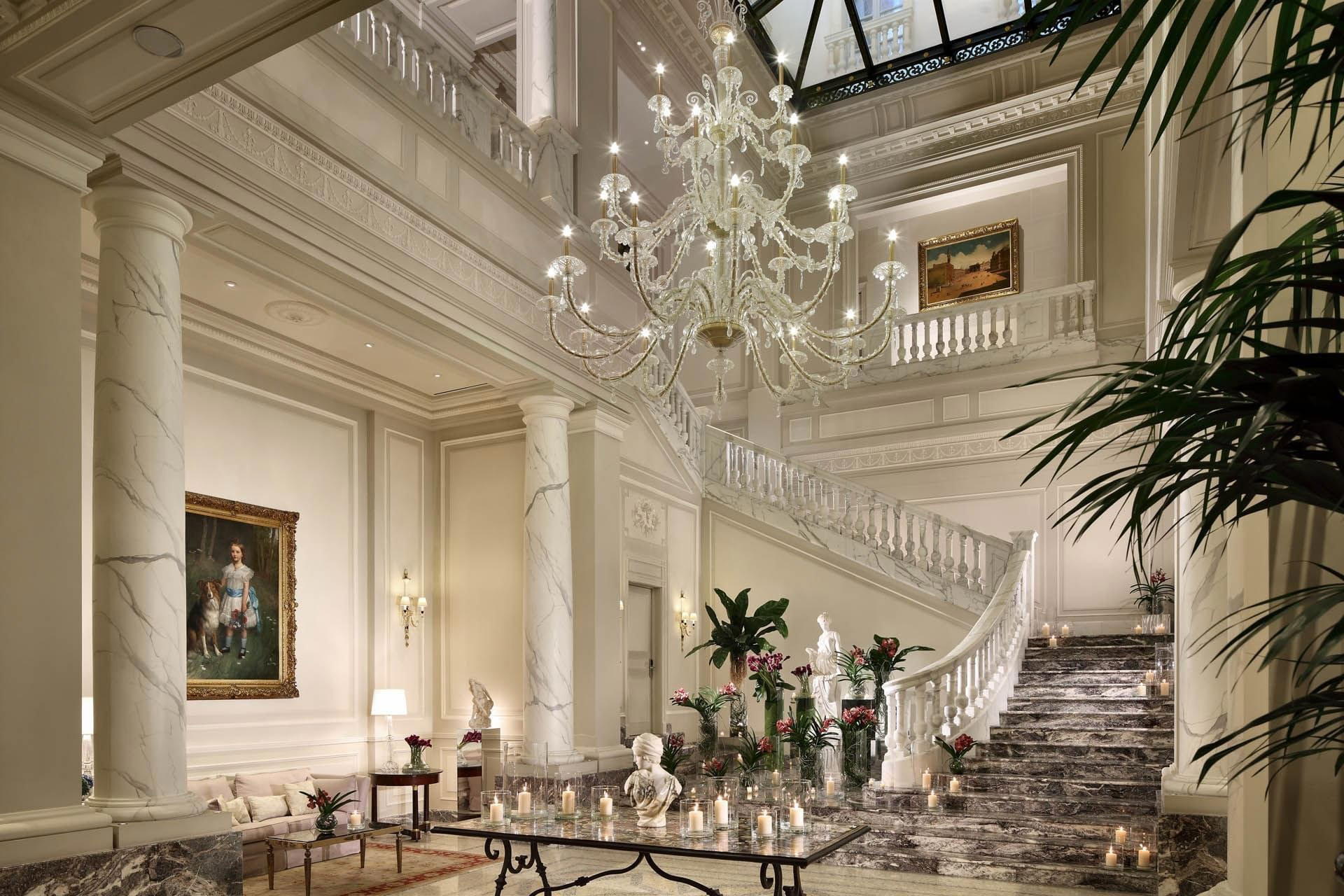
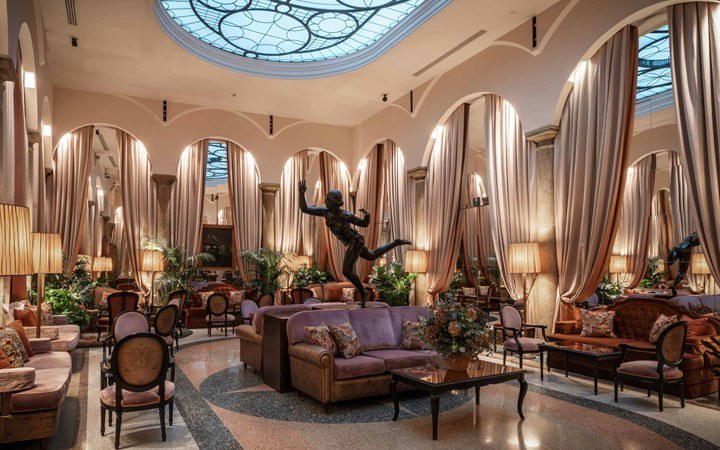
Softly lit, tranquil environment with soft oriental music, well-spaced tables in small intimate rooms evoking a relaxing, romantic Japanese atmosphere.
Know Before You Go
- Getting there
- Via Fratelli Picardi, 234, 20099 Sesto San Giovanni MI, Italy