
An 11-seat U-shaped counter in Minatomotomachi puts Chinese cooking into Kobe’s small-room dining vocabulary: controlled, regular-driven, and closer to a specialist counter than a banquet restaurant. Kobe Chuka Uebayashi is selected for Tabelog Chinese WEST 100 in 2026, with a fish-conscious, additive-free approach, wine in the drinks mix, and a price tier that places it above casual Chinatown grazing.
Pearl is the En Primeur Club membership app — saves, bookings, and concierge access live there. Same editors, same standards.
- Address
- Japan, 〒650-0023 Hyogo, Kobe, Chuo Ward, Sakaemachidori, 3 Chome−6−15 安原ビル 1F
- Phone
- +81 80-3766-4110
- Website
- yoyaku.tabelog.com
 Saves & bookings on Pearl
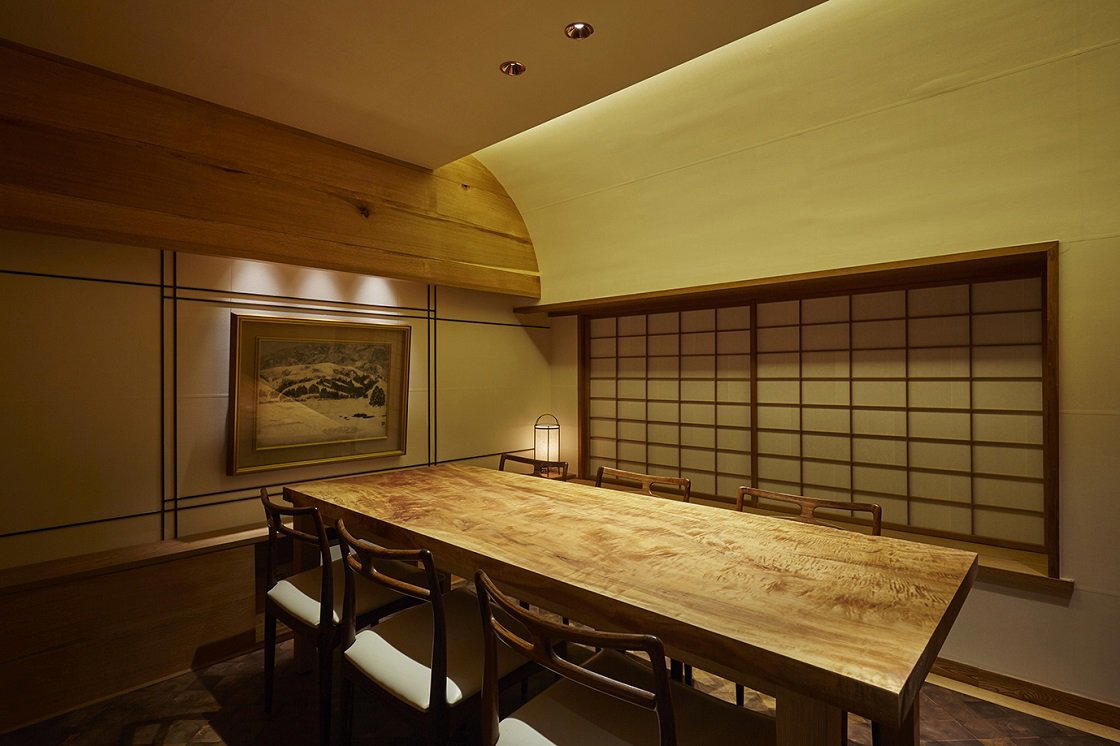
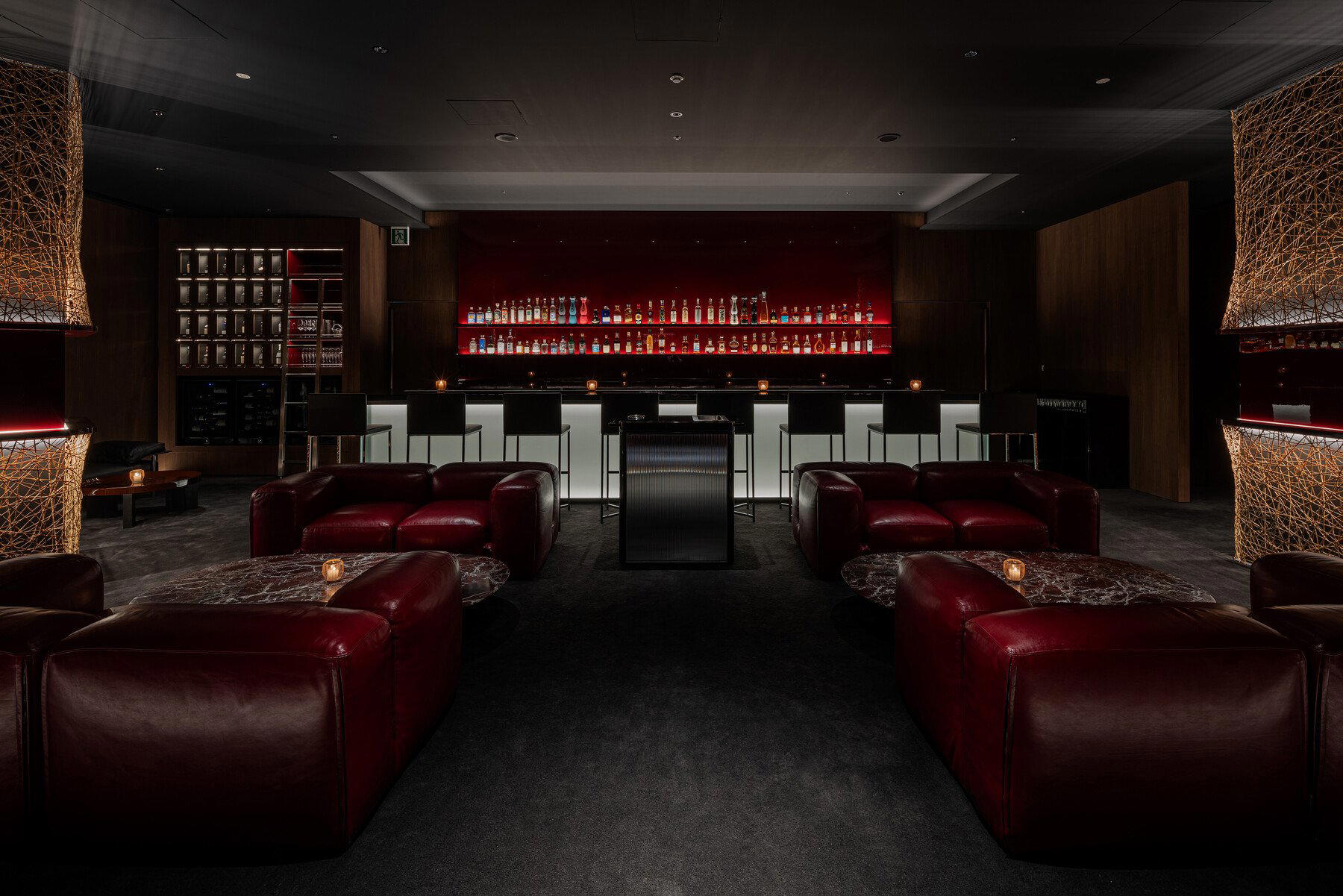
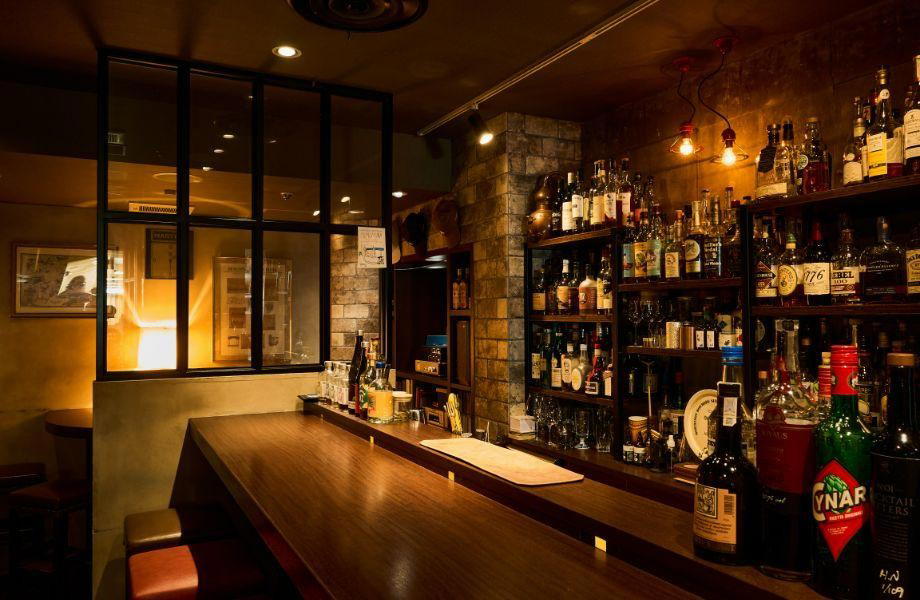
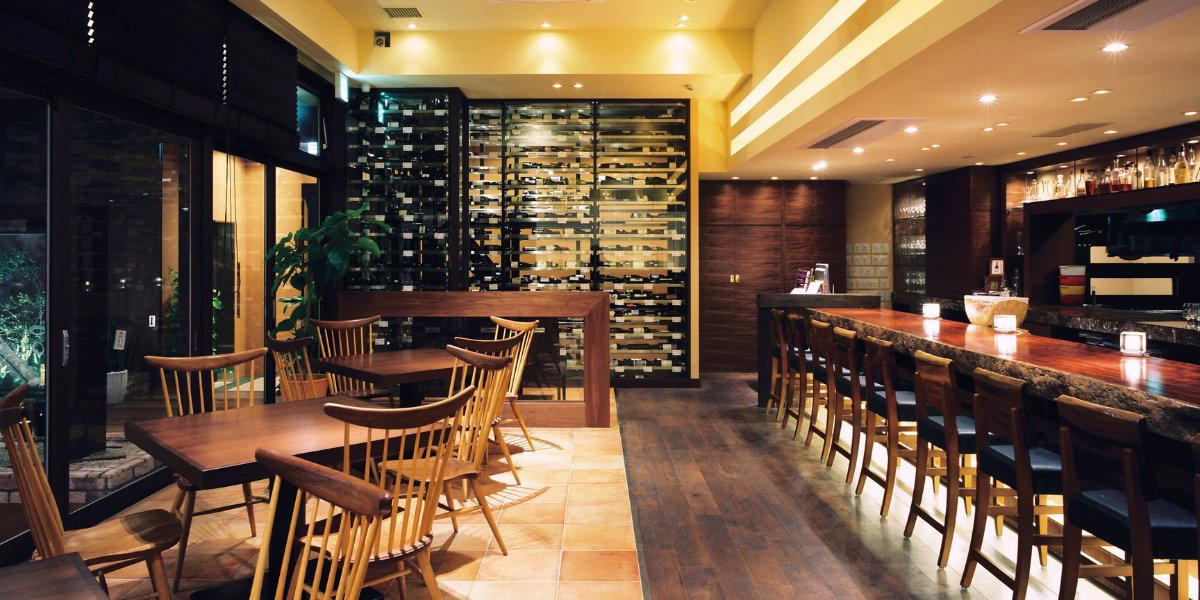
Approaching the Sakaemachidori address, the scale says almost everything. Kobe’s Chinese dining culture is often read through Nankinmachi crowds, street snacks, and group tables, but its serious end has shifted into smaller rooms where regulars value cadence, portioning, and the quiet discipline of a counter. Kobe Chuka Uebayashi works in that register: 11 seats around a U-shaped counter, no private rooms, and a format where repetition feels like appeal, not habit.
The room matters because Chinese cooking in Kobe has a different social grammar from sushi or kappo. It can be festive, communal, and noisy; this address compresses that language into an intimate rhythm. Return diners are not chasing spectacle. They buy into a kitchen that treats Chinese, dim sum, yum cha, and dumpling traditions as material for a controlled evening, with fish and wellness-minded cooking among its emphases. That combination explains why it sits outside the city’s lower-priced casual tier while staying accessible beside Japan’s luxury tasting-menu restaurants.
A counter-sized answer to Kobe's Chinese dining tradition
Kobe has long had a layered relationship with Chinese food. Nankinmachi provides the visible shorthand, but travellers should ask where Chinese cooking goes after leaving the souvenir-snack lane. At counter scale, the category behaves like other Japanese specialist formats: fewer seats, tighter pacing, more attention to regular clientele, and less tolerance for diners treating the meal as a loose walk-in stop.
Kobe Chuka Uebayashi fits that smaller, deliberate tier. Its Tabelog Chinese WEST 100 selection in 2026 is the primary signal, and the restaurant also appeared in the same Chinese WEST 100 selection history for 2024 and 2023. That matters because Tabelog’s Hyakumeiten lists tend to reward durable local support, not just international visibility. A 3.68 Tabelog score carries weight in a Japanese review environment where decimals matter, especially for limited-seat specialist restaurants.
The regulars’ perspective is the useful lens. An 11-seat counter changes the social contract: returning diners learn the pace, drinks expectations, and the difference between weekday à la carte flexibility and course-led services. This is not the democratic sprawl of a Chinatown meal built from several storefronts. It is Chinese cooking translated into Kobe’s counter culture, where loyalty comes through restraint, sequence, and recognition rather than volume.
That sharpens the frame beyond “Chinese in Kobe.” Nearby casual references such as Motomachi Dori 3 Chome and Bistro Taku sit in a lower spend bracket, while patisserie mont plus Honten and Cini CURRY show how the neighbourhood supports focused, affordable specialism. Kobe Chuka Uebayashi asks a different question: how much structure, intimacy, and ingredient seriousness can Chinese dining carry before it begins to resemble the reservation-led counter formats that dominate Japanese fine dining?
What keeps regulars returning is format, not theatre
The repeat appeal rests on concrete signals. The restaurant’s categories are Chinese, dim sum and yum cha, and dumpling, but its food notes point toward fish and additive-free cooking rather than a heavy banquet template. Wine is part of the drinks programme, placing the room closer to contemporary counter dining than old-school large-table Chinese service. No heroic chef narrative is needed. In Kobe, where beef, coffee houses, bakeries, and port-city internationalism compete for attention, a small Chinese counter earns loyalty by being precise about what it is not.
That distinction helps when planning a broader eating day. Kobe’s dining identity is often reduced to beef, and serious beef rooms such as Aburi Niku Kobo Wakkoku Shinkobe ten and Aburi Niku Kobo Wakkoqu Kitano Sakamoto Ten reinforce that reputation. But the city reads better when those meals are set against smaller specialist addresses: coffee at Akaneya Coffee Ten, focused local dining at Akari, or a different dietary angle at Ali's Halal Kitchen. The Chinese counter belongs in that map, not as an alternative to Kobe beef but as evidence that the city’s premium dining exceeds one ingredient.
The comparison also clarifies who should book. Diners seeking a large, flexible group meal will find the format restrictive. Those who value counter proximity, set pacing, and a room where regulars shape the atmosphere will understand the appeal quickly. The venue allows private use for groups of up to 20, but its everyday identity is still counter-led, not banquet-scale.
How to place it within a Kobe itinerary
The Minatomotomachi area rewards compact dining plans. The restaurant is close to the city’s port-side commercial history and near the Motomachi orbit, making it better for travellers already exploring central Kobe than those treating dinner as a detached destination. Its service pattern is structured enough for a planned evening, not a spontaneous grazing route.
For a wider city file, use Our full Kobe restaurants guide to separate counter-led meals from beef rooms, patisseries, and casual local addresses. Pair that with Our full Kobe hotels guide if proximity to Motomachi or the waterfront matters, and with Our full Kobe bars guide for post-dinner planning. Travellers extending the theme beyond restaurants can also scan Our full Kobe wineries guide and Our full Kobe experiences guide.
Context beyond Kobe helps, too. Japan’s specialist dining culture is broad enough to include beef-led meals such as -Grilled beef Sukiyaki- KAMAKURA TANUKIAN 鎌倉 たぬき庵 in Kamakura, seafood-and-charcoal formats like. 鮪と炭火焼き うお炭 秋葉原店 in Tokyo, compact café culture at.cafe in Osaka, and contemporary regional rooms such as.know in Kumamoto. The same itinerary logic can include (Shoku) Vietnam in Kawasaki, [Curry Senmon Ten] Maruyama Kyoju. in Sapporo, Jōdo Saké Bar in Los Angeles, and Onigiri Time in Pasadena, each showing how focused formats often tell more about a city than broad category labels.
The editorial read is clear: the restaurant is for travellers who know the valuable table is not always the loudest room. Its award recognition, small counter, fish-conscious cooking, and regular-led structure place it in Kobe’s specialist dining tier, where the meal’s intelligence lies in compression rather than display.
Standing Among Peers
Nearby venues at a similar price tier for orientation.
| Venue | Cuisine | Price | Notes |
|---|---|---|---|
| Kobe Chuka UebayashiThis venue — the venue you are viewing | Traditional Chinese & Dim Sum Counter | $$$ | Not listed |
| Juntoku | Traditional Cantonese restaurant | $$ | Chūō |
| Fushin | Traditional Chinese | $$$ | Chūō |
| yokoyama | Modern Innovative Fusion | $$$ | Chūō |
| fuxing | Modern Chinese Fine Dining | $$$ | Chūō |
| Yakitori Bonsan | Yakitori | $$$ | Chūō |
Recognition history
Dated appearances from independent guides and award organizations, with the underlying list record or original source where available.
Tabelog 100 #15 · No. 15
Tabelog · Tabelog 100 - Chinese cuisine - WEST - 2026





At a Glance
- Cozy
- Quiet
- Intimate
- Classic
- Solo
- Date Night
- Group Dining
- Casual Hangout
- After Work
- Chefs Counter
- Standalone
- Beer Program
- Local Sourcing
A small, quiet counter-style space with a hidden, neighborhood feel where guests sit close to the open preparation area and enjoy unhurried, home-like hospitality from the husband-and-wife team.